Women’s Health

Horny Goat Weed: Mastering Men’s Health

Horny Goat Weed: Mastering Men’s Health

Horny Goat Weed, scientifically known as Epimedium, is a genus of flowering plants that has been stirring interest for centuries due to its alleged aphrodisiac properties and potential health benefits. Derived from the Berberidaceae family, this herb has its roots in traditional Chinese medicine where it has been utilized for millennia to treat a variety of ailments. With its curious name and intriguing history, Horny Goat Weed has captured the imagination of people around the globe, prompting scientists, herbalists, and health enthusiasts to delve deeper into understanding its properties, effects, and potential applications in modern medicine and wellness.

Background

The history of Horny Goat Weed is as fascinating as its name suggests. The herb’s name is said to have originated from a Chinese legend where a goat herder noticed increased sexual activity in his flock after they had consumed the plant. Intrigued by this observation, ancient herbalists began to incorporate the herb into traditional remedies aimed at boosting libido and treating erectile dysfunction.

Over the centuries, the use of Horny Goat Weed expanded beyond aphrodisiac purposes, as practitioners of traditional Chinese medicine found it beneficial for treating a variety of conditions, including fatigue, joint pain, and certain age-related ailments. The active ingredient believed to be responsible for the herb’s medicinal properties is icariin, a flavonoid compound that has been studied for its potential to improve blood circulation, reduce inflammation, and exhibit antioxidant effects.

Despite its long-standing history in traditional medicine, scientific research on Horny Goat Weed and its constituents has been relatively recent. Initial studies have been promising, though comprehensive and conclusive research is still needed to fully understand the extent of the herb’s benefits and potential side effects.

Horny Goat Weed Epimedium Asmidev

“Horny Goat Weed is rich in flavonoids, particularly icariin, which is believed to play a central role in its therapeutic effects”

This comprehensive article aims to unravel the mysteries of Horny Goat Weed, providing readers with an in-depth look at the herb’s historical significance, botanical characteristics, and traditional uses. We will delve into the scientific research conducted on the plant and its active compounds, evaluating the credibility of its purported health benefits. From its potential role in enhancing sexual function and libido to its possible applications in supporting cardiovascular health and combating oxidative stress, we aim to present a balanced and informative exploration of Horny Goat Weed.

Join us as we embark on a journey to uncover the secrets of Horny Goat Weed, exploring its past, present, and potential future in the realms of health, wellness, and natural medicine.


Table of Contents

Cultivation of Horny Goat Weed

Chemical Composition

General Health Benefits of Horny Goat Weed

Bone Health

Cardiovascular Health

Anti-Inflammatory

Antioxidant Effects

Neuroprotective Properties

Anti-Cancer Potential

Immune System Support

Reproductive Health Benefits of Horny Goat Weed

Erectile Function

Libido Enhancement

Sperm Health

Hormonal Balance

Potential Fertility Enhancement

Supplementation

Conclusion


Cultivation of Horny Goat Weed

Horny Goat Weed, botanically recognized as Epimedium, is a perennial plant predominantly cultivated in parts of Asia and the Mediterranean. Thriving in areas with moderate shade and well-drained soil, this herb appreciates a stable environment away from extreme weather conditions. During its cultivation, attention to soil quality is paramount, as the plant prefers a loamy or sandy substrate rich in organic matter. Watering should be consistent but moderate, ensuring the soil remains moist but not waterlogged. The herb propagates primarily through its rhizomes and seeds, with spring being the optimal season for planting. As it grows, Horny Goat Weed develops heart-shaped leaves and produces small, vibrant flowers, adding a touch of aesthetic appeal to its therapeutic allure. Over the years, its cultivation has expanded beyond natural habitats, as gardeners and herbalists alike recognize its value in both medicinal and ornamental contexts.

Climatic Conditions

Horny Goat Weed, also known as Epimedium, thrives best in specific climatic conditions that support its optimal growth and development. The plant generally prefers temperate regions, flourishing in environments with mild temperatures and a balanced distribution of rainfall throughout the year. It is well-suited to areas that offer partial shade, as excessive sunlight can hinder its growth, while complete shade may lead to suboptimal development.

In terms of humidity, Horny Goat Weed benefits from moderate levels, as overly humid conditions can contribute to the growth of mold and other fungal diseases, which can be detrimental to the plant. Well-drained soil is crucial, and the plant tends to perform best in soils that are rich in organic matter. A slightly acidic to neutral pH range is ideal for cultivating this herb.

While Horny Goat Weed is relatively resilient and can adapt to a variety of conditions, adhering to these climatic preferences ensures a healthier plant, potentially leading to a higher concentration of its active compounds. These conditions align with the plant’s natural habitats in Asia and the Mediterranean, where it has thrived for centuries. By replicating these conditions as closely as possible, cultivators can optimize the growth and medicinal potential of Horny Goat Weed.

Geography

Horny Goat Weed, scientifically known as Epimedium, predominantly grows in specific regions around the world. The majority of its species are native to Asia, with a significant concentration found in China. Various provinces in China, including Sichuan, Hubei, and Shaanxi, have been identified as natural habitats for different species of this herb. The plant thrives in higher altitude regions, growing on hillsides and among rocks in semi-shaded areas.

In addition to its native Asian habitats, some species of Horny Goat Weed are found in the Mediterranean region. The plant has also been introduced to other parts of the world for cultivation due to its popularity in herbal medicine and gardening.

The growth of Horny Goat Weed in these regions is supported by the specific climatic and soil conditions prevalent there, which align with the plant’s requirements for optimal growth. The herb prefers temperate climates, well-drained soil, and areas with moderate sunlight, conditions commonly found in its native and introduced regions.


Chemical Composition

Horny Goat Weed, also known as Epimedium, contains a variety of chemical constituents that contribute to its purported health benefits. The exact composition can vary depending on the species, growing conditions, and processing methods, but some of the key compounds include:

  1. Icariin: This is the most studied compound in Horny Goat Weed and is a flavonoid with a content ratio ranging from 0.04% to 60% in different species and preparations. Icariin is believed to have various health benefits, including potential anti-inflammatory and antioxidant effects. It has also been studied for its role in enhancing erectile function, boosting libido, and promoting bone health.
  2. Epimedin C: Another flavonoid present in Horny Goat Weed, epimedin C, has been identified in certain species. Though it is generally found in smaller quantities than icariin, it still plays a significant role in the herb’s medicinal properties. Research suggests that epimedin C may have anti-osteoporotic and neuroprotective effects.
  3. Baohuoside I: This compound is a prenylated flavonol glycoside found in Horny Goat Weed. While it is present in lesser quantities compared to icariin, baohuoside I has been studied for its potential anti-cancer properties, especially in relation to prostate cancer.
  4. Quercetin: A well-known antioxidant, quercetin is present in small amounts in Horny Goat Weed. It is recognized for its ability to combat oxidative stress, reduce inflammation, and possibly contribute to cardiovascular health.
  5. Desmethylicaritin: This compound is another flavonoid found in Horny Goat Weed, though in smaller quantities. Preliminary research suggests that it may have estrogen-like effects, potentially influencing bone density and cardiovascular health.
  6. Magnesium and Zinc: These minerals are found in trace amounts in Horny Goat Weed. Magnesium plays a crucial role in muscle and nerve function, while zinc is vital for immune health and wound healing.

(Reference: W K Li et al., 1996)

It is important to note that the content ratios and percentages of these constituents can vary widely based on the specific species of Epimedium, as well as the growing and processing conditions. Additionally, while there is a growing body of research on Horny Goat Weed and its potential health benefits, more comprehensive and conclusive studies are needed to fully understand its effects and optimal dosages. As with any supplement or herbal remedy, it is crucial to consult with a healthcare professional before use, especially considering potential interactions with medications and underlying health conditions.


General Health Benefits of Horny Goat Weed

Horny Goat Weed, scientifically known as Epimedium, has been revered in traditional medicine for centuries, renowned for its diverse array of potential health benefits. This herb is rich in flavonoids, particularly icariin, which is believed to play a central role in its therapeutic effects. Studies suggest that Horny Goat Weed may contribute to improved sexual function, enhanced libido, and increased blood circulation. Additionally, its potential anti-inflammatory and antioxidant properties could aid in combating oxidative stress and reducing inflammation. The herb has also been explored for its possible benefits in bone health, cardiovascular wellness, and neuroprotection. Here’s a comprehensive overview based on findings from credible research:

Bone Health

Horny Goat Weed, with its active component icariin, has been the subject of scientific interest for its potential role in improving bone health. Icariin has shown promise in promoting the activity of osteoblasts, the cells responsible for bone formation, while simultaneously inhibiting osteoclasts, the cells involved in bone resorption. This dual action contributes to a positive balance in bone remodeling, which is crucial for maintaining bone density and strength. Studies have indicated that icariin stimulates the production of bone-forming proteins and enhances the expression of genes related to osteogenesis, the process of bone tissue formation (Do Rim Kim et al., 2017).

Additionally, icariin appears to exhibit estrogen-like effects, potentially helping to mitigate bone loss associated with estrogen deficiency, a common issue during menopause. This has led researchers to explore the potential of Horny Goat Weed as a natural alternative for managing osteoporosis and improving overall bone health (Shihua Shi et al., 2022).

Cardiovascular Health

Horny Goat Weed has garnered attention in scientific circles for its potential cardiovascular benefits, primarily attributed to its active compound, icariin. This flavonoid has demonstrated a capacity to enhance nitric oxide production in the body, leading to vasodilation and improved blood flow (Wenpeng Song et al., 2022). This mechanism not only contributes to the alleviation of erectile dysfunction but also holds implications for cardiovascular health, potentially reducing blood pressure and improving circulation. Additionally, icariin has exhibited antioxidant properties, helping to combat oxidative stress, a known contributor to cardiovascular diseases (Yufei Zeng et al., 2022).

Preliminary studies suggest that Horny Goat Weed may also play a role in inhibiting the formation of plaques in blood vessels, thereby reducing the risk of atherosclerosis (Jian Fang et al., 2017). Furthermore, its potential anti-inflammatory effects could contribute to the overall health of the cardiovascular system. Despite these promising findings, more extensive and rigorous clinical trials are required to solidify our understanding of Horny Goat Weed’s cardiovascular benefits and determine optimal dosages for therapeutic application, ensuring both efficacy and safety.

Anti-Inflammatory

Horny Goat Weed has shown potential as an anti-inflammatory agent, with various studies highlighting its ability to modulate inflammatory responses in the body. The active compound icariin, a type of flavonoid found in the plant, plays a crucial role in this anti-inflammatory action. Icariin has been observed to inhibit the production of pro-inflammatory cytokines, which are signaling proteins that mediate and regulate inflammation. By reducing the levels of these cytokines, Horny Goat Weed helps to alleviate inflammatory responses.

Furthermore, icariin appears to suppress the activation of NF-κB, a protein complex involved in controlling the transcription of DNA, cytokine production, and cell survival. NF-κB is known to play a significant role in the inflammatory process, and its inhibition results in reduced inflammation (You-Chang Oh et al., 2015).

These anti-inflammatory properties of Horny Goat Weed contribute to its potential therapeutic applications in managing inflammatory conditions and diseases. However, while these findings are promising, it is important to note that more comprehensive human trials and studies are needed to confirm these effects and determine safe and effective dosages for use. Consulting a healthcare professional before using Horny Goat Weed for its anti-inflammatory properties is highly recommended, to ensure safety and appropriateness.

Antioxidant Effects

Horny Goat Weed has demonstrated considerable promise as an antioxidant, with its active compound icariin playing a significant role in this capacity. Icariin exhibits strong antioxidant properties, effectively neutralizing free radicals and reducing oxidative stress in the body. Free radicals are unstable molecules that can damage cells and contribute to aging and various diseases. By combating these harmful molecules, icariin helps to protect cells and tissues, potentially reducing the risk of chronic diseases associated with oxidative stress, including cardiovascular diseases, neurodegenerative disorders, and certain types of cancer.

In addition to directly scavenging free radicals, icariin also enhances the body’s own antioxidant defenses. Studies have shown that it can increase the activity of antioxidant enzymes, providing an additional layer of protection against oxidative damage (Zai-Qun Liu et al., 2004).

Despite these promising findings, it is important to note that the majority of studies on Horny Goat Weed and its antioxidant effects have been conducted in vitro or in animal models. Further clinical trials on humans are needed to fully understand the extent of its antioxidant benefits and to establish safe and effective dosages for therapeutic use. Consulting a healthcare professional before using Horny Goat Weed for its antioxidant properties is crucial to ensure safety and appropriateness.

Neuroprotective Properties

Horny Goat Weed has sparked interest in the scientific community for its potential neuroprotective properties, largely attributed to its active compound, icariin. Research indicates that icariin may play a role in safeguarding neurons against various forms of damage, contributing to enhanced brain health and potential protection against neurodegenerative diseases. Icariin has demonstrated an ability to inhibit oxidative stress and reduce inflammation in neuronal tissues, two major contributors to neurodegenerative conditions (Ling Rui Li et al., 2022).

Additionally, studies suggest that icariin may promote the production of nerve growth factors and enhance the process of neurogenesis, the creation of new neurons. This can contribute to improved cognitive function and neural plasticity, aiding in the recovery from neural injuries and potentially slowing the progression of age-related cognitive decline (Takuya Urano et al., 2010).

Furthermore, icariin has shown promise in protecting neuronal cells from apoptosis, programmed cell death, a critical factor in neurodegenerative diseases (Baojun Liu et al., 2011). Despite these promising findings, it is vital to highlight the need for more extensive clinical trials on humans to confirm these neuroprotective effects and to establish safe and effective dosages for therapeutic use. Consulting with healthcare professionals before using Horny Goat Weed for its neuroprotective properties is strongly recommended to ensure its safe and appropriate application.

Anti-Cancer Potential

Horny Goat Weed has attracted attention for its potential anti-cancer properties, primarily due to its active compound, icariin. Preliminary research has suggested that icariin may exert anti-cancer effects through various mechanisms. It appears to be capable of inhibiting the proliferation of cancer cells, disrupting the cell cycle, and inducing apoptosis, which is programmed cell death. This pro-apoptotic effect is crucial in preventing the uncontrolled growth of cancer cells (Fang-Yuan Liu et al., 2023).

Additionally, icariin has demonstrated anti-angiogenic properties, meaning it can potentially inhibit the formation of new blood vessels that supply nutrients to tumors, thereby stifling their growth (Hui-Li Tan et al., 2016). The compound also exhibits antioxidant properties, helping to neutralize free radicals and reduce oxidative stress, factors that are associated with the initiation and progression of cancer (Shenghan Gao et al., 2023).

Despite these promising findings, it is important to underscore that the majority of studies on icariin’s anti-cancer effects have been conducted in vitro or in animal models. Further clinical trials on humans are necessary to fully elucidate the extent of its anti-cancer benefits and to determine safe and effective dosages for therapeutic use. Consulting a healthcare professional before using Horny Goat Weed for its anti-cancer properties is vital to ensure safety and appropriateness.

Immune System Support

Horny Goat Weed, with its active compound icariin, has shown potential in supporting the immune system. Research indicates that icariin may enhance immune function by modulating the activity of various immune cells and promoting a balanced immune response. It appears to stimulate the proliferation of certain types of white blood cells, which play a crucial role in defending the body against infections and diseases.

Icariin has also demonstrated anti-inflammatory properties, helping to regulate the immune system and prevent excessive inflammatory responses that can lead to chronic diseases (You-Chang Oh et al., 2015). Furthermore, its antioxidant capabilities contribute to protecting immune cells from oxidative stress, ensuring they function optimally (Zai-Qun Liu et al., 2004).

The compound may also influence the production of cytokines, signaling proteins that mediate and regulate immunity and inflammation. By modulating cytokine production, icariin helps to orchestrate a balanced immune response, enhancing the body’s ability to fend off pathogens while preventing overactivation that could lead to autoimmune issues.

Despite these potential health benefits, it is crucial to approach Horny Goat Weed with caution and seek professional medical advice before use. The quality, purity, and strength of Horny Goat Weed supplements can vary significantly, and potential interactions with medications or underlying health conditions need to be considered. Furthermore, while the existing research is promising, more comprehensive and long-term studies are required to fully validate these health benefits and establish safe and effective dosages.


Reproductive Health Benefits of Horny Goat Weed

Horny Goat Weed, renowned for its potent aphrodisiac properties, has been a staple in traditional medicine for centuries, primarily used to enhance sexual health and performance. The herb contains icariin, a flavonoid that plays a crucial role in boosting sexual function. It works by inhibiting the activity of PDE5, an enzyme that hinders blood flow to the genital area, thereby enhancing erectile function. Additionally, it has been reported to increase levels of nitric oxide, further improving circulation and supporting robust sexual health. Beyond its effects on blood flow, Horny Goat Weed is believed to boost libido and sexual desire, making it a popular choice for individuals looking to improve their sexual well-being. Despite its widespread use, it is vital to approach this herb with caution and consult a healthcare professional to ensure safe and effective use. Here are some of the reproductive health benefits that have been investigated:

Erectile Function

(PDE5) inhibitory effects: The PDE5 (phosphodiesterase type 5) inhibitory effects of Horny Goat Weed, primarily attributed to its active component icariin, play a significant role in enhancing erectile function. PDE5 is an enzyme that breaks down cGMP, a molecule that is crucial for achieving and maintaining an erection as it helps relax the smooth muscles and dilate the blood vessels in the penis. When PDE5 is inhibited, levels of cGMP remain elevated, leading to improved blood flow and, consequently, stronger and longer-lasting erections.

Icariin has been shown to act as a mild PDE5 inhibitor, promoting increased cGMP levels and facilitating enhanced penile blood flow (Yasmin Chau et al., 2019). This action mirrors that of prescription medications used to treat erectile dysfunction, albeit to a lesser extent. By improving circulation to the genital area and supporting the mechanisms that lead to an erection, Horny Goat Weed offers potential benefits for men experiencing erectile difficulties.

However, it is crucial to highlight that while studies have demonstrated the PDE5 inhibitory effects of icariin, the exact efficacy, optimal dosage, and long-term safety of Horny Goat Weed for erectile dysfunction still require further investigation through rigorous clinical trials.

Enhancing Nitric Oxide Production: Horny Goat Weed exerts its beneficial effects on erectile function partly through its ability to increase the production of nitric oxide (NO), a critical molecule in the process of achieving and maintaining an erection. The active compound in Horny Goat Weed, icariin, has been shown to stimulate the activity of nitric oxide synthase, the enzyme responsible for synthesizing NO from the amino acid L-arginine (Wu-Jiang Liu et al., 2005).

The increased production of NO leads to the relaxation of smooth muscles and the dilation of blood vessels in the penis, enhancing blood flow and facilitating the achievement of an erection. NO also stimulates the production of cyclic guanosine monophosphate (cGMP), a messenger molecule that plays a vital role in the vasodilation process (Richard C Jin et al., 2010).

By enhancing NO production and supporting the mechanisms that lead to vasodilation, Horny Goat Weed aids in improving erectile function. However, while these effects have been observed in various studies, it is imperative to conduct further clinical research on humans to solidify our understanding of its efficacy, determine optimal dosages, and ensure long-term safety.

Libido Enhancement

Horny Goat Weed is traditionally used to boost sexual desire, and scientific investigations have begun to unravel the mechanisms behind its aphrodisiac properties. The active compound icariin plays a central role in enhancing libido. Research suggests that icariin may influence levels of neurotransmitters in the brain, such as dopamine and norepinephrine, which are involved in regulating sexual desire and arousal (Xiaoke Di et al., 2023).

Icariin is believed to have adaptogenic properties, helping the body to manage stress more effectively, and this can indirectly contribute to increased sexual desire (B Liu et al., 2015). Chronic stress is known to suppress libido, and by mitigating stress responses, Horny Goat Weed may help to maintain healthy sexual interest.

Moreover, icariin’s antioxidant and anti-inflammatory properties may contribute to overall vitality and well-being, factors that are intrinsically linked to sexual desire. While these findings are promising, it is crucial to conduct further clinical studies to validate Horny Goat Weed’s efficacy in boosting libido, establish safe dosages, and ensure long-term safety.

Sperm Health

Horny Goat Weed has garnered attention for its potential in enhancing sperm health, a critical aspect of male fertility. The active compound icariin is believed to play a pivotal role in this regard. Research suggests that icariin may contribute to improved sperm motility, which is the ability of sperm to move efficiently, an essential factor for successful fertilization. Icariin has demonstrated potential in protecting sperm from oxidative stress, a condition caused by an excess of harmful free radicals that can lead to cell damage. By exerting antioxidant properties, icariin helps to neutralize these free radicals, safeguarding the sperm’s DNA integrity and overall functionality (Maoxin Chen et al., 2014).

Additionally, studies have indicated that icariin may have a positive impact on the production of testosterone, a key hormone in male reproductive health (Zhen-Bao Zhang et al., 2006). Adequate levels of testosterone are necessary for the proper development of sperm and maintenance of sperm health.

Despite these promising findings, it is crucial to emphasize the need for more extensive human clinical trials to comprehensively understand the effects of Horny Goat Weed on sperm health, and to establish safe and effective dosages for therapeutic use.

Hormonal Balance

Horny Goat Weed has been associated with boosting testosterone levels and improving hormonal balance, predominantly due to its active compound, icariin. Icariin is believed to exert its effects on testosterone production through various mechanisms. Research suggests that it can enhance the activity of cells in the testes that are responsible for producing testosterone, leading to increased levels of this crucial hormone (Zhen-Bao Zhang et al., 2006).

Additionally, icariin appears to influence the expression of genes associated with hormone regulation, contributing to a more balanced hormonal environment. By promoting optimal testosterone levels, Horny Goat Weed supports various aspects of male health, including muscle development, energy levels, and sexual function.

Moreover, icariin has demonstrated potential in inhibiting the activity of an enzyme that converts testosterone into estrogen, helping to maintain a favorable testosterone-to-estrogen ratio (Jiandong Sun et al., 2022). This is particularly important as an imbalance, with higher levels of estrogen relative to testosterone, can lead to various health issues in men, including reduced libido, increased body fat, and diminished muscle mass.

Despite these promising insights, it is crucial to highlight the need for more extensive clinical trials on humans to confirm these hormonal effects and to determine safe and effective dosages for therapeutic use.

Potential Fertility Enhancement

Horny Goat Weed has attracted attention for its potential role in enhancing male fertility, predominantly due to its active component, icariin. In men, fertility is closely tied to the health of sperm, and icariin has demonstrated promising effects in this area. It is believed to improve sperm motility, which is the ability of sperm to move efficiently—a critical factor for successful fertilization.

Icariin also appears to exert protective effects on sperm, safeguarding them from oxidative stress. Oxidative stress occurs when there is an imbalance between free radicals and antioxidants in the body, leading to potential damage to cells, including sperm cells (Maoxin Chen et al., 2014). By exhibiting antioxidant properties, icariin helps neutralize these free radicals, preserving the integrity of sperm DNA and enhancing overall sperm health.

Furthermore, studies suggest that icariin may contribute to balanced testosterone levels, a hormone essential for sperm production and male reproductive health (Zhen-Bao Zhang et al., 2006). By supporting optimal testosterone levels and protecting sperm from damage, Horny Goat Weed holds potential in boosting male fertility.

However, it is crucial to emphasize that while these effects are promising, comprehensive human clinical trials are necessary to confirm Horny Goat Weed’s benefits on male fertility, determine safe dosages, and ensure long-term safety.

Despite these potential benefits of Horny Goat Weed on men’s sexual functions, it is crucial to approach the use of Horny Goat Weed with caution, particularly in the context of reproductive health. The quality and purity of supplements can vary significantly, and interactions with medications or underlying health conditions need to be considered. Furthermore, while some studies support the reproductive health benefits of Horny Goat Weed, more comprehensive and long-term research is necessary to validate these effects and establish safe and effective dosages. Consulting with a healthcare professional before use is highly recommended to ensure safety and appropriateness.


Supplementation

Safe supplementation of Horny Goat Weed requires careful attention to dosage, awareness of potential side effects, and consideration of individual health conditions. While Horny Goat Weed has been used in traditional medicine for centuries, scientific understanding of its effects, especially in the long term, is still evolving.

Recommended Dosage

The recommended dosage of Horny Goat Weed can vary depending on the specific supplement and its concentration of icariin, the active compound. It is commonly available in capsule, powder, and tea form. Dosages ranging from 250 mg to 1000 mg per day have been used in some supplements, but there is no universally accepted standard dose.

Side Effects

While Horny Goat Weed is generally considered safe when taken in moderation, potential side effects can include dizziness, vomiting, dry mouth, and nosebleed. In high doses, it may also cause more serious effects such as difficulty breathing and spasms. Due to its PDE5 inhibitory effects, Horny Goat Weed can potentially interact with medications used for erectile dysfunction, such as sildenafil (Viagra), and could enhance their effects, potentially leading to side effects.

Safety Considerations

  • Interactions with Medications: Individuals taking medications, especially those for erectile dysfunction, heart disease, or blood pressure, should consult a healthcare professional before using Horny Goat Weed.
  • Pregnancy and Breastfeeding: There is insufficient information on the safety of Horny Goat Weed for pregnant or breastfeeding women, so it is advisable to avoid use.
  • Underlying Health Conditions: Individuals with heart disease, bleeding disorders, or low blood pressure should use caution with Horny Goat Weed, as it may exacerbate these conditions.

While Horny Goat Weed holds potential for various health benefits, its supplementation should be approached with caution. Ensuring proper dosage, being aware of potential side effects, and consulting with a healthcare professional for personalized advice are critical steps to safe supplementation. Further scientific research and clinical trials are essential to establish standardized guidelines and ensure its safe use for different populations.


Conclusion

Horny Goat Weed, with its rich historical backdrop and extensive use in traditional medicine, stands out as a notable herbal remedy. Its diverse range of health benefits, attributed largely to the active compound icariin, highlights its potential in addressing various health concerns, from enhancing sexual health to supporting cardiovascular and bone health. This comprehensive exploration has delved into the scientific and clinical studies that shed light on its efficacy, providing a balanced view of what is known and what remains to be discovered.

While Horny Goat Weed shows promise in boosting reproductive health, improving sperm vitality, and enhancing libido, it is imperative to approach its use with caution and informed awareness. The discussion on safe supplementation underscores the importance of adhering to recommended dosages, being vigilant about potential side effects, and considering individual health conditions and medications before use.

For individuals seeking natural ways to bolster their health, Horny Goat Weed presents an intriguing option, but it is not a one-size-fits-all solution. Consulting with healthcare professionals ensures a safe and tailored approach, maximizing potential benefits while minimizing risks.

This article has aimed to provide a comprehensive overview of Horny Goat Weed, its historical use, chemical composition, health benefits, and safety considerations, offering readers a well-rounded perspective to make informed decisions about its use in their health journey.


Disclaimer: This content is for general information only and does not replace professional medical advice. Asmidev is not responsible for any diagnosis made based on this content, nor does it endorse or take responsibility for external websites or products mentioned. Always consult a qualified healthcare professional for health-related concerns. This article was created through a human–AI collaboration. The ideas and direction come from the author’s research, with AI used only to assist in organizing information and refining expression, while cross-checking against established scientific literature.


Posted by Asmidev Herbals in Horny Goat Weed, Men's Health, Women's Health
Akarkara: Natural Support for Mind, Nerves, and Energy

Akarkara: Natural Support for Mind, Nerves, and Energy

Akarkara, scientifically known as Anacyclus pyrethrum and commonly referred to as Spanish pellitory, is a notable medicinal herb with a long-standing presence in traditional healing systems. Native to the Mediterranean region and parts of Asia, this perennial plant has been valued for centuries by herbal practitioners for its stimulating and restorative qualities. Its diverse range of traditional uses and growing interest in modern research have established Akarkara as a distinctive botanical ally in holistic health and overall wellbeing.

Background/History

The reputation of Akarkara has developed over centuries, rooted in its use across multiple traditional medical systems. In ancient India, Ayurvedic and Unani texts described it as a potent aphrodisiac and a supportive remedy for a variety of physical ailments. Beyond the Indian subcontinent, physicians in ancient Greek and Roman traditions also recognised its medicinal value, incorporating it into their therapeutic practices for its stimulating and restorative qualities.

Across cultures and eras, Akarkara has been associated with a wide spectrum of health-supporting applications. It has traditionally been used to strengthen reproductive vitality, support digestive function, and enhance mental alertness and cognitive clarity. Its versatility allowed it to move between roles, sometimes used as a pungent culinary spice and at other times as a key ingredient in traditional herbal formulations. This long history of diverse use highlights why Akarkara continues to attract interest as a multifaceted botanical in holistic health traditions.

Anacyclus Pyrethrum Akarkara

Akarkara – Akarkara

Join us as we travel through history and modern research to uncover the many facets of Akarkara. This exploration brings together traditional wisdom and emerging scientific insight, revealing how this ancient herb has maintained its relevance across generations. By examining its historical roots, traditional uses, and contemporary perspectives, we discover how Akarkara continues to offer meaningful support to modern health and wellness practices.


Table of Contents

Cultivation of Akarkara

Chemical Composition of Akarkara

General Health Benefits of Akarkara

Analgesic Properties

Antioxidant Properties

Anti-inflammatory Effects

Neuroprotective Effects

Antimicrobial Activity

Digestive Health

Anti-Cancer Potential

Cardiovascular Benefits

Immune System Support

Reproductive Health Benefits of Akarkara

Aphrodisiac Properties

Male Fertility Enhancement

Hormonal Balance

Antioxidant Effects

Stress Reduction

Supplementation of Akarkara

Conclusion


Cultivation of Akarkara

Akarkara, a perennial herb, grows best in Mediterranean-type climates where ample sunlight and well-drained, sandy soil are available. Cultivation typically begins with sowing seeds in early spring, arranged in rows with adequate spacing to support healthy root development. The plant is relatively low maintenance and well adapted to dry conditions, requiring minimal irrigation once established due to its natural drought tolerance.

As the plant matures, usually by its second year, attention turns to harvesting the roots, which are the most valued medicinal part of Akarkara. Harvesting is carefully timed for late autumn, when the concentration of active compounds in the roots is at its peak. The plants are gently uprooted, and the roots are cleaned, dried, and stored under controlled conditions. These dried roots are then used in a range of traditional herbal preparations, preserving their potency and therapeutic value.

Climatic Condition

Akarkara (Anacyclus pyrethrum DC.), also known as pellitory or Spanish chamomile, is a perennial herb native to Mediterranean regions (North Africa, Algeria, Mediterranean Europe) and parts of North India, where it thrives in specific agro-climatic conditions that support robust root development—the primary medicinal part.

Scientific and agronomic sources describe it as best adapted to subtropical to temperate climates with dry to moderately moist conditions rather than a strictly Mediterranean profile (mild wet winters, hot dry summers), though it tolerates such environments well. Cultivation often occurs in hilly or mountainous areas at altitudes of 1500–3500 meters (approximately 4900–11,500 feet) above sea level, where cooler temperatures prevail.

Optimal temperature ranges are 15–25°C (59–77°F), with some reports noting preferences for cooler climates (13–25°C or 55–77°F); the plant tolerates moderate fluctuations but avoids extremes, performing best without prolonged heat or frost.

Full sunlight is essential for vigorous growth, with unshaded or minimally shaded sites recommended to promote healthy foliage and root biomass.

Soil requirements emphasize well-drained, dry to slightly soft sandy or sandy-loam types; the plant is intolerant of waterlogging and prone to root rot in heavy, clayey, or overly moist soils. Fertility is beneficial, with pH adaptable from slightly acidic to neutral or mildly alkaline; rocky or gravelly substrates mimic its natural habitat.

Rainfall or irrigation needs are moderate, typically 800–1300 mm (31–51 inches) annually, with evenly distributed or seasonal patterns (e.g., wetter periods supporting growth, followed by drier phases). It exhibits drought tolerance once established, requiring less frequent watering in dry seasons, though consistent moderate moisture aids development.

The plant withstands windy conditions common in open, elevated Mediterranean-like terrains, with no major sensitivity noted in agronomic reports.

These conditions, drawn from cultivation guidelines, pharmacognostic studies, and regional practices (e.g., in India, North Africa), optimize yield of bioactive-rich roots (containing alkylamides like pellitorine) for medicinal use. While adaptable, commercial or home cultivation succeeds best in elevated, sunny, well-drained sites with controlled moisture to prevent rot. High-altitude tropical or subtropical zones with these parameters are ideal; lower elevations may require protection from excessive heat or poor drainage.

Geography

Akarkara is a perennial medicinal herb in the Asteraceae family, valued primarily for its roots rich in alkylamides (e.g., pellitorine) used in traditional Unani, Ayurvedic, and folk medicine. Native to the Mediterranean region, particularly North Africa (endemic to Morocco and Algeria) and limited parts of Southern Europe (e.g., Sierra de Alcaraz in Spain), it has naturalized and been cultivated in several areas with suitable conditions.

North Africa remains a core region, with Morocco and Algeria as primary native and cultivation sites due to their Mediterranean/subtropical climates supporting well-drained soils and moderate temperatures. The plant is widespread in Mediterranean Europe (Southern Europe, including Spain and parts of Italy) and has naturalized in other European areas, though commercial cultivation is limited.

In the Middle East and Arabian Peninsula (including countries like Syria, Arabia, and Iran in some reports), Akarkara grows in suitable dry to moderately moist zones, often in hilly or open terrains mimicking its native habitat.

The Indian subcontinent, particularly North India and the Himalayas (at elevations of 1500–3500 meters), has adopted cultivation and naturalization, where it is grown for medicinal supply. In India, it occurs in regions like the Himalayas and northern areas, often as an introduced species valued in Ayurveda (as Akarkara or Akarkarabha). Some sources note limited cultivation in Bengal or other milder zones.

While the plant is sometimes confused with pyrethrum (Chrysanthemum cinerariifolium or similar species for insecticidal extracts), A. pyrethrum production is modest and focused on herbal markets rather than large-scale agriculture. Kenya, Tanzania, Rwanda, and Tasmania lead global pyrethrum extract production, but these refer to different species.

These regions—primarily Mediterranean North Africa, Southern Europe, Arabian/Middle Eastern areas, and northern Himalayan India—offer the well-drained, sunny, moderately moist conditions optimal for Akarkara’s growth and bioactive root yield. Cultivation is driven by traditional medicinal demand, with limited commercial scale compared to other herbs. Research highlights its ethnobotanical importance across these zones, but no major global production data exists beyond regional herbal sourcing.

(Reference: Source 1, Source 2, Source 3)


Chemical Composition of Akarkara

Akarkara roots contain a diverse array of bioactive compounds, with composition varying based on geography, altitude, soil, and harvest conditions, as documented in phytochemical analyses and ethnopharmacological studies.

Alkamides (alkylamides), the dominant and most pharmacologically significant class, include pellitorine (the primary pungent principle), isobutylamides, and related unsaturated fatty acid amides. These constitute the major fraction of lipophilic root extracts and are responsible for the characteristic tingling, numbing sensation on the tongue. Preclinical studies attribute strong local analgesic and anti-inflammatory effects to alkamides, primarily through activation of transient receptor potential (TRP) channels (e.g., TRPA1, TRPV1) and inhibition of pro-inflammatory mediators like prostaglandins and cytokines. They also show spasmolytic activity on smooth muscle, supporting traditional use for toothache, oral pain, and rheumatic conditions. In animal models, alkamides enhance sexual behavior (increased mounting frequency, intromission, and reduced latency in rats), suggesting aphrodisiac potential via CNS stimulation or improved blood flow, though human evidence is limited to traditional reports.

Essential oils (0.1–0.4% in dried roots) contain volatile compounds such as anacyclin, hydrocarolin, and traces of monoterpenes (α-pinene, β-pinene). These contribute to antimicrobial and antifungal activity against oral pathogens (Streptococcus mutans, Candida albicans) and some bacteria/fungi in in vitro assays, supporting use in mouthwashes or topical applications for infections.

Sesquiterpenes (including pinene isomers) and minor polyacetylenes exhibit antioxidant and anti-inflammatory properties in cell-based models, scavenging free radicals and reducing oxidative stress markers, with preliminary in vitro data suggesting antiproliferative effects on certain cancer cell lines (polyacetylenes inhibiting growth via apoptosis induction).

Flavonoids (quercetin, kaempferol traces), tannins, and sterols (β-sitosterol prominent) provide additional antioxidant, astringent, and cholesterol-modulating benefits. β-Sitosterol inhibits 5α-reductase and reduces prostate inflammation in animal models, aligning with traditional use for benign prostatic hyperplasia symptoms. Coumarins appear in trace amounts and may offer mild anticoagulant effects, though evidence is weak.

Overall, alkamides drive most documented pharmacological activity, with synergistic contributions from volatiles and phenolics. While in vitro and animal studies support analgesic, anti-inflammatory, antimicrobial, aphrodisiac, and antioxidant effects, human clinical trials remain scarce and small-scale. Variability in constituent levels across samples underscores the need for standardized extracts. Akarkara should be used cautiously—high doses risk irritation, numbness, or allergic reactions—and under professional guidance, as interactions and long-term safety are not fully established.

(Reference: Source 1, Source 2)


General Health Benefits of Akarkara

Akarkara, scientifically known as Anacyclus pyrethrum and commonly called Spanish pellitory, is a well-known herbal plant valued for its broad range of traditional health uses. Native to the Mediterranean region and parts of Asia, this versatile herb has been used for centuries in various traditional medicine systems. Over time, it has earned recognition for its ability to support overall health and vitality.

Akarkara is especially known for the therapeutic value of its roots, which have traditionally been used for their warming, stimulating, and restorative properties. These include support for immune function, relief from inflammation, and enhancement of physical vitality, including its long-standing reputation as an aphrodisiac. Because of this wide-ranging profile, Akarkara continues to hold an important place in holistic and natural health practices. In the sections ahead, we explore the many health advantages associated with this botanical and how it may contribute to a more balanced and energised life.

Analgesic Properties

Akarkara roots owe their analgesic properties primarily to alkamides, especially pellitorine (the major pungent alkylamide) and related N-isobutylamides, which dominate lipophilic extracts and drive much of the plant’s pain-relieving activity in preclinical models.

The key mechanism involves interaction with transient receptor potential (TRP) channels on sensory neurons. Pellitorine acts as an antagonist of TRPV1 (transient receptor potential vanilloid 1), blocking capsaicin-evoked calcium influx and reducing nociceptive signaling associated with heat, inflammation, and inflammatory pain. This antagonism inhibits peripheral nociceptor activation, contributing to relief from acute and chronic pain conditions. Some alkylamides also engage TRPA1 (transient receptor potential ankyrin 1), modulating responses to irritants and cold, though pellitorine shows more selective TRPV1 antagonism in studies from related alkylamide sources.

Anti-inflammatory effects further support analgesia: alkamides inhibit pro-inflammatory cytokines (e.g., TNF-α, IL-6), prostaglandins, and COX pathways in in vitro and animal models, reducing inflammation-induced pain such as in rheumatoid arthritis or oral conditions. Preclinical studies using acetic acid writhing, formalin, and hot plate tests demonstrate significant pain reduction with hydroalcoholic or ethanolic extracts, comparable to standards like aspirin or diclofenac in some assays, with hydroalcoholic extracts showing dose-dependent analgesic and anti-inflammatory activity in rats.

Topical or local application produces mild anesthetic effects, likely via desensitization of sensory nerves or TRP modulation, providing rapid relief for toothache, oral pain, or muscle soreness—aligning with traditional chewing of roots or use in mouthwashes. This numbing/tingling sensation (paresthesia) is characteristic of alkylamides.

Modulation of central neurotransmitters (e.g., serotonin, norepinephrine) is less directly evidenced for Akarkara; while some studies suggest CNS involvement in behavioral pain models, primary analgesia appears peripheral via TRP channels and inflammation suppression rather than robust central monoamine modulation.

Recent research (e.g., 2025 isolation of novel anacyphrethines from roots) identified multi-target analgesics inhibiting ion channels, reinforcing potent non-opioid effects. Human clinical data remain limited—no large RCTs exist, with most evidence from preclinical (rodent) models and traditional use for toothache/oral pain.

(Reference: Source 1)

Antioxidant Properties

Akarkara demonstrates notable antioxidant properties in preclinical studies, primarily through its bioactive constituents, including alkylamides (such as pellitorine and other N-isobutylamides) and phenolic compounds, though the role of pellitorine itself is more tied to pungency and TRP modulation than direct radical scavenging.

In vitro assays consistently show strong free radical scavenging activity across various extracts. Methanolic, aqueous, and ethanolic root extracts exhibit dose-dependent DPPH radical scavenging (IC50 values ranging from ~3.48 µg/mL in potent preparations to higher in others), ABTS cation radical quenching, ferric reducing antioxidant power (FRAP), and iron chelation (e.g., IC50 0.019 mg/mL in some fractions). These effects indicate the ability to neutralize reactive oxygen species (ROS) and reactive nitrogen species (RNS), preventing oxidative damage to lipids, proteins, and DNA in cellular models. Peroxynitrite scavenging has also been reported with methanol extracts, supporting broad ROS/RNS quenching.

While alkylamides contribute to overall bioactivity, antioxidant potency often correlates with phenolic and flavonoid content (e.g., quercetin traces) in extracts, as seen in polyphenol-rich preparations showing superior DPPH/ABTS activity. Polyphenols and sesquiterpenes (e.g., pinene isomers) enhance these effects by donating hydrogen atoms or electrons to stabilize radicals.

Akarkara extracts upregulate endogenous antioxidant enzymes in animal models of oxidative stress, including superoxide dismutase (SOD), catalase (CAT), and glutathione peroxidase (GPx). In MPTP-induced Parkinson’s models, ethanolic root extract restored or boosted SOD, CAT, and GPx levels, reducing lipid peroxidation (MDA) and restoring redox balance in brain tissue. Similar enhancements occur in cadmium-intoxicated rats (improved testicular SOD, CAT, GPx), opioid withdrawal models (reduced oxidative markers via enzyme stimulation), and seizure paradigms (elevated CAT/SOD/GPx post-treatment). These actions help maintain cellular redox homeostasis and mitigate chronic oxidative damage linked to neurodegeneration, inflammation, and reproductive toxicity.

Overall, preclinical evidence (in vitro radical assays and rodent oxidative stress models) supports Akarkara’s role in combating free radicals and enhancing enzymatic defenses, contributing to potential therapeutic applications in oxidative stress-related conditions. Human clinical trials are lacking, with most data from animal/in vitro studies. Antioxidant efficacy varies by extract type and preparation; standardized extracts would aid consistency.

(Reference: Source 1, Source 2)

Anti-inflammatory Effects

Akarkara exhibits well-documented anti-inflammatory effects in preclinical studies, driven primarily by its alkylamides—especially pellitorine and related N-isobutylamides—which constitute the major bioactive fraction in lipophilic root extracts.

A central mechanism is the suppression of pro-inflammatory cytokines. In vitro and animal models show that ethanolic or hydroalcoholic extracts significantly reduce production and release of TNF-α, IL-6, and IL-1β in LPS-stimulated macrophages or inflamed tissues. For example, in carrageenan-induced paw edema in rats, oral administration of extracts (100–400 mg/kg) markedly decreased edema volume and cytokine levels, comparable to indomethacin in some assays. These effects likely occur through downregulation of NF-κB signaling pathways, a key regulator of cytokine transcription, as observed in cell-based inflammation models.

Akarkara also inhibits cyclooxygenase (COX) enzymes. Pellitorine and other alkylamides selectively or non-selectively suppress COX-2 activity (more prominently induced during inflammation), reducing prostaglandin E2 (PGE2) synthesis—a major mediator of pain, swelling, and fever. In vitro enzyme assays and rodent models of acute inflammation (e.g., acetic acid writhing, formalin test) confirm dose-dependent COX inhibition, contributing to both anti-inflammatory and analgesic outcomes. Some studies report stronger COX-2 selectivity than COX-1, potentially offering a safer profile than non-selective NSAIDs, though this requires further confirmation.

Antioxidant synergy amplifies these effects: extracts scavenge ROS/RNS (e.g., via DPPH, ABTS, and peroxynitrite assays) and upregulate endogenous enzymes (SOD, CAT, GPx) in oxidative stress models (e.g., MPTP-induced neurodegeneration or cadmium toxicity in rats). By mitigating oxidative damage that amplifies inflammatory cascades, Akarkara helps break the vicious cycle of inflammation and oxidative stress.

Preclinical evidence from multiple rodent models (acute/chronic inflammation, arthritis-like conditions) supports robust activity, often comparable to reference anti-inflammatories without notable toxicity at tested doses. Human clinical trials are scarce—no large RCTs directly evaluate Akarkara for inflammatory disorders like arthritis, oral inflammation, or systemic conditions. Benefits remain extrapolated from traditional use (e.g., for rheumatism, toothache) and animal/in vitro data. Standardization of alkylamide content is crucial for consistency.

(Reference: Source 1)

Neuroprotective Effects

Akarkara demonstrates promising neuroprotective effects in preclinical models, primarily attributed to its alkylamides (e.g., pellitorine and N-isobutylamides) and antioxidant/anti-inflammatory compounds, which collectively mitigate oxidative stress, neuroinflammation, and neuronal damage.

Antioxidant mechanisms are central: ethanolic or hydroalcoholic root extracts scavenge free radicals (ROS/RNS) in DPPH, ABTS, and other assays, while restoring endogenous enzymes (SOD, CAT, GPx) and reducing lipid peroxidation (MDA) in brain tissue. In MPTP-induced Parkinson’s disease rat models, extracts significantly restored dopamine levels, improved motor function (e.g., rotarod, grip strength), and attenuated oxidative stress, with high doses (400 mg/kg) comparable to standards in some parameters. In kainic acid-induced status epilepticus or PTZ-kindling models, extracts ameliorated seizures, reduced oxidative damage, and protected hippocampal/brain regions from neuronal loss and glial activation.

Anti-inflammatory actions involve inhibition of pro-inflammatory cytokines (TNF-α, IL-6, IL-1β) and NF-κB pathways, curbing neuroinflammation—a hallmark of neurodegenerative diseases. In seizure and Parkinson’s models, this reduces microglial activation and inflammatory markers, preserving neural integrity.

Regarding acetylcholinesterase (AChE): some studies report ethanolic extracts increase brain cholinesterase activity in memory models (e.g., albino Wistar rats), suggesting memory-enhancing potential via improved cholinergic signaling, though this contrasts with typical AChE inhibition for cognition; effects appear context-dependent, supporting cognitive benefits in scopolamine or kindling-induced impairment paradigms where extracts improved spatial learning/memory (e.g., elevated plus maze, passive avoidance).

Neuronal growth and plasticity: limited direct evidence exists, but protection against excitotoxicity and oxidative insults in epilepsy models implies enhanced survival/plasticity of neurons, with reduced cognitive impairment post-seizure.

Overall, robust preclinical data from rodent models (MPTP, PTZ, kainic acid, kindling) support neuroprotection against oxidative stress, inflammation, and excitotoxicity, with benefits for Parkinson’s-like symptoms, seizures, and cognitive deficits. No human clinical trials confirm these effects for neurodegenerative conditions like Alzheimer’s or Parkinson’s. Evidence remains animal/in vitro-based; use cautiously—high doses risk irritation—and under guidance, as human efficacy, dosing, and long-term safety require further research.

(Reference: Source 1, Source 2, Source 3, Source 4, Source 5)

Antimicrobial Activity

Akarkara exhibits antimicrobial activity in numerous preclinical studies, primarily attributed to its alkylamides—especially pellitorine and other N-isobutylamides—which disrupt microbial cell membranes, compromise integrity, and lead to cell death through leakage of intracellular contents and metabolic interference.

In vitro assays using disk diffusion, broth microdilution, and agar well methods demonstrate broad-spectrum antibacterial effects. Root extracts (methanolic, ethanolic, aqueous) inhibit growth of Gram-positive bacteria (e.g., Staphylococcus aureus, Streptococcus mutans, Streptococcus sanguis) and Gram-negative strains (e.g., Escherichia coli, Pseudomonas aeruginosa, Salmonella typhimurium in some reports), with zones of inhibition and MIC values indicating moderate to strong activity against oral pathogens and multidrug-resistant isolates. Phenolic-rich extracts correlate with higher potency, often outperforming controls in certain bacterial models. Activity is selective—some studies note limited or no effect against Enterococcus faecalis or certain strains—suggesting variability based on extract type and pathogen.

Antifungal properties are well-supported: extracts show efficacy against Candida albicans and other fungi in disk diffusion and MIC assays, with significant inhibition zones and growth suppression attributed to alkylamides and volatiles disrupting fungal membranes or ergosterol biosynthesis.

Antiviral potential is less extensively documented and primarily preliminary. Traditional claims and some reviews mention activity against certain viruses (e.g., via interference with replication or entry), but robust in vitro or in vivo evidence is sparse compared to antibacterial/antifungal data; most references extrapolate from related alkylamide bioactivities or general antimicrobial profiles without specific viral targets confirmed in high-quality studies.

Mechanisms center on pellitorine and alkylamides: these lipophilic compounds permeabilize microbial membranes (similar to other amphipathic amides), inhibit biofilm formation in some pathogens, and synergize with phenolics for enhanced effects. Antioxidant/anti-inflammatory contributions may indirectly support antimicrobial action by reducing host tissue damage during infection.

Evidence derives from in vitro studies and limited animal models (e.g., larvicidal or wound healing contexts showing pathogen control); no large-scale human clinical trials evaluate Akarkara for treating bacterial, fungal, or viral infections. Standardized extracts are essential due to variability in constituent levels.

(Reference: Source 1, Source 2, Source 3)

Digestive Health

Akarkara has been traditionally valued for supporting digestive health in Ayurvedic and Unani systems, where it is described as a sialagogue (stimulating saliva and digestive secretions) and used for indigestion, flatulence, stomach discomfort, and related issues. Scientific evidence from preclinical studies provides some support for these uses, though human clinical trials are lacking.

The herb stimulates salivary and gastric secretions, acting as a digestive aid by encouraging enzyme release and alleviating indigestion, bloating, and flatulence. Traditional sources and recent reviews note its role in promoting salivation and digestive juices, which may enhance breakdown of carbohydrates, proteins, and fats, though direct measurements of increased amylase, protease, or lipase secretion are not extensively quantified in modern studies. Its sialagogue property aligns with folkloric applications for stomach ailments and improved nutrient absorption.

Anti-inflammatory effects contribute to relief from digestive discomfort. Alkylamides (including pellitorine) inhibit pro-inflammatory cytokines (TNF-α, IL-6) and pathways like NF-κB in various inflammation models, potentially mitigating gastritis, peptic ulcers, or inflammatory bowel conditions by reducing mucosal inflammation and associated pain. In rodent models of opioid withdrawal or ecstasy-induced impairment, extracts modulated gut inflammation and oxidative stress, indirectly supporting gastrointestinal integrity.

Mild carminative properties are reported in traditional texts and some herbal compilations, where Akarkara helps expel gas, reduce bloating, and ease abdominal discomfort, likely via spasmolytic effects on smooth muscle or volatile components promoting motility without strong purgation.

Antimicrobial activity may support gut microbiome balance: in vitro studies show inhibition of pathogenic bacteria (e.g., oral and gut strains like Staphylococcus aureus, Escherichia coli) and fungi (Candida albicans), potentially reducing harmful overgrowth. Recent research in rat models of behavioral/chemical-induced gut dysbiosis (e.g., fentanyl withdrawal, MDMA exposure) demonstrates Akarkara modulating microbiota composition, enhancing short-chain fatty acid (SCFA) production, alleviating inflammation, and reducing oxidative stress—suggesting prebiotic-like or microbiome-stabilizing potential without direct probiotic promotion.

Overall, preclinical data (in vitro antimicrobial assays, rodent inflammation/withdrawal models) and traditional use support digestive benefits via secretion stimulation, anti-inflammatory action, carminative effects, and microbiome modulation. No robust human RCTs confirm efficacy for specific gastrointestinal disorders.

(Reference: Source 1, Source 2, Source 3)

Anti-Cancer Potential

Akarkara shows preliminary anti-cancer potential in preclinical in vitro studies, primarily through cytotoxic effects of root extracts rich in alkylamides like pellitorine and other N-isobutylamides, alongside phenolics, flavonoids, and minor polyacetylenes. No human clinical trials or RCTs exist to substantiate efficacy or safety for cancer prevention or treatment.

A 2016 study demonstrated ethanolic root extracts exerting dose-dependent cytotoxicity on human colorectal cancer HCT-116 cells (MTT assay IC50 values indicating growth inhibition), inducing apoptosis (confirmed by flow cytometry Annexin V/PI staining, increased Bax/Bcl-2 ratio, caspase-3 activation), suppressing metastasis (reduced migration/invasion in scratch/wound healing assays), and arresting cell cycle at G2/M phase via upregulated p53 and cyclin modulation. Extracts significantly lowered viability at 24–72 hours post-treatment.

Similar results emerged in a 2023 investigation on lung adenocarcinoma A549 cells, where extracts inhibited proliferation via intrinsic apoptosis pathway activation (elevated ROS, mitochondrial membrane potential loss, cytochrome c release, caspase-9/3 upregulation), with TUNEL and DNA fragmentation assays confirming apoptotic morphology and nuclear condensation.

Additional in vitro work on oral cancer KB cells (2018) reported cytotoxic/apoptotic effects, while a 2020 study highlighted root extracts’ antioxidant and anti-cancer activities across lines, linking alkylamides/polyacetylenes to apoptosis induction. Pellitorine specifically showed cytotoxicity against HL-60 (leukemia) and MCF-7 (breast) cells in isolation studies. An NRF2-modulating fraction reduced Ehrlich ascites carcinoma tumor burden in mice via antioxidant pathways.

Antioxidant properties (DPPH/ABTS scavenging, SOD/CAT upregulation) mitigate oxidative stress implicated in carcinogenesis, while anti-inflammatory actions (TNF-α/IL-6/COX-2 inhibition) disrupt tumor-promoting signaling (NF-κB, cell cycle regulators). Immunomodulatory effects—enhanced macrophage activity, cytokine modulation in rodent models—may indirectly boost immune surveillance against cancer cells, though direct anti-tumor immunity data is sparse.

All evidence derives from cell lines (HCT-116, A549, KB, etc.) and limited animal models; no in vivo human-equivalent trials confirm bioavailability, efficacy, or synergy with chemotherapy. Variability in alkylamide content across samples necessitates standardization. High doses risk cytotoxicity to normal cells or irritation. Akarkara holds promise as an adjunct but requires rigorous human RCTs for validation—currently unsuitable for cancer therapy claims.

(Reference: Source 1, Source 2, Source 3, Source 4, Source 5)

Cardiovascular Benefits

Akarkara exhibits limited but emerging preclinical evidence for cardiovascular benefits, primarily through its antioxidant and anti-inflammatory properties, though direct studies on cholesterol reduction, anti-atherosclerotic effects, or antiplatelet/anticoagulant activity are scarce and mostly indirect.

Antioxidant mechanisms are well-supported: ethanolic or aqueous root extracts scavenge free radicals (e.g., DPPH, ABTS, peroxynitrite assays), reduce lipid peroxidation (MDA levels), and upregulate endogenous enzymes (SOD, CAT, GPx) in various oxidative stress models (e.g., MPTP-induced neurodegeneration, cadmium toxicity, opioid withdrawal in rats). These actions protect against oxidative damage to vascular endothelium and cardiac tissues, potentially mitigating factors in atherosclerosis and heart disease progression. Reviews note that polyphenol- and alkylamide-rich extracts lower oxidative stress linked to cardiovascular conditions, with in vitro data showing protection against ROS-induced endothelial dysfunction or lipid peroxidation—key in plaque formation.

Anti-inflammatory effects contribute indirectly: alkylamides (pellitorine) inhibit pro-inflammatory cytokines (TNF-α, IL-6) and pathways like NF-κB/COX in inflammation models, reducing systemic inflammation that promotes atherosclerosis and plaque instability. Some studies link this to broader cardioprotective potential, though not specifically tested in cardiovascular disease models.

Regarding cholesterol and lipid metabolism: one toxicological study on aqueous extracts reported reduced total cholesterol in treated groups alongside pharmacological evaluation, suggesting mild hypolipidemic potential, but no detailed mechanisms (e.g., intestinal absorption inhibition or hepatic metabolism modulation) are elucidated. No robust in vivo hyperlipidemia models (e.g., high-fat diet rats) confirm significant LDL reduction, plaque prevention, or anti-atherosclerotic effects.

Antiplatelet or anticoagulant activity lacks direct evidence in available studies—no reports demonstrate inhibition of platelet aggregation, thrombus formation, or prolongation of clotting times (e.g., PT/APTT assays). Traditional uses mention benefits for cardiac disorders (e.g., decoction for heart weakness or slow heart rate), but these are anecdotal or ethnopharmacological without modern validation.

Overall, preclinical data (in vitro antioxidant assays, rodent oxidative/inflammatory models) support protective effects against oxidative stress and inflammation relevant to cardiovascular health, but no dedicated human clinical trials or specific cardiovascular disease models (e.g., atherosclerosis, hypertension, thrombosis) confirm benefits like cholesterol lowering or clot prevention.

(Reference: Source 1, Source 2, Source 3, Source 4)

Immune System Support

Akarkara has been investigated in preclinical studies for its immunomodulatory and immunostimulatory effects, primarily attributed to polysaccharides, alkylamides (including pellitorine), and other bioactive fractions in root extracts.

Key evidence comes from in vivo rodent models demonstrating enhanced immune function. Petroleum ether root extracts (100–200 mg/kg) significantly increased delayed-type hypersensitivity (DTH) response, neutrophil adhesion percentage, and in vivo phagocytosis (carbon clearance test) in normal and chemically immunosuppressed mice, with immunostimulant activity doubling upon dose escalation (p < 0.05). These effects indicate stimulation of cell-mediated immunity and phagocytic activity. Hot water-soluble polysaccharides from roots showed immune-stimulating potential in mice, with fractions enhancing spleen cell proliferation and mitogenic responses (e.g., increased immune cell counts at 25–50 mg/kg injections), suggesting a role in boosting lymphocyte and macrophage activity.

Antioxidant properties support immune resilience: extracts scavenge ROS/RNS (DPPH, ABTS assays) and upregulate endogenous enzymes (SOD, CAT, GPx), reducing oxidative stress that impairs immune cell function. In models of chemical-induced stress or inflammation, this mitigation preserves cellular integrity and supports effective pathogen response.

Cytokine modulation is noted indirectly through anti-inflammatory actions—alkylamides inhibit pro-inflammatory cytokines (TNF-α, IL-6) in various models—but immunostimulatory contexts show enhanced cytokine production or signaling for immune activation rather than suppression. Polysaccharide fractions exhibit mitogenic effects on spleen cells, potentially increasing cytokine release to prime immune responses against infections.

Overall, preclinical rodent studies (e.g., carbon clearance, DTH, phagocytosis assays) and in vitro cell proliferation data support immunostimulatory effects, enhancing macrophage phagocytosis, neutrophil adhesion, and adaptive immunity without notable toxicity at tested doses. Human clinical trials are absent—no RCTs evaluate Akarkara for immune boosting, infection resistance, or cytokine regulation in people. Benefits remain extrapolated from animal/in vitro evidence and traditional use (e.g., as an immune strengthener in Unani/Ayurvedic systems). Standardization of extracts is crucial due to variability. Use cautiously—high doses may cause irritation—and under guidance, as further human research is needed to confirm efficacy and safety for immune support.

(Reference: Source 1, Source 2, Source 3, Source 4, Source 5)

In summary, the broad health-supporting properties of Akarkara highlight its enduring importance in traditional and holistic wellness practices. Valued for its roots and extracts, this herb has been associated with anti-inflammatory effects, immune support, and enhanced vitality, including its well-known aphrodisiac reputation. Its long history of use, supported by growing scientific interest, points to its potential in addressing multiple aspects of health. From strengthening immune resilience to supporting mental clarity and overall energy, Akarkara reflects the therapeutic depth found in nature’s botanical resources. When thoughtfully incorporated into a balanced wellness routine, it may contribute to a healthier and more harmonious way of living.


Reproductive Health Benefits of Akarkara

Akarkara has long been recognised as a valuable traditional remedy, and its relevance extends meaningfully into the area of reproductive health. Native to the Mediterranean region and parts of Asia, this potent herb has been traditionally valued for its ability to support reproductive vitality and overall balance. Known for its warming and stimulating nature, Akarkara has been associated with aphrodisiac effects and support for hormonal equilibrium, making it of interest to those seeking to enhance fertility, sexual wellness, and reproductive strength.

Traditional use and emerging research suggest that Akarkara may influence circulation, nervous system activity, and endocrine function, all of which play important roles in reproductive health. These properties have contributed to its reputation as a supportive botanical for both vitality and reproductive wellbeing. In the following discussion, we explore the specific ways in which this herbal gem is believed to support reproductive health, drawing from traditional knowledge and evolving scientific perspectives.

Aphrodisiac Properties

Akarkara has a longstanding reputation in traditional Ayurvedic and Unani medicine as a potent aphrodisiac and Vajikaran Rasayana, used to enhance sexual vigor, libido, and reproductive health. Preclinical animal studies provide the primary scientific support for these effects, though human clinical trials are absent.

Multiple rodent studies demonstrate significant improvements in male sexual behavior and function. Petroleum ether and aqueous root extracts (50–100 mg/kg over 28 days) markedly increased mounting frequency, intromission frequency, ejaculatory latency, and penile erection index while reducing latencies and post-ejaculatory intervals in male rats. These changes reflect enhanced libido, arousal, and performance, often comparable to testosterone or sildenafil in some parameters. Alkylamide-rich ethanolic extracts similarly boosted sperm count, motility, viability, and accessory organ weights (testes, prostate, seminal vesicles), with androgenic activity suggested by elevated serum testosterone in healthy or normal rats. In diabetic or toxin-exposed models, extracts restored testosterone, LH/FSH, and spermatogenesis, indicating protective or restorative potential.

Mechanisms include potential vasodilatory effects from alkylamides, which may promote blood flow to genital tissues by relaxing smooth muscle or modulating vascular tone—aligning with improved erectile function in behavioral assays, though direct vascular studies are limited. Testosterone modulation appears dose-dependent in animal models, with increases in normal rats supporting libido enhancement, but no consistent evidence of dramatic androgenic surges. Adaptogenic-like properties are evidenced in stress models: extracts reversed stress-induced behavioral changes (e.g., anxiety/depression-like behaviors in clonazepam withdrawal or chemical stress), reduced oxidative stress, and modulated inflammatory markers, potentially alleviating stress-related sexual dysfunction by lowering cortisol-like impacts on the hypothalamic-pituitary-gonadal axis.

No high-quality human RCTs confirm aphrodisiac, libido-enhancing, erectile, or testosterone-boosting effects. Benefits are extrapolated from rodent sexual behavior, spermatogenic, and stress models.

(Reference: Source 1, Source 2, Source 3, Source 4)

Male Fertility Enhancement

Akarkara has been studied primarily in preclinical animal models for its potential to support male fertility, with evidence suggesting benefits through androgenic, antioxidant, and adaptogenic mechanisms, though human clinical trials are absent.

The most consistent findings relate to testosterone stimulation and spermatogenic enhancement. In normal male rats, petroleum ether and aqueous root extracts (50–100 mg/kg for 28 days) significantly increased serum testosterone, LH, and FSH levels, alongside improved sperm count, motility, viability, and morphology. Accessory sex organ weights (testes, prostate, seminal vesicles, epididymis) also rose, indicating androgenic activity comparable to reference agents in some assays. In diabetic or toxin-exposed models (e.g., streptozotocin-induced diabetes or cadmium toxicity), extracts restored testosterone, LH/FSH, and spermatogenesis, protecting against oxidative damage and apoptosis in Leydig/Sertoli cells while preserving testicular histology. These effects align with traditional Vajikaran claims for enhancing virility and fertility.

Antioxidant properties, driven by alkylamides (e.g., pellitorine), phenolics, and other volatiles, play a key role in sperm protection. Extracts scavenge free radicals (DPPH, ABTS assays), reduce lipid peroxidation (MDA), and upregulate endogenous enzymes (SOD, CAT, GPx) in testicular tissue. In cadmium-intoxicated rats, Akarkara mitigated oxidative/nitrosative stress, preserved sperm parameters (count, motility, viability), and reduced DNA damage, supporting improved sperm quality and fertilization potential by shielding cells from ROS-induced injury.

Adaptogenic-like effects are evidenced in stress models: extracts reversed behavioral deficits (anxiety/depression-like behaviors in clonazepam withdrawal or chemical stress), lowered oxidative stress markers, and modulated inflammatory cytokines, potentially alleviating stress-related suppression of the hypothalamic-pituitary-gonadal axis. Chronic stress elevates cortisol, which inhibits testosterone and impairs spermatogenesis; Akarkara’s calming actions may indirectly restore hormonal balance and sexual performance, though direct fertility links in stress models are limited.

All evidence derives from rodent studies (normal, diabetic, toxin-induced models) using behavioral, hormonal, and histological endpoints; no high-quality human RCTs evaluate Akarkara for male fertility, sperm parameters, testosterone boosting, or infertility treatment. Benefits remain extrapolated from animal data and traditional use.

(Reference: Source 1, Source 2, Source 3, Source 4, Source 5, Source 6)

Hormonal Balance

Akarkara has been explored in preclinical animal models for potential effects on hormonal balance, primarily through androgenic and protective actions on the reproductive endocrine system, though evidence for broad adaptogenic or HPA axis modulation is limited and indirect.

Alkylamides (including pellitorine) and root extracts demonstrate androgenic properties in male rats. Petroleum ether and aqueous extracts (50–100 mg/kg for 28 days) significantly increased serum testosterone, luteinizing hormone (LH), and follicle-stimulating hormone (FSH) levels in normal animals, alongside enhanced spermatogenesis, sperm parameters (count, motility, viability), and accessory organ weights. In diabetic or toxin-exposed models (e.g., streptozotocin or cadmium), extracts restored depleted testosterone, LH/FSH, and testicular function, protecting against oxidative damage and apoptosis in Leydig cells. These effects suggest stimulation of the hypothalamic-pituitary-gonadal (HPG) axis to support testosterone production when deficient, rather than broad bidirectional regulation (no clear evidence of downregulation in excess states).

Adaptogenic-like properties appear in stress models: extracts reversed behavioral deficits (e.g., anxiety/depression-like behaviors in clonazepam withdrawal or chemical-induced stress), reduced oxidative stress markers, and modulated inflammatory cytokines in brain/gut tissues. While traditional use includes vitality enhancement under stress, direct HPA axis modulation (e.g., cortisol regulation, ACTH/CRH effects) lacks specific documentation—no studies measure glucocorticoid levels or HPA feedback loop changes. Indirect benefits may arise from reduced stress-related suppression of the HPG axis, preserving hormonal equilibrium.

Antioxidant mechanisms protect endocrine tissues: extracts scavenge ROS/RNS, upregulate SOD/CAT/GPx, and lower lipid peroxidation in testicular or brain models, safeguarding hormone-producing cells (e.g., Leydig) from oxidative impairment that disrupts steroidogenesis. This supports maintenance of normal function under stress or toxin exposure.

Evidence is confined to rodent models (normal, diabetic, toxin-induced) using hormonal assays, histology, and behavioral endpoints; no human clinical trials assess Akarkara for hormonal balance, HPA regulation, adaptogenic effects, or estrogen/testosterone modulation in either sex. Benefits are extrapolated from animal data and traditional Vajikaran uses.

(Reference: Source 1, Source 2, Source 3, Source 4)

Antioxidant Effects

Akarkara demonstrates notable antioxidant activity in preclinical studies, which may support reproductive health by mitigating oxidative stress—a key contributor to cellular damage in gonads and gametes. Root extracts (ethanolic, methanolic, aqueous) scavenge free radicals effectively in DPPH, ABTS, FRAP, and peroxynitrite assays, with IC50 values indicating potent radical neutralization. These effects stem from alkylamides (including pellitorine), phenolics, flavonoids (e.g., quercetin traces), and other volatiles that donate electrons or hydrogen to stabilize ROS/RNS.

In reproductive tissues, oxidative stress impairs sperm DNA integrity, motility, viability, and morphology, while in females it damages oocytes, disrupts follicular development, and promotes apoptosis. Preclinical rodent models show protective benefits: in cadmium-intoxicated rats, extracts reduced testicular oxidative/nitrosative stress, lowered MDA/lipid peroxidation, and restored SOD, CAT, and GPx levels, preserving sperm count, motility, viability, and testicular histology. Similar protection occurs in diabetic models, where Akarkara mitigated ROS-induced Leydig/Sertoli cell damage, apoptosis, and inflammation, maintaining spermatogenesis and steroidogenesis (e.g., preserved StAR, CYP11A1 expression). In female models (e.g., toxin-induced ovarian stress), antioxidant upregulation helped preserve follicular integrity and hormone-producing function.

By reducing oxidative damage, Akarkara may indirectly support endocrine balance: testicular Leydig cells produce testosterone, while ovarian theca/granulosa cells synthesize estrogen/progesterone. Oxidative stress suppresses steroidogenesis; antioxidant restoration in models helps normalize testosterone in males and potentially estrogen/progesterone in females, though direct bidirectional hormonal regulation lacks strong evidence.

Additionally, lowered oxidative stress and inflammation (via cytokine/COX inhibition) in reproductive tracts creates a more favorable milieu for gamete quality, fertilization, and implantation. Reduced ROS minimizes DNA fragmentation in sperm/eggs and curbs inflammatory mediators that impair endometrial receptivity or embryo development.

All evidence derives from in vitro radical assays and rodent models (cadmium, diabetes, toxin-induced reproductive stress); no human clinical trials assess Akarkara for fertility enhancement, gamete protection, or oxidative stress-related reproductive disorders. Benefits remain extrapolated from animal/in vitro data and traditional uses for vitality/fertility.

(Reference: Source 1, Source 2, Source 3, Source 4, Source 5, Source 6, Source 7, Source 8)

Stress Reduction

Akarkara has been traditionally recognized for its adaptogenic-like properties in Ayurvedic and Unani systems, where it is used to enhance vitality and resilience under stress, potentially supporting reproductive health indirectly. Chronic stress disrupts the hypothalamic-pituitary-gonadal (HPG) axis, leading to elevated cortisol, suppressed testosterone in men, irregular cycles/ovulation in women, reduced sperm quality, and infertility risks.

Preclinical studies provide limited but relevant evidence. Ethanolic root extracts (various doses) exhibited significant anti-stress activity in rodent models of induced stress (e.g., physical, chemical, or behavioral stressors), restoring altered biochemical parameters (e.g., reduced oxidative stress markers, normalized behavioral responses in forced swim or open-field tests). In clonazepam withdrawal or chemical stress paradigms, extracts reversed anxiety/depression-like behaviors, modulated inflammatory cytokines, and lowered oxidative damage in brain/gut tissues. These findings suggest stress mitigation, potentially via antioxidant upregulation (SOD, CAT, GPx) and anti-inflammatory effects (TNF-α/IL-6 inhibition), which could help stabilize the HPG axis by reducing cortisol-like suppression of gonadotropins (LH/FSH) and sex hormones.

In male reproductive models, Akarkara’s stress-protective actions align with restored testosterone, spermatogenesis, and fertility parameters in toxin- or diabetes-induced stress states, where oxidative/inflammatory burden impairs gonadal function. No direct measurements of HPA axis markers (e.g., cortisol, ACTH, CRH) or explicit HPA modulation exist for Akarkara—unlike classic adaptogens (e.g., ashwagandha, rhodiola). Benefits appear more tied to general antioxidant/anti-inflammatory resilience than targeted HPA regulation.

Stress reduction may indirectly enhance libido, performance, and conception: preclinical aphrodisiac studies show improved sexual behavior in stressed or normal rats, with restored testosterone and reduced anxiety-like states supporting better reproductive outcomes.

Evidence remains preclinical (rodent stress, behavioral, and reproductive models); no human clinical trials evaluate Akarkara for stress management, HPA axis effects, cortisol modulation, or stress-related infertility. Traditional use suggests promise, but claims for adaptogenic or reproductive benefits lack robust validation.

(Reference: Source 1, Source 2, Source 3, Source 4)

In conclusion, Akarkara emerges as a potent ally in the realm of reproductive health, offering a natural and holistic approach to enhancing fertility and sexual well-being. Its aphrodisiac properties and ability to balance hormones make it a promising option for individuals seeking to address reproductive challenges or simply optimize their sexual vitality. With a rich history in traditional medicine and growing scientific interest, Akarkara holds the potential to empower individuals to take charge of their reproductive health. By harnessing the benefits of this botanical marvel, individuals may find support in their quest for improved fertility, enhanced libido, and overall reproductive wellness.


Supplementation of Akarkara

Akarkara root is traditionally used in small, carefully measured doses due to its potent alkylamide content (e.g., pellitorine), which can cause oral tingling, numbness, or irritation at higher amounts. Modern herbal and pharmacognostic sources provide general guidance on dosage, but no standardized clinical guidelines or large-scale human trials exist to establish precise therapeutic ranges, safety thresholds, or optimal regimens.

Recommended Dosage

For adults, common traditional and contemporary herbal references suggest 250–500 mg per day of dried root powder as a starting or typical dose for general vitality, aphrodisiac, or supportive uses. This aligns with Ayurvedic and Unani practices, where Akarkara is often incorporated in compound formulations (e.g., churnas, tablets, or decoctions) at 125–500 mg per administration, taken 1–2 times daily. Lower doses (e.g., 125–250 mg) are frequently recommended when used alone or for sensitive individuals to minimize sensory irritation. Doses above 1 g per day are generally avoided due to increased risk of adverse effects such as excessive oral paresthesia, nausea, or gastrointestinal upset.

Form-Specific Guidance

  • Dried root powder (churna): 250–500 mg once or twice daily, often mixed with honey, ghee, milk, or warm water to reduce pungency and improve palatability. Start at the lower end (250 mg) and monitor tolerance.
  • Tinctures or liquid extracts: Due to higher concentration of active alkylamides, typical doses are much lower—often 5–15 drops (approximately 0.25–0.75 mL of a 1:5 tincture) 1–2 times daily, diluted in water. Exact equivalents vary by extract strength (e.g., 1:4 vs. 1:10), so follow product-specific labeling or practitioner advice.
  • Tablets/capsules: Standardized extracts (often 200–400 mg per capsule) are taken as 1 capsule daily or as directed, usually providing 250–500 mg equivalent of crude root material.
  • Decoctions or infusions: Traditionally, 1–3 g of coarsely powdered root boiled in water, reduced, and taken once daily, though this is less common today due to variable extraction efficiency.

Dosage should always be individualized based on age, health status, concurrent medications, and tolerance. Children, pregnant/breastfeeding women, and those with oral/gastrointestinal sensitivities are generally advised to avoid or use only under professional supervision due to limited safety data. No established pediatric doses exist. Start low, observe for adverse reactions (e.g., excessive tingling, burning sensation, nausea), and discontinue if discomfort occurs. Akarkara is not intended as a substitute for medical treatment—consult a qualified Ayurvedic practitioner, herbalist, or healthcare provider before use, especially for therapeutic purposes, as evidence remains traditional and preclinical.

Side Effects

Akarkara is generally well-tolerated in small traditional doses, but like many potent herbs rich in alkylamides, it carries a risk of mild to moderate side effects, particularly when taken in higher amounts or without proper guidance.

Mild Side Effects Common adverse reactions reported in traditional use and limited case observations include gastrointestinal discomfort (e.g., nausea, abdominal cramping, or loose stools), mild dizziness, and transient oral paresthesia (tingling, numbness, or burning sensation on the tongue and lips). These effects are dose-dependent and typically occur at intakes exceeding 500–1000 mg of root powder or equivalent extract per day. The tingling/numbing sensation is characteristic of pellitorine and other alkylamides, which activate sensory TRP channels (e.g., TRPA1/TRPV1) on mucosal surfaces—similar to the action of Sichuan pepper or black pepper—but usually subsides quickly. Nausea or dizziness may stem from central nervous system stimulation or mild cholinergic-like activity at higher doses. These symptoms are self-limiting in most cases when dosage is reduced or discontinued.

Allergic Reactions As with any botanical, allergic hypersensitivity is possible, though rare for Akarkara. Reported manifestations include skin rashes, itching (pruritus), hives, or respiratory symptoms such as sneezing or mild wheezing in sensitive individuals. Contact dermatitis from handling the root or topical application has been noted anecdotally. Those with known allergies to Asteraceae family plants (e.g., chamomile, ragweed, artichoke) may be at higher risk due to potential cross-reactivity with sesquiterpene lactones or other allergens present in trace amounts. Severe anaphylaxis is not documented in available literature.

Hormonal Imbalance Akarkara’s androgenic effects—demonstrated in preclinical rodent models as increased serum testosterone, LH, and FSH—raise theoretical concerns about hormonal disruption if used inappropriately or in excess. Prolonged high-dose use could potentially lead to imbalances such as elevated testosterone suppressing natural production via negative feedback on the HPG axis, though no human studies confirm this. In female models, limited data suggest possible suppressive effects on estrogen/progesterone in certain contexts, but evidence is inconsistent and not directly translatable. Individuals with hormone-sensitive conditions (e.g., prostate issues, PCOS, endometriosis, or existing endocrine disorders) should exercise caution. No clinical reports document significant hormonal imbalance from typical doses, but inappropriate long-term use without monitoring could theoretically exacerbate underlying issues.

Overall, side effects are uncommon at recommended low doses (250–500 mg root powder daily) and often resolve upon dose reduction. Start low, monitor tolerance, and discontinue if discomfort occurs. Akarkara is contraindicated in pregnancy/breastfeeding due to traditional emmenagogue/abortifacient warnings and lack of safety data. Those on medications (e.g., hormones, anticoagulants, CNS agents) or with allergies, gastrointestinal disorders, or endocrine conditions should consult a healthcare provider or qualified herbalist before use. Human safety data remain limited—rely on professional guidance.

Safety Considerations

Akarkara should be used with caution in individuals with certain medical conditions, particularly those involving hormonal pathways, due to its preclinical androgenic effects (e.g., increased testosterone, LH, and FSH in rodent models). Men with hormone-sensitive conditions such as prostate cancer, benign prostatic hyperplasia (BPH), or elevated PSA levels should avoid or strictly limit use, as elevated androgens could theoretically promote prostate cell proliferation or exacerbate existing pathology. Similarly, women with estrogen-sensitive conditions (e.g., breast cancer, endometriosis, PCOS) or those with thyroid disorders may face risks from potential endocrine modulation, though direct evidence of estrogenic or thyroid effects is limited and inconsistent. Individuals with known endocrine imbalances should consult an endocrinologist or urologist before use.

Pregnancy and breastfeeding are contraindicated. Traditional warnings classify Akarkara as an emmenagogue or potential abortifacient, and limited animal data suggest reproductive toxicity or hormonal suppression at higher doses. No safety studies exist in pregnant or lactating women, and alkylamides may transfer via breast milk or affect fetal development—avoid entirely during these periods.

Potential drug interactions arise primarily from its androgenic, anti-inflammatory, and mild anticoagulant-like properties (trace coumarins). It may theoretically enhance effects of testosterone replacement therapy, anabolic agents, or hormone-modulating drugs (e.g., finasteride, tamoxifen), or interfere with anticoagulants/antiplatelets (e.g., warfarin, aspirin) due to minor blood-thinning potential. CYP enzyme modulation is not well-studied but possible with alkylamides; caution with medications metabolized by CYP3A4 or CYP2C9. No major interaction reports exist in humans, but consult a pharmacist or physician if on chronic medications.

Long-term continuous use lacks safety data. Traditional protocols recommend cyclical administration (e.g., 4–8 weeks on, 2–4 weeks off) to prevent tolerance, sensory adaptation, or cumulative irritation. Monitor for oral numbness, gastrointestinal upset, or hormonal symptoms (e.g., mood changes, libido shifts).

Quality and purity are critical: source from reputable suppliers with third-party testing for heavy metals, pesticides, microbial contaminants, and alkylamide standardization, as variability is high in raw or unverified products. Adulteration or misidentification risks exist.

Always seek professional consultation before starting Akarkara, especially for therapeutic purposes. A qualified Ayurvedic practitioner, herbalist, or healthcare provider can assess individual suitability, monitor effects, and guide safe integration. While preclinical and traditional data suggest benefits, human evidence is limited—prioritize evidence-based care for any health condition.

(Reference: Source 1, Source 2, Source 3, Source 4)


Conclusion

In conclusion, Akarkara, a perennial herb native to the Mediterranean region and North Africa, occupies a distinctive position in natural and traditional medicine due to its wide-ranging therapeutic profile. Its cultivation thrives in well-drained, sandy soils under Mediterranean climatic conditions, enabling its spread across regions such as the Middle East, North Africa, and parts of the Indian subcontinent. The plant’s rich chemical composition, marked by alkamides, essential oils, sesquiterpenes, and other bioactive constituents, forms the foundation of its diverse health-supporting properties.

Akarkara’s benefits extend from its well-known analgesic and anti-inflammatory actions, particularly in oral and dental applications, to its recognised role in supporting reproductive vitality and aphrodisiac activity. Beyond this, traditional use and emerging research point to its potential in enhancing cognitive performance, resisting microbial challenges, and supporting cardiovascular and immune health. At the same time, its effectiveness and safety are closely linked to appropriate dosage, quality of preparation, and individual health status. Mild side effects may occur, and considerations related to hormonal balance, pregnancy, and interactions with medications highlight the importance of cautious and informed use.

This comprehensive examination of Akarkara, spanning its historical roots, cultivation practices, chemical makeup, and health benefits, reinforces its relevance in both traditional and modern herbal medicine. It serves as a reminder of the enduring role natural remedies can play in healthcare when applied responsibly and, where appropriate, under professional guidance. As ongoing research continues to deepen our understanding, Akarkara remains a promising contributor to holistic wellness practices.


Disclaimer: This content is for general information only and does not replace professional medical advice. Asmidev is not responsible for any diagnosis made based on this content, nor does it endorse or take responsibility for external websites or products mentioned. Always consult a qualified healthcare professional for health-related concerns. This article was created through a human–AI collaboration. The ideas and direction come from the author’s research, with AI used only to assist in organizing information and refining expression, while cross-checking against established scientific literature.


Posted by Asmidev Herbals in Akarkara, Men's Health, Women's Health
Nutmeg: A Journey Through Flavour and Health

Nutmeg: A Journey Through Flavour and Health

Nutmeg is a spice admired for its warm, nutty flavour and distinctive aroma, with a history that spans continents and centuries. It originates from the Banda Islands in Indonesia and is obtained from the seed of the tropical evergreen tree Myristica fragrans. For much of history, nutmeg was among the most prized spices in the world, exerting a powerful influence on global trade, colonial ambitions, and economic rivalries. In medieval Europe, it was valued not only for its culinary appeal but also for its perceived medicinal qualities, driving fierce competition among European powers.

Background

Nutmeg reached Europe as early as the sixth century through Arab trading networks and quickly became a symbol of luxury and status. By the seventeenth century, the Netherlands sought to dominate the nutmeg trade, going to extreme lengths, including military action, to maintain a monopoly over its production and distribution. This dominance was eventually challenged by the British, who succeeded in cultivating nutmeg in other parts of their empire, effectively ending Dutch control over the spice.

From an agricultural perspective, nutmeg thrives in warm, tropical climates with rich, well-drained soils, often of volcanic origin. The nutmeg tree is dioecious, meaning male and female flowers grow on separate plants, and only the female trees produce fruit. The spice known as nutmeg comes from the dried seed of this fruit, while the bright red, lace-like outer covering yields mace, another highly valued spice. Together, nutmeg and mace highlight the botanical uniqueness and enduring economic importance of this remarkable tree.

Nutmeg-Myristica Fragrans Asmidev

Nutmeg – Myristica Fragrans – Jaiphal

Today, nutmeg is a widely traded global spice and a familiar ingredient in cuisines across the world. It features prominently in traditional blends such as garam masala in India and pumpkin pie spice in North America. Its warm, slightly sweet flavour allows it to move effortlessly between sweet and savoury dishes, while also playing a role in mulled wines, festive beverages, and certain traditional liqueurs.

This article takes a deeper look into the multifaceted world of nutmeg. Beyond its historical importance and culinary versatility, it explores the potential health benefits associated with this spice, including its traditional use in supporting digestion and its emerging relevance to brain and nervous system health. The discussion also covers nutmeg’s nutritional profile, its diverse applications in cooking, and practical tips for storing and using nutmeg in ways that preserve its aroma and potency. Together, these layers reveal why nutmeg remains a spice that not only shaped history but continues to enrich everyday life with flavor and function.


Table of Contents

Cultivation

Chemical Composition of Nutmeg

General Health Benefits of Nutmeg

Pain Relief

Sleep Improvement

Digestive Health

Neuroprotective Effects

Antibacterial Properties

Liver Protection

Antidepressant Properties

Blood Pressure Regulation

Skin Health

Cholesterol Management

Antidiarrheal Effect

Anticonvulsant Properties

Reproductive Health Benefits of Nutmeg

Hormone Regulation

Menstrual Cycle Regulation

Stress Reduction

Libido Enhancement

Boosts Performance

Sperm Quality Improvement

Female Fertility Improvement

Testosterone Level Increase

Antioxidant Benefits

Erectile Health Support

Supplementation

Conclusion


Cultivation

Nutmeg cultivation depends on carefully balanced tropical conditions, thriving in warm, humid climates with fertile, well-drained soil, often of volcanic origin. The nutmeg tree, Myristica fragrans, is dioecious, meaning male and female flowers grow on separate trees, and only the female plants bear fruit. Patience is essential in nutmeg farming, as the trees may take up to nine years to begin producing fruit, though once established, they can remain productive for several decades.

The fruit itself resembles a small apricot and naturally splits open when mature, revealing the nutmeg seed wrapped in a vivid red, lace-like covering known as mace. Harvesting typically occurs twice a year. After collection, the seeds undergo a slow drying process that can last several weeks, allowing the flavours and aroma to develop fully. Once dried, the outer shell is removed to yield the nutmeg spice, completing a cultivation process that reflects both time and careful craftsmanship.

Climatic Conditions

Nutmeg (Myristica fragrans Houtt.), an evergreen tree native to the tropical Maluku Islands of Indonesia, requires a consistently warm and humid climate for successful cultivation and optimal yield. Scientific reviews and cultivation guidelines indicate that the tree thrives in humid tropical conditions with annual daytime temperatures ideally between 20–30°C (68–86°F), though it can tolerate a broader range of 12–38°C; the most favorable range for growth and fruiting is often cited as 25–30°C (77–86°F). Temperatures below 10–12°C can cause damage, and the species is highly frost-sensitive, making it unsuitable for subtropical or temperate regions with cold spells.

Adequate and evenly distributed rainfall is essential, with most sources recommending 150–250 cm (1500–2500 mm) annually, and some extending to 2000–3500 mm or more in areas with potential dry periods to compensate for soil drainage. Consistent moisture supports year-round growth, as prolonged dry spells or irregular distribution can reduce flowering and yield, while excessive waterlogging harms root health. Relative humidity should remain high (typically 60–80%) to mimic its native rainforest habitat.

Elevation plays a key role in suitability; nutmeg grows successfully from sea level up to approximately 1000–1300 meters (about 3300–4265 feet) above sea level in many producing regions, though lower elevations (below 700 m) are often preferred for higher productivity due to warmer, more stable conditions. Higher altitudes may experience cooler temperatures that limit optimal performance.

Soil requirements emphasize well-drained, fertile types such as deep clay loams, sandy loams, red lateritic soils, or sandy clay loams rich in organic matter, with a slightly acidic to neutral pH (around 5.5–7.0 or up to 8.0 in some reports). Good drainage is critical to prevent root rot, while overly dry or compacted soils impede nutrient uptake and growth. Balanced moisture—neither drought nor saturation—is vital, often achieved through mulching or intercropping in commercial settings.

These biophysical limits, drawn from agronomic studies and cultivation practices in major producers like Indonesia, India, Grenada, and Sri Lanka, ensure healthy tree development, consistent fruiting from 6–8 years onward, and sustainable yields of nutmeg and mace.

(References: Source 1, Source 2, Source 3, Source 4, Source 5)

Geography

Nutmeg, prized for its warm, aromatic flavor in culinary, medicinal, and perfumery applications, originates from the Banda Islands in the Maluku (Moluccas) archipelago of Indonesia, historically known as the Spice Islands. This region remains the epicenter of its cultivation, with Indonesia consistently ranking as the world’s leading producer. Recent data from sources including FAO estimates and trade reports (2023–2025) indicate Indonesia accounts for a substantial share of global output—often over 40,000–45,000 tonnes annually, or roughly 50–70% of world production depending on the year—supported by favorable volcanic soils and humid tropical conditions in areas like North Maluku, Sulawesi, Papua, and Aceh.

Other major producers include India, particularly in Kerala (historically the Malabar Coast, a longstanding spice trade hub), where cultivation thrives in the Angalay-Kalady belt and contributes 14,000–16,000 tonnes yearly, making it the second-largest producer. Sri Lanka follows, with significant cultivation in mid-country districts such as Matale, Kegalle, and Kandy, yielding around 3,000 tonnes and exporting notably high-quality nuts. Grenada in the Caribbean, often called the “Spice Island,” produces approximately 2,500 tonnes and is renowned for premium-grade nutmeg, historically second only to Indonesia before recent shifts in global rankings.

Additional cultivation occurs in Malaysia (notably Penang Island, with a legacy tied to colonial spice trade), Vietnam (emerging as a key exporter), Madagascar, and parts of the Caribbean. Guatemala has risen prominently in some recent FAO-aligned reports, occasionally leading in tonnage due to expanded plantations. Limited or experimental cultivation exists in Brazil and other tropical zones, though these contribute minimally to global supply. Reports of nutmeg in California refer to unrelated species like California nutmeg (Torreya californica), not true M. fragrans.

These regions—primarily tropical Asia, the Caribbean, and select African/Indian Ocean islands—collectively ensure nutmeg’s widespread availability, supporting its essential role in global cuisines, traditional remedies, and industries. Production remains sensitive to climate, pests, and market fluctuations, but established agroforestry systems in these areas sustain reliable yields.

(References: Source 1, Source 2, Source 3, Source 4)


Chemical Composition of Nutmeg

Nutmeg (Myristica fragrans Houtt.) seed is renowned for its rich and diverse chemical composition, which underpins both its traditional uses and potential health effects. The essential oil, typically comprising 5–15% of the seed, is dominated by monoterpenes such as sabinene (often 20–50% in various studies), α-pinene, β-pinene, limonene, and terpinen-4-ol, alongside phenylpropanoids including myristicin (commonly 5–15%), elemicin, safrole, and eugenol. These volatile compounds contribute to the spice’s aromatic profile and biological activities. Nutmeg also contains 30–40% fixed oil (nutmeg butter), primarily trimyristin (around 75%), which yields myristic acid upon hydrolysis—a saturated fatty acid used in various applications. Additional constituents include starch, proteins, phytosterols, saponins, coloring matters, and trace minerals/vitamins such as manganese, magnesium, copper, thiamin, vitamin B6, and folate, along with dietary fiber.

Myristicin, a key phenylpropanoid, exhibits toxicity in high doses; excessive nutmeg consumption (typically 10–30 g or more) can lead to myristicin poisoning, characterized by symptoms like nausea, dizziness, hallucinations, tachycardia, dry mouth, and in rare cases, severe agitation or delirium. Case reports and poison center data document such intoxications, often from intentional abuse for psychoactive effects, though life-threatening outcomes are uncommon except in massive overdoses or combinations with other substances.

Nutmeg demonstrates notable antioxidant potential in preclinical studies, with extracts and essential oil scavenging free radicals (e.g., via DPPH assays) due to flavonoids, phenolic compounds, and volatiles like myristicin and eugenol. Antibacterial properties against oral pathogens and other bacteria have been observed in vitro, supporting traditional uses for oral health. Analgesic effects are evidenced in animal models, where nutmeg oil reduced chronic inflammatory pain by inhibiting COX-2 expression and substance P release; a randomized, double-blind trial on topical nutmeg extracts in painful diabetic neuropathy showed pain reduction and improved quality of life, though not superior to placebo in some measures.

Other reported benefits, including sleep improvement, stress relief, antidepressant-like effects (via neurotransmitter modulation in rodents), potential hepatoprotection (against toxins in animal models), and blood pressure/cholesterol regulation, stem largely from preclinical evidence. Human clinical trials remain limited, with most pharmacological activities confirmed in vitro or in animals; high-quality RCTs are needed for validation. Nutmeg’s nutrient profile supports general health, but moderation is essential due to toxicity risks at high intakes.

(References: Source 1, Source 2, Source 3, Source 4, Source 5)


General Health Benefits of Nutmeg

Nutmeg is a fragrant spice obtained from the seed of the Myristica fragrans and has been valued for generations not only for its warm, distinctive flavour but also for its potential health-supporting properties. Rich in naturally occurring bioactive compounds, nutmeg has drawn scientific interest for its possible role in promoting overall wellbeing. Traditionally associated with digestive comfort and pain relief, it has also been studied for its relevance to heart health and cognitive support. This versatility allows nutmeg to move seamlessly between the kitchen and broader wellness practices. In this section, we explore the various ways nutmeg may contribute to general health and vitality when used thoughtfully as part of a balanced lifestyle.

Pain Relief

Nutmeg, derived from the seed of the evergreen tree, has long been explored in traditional medicine for its potential analgesic properties, primarily attributed to its bioactive compounds including myristicin, elemicin, and eugenol, which exhibit anti-inflammatory and pain-modulating effects in preclinical models.

Myristicin, a major phenylpropanoid in nutmeg essential oil (typically 5–15%), demonstrates potent anti-inflammatory activity across multiple studies. In vitro and in vivo research shows it inhibits pro-inflammatory mediators such as prostaglandins (PGE2), nitric oxide (NO), and cytokines (e.g., TNF-α, IL-1β, IL-6), often via non-selective suppression of cyclooxygenase-2 (COX-2) at both protein and mRNA levels. Animal models, including carrageenan-induced paw edema and dsRNA-stimulated macrophages, confirm reduced edema and inflammatory cell migration. Analgesic effects appear linked to modulation of inflammatory pathways rather than direct CNS receptor interactions like serotonin or dopamine in most reports, though some CNS activity (e.g., sedative or anxiogenic) has been noted in rodents.

Eugenol, present in smaller amounts in nutmeg oil, contributes anti-inflammatory benefits by inhibiting enzymes involved in pro-inflammatory substance production, such as COX pathways, mirroring its well-documented role in clove oil. Preclinical evidence supports its ability to reduce pain responses in models of inflammation and neuropathy, potentially aiding vascular and neural improvements in diabetic contexts.

Elemicin, another phenylpropanoid, is less extensively studied for analgesia; limited data suggest possible contributions through anti-inflammatory or neurotransmitter-related pathways, but robust evidence remains sparse compared to myristicin or eugenol.

Overall, nutmeg oil has shown analgesic potential in animal models of chronic inflammatory pain, such as complete Freund’s adjuvant (CFA)-induced arthritis in rats, where it alleviated joint swelling, mechanical allodynia, and heat hyperalgesia by inhibiting COX-2 expression and reducing substance P levels in blood. A randomized, double-blind, controlled human trial (2013) on topical nutmeg extracts (containing 14% nutmeg oil) in patients with painful diabetic neuropathy reported significant reductions in pain scores, burning, tingling, and interference with sleep/mood after 4 weeks, though improvements were comparable to the placebo (menthol/methyl salicylate base), indicating no clear superiority over the vehicle. High-quality human clinical trials remain limited, with most evidence from preclinical studies; further RCTs are needed to confirm efficacy, optimal dosing, and safety for pain relief applications. Nutmeg should be used cautiously due to toxicity risks at high doses.

(References: Source 1, Source 2, Source 3)

Sleep Improvement

Nutmeg has long been valued in traditional medicine as a natural aid for promoting relaxation and improving sleep quality, largely attributed to its bioactive compounds such as myristicin and eugenol, which exhibit sedative-like effects in preclinical models.

Myristicin, a prominent phenylpropanoid in nutmeg essential oil (typically 5–15%), contributes to sedative and hypnotic properties observed in animal studies. Ethanolic extracts and fractions of nutmeg seeds have been shown to shorten sleep latency (time to fall asleep) and prolong sleep duration in rodents, often comparable to reference sedatives like diazepam or pentobarbital. For instance, oral administration of nutmeg extracts potentiates pentobarbital-induced sleeping time, reduces exploratory behavior in hole-board and open-field tests, and decreases locomotor activity, indicating central nervous system depression. Mechanisms may involve modulation of neurotransmitter systems, including serotonergic pathways (e.g., interactions with 5-HT receptors) and potential GABAergic influences, though some reports note anxiogenic rather than purely anxiolytic effects at certain doses. Trimyristin, a major fixed oil component, has also been linked to enhanced light and deep sleep phases in experimental models. Aqueous and n-hexane extracts demonstrate significant sedative-hypnotic activity by reducing onset of loss of righting reflex and extending recovery time in thiopental-induced sleep assays.

Eugenol, present in smaller quantities, adds mild sedative and anti-inflammatory effects. Preclinical research on eugenol (often from other sources like clove) shows it prolongs barbiturate-induced sleep and reduces CNS excitability, potentially supporting nutmeg’s overall calming profile by mitigating inflammation that could disrupt rest.

Nutmeg may indirectly aid sleep by soothing gastrointestinal discomfort—such as bloating or indigestion—that often interferes with nighttime rest, aligning with its traditional carminative use.

Despite promising preclinical evidence from rodent models showing reduced sleep latency, increased sleep duration, and sedative effects (e.g., via ethanolic/ethyl acetate fractions), human clinical trials specifically evaluating nutmeg for insomnia or sleep quality remain scarce. No large-scale randomized controlled trials directly confirm these benefits in humans, though anecdotal and traditional applications (e.g., nutmeg with warm milk) persist. High doses carry risks of toxicity (e.g., myristicin-related hallucinations or nausea), so nutmeg should be used sparingly—typically small amounts like a pinch—as a sleep aid. Further human studies are needed to validate efficacy, optimal dosing, and long-term safety for sleep improvement.

(References: Source 1, Source 2, Source 3, Source 4)

Digestive Health

Nutmeg has been traditionally recognized for supporting digestive health, owing to its bioactive compounds, antimicrobial effects, and carminative properties, with emerging preclinical evidence reinforcing these uses.

Eugenol, a phenylpropanoid present in nutmeg essential oil, contributes anti-inflammatory and antimicrobial benefits that may soothe the gastrointestinal tract. In vitro and animal studies demonstrate eugenol’s ability to suppress pro-inflammatory cytokines (e.g., TNF-α, IL-6), inhibit COX pathways, and reduce oxidative stress in inflamed gut models, such as LPS-induced intestinal epithelial cell inflammation in porcine IPEC-J2 lines, where low doses restored tight junction proteins (ZO-1, occludin), improved barrier integrity (e.g., TEER values), and attenuated cytokine secretion. These mechanisms could help mitigate inflammation-related digestive discomfort, though direct human trials on eugenol from nutmeg for gut health are limited.

Nutmeg exhibits carminative effects, traditionally used to relieve gas, bloating, flatulence, and indigestion by relaxing gastrointestinal smooth muscles and reducing gas accumulation. Folkloric applications describe it as a stomachic and remedy for colic, diarrhea, and intestinal catarrh, supported by in vitro antimicrobial activity against gut pathogens (e.g., Bacillus subtilis, Staphylococcus aureus, Shigella dysenteriae). Animal models show nutmeg extracts protect against dextran sulfate sodium-induced colitis in mice, reducing colon shortening, clinical symptoms, and histological damage, while regulating gut microbiota and metabolites to alleviate hepatic inflammation linked to dysbiosis.

Nutmeg contains dietary fiber (approximately 20–21 g per 100 g ground nutmeg), which supports regular bowel movements, softens stool, and promotes healthy transit to prevent constipation. However, typical culinary doses (e.g., 1–2 g) provide only small amounts of fiber, contributing modestly to daily intake.

Aromatic compounds in nutmeg may stimulate digestive enzyme secretion, aiding food breakdown and nutrient absorption, though this is primarily based on traditional use and limited preclinical data rather than robust human evidence. Preclinical studies highlight nutmeg’s prebiotic-like effects on gut microbiota, potentially improving overall GI function and reducing disorders, but high-quality human clinical trials specifically for digestive benefits remain scarce. Nutmeg is generally safe in small amounts (e.g., as a spice), but excessive intake risks toxicity from myristicin. Moderation is advised, and further RCTs are needed to confirm efficacy for conditions like indigestion, bloating, or inflammatory bowel issues.

(References: Source 1, Source 2, Source 3)

Neuroprotective Effects

Nutmeg has attracted interest for its potential neuroprotective effects, primarily linked to its bioactive compounds such as myristicin, eugenol, and elemicin, which demonstrate antioxidant, anti-inflammatory, and cholinergic-modulating properties in preclinical models relevant to neurodegenerative conditions like Alzheimer’s and Parkinson’s disease.

Myristicin, a key phenylpropanoid (typically 5–15% in essential oil), exhibits strong antioxidant activity by scavenging free radicals and reducing oxidative stress, a major factor in neuronal damage during neurodegeneration. In vitro studies show myristicin and related compounds neutralize reactive oxygen species (ROS), while animal models (e.g., scopolamine-induced cognitive deficits in rodents) indicate nutmeg extracts reverse memory impairment, elevate antioxidant enzymes (SOD, CAT, GSH), and lower oxidative markers like MDA. Ethanolic nutmeg extracts attenuate neuronal loss and glial activation in pentylenetetrazol (PTZ)-induced kindling models, protecting hippocampal CA1 and CA3 regions from cell death and inflammation, with GC-MS confirming myristicin alongside elemicin and myristic acid as major components. Preclinical evidence also links nutmeg to reduced neuroinflammation via pathways like NF-κB suppression and improved mitochondrial homeostasis.

Eugenol and elemicin contribute anti-inflammatory benefits by inhibiting pro-inflammatory cytokines (e.g., TNF-α, IL-1β, IL-6) and enzymes like COX, mitigating chronic brain inflammation associated with cognitive decline. In rodent models of hypoxia or rotenone-induced Parkinson’s, nutmeg compounds (including lignans like macelignan) protect dopaminergic neurons, alleviate motor deficits, and modulate PPARγ-dependent pathways to curb oxidative and inflammatory damage.

Nutmeg displays cholinergic-enhancing effects through acetylcholinesterase (AChE) inhibition, supporting acetylcholine levels crucial for memory and learning. In vitro assays identify potent AChE inhibitors in nutmeg fractions (e.g., IC50 values in the micromolar range for certain compounds), while rodent studies show n-hexane or methanolic extracts improve spatial memory in scopolamine- or diazepam-challenged models, enhancing cognitive performance comparable to standards in some behavioral tests (e.g., elevated plus maze, passive avoidance). Low-dose extracts (5–20 mg/kg) reverse amnesia and boost learning without significant toxicity.

Despite robust preclinical support—including protection against oxidative stress, inflammation, neuronal apoptosis, and cognitive deficits in models of Alzheimer’s (scopolamine-induced) and epilepsy-related neurodegeneration—human clinical trials remain limited or absent for direct neuroprotective or cognitive benefits. Most evidence derives from animal and in vitro studies; no large-scale RCTs confirm efficacy in humans for Alzheimer’s, Parkinson’s, or age-related decline.

(References: Source 1, Source 2, Source 3, Source 4)

Antibacterial Properties

Nutmeg exhibits notable antibacterial properties, primarily driven by its bioactive compounds, with in vitro studies demonstrating activity against a range of Gram-positive and Gram-negative bacteria, including foodborne pathogens, oral microbes, and spoilage organisms.

Eugenol, a phenylpropanoid present in nutmeg essential oil (typically in smaller amounts compared to clove but contributing significantly), shows strong antimicrobial effects by disrupting bacterial cell membranes, increasing permeability, causing leakage of intracellular contents (e.g., ATP), and potentially interacting with intracellular targets to induce cell death. Preclinical research highlights eugenol’s efficacy against species like Escherichia coli, Staphylococcus aureus, and others, with mechanisms involving membrane depolarization, enzyme inhibition (e.g., amylase, protease), and metal ion chelation. In nutmeg contexts, eugenol and related compounds (e.g., isoeugenol) enhance overall antibacterial potency, as evidenced by zone inhibition and MIC assays in various extracts.

Myristicin, the predominant phenylpropanoid in nutmeg essential oil (often 5–15% or higher in some fractions), contributes to antibacterial potential, though evidence is more variable and often context-dependent. In vitro studies link myristicin to interference with bacterial enzymes, DNA replication, or cell wall integrity, with some reports showing activity against pathogens like Helicobacter pylori (methanolic extracts inhibiting at low concentrations), Shigella sp., and select Gram-negative strains. However, isolated myristicin or high-myristicin oils sometimes display weak or selective activity against S. aureus, E. coli, Pseudomonas aeruginosa, or MRSA, suggesting synergistic effects with other nutmeg constituents (e.g., sabinene, α-pinene, trimyristin, myristic acid) are key for broader efficacy.

Nutmeg essential oil, rich in these volatiles, consistently demonstrates dose-dependent antibacterial activity in agar diffusion, broth microdilution, and tetrazolium assays, with MIC values often ranging from 0.1–1.0 µg/mL or equivalent against foodborne bacteria (E. coli, Salmonella, S. aureus) and oral/endodontic pathogens (Streptococcus mutans, Enterococcus faecalis, Porphyromonas gingivalis). Extracts (e.g., acetone, ethanol, methanolic) inhibit growth of spoilage and pathogenic bacteria, supporting traditional uses in food preservation to prevent bacterial proliferation and extend shelf life.

These effects align with centuries-old applications in traditional medicine and food systems for inhibiting spoilage and pathogenic bacteria. While robust in vitro evidence exists from multiple studies (including against multidrug-resistant strains and oral pathogens), human clinical trials confirming antibacterial benefits (e.g., for infections or preservation) are limited; most data derive from laboratory assays.

(References: Source 1, Source 2, Source 3, Source 4, Source 5)

Liver Protection

Nutmeg has demonstrated hepatoprotective potential in preclinical animal models, primarily through its bioactive compounds that combat oxidative stress, inflammation, and lipid dysregulation—key factors in liver damage and diseases like non-alcoholic fatty liver disease (NAFLD).

Myristicin, a major phenylpropanoid in nutmeg essential oil, exhibits potent antioxidant effects by neutralizing free radicals and suppressing oxidative stress. In a 2003 study, myristicin from nutmeg markedly protected mice against lipopolysaccharide/D-galactosamine-induced acute liver injury by reducing serum aminotransferase elevations, inhibiting TNF-α release from macrophages, and preventing hepatic DNA fragmentation. Other models show nutmeg extracts (including myristicin-rich fractions) elevate antioxidant enzymes (e.g., SOD, CAT, GSH), lower lipid peroxidation (MDA), and restore liver function markers in toxin-induced hepatotoxicity (e.g., paracetamol/APAP, thioacetamide/TAA, carbon tetrachloride/CCl4).

Compounds like eugenol and safrole contribute anti-inflammatory properties by modulating pathways such as NF-κB and cytokine production, helping mitigate chronic inflammation linked to liver pathology. Nutmeg extract activates peroxisome proliferator-activated receptor alpha (PPARα), reducing oxidative stress and inflammation in TAA-induced models; neolignans like myrislignan show strong protective activity here. Additional studies report nutmeg preventing APAP-induced hepatotoxicity via Nrf2/HO-1 pathway activation, anti-apoptotic gene upregulation (e.g., Bcl-2), and reduced Bax/caspase-3 expression.

Nutmeg supports detoxification by enhancing liver enzyme function and aiding toxin elimination in animal models. Regarding lipid metabolism, alcohol extracts of nutmeg regulate free fatty acid pathways, downregulate lipogenic genes (e.g., FASN, SREBP-1c), lower hepatic lipid accumulation, and improve serum profiles (e.g., reduced TC, TG, LDL-c; increased HDL-c) in high-fat diet-induced NAFLD mice, attenuating obesity-related inflammation and steatosis without affecting food intake.

While these findings from rodent models (e.g., reduced transaminases, histological improvements, restored lipid balance) highlight promising hepatoprotective mechanisms, human clinical trials are lacking; evidence remains preclinical. High doses of nutmeg can cause hepatotoxicity (e.g., oxidative stress, elevated AST/ALT, hepatocyte necrosis in dose/duration-dependent studies), so use in moderation (culinary amounts) is essential. Further RCTs are needed to confirm benefits for liver health or conditions like NAFLD.

(References: Source 1, Source 2, Source 3, Source 4)

Antidepressant Properties

Nutmeg has been investigated for potential antidepressant-like properties in preclinical models, largely linked to its complex chemical profile, including myristicin, eugenol, and elemicin, which may influence neurotransmitter systems involved in mood regulation.

Myristicin, a primary phenylpropanoid in nutmeg essential oil (typically 5–15%), appears to contribute through modulation of serotonergic pathways. Preclinical studies indicate nutmeg extracts (including n-hexane fractions rich in myristicin) reduce immobility time in behavioral despair tests like the forced swim test (FST) and tail suspension test (TST) in rodents, effects comparable to standard antidepressants such as imipramine. Mechanisms involve multiple monoaminergic systems: antagonism studies show reductions blocked by 5-HT2A/2C (ketanserin), 5-HT3 (ondansetron), and α2-adrenergic (yohimbine) receptor antagonists, with partial trends for 5-HT1A involvement. Nutmeg may weakly inhibit monoamine oxidase (MAO), elevating serotonin levels, though direct serotonin enhancement evidence is indirect via behavioral outcomes. Ethanolic or essential oil extracts similarly decrease immobility in FST, involving dopaminergic, serotonergic, and noradrenergic transmission.

Eugenol and elemicin add anxiolytic potential, relevant since anxiety often co-occurs with depression. Eugenol exhibits mild calming effects in some models, while elemicin and related phenylpropanoids contribute to overall CNS modulation. Nutmeg extracts show mixed CNS effects—antidepressant-like in despair paradigms but occasionally anxiogenic at higher doses—potentially via indirect endocannabinoid system interactions (e.g., FAAH/MAGL inhibition elevating endocannabinoids for anti-inflammatory and mood benefits).

Antioxidant compounds in nutmeg protect against oxidative stress implicated in depression pathogenesis, with extracts elevating brain antioxidant enzymes and reducing lipid peroxidation in rodent models of neurotoxicity.

Preclinical evidence from multiple rodent studies (e.g., acute or short-term oral administration of extracts at 5–10 mg/kg) supports antidepressant-like activity without significant locomotor changes, and acute toxicity tests indicate safety (LD50 >2000 mg/kg). However, no high-quality human clinical trials confirm these effects for depression treatment; evidence remains limited to animal behavioral assays and in vitro mechanisms.

(References: Source 1, Source 2, Source 3, Source 4)

Blood Pressure Regulation

Nutmeg has been traditionally associated with potential benefits for blood pressure regulation, supported by its bioactive compounds and mineral content, though evidence remains largely preclinical with no direct human clinical trials confirming significant hypotensive effects from typical consumption.

Eugenol, a phenylpropanoid present in nutmeg essential oil (in smaller quantities than in clove), demonstrates vasodilatory properties in preclinical studies. Research shows eugenol activates endothelial TRPV4 channels in mesenteric arteries, leading to vasorelaxation and reduced systemic blood pressure in vivo (e.g., in rodent models). It also inhibits voltage-dependent calcium channels in vascular smooth muscle, promoting artery dilation in cerebral and other vessels, and blocks adrenergic receptors or calcium influx to enhance vasodilation and reduce hypertension-related strain. These mechanisms improve blood flow and decrease cardiac workload, as observed in animal models of normotensive and hypertensive states. While eugenol from other sources (e.g., clove) shows similar effects, nutmeg’s contribution is plausible but less dominant due to lower eugenol levels.

Nutmeg contains notable minerals, including potassium (approximately 350–500 mg per 100 g ground nutmeg), magnesium, calcium, and others, which support cardiovascular health. Potassium aids in balancing sodium levels, relaxing blood vessel walls, and counteracting sodium-induced hypertension, aligning with dietary guidelines linking higher potassium intake to lower blood pressure. Magnesium and calcium further contribute to vascular tone regulation. However, typical culinary doses (e.g., 1–2 g) provide only modest mineral amounts, making nutmeg a minor contributor compared to potassium-rich foods like bananas or spinach.

Antioxidants in nutmeg, including myristicin, eugenol, and other phenolics, may protect vascular endothelium from oxidative stress, which damages lining cells and promotes hypertension via impaired nitric oxide function or inflammation. Preclinical data suggest these compounds reduce oxidative damage and support endothelial integrity, indirectly benefiting blood pressure.

Traditional uses in systems like Unani or Pakistani folk medicine include nutmeg for hypertension, but modern reviews note limited systematic evidence. No robust human RCTs demonstrate direct blood pressure reduction from nutmeg ingestion; any potential benefits are speculative and likely modest, emphasizing overall diet over single spices.

(References: Source 1, Source 2)

Skin Health

Nutmeg and its derivatives, particularly the essential oil and extracts, have been explored for potential skin health benefits due to anti-inflammatory, antimicrobial, antioxidant, and mild exfoliating properties, primarily supported by preclinical (in vitro and animal) studies and traditional uses.

Eugenol, a phenylpropanoid in nutmeg essential oil, contributes anti-inflammatory effects by inhibiting pro-inflammatory mediators (e.g., cytokines like TNF-α, IL-6) and pathways such as NF-κB or COX, which may reduce redness, swelling, and irritation in conditions like acne, eczema, or general skin inflammation. Preclinical research shows eugenol and related compounds soothe inflamed skin models, while nutmeg’s overall profile supports calming effects in traditional applications.

Antimicrobial activity, driven by eugenol, myristicin, and other volatiles (e.g., sabinene, terpinen-4-ol), targets skin pathogens including Propionibacterium acnes (now Cutibacterium acnes), Staphylococcus aureus, and others associated with acne and infections. In vitro assays demonstrate nutmeg extracts inhibit bacterial growth, with some studies highlighting potential against acne-causing strains; a recent evaluation of nutmeg flesh extract showed significant anti-P. acnes activity, positioning it as a candidate for natural anti-acne agents. Nutmeg oil has also been noted in reviews of essential oils for dermatological infections, showing activity against acne-related bacteria.

Antioxidant compounds (e.g., myristicin, phenolics, flavonoids) protect skin cells from free radical damage and environmental stressors, potentially reducing oxidative stress linked to premature aging, wrinkles, and fine lines. Assays like DPPH confirm strong radical-scavenging in nutmeg extracts, supporting anti-aging claims in preclinical contexts.

Exfoliating effects arise from nutmeg’s granular texture when ground and applied topically (e.g., in masks or scrubs), mechanically removing dead skin cells to promote brighter complexion and smoother texture, though this is more mechanical than biochemical.

A 2024 animal study on 3% nutmeg cream demonstrated accelerated healing in second-degree burn wounds in rats (41.88% healing vs. controls), attributed to antimicrobial, anti-inflammatory, and antiseptic properties, with no reported irritation. Other preclinical data indicate low skin irritation potential for diluted nutmeg oil or extracts (e.g., no irritation in rat topical tests at tested doses), and some essential oil comparisons rate nutmeg as mildly irritating compared to clove or citronella.

Human clinical evidence for topical nutmeg in skin conditions like acne or eczema remains limited—no large-scale RCTs confirm efficacy or superiority over standards. Benefits are largely extrapolated from in vitro, animal models, and traditional practices. Nutmeg can cause irritation, sensitization, or allergic reactions when applied undiluted or in high concentrations due to potent volatiles; always dilute in carrier oils (e.g., coconut, jojoba) or use in formulated products, perform patch tests, and avoid sensitive areas. Consult dermatologists for skin concerns, as nutmeg is best as a complementary ingredient in moderation.

(References: Source 1, Source 2, Source 3, Source 4)

Cholesterol Management

Nutmeg has shown potential in supporting cholesterol management and lipid metabolism in preclinical animal models, primarily through its bioactive compounds and effects on lipid profiles, though human clinical evidence remains limited.

Extracts of nutmeg seed (e.g., ethanolic, aqueous, or alcohol extracts) consistently demonstrate hypolipidemic and antihyperlipidemic effects in rodent models. In high-cholesterol-fed rats, oral administration of nutmeg extract (doses up to 450 mg/kg) significantly reduced elevated total cholesterol (up to 66.7% reduction), triglycerides (up to 47%), and LDL-cholesterol levels, while often increasing HDL-cholesterol or improving overall lipid balance. Similar outcomes occur in hyperlipidemic rabbits, where nutmeg prevented cholesterol buildup, reduced aortic plaque, boosted fecal lipid excretion, and lowered LDL and total cholesterol. In high-fat diet-induced models of non-alcoholic fatty liver disease (NAFLD) or obesity, nutmeg extracts (e.g., alcohol extract at 125 mg/kg) decreased hepatic lipid accumulation, serum total cholesterol, LDL-cholesterol, and triglycerides, while improving liver function markers (e.g., reduced AST/ALT). These effects align with reduced body weight gain, inflammation, and metabolic abnormalities in some studies.

Key mechanisms involve modulation of lipid metabolism: nutmeg may inhibit intestinal cholesterol absorption, promote fecal excretion, suppress hepatic lipogenesis (e.g., via downregulation of genes like FASN, SREBP-1c), and regulate free fatty acid pathways. Antioxidant properties further contribute by mitigating oxidative stress and preventing formation of oxidized LDL, a more atherogenic form that damages blood vessels and promotes atherosclerosis.

Myristicin and eugenol are implicated, with eugenol showing cholesterol-lowering potential in related studies (e.g., reducing LDL and hepatic steatosis via anti-inflammatory and metabolic effects). Dietary fiber in nutmeg (around 20 g per 100 g) may bind cholesterol in the gut, limiting absorption and aiding excretion, though typical spice doses provide modest fiber.

Nutmeg’s fixed oil (rich in myristic acid) and volatiles likely synergize these actions. Preclinical data from multiple studies (e.g., high-cholesterol diets, high-fat models, tyloxapol-induced hypertriglyceridemia) support consistent reductions in adverse lipids without major toxicity at tested doses. However, no robust human randomized controlled trials directly evaluate nutmeg for cholesterol management or cardiovascular risk reduction; benefits are extrapolated from animal models. Nutmeg is safe in culinary amounts (e.g., as a spice), but excessive intake risks myristicin toxicity. It should complement—not replace—proven interventions like diet, exercise, or medications; consult healthcare providers for lipid concerns.

(References: Source 1, Source 2, Source 3)

Antidiarrheal Effect

Nutmeg has been traditionally used for its antidiarrheal effects, with preclinical pharmacological studies supporting its ability to reduce diarrhea symptoms through mechanisms involving reduced gastrointestinal motility, anti-inflammatory actions, and antimicrobial properties.

Key evidence comes from animal models, such as castor oil-induced diarrhea in rats and mice, where nutmeg extracts (crude suspension, petroleum ether, ethanol, or aqueous) significantly decrease the number of loose stools, prolong latency to first defecation, and inhibit overall fecal output. For instance, a 2002 study found that nutmeg crude suspension and petroleum ether extract reduced mean loose stools and increased latency, demonstrating good antidiarrheal activity comparable to reference agents, alongside sedative effects but without adverse impacts on blood pressure or ECG. Other investigations using magnesium sulfate- or castor oil-induced models show solvent fractions (e.g., n-hexane at 400 mg/kg) inhibiting diarrhea by up to 71.3%, reducing intestinal transit, and exerting antispasmodic effects on gut smooth muscle. Ethanolic extracts in mice models also suppress diarrhea induced by pathogens like Escherichia coli. These effects align with traditional Ayurvedic applications for “astringing the intestines to relieve diarrhea,” with network pharmacology reviews predicting multi-target mechanisms involving lignans, terpenoids, and phenylpropanoids.

Eugenol, present in nutmeg essential oil, contributes through anti-inflammatory and antimicrobial properties. It suppresses pro-inflammatory cytokines (e.g., TNF-α, IL-6, IL-8) and mediators in LPS-stimulated intestinal epithelial models (e.g., porcine IPEC-J2 cells), restoring tight junction proteins (ZO-1, occludin), improving barrier integrity (e.g., TEER values), and reducing inflammation-driven fluid secretion and motility that exacerbate diarrhea. Eugenol’s ability to inhibit COX pathways and oxidative stress further mitigates gut inflammation.

Nutmeg may exert mild astringent effects by constricting intestinal tissues and reducing excessive stool passage, though this is more traditional than mechanistically detailed in studies. Dietary fiber (about 20 g per 100 g) can add bulk, absorb excess water, and normalize bowel movements in watery diarrhea, but typical spice doses offer limited fiber contribution.

While robust preclinical data from rodent models (e.g., reduced fecal frequency, normalized transit, anti-secretory actions) justify traditional uses, human clinical trials specifically for antidiarrheal efficacy are absent. Benefits are extrapolated from animal studies and ethnomedicinal practices.

(References: Source 1)

Anticonvulsant Properties

Nutmeg (Myristica fragrans Houtt.) has been investigated for potential anticonvulsant properties in preclinical animal models, with studies demonstrating protective effects against induced seizures, though human clinical evidence is absent and further research is needed for therapeutic validation.

Key findings stem from tests using established seizure models. In maximal electroshock (MES) tests, nutmeg oil (administered intraperitoneally) significantly protected against hind limb tonic extension—a marker of generalized tonic-clonic (grand mal) seizures—preventing seizure spread and showing rapid onset with short duration. Dose-dependent anticonvulsant activity was observed in subcutaneous pentylenetetrazole (PTZ)-induced models, delaying onset of clonic/tonic seizures, reducing severity patterns (e.g., generalized myoclonic twitches to full tonic-clonic), and providing partial protection in some patterns. Nutmeg oil also delayed hind limb tonic extensor jerks in strychnine tests and exhibited mixed effects in bicuculline/picrotoxin models (protection at lower doses, potentiation at higher). Ethanolic extracts (50–100 mg/kg) in PTZ-kindling models reduced seizure behavior scores, attenuated neuronal loss (e.g., in hypothalamic regions), and ameliorated glial activation (e.g., reduced GFAP/Iba-1 immunoreactivity), suggesting anti-inflammatory contributions to neuroprotection.

Myristicin (typically 5–15% in essential oil, ~11% in some extracts) is implicated in these effects, potentially via modulation of inhibitory neurotransmission. While direct GABA receptor agonism lacks strong evidence, nutmeg’s overall profile (including volatiles) may enhance GABAergic inhibition to curb neuronal excitability, countering imbalances linked to seizures. Related components like α-terpineol (a minor nutmeg oil constituent) enhance GABA_A receptor currents in vitro (e.g., increasing I_GABA by 229–326% at tested concentrations), supporting potential inhibitory modulation.

Elemicin (often 22% in ethanolic extracts) contributes alongside myristicin and myristic acid (major component in some analyses), with GC-MS confirming these in anticonvulsant-active fractions. Elemicin may help suppress excessive excitatory signaling, though its specific role is less delineated than myristicin’s.

Preclinical data from rodent models (e.g., MES, PTZ, kindling) indicate nutmeg oil/extracts offer promise against generalized tonic-clonic and partial seizures, with a favorable safety margin in acute tests (e.g., LD50 ~2150 µL/kg for oil). However, high doses can paradoxically induce CNS effects (e.g., proconvulsant in some assays) or toxicity (e.g., hallucinations, seizures in overdose cases). No human RCTs evaluate anticonvulsant efficacy; benefits remain extrapolated from animal studies. Nutmeg should not replace established antiepileptic therapies—use only in small culinary amounts, and consult neurologists for seizure management, as excessive intake risks serious adverse effects.

(References: Source 1)

In summary, nutmeg emerges as a distinctive and versatile spice with a broad range of potential health-supporting properties. Traditionally valued for aiding digestion and easing discomfort, it has also drawn attention for its possible role in supporting blood pressure balance and neurological health. These benefits are linked to the diverse bioactive compounds naturally present in nutmeg. While further research is needed to confirm some effects and define safe intake levels, its long-standing use in traditional medicine and everyday cooking reflects its enduring relevance. As both a flavourful ingredient and a component of holistic wellness practices, nutmeg continues to attract interest as a natural contributor to a balanced and health-conscious lifestyle.


Reproductive Health Benefits of Nutmeg

Nutmeg offers more than culinary warmth and aroma; it has also been traditionally associated with aspects of reproductive health. Rich in naturally occurring bioactive compounds, this spice has drawn interest for its potential role in supporting fertility, sexual wellbeing, and menstrual comfort. Historically regarded as an aphrodisiac in several traditional systems, nutmeg has been linked with vitality and hormonal balance, factors that are closely tied to reproductive function.

Traditional use and early scientific observations suggest that nutmeg may influence circulation, nervous system activity, and hormonal regulation, all of which can play a role in reproductive health. While modern research in this area is still evolving, these traditional perspectives continue to guide interest in nutmeg’s broader wellness applications. This section explores how nutmeg may support reproductive wellbeing, drawing from both historical use and emerging insights into its role in human vitality.

Hormone Regulation

Nutmeg has been examined in preclinical studies for potential influences on hormone regulation and endocrine function, though evidence is limited, often indirect, and primarily from animal or in vitro models rather than human clinical trials.

Myristicin and related compounds (e.g., in essential oil) show interactions with metabolic pathways, including those involved in steroid hormone biosynthesis and thyroid hormone synthesis, as identified in proteomics and pathway enrichment analyses of nutmeg-exposed models. For instance, nutmeg supplementation in zebrafish upregulated mRNA expression of growth hormone (gh) and insulin-like growth factor-1 (igf-1), suggesting modulation of growth-related hormonal axes, alongside immune and antioxidant gene enhancements. In rodent models of hepatotoxicity, nutmeg altered pathways linked to steroid hormone biosynthesis and thyroid hormone synthesis, indicating potential endocrine effects at higher exposures. Nutmeg extracts also exhibit insulin-like activity in vitro (e.g., inhibiting protein tyrosine phosphatase 1B involved in insulin signaling) and hypoglycemic effects in diabetic animal models, potentially supporting glucose homeostasis via insulin modulation, though direct human evidence is lacking.

Regarding sex hormones and aphrodisiac properties, traditional use as an aphrodisiac is supported by animal studies: 50% ethanolic nutmeg extract (e.g., 500 mg/kg orally) significantly increased mounting frequency, intromission, and other sexual behavior parameters in male rats and mice, without acute toxicity, attributed to nervous system stimulation, improved circulation, and possibly vasodilatory effects from eugenol. These effects enhance libido and potency in models, but no robust human RCTs confirm direct impacts on testosterone, estrogen, or other sex hormones. Some sources speculate indirect benefits via anxiety reduction and mood enhancement (from prior antidepressant-like preclinical data), potentially aiding sexual function, but this remains speculative.

A recent study in female Wistar rats found nutmeg seed extract reduced estrogen and progesterone levels while altering ovarian/uterine histology, suggesting hormone-modulating (potentially suppressive) effects in reproductive contexts. Proteomics and pathway data hint at broader endocrine influences (e.g., steroid pathways), but high doses risk toxicity, including oxidative stress or hepatotoxicity that could indirectly affect hormonal balance.

Overall, while preclinical findings indicate nutmeg may influence growth, insulin-related, and reproductive hormonal pathways—potentially supporting balance in specific models—human clinical evidence for hormone regulation, endocrine benefits, or aphrodisiac efficacy is absent or anecdotal. Nutmeg is safe in small culinary amounts (e.g., as a spice), but excessive intake (e.g., for purported hormonal effects) risks myristicin toxicity (hallucinations, nausea, tachycardia).

(References: Source 1, Source 2)

Menstrual Cycle Regulation

Nutmeg (Myristica fragrans Houtt.) has a history of traditional use in various cultures for supporting menstrual health, including as an emmenagogue to regulate cycles, relieve cramps, and ease discomfort, though scientific evidence specifically for menstrual cycle regulation remains limited and primarily preclinical or anecdotal.

A recent study on female Wistar albino rats administered ethanolic extract of nutmeg seeds reported significant reductions in serum estrogen and progesterone levels (p < 0.05), accompanied by histological changes in the ovary and uterus, such as altered follicular development and endometrial structure. These findings suggest potential hormone-modulating effects that could disrupt or influence reproductive hormone balance, potentially leading to irregularities rather than stabilization in some contexts. Other animal research on nutmeg oil or extracts has shown antifertility or contraceptive-like actions in females (e.g., reduced pregnancy outcomes in Wistar rats with alcoholic extracts), indicating possible suppressive impacts on reproductive hormones or ovarian function at tested doses. In contrast, some traditional claims and reviews describe nutmeg as helpful for balancing hormones, easing PMS symptoms (e.g., mood swings, irritability), or acting as an emmenagogue, but these lack robust human validation.

For menstrual cramps (dysmenorrhea), nutmeg’s anti-inflammatory and analgesic properties—driven by eugenol and myristicin—may offer relief. Preclinical data show these compounds inhibit pro-inflammatory cytokines (e.g., TNF-α, IL-6) and pathways like NF-κB or COX, potentially reducing uterine inflammation and muscle spasms associated with cramps. Topical or massage applications of nutmeg oil (often blended) have been noted in small studies or reviews for alleviating abdominal pain during menstruation, with anti-inflammatory effects helping to relax smooth muscles and improve comfort, though no large-scale human RCTs confirm superiority over placebo or standard treatments.

Antioxidants in nutmeg (e.g., phenolics, myristicin) combat oxidative stress, which may indirectly support menstrual well-being by mitigating cellular damage linked to hormonal fluctuations or inflammation.

Mild sedative and mood-enhancing effects from preclinical antidepressant-like models (e.g., reduced immobility in despair tests via serotonergic modulation) could theoretically alleviate PMS-related mood swings, anxiety, or stress, which influence hormonal regulation via the hypothalamic-pituitary-ovarian axis. However, no direct clinical studies link nutmeg to improved cycle regularity, reduced PMS severity, or hormone stabilization in women.

Human evidence is scarce—no randomized controlled trials specifically assess nutmeg for menstrual regulation, dysmenorrhea, or PMS. Benefits are largely extrapolated from animal models, traditional practices, and limited topical applications.

(References: Source 1, Source 2, Source 3)

Stress Reduction

Nutmeg has long been valued in traditional medicine for its calming and stress-reducing properties, with preclinical research providing insights into potential anxiolytic and mood-modulating mechanisms, primarily through its bioactive compounds myristicin and eugenol.

Myristicin, a major phenylpropanoid in nutmeg essential oil (typically 5–15%), has been linked to central nervous system effects in animal models. Preclinical studies using ethanolic or n-hexane extracts of nutmeg seeds (doses 5–10 mg/kg) demonstrate antidepressant-like and anxiolytic-like activity in behavioral paradigms such as the forced swim test (reduced immobility), tail suspension test, elevated plus maze (increased open-arm entries/time), and light-dark box (increased light compartment time). These effects are mediated, at least partly, through modulation of serotonergic (5-HT2A/2C, 5-HT3, and possibly 5-HT1A receptors), noradrenergic (α2-adrenergic antagonism), and dopaminergic systems, as receptor antagonist studies block the behavioral improvements. Nutmeg extracts also potentiate pentobarbital- or thiopental-induced sleep duration and reduce locomotor activity, indicating sedative properties that may contribute to stress relief. However, some reports note dose-dependent anxiogenic effects or antagonism of GABA_A-mediated anxiolysis (e.g., with myristicin opposing midazolam in certain models), highlighting a complex CNS profile rather than purely anxiolytic action.

Eugenol, present in smaller amounts, exhibits anti-inflammatory effects by inhibiting pro-inflammatory cytokines (TNF-α, IL-6, IL-1β) and enzymes like COX, potentially mitigating stress-related chronic inflammation. Preclinical evidence links reduced systemic inflammation to improved mood and resilience against stress-induced responses, though direct ties to nutmeg’s eugenol content are less pronounced than in clove-derived eugenol studies.

Aromatherapy applications of nutmeg essential oil have been explored in limited human and animal contexts, with inhalation showing potential to lower stress markers (e.g., reduced cortisol or improved autonomic balance in small studies), attributed to volatile compounds influencing the limbic system and promoting relaxation. However, robust clinical data on aromatherapy efficacy remain sparse.

Overall, preclinical rodent models support nutmeg’s potential to alleviate stress and anxiety through neurotransmitter modulation, sedation, and anti-inflammatory actions, often comparable to mild standards in behavioral tests. No high-quality human randomized controlled trials specifically evaluate nutmeg for stress reduction or anxiety disorders; evidence is limited to animal behavioral assays and traditional use.

(References: Source 1, Source 2, Source 3, Source 4, Source 5)

Libido Enhancement

Nutmeg has a longstanding reputation in traditional medicine as an aphrodisiac and libido enhancer, with preclinical animal studies providing some scientific support for improved sexual function, though human clinical evidence remains absent.

Key research from a 2005 study on male rats administered 50% ethanolic nutmeg extract (100–500 mg/kg orally for 7 days) demonstrated significant, dose-dependent augmentation of sexual activity. At 500 mg/kg, it markedly increased mounting frequency (MF), intromission frequency (IF), ejaculatory latency (EL), and reduced mounting latency (ML), intromission latency (IL), and post-ejaculatory interval (PEI) compared to controls (p < 0.001 for most parameters). Similar enhancements occurred in libido tests (increased MF) and penile reflex assays (more erections, flips). Effects were comparable to sildenafil in some metrics, without conspicuous adverse effects or acute toxicity (LD50 >2000 mg/kg). A comparative study in male mice confirmed 50% ethanolic extracts of nutmeg (and clove) significantly stimulated mounting behavior and mating performance, with nutmeg showing stronger effects. These outcomes suggest nutmeg enhances both libido (sexual desire/arousal) and potency (performance), potentially via central nervous system stimulation, as proposed by researchers.

Mechanisms may involve myristicin and eugenol: myristicin contributes to nervous system stimulation and mood modulation (e.g., via serotonergic pathways from prior antidepressant-like data), while eugenol’s vasodilatory properties (relaxing smooth muscle, inhibiting calcium channels) could improve blood flow to sexual organs, aiding arousal and erectile function. Reduced anxiety/stress from nutmeg’s calming effects (preclinical sedative/anxiolytic-like actions in rodents) may indirectly boost libido, as stress impairs sexual desire. Aromatherapy claims for nutmeg’s scent stimulating senses or mood lack robust support, with limited evidence beyond anecdotal or small-scale inhalation studies.

No high-quality human randomized controlled trials evaluate nutmeg for libido, sexual dysfunction, or aphrodisiac effects; benefits are extrapolated from animal behavioral models (rats/mice). Reviews note nutmeg among spices linked to increased sexual behavior in animals, but human data are insufficient for recommendations.

(References: Source 1, Source 2, Source 3, Source 4)

Boosts Performance

Nutmeg has a historical reputation as an aphrodisiac and enhancer of sexual performance, with preclinical animal studies providing the primary scientific support, while human evidence remains limited to anecdotal reports and traditional use.

The most direct evidence comes from rodent models evaluating sexual behavior. In male rats given 50% ethanolic nutmeg seed extract (100–500 mg/kg orally for 7 days), researchers observed significant, dose-dependent improvements in multiple parameters of sexual function. At 500 mg/kg, the extract markedly increased mounting frequency, intromission frequency, ejaculatory latency, and reduced latencies to mounting/intromission and post-ejaculatory interval (p < 0.001 for most measures). It also enhanced penile reflexes (more erections and flips) and libido in partner preference tests. Similar findings in male mice confirmed nutmeg extract stimulated mounting behavior, mating performance, and overall sexual vigor, with effects comparable to or stronger than reference agents in some assays. These improvements suggest nutmeg augments both libido (desire/arousal) and potency (erectile function and stamina), without acute toxicity at tested doses (LD50 >2000 mg/kg).

Proposed mechanisms include central nervous system stimulation: myristicin and other volatiles may enhance serotonergic, dopaminergic, and noradrenergic pathways, contributing to mood elevation and reduced anxiety—factors known to impair arousal and erectile function. Preclinical data from antidepressant-like and anxiolytic models (e.g., forced swim test, elevated plus maze) show nutmeg extracts reduce immobility and increase exploratory behavior, supporting a calming effect that could indirectly benefit sexual performance under stress.

Eugenol’s vasodilatory properties—demonstrated in vascular smooth muscle studies via calcium channel inhibition and endothelial TRPV4 activation—may improve penile blood flow, facilitating erection and stamina, mirroring mechanisms of PDE5 inhibitors like sildenafil in some contexts.

Aromatic effects from nutmeg’s scent are largely anecdotal in aphrodisiac lore, with limited evidence from small aromatherapy studies showing mood enhancement or sensory stimulation upon inhalation, but no direct link to sexual arousal in controlled settings.

No high-quality human randomized controlled trials assess nutmeg for erectile dysfunction, sexual performance, or libido enhancement. Benefits are extrapolated from animal behavioral models (rats/mice), and traditional applications (e.g., in Ayurvedic or folk remedies).

(References: Source 1, Source 2, Source 3, Source 4)

Sperm Quality Improvement

Nutmeg has been investigated for potential effects on male reproductive health, including sperm quality, with mixed preclinical findings from animal models; evidence remains limited and often conflicting, with no human clinical trials available.

Antioxidant properties of nutmeg compounds, particularly myristicin and eugenol (though eugenol is more prominent in related spices like clove), may theoretically protect sperm from oxidative stress—a key factor in sperm damage, reduced motility, viability, and DNA integrity. Oxidative stress impairs spermatogenesis and fertility, and antioxidants can mitigate this by scavenging free radicals and supporting testicular antioxidant enzymes (e.g., SOD, CAT, GPx). Related studies on myristic acid (derived from nutmeg’s fixed oil trimyristin) in diabetic rat models show protection against testicular oxidative stress, inflammation, and apoptosis, preserving sperm count, motility, viability, and morphology while maintaining spermatogenesis and steroidogenesis. However, direct nutmeg studies are sparse; some attribute broader reproductive benefits to its antioxidant profile, but no specific trials confirm nutmeg itself improves sperm parameters via this pathway.

Anti-inflammatory effects, primarily from eugenol and other volatiles, could indirectly support sperm quality by reducing chronic inflammation in the reproductive tract, which disrupts sperm production, motility, and function. Preclinical data on eugenol (from various sources) demonstrate protection against toxin- or diabetes-induced testicular inflammation, oxidative/nitrosative stress, apoptosis, and barrier disruption, often improving sperm concentration, motility, and morphology in rat models (e.g., via AMPK/p-AKT/mTOR modulation or reduced MDA/nitric oxide). Nutmeg’s overall anti-inflammatory profile aligns with this, but evidence ties more strongly to eugenol than nutmeg holistically.

Contrasting data indicate potential adverse effects: high-dose nutmeg oil or extracts in rodent studies significantly reduced testis/epididymis weights, sperm count, motility, density, and fertility (e.g., 100% infertility at certain doses), with decreased testosterone and reversible changes post-withdrawal. These suggest dose-dependent toxicity or antifertility actions, possibly from myristicin or volatiles.

Overall, while antioxidant and anti-inflammatory mechanisms offer plausible support for sperm protection in theory, preclinical evidence is inconsistent—some models show harm at higher exposures, and aphrodisiac studies focus on behavior rather than semen quality. No human RCTs evaluate nutmeg for sperm parameters, fertility, or semen improvement.

(References: Source 1, Source 2, Source 3)

Female Fertility Improvement

Nutmeg has a traditional reputation in some ethnomedicinal systems (e.g., Palestinian, Peruvian, and Unani practices) as an aphrodisiac or fertility aid, sometimes recommended for female reproductive issues or to enhance conception chances, often via oral seeds/oil with milk or topical vaginal applications. However, scientific evidence specifically supporting nutmeg as an enhancer of female fertility is extremely limited and largely contradictory, with preclinical animal studies indicating potential adverse rather than beneficial effects on reproductive hormones and outcomes.

A key study in female Wistar albino rats treated with ethanolic nutmeg seed extract reported significant reductions in serum estrogen and progesterone levels (p < 0.05), alongside histological changes in the ovary (e.g., disrupted follicular development) and uterus (e.g., altered endometrial structure), without affecting FSH/LH. These findings suggest hormone-suppressive effects that could impair ovulation, menstrual regularity, and fertility rather than promote it. Other rodent research on alcoholic extracts demonstrated anti-fertility or contraceptive-like actions, including reduced pregnancy rates/outcomes, potentially via interference with implantation, hormonal balance, or ovarian function. High-dose nutmeg oil has been linked to reproductive toxicity in mice (e.g., reduced fertility in males, chromosomal effects in offspring), and essential oil constituents like safrole/methyleugenol raise concerns for carcinogenicity or embryotoxicity in broader reviews.

Hypotheses for positive mechanisms—such as myristicin/eugenol modulating endocrine activity for hormonal equilibrium, antioxidants (phenolics, myristicin) reducing oxidative stress/inflammation in reproductive tissues, or aphrodisiac/aromatic effects boosting desire/intimacy—are largely speculative. No preclinical models directly show improved egg quality, ovulation rates, implantation success, or conception in females; aphrodisiac data focus on male sexual behavior (e.g., increased mounting in rats/mice). One small clinical context used mace (aril) extract vaginally with honey for IUI success (citing phytoestrogens), but this was not nutmeg seed-focused and lacked isolated nutmeg efficacy.

No high-quality human randomized controlled trials evaluate nutmeg for female fertility, hormonal regulation, menstrual support, or conception enhancement. Traditional claims persist in some regions, but modern evidence leans toward caution due to potential suppressive or toxic effects at higher doses.

(References: Source 1, Source 2, Source 3, Source 4, Source 5, Source 6)

Testosterone Level Increase

Nutmeg has been traditionally linked to male vitality and aphrodisiac effects, prompting interest in its potential to support testosterone levels, but scientific evidence specifically demonstrating increased testosterone remains very limited and inconsistent, derived almost entirely from preclinical animal models.

Preclinical studies on male rats and mice administered 50% ethanolic nutmeg seed extract (typically 100–500 mg/kg orally for 7–28 days) show significant enhancements in sexual behavior parameters—such as increased mounting frequency, intromission frequency, ejaculatory latency, and reduced latencies—along with improved penile reflexes and libido. However, these behavioral improvements occur without consistent, significant elevations in serum testosterone levels. In several key investigations, testosterone concentrations remained comparable to controls or showed only minor, non-significant trends toward increase, even at doses producing robust aphrodisiac effects. This suggests nutmeg’s libido-enhancing actions may primarily involve central nervous system stimulation (e.g., via serotonergic, dopaminergic, or noradrenergic pathways) rather than direct androgenic stimulation or increased testicular testosterone production.

Myristicin, a major phenylpropanoid, is hypothesized to interact with endocrine glands (e.g., pituitary or testes), but no direct evidence supports enhanced LH/FSH secretion, Leydig cell steroidogenesis, or testosterone biosynthesis pathways in nutmeg studies. Antioxidant effects from myristicin, eugenol, and other phenolics could theoretically protect Leydig cells from oxidative stress—a known suppressor of testosterone in aging or toxin-exposed models—by elevating enzymes like SOD, CAT, and GPx and reducing lipid peroxidation. Related research on myristic acid (from nutmeg fixed oil) in diabetic rats shows testicular protection and preserved steroidogenesis, but direct nutmeg extract data do not confirm testosterone elevation.

Nutmeg’s mild sedative and anxiolytic-like properties in rodent models (e.g., reduced immobility in despair tests, increased open-arm time in elevated plus maze) may indirectly mitigate stress-induced cortisol elevation, which can suppress the hypothalamic-pituitary-gonadal axis and lower testosterone. However, this link remains speculative without targeted hormone measurements in stress models.

No human clinical trials assess nutmeg for testosterone levels, androgen status, hypogonadism, or related outcomes. Preclinical aphrodisiac benefits appear independent of measurable testosterone changes, and some high-dose studies report reduced testis/epididymis weights or fertility suppression.

(References: Source 1, Source 2, Source 3, Source 4, Source 5, Source 6)

Antioxidant Benefits

Nutmeg exhibits strong antioxidant properties due to bioactive compounds such as myristicin, eugenol, and other phenolics, which neutralize free radicals and reduce oxidative stress in preclinical models. Oxidative stress, an imbalance favoring reactive oxygen species (ROS), damages sperm cells by causing lipid peroxidation, DNA fragmentation, reduced motility, viability, and abnormal morphology—key contributors to male infertility.

Preclinical evidence indirectly supports nutmeg’s potential protective role via its antioxidants. Myristic acid (derived from nutmeg’s fixed oil trimyristin) protected diabetic rat testes against oxidative stress, inflammation, and apoptosis by upregulating Nrf2 pathway antioxidants (SOD, CAT, GPx, HO-1, NQO1), preventing RAGE/Keap1 upregulation, and restoring steroidogenesis (e.g., StAR, CYP11A1, 3β-HSD). This preserved near-normal sperm count, motility, viability, and morphology while maintaining spermatogenesis and fertility in diabetic models. Broader antioxidant nutraceutical reviews highlight similar mechanisms combating ROS-induced sperm DNA damage and impaired function.

Some studies on nutmeg extracts or mace (aril) report positive effects on sperm parameters in mice, including improved count, motility, and viability, attributed to antioxidant and anti-inflammatory actions that mitigate oxidative damage to reproductive cells. Rutin in nutmeg fractions showed antigenotoxic protection against cyclophosphamide-induced sperm genotoxicity in mice, with no significant toxicity to chromosomes or liver/kidney.

However, conflicting data exist: high-dose nutmeg oil extracts (e.g., 500 mg/kg) in mice exposed to oxidative stress significantly reduced testis weight, sperm count, and viability, suggesting potential toxicity or dose-dependent harm rather than protection. Antifertility effects at elevated doses (reduced fertility, sperm density) have been noted in other rodent studies, possibly linked to myristicin.

No human clinical trials directly evaluate nutmeg for sperm quality, oxidative stress in semen, or male fertility enhancement. Benefits remain extrapolated from animal models and in vitro antioxidant assays; high doses risk reproductive toxicity.

(References: Source 1)

Erectile Health Support

Nutmeg contains bioactive compounds, notably eugenol and to a lesser extent myristicin, that exhibit vasodilatory properties in preclinical models, potentially supporting improved blood circulation relevant to male reproductive health, though direct evidence linking nutmeg to enhanced reproductive outcomes remains limited.

Eugenol, a phenylpropanoid present in nutmeg essential oil, demonstrates potent vasorelaxant effects by activating endothelial TRPV4 channels in mesenteric and cerebral arteries, leading to nitric oxide-mediated relaxation and reduced vascular tone in rodent models. It also inhibits voltage-dependent calcium channels in smooth muscle cells and blocks adrenergic receptor signaling, promoting artery dilation and improved blood flow. These mechanisms have been observed in normotensive and hypertensive states, suggesting systemic circulatory benefits. Myristicin contributes modestly to overall vascular modulation through its CNS and anti-inflammatory actions, though its vasodilatory role is less prominent than eugenol’s.

Enhanced pelvic and genital blood flow is essential for male reproductive function, delivering oxygen and nutrients to the testes (supporting spermatogenesis), prostate (aiding seminal fluid production), and penile tissue. Improved circulation may indirectly benefit erectile function, as erectile dysfunction frequently stems from endothelial dysfunction and impaired penile arterial inflow. Preclinical vasodilatory data align with this: eugenol’s ability to relax vascular smooth muscle mirrors mechanisms of established vasodilators, potentially facilitating better penile engorgement during arousal.

Animal studies on nutmeg’s aphrodisiac effects (e.g., 50% ethanolic extract at 100–500 mg/kg in male rats) show enhanced mounting, intromission, and ejaculatory performance without measuring vascular parameters directly. However, the observed improvements in erectile reflexes and stamina are consistent with better blood flow as a contributing factor, alongside central stimulation. No studies specifically quantify nutmeg-induced changes in testicular, prostatic, or penile blood perfusion.

No human clinical trials evaluate nutmeg or its compounds for male reproductive circulation, erectile function, or fertility via vasodilatory mechanisms. Evidence is extrapolated from vascular pharmacology studies (mostly on eugenol from other sources like clove) and rodent sexual behavior models.

(References: Source 1)

In summary, nutmeg offers interesting potential in the area of reproductive health, although scientific evidence remains limited and still developing. It has been traditionally associated with menstrual regulation, hormonal balance, and possible support for fertility and sperm health. Its antioxidant and anti-inflammatory properties may contribute to a healthier reproductive environment by protecting tissues from oxidative stress and inflammation.

At the same time, nutmeg should not be viewed as a standalone solution for reproductive concerns. Thoughtful use and moderation are essential, and professional medical guidance remains important for proper evaluation and treatment of specific conditions. While further research is needed to clarify and confirm its reproductive benefits, nutmeg’s long history as a traditional remedy and aphrodisiac continues to highlight its potential role in supporting reproductive vitality as part of a broader, holistic approach to health.


Supplementation

Nutmeg (Myristica fragrans Houtt.) is widely regarded as safe (GRAS) by regulatory bodies like the US FDA when used in typical culinary amounts as a flavoring agent in food (generally <1–2 g per serving, or a pinch to ½ teaspoon). No established clinical guidelines exist for therapeutic supplementation due to the absence of large-scale human randomized controlled trials evaluating efficacy or long-term safety beyond food use.

Recommended Dosage and General Use

For flavoring purposes, nutmeg is safely consumed at low levels (e.g., 0.5–2 g daily in recipes). Reports indicate that doses of approximately 1–2 mg/kg body weight (roughly 70–140 mg for a 70 kg adult) can begin to produce noticeable central nervous system (CNS) effects, such as mild sedation or perceptual changes. Toxicological data suggest that acute intoxication or overdose symptoms commonly emerge at 5 g or higher (often 5–30 g in documented cases), with severe effects more likely above 10–15 g. Higher doses are not recommended for any supplemental purpose, as safety beyond food-level intake remains unproven.

Side Effects

Adverse reactions to nutmeg include allergic responses (contact dermatitis, asthma exacerbation), gastrointestinal upset (nausea, vomiting, abdominal pain), and dose-dependent CNS effects. At intoxicating doses, symptoms often mimic anticholinergic toxicity: dry mouth, tachycardia, cutaneous flushing, anxiety, agitation, hallucinations, confusion, and in severe cases, acute psychosis, seizures, shock, coma, or rarely death. Case reports and poison center data document these outcomes primarily from intentional high-dose ingestion (e.g., for psychoactive effects), with recovery typical in most non-fatal cases with supportive care.

Specific Concerns

Excessive or repeated high-dose use is particularly cautioned against in individuals with psychiatric conditions due to potential exacerbation of anxiety, psychosis, or mood instability. Myristicin, the primary psychoactive component, exhibits cytotoxic and apoptotic effects in cell lines (dose- and time-dependent reduction in cell viability), though human relevance at food doses is unclear. Myristic acid (major in fixed oil) is low-toxicity and GRAS as a food additive. Safrole, a minor oil constituent, is hepatocarcinogenic in rodent models at high exposures, contributing to restrictions on safrole-containing products in some regions. Nutmeg and mace are traditionally avoided during pregnancy due to possible abortifacient or emmenagogue effects reported in folklore and limited animal data.

In summary, nutmeg poses low risk when used sparingly as a culinary spice, providing flavor and modest bioactive benefits without significant adverse effects. Supplemental or high-dose use lacks evidence of safety or efficacy and carries substantial toxicity risks. Individuals with pre-existing conditions (e.g., psychiatric, hepatic, allergic), pregnant/breastfeeding women, or those on medications should avoid non-food use and consult a healthcare provider before considering nutmeg therapeutically.

(References: Source 1, Source 2, Source 3, Source 4, Source 5)


Conclusion

In conclusion, nutmeg is a spice with a remarkable legacy rooted in the Spice Islands of Indonesia, evolving over time into a valued culinary and medicinal ingredient across the world. Grown in tropical regions, it requires warm, humid conditions and consistent rainfall to thrive. Beyond its distinctive aroma and flavour in cooking, nutmeg’s complex chemical profile, including essential oils such as myristicin and compounds like trimyristin, underpins a wide range of traditional health-supporting properties. These have been associated with pain relief, improved sleep, digestive support, and potential neuroprotective effects. Its traditional use in reproductive health, particularly in relation to hormonal balance and fertility support, further highlights its significance in both historical and contemporary wellness practices.

At the same time, the use of nutmeg calls for informed caution. While it is generally safe in culinary amounts, excessive intake can lead to undesirable effects, including nervous system stimulation and, in extreme cases, acute psychological reactions. This makes moderation essential, especially for individuals with underlying health conditions or those taking specific medications. As ongoing research continues to explore nutmeg’s full potential, it remains firmly established as both a flavorful spice and a natural remedy, reflecting the enduring relationship between food, tradition, and health across cultures.


Disclaimer: This content is for general information only and does not replace professional medical advice. Asmidev is not responsible for any diagnosis made based on this content, nor does it endorse or take responsibility for external websites or products mentioned. Always consult a qualified healthcare professional for health-related concerns. This article was created through a human–AI collaboration. The ideas and direction come from the author’s research, with AI used only to assist in organizing information and refining expression, while cross-checking against established scientific literature.


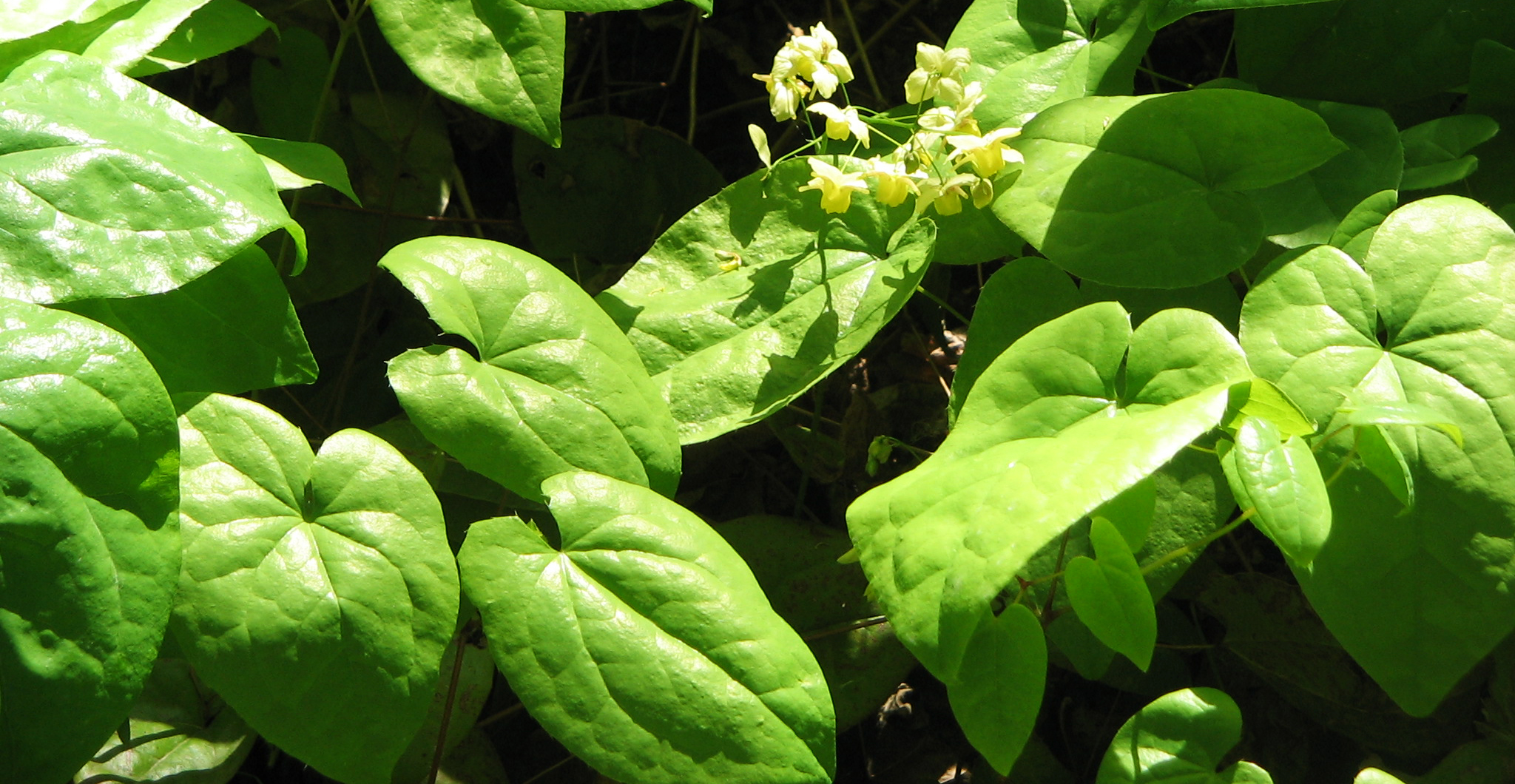
 

Posted by Asmidev Herbals
Ginger: The Healing Root Behind Global Traditions

Ginger: The Healing Root Behind Global Traditions

Ginger is a flowering plant whose rhizome, commonly known as ginger root, has been used in cooking and traditional wellness practices for centuries. This article explores the story of ginger by tracing its origins, cultural importance, and the long journey that transformed it into one of the world’s most widely recognised spices.

Native to Southeast Asia, ginger has a documented history that spans more than five thousand years. It was among the earliest spices to be traded beyond Asia, travelling along ancient trade routes to Europe and Africa. Ginger was valued not only for its warming flavour but also for its traditional medicinal uses. Ancient texts from China and India describe ginger as a remedy for digestive discomfort, nausea, and seasonal illnesses such as colds and flu.

As ginger spread across regions and cultures, it was woven into diverse culinary traditions. It appears in soothing teas across Asia, spiced baked goods in Europe, and countless savoury dishes worldwide. This culinary adaptability mirrors ginger’s broad range of traditional health-supporting roles, including its association with anti-inflammatory activity and its emerging relevance in areas such as metabolic and heart health. Together, its historical journey and enduring usefulness explain why ginger continues to hold a central place in both kitchens and wellness practices around the world.

Ginger Asmidev

Ginger

This article explores the many dimensions of ginger, tracing its evolution from an ancient medicinal herb to a widely used modern culinary ingredient. It examines scientific research that sheds light on ginger’s health-supporting properties and how this age-old spice continues to play a meaningful role in contemporary wellness practices. As we move through its history, uses, and benefits, we uncover why ginger has remained a valued companion in both food and health for thousands of years, enriching everyday life with its warmth, flavour, and enduring appeal.


Table of Contents

Cultivation of Ginger

Chemical Composition of Ginger

General Health Benefits of Ginger

Anti-Nausea Effects

Anti-Inflammatory Properties

Digestive Health

Pain Relief

Cardiovascular Health

Blood Sugar Regulation

Anti-Cancer Properties of Ginger

Antioxidant Effects

Immune-Boosting Abilities

Weight Management

Reproductive Health Benefits of Ginger

Menstrual Pain Relief

Improved Sperm Quality

Management of Polycystic Ovary Syndrome (PCOS)

Libido Enhancement

Antioxidant Protection for Reproductive Organs

Reduced Severity of Premenstrual Syndrome (PMS)

Supplementation of Ginger

Conclusion


Cultivation of Ginger

Ginger (Zingiber officinale) cultivation is a careful, long-cycle process that thrives in warm, humid tropical and subtropical climates, making it well-suited to regions like Southeast Asia, India, parts of Africa, the Caribbean, and other equatorial areas with consistent moisture.

The plant is grown for its underground rhizomes (often called roots), which require loose, fertile, well-drained soil—preferably sandy loam or clay loam rich in organic matter (pH 5.5–6.5)—to support root expansion and prevent waterlogging or rot. Heavy clay or poorly drained soils are unsuitable, as excess water leads to fungal diseases like rhizome rot. Farmers typically amend soil with compost, farmyard manure (25–30 tonnes/ha), or neem cake to boost fertility and suppress pests/nematodes.

Climatic Conditions

Planting occurs at the start of the rainy season (e.g., May in India with pre-monsoon showers, or February–March under irrigation) to ensure initial moisture for sprouting. Healthy, disease-free rhizomes (seed pieces of 20–40 g with 1–2 buds/eyes) are selected, often treated with fungicides (e.g., mancozeb) or biocontrol agents (e.g., Trichoderma), and planted 5–10 cm deep in beds or ridges (30–40 cm apart, rows 20–30 cm apart) with buds facing upward. Partial shade (e.g., under trees or shade nets for young plants) mimics its natural forest-floor habitat, while protection from strong winds prevents lodging.

Ginger demands consistent high humidity (70–90%), temperatures of 19–32°C (optimal 25–28°C), and 1500–3000 mm well-distributed annual rainfall or irrigation to keep soil evenly moist without saturation—critical during the 8–10 month growth period. Mulching with organic materials (e.g., straw, leaves) conserves moisture, suppresses weeds, and regulates soil temperature.

The crop matures in 210–300 days, depending on variety and purpose (e.g., tender “baby” ginger harvested earlier at 4–6 months for fresh use; mature rhizomes at 8–10 months for drying/oil when leaves yellow and dry). Harvest involves carefully digging or forking rhizomes to avoid bruising, followed by cleaning, washing, and curing in shade. Crop rotation (e.g., with legumes or cereals) and integrated pest management maintain soil health and reduce issues like shoot borers, rhizome rot, or nematodes.

India leads global production (about 45% of world output, over 2 million tonnes annually), followed by Nigeria, China, Nepal, and Indonesia, reflecting these regions’ ideal warm, humid conditions and established farming practices. This sustainable approach—emphasizing soil fertility, moisture management, and rotation—ensures reliable yields of this versatile spice used worldwide for culinary, medicinal, and therapeutic purposes.

Geography

Ginger (Zingiber officinale) is cultivated in tropical and subtropical regions worldwide that provide the warm temperatures (19–32°C, optimal 25–28°C), high humidity (70–90%), and well-distributed rainfall or irrigation (1500–3000 mm annually) essential for its growth.

Global production reached approximately 4.9 million tonnes in recent years (e.g., 2023 FAO data), with significant concentration in a few key countries. India leads by a wide margin, contributing about 45% of world output (around 2.2 million tonnes annually), primarily in states like Kerala, Karnataka, Odisha, Meghalaya, and Assam—where favorable monsoon patterns, fertile loamy soils, and established smallholder farming support high yields. Nigeria ranks second (around 700,000–780,000 tonnes), with major cultivation in Plateau State and other northern areas, benefiting from tropical savanna climates and growing commercial focus on export-quality ginger.

China follows as the third-largest producer (approximately 600,000–670,000 tonnes), utilizing diverse zones in provinces like Yunnan, Guangdong, and Shandong for both fresh and processed ginger. Indonesia contributes notably (around 200,000–300,000 tonnes), especially in Java and Sumatra, while Nepal (around 300,000 tonnes) and Bangladesh also feature prominently in South Asia due to suitable humid foothills and river valleys.

Other significant producers include Thailand (around 170,000 tonnes), with production in southern regions; Jamaica in the Caribbean, renowned for high-quality “blue mountain” or West Indian ginger varieties prized for flavor and essential oil content; and smaller but growing outputs from Brazil (South America), Sierra Leone and Cameroon (West Africa), Australia (Queensland in the Southern Hemisphere), and parts of Mexico/Central America.

These regions adapt cultivation to local conditions—e.g., partial shade in forested areas, mulching for moisture retention, and crop rotation to manage pests like rhizome borers or nematodes—while varieties differ (e.g., high-oleoresin types in Jamaica for export, high-yield cultivars in India). Asia dominates overall supply (over 70–80% globally), driven by culinary demand, traditional medicine, and processing into dried, powdered, or oil forms. Production fluctuations occur due to weather, disease (e.g., bacterial wilt), and market dynamics, but these tropical zones continue to underpin ginger’s role as a versatile global spice and medicinal crop.

(Reference: Source 1, Source 2, Source 3, Source 4, Source 5)


Chemical Composition of Ginger

Ginger (Zingiber officinale) is a rich source of bioactive compounds, with its chemical profile varying significantly based on freshness, cultivation conditions (e.g., soil, climate), harvest maturity, and processing methods (e.g., drying, cooking, or extraction techniques). Fresh ginger primarily contains gingerols (1–3% of fresh weight), while drying, heating, or prolonged storage converts these to shogaols via dehydration, increasing pungency and often enhancing certain bioactivities.

The major pungent non-volatile constituents are gingerols, predominantly [6]-gingerol (the most abundant), along with [8]-gingerol and [10]-gingerol. These phenolic compounds account for much of ginger’s anti-inflammatory, antioxidant, and anti-nausea effects. Clinical evidence from randomized controlled trials supports [6]-gingerol’s role in reducing nausea/vomiting (e.g., in pregnancy or chemotherapy), alleviating osteoarthritis pain, and modulating inflammatory markers, though effects are modest and synergistic with other compounds.

Upon drying or thermal processing, gingerols dehydrate to shogaols ([6]-shogaol being prominent), which exhibit stronger anti-inflammatory, antioxidant, and potential anticancer properties in preclinical studies (e.g., greater potency in inhibiting NF-κB pathways or reducing pro-inflammatory cytokines). Shogaol content increases dramatically with heat (e.g., higher in dried or cooked ginger), contributing to enhanced bioactivity in processed forms, though total phenolics may decrease at very high temperatures.

Zingerone forms during prolonged heating or cooking of shogaols, offering a milder, sweeter profile with benefits for gastrointestinal relief (e.g., alleviating diarrhea or stomach discomfort in some models).

Terpenoids, including zingiberene (often the dominant volatile, up to 30–40% of essential oil in some analyses), β-bisabolene, α-curcumene, and others (1–3% of fresh weight), contribute to ginger’s characteristic aroma and exhibit anti-inflammatory, analgesic, and antimicrobial properties. Essential oil fractions vary by origin and processing, with sesquiterpenes like zingiberene predominant in volatiles.

Ginger also contains modest amounts of dietary fiber (supporting digestion), small quantities of vitamins (e.g., C, B6) and minerals (e.g., magnesium, potassium, zinc), fatty acids, proteins/amino acids, and additional phenolics/flavonoids (e.g., quercetin derivatives) that enhance overall antioxidant capacity.

Health benefits arise from synergistic interactions among these compounds rather than isolated effects. Evidence from systematic reviews of randomized controlled trials (over 100 studies) supports ginger for nausea reduction, modest improvements in glycemic control, anti-inflammatory effects in conditions like metabolic syndrome, and pain relief, though results vary by dose, form (fresh vs. dried/extract), and population. Larger trials are ongoing to confirm roles in areas like cancer prevention or cardiovascular health.

While promising, ginger’s composition and efficacy depend on processing—fresh forms favor gingerols for nausea relief, while dried/heated forms boost shogaols for stronger anti-inflammatory potential. Consult a healthcare provider before using ginger therapeutically, especially at supplemental doses, to ensure safety and appropriateness for specific conditions.

(Reference: Source 1, Source 2, Source 3, Source 4, Source 5, Source 6)


General Health Benefits of Ginger

Ginger is a fragrant and adaptable spice obtained from the root of the Zingiber officinale plant and has been valued for centuries for its health-supporting qualities. Long recognised as a traditional remedy, it has gained global attention for its broad influence on general health and wellbeing. Ginger contains bioactive compounds such as gingerol, which are associated with anti-inflammatory, antioxidant, and antimicrobial activity. Traditionally used to ease digestive discomfort, it has also been studied for its potential role in supporting long-term health and reducing the impact of chronic conditions. This article explores the many ways ginger can support everyday wellness and become a meaningful part of a balanced, health-conscious lifestyle.

Anti-Nausea Effects

Ginger, particularly its pungent compounds such as [6]-gingerol (the most abundant in fresh ginger) and related gingerols, has well-documented anti-nausea effects supported by multiple randomized controlled trials and systematic reviews.

Ginger modulates nausea and vomiting through several complementary mechanisms. It acts on the central nervous system by antagonizing serotonin (5-HT3) receptors in the gastrointestinal tract and the chemoreceptor trigger zone (CTZ) in the brain, reducing activation of the vomiting reflex—similar to the action of certain antiemetic drugs. Clinical studies, including meta-analyses of over 1,200 participants, show ginger significantly reduces nausea severity and vomiting episodes compared to placebo, with effects comparable to standard antiemetics in some contexts (e.g., postoperative or chemotherapy-induced nausea).

Its anti-inflammatory properties further contribute by decreasing pro-inflammatory mediators (e.g., prostaglandins, leukotrienes) in the gut, which can exacerbate nausea associated with gastrointestinal irritation or delayed gastric emptying. Randomized trials in pregnant women with morning sickness demonstrate that ginger (typically 1–1.5 g daily of dried root or equivalent extract) significantly lowers nausea and vomiting scores over 4–7 days, with benefits attributed to reduced gastric inflammation and improved motility.

Ginger enhances gastric emptying and intestinal motility by stimulating digestive enzyme secretion (e.g., amylase, lipase) and promoting coordinated contractions, helping prevent gas buildup, bloating, and the discomfort that can trigger nausea. Human studies using gastric scintigraphy confirm accelerated emptying rates with ginger supplementation.

As a potent antioxidant, ginger neutralizes free radicals and reduces oxidative stress in gastrointestinal tissues, which may mitigate nausea linked to cellular damage (e.g., during chemotherapy or motion sickness). Preclinical models and some human trials show increased activity of antioxidant enzymes (e.g., superoxide dismutase, catalase) and lowered lipid peroxidation markers.

Additionally, ginger’s smooth muscle-relaxing effects—mediated in part by calcium channel modulation—help soothe spasmodic contractions in the stomach and intestines, further alleviating nausea-inducing triggers.

Overall, these multifaceted actions—serotonin receptor antagonism, anti-inflammatory and antioxidant protection, enhanced digestion/motility, and muscle relaxation—make ginger a safe, evidence-based natural remedy for various forms of nausea, including motion sickness, pregnancy-related morning sickness (with strong support from meta-analyses showing efficacy and safety at moderate doses), chemotherapy-induced nausea (often as an adjunct), and postoperative nausea.

(Reference: Source 1, Source 2, Source 3, Source 4)

Anti-Inflammatory Properties

Ginger, particularly its bioactive compounds like [6]-gingerol (the primary pungent constituent in fresh ginger) and shogaols (formed during drying or heating), exhibits well-documented anti-inflammatory effects through multiple mechanisms, supported by preclinical and human clinical research.

Gingerols and shogaols inhibit key enzymes in the arachidonic acid pathway, including cyclooxygenase-2 (COX-2) and 5-lipoxygenase (5-LOX), reducing the production of pro-inflammatory mediators such as prostaglandins (e.g., PGE2) and leukotrienes. In vitro and animal studies demonstrate that [6]-gingerol and [6]-shogaol suppress COX-2 expression and activity, often more potently than [6]-gingerol alone, by interfering with upstream signaling. This enzyme inhibition contributes to decreased inflammation comparable to non-steroidal anti-inflammatory drugs (NSAIDs) in models of arthritis, colitis, and other conditions, without the gastrointestinal side effects commonly associated with NSAIDs.

Ginger’s antioxidant properties further mitigate inflammation by neutralizing free radicals and reducing oxidative stress, which amplifies chronic inflammatory responses. Compounds like gingerols activate pathways such as Nrf2/HO-1, enhancing endogenous antioxidant enzymes (e.g., superoxide dismutase, catalase, glutathione peroxidase) and lowering markers of lipid peroxidation (e.g., malondialdehyde). This dual action—direct scavenging and enzyme upregulation—helps protect tissues at the cellular level from oxidative damage linked to persistent inflammation.

A central mechanism involves modulation of nuclear factor-kappa B (NF-κB), a key transcription factor regulating pro-inflammatory gene expression. Ginger extracts and isolated compounds (e.g., [6]-gingerol, [6]-shogaol) inhibit NF-κB activation by blocking IκBα degradation, preventing nuclear translocation of NF-κB p65, and suppressing downstream targets like TNF-α, IL-1β, IL-6, and COX-2. Preclinical models (e.g., LPS-stimulated macrophages, arthritis in rodents) consistently show reduced cytokine production and pathway activity, with synergistic effects when combined with other spices like turmeric.

Human clinical evidence from systematic reviews and meta-analyses of randomized controlled trials (RCTs) supports these mechanisms. Ginger supplementation (typically 1–3 g daily of dried root or equivalent extract over 4–12 weeks) significantly lowers circulating inflammatory markers, including C-reactive protein (CRP), high-sensitivity CRP (hs-CRP), and TNF-α, with moderate reductions in IL-6 in some analyses. Benefits are observed in populations with metabolic syndrome, osteoarthritis, type 2 diabetes, and other inflammatory conditions, though effects on IL-6 are less consistent across studies. These findings indicate ginger as a promising natural adjunct for managing chronic inflammation, with a favorable safety profile compared to conventional anti-inflammatories.

Overall, ginger’s anti-inflammatory potential arises from synergistic suppression of pro-inflammatory mediators (via COX/LOX inhibition), oxidative stress reduction, and key pathway regulation (e.g., NF-κB), making it a valuable dietary option for inflammatory conditions. While preclinical data are robust and human RCTs provide supportive evidence, larger, long-term trials are needed to confirm optimal dosing, specific disease outcomes, and long-term efficacy.

(Reference: Source 1, Source 2, Source 3, Source 4)

Digestive Health

Ginger supports digestive health through multiple evidence-based mechanisms, primarily driven by its bioactive compounds such as [6]-gingerol and shogaols.

Ginger enhances gastric emptying and gastrointestinal motility, accelerating the movement of food through the stomach and intestines, which helps alleviate symptoms like indigestion, bloating, and discomfort. Clinical studies using scintigraphy in healthy volunteers and patients with functional dyspepsia show that ginger (typically 1–2 g doses) stimulates antral contractions, promotes smoother transit, and reduces delayed gastric emptying—effects that contribute to improved digestion and reduced post-meal fullness.

Ginger relaxes smooth muscles in the gastrointestinal tract via modulation of calcium channels and other pathways, potentially easing spasms and cramping. While this prokinetic and relaxant action supports symptom relief in conditions like functional dyspepsia, evidence for irritable bowel syndrome (IBS) is mixed. A double-blind randomized controlled pilot trial in 45 IBS patients found 1–2 g daily ginger over 28 days was well-tolerated but did not outperform placebo in reducing overall IBS severity scores, though some trends suggested benefits in specific symptoms; larger trials are needed to clarify its role in IBS.

Ginger’s well-established anti-nausea effects further aid digestive comfort, with meta-analyses of randomized trials confirming significant reductions in nausea and vomiting across etiologies (e.g., pregnancy-related morning sickness, chemotherapy-induced, postoperative), primarily via 5-HT3 receptor antagonism, enhanced motility, and reduced gastric inflammation. Typical effective doses are 1–1.5 g daily of dried ginger or equivalent.

Its anti-inflammatory and antioxidant properties help mitigate gut inflammation by inhibiting pro-inflammatory mediators (e.g., NF-κB pathway, cytokines like TNF-α, IL-6) and reducing oxidative stress markers. Preclinical models and some human studies show benefits in conditions involving gastrointestinal inflammation, such as gastritis (e.g., reduced mucosal damage) and inflammatory bowel disease (IBD), where ginger extracts alleviate colitis symptoms, modulate cytokines, and support mucosal healing in animal models. However, human evidence for gastritis and IBD remains preliminary and mostly from animal or small-scale studies, with no large meta-analyses confirming robust clinical efficacy.

(Reference: Source 1, Source 2, Source 3)

Pain Relief

Ginger offers well-supported pain relief through its bioactive compounds, primarily [6]-gingerol and shogaols.

These compounds inhibit key inflammatory enzymes, including cyclooxygenase-2 (COX-2) and 5-lipoxygenase (5-LOX), reducing production of pro-inflammatory prostaglandins and leukotrienes. This mechanism mirrors non-steroidal anti-inflammatory drugs (NSAIDs) but with a generally milder side-effect profile at moderate doses. Ginger also lowers oxidative stress by scavenging free radicals and boosting antioxidant enzymes (e.g., superoxide dismutase, catalase), protecting tissues from damage that amplifies pain.

Ginger modulates pain signaling by interacting with transient receptor potential (TRP) channels, especially TRPV1, acting as an agonist that leads to desensitization of nociceptors and reduced transmission of pain impulses. Additional pathways include suppression of NF-κB and NMDA receptor activity, helping decrease central and peripheral sensitization.

Its muscle-relaxant effects, mediated through calcium channel modulation, ease tension and spasms in skeletal and smooth muscle, while improved peripheral circulation—potentially via nitric oxide pathways—enhances oxygen and nutrient delivery, reducing ischemic or circulation-related pain.

Clinical evidence from systematic reviews and meta-analyses of randomized controlled trials confirms ginger’s efficacy in specific conditions:

  • Osteoarthritis: Doses of 500–1000 mg dried ginger daily reduce pain intensity and improve function (e.g., WOMAC scores).
  • Primary dysmenorrhea: 1–2 g daily significantly lowers menstrual pain severity, often comparable to ibuprofen.
  • Migraines: 400–500 mg doses reduce pain scores and improve relief rates at 2 hours.

These combined actions—anti-inflammatory enzyme inhibition, antioxidant protection, TRP/NMDA modulation, muscle relaxation, and circulatory support—make ginger a promising natural option for managing pain in osteoarthritis, menstrual cramps, migraines, and muscle soreness.

(Reference: Source 1, Source 2, Source 3, Source 4)

Cardiovascular Health

Ginger shows promising potential for supporting cardiovascular health through several evidence-based mechanisms, primarily driven by its bioactive compounds like [6]-gingerol and shogaols.

Ginger promotes vasodilation by relaxing blood vessels, leading to reduced peripheral resistance and modest blood pressure lowering. Systematic reviews and meta-analyses of randomized controlled trials indicate significant reductions in systolic blood pressure (approximately 4–6 mmHg) and diastolic blood pressure (about 2 mmHg), particularly with doses ≥3 g/day for ≤8 weeks in participants aged ≤50 years or those with elevated baseline levels (e.g., in type 2 diabetes or metabolic syndrome). These effects are attributed to enhanced nitric oxide production, calcium channel modulation, and anti-inflammatory actions.

Its strong antioxidant and anti-inflammatory properties protect against oxidative stress and chronic inflammation—key contributors to atherosclerosis and endothelial dysfunction. Ginger upregulates endogenous antioxidants (e.g., superoxide dismutase, catalase) and inhibits pro-inflammatory pathways like NF-κB, reducing markers such as malondialdehyde and cytokines (TNF-α, IL-6).

Ginger favorably influences lipid profiles in many meta-analyses of clinical trials, significantly lowering triglycerides (often 10–18 mg/dL) and LDL cholesterol (around 5 mg/dL), with some evidence of modest increases in HDL cholesterol and reductions in total cholesterol, especially at doses ≤2 g/day. These changes help mitigate dyslipidemia-related cardiovascular risk.

Ginger also exhibits mild antiplatelet effects by inhibiting thromboxane A2 and platelet aggregation in some studies, potentially reducing thrombotic risk and improving blood flow—though evidence is inconsistent, with higher doses (e.g., 5–10 g) showing more pronounced effects in certain trials, and no consistent impact in others.

Overall, these multifaceted actions—vasodilation for blood pressure control, antioxidant/anti-inflammatory protection, lipid improvement, and mild antiplatelet support—position ginger as a supportive dietary adjunct for cardiovascular wellness, particularly in at-risk populations.

(Reference: Source 1, Source 2, Source 3, Source 4, Source 5, Source 6, Source 7, Source 8, Source 9)

Blood Sugar Regulation

Ginger demonstrates promising potential in supporting blood sugar regulation, primarily through its bioactive compounds like [6]-gingerol and shogaols, as evidenced by multiple meta-analyses of randomized controlled trials (RCTs) in individuals with type 2 diabetes mellitus (T2DM).

Systematic reviews and meta-analyses consistently show that ginger supplementation (typically 1–3 g daily of dried root or equivalent extract over 4–12 weeks) significantly lowers fasting blood glucose (FBG) by approximately 10–19 mg/dL (e.g., weighted mean difference -18.81 mg/dL in one analysis of 8 RCTs) and HbA1c by 0.5–0.6% (e.g., -0.57% in pooled data from 7 RCTs), with effects more pronounced in those with elevated baseline levels. These improvements indicate better short- and long-term glycemic control.

Key mechanisms include enhanced insulin sensitivity, as ginger promotes glucose uptake in tissues (e.g., via GLUT4 translocation in adipocytes and muscle cells) and reduces insulin resistance (e.g., lowered HOMA-IR in metabolic syndrome trials). It may also inhibit carbohydrate-digesting enzymes like α-amylase and α-glucosidase in vitro and some models, slowing postprandial glucose absorption and preventing spikes—though human evidence for this is more limited and indirect.

Ginger’s antioxidant properties protect pancreatic beta cells from oxidative stress, a factor in beta-cell dysfunction and reduced insulin secretion in diabetes. Preclinical studies show ginger upregulates antioxidant enzymes (e.g., SOD, catalase, GPx) and reduces lipid peroxidation, preserving beta-cell function in models of hyperglycemia or toxin-induced damage.

Additionally, its anti-inflammatory effects—suppressing cytokines (TNF-α, IL-6) and pathways like NF-κB—help mitigate chronic inflammation linked to insulin resistance and impaired glucose control.

While these multifaceted actions—insulin sensitization, enzyme inhibition, beta-cell protection, and inflammation reduction—position ginger as a supportive natural adjunct for blood sugar management, evidence is strongest in T2DM populations, with variable results across studies.

(Reference: Source 1, Source 2, Source 3, Source 4, Source 5, Source 6)

Anti-Cancer Properties of Ginger

Ginger contains bioactive compounds, primarily [6]-gingerol and shogaols, which exhibit potential anticancer properties through multiple mechanisms explored in preclinical studies.

These compounds demonstrate anti-inflammatory effects by inhibiting pathways like NF-κB and COX-2, reducing pro-inflammatory cytokines (e.g., TNF-α, IL-6) that contribute to tumor promotion. In vitro and animal models, such as LPS-stimulated macrophages or colitis-induced carcinogenesis, ginger extracts significantly lower inflammation markers, potentially preventing cancer initiation linked to chronic inflammation.

Ginger’s antioxidant activity scavenges reactive oxygen species (ROS) and upregulates enzymes like superoxide dismutase and catalase, protecting against oxidative DNA damage—a precursor to mutations and cancer. Cell line studies (e.g., on breast, colorectal, and prostate cancers) show reduced lipid peroxidation and enhanced cellular defense, inhibiting oxidative stress-driven carcinogenesis.

Induction of apoptosis is another key mechanism; gingerols activate caspase cascades, upregulate Bax/p53, and downregulate Bcl-2 in cancer cell lines (e.g., HCT-116 colorectal, MCF-7 breast), leading to programmed cell death and halted proliferation in xenograft models.

Ginger may also suppress angiogenesis and metastasis by downregulating VEGF and MMP-9 expression, limiting tumor vascularization and invasion in preclinical settings, such as ovarian or lung cancer models.

Additionally, immunomodulatory effects could enhance natural killer cell activity and cytokine balance, aiding immune surveillance, though evidence is primarily from animal studies.

While these anti-inflammatory, antioxidant, pro-apoptotic, anti-angiogenic, and immunomodulatory actions suggest ginger’s role in cancer prevention or adjunctive therapy, human clinical trials are limited and focus on symptom management (e.g., chemotherapy-induced nausea) rather than direct antitumor effects. Larger RCTs are needed to validate these preclinical findings for clinical applications.

(Reference: Source 1, Source 2, Source 3, Source 4, Source 5, Source 6)

Antioxidant Effects

Ginger exhibits robust antioxidant effects, primarily driven by its bioactive phenolic compounds, especially [6]-gingerol (the predominant gingerol in fresh ginger) and shogaols (formed during drying or heating), along with other phenolics like paradols and zingerone.

These compounds act as potent free radical scavengers, neutralizing reactive oxygen species (ROS) such as superoxide (O₂⁻), hydroxyl (OH•), and peroxynitrite (ONOO⁻) radicals. In vitro assays (e.g., DPPH, ABTS, FRAP) and cell-based studies consistently rank ginger extracts among high-antioxidant spices, with [6]-gingerol and [6]-shogaol demonstrating strong capacity to quench ROS and inhibit lipid peroxidation (measured by reduced malondialdehyde levels).

Beyond direct scavenging, ginger upregulates endogenous antioxidant defense systems. Multiple animal models (e.g., high-fat diet-induced oxidative stress, toxin-exposed rats) and some human intervention studies show ginger supplementation significantly increases activity and expression of superoxide dismutase (SOD), catalase (CAT), and glutathione peroxidase (GPx), while elevating reduced glutathione (GSH) levels. This dual action—direct radical neutralization and enzyme induction—enhances overall cellular protection against oxidative damage.

Human clinical evidence supports these mechanisms in specific contexts. Meta-analyses of randomized controlled trials indicate ginger (typically 1–3 g daily of dried root or equivalent extract over 4–12 weeks) improves total antioxidant capacity (TAC) and reduces oxidative stress markers (e.g., malondialdehyde) in populations with metabolic syndrome, type 2 diabetes, or non-alcoholic fatty liver disease, often alongside lowered inflammatory markers.

These antioxidant effects contribute to ginger’s potential in reducing risk or mitigating progression of oxidative stress-related chronic conditions, including cardiovascular disease (e.g., endothelial protection), neurodegenerative disorders (e.g., neuroprotection in preclinical models), and certain cancers (via reduced DNA damage). While preclinical data are strong and human trials show consistent biomarker improvements, larger long-term studies are needed to confirm direct disease-prevention outcomes.

(Reference: Source 1, Source 2, Source 3, Source 4, Source 5, Source 6)

Immune-Boosting Abilities

Ginger supports immune function through its bioactive compounds, primarily [6]-gingerol and shogaols, via anti-inflammatory, antioxidant, and immunomodulatory mechanisms.

Ginger reduces chronic inflammation—a factor that can impair immune responses—by inhibiting pro-inflammatory pathways like NF-κB and suppressing cytokines (e.g., TNF-α, IL-6, IL-1β). Meta-analyses of randomized controlled trials show ginger supplementation (typically 1–3 g daily of dried root or extract over 4–12 weeks) significantly lowers circulating markers such as C-reactive protein (CRP), high-sensitivity CRP, and TNF-α, with consistent reductions in inflammatory burden in populations with metabolic syndrome, type 2 diabetes, or other conditions.

Its antioxidant properties protect immune cells from oxidative stress and damage. Ginger neutralizes reactive oxygen species (ROS) and upregulates endogenous enzymes like superoxide dismutase (SOD), catalase, and glutathione peroxidase (GPx), enhancing total antioxidant capacity and reducing oxidative markers (e.g., malondialdehyde) in clinical trials involving metabolic or inflammatory states.

Preclinical studies (in vitro and animal models) indicate ginger stimulates immune cell activity, including macrophage phagocytosis, cytokine production in macrophages, and modulation of T-cell responses (e.g., shifting toward balanced or anti-inflammatory profiles). Some evidence suggests enhanced non-specific immunity (e.g., increased lysozyme activity in animal models), though direct human trials on immune cell proliferation or activation (e.g., macrophages, T-cells) are limited and mostly indirect.

Ginger also shows antimicrobial activity against certain bacteria and viruses in vitro, potentially reducing infection burden and supporting immune defense, though human evidence focuses more on symptom relief (e.g., in upper respiratory conditions) than broad pathogen clearance.

Overall, these actions—dampening excessive inflammation, protecting against oxidative damage, and modulating immune responses—position ginger as a supportive natural adjunct for immune health, particularly in inflammatory or metabolic contexts. Benefits are most evident at 1–3 g daily doses of dried ginger or standardized extract. While preclinical data are strong and clinical biomarker improvements consistent, direct evidence for broad immune boosting (e.g., infection prevention in healthy individuals) remains preliminary.

(Reference: Source 1, Source 2, Source 3, Source 4, Source 5, Source 6, Source 7, Source 8)

Weight Management

Ginger shows modest but promising benefits for weight management, supported by mechanisms identified in preclinical and human studies, primarily driven by [6]-gingerol and related compounds.

Ginger promotes satiety and may reduce calorie intake. Randomized controlled trials (RCTs) demonstrate that consuming ginger (e.g., 2 g powder in hot water or capsules before meals) increases feelings of fullness and decreases hunger ratings, leading to lower subsequent food consumption in some overweight/obese participants. Meta-analyses of short-term studies report small reductions in appetite scores and energy intake (e.g., ~50–100 kcal less per meal in certain trials), though effects are inconsistent and often modest.

Ginger can enhance the thermic effect of food (TEF), increasing postprandial energy expenditure. Human intervention studies show ginger supplementation (e.g., 2 g with meals) modestly raises metabolic rate and fat oxidation during digestion, potentially contributing to greater calorie burn. Animal models and small human trials link this to activation of brown adipose tissue or improved mitochondrial function, though direct evidence in humans remains limited.

Ginger improves insulin sensitivity and glucose metabolism, which supports better weight control. Meta-analyses of RCTs in type 2 diabetes or metabolic syndrome populations find significant reductions in fasting blood glucose (~10–19 mg/dL) and HbA1c (~0.5–0.6%), alongside lowered HOMA-IR (insulin resistance index). These improvements may help prevent fat storage driven by insulin spikes and support fat loss or maintenance in at-risk individuals.

Its anti-inflammatory and antioxidant properties further aid weight management by reducing chronic low-grade inflammation associated with obesity. Ginger lowers markers like CRP, TNF-α, and IL-6 while enhancing antioxidant enzymes (SOD, CAT, GPx), potentially mitigating adipose tissue inflammation and metabolic dysfunction.

Overall, these mechanisms—appetite suppression, increased TEF, improved insulin/glucose handling, and inflammation reduction—position ginger as a supportive dietary adjunct for weight management. Effective doses in studies typically range from 1–3 g daily of dried ginger or equivalent extract. While generally safe, benefits are modest and best realized alongside calorie control and physical activity.

(Reference: Source 1, Source 2, Source 3, Source 4, Source 5, Source 6, Source 7, Source 8)

In summary, ginger’s wide-ranging health benefits highlight its long-standing role as a trusted natural remedy. Its anti-inflammatory, antioxidant, and antimicrobial properties make it a valuable support for overall wellbeing. Whether used to ease digestive discomfort, strengthen immune defences, or support long-term health, ginger offers a balanced and holistic approach to everyday wellness. Backed by centuries of traditional use and growing scientific interest, adding ginger to daily meals or routines can be both enjoyable and beneficial. Embracing ginger is not only about enhancing flavour, but also about supporting the body’s natural vitality in a simple and sustainable way.


Reproductive Health Benefits of Ginger

Ginger is widely appreciated for its culinary appeal and traditional medicinal use, but its benefits also extend into the area of reproductive health. Beyond flavour and aroma, ginger contains bioactive compounds that may support reproductive function in both men and women. Its antioxidant properties help protect reproductive tissues from oxidative stress, while its circulation-supporting and anti-inflammatory actions are thought to contribute to overall reproductive balance.

In men, ginger has been studied for its potential role in supporting fertility and sperm quality, while in women it has traditionally been used to ease menstrual discomfort and support hormonal wellbeing. Together, these effects point to ginger’s broader influence on reproductive wellness. This discussion explores the scientific insights behind ginger’s role in reproductive health, highlighting how this familiar root may contribute to a healthier and more balanced reproductive life when included as part of a mindful, nutrient-rich diet.

Menstrual Pain Relief

Ginger offers effective relief from menstrual pain (primary dysmenorrhea) through several evidence-based mechanisms, primarily involving its main bioactive compound, [6]-gingerol, and related gingerols/shogaols.

Ginger’s strong anti-inflammatory effects reduce prostaglandin production—a key driver of menstrual cramps. Prostaglandins trigger uterine contractions, ischemia, and heightened pain sensitivity during menstruation. By inhibiting cyclooxygenase (COX) enzymes (particularly COX-2) and suppressing NF-κB signaling, ginger lowers prostaglandin levels (e.g., PGE2) and pro-inflammatory cytokines (TNF-α, IL-6), similar to the action of non-steroidal anti-inflammatory drugs (NSAIDs) but with fewer gastrointestinal side effects in moderate doses.

Ginger also functions as a smooth muscle relaxant. In isolated uterine tissue studies and preclinical models, ginger extracts and [6]-gingerol inhibit spontaneous contractions and reduce oxytocin- or prostaglandin-induced spasms by modulating calcium channels and relaxing myometrial smooth muscle. This helps ease the intensity and frequency of uterine cramps.

Improved pelvic blood circulation may further contribute to relief. Ginger promotes vasodilation and enhances peripheral blood flow (via nitric oxide pathways and anti-inflammatory actions), potentially reducing ischemic pain and discomfort caused by reduced uterine perfusion during menstruation.

Ginger’s analgesic properties modulate pain perception, likely through interaction with transient receptor potential (TRP) channels (e.g., TRPV1 desensitization) and central pain pathways, providing broader pain attenuation.

Clinical evidence from meta-analyses of randomized controlled trials supports these mechanisms. Ginger supplementation (typically 1–2 g daily of dried ginger root or equivalent extract, taken for 2–4 days around menstruation) significantly reduces pain severity (e.g., visual analog scale scores) and shortens pain duration compared to placebo, with effects often comparable to ibuprofen or mefenamic acid in several studies. Benefits are consistent across mild to moderate primary dysmenorrhea cases.

Overall, ginger’s combined anti-inflammatory, muscle-relaxant, circulatory, and analgesic actions make it a safe, evidence-supported natural option for managing menstrual pain.

(Reference: Source 1, Source 2, Source 3, Source 4)

Improved Sperm Quality

Ginger shows potential to improve sperm quality, primarily through its antioxidant and protective effects, as evidenced by preclinical animal studies and limited human trials.

Oxidative stress significantly damages sperm, reducing motility, viability, count, and morphology while increasing DNA fragmentation. Ginger’s bioactive compounds, especially [6]-gingerol and shogaols, neutralize reactive oxygen species (ROS), reduce lipid peroxidation (e.g., lower malondialdehyde levels), and enhance endogenous antioxidant enzymes (e.g., superoxide dismutase, catalase, glutathione peroxidase). In animal models (e.g., toxin-exposed or diabetic rats), ginger supplementation consistently improves sperm parameters—higher count, motility, viability, normal morphology—and reduces DNA damage.

A key double-blind randomized controlled trial in infertile men found that ginger supplementation (dose not specified in summaries, typically 500–1000 mg daily equivalent) over 3 months significantly reduced sperm DNA fragmentation (from ~53–57% to ~18% positive cells, p=0.02) compared to placebo, though semen volume, concentration, motility, and morphology showed no significant changes in that study. Systematic reviews of animal, poultry, and limited human data conclude ginger enhances semen quality (count, viability, motility, morphology, DNA integrity) by mitigating oxidative stress, increasing gonadal hormones (e.g., testosterone, LH, FSH), and supporting testicular function.

Anti-inflammatory effects may indirectly benefit reproductive health by reducing chronic inflammation linked to fertility issues, though direct links to sperm quality are less emphasized.

Some animal studies report increased testosterone via enhanced LH production, testicular cholesterol availability, and reduced oxidative damage, but human evidence for testosterone elevation remains unconfirmed and inconsistent—no large RCTs demonstrate significant increases in healthy or infertile men.

Improved blood circulation (via nitric oxide pathways) may enhance nutrient/oxygen delivery to testes, supporting spermatogenesis in preclinical models.

Overall, ginger’s antioxidant protection, anti-inflammatory actions, and potential hormonal/circulatory benefits suggest supportive roles for sperm quality, particularly in oxidative stress-related infertility. Evidence is strongest in animal models and one human RCT on DNA fragmentation; broader human trials on motility/count/viability are limited.

(Reference: Source 1, Source 2, Source 3, Source 4, Source 5, Source 6, Source 7, Source 8)

Management of Polycystic Ovary Syndrome (PCOS)

Ginger shows emerging potential as a supportive natural adjunct for managing Polycystic Ovary Syndrome (PCOS), addressing key features like insulin resistance, chronic inflammation, hormonal imbalances, and weight-related issues, primarily through its bioactive compounds such as [6]-gingerol and shogaols.

A key randomized double-blind placebo-controlled trial (100 women with PCOS) compared ginger (500 mg three times daily), cinnamon, metformin, and placebo over 12 weeks. Ginger significantly reduced follicle-stimulating hormone (FSH) and luteinizing hormone (LH) levels compared to placebo, with no significant change in dehydroepiandrosterone (DHEA). It also decreased weight and BMI (similar to other groups), though metformin and cinnamon more effectively lowered insulin resistance (HOMA-IR) and testosterone. These findings suggest ginger modulates gonadotropins, potentially aiding ovulatory function, while supporting modest weight management.

Ginger improves insulin sensitivity and glucose metabolism in PCOS-relevant populations. Meta-analyses of RCTs in type 2 diabetes and metabolic syndrome (often overlapping with PCOS traits) show ginger (1–3 g daily) lowers fasting blood glucose (~10–19 mg/dL) and HbA1c (~0.5–0.6%), reducing insulin resistance—critical since hyperinsulinemia drives androgen excess and ovulatory dysfunction in PCOS.

Its anti-inflammatory properties reduce chronic low-grade inflammation linked to PCOS symptoms. Clinical trials demonstrate lowered markers like C-reactive protein (CRP), TNF-α, and IL-6, mitigating inflammation that exacerbates insulin resistance and hormonal disruption.

For weight management, ginger promotes satiety, modestly increases thermic effect of food, and supports fat oxidation in some studies, aiding BMI reduction in PCOS trials—important as even 5–10% weight loss can restore ovulation and improve insulin sensitivity.

Hormonal balancing appears context-specific: animal PCOS models show ginger reduces androgen excess and improves ovarian histology, while human data indicate lowered FSH/LH and potential testosterone modulation in some cases.

While promising—especially for insulin sensitivity, inflammation reduction, and modest weight/hormonal support—evidence is from small-to-moderate RCTs and preclinical studies. Ginger is not a standalone PCOS treatment; benefits are adjunctive.

(Reference: Source 1, Source 2, Source 3, Source 4, Source 5, Source 6)

Libido Enhancement

Ginger has a long-standing reputation in traditional medicine as a natural aphrodisiac, with some emerging evidence suggesting modest benefits for libido and sexual function, though robust human clinical data remain limited and indirect.

Ginger may improve blood circulation, including to the pelvic region, via nitric oxide pathways and vasodilatory effects. Preclinical and some human studies show it enhances peripheral blood flow, which could support sexual arousal and erectile response in men or genital sensitivity in women, as adequate circulation is essential for physiological arousal.

Its stress-reducing and anti-anxiety properties—through modulation of inflammatory cytokines and cortisol pathways—may indirectly boost libido by alleviating psychological barriers like anxiety or fatigue that suppress sexual desire. Animal models and small human trials link ginger to improved mood and energy, potentially fostering vitality.

Regarding hormone regulation, animal studies (primarily in rats) frequently report increased testosterone levels with ginger supplementation, attributed to enhanced LH stimulation, reduced oxidative stress in testes, and better steroidogenic enzyme activity. However, human evidence is scarce and unconfirmed—no large RCTs demonstrate significant testosterone elevation or direct libido enhancement in men or women. Observational data (e.g., one cross-sectional study) associate regular ginger consumption with higher self-reported sexual desire and arousal, but causality is unclear.

Ginger’s overall revitalizing effects—antioxidant protection, anti-inflammatory benefits, and metabolic support—may contribute to increased energy and well-being, indirectly influencing sexual interest.

While promising in traditional use and preclinical models, scientific support for ginger as a reliable libido enhancer is preliminary and not as strong as for its anti-nausea or anti-inflammatory effects. Individual responses vary, and it should be viewed as a complementary dietary addition rather than a proven solution.

(Reference: Source 1, Source 2, Source 3, Source 4, Source 5, Source 6, Source 7, Source 8)

Antioxidant Protection for Reproductive Organs

Ginger exhibits strong antioxidant properties, primarily through [6]-gingerol and related phenolics, which may help protect reproductive organs (testes and ovaries) from oxidative damage—a major factor impairing fertility.

Oxidative stress generates reactive oxygen species (ROS) that damage sperm membranes (reducing motility and viability), cause DNA fragmentation in gametes, disrupt ovarian follicle development, and contribute to hormonal imbalances. Ginger neutralizes ROS, inhibits lipid peroxidation (e.g., lowers malondialdehyde), and upregulates endogenous antioxidant enzymes (superoxide dismutase, catalase, glutathione peroxidase), enhancing cellular defense.

In male reproductive health, preclinical studies (e.g., toxin-exposed or diabetic rats) consistently show ginger supplementation improves sperm parameters—count, motility, viability, morphology—and reduces DNA damage. A double-blind randomized controlled trial in infertile men found ginger (250 mg twice daily for 3 months) significantly reduced sperm DNA fragmentation (from ~53–57% to ~18% positive cells, p=0.02), preserving genetic integrity crucial for fertilization and embryo development. Systematic reviews of animal and limited human data confirm these protective effects via antioxidant and androgenic mechanisms.

For female reproductive health, animal models (e.g., PCOS-like rats or aged mice) demonstrate reduced ovarian oxidative stress, improved histology, and better egg quality/follicle development, though human evidence remains preliminary.

These antioxidant actions—direct ROS scavenging and enzyme induction—help safeguard gamete quality, reduce mutation risk, and support overall reproductive function. While preclinical data are robust and one human RCT supports sperm DNA protection, broader clinical trials on fertility outcomes (e.g., conception rates, egg quality) are limited.

(Reference: Source 1, Source 2, Source 3, Source 4, Source 5, Source 6)

Reduced Severity of Premenstrual Syndrome (PMS)

Ginger shows promise in reducing the severity of Premenstrual Syndrome (PMS) symptoms—such as abdominal pain, bloating, cramps, breast tenderness, mood swings, and nausea—through several evidence-based mechanisms.

Ginger’s anti-inflammatory effects primarily target prostaglandin production, a major contributor to PMS-related pain and inflammation. By inhibiting cyclooxygenase (COX) enzymes (especially COX-2) and suppressing NF-κB signaling, ginger lowers levels of prostaglandins (e.g., PGE2) and pro-inflammatory cytokines (TNF-α, IL-6). This mechanism helps alleviate abdominal discomfort, pelvic pain, and breast tenderness, similar to the action of NSAIDs but with a generally milder gastrointestinal profile.

Its smooth muscle-relaxant properties further ease cramping. Gingerols and shogaols modulate calcium channels, reducing uterine and intestinal smooth muscle contractions in preclinical models and supporting relief from spasmodic abdominal pain common in PMS.

Ginger’s well-established anti-nausea effects—via 5-HT3 receptor antagonism and enhanced gastric motility—can mitigate digestive discomfort, bloating, and nausea sometimes experienced during the premenstrual phase.

For mood-related symptoms (irritability, mood swings), ginger exhibits mild mood-stabilizing potential through anti-inflammatory and antioxidant actions that reduce neuroinflammation and oxidative stress in the brain. While direct neurotransmitter modulation (e.g., serotonin or dopamine pathways) is less established, preclinical and small human studies suggest improved mood and reduced anxiety-like behaviors, which may indirectly help PMS emotional symptoms.

Clinical evidence from randomized controlled trials supports these mechanisms. Studies using ginger (typically 750–1500 mg daily of dried root or equivalent extract for a few days before and during menstruation) have shown significant reductions in PMS symptom severity scores (e.g., visual analog scales or validated PMS questionnaires) compared to placebo, with benefits in pain, mood, and bloating categories. Effects are often comparable to or complementary with standard approaches.

(Reference: Source 1, Source 2, Source 3, Source 4, Source 5, Source 6)

In summary, ginger stands out as a meaningful natural support for reproductive health in both men and women. Its bioactive compounds, valued for their anti-inflammatory, antioxidant, and hormone-modulating properties, contribute to a balanced approach to fertility support, menstrual comfort, and overall reproductive function. Although further research is needed to clarify the full scope of ginger’s influence, existing findings point to its potential as a supportive addition to reproductive wellness strategies. When included thoughtfully in the diet or broader health routine, ginger may help promote a more balanced and resilient reproductive system, supporting overall quality of life in a natural and accessible way.


Supplementation of Ginger

Ginger supplementation has been extensively studied, and it is generally regarded as safe for most people when consumed in moderate amounts. Its long history of dietary and traditional use supports this view. That said, like any supplement or concentrated herbal product, ginger should be used with an understanding of appropriate dosage, possible side effects, and individual safety considerations.

Factors such as the form of ginger used, whether fresh, powdered, extract, or capsule, along with personal health status and existing medications, can influence how the body responds. Being informed about these aspects helps ensure that ginger is used effectively and safely as part of a balanced approach to health and wellbeing.

Recommended Dosage

The appropriate intake of ginger can vary based on the purpose for which it is being used. For general digestive support or relief from nausea, commonly suggested amounts range from about 250 to 1,000 milligrams per day, usually taken in divided doses. In cases where ginger is used for discomfort such as menstrual pain or joint-related issues, short-term use of up to 2 grams per day has been referenced in some studies.

For everyday wellness and general supplementation, an intake of around 500 to 1,000 milligrams per day is often considered sufficient for most individuals. These figures should be viewed as general guidance rather than fixed recommendations. Individual needs can differ based on health status, age, and sensitivity, so consulting a qualified healthcare professional is always advisable, particularly when ginger is used for targeted health concerns or alongside medication.

Side Effects of Ginger

Ginger (Zingiber officinale) is generally safe when consumed in typical culinary amounts (e.g., 1–4 g daily of fresh or dried root) or moderate supplemental doses (up to 2–4 g daily in most clinical studies), with a long history of use in food and traditional medicine.

Excessive intake—particularly high-dose supplements (often >5–6 g daily of dried ginger equivalent) or concentrated extracts—can lead to side effects, though these are usually mild and dose-dependent.

Gastrointestinal discomfort is the most commonly reported issue. Symptoms may include heartburn, acid reflux, diarrhea, mouth/throat irritation, or general stomach upset. These effects often arise from ginger’s stimulating action on gastric secretions and motility; they are more frequent with raw ginger or high doses and typically resolve with reduced intake or taking it with food.

Ginger has mild blood-thinning (antiplatelet) properties, primarily due to inhibition of thromboxane A2 and platelet aggregation in some studies. This can theoretically increase bleeding risk, particularly in individuals taking anticoagulant or antiplatelet medications (e.g., warfarin, heparin, aspirin, clopidogrel) or those with bleeding disorders. Case reports and pharmacokinetic data suggest potential additive effects (e.g., elevated INR with warfarin), though evidence is inconsistent and generally mild at usual doses. It is prudent to discontinue high-dose ginger supplements 1–2 weeks before elective surgery to minimize perioperative bleeding risk, as recommended by surgical guidelines.

Ginger can lower blood sugar levels, likely through improved insulin sensitivity and glucose uptake. Meta-analyses of randomized trials show modest reductions in fasting glucose and HbA1c in type 2 diabetes populations. While beneficial for many, this requires monitoring in people with diabetes or those on antidiabetic medications (e.g., metformin, insulin) to avoid hypoglycemia. Additive effects are possible, so dose adjustments may be needed under medical supervision.

Other rare or dose-related concerns include allergic reactions (contact dermatitis or oral irritation in sensitive individuals), lowered blood pressure (mild in some studies), and potential uterine stimulation at very high doses (though evidence is weak and culinary amounts are considered safe during pregnancy).

To minimize risks:

  • Stick to culinary use (e.g., fresh ginger in teas, meals) or studied supplement doses (1–3 g dried daily).
  • Start low and increase gradually while monitoring tolerance.
  • Consult a healthcare provider before high-dose supplementation if you have bleeding disorders, take blood thinners/antidiabetics, are pregnant/breastfeeding, or have gallbladder issues (ginger may stimulate bile flow).

Ginger remains one of the safest spices when used appropriately, with side effects uncommon at moderate levels.

Safety Considerations

Ginger (Zingiber officinale) is generally safe in culinary amounts (e.g., 1–4 g daily of fresh or dried root) and moderate supplemental doses (typically 1–2 g daily in clinical studies), but certain populations should exercise caution or consult a healthcare provider before using ginger supplements, particularly at higher doses.

  • Pregnant and Breastfeeding Women Ginger is commonly used and considered safe for relieving morning sickness at low to moderate doses (up to 1–1.5 g daily of dried ginger or equivalent, as supported by multiple RCTs and meta-analyses showing reduced nausea without increased adverse outcomes). However, high doses (>3–4 g daily) lack sufficient safety data and may carry theoretical risks (e.g., potential uterine stimulation or bleeding effects in animal models at very high levels). Breastfeeding safety is less studied, but culinary use appears low-risk. Always consult an obstetrician or healthcare provider before starting ginger supplements during pregnancy or lactation to ensure appropriate dosing and rule out individual concerns.
  • People with Gallstones or Gallbladder Disease Ginger stimulates bile secretion and gallbladder contraction (choleretic and cholagogue effects), which can help with digestion in healthy individuals but may trigger pain, inflammation, or complications (e.g., biliary colic) in those with gallstones, cholecystitis, or bile duct obstruction. Individuals with known gallbladder issues should avoid high-dose ginger supplements and discuss use with a doctor, especially if symptomatic.
  • Individuals on Certain Medications Ginger has mild blood-thinning (antiplatelet) properties, potentially increasing bleeding risk when combined with anticoagulants (e.g., warfarin, heparin) or antiplatelet drugs (e.g., aspirin, clopidogrel). It may also lower blood sugar additively with antidiabetic medications (e.g., metformin, insulin), risking hypoglycemia, and could enhance blood pressure-lowering effects of antihypertensives in some cases. Monitor closely and consult a healthcare provider or pharmacist before supplementing if taking these or other interacting drugs (e.g., certain heart medications or immunosuppressants).

In all cases, start with low doses (e.g., culinary amounts or 500–1000 mg dried ginger daily) and monitor for tolerance. Ginger remains one of the safest spices for most people when used appropriately, but personalized medical advice is essential for at-risk groups to balance benefits and safety.

Quality of Supplements

The quality of ginger supplements can vary widely, making it important to choose products from reputable manufacturers that follow established safety and quality standards. Well-formulated supplements should be properly tested, clearly labelled, and compliant with relevant regulatory guidelines to ensure consistency and purity.

Overall, ginger can be a safe and supportive supplement for most individuals when used appropriately. Its use should always be tailored to personal health needs, taking into account existing medical conditions and possible interactions with medications. As with any new supplement, consulting a qualified healthcare professional before beginning regular use helps ensure that ginger is incorporated safely and effectively into an individual health routine.

(Reference: Source 1, Source 2, Source 3, Source 4, Source 5)


Conclusion

In conclusion, ginger stands out as a spice of remarkable culinary and medicinal value, shaped by a long history and widespread cultivation in warm, humid regions around the world. Its distinctive chemical makeup, including gingerols, shogaols, and zingerone, underpins many of its well-recognised health-supporting properties. These range from easing nausea and digestive discomfort to offering anti-inflammatory and antioxidant support, making ginger relevant in both traditional practices and modern wellness approaches.

Ginger’s emerging role in reproductive health, including its potential to support menstrual comfort and sperm quality, further adds to its significance as a functional food. While ginger is generally considered safe for most people, mindful use is important. Adhering to recommended amounts and considering individual health factors, especially during pregnancy or when taking medications, helps ensure its benefits are enjoyed safely.

Ultimately, ginger is far more than a flavour-enhancing ingredient. It represents a natural, time-tested ally for everyday health when used in a balanced and informed way. Incorporating ginger into daily meals or wellness routines can support a more holistic approach to wellbeing, blending nourishment, tradition, and modern understanding.


Disclaimer: This content is for general information only and does not replace professional medical advice. Asmidev is not responsible for any diagnosis made based on this content, nor does it endorse or take responsibility for external websites or products mentioned. Always consult a qualified healthcare professional for health-related concerns. This article was created through a human–AI collaboration. The ideas and direction come from the author’s research, with AI used only to assist in organizing information and refining expression, while cross-checking against established scientific literature.


Posted by Asmidev Herbals
Clove: A Tiny Spice with Deep Wellness Potential

Clove: A Tiny Spice with Deep Wellness Potential

Clove, scientifically known as Syzygium aromaticum, is a spice with a long and storied history across cultures worldwide. It is native to the Maluku Islands in Indonesia and comes from the dried, aromatic flower buds of a tree belonging to the Myrtaceae family. For centuries, cloves were among the most valued spices, sought after by ancient civilisations for their flavour, fragrance, and preservative qualities. Their rarity and versatility made them a cornerstone of the early global spice trade, positioning cloves as one of the first truly international commodities in human history.

Background and History

The history of Syzygium aromaticum is as layered and distinctive as its flavour. Cloves have been used for more than two thousand years, with early records pointing to their presence in ancient China and India, where they were valued not only as a spice but also for their traditional medicinal uses. In ancient China, cloves were commonly used to freshen the breath, and historical accounts suggest that courtiers were expected to carry them when speaking before the emperor.

By the eighth century, cloves had reached Europe, where they quickly became a luxury item reserved for the wealthy. Their high value made them a central focus of global trade. During the seventeenth century, the Netherlands placed immense importance on cloves, going to extreme measures to protect their dominance over the spice trade. This included the deliberate destruction of clove trees on islands outside their control in an effort to maintain a monopoly.

Beyond their culinary appeal, cloves played a significant role in shaping global history. Their demand influenced colonial expansion, trade routes, and economic change across regions. Over time, clove cultivation spread beyond its original home, leading to the establishment of plantations in new areas. By the nineteenth century, Zanzibar had emerged as the world’s leading producer of cloves, underscoring how this small aromatic bud helped drive major shifts in global agriculture and commerce.

Clove Asmidev


Clove (Syzygium Aromaticum)

This article takes a closer look at the world of Syzygium aromaticum, exploring its long history, cultural importance, and the wide range of health-supporting properties associated with cloves. Traditionally valued in many healing systems, cloves are known for their anti-inflammatory, antioxidant, and antimicrobial qualities. They have been commonly used to ease everyday concerns such as tooth discomfort, digestive unease, and minor infections.

Modern scientific research continues to build on this traditional knowledge by examining the natural compounds found in cloves, particularly eugenol, which is largely responsible for their distinctive aroma and many of their biological effects. Together, historical use and contemporary findings highlight why cloves have remained a trusted and versatile spice in both culinary and wellness practices across generations.


Table of Contents

Cultivation of Clove

Chemical Composition of Clove

General Health Benefits of Clove

Pain Relief

Antimicrobial Properties

Antioxidant Properties of Clove

Anti-inflammatory Effects

Digestive Health Benefits of Clove

Liver Protection

Antidiabetic Properties

Anticancer Potential of Clove

Immune System Support

Oral Health

Reproductive Health Benefits of Clove

Libido Enhancement

Antioxidant Effects on Reproductive Organs

Hormonal Balance

Boosts Testosterone

Potential Fertility Enhancement

Menstrual Pain Relief

Supplementation

Conclusion


Cultivation of Clove

Clove is cultivated in tropical regions where warm temperatures and high humidity create ideal growing conditions. The clove tree thrives in rich, loamy soil and depends on consistent rainfall to support healthy growth. Propagation is usually done through seeds or cuttings, and the plant requires patience, as it typically takes around six years before it begins to flower and produce harvestable buds.

Harvesting cloves is a careful and labour-intensive process. The aromatic flower buds are picked by hand while they are still pink and unopened, at a stage when their essential oil content is at its peak. After harvesting, the buds are dried slowly until they darken to a deep brown colour, developing the familiar aroma and flavour associated with cloves. This drying stage is crucial, as it directly affects the quality and potency of the final spice.

Clove cultivation plays an important economic role in several regions. Countries such as Indonesia, Madagascar, and Zanzibar rely heavily on clove production as a major agricultural export. The skill, time, and manual effort involved in growing and processing cloves contribute significantly to their value in global spice markets.

Climatic Conditions

Clove, an evergreen tropical tree, thrives under specific climatic conditions that support its slow growth, flowering, and high-quality bud production.

The ideal climate is warm, humid, and tropical, with consistent year-round temperatures typically ranging from 20–30°C (68–86°F), though optimal ranges in cultivation sources often fall between 21–32°C (70–90°F) or 16–27°C (65–80°F) depending on the reference. Trees require minimal fluctuations and cannot tolerate frost or prolonged exposure below 10–15°C (50–59°F), making them sensitive to cold stress.

Annual rainfall of 1500–2500 mm (or higher, up to 3000–4000 mm in premium spice-producing areas) is essential, distributed evenly throughout the year to maintain consistent soil moisture. A short dry season can promote flowering in some varieties, but prolonged drought severely reduces yield and tree health; supplemental irrigation is often needed during drier periods.

Clove trees prefer elevations from sea level up to about 300–900 meters (1000–3000 feet), though commercial production favors lowland humid island or coastal settings below 300 meters for best results. They require good sunlight exposure (full sun to partial shade, with young trees benefiting from light shade) and protection from strong winds.

Soil plays a critical role: rich, loamy, well-drained types with high organic matter are preferred, often sandy-loam in maritime forests. Soil pH should be slightly acidic to neutral, commonly cited as 5.5–7.0 (or as low as 4.5 in some tolerant habitats), avoiding waterlogged or compacted conditions that lead to root rot.

These conditions—warm, humid tropics with reliable heavy rainfall, stable temperatures, adequate sunlight, and fertile, well-drained soil—are characteristic of major producing regions like Indonesia (the world’s largest producer), Madagascar, Zanzibar (Tanzania), Sri Lanka, and parts of India. They align with clove’s native range and traditional cultivation, supporting its role as a premium spice while emphasizing the tree’s sensitivity to environmental stress.

Geography

Clove cultivation is concentrated in tropical regions worldwide, where the required warm, humid climate, consistent heavy rainfall (1500–2500 mm or more annually), stable temperatures (20–30°C or 68–86°F), and fertile, well-drained soils align with the tree’s needs.

Indonesia remains the world’s dominant producer, contributing approximately 70–73% of global output in recent years (e.g., around 133,000–146,000 metric tons annually based on 2022–2023 data from sources like FAO and Tridge). As the native habitat—particularly the Maluku Islands (historically the Spice Islands)—Indonesia benefits from volcanic soils and ideal tropical conditions, with major cultivation spread across islands including Sulawesi (over 40% of national production in some reports) and East Java. Much of the harvest supports domestic use, such as in kretek cigarettes, with only 10–15% typically exported.

Madagascar ranks as the second-largest producer (around 24,000–26,000 metric tons in recent data), often leading in exports due to high-quality buds and favorable east-coast tropical agroforestry systems. It accounts for a significant share of global trade, with consistent humid conditions supporting reliable yields.

Tanzania, particularly Zanzibar and Pemba Islands (historically once the top global producer), contributes notably (around 8,500–9,000 metric tons), with the humid coastal climate and long cultivation tradition making it a key African source.

Other important producers include Comoros (around 7,000 metric tons), Sri Lanka (5,000–11,000 metric tons, especially in central highlands), and smaller amounts from Kenya, China, Malaysia, India (primarily in southern states like Kerala and Tamil Nadu), and scattered tropical areas such as Brazil, Mauritius, Grenada, and parts of the Pacific Islands. These regions share similar equatorial or subtropical conditions that enable clove growth, though production volumes are much lower than the top leaders.

Overall, global clove production is highly concentrated in a few tropical island and coastal nations, with Indonesia’s scale far exceeding others. These locations provide the consistent moisture, warmth, and soil fertility essential for the slow-maturing tree’s flowering and bud development, supporting its role as a premium spice in culinary, medicinal, and industrial applications. Fluctuations occur due to weather, aging plantations, and market demand, but these core regions continue to dominate supply.

(Reference: Source 1, Source 2, Source 3, Source 4, Source 5, Source 6)


Chemical Composition of Clove

Cloves contain a complex array of chemical constituents, each contributing to its unique aroma, flavor, and medicinal properties. The primary constituents and their approximate content ratios, along with associated health benefits, are as follows:

  • Eugenol: This is the most abundant compound in clove oil, comprising 72-90% of the total composition. Eugenol is known for its potent anti-inflammatory and analgesic properties, which make it effective in treating dental pain and various inflammatory conditions. It also has antiseptic and anesthetic qualities.
  • Eugenyl Acetate: Constituting about 15% of the oil, eugenyl acetate enhances the analgesic and anti-inflammatory effects of eugenol. It also contributes to the antioxidant capacity of cloves.
  • β-Caryophyllene: Making up about 5-12% of clove oil, β-caryophyllene is a sesquiterpene that possesses anti-inflammatory and analgesic properties. It has been studied for its potential in treating inflammatory bowel diseases and arthritic pain.
  • Methyl Salicylate: Present in smaller quantities (1-2%), this compound has properties similar to aspirin and is known for its pain-relieving effects.
  • Flavonoids: Cloves contain various flavonoids, including kaempferol and quercetin, which are present in trace amounts. These compounds are known for their antioxidant and anti-inflammatory properties, contributing to the overall health benefits of cloves, such as reducing oxidative stress and potentially lowering the risk of chronic diseases.
  • Tannins: Comprising a minor part of cloves, tannins have astringent properties and contribute to the anti-inflammatory and antimicrobial benefits of the spice.
  • Fiber, Vitamins, and Minerals: Cloves also contain dietary fiber, vitamins (such as vitamin C, folate), and minerals like potassium, calcium, and magnesium, though in lesser quantities. These components contribute to overall health by supporting digestive health, immune function, and bone health.
  • Other Compounds: Cloves contain various other compounds in trace amounts, including triterpenoids, sesquiterpenes, and monoterpenes, which contribute to its overall medicinal profile.

The chemical composition of cloves, especially the high content of eugenol, makes it a potent natural remedy with various applications. Its use in dental care as an analgesic and antiseptic is well-known. Additionally, the antioxidant and anti-inflammatory properties of its compounds contribute to its potential in managing conditions like arthritis, diabetes, and certain cardiovascular diseases. However, it’s important to note that while cloves offer numerous health benefits, they should be used in moderation due to the potency of their active compounds.

(Reference: Source 1, Source 2, Source 3, Source 4, Source 5, Source 6, Source 7)


General Health Benefits of Clove

Cloves are far more than a familiar kitchen spice; they are a rich source of health-supporting properties that have been valued for centuries. Native to the Maluku Islands in Indonesia, this aromatic bud has long held an important place in traditional healing practices. Cloves are especially known for containing eugenol, a natural compound responsible for many of their distinctive therapeutic qualities.

Traditionally, clove has been used for its analgesic, anti-inflammatory, and antimicrobial effects, making it a trusted remedy for concerns such as tooth discomfort and minor infections. Its role in supporting digestion and strengthening immune function further highlights its versatility as a wellness ingredient. From oral care to everyday digestive comfort, the benefits of clove extend across multiple aspects of health.

This article explores the many ways in which clove can support overall wellbeing, drawing from both traditional use and modern understanding. Together, these perspectives reveal why this small yet powerful spice continues to be valued as a meaningful part of holistic health practices.

Pain Relief

Clove, particularly its essential oil, provides pain relief primarily through eugenol, which comprises 70–90% of the oil and has been extensively studied for its analgesic properties.

Eugenol exerts antinociceptive effects via multiple mechanisms, including inhibition of cyclooxygenase (COX) enzymes—particularly COX-2—reducing prostaglandin synthesis, similar to non-steroidal anti-inflammatory drugs (NSAIDs). It also modulates transient receptor potential (TRP) channels, such as TRPV1 and TRPA1, often acting as an agonist that initially activates but leads to desensitization of pain-sensing pathways, thereby reducing pain perception. Preclinical studies in animal models (e.g., formalin, acetic acid writhing, and hot plate tests) demonstrate dose-dependent pain reduction, with involvement of opioidergic, α2-adrenergic, and glutamatergic systems, as well as suppression of pro-inflammatory cytokines like TNF-α.

In humans, eugenol’s analgesic efficacy is well-documented in dental applications, where clove oil or eugenol-based preparations alleviate toothache, pulpitis, and post-extraction pain (e.g., alveolar osteitis). Clinical trials and reviews show eugenol pastes or gels significantly reduce pain scores compared to controls or standard treatments like chlorhexidine, with benefits attributed to its local anti-inflammatory and mild anesthetic effects that numb sensations and inhibit inflammatory mediators.

Clove also contains supportive compounds like flavonoids (e.g., kaempferol, quercetin derivatives) and tannins, which contribute anti-inflammatory and antioxidant actions, enhancing overall pain relief by mitigating oxidative stress and inflammation. These secondary phytochemicals align with clove’s traditional use but are less dominant than eugenol in most analgesic studies.

While effective as a natural remedy—especially for topical dental pain—clove oil must be used cautiously. High concentrations can cause irritation, mucosal burns, or hypersensitivity; always dilute (e.g., in carrier oil) for topical application and avoid ingestion of undiluted oil. Evidence is strongest for short-term, localized use in oral pain, with limited data for systemic or chronic conditions. Clove is not a substitute for professional medical care, particularly for severe pain; consult a healthcare provider before use, especially with allergies or concurrent medications.

(Reference: Source 1, Source 2, Source 3, Source 4)

Antimicrobial Properties

Clove, particularly its essential oil, exhibits broad-spectrum antimicrobial properties primarily due to eugenol, which constitutes 70–90% of the oil, along with supportive compounds such as eugenyl acetate, β-caryophyllene, flavonoids, and tannins.

Eugenol disrupts microbial cell membranes by increasing permeability, causing leakage of intracellular contents, and interfering with metabolic processes. It inhibits key enzymes (e.g., those involved in ergosterol biosynthesis in fungi and ATP production in bacteria) and binds to proteins, leading to structural damage and cell death. These mechanisms are supported by in vitro studies showing eugenol’s efficacy against both Gram-positive and Gram-negative bacteria, including multidrug-resistant strains such as methicillin-resistant Staphylococcus aureus (MRSA), Escherichia coli, Pseudomonas aeruginosa, and Salmonella species.

Clove oil and eugenol demonstrate strong antifungal activity, particularly against Candida albicans and other Candida species, by damaging fungal cell membranes, inhibiting ergosterol synthesis, and reducing biofilm formation. Multiple laboratory studies confirm dose-dependent inhibition of fungal growth and spore germination, with minimum inhibitory concentrations (MICs) often comparable to or lower than some conventional antifungals in susceptible strains.

In human clinical contexts, clove oil is most established for oral health applications. Randomized controlled trials and systematic reviews show that clove-based mouthwashes or gels significantly reduce oral bacterial load, plaque index, gingival inflammation, and halitosis compared to placebo or chlorhexidine in some studies—effects attributed to eugenol’s antibacterial and anti-biofilm properties against oral pathogens like Streptococcus mutans, Porphyromonas gingivalis, and Fusobacterium nucleatum. For example, short-term use of clove oil rinse has been linked to reduced dental plaque and gingivitis scores, supporting its traditional role in promoting oral hygiene.

While preclinical and in vitro data highlight clove’s potential against a wide range of pathogens, including antibiotic-resistant bacteria, human clinical evidence for systemic or topical treatment of broader infections remains limited and preliminary. Clove oil is not a substitute for conventional antimicrobials in serious infections, and high concentrations can cause mucosal irritation or allergic reactions. Diluted topical or oral use (e.g., in dental products) appears safe and effective for supportive antimicrobial benefits, particularly in oral care, though larger-scale trials are needed to confirm efficacy against resistant pathogens or systemic infections. Regular inclusion of cloves in the diet or as a diluted rinse may offer complementary support for microbial balance, especially in oral health.

(Reference: Source 1, Source 2, Source 3, Source 4, Source 5, Source 6, Source 7, Source 8, Source 9, Source 10)

Antioxidant Properties of Clove

Clove possesses a high antioxidant capacity, primarily driven by its rich phenolic content, with eugenol (typically 70–90% of clove essential oil) as the dominant compound, alongside other phenolics such as eugenyl acetate, gallic acid, and flavonoids (e.g., quercetin and kaempferol derivatives), as well as tannins.

These compounds act as potent free radical scavengers, donating electrons or hydrogen atoms to neutralize reactive oxygen species (ROS) such as superoxide, hydroxyl radicals, and peroxyl radicals, thereby preventing lipid peroxidation, protein oxidation, and DNA damage. In vitro assays, including DPPH, ABTS, FRAP, and ORAC, consistently rank clove among the highest-antioxidant spices, often surpassing many common fruits and vegetables due to its concentrated phenolic profile.

Beyond direct scavenging, clove extracts and eugenol upregulate endogenous antioxidant defense systems in preclinical models. Studies in cell lines and animal models demonstrate increased activity and expression of enzymes like superoxide dismutase (SOD), catalase (CAT), and glutathione peroxidase (GPx), as well as elevated levels of reduced glutathione (GSH), enhancing the body’s ability to counteract oxidative stress more sustainably.

Human clinical evidence, while more limited, supports these effects. Randomized controlled trials have shown that clove supplementation (e.g., clove powder or extract at 500–3000 mg daily for 4–12 weeks) significantly improves antioxidant biomarkers in specific populations. For example, in patients with type 2 diabetes or metabolic syndrome, clove intake reduced markers of oxidative stress (e.g., malondialdehyde) and increased total antioxidant capacity (TAC) or SOD activity compared to placebo. Similar benefits appear in trials involving non-alcoholic fatty liver disease or post-exercise recovery, where clove reduced lipid peroxidation and boosted enzymatic defenses.

These dual mechanisms—direct radical neutralization and enzyme induction—help mitigate oxidative stress implicated in chronic conditions such as cardiovascular disease (e.g., endothelial protection), certain cancers (e.g., reduced DNA damage in preclinical models), and neurodegenerative disorders (e.g., neuroprotection via ROS quenching in animal studies of Alzheimer’s models).

Overall, clove’s robust antioxidant profile aligns with its traditional use in wellness practices and positions it as a promising dietary contributor to reducing oxidative damage. While preclinical and mechanistic data are strong, human trials remain smaller-scale and condition-specific; larger studies are needed to confirm broad therapeutic impacts. Regular inclusion of cloves (e.g., in tea, cooking, or standardized extracts) may offer supportive antioxidant benefits as part of a balanced diet rich in plant phenolics, though it is not a standalone treatment for disease prevention.

(Reference: Source 1, Source 2, Source 3, Source 4, Source 5)

Anti-inflammatory Effects

Clove, particularly its essential oil, exhibits notable anti-inflammatory properties, primarily attributed to eugenol (70–90% of the oil), along with supportive compounds like flavonoids (e.g., quercetin derivatives), tannins, and β-caryophyllene.

Eugenol and related phenolics inhibit key inflammatory pathways, including cyclooxygenase-2 (COX-2) activity, which reduces prostaglandin synthesis—similar to non-steroidal anti-inflammatory drugs (NSAIDs). Preclinical studies in cell lines (e.g., RAW264.7 macrophages) and animal models demonstrate eugenol’s suppression of COX-2 expression, along with reduced production of pro-inflammatory cytokines such as TNF-α, IL-1β, IL-6, and MCP-1, often via inhibition of NF-κB signaling and MAPK pathways. These mechanisms lead to decreased swelling, redness, and pain in models of acute and chronic inflammation, including lipopolysaccharide-induced lung injury and arthritis-like conditions.

Human clinical evidence is more limited but supportive in specific contexts. A randomized, double-blinded, active-controlled trial in adults with metabolic syndrome found that a polyphenol-rich clove bud extract (Clovinol, 250 mg/day for 84 days) significantly reduced inflammatory markers like IL-1β and TNF-α, alongside improvements in redox homeostasis and glucose metabolism, with no notable adverse effects. Other small human studies, including those on clove oil gargles for postoperative sore throat, show reduced inflammation and pain, while dermal fibroblast experiments confirm clove oil’s downregulation of pro-inflammatory biomarkers (e.g., VCAM-1, IP-10) and tissue remodeling factors.

In conditions like arthritis or other inflammatory disorders, preclinical data suggest potential benefits through cytokine suppression and COX-2 inhibition, but direct large-scale human trials for systemic use (e.g., rheumatoid arthritis) remain scarce, with most evidence from animal models or in vitro work. Clove’s anti-inflammatory effects position it as a promising natural adjunct for managing inflammation-related issues, particularly when incorporated into the diet or as diluted topical/oil preparations, though it is not a replacement for conventional therapies. Larger randomized controlled trials are needed to fully establish efficacy and dosing for specific inflammatory conditions.

(Reference: Source 1, Source 2, Source 3, Source 4, Source 5, Source 6)

Digestive Health Benefits of Clove

Clove, particularly through its essential oil rich in eugenol (70–90%), has long been recognized in traditional medicine for supporting digestive health, including as a carminative to relieve indigestion, bloating, and gas.

Eugenol and other clove compounds stimulate digestive enzyme secretion (e.g., amylase, lipase, and proteases) in preclinical models, potentially enhancing breakdown and absorption of nutrients while reducing post-meal discomfort. Traditional uses and some animal studies align with clove’s role in relaxing gastrointestinal smooth muscles, aiding in gas expulsion and easing spasms—mechanisms similar to other carminative spices.

Clove’s antimicrobial properties, driven by eugenol, help inhibit pathogenic bacteria (e.g., Helicobacter pylori in vitro) and fungi like Candida species, which may support gut microbial balance. Animal studies (e.g., in high-fat diet or Candida-infected mice) show clove essential oil or eugenol modulates microbiota composition—reducing harmful phyla like Proteobacteria while increasing beneficial ones—and lowers inflammation markers (e.g., IL-6, TNF-α) in the gut, potentially protecting against dysbiosis-related issues.

Anti-inflammatory effects further benefit the gastrointestinal tract; eugenol inhibits COX-2 and NF-κB pathways, reducing pro-inflammatory cytokines and mediators in preclinical models of colitis or infection. This may help mitigate conditions involving gut inflammation, such as gastritis or inflammatory bowel issues, though direct human evidence remains preliminary.

Cloves contain modest dietary fiber (about 0.8–1 g per teaspoon or 2 g serving), which supports bowel regularity and feeds beneficial gut bacteria when consumed regularly in food amounts—contributing to overall motility and digestive wellness.

While preclinical and mechanistic data are promising, human clinical trials specifically on clove for digestive health are limited and often indirect (e.g., from metabolic or anti-inflammatory studies). Benefits are most supported for traditional adjunctive use in mild indigestion or as part of a balanced diet. Clove is not a substitute for medical treatment in serious digestive disorders; larger human RCTs are needed to confirm efficacy and optimal dosing. Regular inclusion (e.g., in teas, cooking, or small amounts of ground cloves) may offer supportive digestive benefits with low risk when used moderately.

(Reference: Source 1, Source 2, Source 3)

Liver Protection

Clove, particularly its essential oil rich in eugenol (70–90%), demonstrates hepatoprotective properties in preclinical models, largely through its potent antioxidant capacity from eugenol and other phenolics (e.g., gallic acid, flavonoids like quercetin derivatives).

These antioxidants neutralize free radicals and reduce oxidative stress—a major contributor to liver damage—by scavenging reactive oxygen species (ROS), inhibiting lipid peroxidation (e.g., lowering malondialdehyde levels), and upregulating endogenous antioxidant enzymes such as superoxide dismutase (SOD), catalase (CAT), and glutathione peroxidase (GPx). In animal models of hepatotoxicity (e.g., induced by thioacetamide, carbon tetrachloride [CCl₄], arsenic, cadmium, high-fructose diets, or hypercholesterolemia), clove extracts or eugenol significantly attenuate liver injury by restoring these enzyme activities, reducing oxidative markers, and preserving cellular integrity.

Clove also modulates liver function enzymes. Multiple rat studies show dose-dependent reductions in elevated serum alanine aminotransferase (ALT), aspartate aminotransferase (AST), and alkaline phosphatase (ALP) levels following toxin exposure; for instance, hydroalcoholic clove extracts (50–300 mg/kg) over 21 days significantly lowered these biomarkers and improved total protein/albumin compared to toxin controls. Eugenol (e.g., 5–10 mg/kg) similarly decreases ALT/AST in models of fatty liver, fibrosis, or metabolic syndrome, while preventing steatosis, inflammation, and hepatomegaly.

Anti-inflammatory effects further support liver protection; eugenol and clove compounds inhibit pro-inflammatory pathways (e.g., NF-κB, COX-2) and reduce cytokines like TNF-α, IL-1β, and IL-6 in hepatic tissue, mitigating inflammation common in liver disorders such as steatohepatitis or fibrosis.

While preclinical (animal and in vitro) evidence is consistent and robust—aligning with traditional uses for liver support—human clinical trials specifically evaluating clove or eugenol for hepatoprotection remain limited and indirect (e.g., some metabolic syndrome studies show improved redox status and reduced inflammation, but not primary liver outcomes). High doses of eugenol can paradoxically cause liver damage in animal models (e.g., >20 mg/kg leading to structural/functional impairment), and rare human overdose cases report severe hepatotoxicity.

Overall, clove shows promise as a natural adjunct for supporting liver health against oxidative and inflammatory insults, particularly through dietary inclusion (e.g., in teas or cooking) or standardized extracts at moderate doses. It is not a substitute for medical treatment in liver conditions; consult a healthcare provider before using supplements, especially with existing liver issues or medications, as larger human RCTs are needed to confirm efficacy and safety.

(Reference: Source 1, Source 2, Source 3, Source 4, Source 5, Source 6)

Antidiabetic Properties

Clove, particularly through its major bioactive compound eugenol (70–90% of essential oil) and polyphenolic extracts, shows promising antidiabetic properties in preclinical and limited human studies, primarily by supporting glucose metabolism and insulin function.

Preclinical research, including animal models of hyperglycemia (e.g., streptozotocin-induced diabetes in rats), demonstrates that clove extracts or eugenol significantly lower fasting blood glucose, improve insulin sensitivity (e.g., reducing HOMA-IR), enhance glucose-stimulated insulin secretion from pancreatic islets, and mitigate insulin resistance—often comparable to or synergistic with standard treatments. Mechanisms include inhibition of carbohydrate-digesting enzymes like α-amylase and α-glucosidase (delaying postprandial glucose absorption), enhanced glucose uptake in skeletal muscle cells, reduced hepatic glucose production, and modulation of pathways like insulin signaling in myocytes. Meta-analyses of rodent studies confirm eugenol’s consistent effects on lowering glucose, improving lipid profiles, and reducing oxidative/hepatic damage.

Human clinical evidence is more preliminary but supportive. An open-label pilot study with a water-soluble polyphenol-rich clove extract (PCE) in healthy and prediabetic volunteers found significant reductions in postprandial glucose (e.g., 13–17 mg/dL decreases by day 12–30) and preprandial glucose in prediabetics, alongside in vitro inhibition of α-amylase/α-glucosidase and enhanced glucose uptake in muscle cells. A randomized, double-blinded trial in adults with metabolic syndrome using a polyphenol-rich clove bud extract (Clovinol, 250 mg/day for 12 weeks) improved fasting/postprandial glucose, HbA1c, insulin levels, and HOMA-IR, indicating better insulin sensitivity and reduced resistance. Older reports of clove supplementation in type 2 diabetes patients noted glucose and lipid improvements, though larger-scale RCTs are limited.

Clove’s antioxidant properties further aid diabetes management by combating oxidative stress—a contributor to β-cell dysfunction, insulin resistance, and complications—through free radical scavenging and upregulation of enzymes like SOD, CAT, and GPx, as seen in animal and some human metabolic studies.

Overall, these multifaceted actions—enzyme inhibition for post-meal glucose control, insulin sensitization/secretion support, and oxidative stress reduction—position clove as a potential dietary adjunct for blood sugar regulation and diabetes support, aligning with traditional uses. Evidence is strongest in preclinical models and small human trials (e.g., prediabetes or metabolic syndrome); larger, long-term RCTs are needed to confirm efficacy, optimal dosing (e.g., extracts equivalent to 1–2 g cloves daily), and safety in diabetes management. Clove should complement—not replace—prescribed therapies (e.g., metformin, lifestyle changes); consult a healthcare provider before adding supplements, especially with medications, to avoid interactions or hypoglycemia risk. Regular moderate inclusion in the diet (e.g., ground cloves in teas/foods) may offer supportive benefits with low risk.

(Reference: Source 1, Source 2, Source 3, Source 4, Source 5, Source 6)

Anticancer Potential of Clove

Clove, particularly its essential oil rich in eugenol (70–90%), along with other bioactive compounds like β-caryophyllene, flavonoids, and tannins, has demonstrated promising anticancer potential in preclinical research across various cancer types, including breast, cervical, lung, prostate, colorectal, gastric, skin (melanoma), leukemia, and others.

Eugenol and clove extracts induce apoptosis (programmed cell death) in cancer cells through multiple pathways. These include activation of the mitochondrial intrinsic pathway (modulating Bcl-2 family proteins, releasing cytochrome c, and activating caspases like caspase-3 and -9), upregulation of pro-apoptotic factors (e.g., Bax, p53), and downregulation of anti-apoptotic proteins (e.g., Bcl-2, survivin). In vitro studies on cell lines (e.g., HeLa cervical, MCF-7 breast, HCT-116 colorectal, A549 lung) show dose- and time-dependent cytotoxicity, often with cell cycle arrest (e.g., at G0/G1 or G2/M phases) via modulation of cyclins, CDKs, and p21/p27. Preclinical animal models (e.g., xenograft tumors, chemically induced carcinogenesis like MNNG in rats for gastric cancer) further confirm reduced tumor growth, proliferation, and metastasis, with eugenol or clove extracts inhibiting invasion (via MMP-2/9 downregulation) and metastasis.

Antioxidant mechanisms contribute significantly: eugenol and phenolics scavenge free radicals, prevent oxidative DNA damage, and reduce ROS-mediated carcinogenesis. This protects against mutations that initiate or promote cancer, as seen in models where clove reduces lipid peroxidation and enhances endogenous antioxidants (e.g., SOD, CAT, GPx).

Clove compounds also inhibit angiogenesis—the formation of new blood vessels that nourish tumors—by suppressing VEGF expression, VEGFR signaling, and related pathways, limiting tumor nutrient supply and metastasis in preclinical studies.

While these multitargeted effects (apoptosis induction, cell cycle arrest, anti-angiogenesis, antioxidant protection, and anti-metastatic actions) are well-supported in vitro and in vivo (animal) research, human clinical evidence remains very limited. No large-scale randomized controlled trials have definitively established clove or eugenol as a standalone anticancer agent or preventive therapy. Some small studies or adjunctive explorations (e.g., in oral/dental contexts or metabolic conditions) hint at supportive roles, but direct antitumor outcomes in humans are preliminary or absent. Sources like systematic reviews emphasize the need for further clinical investigation, including standardized formulations (e.g., nanoemulsions for better bioavailability) and early-phase trials to assess efficacy, safety, and dosing.

Overall, clove’s phytochemical profile offers mechanistic promise as a natural adjunct for cancer prevention or supportive therapy—aligning with traditional uses—but it is not a proven treatment or replacement for conventional therapies (e.g., chemotherapy, surgery, radiation). Regular dietary inclusion (e.g., in teas, cooking, or small amounts of ground cloves) may provide general antioxidant and anti-inflammatory benefits as part of a balanced diet, but high-dose supplements require caution due to potential toxicity at excessive levels. Consult a healthcare provider before using clove-derived products for cancer-related purposes, and more robust human trials are essential to translate preclinical findings into clinical applications.

(Reference: Source 1, Source 2, Source 3, Source 4, Source 5)

Immune System Support

Clove, rich in bioactive compounds like eugenol (70–90% of essential oil), along with flavonoids, tannins, and β-caryophyllene, supports immune function through its antioxidant, antimicrobial, and immunomodulatory properties, as evidenced by preclinical and limited human studies.

Clove’s potent antioxidants, primarily eugenol and phenolics, neutralize free radicals and reduce oxidative stress, which can otherwise impair immune cell function and integrity. In vitro and animal models show clove extracts upregulate endogenous antioxidant enzymes (e.g., superoxide dismutase, catalase, glutathione peroxidase) and enhance total antioxidant capacity, protecting leukocytes and other immune cells from ROS-mediated damage. This aligns with broader metabolic and anti-inflammatory trials where clove supplementation improved redox homeostasis.

The antimicrobial effects of eugenol and clove oil provide direct pathogen defense, inhibiting bacteria (including multidrug-resistant strains like MRSA), fungi (e.g., Candida), and some viruses through membrane disruption, enzyme inhibition, and biofilm suppression. In vitro studies confirm broad-spectrum activity, potentially reducing infection burden on the immune system and supporting oral/gut microbial balance—though human trials focus more on topical/oral applications (e.g., reduced plaque/gingivitis) rather than systemic immunity.

Clove exhibits immunomodulatory effects on immune cells. In vitro studies on murine splenocytes and macrophages show clove extracts (including eugenol) suppress excessive T-cell proliferation (e.g., PHA-stimulated), enhance B-cell expansion (LPS-stimulated), and shift cytokine profiles toward Th2/modulatory responses—reducing pro-inflammatory IFN-γ while increasing IL-4, IL-10, and TGF-β. Animal models (e.g., Salmonella-infected mice) demonstrate increased lymphocyte proliferation, lymphoblast formation, macrophage ROI secretion, and total white blood cell counts with clove leaf extracts. Some studies indicate stimulation of humoral and cellular responses in immunosuppressed models, though effects vary by dose and activation state (suppressive at higher doses in stimulated cells).

Human clinical evidence remains preliminary and indirect, with no large RCTs directly confirming broad immune boosting (e.g., increased white blood cell activity or phagocytosis in healthy individuals). Benefits appear more consistent in metabolic/inflammatory contexts (e.g., reduced cytokines like TNF-α/IL-6 in metabolic syndrome trials) or as adjuncts in infection-prone settings, but robust data for general immune enhancement or infection prevention are limited.

Overall, clove’s multifaceted profile—antioxidant protection, pathogen inhibition, and balanced immunomodulation—positions it as a supportive dietary addition for immune resilience, aligning with traditional uses. Regular moderate inclusion (e.g., in teas, cooking, or standardized extracts) may offer benefits as part of a balanced diet, though it is not a substitute for medical interventions. Larger human trials are needed to substantiate direct immune-stimulating claims, especially for white blood cell activity or infection resistance. Consult a healthcare provider before using supplements, particularly with medications or conditions.

(Reference: Source 1, Source 2, Source 3, Source 4)

Oral Health

Clove, particularly its essential oil rich in eugenol (70–90%), has a well-established role in supporting oral health, backed by clinical studies and traditional dental applications.

Eugenol and clove oil exhibit strong antimicrobial activity against key oral pathogens. In vitro and clinical research demonstrate significant inhibition of bacteria associated with tooth decay (e.g., Streptococcus mutans), periodontal disease (e.g., Porphyromonas gingivalis, Aggregatibacter actinomycetemcomitans, Fusobacterium nucleatum), and oral infections. Randomized controlled trials show that clove oil mouthwashes or gels reduce bacterial colony counts, plaque index, and gingival bleeding scores comparably to chlorhexidine in some short-term studies (e.g., 7–21 days), with reductions in plaque accumulation and gingival inflammation observed in participants with gingivitis. These effects stem from eugenol’s ability to disrupt microbial cell membranes, inhibit biofilm formation, and suppress enzyme activity essential for bacterial survival and adhesion.

The anti-inflammatory properties of eugenol further benefit gum health by reducing swelling, redness, and cytokine-mediated inflammation in gingival tissues. Clinical trials in patients with gingivitis or periodontitis report decreased gingival index scores and pro-inflammatory markers (e.g., IL-1β, TNF-α) with clove-based preparations, supporting its role in alleviating symptoms of early-stage gum disease.

Eugenol’s well-documented analgesic and mild anesthetic effects provide effective pain relief for toothaches, sore gums, and post-dental procedure discomfort. Multiple randomized trials confirm that eugenol-containing pastes, gels, or temporary fillings (e.g., zinc oxide-eugenol) significantly reduce pain scores in cases of pulpitis, dry socket (alveolar osteitis), and acute dental pain, often outperforming placebo and rivaling standard analgesics for localized relief. This has led to its inclusion in over-the-counter dental products and traditional remedies.

Clove also helps combat halitosis (bad breath) through its antibacterial action against volatile sulfur compound-producing bacteria and its strong, masking aromatic profile. Short-term clinical studies with clove mouth rinses show reductions in oral malodor compared to baseline or placebo.

Overall, these combined antimicrobial, anti-inflammatory, analgesic, and aromatic properties make clove a valuable natural adjunct for oral hygiene and symptom management, particularly for mild to moderate issues like plaque buildup, gingivitis, toothache, and bad breath. Evidence is strongest for topical/oral use in short-term applications (e.g., diluted oil, mouthwashes, or gels). While clove oil is generally safe in low concentrations, undiluted or excessive use can cause mucosal irritation, allergic reactions, or temporary numbness; always dilute properly (e.g., 1–2 drops in carrier oil or water for rinses) and avoid prolonged ingestion. Clove is not a substitute for professional dental care or fluoride-based prevention; consult a dentist for persistent issues, and larger long-term trials would further clarify its role in comprehensive oral health maintenance. Regular, moderate use (e.g., in teas, chewing whole cloves sparingly, or standardized products) aligns with both traditional practices and scientific support for oral wellness.

(Reference: Source 1, Source 2, Source 3, Source 4, Source 5, Source 6, Source 7)

In essence, clove goes far beyond its role as a flavouring spice and stands out as a concentrated source of health-supporting compounds. Its composition, largely shaped by eugenol, underlies its well-known analgesic, anti-inflammatory, and antimicrobial properties. Traditionally and in emerging research, cloves have been linked with oral care, pain relief, digestive support, and potential benefits for blood sugar balance and liver health.

At the same time, cloves are highly potent, and mindful use is essential. Excessive intake or improper use may lead to unwanted effects, highlighting the importance of moderation. When incorporated sensibly into a balanced diet, cloves can serve as a valuable natural addition to everyday wellness, offering holistic benefits rooted in both traditional wisdom and modern understanding.


Reproductive Health Benefits of Clove

Cloves may also offer supportive benefits for reproductive health, an aspect of this versatile spice that is less widely discussed. Traditionally valued for their aromatic and medicinal qualities, cloves have recently drawn attention for their potential role in reproductive wellbeing. The natural compounds found in cloves, particularly eugenol, are thought to influence circulation, oxidative balance, and hormonal activity, all of which are relevant to reproductive function.

Early research and traditional observations suggest that cloves may help support libido, contribute to hormonal balance, and play a role in maintaining menstrual comfort and regularity. There is also emerging interest in their potential influence on fertility-related factors, although this area of study is still developing and requires further scientific validation.

Libido Enhancement

Clove, traditionally regarded as an aphrodisiac in systems like Ayurveda and Unani medicine, shows preliminary evidence of supporting libido and sexual function, primarily from animal studies, though human clinical data remain limited and inconclusive.

Animal research consistently indicates aphrodisiac-like effects. Multiple studies in normal male rats administered 50% ethanolic clove extract (e.g., 100–500 mg/kg orally) report significant increases in mounting frequency, intromission frequency, erections, and penile reflexes, alongside reductions in mounting latency, post-ejaculatory interval, and overall enhanced sexual behavior and potency—effects sustained without notable adverse impacts like gastric ulceration. Similar findings appear in mice and other rodent models, with clove leaf ethanol extracts or fractions (e.g., n-hexane, ethyl acetate) reducing mounting latency, increasing mounting/intromission frequency, delaying ejaculation, and boosting arousal/endurance, often comparable to positive controls.

Mechanisms may involve improved blood circulation via eugenol’s vasodilatory effects (e.g., relaxing blood vessels and enhancing pelvic/peripheral flow, critical for arousal and erectile response). A study in diabetic rats found intracavernosal administration of clove essential oil or eugenol restored erectile function, with relaxation of corpus cavernosum tissue mediated partly through K+ channels (independent of nitric oxide pathways in some assays). Eugenol may also reduce fatigue and support energy levels indirectly through antioxidant and anti-inflammatory actions.

Clove’s stress-relieving properties—via modulation of inflammatory cytokines and oxidative stress—could indirectly aid sexual desire by alleviating anxiety, a common libido suppressant, though this link is more inferred from general wellness studies.

Some animal models suggest biphasic effects on testosterone: low doses (e.g., 15 mg/kg clove extract in mice) increase testosterone synthesis via enhanced steroidogenic enzyme activity (3β-HSD, 17β-HSD), while higher doses reduce it and impair sperm parameters or fertility—highlighting the importance of moderate dosing.

Human evidence is sparse, with no large-scale randomized controlled trials directly assessing clove for libido, sexual desire, arousal, or performance in healthy or clinical populations. Benefits remain largely extrapolated from animal data and traditional use, with indirect support from eugenol’s vascular and antioxidant roles in related contexts (e.g., erectile function in metabolic models).

While promising for potential supportive use in sexual wellness—particularly through improved circulation, reduced stress, and traditional aphrodisiac reputation—clove’s role requires further rigorous human research to validate mechanisms, efficacy, and safe dosing. Moderate dietary inclusion (e.g., ground cloves in teas, foods, or small amounts) may offer low-risk benefits as part of a balanced lifestyle, but high-dose supplements warrant caution due to possible dose-dependent adverse effects. Clove is not a proven treatment for sexual dysfunction; consult a healthcare provider for concerns related to libido or performance, especially with underlying conditions or medications.

(Reference: Source 1, Source 2, Source 3)

Antioxidant Effects on Reproductive Organs

Clove, rich in eugenol (70–90% of its essential oil) and other phenolics (e.g., gallic acid, flavonoids), offers strong antioxidant effects that may help protect reproductive organs from oxidative stress—a major contributor to cellular damage in gametes, gonads, and associated tissues.

Oxidative stress, driven by excess reactive oxygen species (ROS), impairs reproductive health by causing lipid peroxidation in sperm membranes, DNA fragmentation in gametes, reduced motility/viability in sperm, follicular atresia in ovaries, hormonal disruptions, and complications like reduced fertility or pregnancy issues. Preclinical studies demonstrate clove’s antioxidants neutralize ROS, reduce lipid peroxidation markers (e.g., malondialdehyde), and enhance endogenous defenses like superoxide dismutase (SOD), catalase (CAT), and glutathione peroxidase (GPx).

In male reproductive models, clove bud extract or eugenol shows protective effects during oxidative challenges. For instance, in ram sperm cryopreservation studies, adding clove extract (35–75 μg/ml) to extenders improved post-thaw sperm motility, progressive movement, viability, and plasma membrane integrity compared to controls or vitamin E, attributed to higher antioxidant activity reducing freeze-thaw-induced oxidative damage. Animal models of testicular toxicity (e.g., torsion/detorsion, toxin exposure) indicate clove isolates (including eugenol) mitigate redox imbalance, preserve sperm parameters (count, motility, morphology), and support testicular histology by lowering oxidative stress markers.

For female reproductive health, limited but emerging animal data suggest benefits. In aged female mice, a combination including clove extract improved fertility outcomes (e.g., larger litter sizes), partly via reduced oxidative stress and better ovarian function. In PCOS-model rats, low-dose clove oil alleviated oxidative stress, improved histological parameters, and modulated autophagy/apoptosis in ovaries. Eugenol has shown protective effects in oocyte maturation models (e.g., porcine in vitro), lowering oxidative stress during processes critical for egg quality.

Clove’s anti-inflammatory properties complement these antioxidant actions by suppressing pro-inflammatory cytokines (e.g., TNF-α, IL-6) and pathways like NF-κB, potentially reducing chronic inflammation in reproductive tissues that exacerbates oxidative damage and contributes to conditions like endometriosis or PCOS-related infertility.

While preclinical (animal and in vitro) evidence supports clove’s role in safeguarding reproductive cells from oxidative damage, improving gamete quality, and potentially enhancing fertility outcomes, direct human clinical trials remain scarce and indirect (e.g., no large RCTs focused on fertility parameters or reproductive organ protection). Benefits are most evident in models of induced stress or cryopreservation rather than baseline healthy states.

Overall, clove’s antioxidant and anti-inflammatory profile positions it as a promising dietary adjunct for supporting reproductive health against oxidative threats, aligning with traditional uses. Regular moderate inclusion (e.g., ground cloves in teas, foods, or small amounts) may offer low-risk supportive benefits as part of an antioxidant-rich diet, but it is not a proven treatment for infertility or reproductive disorders. Larger human studies are needed to confirm efficacy, optimal dosing, and safety in fertility contexts. Consult a healthcare provider or fertility specialist before using clove supplements for reproductive concerns, especially with existing conditions or medications.

(Reference: Source 1, Source 2, Source 3, Source 4, Source 5)

Hormonal Balance

Clove, particularly its key compound eugenol and other phenolics, shows emerging potential in supporting aspects of hormonal balance, though mechanisms are multifaceted and evidence is primarily from preclinical models with limited human data.

In polycystic ovary syndrome (PCOS)—a common endocrine disorder marked by androgen excess, insulin resistance, and ovulatory dysfunction—clove supplementation has demonstrated benefits in small human and animal studies. Randomized trials and reviews indicate that clove extracts or oil significantly lower elevated testosterone and luteinizing hormone (LH) levels, increase sex hormone-binding globulin (SHBG) to bind excess androgens, and improve insulin resistance and lipid profiles. For example, in women with PCOS or overweight/obese individuals, clove reduced androgen excess and metabolic disturbances, aligning with its anti-inflammatory and antioxidant effects that mitigate oxidative stress contributing to hormonal dysregulation.

Regarding thyroid function, animal studies (e.g., in propylthiouracil-induced hypothyroidism or streptozotocin-diabetic rats) show clove oil or extracts increase thyroid hormones (T3, T4) and TSH in some contexts, potentially enhancing thyroid activity and metabolic balance. However, direct human clinical trials on clove for thyroid regulation are scarce, with most evidence indirect from metabolic or diabetic models where clove improved related parameters like glucose control and oxidative status.

Clove’s antioxidant properties—via eugenol scavenging free radicals and boosting enzymes like SOD, CAT, and GPx—help mitigate oxidative stress, which disrupts endocrine glands and hormone signaling. Its anti-inflammatory actions (e.g., suppressing NF-κB and cytokines like TNF-α, IL-6) may further protect hormone-producing tissues from chronic inflammation that exacerbates imbalances.

Preclinical data also suggest eugenol influences reproductive hormones (e.g., modulating estrogen/progesterone in female rat models or testosterone in males), but effects can be dose-dependent—higher doses sometimes reduce testosterone or alter fertility parameters—highlighting the need for moderation.

Overall, while clove’s bioactive profile offers plausible support for hormonal stability—particularly in PCOS-related imbalances through androgen reduction, insulin sensitization, and stress mitigation—human evidence remains preliminary, often from small trials or animal models. No large-scale RCTs confirm broad endocrine regulation (e.g., for menopause, general thyroid issues, or cortisol balance). Clove is not a proven hormonal therapy; regular moderate dietary use (e.g., in teas, cooking, or small amounts of ground cloves) may provide supportive antioxidant and anti-inflammatory benefits as part of a balanced diet. Consult a healthcare provider before using clove supplements for hormonal concerns, especially with conditions like PCOS, thyroid disorders, or medications, as effects vary by dose, form, and individual factors. Larger, targeted human studies are needed to substantiate and clarify its role in hormonal health.

(Reference: Source 1, Source 2, Source 3, Source 4, Source 5)

Boosts Testosterone

Clove has limited direct scientific evidence supporting a significant increase in testosterone levels in humans, with most claims stemming from preclinical (animal and in vitro) studies rather than robust clinical trials.

In animal models, particularly rodents, low to moderate doses of clove extracts or isolated eugenol have occasionally shown increases in serum testosterone. For example, in some rat studies involving induced testicular damage or metabolic stress, clove supplementation (e.g., 15–100 mg/kg ethanolic extract) elevated testosterone by enhancing steroidogenic enzyme activity (such as 3β-HSD and 17β-HSD) in Leydig cells and improving testicular antioxidant status. These effects are often linked to reduced oxidative stress, which can impair Leydig cell function and testosterone biosynthesis when unchecked. Eugenol and other phenolics in clove help neutralize reactive oxygen species (ROS), preserve mitochondrial integrity in testicular tissue, and mitigate lipid peroxidation—mechanisms that indirectly support endocrine health.

However, results are inconsistent across studies: higher doses of clove or eugenol in some animal models have been associated with reduced testosterone, impaired sperm parameters, or even testicular toxicity, indicating a potential biphasic or dose-dependent response. Human clinical evidence is sparse and indirect. No large-scale, placebo-controlled randomized trials have specifically measured testosterone changes in response to clove supplementation in healthy men, hypogonadal individuals, or those with low-normal levels. Limited human data from metabolic or PCOS-related studies show improvements in insulin sensitivity, inflammation, and androgen profiles (e.g., reduced free testosterone in women with PCOS), but these do not extend to confirmed testosterone elevation in men.

Clove’s broader antioxidant, anti-inflammatory, and metabolic benefits—such as lowering oxidative markers (e.g., malondialdehyde), reducing pro-inflammatory cytokines (TNF-α, IL-6), and supporting glucose/lipid balance—may create a more favorable physiological environment for natural testosterone production by alleviating factors like chronic stress, insulin resistance, or inflammation that suppress the hypothalamic-pituitary-gonadal axis. These indirect effects align with traditional uses of clove for vitality and reproductive wellness.

As of current research (up to 2025–2026), any assertion that cloves reliably or significantly boost testosterone in humans lacks strong substantiation and should be approached cautiously. Moderate dietary inclusion of cloves (e.g., ground spice in teas, cooking, or small amounts daily) may contribute to overall antioxidant and anti-inflammatory support with minimal risk, but it is not a proven testosterone enhancer or replacement for medical evaluation/treatment of low testosterone. Individuals concerned about hormone levels should consult a healthcare provider for appropriate testing and evidence-based interventions rather than relying on clove or other spices alone. Further targeted human studies are needed to clarify any direct or meaningful relationship.

(Reference: Source 1, Source 2, Source 3)

Potential Fertility Enhancement

Clove (Syzygium aromaticum) is traditionally regarded as a supportive herb for reproductive health and fertility in various systems of medicine, with emerging preclinical evidence suggesting potential benefits primarily through its antioxidant, anti-inflammatory, and hormone-modulating properties—though human data remain limited and inconclusive.

The main bioactive compound, eugenol, along with other phenolics (e.g., flavonoids, β-caryophyllene), exerts strong antioxidant effects that combat oxidative stress—a key factor impairing fertility. Oxidative stress damages sperm membranes (reducing motility and viability), causes DNA fragmentation in gametes, disrupts ovarian function (e.g., follicular atresia, poor egg quality), and contributes to hormonal imbalances. In animal models, clove extracts or eugenol reduce lipid peroxidation markers (e.g., malondialdehyde), enhance endogenous antioxidant enzymes (SOD, CAT, GPx), and protect reproductive tissues from toxin- or stress-induced damage. For male fertility, studies in rams (semen cryopreservation) and rats (torsion/detorsion, manganese toxicity) show improved post-thaw sperm motility, viability, morphology, and count with moderate clove bud extract doses (e.g., 35–75 μg/ml in extenders or low oral doses), often outperforming or matching vitamin E in antioxidant protection. In female models (e.g., PCOS-like rats or aged mice), clove or eugenol lowers oxidative stress, improves ovarian histology, reduces autophagy/apoptosis, and supports better fertility outcomes (e.g., larger litters in combination formulas).

Anti-inflammatory actions further aid reproductive health by suppressing pro-inflammatory cytokines (TNF-α, IL-6) and pathways like NF-κB, potentially reducing chronic inflammation in gonads or pelvic tissues that hinders fertility (e.g., in endometriosis or PCOS models).

Hormone-regulating effects appear context-specific and dose-dependent. In PCOS animal models, low-dose clove reduces elevated LH/FSH ratios, testosterone, and androgen excess while improving insulin sensitivity—key for ovulatory function. In males, some rodent studies report low-dose clove extracts increasing testosterone via enhanced steroidogenic enzymes (3β-HSD, 17β-HSD) and better sperm parameters, but higher doses often suppress testosterone, impair sperm quality, or cause biphasic/toxic effects—highlighting caution with dosing.

Human evidence is sparse, with no large randomized controlled trials directly confirming fertility enhancement in men or women. Small studies or indirect data (e.g., PCOS-related hormone improvements, metabolic benefits) suggest supportive roles, but no robust outcomes on conception rates, sperm quality in infertile men, or ovulation in women. A comprehensive review (up to 2021) notes contradictory effects on reproductive parameters depending on extract type, dose, duration, and underlying condition, concluding clove warrants further investigation as a candidate for related disorders but lacks definitive mechanisms or broad applicability.

While promising in animal models for protecting gamete quality, reducing oxidative/inflammatory stress, and modulating hormones in specific contexts, clove is not a proven fertility enhancer. Evidence remains emerging and preclinical-dominant; moderate dietary use (e.g., ground cloves in teas, cooking, or small amounts daily) may offer general antioxidant/anti-inflammatory support as part of a balanced diet with low risk. High-dose supplements require caution due to potential adverse effects (e.g., dose-dependent reproductive toxicity in animals). Clove should complement—not replace—evidence-based fertility approaches; consult a healthcare provider or fertility specialist before use for reproductive concerns, especially with conditions like PCOS, low sperm quality, or during attempts to conceive. Larger, well-designed human trials are essential to clarify its role, optimal dosing, and safety in fertility enhancement.

(Reference: Source 1, Source 2, Source 3, Source 4, Source 5)

Menstrual Pain Relief

Clove, particularly its essential oil rich in eugenol (70–90%), has been traditionally used to alleviate menstrual pain (dysmenorrhea), with its analgesic and anti-inflammatory properties providing a mechanistic basis for this application.

Eugenol exerts potent pain-relieving effects by inhibiting cyclooxygenase (COX) enzymes, especially COX-2, which reduces the synthesis of prostaglandins—lipid mediators that trigger uterine contractions, ischemia, and heightened pain sensitivity during menstruation. Preclinical studies in animal models (e.g., acetic acid-induced writhing and hot-plate tests) confirm eugenol’s dose-dependent antinociceptive activity, comparable to NSAIDs like ibuprofen in some assays, through prostaglandin suppression and modulation of pain pathways (e.g., TRPV1 desensitization and opioid-like effects).

The anti-inflammatory action further supports relief from menstrual discomfort. Eugenol and other clove compounds (e.g., β-caryophyllene) inhibit NF-κB signaling and pro-inflammatory cytokine production (TNF-α, IL-6, IL-1β), reducing localized inflammation and swelling in uterine tissues. This helps mitigate the inflammatory cascade that exacerbates cramping and pelvic pain.

Clove oil also demonstrates smooth muscle relaxation in isolated uterine tissue preparations (e.g., rat and human myometrial strips), where eugenol reduces spontaneous contractions and inhibits oxytocin- or prostaglandin-induced spasms—potentially easing the hypercontractility responsible for primary dysmenorrhea.

Human clinical evidence is emerging but limited to small-scale studies. A randomized, placebo-controlled trial in women with endometriosis-associated dysmenorrhea found that oral clove tablets (400 mg daily for 12 weeks) significantly reduced pain severity (visual analog scale scores dropped markedly, p < 0.001) compared to placebo, alongside improvements in pelvic pain and dyspareunia. Another small RCT combining clove with other herbs showed reduced premenstrual syndrome symptoms, including cramping. These align with traditional practices in Ayurveda and folk medicine, where clove tea or oil is used for menstrual relief.

While these findings support clove as a promising natural adjunct for managing mild to moderate menstrual pain—through prostaglandin inhibition, inflammation reduction, and uterine relaxation—large-scale, high-quality randomized controlled trials are still needed to confirm efficacy, optimal dosing, and long-term safety specifically for primary dysmenorrhea. Clove is not a substitute for standard treatments like NSAIDs, hormonal therapies, or medical evaluation for severe or secondary dysmenorrhea. Moderate dietary use (e.g., clove tea made with 1–2 crushed buds steeped in hot water, or small amounts in food) appears low-risk for most women and may offer supportive benefits, but high-dose supplements or undiluted oil require caution due to potential irritation or interactions. Consult a healthcare provider before using clove for menstrual pain, especially if symptoms are severe, persistent, or accompanied by heavy bleeding or other concerns.

(Reference: Source 1, Source 2, Source 3, Source 4)

In summary, examining clove’s possible role in reproductive health brings forward a lesser-known yet interesting dimension of this familiar spice. While cloves are best known for their culinary value, traditional use and early research suggest they may support aspects such as libido, hormonal balance, and menstrual comfort. At the same time, it is important to maintain a measured view, recognising that current evidence is still limited and that more focused research is needed to draw clear conclusions.

As with any natural ingredient used for wellness, cloves should be consumed thoughtfully and in moderation, particularly when considering reproductive health. Their emerging potential in this area reflects the broader versatility of cloves and highlights how natural compounds can interact with the body in complex ways. Used responsibly, cloves continue to demonstrate how everyday spices may contribute to overall health beyond the kitchen.


Supplementation

The use of clove, scientifically known as Syzygium aromaticum, for supplementation purposes should be approached thoughtfully, keeping in mind both its strong bioactive properties and the possibility of side effects. When used in everyday cooking, cloves are generally considered safe and well tolerated by most people. However, their medicinal use, especially in concentrated forms such as clove oil, extracts, or capsules, calls for greater caution.

Cloves contain potent compounds, particularly eugenol, which are responsible for many of their health-supporting effects but can also be problematic when consumed in excessive amounts. Concentrated intake may increase the risk of irritation, toxicity, or interactions with medications, especially in sensitive individuals. For this reason, clove supplementation should never be assumed to be risk-free simply because it is natural.

Anyone considering cloves beyond culinary use, particularly for therapeutic purposes, should do so with moderation and ideally under the guidance of a qualified healthcare professional. This balanced approach helps ensure that the benefits of cloves are enjoyed safely, without unintended adverse effects.

Recommended Dosage

Clove supplementation lacks a universally standardized dosage due to variations in preparation (e.g., whole/ground buds, extracts, essential oil), eugenol content, individual tolerance, and limited large-scale clinical data establishing therapeutic amounts for specific benefits.

For general dietary use, whole or ground cloves are considered safe in typical culinary amounts (e.g., 1–2 whole cloves or ¼–½ teaspoon ground daily, roughly 1–2 g), aligning with the World Health Organization’s acceptable daily intake of eugenol at 2.5 mg/kg body weight (approximately 150–175 mg eugenol for a 60–70 kg adult, equivalent to modest clove amounts since eugenol comprises ~70–90% of the oil but less in whole spice).

Clinical studies on clove extracts or supplements often use standardized preparations at moderate doses:

  • Polyphenol-rich clove bud extracts (e.g., Clovinol) at 250 mg daily for 8–12 weeks showed benefits in metabolic syndrome, antioxidant status, and glucose control in small randomized trials, with good tolerability.
  • Other human interventions have employed 250–500 mg clove powder or extract daily for antioxidant, anti-inflammatory, or metabolic effects, typically over 4–12 weeks.

For clove essential oil, which is highly concentrated in eugenol, internal use is generally not recommended without professional supervision due to toxicity risks (e.g., liver damage or seizures at high doses like 10–30 mL). Topical applications for dental pain involve 1–2 drops diluted in a carrier oil or applied sparingly; mouthwashes/gels often contain 1–5% clove oil. The FDA recognizes clove oil as GRAS at low food levels (<0.06% in some contexts), but concentrated ingestion should be avoided.

Always follow product-specific manufacturer guidelines, as potency varies. Start with lower amounts (e.g., 120–300 mg powder or equivalent) and monitor tolerance, especially if using for targeted benefits like digestion, inflammation, or oral health. Clove is generally safe in food amounts but can interact with anticoagulants, lower blood sugar additively with diabetes medications, or cause irritation/allergies. High doses or prolonged use of concentrated forms may lead to side effects like gastrointestinal upset or, rarely, hepatotoxicity.

Clove supplementation is not a substitute for medical treatment; consult a healthcare provider before starting, particularly with conditions (e.g., bleeding disorders, diabetes, pregnancy), medications, or before surgery (discontinue 1–2 weeks prior due to potential antiplatelet effects). Evidence for most benefits remains preliminary, and larger trials are needed to refine safe, effective dosing.

Side Effects of Clove

Clove and especially its essential oil are generally safe in small culinary or diluted topical amounts, but overuse or high doses can cause adverse effects due to the high concentration of eugenol (70–90% of the oil) and other potent compounds.

Common side effects from excessive use include:

  • Skin or mucosal irritation, burning sensation, or contact dermatitis when undiluted clove oil is applied topically or used in high concentrations on gums/mouth tissues.
  • Allergic reactions, ranging from mild rash to rare severe hypersensitivity (e.g., anaphylaxis in sensitized individuals).
  • Local tissue damage, such as chemical burns, gum inflammation, or oral mucous membrane erosion from prolonged or concentrated contact with clove oil.
  • Gastrointestinal discomfort, including nausea, vomiting, abdominal pain, diarrhea, or heartburn, particularly with higher oral intake of ground cloves or oil.

Eugenol toxicity becomes a concern at high concentrations or large ingested amounts. Symptoms of eugenol overdose or acute toxicity can include sore throat, difficulty swallowing or breathing, dizziness, headache, rapid heartbeat, convulsions, and in severe cases, liver damage (hepatotoxicity) or central nervous system depression. Case reports document hepatotoxicity and metabolic acidosis in children or adults after accidental ingestion of large volumes of clove oil (e.g., several milliliters), with some requiring hospitalization.

Clove oil is highly concentrated and should never be ingested undiluted or in large doses. Internal use is generally limited to very small, diluted amounts (e.g., 1 drop in a teaspoon of carrier oil or honey, or as directed in food-grade preparations), and even then, only under guidance. The FDA classifies clove oil as GRAS (Generally Recognized as Safe) at low food-use levels but warns against therapeutic internal dosing without supervision due to toxicity risks.

To minimize risks:

  • Always dilute clove oil (e.g., 1–2% in a carrier like coconut or olive oil) for any topical/oral application.
  • Use only food-grade, high-quality clove products for ingestion.
  • Avoid prolonged or frequent high-dose use, especially in children, pregnant/breastfeeding women, or individuals with liver conditions, bleeding disorders, or allergies to eugenol/Allium-related plants.
  • Discontinue use and seek medical attention if irritation, breathing issues, or unusual symptoms occur.

While clove offers evidence-based benefits in moderation (e.g., for oral pain relief or antioxidant support), high doses do not enhance efficacy and can cause harm. Stick to culinary amounts (e.g., 1–2 g ground cloves daily) or follow product-specific guidelines for supplements/extracts. Consult a healthcare provider before using clove therapeutically, particularly if you have pre-existing conditions, take medications (e.g., anticoagulants, antidiabetics), or plan surgery, as eugenol can interact with certain drugs or increase bleeding risk.

Safety Considerations

Clove is generally well-tolerated in culinary amounts, but caution is advised with higher doses, concentrated forms (e.g., essential oil, extracts, or supplements), or prolonged use due to eugenol’s potency and potential interactions.

Individuals with bleeding disorders or those taking anticoagulant/antiplatelet medications (e.g., warfarin, heparin, aspirin, clopidogrel) should exercise particular care. Eugenol and other clove compounds exhibit mild antiplatelet effects by inhibiting thromboxane A2 production and platelet aggregation, which may prolong bleeding time or increase bleeding risk in susceptible people. Case reports and pharmacokinetic studies have documented enhanced anticoagulant effects (e.g., elevated INR) when clove supplements are combined with warfarin. Discontinue clove supplements at least 1–2 weeks before elective surgery to minimize perioperative bleeding complications, as recommended by surgical guidelines.

Pregnant or breastfeeding women should consult a healthcare provider before using clove supplements or high-dose preparations. While clove in food amounts is considered safe based on traditional use and general GRAS status, there is insufficient high-quality human data on the safety of concentrated eugenol or clove oil during pregnancy or lactation. Animal studies show mixed results at high doses (e.g., potential developmental effects or uterine stimulation in some models), and rare human reports of adverse outcomes exist with excessive ingestion.

People with liver disease or a history of seizures should approach clove supplements with caution. Eugenol, when taken in large amounts (e.g., several milliliters of clove oil), has been associated with hepatotoxicity (elevated liver enzymes, metabolic acidosis) and rare cases of central nervous system effects, including seizures in susceptible individuals or overdose scenarios. Preclinical data indicate dose-dependent liver impact, with protective effects at low doses but potential toxicity at high levels.

To minimize risks:

  • Start with low doses (e.g., 120–300 mg standardized extract or ¼–½ teaspoon ground cloves daily) and monitor for tolerance, gradually increasing only if well-tolerated.
  • Use only food-grade, high-quality products for ingestion; dilute essential oil properly for any topical/oral use.
  • Be mindful of potential additive effects with medications that affect blood sugar (e.g., antidiabetics), blood pressure, or liver metabolism (e.g., certain statins or anticonvulsants).
  • Avoid undiluted clove oil ingestion or excessive topical application to prevent mucosal irritation, allergic reactions, or chemical burns.

While clove offers evidence-based benefits in moderation (e.g., antioxidant, anti-inflammatory, oral health support), it is not risk-free at higher doses. Always consult a healthcare provider before adding clove supplements, especially with pre-existing conditions, medications, pregnancy/breastfeeding, or planned surgery. Dietary use in cooking or teas remains the lowest-risk way to incorporate clove’s potential advantages into daily wellness.

(Reference: Source 1, Source 2, Source 3, Source 4)


Conclusion

In conclusion, clove is a spice with a long and influential history, valued for both its culinary appeal and its traditional wellness applications. Native to the Maluku Islands in Indonesia, clove cultivation gradually spread to other tropical regions where warm, humid conditions support its growth. Its chemical profile, shaped largely by eugenol, explains many of its well-recognised analgesic, anti-inflammatory, and antimicrobial properties. These qualities have made cloves especially important in traditional practices, including oral care and general health support.

Beyond pain relief, cloves have been associated with antioxidant activity, metabolic support, liver protection, and emerging interest in their broader cellular benefits. In the area of reproductive health, evidence is still limited, but traditional use and early findings suggest possible roles in supporting libido and easing menstrual discomfort. These potential benefits, however, should be viewed as supportive rather than therapeutic.

Caution remains essential when using cloves beyond culinary amounts. While they are generally safe as a cooking spice, concentrated forms such as oils or extracts require careful dosing to avoid adverse effects. Ultimately, Syzygium aromaticum represents more than a flavouring agent. Its journey from ancient trade routes to modern kitchens and wellness discussions highlights the enduring relationship between nature and human health. When used thoughtfully and with awareness, cloves continue to offer value rooted in both tradition and evolving scientific understanding.


Disclaimer: This content is for general information only and does not replace professional medical advice. Asmidev is not responsible for any diagnosis made based on this content, nor does it endorse or take responsibility for external websites or products mentioned. Always consult a qualified healthcare professional for health-related concerns. This article was created through a human–AI collaboration. The ideas and direction come from the author’s research, with AI used only to assist in organizing information and refining expression, while cross-checking against established scientific literature.
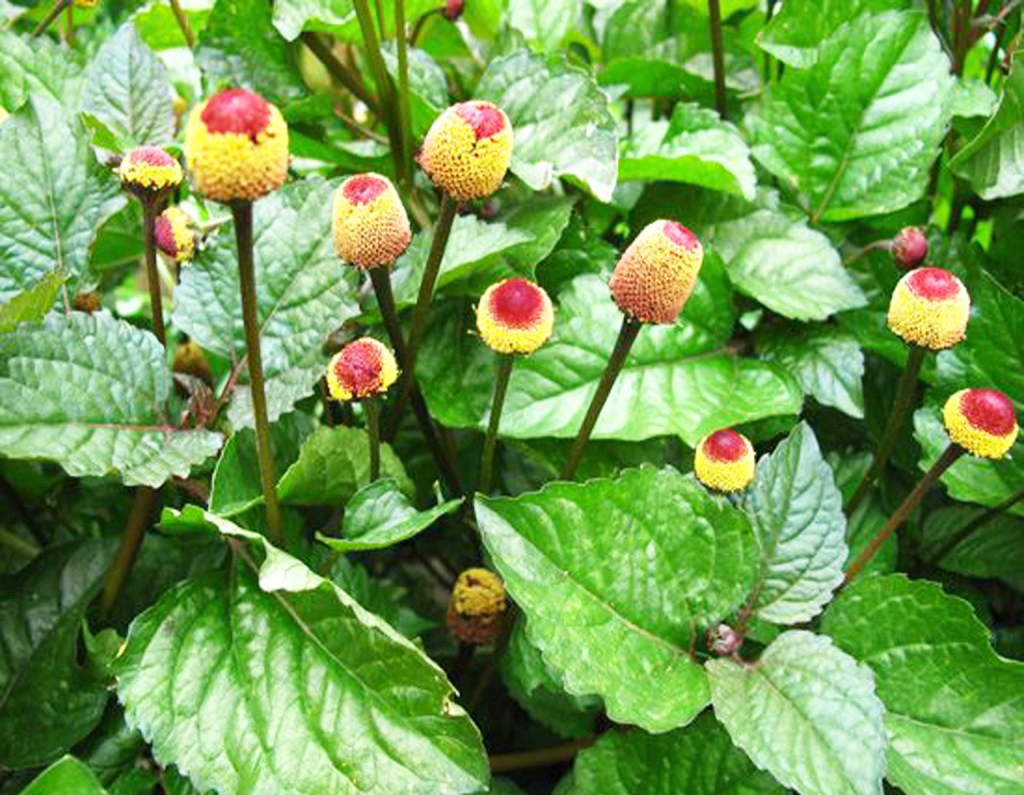


Posted by Asmidev Herbals in Clove, Men's Health, Women's Health
Garlic: A Natural Way to Boost Immunity and Vitality

Garlic: A Natural Way to Boost Immunity and Vitality

Garlic (Allium sativum), a member of the Allium family, boasts a rich history spanning millennia and diverse cultures worldwide. Its origins trace to Central Asia, particularly regions around the Tien Shan Mountains, with wild forms still found in areas like Kyrgyzstan, Tajikistan, and Uzbekistan. Archaeological and historical evidence indicates cultivation and use dating back over 5,000 years.

In ancient Egypt, garlic held immense value; it was revered as a source of strength and endurance, fed to laborers building the pyramids, and even referenced in the Ebers Papyrus (circa 1550 BC) for treating various ailments. Bulbs were discovered in tombs, including that of Tutankhamun, underscoring its cultural and possibly ritual significance.

Ancient Greeks and Romans recognized garlic’s medicinal potential—Hippocrates prescribed it for conditions like intestinal parasites and respiratory issues, while it was given to athletes and soldiers to boost performance and stamina. Pliny the Elder documented its use for a wide array of disorders in his Natural History.

In ancient China (from around 2700 BC) and India, garlic featured prominently in traditional healing systems for its purported antibacterial, digestive, and immune-supporting properties, as noted in early medical texts.

Through the Middle Ages and Renaissance, garlic remained a staple in European kitchens and folk medicine, spreading globally via trade, exploration, and colonization, including to the Americas.


Garlic Asmidev

Garlic (Allium Sativum)

Scientific interest surged in the 19th and 20th centuries, with modern research validating many traditional applications—particularly garlic’s role in cardiovascular health (e.g., supporting healthy blood pressure and lipid profiles through compounds like allicin and aged garlic extract in clinical trials) and immune function (e.g., reducing cold/flu severity and enhancing immune markers in intervention studies). These findings bridge ancient wisdom with evidence-based insights, highlighting garlic’s enduring place in promoting wellness.

In this comprehensive article, we delve into the multifaceted world of garlic, from its potential to reduce the risk of heart disease, to its antibiotic properties, and its role in traditional and modern cuisine. Whether you’re a garlic enthusiast, a health-conscious individual, or simply curious about this ubiquitous ingredient, this article aims to provide a thorough and enlightening exploration of garlic.


Table of Contents

Cultivation of Garlic

Chemical Composition

General Health Benefits of Garlic

Cardiovascular Health

Antimicrobial Properties

Cancer Prevention

Antioxidant Effects of Garlic

Immune System Boost

Anti-Inflammatory Properties

Blood Sugar Regulation

Bone Health

Reproductive Health Benefits of Garlic

Improved Blood Flow

Sperm Health

Hormonal Balance

Antimicrobial Properties of Garlic

Erectile Function

Menstrual Pain Relief

Reduced Risk of Prostate Problems

Supplementation

Best Way to Consume Garlic

Conclusion


Cultivation of Garlic

Garlic cultivation is both simple and precise, reflecting the plant’s natural resilience and adaptability. Garlic is usually planted in the fall, with individual cloves set about two inches deep and spaced far enough apart to allow proper bulb formation. The crop prefers well-drained, fertile soil enriched with organic matter, and consistent moisture is especially important during the early stages of growth to support strong root development.

As a cool-season crop, garlic benefits from a distinct cold period, which plays a crucial role in the proper development of individual cloves within the bulb. Shoots typically emerge in early spring, followed by steady growth through the warmer months. By mid-summer, the plant signals readiness for harvest when the lower leaves begin to yellow and dry.

Harvesting involves gently loosening the soil and lifting the bulbs to avoid damage. After harvest, the bulbs are dried and cured in a well-ventilated area, a step that helps enhance flavour and extend shelf life. From planting to curing, the process highlights how garlic combines straightforward growing practices with careful timing, making it a dependable and rewarding crop in gardens and farms around the world.

Climatic Conditions

Garlic cultivation thrives under specific climatic conditions that reflect its origins as a cool-season crop adapted to temperate environments with distinct seasonal changes.

A key requirement is vernalization—a cold period essential for proper bulb initiation and clove differentiation. Most varieties, particularly hardneck types, need 4–8 weeks (often 6–8 weeks) of temperatures below 40–45°F (4–7°C), ideally in the range of 32–50°F (0–10°C). This chilling triggers the physiological processes for bulbing; insufficient cold can result in single-clove or poorly divided bulbs. Softneck varieties are more tolerant of milder winters and require less vernalization, making them suitable for warmer regions.

Following vernalization, garlic benefits from a gradual shift to warmer growing conditions during spring and early summer, with optimal daytime temperatures of 55–75°F (13–24°C) supporting vigorous leaf growth and bulb expansion. Higher temperatures (above 68–70°F or 20°C) combined with soil warming (around 60°F or 15.5°C) help initiate bulbing, while excessive heat (e.g., soil over 90°F) can accelerate maturity and reduce bulb size.

Precipitation or irrigation should be moderate and consistent, especially during early growth to establish strong roots and shoots—typically 1 inch of water per week if rainfall is inadequate. Well-drained soil is critical to avoid waterlogging and rot; as bulbs mature near harvest, drier conditions are preferable to promote skin drying and prevent spoilage.

Garlic also responds to photoperiod (day length), with bulbing often triggered when daylight exceeds about 13 hours in spring, favoring longer summer days typical of higher latitudes. This makes it well-suited to regions with extended daylight in the growing season, though varieties differ in sensitivity.

Overall, garlic’s ideal climate combines a reliable cold vernalization phase for bulb formation, followed by warm, sunny, and relatively dry conditions with good moisture early on—conditions that support its resilience while yielding large, flavorful bulbs in home and commercial gardens worldwide.

Geography

Garlic (Allium sativum) demonstrates remarkable adaptability, allowing it to be cultivated across diverse climatic zones and regions worldwide, from cold temperate areas to warmer subtropical and Mediterranean climates.

Major production is concentrated in Asia, where China remains the dominant producer, consistently accounting for around 70–75% of global output—over 20–21 million metric tonnes annually in recent years (e.g., 21.3 million tonnes in 2022 per FAO data, with similar figures in 2023–2025 estimates). India ranks second, with production exceeding 3 million tonnes (around 3.2–3.3 million in recent data), followed by countries like Bangladesh, South Korea, and Egypt.

In temperate regions, including parts of North America (e.g., United States), Europe (e.g., Spain as Europe’s top producer at over 270,000 tonnes), and Northern Asia (e.g., Russia), garlic is typically planted in fall to leverage winter cold for vernalization, supporting hardneck varieties that require prolonged chilling for optimal bulb development. Harvest occurs in summer after spring growth.

Mediterranean and Middle Eastern climates suit garlic well, with mild, wet winters and hot, dry summers ideal for both hardneck and softneck types. Spain, Italy, Turkey, and Egypt (a rising producer with expanding acreage) benefit from these conditions, often favoring varieties adapted to moderate winters and long daylight hours.

East Asia leads in volume, with China’s varied regions enabling massive-scale cultivation of both hardneck and softneck garlic. Japan and South Korea produce significant amounts, often selecting local varieties suited to their temperate to subtropical zones.

In South Asia, warmer and more humid conditions in India and Pakistan prompt adaptations like choosing softneck varieties (which tolerate milder winters) or providing supplemental vernalization through pre-chilling, yielding strong regional output.

Africa features notable cultivation in Egypt (top African producer) and Ethiopia, adapting to dry and moderate zones with irrigation support.

South America has grown in importance, with Argentina and Brazil emerging as key producers and exporters, tailoring practices to temperate and subtropical climates.

This widespread cultivation underscores garlic’s versatility—hardneck types excel in colder zones (USDA 3–7) with strong vernalization needs, while softneck varieties thrive in warmer areas (USDA 8–10+) with less cold requirement—allowing selection of cultivars for local soil, climate, and desired flavor profiles, from pungent to mild.

(Reference: Source 1, Source 2, Source 3, Source 4, Source 5, Source 6)


Chemical Composition of Garlic

Garlic’s chemical composition is complex and includes a range of compounds that contribute to its health benefits. While the exact content ratio can vary based on the garlic variety and growing conditions, the primary constituents are as follows:

  • Allicin (1-3% of fresh weight): This sulfur-containing compound is formed when garlic is crushed or chopped, releasing the enzyme alliinase. Allicin is responsible for garlic’s distinctive aroma and is believed to have antimicrobial and anti-inflammatory properties. It is also linked to cardiovascular benefits, such as reducing blood pressure and cholesterol levels.
  • Sulfur Compounds (1-2%): Beyond allicin, garlic contains other sulfur compounds like diallyl disulfide, s-allylcysteine, and others. These compounds are thought to contribute to the antioxidant activity of garlic and play a role in its potential cancer-preventive effects.
  • Flavonoids and Phenolic Compounds: These antioxidants make up a smaller percentage of garlic’s composition but are important for reducing oxidative stress in the body and enhancing immune function.
  • Minerals and Vitamins (trace amounts): Garlic contains vitamins such as Vitamin C, Vitamin B6, and Vitamin B1, and minerals like manganese, selenium, calcium, potassium, iron, and copper. These contribute to overall health, supporting various bodily functions including immune response and metabolic processes.
  • Enzymes and Amino Acids (trace amounts): These are essential for various biochemical reactions in the body and contribute to the overall nutritional value of garlic.
  • Dietary Fiber (trace amounts): While not a major component, fiber in garlic can aid in digestion and contribute to gut health.
  • Water (about 60%): A significant portion of fresh garlic’s weight is water.
  • Carbohydrates (about 33%): This includes fructans, which are prebiotic fibers beneficial for gut health.
  • Proteins (about 6%): These are essential for the body’s structural and functional aspects.
  • Fats (low amounts): Garlic contains very low levels of fats.

The health benefits of garlic are primarily attributed to its sulfur compounds, which are believed to be responsible for its potential in reducing the risk of certain cancers, improving heart health, and possessing antimicrobial properties. The antioxidants in garlic help combat oxidative stress, while the vitamins and minerals support various bodily functions. The prebiotic nature of its carbohydrates promotes a healthy gut microbiome.

It’s important to note that the content ratios mentioned are approximate and can vary significantly depending on the garlic type and growing conditions. The way garlic is prepared and consumed (raw, cooked, aged, etc.) also affects the availability and potency of these compounds.

(Reference: Source 1, Source 2, Source 3, Source 4, Source 5, Source 6)


General Health Benefits of Garlic

Garlic, a modest yet highly valued member of the Allium family, has been used for centuries as both a culinary staple and a traditional health-supporting ingredient. Known for its strong aroma and distinctive flavour, garlic owes much of its reputation to naturally occurring bioactive compounds, particularly allicin, which is released when the cloves are crushed or chopped. These compounds have been widely studied for their biological activity and long-standing role in traditional wellness practices.

Modern research has reinforced many of the traditional beliefs surrounding garlic. Regular consumption has been associated with support for cardiovascular health, thanks to its role in maintaining healthy blood circulation and lipid balance. Garlic is also recognized for its natural antimicrobial and antioxidant properties, which help the body defend itself against everyday environmental and microbial stressors. In addition, scientific interest continues to explore garlic’s potential role in supporting immune function and its protective effects at the cellular level.

This introduction sets the stage for a closer look at how garlic contributes to overall health. By blending centuries of traditional use with contemporary scientific insights, garlic emerges as more than just a kitchen ingredient. It stands as a powerful example of how everyday foods can play a meaningful role in long-term wellbeing when used as part of a balanced diet.

Cardiovascular Health

Garlic (Allium sativum) has been extensively researched for its potential cardiovascular benefits, primarily through sulfur-containing compounds such as allicin (formed when fresh garlic is crushed) and S-allylcysteine in aged garlic extracts.

Multiple meta-analyses of randomized controlled trials show that garlic supplementation modestly lowers blood pressure, with effects most pronounced in individuals with hypertension. Recent comprehensive reviews report reductions in systolic blood pressure by 3–9 mmHg and diastolic by 2–6 mmHg compared to placebo, often comparable to standard antihypertensive medications in hypertensive populations. These benefits are linked to mechanisms including enhanced nitric oxide production, which promotes vasodilation and relaxes blood vessels, as supported by clinical observations of increased nitric oxide levels following garlic intake.

Garlic also supports healthier lipid profiles. Systematic reviews and meta-analyses indicate significant reductions in total cholesterol (around 10 mg/dL), LDL cholesterol (5–10 mg/dL), and triglycerides, while often increasing HDL cholesterol. These changes are more evident in those with elevated baseline levels, potentially reducing oxidative modification of LDL—a key step in atherosclerosis development.

Garlic’s antioxidant and anti-inflammatory properties further contribute to vascular health. Clinical trials demonstrate lowered markers of oxidative stress (e.g., malondialdehyde) and inflammation (e.g., C-reactive protein and TNF-α), which help protect against endothelial dysfunction and plaque progression. Some studies using aged garlic extract have shown slowed coronary artery calcification and reduced low-attenuation plaque volume.

Additionally, garlic exhibits mild antiplatelet effects, inhibiting ADP- or collagen-induced platelet aggregation in several trials, which may lower thrombotic risk—though evidence is mixed and generally modest compared to dedicated antiplatelet agents.

Overall, these evidence-based effects position garlic as a supportive dietary adjunct for cardiovascular risk management, particularly when incorporated regularly through food or standardized supplements, though it is not a substitute for medical treatment and larger long-term outcome studies are ongoing.

(Reference: Source 1, Source 2, Source 3, Source 4, Source 5)

Antimicrobial Properties

Garlic’s antimicrobial properties are primarily driven by allicin, a reactive sulfur-containing compound formed when fresh garlic is crushed or chopped. This enzymatic reaction converts the precursor alliin (a non-protein amino acid) into allicin via alliinase, producing the characteristic pungent aroma and bioactive effects.

Allicin exhibits broad-spectrum antimicrobial activity in vitro against Gram-positive and Gram-negative bacteria (including multidrug-resistant strains like MRSA and certain E. coli), fungi (e.g., Candida albicans), viruses, and parasites (e.g., Entamoeba histolytica and Giardia lamblia). Studies show it disrupts microbial cell membranes, inhibits essential enzymes (such as thiol-dependent proteins via reaction with sulfhydryl groups), and impairs metabolic processes critical for survival and replication.

Allicin also interferes with bacterial quorum sensing—a cell-to-cell communication system—and inhibits biofilm formation, which contributes to reduced virulence and lower likelihood of antibiotic resistance development. For instance, garlic extracts and allicin derivatives like ajoene have demonstrated quorum-sensing inhibition in pathogens such as Pseudomonas aeruginosa and Staphylococcus species, reducing biofilm-related persistence in preclinical models.

While in vitro and animal studies strongly support these mechanisms, human clinical evidence remains limited and more indirect. Some intervention trials suggest garlic may reduce the duration or severity of common infections (e.g., colds or oral microbial load in children), and topical or adjunct uses show promise against specific pathogens like periodontal bacteria or Helicobacter pylori. However, robust, large-scale human trials confirming broad antimicrobial efficacy are scarce, and allicin’s instability and low bioavailability in processed forms limit direct therapeutic translation.

Overall, these findings align with garlic’s traditional use as a natural antimicrobial, positioning fresh or minimally processed garlic as a supportive dietary option for immune health, though it is not a substitute for conventional treatments and further clinical research is needed to validate therapeutic applications.

(Reference: Source 1, Source 2, Source 3, Source 4, Source 5, Source 6)

Cancer Prevention

Garlic (Allium sativum) contains unique bioactive sulfur compounds, including allicin (formed from alliin upon crushing), diallyl disulfide (DADS), diallyl trisulfide (DATS), and S-allylcysteine (SAC, prominent in aged garlic extract), which have been extensively studied for potential anticancer effects in preclinical models.

These compounds exhibit multiple mechanisms in vitro and in animal studies: they act as antioxidants by scavenging free radicals and reducing oxidative stress, which helps protect DNA from damage—a precursor to carcinogenesis. They also induce apoptosis (programmed cell death) in various cancer cell lines, arrest the cell cycle (e.g., at G2/M phase), inhibit proliferation, suppress angiogenesis, and modulate signaling pathways like NF-κB, PI3K/AKT, and MAPK to curb tumor growth and metastasis. Anti-inflammatory effects further contribute by lowering chronic inflammation, a recognized cancer risk factor.

Epidemiological evidence from meta-analyses of observational studies (primarily case-control) suggests associations between higher garlic or Allium vegetable consumption and reduced risk for certain cancers, particularly gastric (stomach) cancer (e.g., relative risks of 0.49–0.75 for high vs. low intake in older reviews) and possibly colorectal cancer, though results show heterogeneity and inconsistency across studies.

Human clinical trial data, including randomized controlled trials and systematic reviews (up to recent years), remain limited and inconclusive for direct cancer prevention or treatment. For instance, some intervention studies with aged garlic extract have shown reductions in colorectal adenoma progression or precancerous markers in small trials, but larger cohort studies and meta-analyses often find no significant overall association between garlic intake/supplements and cancer risk reduction (e.g., pooled relative risks near 1.0 for allium vegetables or supplements). Evidence is too limited to draw firm conclusions on broad cancer prevention, per sources like the American Institute for Cancer Research (AICR) Continuous Update Project.

While garlic’s organosulfur compounds show promising multitargeted anticancer potential in lab and mechanistic research—aligning with traditional uses—these effects are not yet strongly supported by robust human outcome trials. Regular dietary inclusion of garlic may offer supportive health benefits as part of a balanced diet, but it should not replace evidence-based medical strategies for cancer prevention or treatment; further high-quality, large-scale clinical research is needed.

(Reference: Source 1, Source 2, Source 3, Source 4, Source 5, Source 6)

Antioxidant Effects of Garlic

Garlic (Allium sativum) is rich in sulfur-containing compounds, including allicin (formed from alliin when garlic is crushed or chopped), along with other organosulfur phytonutrients like diallyl disulfide and S-allylcysteine (prominent in aged garlic extract).

These compounds contribute to garlic’s antioxidant effects by directly scavenging free radicals and reducing oxidative stress—an imbalance where reactive oxygen species (ROS) overwhelm the body’s defenses, leading to cellular damage linked to chronic conditions such as heart disease, neurodegenerative disorders, and accelerated aging.

Clinical evidence from randomized controlled trials and meta-analyses supports garlic’s ability to improve oxidative stress markers. A systematic review and meta-analysis of RCTs found that garlic supplementation significantly increased total antioxidant capacity (TAC) by about 11 mmol/L and decreased malondialdehyde (MDA, a marker of lipid peroxidation) levels, indicating reduced oxidative damage compared to placebo.

Garlic also enhances endogenous antioxidant enzyme activity. Human intervention studies show increases in superoxide dismutase (SOD), catalase (CAT), and glutathione peroxidase (GPx) levels or activity, particularly with raw garlic or specific preparations; for example, in certain trials, garlic consumption boosted CAT and GPx in erythrocytes or improved glutathione status in conditions like polycystic ovary syndrome.

Beyond direct scavenging, these compounds help mitigate pro-oxidant production and support overall redox balance, as seen in studies linking garlic intake to lowered markers of oxidative stress in metabolic and cardiovascular contexts.

While preclinical data strongly demonstrate mechanisms like ROS neutralization and enzyme upregulation, human evidence is more consistent for indirect benefits through improved antioxidant status and reduced lipid peroxidation, though effects vary by garlic form (e.g., fresh vs. aged extract), dose, and population. Regular dietary garlic may support oxidative balance as part of a healthy lifestyle, but larger trials are needed to confirm long-term preventive impacts on disease.

(Reference: Source 1, Source 2, Source 3, Source 4, Source 5, Source 6)

Immune System Boost

Garlic (Allium sativum) supports immune function through its bioactive sulfur compounds, particularly allicin (formed from alliin when garlic is crushed or chopped), along with derivatives like S-allylcysteine in aged garlic extract (AGE).

Human clinical trials, including randomized, double-blind, placebo-controlled studies, indicate that garlic supplementation enhances certain aspects of immune cell activity. For example, daily AGE intake over 90 days improved proliferation and function of γδ-T cells and natural killer (NK) cells in healthy adults, compared to placebo. Other intervention trials show AGE or garlic extracts modulate cytokine production, reducing pro-inflammatory markers like IL-6, TNF-α, and C-reactive protein (CRP) in populations with obesity or metabolic issues—effects that help regulate immunity and inflammation.

Garlic’s antimicrobial properties, driven mainly by allicin, contribute to pathogen defense in vitro against bacteria, viruses, and fungi. In human contexts, this aligns with reduced severity of common infections; a notable 12-week trial with an allicin-containing supplement reported fewer cold occurrences (24 vs. 65 in placebo), shorter symptom duration, and fewer illness days. Another AGE study found reduced cold/flu symptom severity (e.g., 21–61% fewer symptoms or days impacted), though incidence was not always significantly lowered.

Garlic’s antioxidant effects further bolster immunity by mitigating oxidative stress, which preserves immune cell integrity. Trials demonstrate increased antioxidant enzyme activity (e.g., glutathione peroxidase, catalase) and total antioxidant capacity, alongside lowered oxidative damage markers.

These combined mechanisms—immune cell stimulation, cytokine modulation, antimicrobial support, and antioxidant protection—position garlic as a potential dietary adjunct for immune resilience, particularly during seasonal challenges. Evidence is strongest for aged garlic extract or standardized preparations in reducing infection severity rather than outright prevention, with larger trials needed for definitive conclusions on broad immune boosting in healthy individuals. Regular inclusion in the diet (fresh, cooked, or supplemented) may offer supportive benefits as part of overall wellness practices.

(Reference: Source 1, Source 2, Source 3, Source 4, Source 5)

Anti-Inflammatory Properties

Garlic (Allium sativum) exhibits notable anti-inflammatory properties, largely attributed to its sulfur-containing compounds such as allicin (formed from alliin upon crushing), diallyl sulfide (DAS), diallyl disulfide (DADS), and S-allylcysteine (prominent in aged garlic extract).

These compounds modulate inflammatory responses through multiple mechanisms, primarily demonstrated in preclinical models. In vitro and animal studies show inhibition of key pro-inflammatory enzymes, including cyclooxygenase (COX) and lipoxygenase (LOX), which reduces synthesis of prostaglandins, leukotrienes, and other mediators of inflammation. Garlic derivatives also suppress activation of nuclear factor-kappa B (NF-κB), a central transcription factor that regulates cytokine gene expression, thereby limiting production of pro-inflammatory cytokines like TNF-α, IL-1β, and IL-6.

Human clinical evidence supports these effects, particularly through reductions in circulating inflammatory markers. Meta-analyses of randomized controlled trials (RCTs) indicate that garlic supplementation significantly lowers serum C-reactive protein (CRP) by approximately 0.6 mg/L, TNF-α by 0.26 ng/L, and IL-6 by 0.73 ng/L compared to placebo, with low heterogeneity in some analyses. For example, aged garlic extract has been linked to decreased TNF-α and IL-6 in adults with obesity over 6 weeks, while standardized garlic extract reduced IL-6, CRP, and erythrocyte sedimentation rate in peritoneal dialysis patients over 8 weeks. These reductions align with garlic’s broader role in mitigating chronic inflammation associated with conditions like metabolic syndrome and cardiovascular disease.

Garlic’s antioxidant properties further enhance its anti-inflammatory potential by neutralizing free radicals and reducing oxidative stress, which can amplify inflammatory cascades.

Overall, while preclinical data robustly detail mechanisms like COX/LOX inhibition and NF-κB suppression, human RCTs provide consistent evidence for lowered systemic inflammation markers, positioning garlic as a supportive dietary adjunct for managing inflammatory conditions—though effects vary by preparation (e.g., fresh vs. aged extract), dose, and population, and larger trials are needed for specific disease outcomes.

(Reference: Source 1, Source 2, Source 3, Source 4, Source 5, Source 6)

Blood Sugar Regulation

Garlic (Allium sativum) shows promising potential in supporting blood sugar regulation, primarily through its bioactive sulfur compounds like allicin, diallyl disulfide, and S-allylcysteine, as evidenced by multiple meta-analyses of randomized controlled trials (RCTs).

Recent systematic reviews and meta-analyses (including a 2024 analysis of 29 RCTs with over 1,500 participants) demonstrate that garlic supplementation significantly lowers fasting blood glucose (FBG) by approximately 7 mg/dL (mean difference -7.01 mg/dL, 95% CI -8.53 to -5.49, p < 0.001) and HbA1c by about 0.66% (mean difference -0.66%, 95% CI -0.76 to -0.55, p < 0.001), indicating improved short- and long-term glycemic control. These effects are more pronounced in individuals with type 2 diabetes or elevated baseline levels, with benefits often emerging after 8 weeks or longer of consistent use (e.g., garlic powder, oil, aged extract, or raw forms at varying doses).

Mechanisms observed in human and preclinical studies include enhanced insulin secretion, improved insulin sensitivity (potentially via reduced insulin resistance in metabolic models), and slowed carbohydrate absorption through inhibition of digestive enzymes like α-amylase and α-glucosidase, leading to reduced postprandial glucose spikes. Garlic’s antioxidant properties also play a supportive role by mitigating oxidative stress—a factor that impairs insulin signaling and exacerbates insulin resistance in diabetes—through increased activity of enzymes like superoxide dismutase, catalase, and glutathione peroxidase, as seen in some clinical interventions.

While these findings align with garlic’s traditional use for metabolic health and position it as a valuable dietary adjunct for managing glucose levels (especially in type 2 diabetes), effects vary by preparation, dose, and duration. Garlic should complement—not replace—prescribed diabetes treatments, lifestyle measures, or medications, and individuals should consult healthcare providers before adding supplements, particularly if on blood sugar-lowering drugs, to avoid potential interactions. Larger, long-term trials continue to refine these insights.

(Reference: Source 1, Source 2, Source 3, Source 4, Source 5, Source 6)

Bone Health

Garlic (Allium sativum) shows emerging potential in supporting bone health, primarily through its sulfur-containing compounds like diallyl disulfide (DADS) and allicin derivatives, as explored in preclinical and limited human studies.

In animal models, such as ovariectomized rats (a common model for postmenopausal osteoporosis), garlic oil extracts or compounds like allicin and DADS have demonstrated protective effects by reducing bone loss, countering increased bone resorption, and preserving bone mineral density—effects comparable to some estrogen replacement therapies in these studies. Preclinical research indicates DADS can inhibit osteoclastogenesis (the formation and activity of bone-resorbing osteoclasts) via pathways like NF-κB–NFATc1 signaling, while also protecting osteoblasts (bone-forming cells) from damage, such as from oxidative stress or environmental factors like cigarette smoke.

Human clinical evidence is more limited but supportive in specific contexts, particularly for postmenopausal women. Randomized controlled trials have found that garlic tablet supplementation (e.g., equivalent to 2 g fresh garlic daily for 8–12 months) reduces markers of oxidative stress and protein oxidation (e.g., advanced oxidation protein products and protein carbonyls), while also modulating pro-inflammatory cytokines like TNF-α in osteoporotic postmenopausal women—factors linked to bone loss. One prospective double-blinded trial combining aged garlic extract with supplements (vitamin B12, folic acid, vitamin B6, and L-arginine) associated it with beneficial effects on bone mineral density and slowed atherosclerosis progression, though direct bone outcomes were secondary.

Garlic contains trace minerals like zinc, manganese, magnesium, and selenium, which contribute to bone matrix formation, enzyme function, and overall skeletal resilience—though levels are modest (e.g., about 0.1 mg zinc and 0.14 mg manganese per clove), and benefits likely stem more from synergistic effects with its organosulfur compounds than mineral content alone.

Regarding estrogenic or phytoestrogenic effects, evidence is indirect and weak; while some plant compounds mimic estrogen to support bone health in menopause, garlic studies focus more on anti-inflammatory, antioxidant, and cytokine-modulating actions rather than direct phytoestrogen activity.

Overall, these findings suggest garlic may offer supportive benefits for bone health maintenance—particularly in reducing oxidative stress, inflammation, and resorption in at-risk groups like postmenopausal women—aligning with its traditional use in wellness practices. However, human data remain preliminary, with most evidence from small trials or animal models; garlic is not a standalone treatment for osteoporosis or bone conditions and should complement a nutrient-rich diet, exercise, and medical advice. Larger, long-term clinical studies are needed to confirm its role in preventing bone density loss or fractures.

(Reference: Source 1, Source 2, Source 3, Source 4, Source 5)

In essence, garlic emerges as a strong natural support for overall health. Its wide-ranging benefits, from supporting cardiovascular function to offering antimicrobial and antioxidant protection, highlight its value as a versatile functional food. Regularly including garlic in the diet may help strengthen immune defences, support cellular health, and contribute to long-term wellbeing. While it is not a standalone remedy, garlic fits naturally into a balanced dietary pattern aimed at holistic health. Its long history in culinary and traditional wellness practices across cultures reflects its lasting importance in human nutrition and health.


Reproductive Health Benefits of Garlic

Garlic is best known for its bold flavour in cooking, but it also offers benefits that extend into areas of reproductive health, a topic that receives less attention yet holds growing interest. Its naturally occurring bioactive compounds, particularly those with antioxidant and anti-inflammatory activity, are believed to support healthy reproductive function by protecting cells and promoting balanced physiological processes.

Research suggests that garlic may help improve blood circulation and support hormonal balance, both of which are important for reproductive wellbeing in men and women. In men, garlic has been associated with supporting sperm quality and vitality, while in women it has traditionally been linked to hormonal support and relief from menstrual discomfort. This introductory overview highlights the emerging connection between regular garlic consumption and reproductive health, underscoring how everyday foods can quietly contribute to deeper aspects of wellbeing when included as part of a balanced diet.

Improved Blood Flow

Garlic (Allium sativum) supports improved blood flow and vascular health primarily through its sulfur-containing compounds, such as allicin (formed when fresh garlic is crushed) and derivatives like S-allylcysteine in aged garlic extract (AGE).

These compounds promote vasodilation by stimulating nitric oxide (NO) production and bioavailability in endothelial cells, as shown in mechanistic studies and human trials. Nitric oxide relaxes blood vessels, enhances endothelial function, and improves circulation—effects linked to reduced blood pressure. Meta-analyses of randomized controlled trials (RCTs) confirm garlic supplementation lowers systolic blood pressure by 3–9 mmHg and diastolic by 2–6 mmHg, particularly in hypertensive individuals, with mechanisms including NO-mediated vasodilation, soluble guanylyl cyclase activation, and inhibition of angiotensin-converting enzyme (ACE). For instance, fermented garlic extracts containing NO metabolites have demonstrated acute increases in blood flow (e.g., in carotid arteries, cerebral, and peripheral regions) and reduced blood pressure in healthy and hypertensive participants.

Garlic also reduces arterial stiffness, a contributor to hypertension and impaired organ perfusion. Clinical trials using measures like pulse wave velocity (PWV) or EndoPAT™ technology show significant improvements: aged garlic extract over 12 weeks decreased arterial stiffness (e.g., augmentation index by ~21.6% in some studies) and central blood pressure in subjects with elevated levels, while fermented garlic reduced radial artery stiffness in hypertension patients.

Garlic’s antioxidant properties further protect vascular integrity by combating oxidative stress, which damages endothelial cells and impairs NO production. Human RCTs demonstrate AGE improves endothelial function (e.g., via flow-mediated dilation in coronary artery disease patients or cardio-ankle vascular index in type 2 diabetes), reduces oxidative markers, and preserves vessel health—contributing to better overall blood flow and lower cardiovascular risk.

These evidence-based effects—vasodilation via NO enhancement, reduced arterial stiffness, and endothelial protection—align with garlic’s traditional use for circulatory support, making it a promising dietary adjunct for cardiovascular wellness. Benefits are more consistent with standardized preparations (e.g., aged extracts) and in those with risk factors, though larger long-term outcome trials are ongoing to confirm direct impacts on conditions like atherosclerosis or hypertension progression. Garlic should complement, not replace, medical management.

(Reference: Source 1, Source 2, Source 3, Source 4)

Sperm Health

Garlic (Allium sativum) contains a rich profile of sulfur-containing compounds (such as allicin, diallyl disulfide, and S-allylcysteine) and antioxidants that may support male reproductive health, particularly in protecting sperm from oxidative damage.

Oxidative stress is a well-recognized factor in male infertility, contributing to reduced sperm motility, count, viability, morphology abnormalities, and DNA fragmentation through reactive oxygen species (ROS) damaging sperm membranes and genetic material. Preclinical studies in animal models (e.g., diabetic rats, toxin-exposed mice, and chemotherapy-treated rodents) consistently show that garlic extracts or compounds like allicin mitigate oxidative stress by enhancing endogenous antioxidant enzymes (e.g., superoxide dismutase, catalase, glutathione peroxidase), reducing lipid peroxidation markers (e.g., malondialdehyde), and improving sperm parameters—including increased count, progressive motility, viability, and normal morphology—while restoring testosterone levels and testicular histology.

For instance, in diabetic rat models, garlic supplementation lowered oxidative stress, inflammatory markers (e.g., IL-1β, iNOS expression), and blood glucose while elevating testosterone and improving sperm quality metrics. Similar protective effects appear against environmental toxins or chemotherapy-induced damage, where garlic reduced abnormal morphology, DNA damage, and motility deficits.

Human clinical evidence remains limited and indirect. No large-scale randomized controlled trials (RCTs) have specifically isolated garlic’s effects on sperm parameters in infertile men. Some multi-ingredient antioxidant supplements including garlic (e.g., combinations with lycopene, vitamins C/E, zinc, selenium, and folate) have shown benefits in small RCTs, such as improved pregnancy rates in assisted reproduction or modest enhancements in sperm quality, though garlic’s isolated contribution is unclear. Systematic reviews of antioxidants for male infertility note positive trends in semen parameters and fertility outcomes from combined therapies, but garlic alone lacks robust standalone human data.

Garlic’s improved circulation via nitric oxide pathways (as seen in cardiovascular studies) may theoretically support better nutrient/oxygen delivery to the testes, and its hormonal modulation in animals could aid spermatogenesis, but these mechanisms await confirmation in human trials focused on fertility.

Overall, while preclinical research strongly supports garlic’s antioxidant and protective role against oxidative stress-related sperm impairment—aligning with traditional uses for vitality—human evidence is preliminary and mostly from combination supplements. Regular dietary garlic may offer supportive benefits for male reproductive health as part of a balanced diet, but it is not a proven treatment for infertility or low sperm quality; individuals with fertility concerns should consult healthcare providers rather than rely on garlic alone, and more targeted human RCTs are needed.

(Reference: Source 1, Source 2, Source 3, Source 4, Source 5, Source 6)

Hormonal Balance

Garlic (Allium sativum) shows emerging potential in supporting aspects of hormonal balance through its sulfur-containing compounds (e.g., allicin, diallyl disulfide) and antioxidant properties, though direct human evidence on broad endocrine modulation remains limited and primarily indirect.

In relation to estrogen metabolism and women’s health—particularly during menopause—preclinical and some observational data suggest garlic may influence estrogen pathways, but robust clinical trials specifically demonstrating enzyme modulation (e.g., aromatase or CYP enzymes) or balanced estrogen levels in humans are scarce. A systematic review of garlic’s effects on the female reproductive system notes potential benefits for hormonal balance, including in menopause or polycystic ovary syndrome (PCOS), but emphasizes the need for more human studies to confirm direct impacts.

Garlic’s antioxidant effects help mitigate oxidative stress, which can disrupt endocrine function and hormone regulation. Meta-analyses of randomized controlled trials (RCTs) confirm garlic supplementation increases total antioxidant capacity (TAC) and reduces markers like malondialdehyde (MDA), supporting cellular protection that indirectly aids endocrine health. In postmenopausal women, garlic has been linked to improved oxidant-antioxidant balance, potentially benefiting conditions influenced by oxidative stress.

Garlic more consistently supports insulin sensitivity and glucose metabolism—key for hormonal equilibrium, especially in insulin-related disorders like PCOS and metabolic syndrome. Multiple meta-analyses of RCTs show garlic significantly lowers fasting blood glucose (by ~7 mg/dL), HbA1c (by ~0.66%), and insulin resistance (e.g., HOMA-IR). Specific RCTs in women with PCOS demonstrate garlic supplementation (e.g., 500–1000 mg standardized extract daily for 8 weeks) improves fasting plasma glucose, HOMA-IR, and sometimes androgen indices (e.g., free androgen index trends), alongside reductions in weight, BMI, lipids, and inflammation—aligning with garlic’s role in managing metabolic-hormonal imbalances.

Overall, while garlic’s mechanisms—antioxidant protection, improved insulin action, and potential indirect endocrine support—position it as a helpful dietary adjunct for hormonal wellness (particularly in metabolic or PCOS contexts), evidence is strongest for glucose/insulin benefits and oxidative stress reduction rather than direct hormone modulation like estrogen metabolism. Human data are promising but preliminary for broader claims; garlic should complement—not replace—medical management, and more targeted RCTs are needed for definitive conclusions on hormonal balance. Regular inclusion in the diet (fresh or standardized supplements) may offer supportive benefits as part of a balanced approach to endocrine health.

(Reference: Source 1, Source 2, Source 3, Source 4)

Antimicrobial Properties of Garlic

Garlic (Allium sativum) exhibits broad-spectrum antimicrobial properties primarily through allicin and other sulfur compounds, which may indirectly support reproductive health by helping combat infections that can impair fertility, sexual function, or reproductive tract integrity in both men and women.

Reproductive tract infections, including bacterial, fungal, and viral pathogens, are linked to complications such as infertility, pelvic inflammatory disease in women, and prostatitis or epididymitis in men. Garlic’s in vitro activity against relevant microbes (e.g., Escherichia coli, Candida species, and certain bacteria associated with urogenital infections) aligns with its traditional use for infection prevention.

In women, garlic has been investigated for managing common vaginal infections like bacterial vaginosis (BV) and vulvovaginal candidiasis (yeast infections), which can disrupt microbial balance, cause discomfort, and contribute to fertility challenges if recurrent or untreated. A randomized controlled trial comparing oral garlic tablets to metronidazole for BV found similar therapeutic effects (63.3% vs. 48.3% resolution based on Amsel’s criteria; p=0.141), with garlic showing fewer side effects. Some studies on garlic-based vaginal preparations (e.g., creams) report symptom improvement in mixed BV or candidiasis, though evidence is limited and inconsistent. Oral garlic, however, showed no significant reduction in vaginal Candida colony counts in a placebo-controlled trial among colonized asymptomatic women. Topical use (e.g., inserting cloves) lacks strong clinical support and carries risks of irritation or burns; it is not recommended over standard antifungals or antibiotics.

In men, garlic’s antimicrobial and anti-inflammatory effects show promise in preclinical models of chronic bacterial prostatitis (CBP), a condition often caused by bacterial infections that can affect urinary/sexual function and fertility. Rat studies demonstrate reduced bacterial growth, improved prostatic inflammation, and synergistic benefits when combined with antibiotics like ciprofloxacin—suggesting potential adjunctive support for prostate health. Human clinical trials specifically on garlic for prostatitis or male reproductive infections remain limited.

Overall, while garlic’s antimicrobial mechanisms may help reduce infection risk or severity in the reproductive tract—potentially contributing to better fertility outcomes and sexual health through indirect protective effects—evidence is strongest in animal models and small human trials for specific conditions like BV. Direct links to improved fertility or broad reproductive benefits require more robust, large-scale human studies. Garlic can be a supportive dietary addition (e.g., fresh, cooked, or standardized supplements) for general immune and antimicrobial wellness, but it should complement—not replace—evidence-based medical treatments for reproductive infections or fertility issues; consult a healthcare provider for personalized advice, especially with ongoing symptoms or conditions.

(Reference: Source 1, Source 2, Source 3, Source 4, Source 5, Source 6)

Erectile Function

Garlic (Allium sativum) may support erectile function through its effects on vascular health, primarily via sulfur-containing compounds like allicin (formed when fresh garlic is crushed) and S-allylcysteine (prominent in aged garlic extract).

These compounds enhance nitric oxide (NO) production and bioavailability, a key mechanism for vasodilation. Nitric oxide relaxes smooth muscle in blood vessels, including those in the penile tissue (corpora cavernosa), facilitating increased blood flow essential for achieving and maintaining an erection. Preclinical studies, including in diabetic rat models, show S-allylcysteine restores electrically induced erectile responses by inhibiting reactive oxygen species (ROS) generation via NADPH oxidase modulation and preserving endothelial nitric oxide synthase (eNOS) activity. Fermented or aged garlic extracts have also demonstrated increased NO metabolites and improved blood flow in human trials focused on vascular parameters.

Garlic’s antioxidant properties further protect endothelial function by reducing oxidative stress, which can impair NO signaling and contribute to endothelial dysfunction—a common underlying factor in erectile dysfunction (ED), particularly in conditions like diabetes, hypertension, or metabolic syndrome.

Clinical evidence directly linking garlic to improved erectile function remains limited and preliminary. A small randomized, placebo-controlled pilot study (2024) in men with ED who responded poorly to tadalafil alone found that coadministration of fresh garlic juice (as a hydrogen sulfide donor) with tadalafil significantly improved International Index of Erectile Function (IIEF-EF) scores over 4 weeks compared to placebo (p ≤ 0.0001), suggesting synergistic benefits independent of the NO pathway used by PDE5 inhibitors like tadalafil. Another small trial combining aged garlic extract with other herbs showed improvements in aging male symptoms, including erectile function, over 6 months. Broader human RCTs specifically for ED are scarce, with most supporting indirect benefits through cardiovascular improvements—such as modest reductions in blood pressure (systolic by 3–9 mmHg) and enhanced endothelial function (e.g., flow-mediated dilation)—which can alleviate vascular ED risk factors.

Overall, while garlic’s NO-enhancing, antioxidant, and cardiovascular effects provide a plausible mechanistic basis for supporting erectile function—aligning with its traditional use for vitality—direct human evidence is from small or adjunctive studies rather than large standalone trials. Regular dietary inclusion (fresh, cooked, or standardized extracts like aged garlic) may offer supportive benefits for men’s sexual health as part of a heart-healthy lifestyle, but it is not a proven standalone treatment for ED. Individuals with erectile concerns should consult a healthcare provider for evidence-based options, as garlic should complement—not replace—medical evaluation or therapies like PDE5 inhibitors. Larger, targeted clinical trials are needed to confirm efficacy and optimal dosing.

(Reference: Source 1, Source 2, Source 3, Source 4, Source 5, Source 6, Source 7)

Menstrual Pain Relief

Garlic (Allium sativum) exhibits anti-inflammatory and potential analgesic properties through its sulfur-containing compounds, such as allicin and derivatives like diallyl disulfide, which may help alleviate menstrual discomfort, including cramps associated with primary dysmenorrhea or conditions like endometriosis.

Prostaglandins—lipid mediators produced during menstruation—trigger uterine contractions and contribute to pain by promoting inflammation and muscle spasms. Preclinical and mechanistic evidence suggests garlic compounds can inhibit prostaglandin synthesis (e.g., via COX pathway modulation similar to NSAIDs) and reduce related inflammatory markers, aligning with garlic’s broader anti-inflammatory effects observed in human trials for other conditions.

Human clinical evidence specifically for menstrual pain is emerging but limited to small randomized controlled trials, often in related contexts. A 2021 placebo-controlled trial in women with endometriosis found that 400 mg garlic tablets daily for 12 weeks significantly reduced dysmenorrhea severity (from ~6.7 to ~1.9 on a visual analog scale, p < 0.001), alongside improvements in pelvic/back pain and dyspareunia, with overall pain dropping markedly compared to placebo (p < 0.001). Another RCT showed garlic supplementation reduced premenstrual symptoms—including potential cramping elements—over three cycles, with total symptom severity decreasing substantially versus placebo.

Garlic’s antioxidant properties further support pain relief by mitigating oxidative stress, which can amplify inflammation and discomfort during menstruation, as demonstrated in studies showing enhanced antioxidant capacity and reduced oxidative markers with garlic intake.

Improved circulation via nitric oxide enhancement may also ease cramps by promoting better uterine blood flow, though this is more indirectly supported from cardiovascular research rather than direct menstrual studies.

While these findings suggest garlic as a promising natural adjunct for managing menstrual pain—particularly in endometriosis-related dysmenorrhea—evidence for primary dysmenorrhea in healthy women remains preliminary, with most data from small trials or indirect mechanisms. Garlic is not a substitute for standard treatments like NSAIDs or hormonal therapies, and effects vary by preparation (e.g., fresh, tablets, or aged extract) and dose. Larger, targeted randomized trials are needed to confirm efficacy and safety for routine use in menstrual pain relief. Regular dietary inclusion may offer supportive benefits as part of an anti-inflammatory approach, but consult a healthcare provider for personalized advice, especially with severe or persistent symptoms.

(Reference: Source 1, Source 2, Source 3, Source 4)

Reduced Risk of Prostate Problems

Garlic (Allium sativum) contains unique sulfur-containing compounds, such as allicin, diallyl disulfide, and S-allylcysteine, which exhibit anti-inflammatory and antioxidant properties that may contribute to prostate health, particularly in relation to benign prostatic hyperplasia (BPH) and prostate cancer risk.

Chronic inflammation is a recognized factor in prostate conditions, including BPH progression and prostate cancer development. Garlic’s organosulfur compounds inhibit inflammatory pathways (e.g., NF-κB activation and pro-inflammatory cytokines like TNF-α and IL-6), as shown in preclinical models and supported by human trials demonstrating reduced systemic inflammation markers. These effects could help mitigate inflammation-driven prostate enlargement and associated urinary symptoms, though direct human RCTs for BPH symptom relief are limited.

Epidemiological evidence links higher intake of Allium vegetables, including garlic, to modestly reduced prostate cancer risk. A meta-analysis of observational studies (primarily case-control) found garlic consumption associated with a decreased odds ratio (OR = 0.77, 95% CI 0.64–0.91) for prostate cancer, with similar findings in some cohort data for high Allium intake. However, more recent systematic reviews and meta-analyses of cohort studies and garlic supplements often show inconsistent or null associations overall for cancer risk reduction, including prostate cancer (e.g., pooled relative risks near 1.0 in some pooled analyses), with evidence graded as limited or very limited by sources like the FDA’s health claims review system.

Garlic’s antioxidants help neutralize oxidative stress and protect against DNA damage in prostate cells, a mechanism implicated in carcinogenesis. Preclinical studies demonstrate these protective effects against prostate tumor models, but human intervention trials specifically targeting prostate cancer prevention or progression remain scarce and inconclusive.

Regarding hormone metabolism, some preclinical data suggest garlic compounds may influence androgen pathways relevant to hormone-sensitive prostate conditions, but direct human evidence is weak and not well-established.

Overall, while garlic’s bioactive profile supports potential supportive roles in reducing inflammation, oxidative stress, and possibly BPH/prostate cancer risk—aligning with traditional uses—the strongest evidence comes from observational epidemiology for modest risk reduction with regular dietary intake, rather than supplements or targeted prevention. Human clinical data are preliminary, inconsistent across studies, and insufficient for firm claims of prevention or treatment. Garlic can be a beneficial dietary addition as part of a balanced, anti-inflammatory diet for prostate health, but it should not replace medical screening, monitoring, or evidence-based therapies; consult a healthcare provider for prostate concerns, and larger, high-quality RCTs are needed to clarify benefits.

(Reference: Source 1, Source 2, Source 3, Source 4, Source 5)

In summary, examining garlic’s role in reproductive health brings attention to benefits that are often understated. Its naturally occurring compounds, especially those known for antioxidant support and circulation enhancement, appear to play a positive role in supporting reproductive function in both men and women. From contributing to sperm quality to supporting hormonal balance and menstrual comfort, garlic shows potential as a supportive element in reproductive wellbeing.

Although garlic should not be viewed as a standalone solution, its regular inclusion in a balanced diet may help reinforce reproductive health in a gentle and complementary way. This perspective highlights the broader value of nutrition-based approaches, reminding us that everyday foods can meaningfully support complex aspects of human health when used thoughtfully and consistently.


Supplementation

When using garlic for its health-supporting properties, it is important to be mindful of dosage, form, and individual tolerance. Garlic can be consumed in several forms, including fresh cloves, aged garlic extract, powders, oils, and capsules, and the appropriate intake can vary depending on the format and the intended purpose.

Recommended Dosage of Garlic

For fresh garlic, a commonly referenced intake is one to two cloves per day as part of the regular diet. This amount is generally considered suitable for most people when consumed with food. In supplement form, garlic products usually provide specific dosage guidelines, often ranging between 600 and 1,200 milligrams per day, typically taken in divided doses. These recommendations are based on formulations used in clinical and observational studies.

Because concentrated garlic supplements can act differently from fresh garlic, it is advisable to follow product instructions carefully. Individual factors such as age, existing health conditions, and concurrent medications should always be considered. Consulting a qualified healthcare professional before beginning regular supplementation helps ensure safe and appropriate use, particularly when garlic is taken for specific health-related goals.

Side Effects

Garlic (Allium sativum) is generally considered safe for most people when consumed in typical culinary amounts, with a long history of use in food across cultures.

Common side effects, particularly at higher supplemental doses (e.g., 2–4 g fresh garlic equivalent or more daily), include bad breath and body odor (due to volatile sulfur compounds excreted through lungs and skin), heartburn, flatulence, nausea, and gastrointestinal upset. These digestive effects are dose-dependent and often resolve with reduced intake or by taking garlic with food; aged garlic extract preparations tend to cause fewer odor and GI issues compared to fresh or raw forms.

Safety Considerations

  • Garlic possesses mild anticoagulant and antiplatelet properties, primarily through inhibition of thromboxane A2 production and platelet aggregation in clinical studies. This can increase bleeding risk, especially at higher doses or when combined with anticoagulant medications (e.g., warfarin, heparin), antiplatelet agents (e.g., aspirin, clopidogrel), or NSAIDs. Systematic reviews and case reports document prolonged bleeding time and increased INR in some patients on warfarin taking garlic supplements; individuals scheduled for surgery should discontinue garlic supplements at least 7–10 days prior (as recommended by surgical guidelines) to minimize perioperative bleeding complications. Consult a healthcare provider before combining garlic with these medications.
  • Allergic reactions to garlic or other Allium species (e.g., onions, leeks) are rare but possible, manifesting as contact dermatitis, asthma-like symptoms, or anaphylaxis in sensitive individuals; those with known allergies should avoid garlic supplements.
  • During pregnancy and breastfeeding, garlic in food amounts is generally regarded as safe by sources like the FDA and traditional use data, with no strong evidence of adverse effects. However, high-dose supplements lack sufficient safety studies in these populations and are best avoided or used only under medical supervision.
  • Safety in children has not been well-established for supplemental doses; dietary garlic is commonly used and appears safe, but concentrated extracts or supplements are not routinely recommended without pediatric guidance.
  • Garlic may interact with certain medications, including some HIV protease inhibitors (e.g., saquinavir, reduced plasma levels in pharmacokinetic studies), non-nucleoside reverse transcriptase inhibitors, and potentially oral contraceptives (via CYP3A4 induction in preclinical data, though human evidence is limited and conflicting). It may also lower blood pressure or blood sugar additively with relevant drugs.

While garlic supplements can provide evidence-based benefits in areas like cardiovascular support and immune function, they should be approached cautiously—starting with lower doses (e.g., 600–1200 mg standardized extract daily), monitoring tolerance, and using standardized, reputable products to minimize variability. For individuals with bleeding disorders, gastrointestinal conditions (e.g., GERD, ulcers), or those on interacting medications, garlic supplementation warrants medical consultation to weigh benefits against risks. Dietary garlic remains a low-risk way to incorporate its potential advantages into daily wellness.

(Reference: Source 1, Source 2, Source 3, Source 4, Source 5, Source 6)


Best Way to Consume Garlic

To maximize garlic’s (Allium sativum) health benefits—particularly those linked to its sulfur-containing compounds like allicin—scientific evidence from human intervention studies, bioavailability research, and mechanistic reviews emphasizes preparation methods that preserve or optimize these bioactive elements.

  • Raw garlic generally provides the highest levels of allicin and related thiosulfinates, as cooking (especially prolonged heating, boiling, roasting, or microwaving) rapidly inactivates the enzyme alliinase and degrades allicin. Studies show that roasting, boiling, or pickling significantly reduces allicin content and associated effects (e.g., antioxidant or antimicrobial activity), though lightly cooked garlic retains some benefits if heat exposure is minimal. For cardiovascular or immune support, raw forms often yield stronger outcomes in trials, though effects on lipids can vary across studies.
  • To optimize allicin formation in raw or minimally cooked garlic, crush or chop the cloves thoroughly—this ruptures cells and activates alliinase to convert alliin into allicin within seconds to minutes. Allowing the crushed garlic to sit for 10–15 minutes before consuming or adding to dishes (at low heat) maximizes allicin production before heat or acid inactivates the enzyme; this “standing time” is supported by research showing enhanced compound formation and preserved activity (e.g., preventing total loss of anticarcinogenic effects when followed by brief cooking).
  • Combining crushed garlic with healthy fats (e.g., olive oil) may improve absorption of fat-soluble organosulfur derivatives, as seen in culinary and bioavailability contexts. Adding garlic toward the end of cooking or using low temperatures further limits degradation.
  • Aged garlic extract (AGE) serves as an effective alternative for those avoiding raw garlic’s odor, taste, or digestive effects. Clinical trials highlight AGE’s benefits—such as blood pressure reduction (e.g., systolic by ~2–8 mmHg in hypertensive populations), improved antioxidant status, and endothelial function—often comparable to or more consistent than raw garlic in certain outcomes (e.g., hypotensive effects in meta-analyses). AGE contains stable compounds like S-allylcysteine rather than allicin, with good bioavailability and fewer side effects.
  • Regular, consistent intake is key; studies suggest benefits from 1–2 raw cloves (about 4–6 g) daily or equivalent doses (e.g., 600–1200 mg standardized powder or 1.2–7.2 g AGE), often over weeks to months. Pairing garlic with antioxidant-rich foods (e.g., fruits, vegetables) may amplify synergistic effects.

Individual responses vary based on tolerance, health status, and interactions (e.g., with anticoagulants). While garlic offers evidence-based support for areas like cardiovascular health and immunity, it is not a cure-all—consume in moderation, and consult a healthcare provider before increasing intake significantly, especially with medications or conditions.

(Reference: Source 1, Source 2)


Conclusion

In conclusion, garlic is far more than a flavourful kitchen ingredient; it is a versatile natural ally with a wide range of health-supporting properties. Its ability to grow successfully in diverse climates around the world reflects both its resilience and its global importance. Garlic’s rich chemical profile, including allicin, sulphur compounds, and a variety of vitamins and minerals, forms the foundation of its many benefits. These include supporting cardiovascular health, offering antimicrobial protection, contributing to immune resilience, and showing potential in reducing the risk of certain chronic conditions. Garlic has also been associated with improved energy levels and physical stamina, along with emerging interest in its role in sexual and reproductive health.

For everyday use, garlic is best consumed raw or lightly cooked, ideally crushed or chopped, as this helps activate its beneficial compounds. At the same time, individual tolerance should be taken into account, particularly for those with sensitive digestion or those taking medications that may interact with garlic. For people who find raw garlic difficult to tolerate, options such as aged garlic extract can provide an alternative, though professional guidance is recommended before starting regular supplementation.

Ultimately, garlic’s value extends well beyond culinary tradition. It stands as a reminder of nature’s capacity to offer meaningful health support through simple, familiar foods. When included regularly as part of a balanced diet and healthy lifestyle, garlic can contribute positively to overall wellbeing. It is not a cure-all, but when used thoughtfully, it complements a holistic approach to long-term health and nutrition.


Disclaimer: This content is for general information only and does not replace professional medical advice. Asmidev is not responsible for any diagnosis made based on this content, nor does it endorse or take responsibility for external websites or products mentioned. Always consult a qualified healthcare professional for health-related concerns. This article was created through a human–AI collaboration. The ideas and direction come from the author’s research, with AI used only to assist in organizing information and refining expression, while cross-checking against established scientific literature.


Posted by Asmidev Herbals in Garlic, Men's Health, Women's Health
Holy Basil: Sacred Roots, Enduring Health

Holy Basil: Sacred Roots, Enduring Health

Holy Basil, also known as Ocimum Sanctum or Tulsi, is a deeply revered plant that holds a unique place in Indian culture and traditional wellness practices. Often called the queen of herbs, Holy Basil has been valued for centuries not only as a sacred plant but also for its broad range of health-supporting qualities. Its history stretches back more than five thousand years, firmly rooted in the Indian subcontinent. In Indian tradition, Tulsi is regarded as a living embodiment of the goddess Tulsi, associated with devotion and protection. For this reason, the plant is commonly found in household courtyards, temples, and specially designated shrines, where it is cared for and respected as part of daily life.

Beyond its spiritual and cultural importance, Holy Basil has been a foundational herb in Ayurveda, the traditional Indian system of medicine. Ancient texts such as the Charaka Samhita describe its use in supporting balance within the body and strengthening overall resilience. Tulsi has traditionally been valued not as a quick remedy, but as a herb that reflects Ayurveda’s broader philosophy of holistic healing, where physical health, mental clarity, and harmony with nature are closely interconnected.

This article explores Holy Basil from both traditional and contemporary perspectives. It examines its health-supporting properties, commonly used forms and dosage considerations, potential side effects, and the wider significance of this herb in everyday wellness practices. Together, these sections aim to provide a clear and balanced understanding of why Holy Basil continues to be regarded as one of the most important herbs in traditional health systems.


Table of Contents

Cultivation

Chemical Composition

General Health Benefits of Holy Basil

Adaptogenic Properties

Anti-inflammatory and Analgesic

Antioxidant Properties

Antimicrobial Activities

Antidiabetic Effects

Neuroprotective Effects

Cardioprotective

Supports Respiratory Health

Reproductive Health Benefits of Holy Basil for Men

Testosterone Boost

Aphrodisiac Properties

Stress Reduction

Antioxidant Properties

Reproductive Health Benefits of Holy Basil for Women

Hormonal Balance

Stress Reduction

Antioxidant Properties

Menstrual Regularity

Support During Menopause

Fertility Enhancement

Supplementation

Conclusion


Cultivation

Holy Basil is primarily cultivated in tropical and subtropical regions of Asia, where the climate closely mirrors its natural growing conditions. The plant is relatively easy to grow and adapts well to a range of environments, making it suitable for both traditional farming and home gardening. It prefers well-drained soil with a neutral pH and does not perform well in waterlogged conditions.

Holy Basil thrives in warm temperatures and grows best when exposed to full sunlight, although it can also tolerate light shade. Seeds are typically sown from late spring to early summer and should be placed shallowly in the soil, as they require light for proper germination. Consistent but moderate watering is important during early growth, ensuring the soil remains moist without becoming overly saturated.

Once established, Holy Basil is known for its resilience. The plant generally shows good resistance to common pests and diseases, which contributes to its popularity among gardeners. With minimal care and suitable conditions, Holy Basil grows vigorously, offering a steady supply of aromatic leaves valued for both traditional use and everyday wellness practices.

Holy Basil Tulsi Health Benefits


“Holy Basil has been a cornerstone of Ayurveda – the traditional Indian system of medicine”

Climatic Conditions

Holy Basil, commonly known as Tulsi, originates from the tropical regions of India and naturally prefers warm, tropical to subtropical climates. Its growth pattern closely reflects the environmental conditions of its native habitat, making climate an important factor in successful cultivation.

The plant thrives best in warm temperatures, with an ideal range between 20°C and 30°C. Being heat-loving by nature, Holy Basil begins to struggle when temperatures fall below 10°C, and prolonged exposure to cooler conditions can weaken or damage the plant. It is particularly sensitive to frost, which can be fatal. In regions where frost occurs, Holy Basil is often grown as an annual, or protected through indoor cultivation, greenhouses, or seasonal coverings.

Sunlight plays a vital role in healthy growth and essential oil production. Holy Basil prefers full sun and benefits from at least six hours of direct sunlight each day. In areas with very intense heat or harsh summer sun, light afternoon shade can help prevent stress and leaf scorching.

While Holy Basil can tolerate short dry spells once established, consistent moisture is important, especially during its early growth stages. Moderate rainfall or regular watering that keeps the soil evenly moist, without becoming waterlogged, supports optimal development. In regions with heavy rainfall, good drainage and some protection from prolonged downpours are necessary to prevent root issues.

As a tropical plant, Holy Basil is well adapted to higher humidity levels, though it can tolerate a range of humidity conditions. In very humid environments, adequate air circulation is important to reduce the risk of fungal problems. The plant can handle mild wind but should be sheltered from strong or persistent winds that may cause physical damage or excessive drying.

Overall, the ideal climate for Holy Basil mirrors that of tropical regions: warm, sunny, and moderately moist. When grown outside these conditions, simple adjustments such as container growing, indoor placement, or seasonal protection can help ensure healthy growth and sustained vitality (Barickman T. C., et al., 2021).

Geography

Holy Basil is native to the Indian subcontinent, but its long-standing medicinal, religious, and culinary importance has led to its cultivation spreading far beyond its place of origin. Over time, the herb has adapted well to different regions, particularly where warm climates and traditional plant-based practices are valued.

The Indian subcontinent remains the heartland of Holy Basil cultivation. In countries such as India and Nepal, Tulsi holds deep spiritual and medicinal significance. It is commonly grown in home courtyards, temple gardens, and agricultural plots, both for household use and for larger-scale medicinal and commercial purposes.

Across Southeast Asia, Holy Basil is cultivated mainly for culinary use. In Thailand, where it is locally known as bai krapao, the plant is an essential ingredient in everyday cooking, especially in stir-fried dishes. Similar culinary uses are found in neighbouring regions.

In parts of Africa, Holy Basil is grown for its essential oil and traditional medicinal applications. Its aromatic and therapeutic properties have made it useful in local herbal practices. The plant has also been introduced to Central and South America, with countries such as Brazil cultivating it for essential oil extraction and traditional remedies.

Holy Basil has additionally found a place in regions like Australia, where it is grown by farmers and gardeners interested in adaptogenic herbs and natural wellness. In the United States, cultivation is typically smaller in scale, often limited to home gardens, greenhouses, and farms catering to the herbal tea and supplement market.

The plant’s global spread reflects both its adaptability and the growing interest in Ayurveda and natural medicine worldwide. With appropriate care and suitable conditions, Holy Basil continues to thrive well beyond its native habitat, maintaining its relevance across cultures and continents.


Chemical Composition

Holy Basil (Ocimum sanctum), commonly referred to as Tulsi, has an extensive phytochemical profile. Here’s a breakdown of some primary constituents, along with their content ratios and associated health benefits. Please note that the exact percentage of each compound may vary depending on growing conditions, harvesting methods, and specific plant varieties:

  • Eugenol (1%–2.5%): Exhibits anti-inflammatory, analgesic, and antipyretic properties.
  • Ursolic Acid and Rosmarinic Acid (Approx. 6-7%): These compounds have anti-inflammatory and antioxidant effects, and they have shown potential in protecting against liver damage.
  • Oleanolic Acid: Has liver protective, antiviral, and anti-inflammatory properties.
  • Beta-sitosterol: Exhibits anti-inflammatory activity and may have cholesterol-lowering properties.
  • Linalool (0.5%–1.7%): Known for its anti-stress and neuroprotective activities.
  • Vicenin, Orientin, and Isoorientin: These flavonoids possess antioxidant and radioprotective properties.

It’s essential to note that while the chemical composition of Holy Basil is widely recognized, the exact ratios can vary. The cited references give a detailed understanding, but more specific concentrations might require chromatographic analyses on individual plant samples. (Sources:  Pattanayak, P. et al., 2010, Amir A ‘lam Kamyab et al., 2013, Abha Chaudhary et al., 2020).


General Health Benefits of Holy Basil

Holy Basil holds a distinguished place in traditional Ayurvedic medicine and has been valued for centuries as a herb that supports balance and resilience in the body. Its use extends across physical, mental, and emotional wellbeing, making it one of the most respected plants in traditional health systems. Over time, many of these traditional applications have attracted scientific interest, leading to modern research that explores the bioactive compounds responsible for its effects.

Drawing from both ancient practice and contemporary studies, Holy Basil is associated with a broad range of health-supporting properties. The following sections outline some of its commonly recognized benefits and explain how this sacred herb continues to play a meaningful role in everyday wellness.

Adaptogenic Properties

Holy Basil (Ocimum tenuiflorum or Ocimum sanctum), also known as Tulsi, is widely regarded as an adaptogen—a natural herb that supports the body’s ability to adapt to stress and maintain physiological balance.

Clinical research, including randomized, double-blind, placebo-controlled trials, supports its adaptogenic effects, particularly in modulating stress responses. In an 8-week study of adults experiencing stress, a standardized Holy Basil extract significantly reduced hair cortisol levels—a reliable marker of chronic stress exposure—compared to placebo (p = 0.025). It also buffered acute stress reactions during a laboratory stressor, lowering salivary cortisol (p = 0.001), salivary amylase, blood pressure, and subjective stress ratings.

Other human trials over 6–8 weeks have shown reductions in perceived stress, anxiety symptoms, sleep disturbances, and improvements in mood and overall well-being. For instance, participants reported greater relief from stress-related symptoms like exhaustion and forgetfulness, with one study noting a 39% greater improvement over placebo (Cohen, M. M., 2014).

Holy Basil’s antioxidant and neuroprotective properties may also enhance cognitive function during stressful periods. A 30-day placebo-controlled trial in healthy volunteers found that ethanolic leaf extract improved specific cognitive measures, including faster reaction times and lower error rates in attention, memory, and interference tasks (e.g., Sternberg and Stroop tests). P300 latency, an electrophysiological marker of cognitive processing, also improved significantly.

These evidence-based findings align with Holy Basil’s traditional use for stress resilience and mental clarity, though larger-scale studies are still needed to fully confirm its cognitive benefits.

Anti-inflammatory and Analgesic

Holy Basil is rich in bioactive compounds, including eugenol, ursolic acid, rosmarinic acid, and β-caryophyllene, which contribute to its well-documented anti-inflammatory effects in preclinical research.

These compounds inhibit key inflammatory pathways, such as COX enzymes and NF-κB signaling, reducing pro-inflammatory cytokines like TNF-α and IL-6 in vitro and in animal models.

In humans, a randomized controlled trial involving patients with gouty arthritis found that a Tulsi-based tincture significantly lowered serum uric acid levels over 12 weeks, leading to reduced joint inflammation and pain compared to the control group (Pattanayak P. et al., 2010).

Holy Basil also demonstrates analgesic properties, primarily supported by animal studies where extracts provided pain relief through mechanisms similar to non-steroidal anti-inflammatory drugs, including eugenol’s inhibition of prostaglandin synthesis.

While direct human trials specifically measuring analgesic effects or comparing Holy Basil to conventional painkillers (such as ibuprofen) are limited, its traditional use for pain management aligns with these preclinical findings and may offer supportive benefits for mild inflammatory conditions.

Overall, Holy Basil shows promise as a natural adjunct for inflammation and pain relief, though larger human clinical studies are needed to fully establish its efficacy against conditions like arthritis or as an alternative to synthetic medications.

Antioxidant Properties

Holy Basil is a rich source of potent antioxidants, including flavonoids such as vicenin, orientin, and isoorientin, along with essential oil components like eugenol, rosmarinic acid, and ursolic acid.

These compounds help neutralize free radicals and reduce oxidative stress, which can contribute to cellular damage, accelerated aging, and increased risk of chronic conditions like cancer and degenerative diseases. Preclinical studies, including in vitro and animal models, demonstrate that these phytochemicals scavenge reactive oxygen species, inhibit lipid peroxidation, and upregulate endogenous antioxidant enzymes such as superoxide dismutase and catalase (Cohen, M. M., 2014).

Specific flavonoids like orientin and vicenin have shown strong antioxidant activity in radiation-induced models, significantly reducing lipid peroxidation and protecting against oxidative damage in vivo.

While direct human clinical trials focused solely on antioxidant biomarkers (e.g., reduced oxidative stress markers like malondialdehyde or increased glutathione) are limited, Holy Basil’s broader effects in randomized controlled trials indirectly support its antioxidant role. For example, supplementation has been linked to lowered cortisol and buffered stress responses, mechanisms often tied to reduced oxidative stress from chronic activation.

In metabolic contexts, human trials show improvements in lipid profiles and fasting glucose, partly attributed to antioxidant mechanisms that mitigate oxidative damage in conditions like metabolic syndrome.

Overall, Holy Basil’s phytochemical profile aligns with traditional uses for promoting health and preventing oxidative stress-related issues, though more targeted human studies on antioxidant capacity are needed to fully substantiate disease-prevention claims.

Antimicrobial Activities

Holy Basil has a long tradition of use for its antimicrobial properties, with bioactive compounds such as eugenol, rosmarinic acid, ursolic acid, and essential oils contributing to its ability to inhibit microbial growth.

In vitro studies consistently demonstrate broad-spectrum activity against bacteria, fungi, and some viruses. For example, Tulsi essential oil at concentrations of 2.25–4.5% completely inhibited growth of Staphylococcus aureus (including MRSA) and Escherichia coli, while showing partial inhibition against Pseudomonas aeruginosa; key contributors include eugenol, camphor, and eucalyptol, which disrupt bacterial cell membranes, increase permeability, and inhibit energy generation or efflux pumps.

Ethanolic and other leaf extracts have shown efficacy against periodontal pathogens like Tannerella forsythia (comparable to chlorhexidine at certain concentrations), Streptococcus mutans, and various Gram-positive and Gram-negative bacteria, as well as antifungal effects against Candida albicans in multiple lab models.

Preclinical research also indicates antiviral potential, such as against H9N2 influenza in embryonated egg models and certain animal viruses (e.g., Bovine Herpes Virus, Newcastle Disease Virus), often linked to leaf extracts reducing viral replication.

Human clinical evidence for direct antimicrobial effects remains limited, with most supporting data from in vitro and animal studies. However, systematic reviews of human trials highlight Tulsi’s overall safety and therapeutic potential, including indirect benefits via immunomodulation that may aid in resisting infections (Chanthaboury M. et al., 2022).

These findings align with traditional uses of Holy Basil as a natural antimicrobial, particularly valuable amid rising antibiotic resistance, though more robust human clinical trials are needed to confirm efficacy against specific infectious diseases or as an adjunct to conventional treatments.

Antidiabetic Effects

Holy Basil has shown potential in supporting carbohydrate metabolism and glycemic control, primarily through its bioactive compounds that may enhance insulin sensitivity and reduce blood glucose levels.

Clinical evidence from human trials supports its antidiabetic effects. A randomized, placebo-controlled, single-blind crossover trial in patients with non-insulin-dependent (type 2) diabetes mellitus found that daily consumption of fresh Holy Basil leaves significantly lowered fasting blood glucose by an average of 21.0 mg/dL (17.6% reduction, p < 0.001) and postprandial blood glucose by 15.8 mg/dL (7.3% reduction, p < 0.02) compared to placebo, with mild improvements in total cholesterol and urine glucose levels as well.

A meta-analysis of randomized clinical trials further confirmed that Tulsi supplementation significantly reduces mean fasting blood glucose (pooled mean difference: -15.69 mg/dL, 95% CI: -28.67 to -2.70, p = 0.02) in adults with metabolic disease, including those with type 2 diabetes or related conditions, alongside improvements in lipid profiles such as reductions in total, LDL, and VLDL cholesterol, particularly in older participants.

Additional pilot studies in overweight/obese young subjects have reported benefits like lowered plasma insulin, improved insulin resistance (HOMA-IR), and favorable changes in triglycerides and HDL cholesterol after 8 weeks of supplementation, suggesting broader metabolic support.

Mechanistically, preclinical research indicates that compounds in Holy Basil may stimulate insulin secretion, inhibit glucose-producing enzymes, and improve glucose uptake, though direct human evidence for enhanced insulin sensitivity remains supportive rather than definitive from larger trials (Jyoti Sethi et al., 2004).

These findings align with traditional Ayurvedic uses of Holy Basil for diabetes management, positioning it as a promising natural adjunct to diet and conventional therapies for blood sugar control and reducing diabetes risk in at-risk individuals. However, most studies are small-scale or short-term, and larger, long-term randomized controlled trials are needed to fully establish its efficacy and optimal dosing for diabetes prevention or treatment.

Neuroprotective Effects

Holy Basil is recognized for its neuroprotective properties, largely attributed to its rich array of antioxidants, including flavonoids, eugenol, rosmarinic acid, and ursolic acid.

These compounds help combat oxidative stress—a key factor in neuronal damage and progression of neurodegenerative diseases like Alzheimer’s and Parkinson’s—by scavenging free radicals, reducing lipid peroxidation, and supporting endogenous antioxidant defenses in preclinical models.

Animal studies demonstrate promising effects: ethanolic extracts of Holy Basil have preserved neuronal density in hippocampal regions (CA1, CA3, DG), reduced apoptosis, and improved memory retention in rat models of Alzheimer’s disease induced by toxins or stress. Similar research shows attenuation of oxidative and nitrosative stress markers in models of Parkinson’s (e.g., MPTP-induced) and cerebral ischemia, alongside reduced neuroinflammation and better motor/cognitive outcomes.

In humans, direct evidence for neuroprotection against Alzheimer’s or Parkinson’s remains limited, with most clinical benefits observed indirectly through stress reduction and cognitive support. A placebo-controlled trial in healthy adults found that 300 mg/day ethanolic leaf extract over 30 days enhanced specific cognitive parameters, including reaction time, attention, memory tasks (e.g., Sternberg and Stroop tests), and cognitive flexibility. Other randomized trials report reduced forgetfulness, improved mood, and better executive function in stressed individuals after 6–8 weeks of supplementation.

A systematic review of human studies on Tulsi highlights consistent improvements in neurocognitive function and mood across trials, aligning with its traditional use for brain health, though larger, long-term studies targeting neurodegenerative diseases are needed to confirm preventive or therapeutic potential (Cohen, M. M., 2014).

Overall, Holy Basil shows strong preclinical support as a neuroprotective agent against oxidative stress-related brain changes, with emerging human evidence for cognitive enhancement under stress, positioning it as a promising natural adjunct for supporting brain resilience and overall mental well-being.

Cardioprotective

Holy Basil is rich in antioxidants such as eugenol, rosmarinic acid, ursolic acid, and flavonoids, which help reduce oxidative stress—a major contributor to the development and progression of cardiovascular diseases through mechanisms like lipid peroxidation, endothelial dysfunction, and inflammation.

Preclinical studies demonstrate that Tulsi extracts protect against stress-induced cardiac damage, inhibit platelet aggregation, and exhibit anti-atherogenic effects by normalizing lipid profiles and reducing oxidative markers in animal models of hypertension and ischemia (Nahida Tabassum et al., 2011).

In human clinical trials, Tulsi shows supportive benefits for key cardiovascular risk factors. A meta-analysis of randomized controlled trials in adults with metabolic disease found that Tulsi supplementation significantly lowered total cholesterol, LDL cholesterol, and VLDL cholesterol, particularly in older participants, alongside reductions in fasting blood glucose that indirectly support heart health by improving metabolic control.

Additional randomized trials report improvements in lipid profiles (e.g., reduced total cholesterol) and normalization of blood pressure in contexts of metabolic stress or generalized anxiety, with one study noting hypotensive effects potentially linked to peripheral vasodilation and reduced sympathetic activity.

A recent 8-week randomized, double-blind, placebo-controlled trial using a standardized Ocimum tenuiflorum extract demonstrated buffered acute stress responses, including significant reductions in systolic and diastolic blood pressure (p = 0.010 and p = 0.025, respectively) during laboratory stressors, along with lower cortisol and subjective stress—factors that contribute to long-term cardiovascular protection.

These antioxidant and stress-modulating properties align with Tulsi’s traditional use in supporting heart health, positioning it as a promising natural adjunct for managing cardiovascular risk factors like elevated cholesterol, oxidative stress, and blood pressure. However, direct large-scale trials on hard endpoints such as prevention of cardiac events or atherosclerosis progression are limited, and more robust, long-term human research is needed to confirm its role in reducing the risk of heart disease or as a supplement to conventional treatments.

Supports Respiratory Health

Holy Basil has long been valued in traditional medicine for its anti-inflammatory and antimicrobial properties, which contribute to its use in alleviating respiratory disorders such as asthma, bronchitis, and chronic obstructive pulmonary disease (COPD).

Its bioactive compounds, including eugenol, camphene, cineole, and rosmarinic acid, exhibit anti-inflammatory effects by inhibiting pro-inflammatory pathways and reducing airway inflammation in preclinical models. These compounds also show antimicrobial activity against respiratory pathogens, potentially helping combat infections that exacerbate conditions like bronchitis.

Preclinical research supports bronchodilatory and expectorant actions: eugenol and camphene help relieve congestion by relaxing bronchial smooth muscles, preventing bronchoconstriction, and promoting easier expulsion of phlegm (mucus). Animal studies demonstrate reduced airway hyperresponsiveness and improved lung function in models of allergic asthma and smoke-induced pulmonary damage (Naima Eftekhar et al., 2019).

Human clinical evidence is emerging but limited for direct respiratory outcomes. Systematic reviews of Tulsi in humans note its overall safety and therapeutic potential, with some studies and reviews highlighting benefits in respiratory symptoms, such as reduced cough, improved lung function, and decreased reliance on rescue medications in asthma contexts. For instance, certain trials and observational data suggest Tulsi extracts alleviate symptoms of allergic bronchitis, asthma, and related conditions through anti-inflammatory and immunomodulatory mechanisms.

Traditional preparations, like Tulsi decoctions with honey and ginger, are commonly used for cough, colds, congestion, and flu-like respiratory issues, aligning with its expectorant and soothing effects.

Overall, Holy Basil shows promise as a natural supportive remedy for respiratory health due to its anti-inflammatory, antimicrobial, and bronchodilatory properties, particularly for symptom relief in asthma, bronchitis, and congestion. However, robust, large-scale randomized controlled trials specifically targeting asthma, COPD, or bronchitis are still needed to fully substantiate its efficacy and role as an adjunct to conventional treatments.

It’s important to remember that while Holy Basil offers numerous health benefits, it should be consumed as a part of a balanced diet and not as a replacement for prescribed medications.


Reproductive Health Benefits of Holy Basil for Men

Holy Basil has traditionally been valued for its broad therapeutic profile, and some of its properties are also discussed in the context of men’s sexual and reproductive health. Within Ayurvedic practice, the herb is regarded as a tonic that supports vitality, balance, and stress resilience, all of which play an indirect but important role in sexual wellbeing.

Modern interest in Holy Basil has begun to explore how its adaptogenic, antioxidant, and stress-modulating effects may influence male sexual health. By helping the body manage physical and psychological stress, supporting hormonal balance, and protecting cells from oxidative damage, Holy Basil may contribute to overall reproductive function and sexual vitality. The following sections outline the commonly cited ways in which Holy Basil is believed to support men’s sexual health, drawing from traditional knowledge and emerging scientific insights.

Testosterone Boost

Holy Basil has been explored in preclinical research for its potential effects on testosterone levels and male reproductive health, primarily through its antioxidant properties and ability to modulate stress hormones.

Animal studies provide the main evidence, showing mixed but notable impacts. In one study on male albino rabbits fed fresh Tulsi leaves daily for 30 days, serum testosterone levels increased markedly (rising above measurable limits in some cases), while luteinizing hormone (LH) and follicle-stimulating hormone (FSH) decreased significantly, alongside a reduction in sperm count. Researchers suggested this could involve androgenic-like compounds in Tulsi that elevate circulating testosterone, potentially suppressing pituitary hormones and affecting spermatogenesis.

Similar findings appear in other animal models, including lambs supplemented with basil (Ocimum basilicum, a related species), where higher doses increased testosterone concentrations and improved sperm quality parameters like motility and viability, while reducing cortisol levels (Jyoti Sethi et al., 2010).

Tulsi’s antioxidants, such as eugenol and ursolic acid, may reduce oxidative stress in the testes, supporting testicular health and potentially aiding testosterone synthesis in preclinical settings. Its well-documented adaptogenic effects—evidenced in human trials by reductions in cortisol (e.g., lower hair and salivary cortisol in stressed adults after 8 weeks of supplementation)—could indirectly support testosterone, as chronic stress and elevated cortisol are known to suppress testosterone production.

However, direct human clinical trials examining Tulsi’s effects on testosterone levels, androgenic activity, or male reproductive health are lacking. Systematic reviews of human studies on Tulsi focus primarily on stress reduction, metabolic benefits, and cognitive support, with no high-quality trials confirming testosterone-boosting claims.

Overall, while preclinical data suggest Tulsi may enhance testosterone and support testicular function through antioxidant and cortisol-modulating mechanisms, human evidence is insufficient. Larger randomized controlled trials are needed to clarify its role in male reproductive health or vitality, and caution is advised regarding potential antifertility effects observed in some animal studies.

Aphrodisiac Properties

Holy Basil is valued for its adaptogenic properties, which help the body manage stress and restore balance—addressing a common contributor to reduced libido and sexual performance.

Clinical trials support its role in alleviating stress-related symptoms that can impact sexual health. In a randomized, placebo-controlled, 6-week study involving adults with stress symptoms, daily supplementation with 1,200 mg of a standardized Tulsi extract (OciBest®) significantly reduced ratings of sexual problems, alongside improvements in forgetfulness, exhaustion, and sleep disturbances compared to placebo. A more recent 8-week randomized, double-blind, placebo-controlled trial using an Ocimum tenuiflorum extract (Holixer™) further demonstrated reductions in objective and subjective stress measures, including buffered cortisol responses, which may indirectly support sexual function by mitigating chronic stress effects on libido and performance (Cohen, M. M., 2014).

While Tulsi’s stress-modulating benefits—evidenced by lowered cortisol in human trials—align with testosterone’s role in male sexual drive, direct evidence linking Tulsi to enhanced testosterone or aphrodisiac effects in humans is lacking. Preclinical animal studies show variable outcomes, including increased serum testosterone in some models (e.g., rabbits and lambs) alongside reduced cortisol, but others report decreased sperm count and potential antifertility effects, highlighting the need for caution.

Overall, Holy Basil shows promise as a natural supportive herb for enhancing libido and sexual vitality primarily through its proven ability to reduce stress and related symptoms that impair sexual health. However, human clinical evidence remains indirect and limited to stress-related improvements rather than direct aphrodisiac or testosterone-boosting actions; larger, targeted trials are needed to confirm benefits for male reproductive function and vitality.

Stress Reduction

Holy Basil is renowned for its adaptogenic properties that support the body’s ability to adapt to and mitigate the effects of chronic stress.

Clinical trials demonstrate its effectiveness in reducing stress and modulating cortisol, a key stress hormone that, when chronically elevated, can disrupt hormonal balance, lower testosterone production, and contribute to reduced libido and sexual performance. In a randomized, double-blind, placebo-controlled trial, an 8-week supplementation with a standardized Ocimum tenuiflorum extract (Holixer™) significantly lowered hair cortisol concentrations (a marker of long-term stress, p = 0.025), buffered acute stress responses (including salivary cortisol, p = 0.001), and reduced subjective stress ratings compared to placebo.

Another randomized, placebo-controlled 6-week study using a different standardized extract (OciBest®) at 1,200 mg daily in adults experiencing stress symptoms found significant improvements in multiple domains, including a notable reduction in ratings of sexual problems (alongside decreased forgetfulness, exhaustion, and sleep disturbances) compared to placebo—suggesting indirect benefits for libido through stress alleviation.

As a natural anxiolytic, Holy Basil helps address psychological barriers to sexual desire, such as anxiety and mental fatigue. Human studies consistently show reductions in perceived stress, anxiety symptoms, and related mood disturbances over 6–8 weeks, creating a more favorable environment for hormonal balance and vitality (Richard E. J. et al., 2016).

While direct human evidence linking Tulsi to enhanced libido or testosterone-driven sexual desire remains limited and primarily indirect (via stress reduction), these findings align with its traditional use as a supportive herb for overall vitality and sexual health. Preclinical data on testosterone effects are mixed, and larger targeted clinical trials are needed to confirm specific benefits for libido and reproductive function.

Antioxidant Properties

Holy Basil contains potent antioxidants such as eugenol, rosmarinic acid, ursolic acid, and flavonoids that help combat oxidative stress—an imbalance between free radicals and antioxidants that can damage cells, including those in the testes.

Oxidative stress is implicated in impairing testicular function, reducing testosterone production, and compromising sperm quality parameters like motility and viability, which are critical for male fertility and sexual health.

Preclinical animal studies provide supportive evidence for protective effects. For instance, in models of iron-induced testicular toxicity, Ocimum tenuiflorum extracts mitigated redox imbalance, reduced oxidative damage markers, and modulated metabolic disruptions in testicular tissue. Other research in lambs supplemented with basil (a related Ocimum species) showed decreased oxidative stress (e.g., lower malondialdehyde), alongside improved sperm concentration, motility, viability, and elevated testosterone levels with reduced cortisol.

However, findings on direct impacts on testosterone and sperm are mixed and primarily from animal models. Some rabbit studies report increased serum testosterone but significant reductions in sperm count, motility, and pituitary hormones (FSH and LH), suggesting potential antifertility effects at certain doses rather than broad enhancement.

No direct human clinical trials specifically evaluate Holy Basil’s antioxidant effects on testicular function, testosterone levels, sperm quality, or male sexual function parameters like libido or erectile health. Human evidence remains indirect, such as through proven stress reduction (e.g., lowered cortisol in randomized trials), which may indirectly support hormonal balance since chronic stress exacerbates oxidative stress and can negatively influence testosterone and libido.

Overall, Holy Basil’s antioxidant profile aligns with traditional uses for vitality and shows preclinical promise in protecting against oxidative damage to reproductive tissues (Barış Saylam et al., 2020). However, due to conflicting animal data on sperm parameters and the absence of targeted human trials, it cannot be conclusively recommended for enhancing testosterone, sperm integrity, or male sexual function. More robust clinical research is essential to clarify benefits and safety in this context.

It’s essential to understand that while Holy Basil offers potential benefits, it is not a substitute for medical treatment for any condition. The references cited above mostly involve animal studies or traditional claims, so it’s vital to approach the findings with caution. Clinical trials involving human subjects would provide a more definitive understanding of the effects of Holy Basil on men’s sexual health.


Reproductive Health Benefits of Holy Basil for Women

Holy Basil has long been used in Ayurvedic medicine to support women’s health, including aspects related to sexual and reproductive wellbeing. Traditionally regarded as a balancing and restorative herb, Tulsi has been included in formulations aimed at supporting hormonal harmony, reproductive vitality, and overall resilience during different phases of a woman’s life.

Its traditional use is often linked to its adaptogenic, antioxidant, and anti-inflammatory properties, which may indirectly influence sexual health by supporting stress balance, circulation, and hormonal regulation. While many of these benefits are rooted in centuries of traditional practice, modern research is gradually beginning to explore the biological mechanisms behind them. The following sections outline some of the commonly discussed ways in which Holy Basil is believed to support women’s sexual and reproductive health, drawing from both traditional knowledge and emerging scientific insights.

Hormonal Balance

Holy Basil is recognized as an adaptogen that helps the body adapt to stress and maintain physiological balance, including potential support for hormonal fluctuations in women.

Chronic stress can disrupt the hypothalamic-pituitary-adrenal (HPA) axis, leading to elevated cortisol levels that may contribute to hormonal imbalances, such as irregular menstrual cycles, mood swings, premenstrual syndrome (PMS) symptoms, or conditions influenced by stress like polycystic ovary syndrome (PCOS).

Clinical trials consistently show Tulsi’s ability to modulate cortisol and alleviate stress-related effects. In randomized, double-blind, placebo-controlled studies, supplementation with standardized Tulsi extracts (e.g., Holixer™ or OciBest®) over 6–8 weeks significantly reduced objective markers like hair and salivary cortisol, along with subjective stress, anxiety, exhaustion, sleep disturbances, and forgetfulness in adults experiencing stress—benefits that apply to both men and women and could indirectly foster a more stable hormonal environment by mitigating cortisol’s suppressive effects on reproductive hormones.

While direct human clinical trials measuring impacts on estrogen, progesterone, menstrual regularity, or female-specific hormonal disorders (e.g., PCOS or PMS) are limited, systematic reviews of Tulsi in humans highlight its overall safety and supportive role in stress-related metabolic and neurocognitive issues, which often intersect with women’s hormonal health (Constantine Tsigos et al., 2020). Preclinical and observational data suggest potential benefits for conditions like PCOS through anti-inflammatory, insulin-sensitizing, and adaptogenic mechanisms that may help normalize androgen excess or cycle disruptions.

These findings align with traditional Ayurvedic uses of Tulsi for promoting women’s reproductive health and vitality by addressing stress-induced imbalances. However, evidence remains primarily indirect through stress reduction rather than targeted hormonal modulation; larger, women-specific randomized controlled trials are needed to confirm benefits for menstrual cycle regulation, fertility support, or hormone-related disorders.

Stress Reduction

Holy Basil is celebrated for its adaptogenic properties that help the body combat the negative impacts of chronic stress on women’s reproductive health.

Chronic stress activates the hypothalamic-pituitary-adrenal (HPA) axis, elevating cortisol levels, which can disrupt hormonal balance by interfering with gonadotropin-releasing hormone (GnRH) pulsatility, suppressing luteinizing hormone (LH) and follicle-stimulating hormone (FSH), and potentially altering estrogen and progesterone dynamics. This may lead to irregular menstrual cycles, ovulatory dysfunction, reduced fertility, mood swings, and diminished sexual desire.

Clinical evidence supports Tulsi’s ability to normalize cortisol and alleviate stress-related disruptions. In randomized, double-blind, placebo-controlled trials, supplementation with standardized Ocimum tenuiflorum extracts (e.g., Holixer™ or OciBest®) over 6–8 weeks significantly reduced hair cortisol (a marker of chronic stress, p = 0.025), salivary cortisol during acute stressors (p = 0.001), perceived stress scores, anxiety symptoms, exhaustion, sleep disturbances, and subjective stress ratings compared to placebo. One 6-week study also noted improvements in ratings of sexual problems, suggesting indirect benefits for libido through stress reduction.

By buffering cortisol and promoting physiological and psychological resilience, Tulsi may create a more favorable environment for reproductive hormone equilibrium, potentially supporting menstrual regularity, ovulatory function, sexual desire, and fertility in stress-affected women (Hamilton L. D. et al., 2013, Pilar Vigil et al., 2022). These effects align with traditional Ayurvedic uses for women’s reproductive vitality.

However, direct human clinical trials specifically examining Tulsi’s impact on estrogen, progesterone, menstrual cycle patterns, ovulation, fertility outcomes, or female libido remain limited, with most benefits inferred from stress-modulating mechanisms. Some preclinical animal studies indicate mixed reproductive effects, including potential cycle disruptions or implantation impacts at high doses, underscoring the need for caution. Larger, women-focused randomized controlled trials are essential to confirm its role in enhancing sexual desire, fertility, or hormone-related reproductive health.

Antioxidant Properties

Holy Basil is rich in potent antioxidants—including eugenol, rosmarinic acid, ursolic acid, flavonoids, and other polyphenols—that help neutralize free radicals and reduce oxidative stress.

Oxidative stress arises from an imbalance favoring reactive oxygen species (ROS), which can damage ovarian follicles, compromise oocyte (egg) quality, disrupt menstrual cycle regularity, and impair endometrial receptivity essential for embryo implantation. These effects contribute to challenges in female fertility, including conditions like polycystic ovary syndrome (PCOS), endometriosis, and unexplained infertility.

Preclinical animal studies support protective roles for Tulsi’s antioxidants in reproductive tissues (Jan Tesarik, 2021). For example, in models of ovarian damage or oxidative stress (e.g., from toxins, electromagnetic fields, or induced PCOS), Ocimum extracts have mitigated redox imbalance, reduced lipid peroxidation and ROS levels, preserved ovarian histology, and supported follicular health or cycle normalization—often linked to enhanced endogenous antioxidant defenses.

In related contexts, such as letrozole-induced PCOS in rats, ethanol leaf extracts of Ocimum sanctum have shown potential to improve ovarian function, reduce cystic changes, and promote hormonal balance through anti-inflammatory and antioxidant mechanisms.

However, direct human clinical trials evaluating Tulsi’s antioxidant effects specifically on ovarian follicle protection, egg quality, endometrial health, menstrual regularity, or fertility outcomes in women are lacking. Human evidence remains indirect, primarily through proven stress reduction (e.g., lowered cortisol in randomized trials over 6–8 weeks) and general antioxidant benefits in metabolic or inflammatory conditions that may intersect with reproductive health.

Notably, some animal studies raise concerns about potential reproductive toxicity at higher doses, including disrupted estrous cycles, embryo implantation issues, or antifertility effects in females, suggesting caution—particularly for women trying to conceive or during pregnancy.

Overall, Holy Basil’s antioxidant profile aligns with traditional uses for supporting women’s reproductive vitality by combating oxidative stress, showing preclinical promise for safeguarding ovarian and endometrial health. However, robust human clinical trials are needed to substantiate benefits for fertility enhancement or protection against oxidative damage in reproductive components, and it should not replace medical advice for fertility concerns.

Menstrual Regularity

Holy Basil holds promise as a supportive herb for managing menstrual irregularities and discomfort in women, drawing from its bioactive compounds like eugenol, which contribute to analgesic and anti-inflammatory effects.

Eugenol and other constituents in Tulsi exhibit anti-inflammatory properties by inhibiting pro-inflammatory pathways (e.g., COX enzymes and cytokine production) and analgesic actions similar to non-steroidal mechanisms in preclinical models, potentially helping alleviate menstrual pain (dysmenorrhea) through reduced prostaglandin-mediated cramping and inflammation.

While direct human clinical trials specifically targeting dysmenorrhea or menstrual pain with Tulsi are limited, its analgesic and anti-inflammatory profile aligns with traditional Ayurvedic uses for menstrual cramps, bloating, nausea, and headaches. Related human evidence from randomized controlled trials shows broader benefits in stress-related symptoms, which often exacerbate menstrual issues.

Tulsi’s adaptogenic nature supports modulation of stress-induced hormonal imbalances by lowering cortisol levels, as demonstrated in multiple randomized, double-blind, placebo-controlled trials. For example, 6–8 week supplementation with standardized extracts (e.g., Holixer™ or OciBest®) significantly reduced hair and salivary cortisol, perceived stress, anxiety, exhaustion, and sleep disturbances compared to placebo—mechanisms that may help normalize menstrual patterns disrupted by chronic stress and reduce premenstrual syndrome (PMS) severity, including mood swings and emotional facets.

Systematic reviews of human studies on Tulsi confirm its safety and favorable outcomes in stress, metabolic, and mood domains, with indirect relevance to women’s hormonal health through stress attenuation, though no large-scale trials directly assess impacts on cycle regularity, PMS scores, or dysmenorrhea severity (Pattanayak P. et al., 2010, Constantine Tsigos et al., 2020).

Overall, Tulsi offers a holistic, natural approach to menstrual health by addressing both physiological pain/inflammation and emotional stress factors. However, evidence for direct efficacy in menstrual irregularities or dysmenorrhea remains primarily preclinical and traditional, with human benefits inferred from stress reduction; targeted randomized controlled trials in women are needed to fully substantiate its role as an adjunct for these conditions.

Support During Menopause

Holy Basil is recognized for its adaptogenic properties that help the body manage stress and support overall balance during menopause—a transitional phase marked by significant hormonal fluctuations, including declining estrogen levels.

Menopausal symptoms such as hot flashes, mood swings, insomnia, anxiety, and fatigue are often exacerbated by chronic stress, which elevates cortisol and can further disrupt hormonal equilibrium. Clinical trials demonstrate Tulsi’s effectiveness in modulating stress hormones: randomized, double-blind, placebo-controlled studies show that 6–8 weeks of supplementation with standardized extracts (e.g., Holixer™ or OciBest®) significantly reduces hair cortisol (p = 0.025), salivary cortisol during acute stress (p = 0.001), perceived stress, anxiety, exhaustion, sleep disturbances, and mood-related issues compared to placebo.

These stress-alleviating effects may indirectly benefit menopausal women by creating a more stable physiological environment, potentially easing symptoms like insomnia (improved sleep quality noted in stress trials) and mood swings. Tulsi’s potent antioxidants, including eugenol, rosmarinic acid, and flavonoids, also combat oxidative stress, which increases during menopause and contributes to related issues like inflammation, cardiovascular risks, and accelerated aging (Cohen, M. M., 2014, Constantine Tsigos et al., 2020).

While direct human clinical trials on Ocimum tenuiflorum specifically for menopausal symptoms are limited, a related triple-blind randomized trial using Ocimum basilicum (sweet basil, a close relative) leaf extract capsules showed significant reductions in overall menopausal symptom scores on the Menopause Rating Scale, including vasomotor (hot flashes/night sweats), psychological (mood/anxiety), and physical domains, with no adverse effects reported.

These findings align with traditional Ayurvedic uses of Tulsi as a supportive herb for women’s health during hormonal transitions, offering a non-hormonal, holistic approach through stress reduction and antioxidant protection. However, evidence remains primarily indirect via stress modulation, and larger, menopause-specific randomized controlled trials with Ocimum tenuiflorum are needed to confirm direct efficacy for symptoms like hot flashes, mood swings, or insomnia.

Fertility Enhancement

Holy Basil has been traditionally used to support women’s reproductive health and fertility, particularly through its adaptogenic, antioxidant, and stress-modulating properties.

Chronic stress elevates cortisol, disrupting the hypothalamic-pituitary-ovarian axis and potentially impairing ovulation, hormonal balance (e.g., estrogen and progesterone dynamics), and conception. Clinical trials confirm Tulsi’s adaptogenic effects: randomized, double-blind, placebo-controlled studies over 6–8 weeks with standardized extracts (e.g., Holixer™ or OciBest®) significantly lowered hair cortisol (a chronic stress marker, p = 0.025), salivary cortisol during acute stress (p = 0.001), perceived stress, anxiety, exhaustion, and sleep disturbances compared to placebo. These reductions may indirectly foster a more favorable environment for reproductive hormone equilibrium and ovulatory function by mitigating stress-induced disruptions.

Tulsi’s potent antioxidants (e.g., eugenol, rosmarinic acid, ursolic acid, flavonoids) combat oxidative stress, which can damage ovarian follicles, reduce oocyte (egg) quality, and impair endometrial health critical for implantation. Preclinical animal models of oxidative stress or induced conditions (e.g., PCOS-like states) show Tulsi extracts reduce ROS levels, lipid peroxidation, and ovarian damage while preserving follicular health and supporting cycle normalization through enhanced antioxidant defenses.

Some animal studies suggest potential stimulatory effects on ovarian function, such as improved follicular maturation, increased antral follicle counts, or normalized estradiol/progesterone in PCOS models with ethanol leaf extracts—though results vary, and mechanisms involve anti-inflammatory or insulin-sensitizing actions relevant to fertility challenges like PCOS (Jan Tesarik, 2021).

However, direct human clinical trials evaluating Tulsi’s impact on female fertility outcomes—such as improved ovulation rates, egg quality, conception success, or menstrual regularity in infertile women—are notably absent. Evidence remains primarily indirect (via proven stress reduction and general antioxidant benefits) or from preclinical/animal data. Moreover, several animal studies report potential reproductive concerns, including disrupted estrous cycles, prolonged estrus phases, reduced ovulation frequency, embryo implantation issues, or antifertility effects at certain doses, prompting caution—especially for women trying to conceive or during early pregnancy.

Overall, Holy Basil shows promise as a supportive herb for fertility through stress alleviation and oxidative protection, aligning with its traditional role in promoting women’s reproductive vitality. Due to limited human evidence and mixed preclinical findings on direct ovarian stimulation or fertility enhancement, it should be approached cautiously and not relied upon as a primary fertility aid; larger, targeted randomized controlled trials in women are essential to substantiate benefits and ensure safety.

As with all potential health benefits, it’s essential to approach these findings with caution. While Holy Basil may have various benefits, it’s crucial to consult with a healthcare professional before using it for therapeutic purposes, especially given the complex nature of women’s sexual and reproductive health.


Supplementation

The recommended dosage of Holy Basil (Ocimum sanctum or Tulsi) can vary based on the specific health goal, the form in which it’s being consumed, and individual factors such as age, health condition, and potential drug interactions. Here are some general guidelines based on various forms of Holy Basil:

  • Dried Leaf Powder: 300–2,000 mg of dried leaf powder per day.
  • Fresh Leaves: Chewing 5-10 fresh Holy Basil leaves daily in the morning is a common traditional practice.
  • Tincture: 30-60 drops in water, taken 1-3 times daily. The concentration can vary, so it’s essential to follow the manufacturer’s recommendations.
  • Essential Oil: Owing to its potency, only a tiny amount (typically less than a drop or diluted as per recommendations) is used. It’s essential to use therapeutic grade essential oil intended for internal consumption and always consult a professional before use.
  • Tea/Infusion: 1-2 cups daily. This is made by steeping about 1 teaspoon of the dried leaves in hot water.
  • Standardized Extract: If a product has a standardized amount of active ingredients, it’s crucial to follow the manufacturer’s recommended dosage.

These recommendations are general and based on a mixture of traditional uses and limited clinical studies. It’s crucial to consult with a healthcare provider or clinical herbalist to determine the most appropriate dosage for an individual’s specific needs.

Side Effects

Holy Basil (Ocimum sanctum or Tulsi) is generally considered safe for consumption when taken in moderate amounts. However, like all herbs and supplements, Holy Basil can have side effects or interactions in certain situations or when consumed in excessive amounts. Here are some potential side effects:

  • Blood Sugar Levels: Holy Basil might lower blood sugar levels, which could be a concern for diabetics or those on medications for diabetes (Agrawal P. et al., 1996).
  • Fertility: Some animal studies have shown that high dosage of Holy Basil might have an anti-fertility effect (Jyoti Sethi et al., 2010).
  • Hypothyroidism: Animal studies have shown that high doses of Holy Basil can decrease levels of T4, potentially affecting normal thyroid function (Panda, S. et al., 1998).
  • Pregnancy and Breastfeeding: Due to the potential anti-fertility effects and lack of comprehensive studies on Holy Basil’s effects during pregnancy and lactation, it’s recommended to avoid its use during these periods.

It’s essential to consult with a healthcare provider before starting or stopping the use of Holy Basil, especially if one is on medications, has a medical condition, or is pregnant or breastfeeding. The potential interactions and side effects underline the importance of considering individual circumstances and the broader health context when using herbs and supplements.


Conclusion

Holy Basil is far more than a sacred symbol within Ayurvedic tradition; it is a herb with a wide range of health-supporting properties that have been valued for centuries. Traditionally, it has been used to support metabolic balance, stress regulation, and overall vitality, with growing interest in its possible role in areas such as blood sugar management and sexual and reproductive wellbeing. Its naturally occurring compounds, including eugenol and other bioactive constituents, help explain why Holy Basil continues to hold medicinal relevance across generations.

At the same time, Holy Basil is a potent herb and should be approached with informed care. Prolonged or excessive consumption has been associated in some studies with unwanted effects, including possible impacts on male fertility, interactions with certain medications, and influences on thyroid function. While moderate use as a culinary herb or as part of traditional wellness practices is generally considered safe, higher or concentrated intake requires caution.

These considerations highlight an important principle shared by many traditional systems of medicine: balance matters. Holy Basil offers meaningful benefits when used thoughtfully, but it is not intended for indiscriminate or excessive consumption. Drawing from both long-standing traditional use and an expanding body of scientific research, Holy Basil stands out as a valuable herbal ally, one that reminds us that the line between remedy and risk is often defined by moderation, context, and individual health needs.


Disclaimer: This content is for general information only and does not replace professional medical advice. Asmidev is not responsible for any diagnosis made based on this content, nor does it endorse or take responsibility for external websites or products mentioned. Always consult a qualified healthcare professional for health-related concerns. This article was created through a human–AI collaboration. The ideas and direction come from the author’s research, with AI used only to assist in organizing information and refining expression, while cross-checking against established scientific literature.
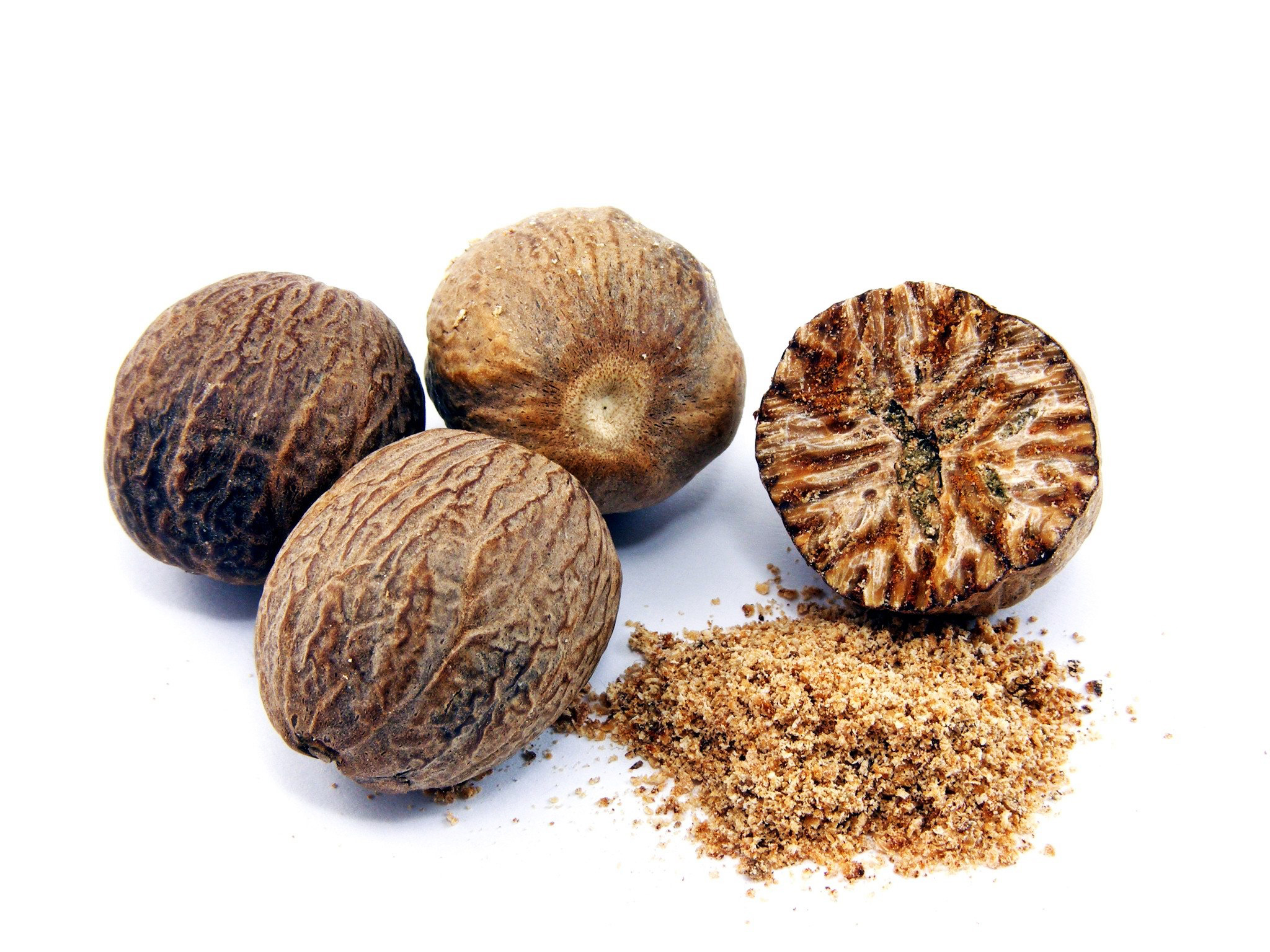


Posted by Asmidev Herbals in Holy Basil (Tulsi), Men's Health, Women's Health
Black Pepper: A Royal Spice with Ancient Roots and Modern Value

Black Pepper: A Royal Spice with Ancient Roots and Modern Value

Black Pepper is a familiar presence in kitchens around the world and is often called the king of spices. Its sharp warmth and distinctive aroma have made it a culinary essential, but its importance extends far beyond flavour alone. Botanically known as Piper nigrum, black pepper comes from a flowering vine that produces small green berries. These berries are harvested and dried, turning dark and wrinkled to become the peppercorns commonly used in cooking. Native to the tropical rainforests of Kerala in southwestern India, black pepper has long been valued not just as a seasoning, but as a symbol of wealth, power, and influence.

The history of black pepper is deeply intertwined with the story of global trade and cultural exchange. Its use in India dates back more than four thousand years, where it was prized both for its culinary value and traditional applications. Through Arab traders, black pepper gradually reached the Middle East and later the Mediterranean world. In ancient Rome, pepper was considered a luxury item and a marker of social status. Its value was so high that it was sometimes used as a form of currency, giving rise to expressions such as “peppercorn rent,” which reflects a time when pepper could be used to settle debts or payments.

During the Middle Ages, black pepper became one of the most sought-after commodities in Europe. Only the wealthy could afford it, and its trade helped shape economic and political power. Historical accounts even suggest that cities were ransomed with pepper; during the siege of Rome in the fifth century, pepper was reportedly demanded alongside gold and silver as tribute. The desire to control the spice trade, particularly black pepper, played a major role in driving European exploration. The search for direct sea routes to India, motivated largely by the pepper trade, ultimately reshaped global history and led to the discovery of new lands.

Through centuries of trade, conquest, and cultural exchange, black pepper earned its royal title. Its journey from forest vine to global staple reflects not only its culinary appeal but also its profound influence on commerce, cuisine, and civilisation itself.


Black Pepper Benefits

“Native to the tropical regions of India, the deep, rich grains of Black Pepper conceal an array of therapeutic properties.”

This article explores the fascinating world of black pepper, tracing its journey from ancient trade routes that shaped global commerce to its prized place on royal tables. Along the way, it highlights how this humble spice came to influence economies, cultures, and culinary traditions across centuries.


Table of Contents

Cultivation of Black Pepper

Chemical Composition

General Health Benefits of Black Pepper

Digestive Health

Enhanced Nutrient Absorption

Antioxidant Properties

Anti-inflammatory Effects

Neuroprotective Effects

Weight Management

Supplementation

Conclusion


Cultivation of Black Pepper

Black pepper, botanically known as Piper nigrum, originates from the Western Ghats of India and is naturally suited to warm, tropical environments. It grows as a climbing vine and is typically cultivated alongside supporting trees or poles that allow it to spread and develop properly. The plant performs best in regions that offer a combination of warmth, moisture, and rich, well-drained soil.

Temperature plays a crucial role in healthy growth, with black pepper thriving in a range of about 20°C to 30°C. Consistent warmth supports vine development and berry formation, while extreme temperature fluctuations can affect yield. Rainfall is equally important. An annual rainfall between 1,500 and 2,500 millimetres, evenly distributed across the year, creates ideal growing conditions. A short dry spell of roughly one to two months is considered beneficial, as it supports flowering and berry development.

High humidity is another key requirement, with levels around 80 to 90 percent being most favourable. In terms of elevation, black pepper can be cultivated up to 1,500 metres above sea level, though it tends to flourish best at altitudes between 300 and 1,000 metres, where temperature and moisture levels remain balanced.

Soil quality significantly influences the health of the vine. Black pepper prefers well-drained loamy or clayey soils that are rich in organic matter. Slightly acidic soil, with a pH range between 5.5 and 6.5, supports strong root growth and efficient nutrient uptake. When these climatic and soil conditions come together, black pepper vines can grow vigorously and produce high-quality peppercorns year after year.

Geography

Black pepper, botanically known as Piper nigrum, is cultivated across several tropical regions where warm temperatures, high humidity, and ample rainfall support its growth. Over time, production has expanded far beyond its native habitat, making black pepper one of the most widely grown and traded spices in the world.

India remains one of the traditional centres of black pepper cultivation, particularly in the southern states of Kerala, Karnataka, and Tamil Nadu. These regions are historically significant, as they were among the earliest sources of pepper supplied to ancient global trade networks. Vietnam has emerged as the world’s largest producer of black pepper in recent decades, playing a dominant role in both production volume and international export markets.

Brazil is another major producer, with cultivation concentrated in states such as Espírito Santo and Bahia, where tropical conditions favour vine growth. Indonesia also contributes significantly, especially from regions like Lampung and the Bangka Belitung islands, which are known for their pepper plantations.

In addition to these leading producers, countries such as Sri Lanka, Malaysia, Thailand, and Cambodia cultivate black pepper on a smaller scale. Together, these regions form the backbone of global black pepper production, ensuring a steady supply of this prized spice to kitchens and industries worldwide.

(Source: P. N. Ravindran, 2000)


Chemical Composition of Black Pepper

Black pepper (Piper nigrum) is a complex spice with numerous constituents. The primary components, each with their respective health benefits, include:

  • Piperine (5-9%): Enhances nutrient absorption, especially selenium, beta-carotene, and B-vitamins – Stimulates digestive enzymes, promoting digestion – Exhibits anti-inflammatory and antioxidant properties – Potentially improves brain function.
  • Volatile Oils (1-2%):Contains monoterpenes and sesquiterpenes which have anti-inflammatory, antimicrobial, and antioxidant properties.
  • Fixed Oils (12-28%): Provides essential fatty acids which are beneficial for overall health.
  • Starch (40-50%): Serves as a dietary source of energy.
  • Protein (10-15%): Contributes to the overall protein intake, which is essential for building and repairing tissues.
  • Fiber (10-20%): Aids in digestion and promotes gut health – Helps in regulating blood sugar and cholesterol levels.

It’s worth noting that while these figures provide a general guideline, the exact percentages can vary based on the variety of pepper, region of cultivation, and specific processing methods. The cited references provide detailed information on the chemical composition of black pepper and the physiological effects of its primary constituents.

(Sources: K Srinivasan, 2007, Gurdip Singh et al., 2007)


General Health Benefits of Black Pepper

Black pepper, often celebrated as the king of spices, has added warmth and depth to food for centuries. While its sharp, pungent flavour makes it a kitchen essential, its value goes far beyond taste. Native to the tropical regions of India, the small but powerful peppercorns of Piper nigrum contain a range of naturally occurring compounds that have long been appreciated in traditional wellness practices.

Traditionally, black pepper has been used to support digestion, helping the body process food more efficiently. Its antioxidant properties play a role in protecting cells from oxidative stress, while its active compound, piperine, is known for enhancing the absorption of key nutrients from other foods. This unique ability makes black pepper especially valuable when used alongside other herbs and spices.

In addition to digestive and antioxidant support, black pepper has gained attention for its potential role in supporting brain health and overall vitality. These combined qualities explain why black pepper continues to hold an important place in both traditional systems of medicine and modern dietary approaches. Together, its culinary versatility and health-supporting properties offer a broad overview of why this spice remains one of the most respected and widely used ingredients across cultures.

Digestive Health

Black pepper, with its key bioactive compound piperine (making up about 2–7% of the dried berries), has long been valued in traditional practices for supporting comfortable digestion.

The pungent taste of black pepper—driven by piperine—can stimulate the digestive system in subtle ways. In some animal studies, piperine has shown dose-dependent effects on increasing gastric acid secretion (hydrochloric acid), which plays a role in breaking down proteins and preparing food for further digestion in the stomach. This ties into the classic idea that the spice “wakes up” the appetite and aids initial digestion, though evidence in humans is more mixed, with some research noting increases in parietal secretion while others find no significant change in gastric acidity.

Piperine also supports the activity of various digestive enzymes. Dietary inclusion of black pepper or piperine has been linked in reviews and animal models to enhanced pancreatic enzymes (like amylase, lipase, and proteases) and intestinal brush border function, which can contribute to more efficient nutrient breakdown and absorption (K Srinivasan, 2007). This is one reason black pepper is often paired with other foods or herbs in traditional recipes—to help the body make the most of what’s on the plate.

Additionally, piperine influences gut motility. While it can slow gastric emptying in some animal studies (potentially allowing longer exposure for absorption), it generally promotes intestinal transit in others, leading to smoother bowel movements and reduced transit time overall. These combined actions support a sense of digestive ease and regularity.

Enhanced Nutrient Absorption

Black pepper’s key alkaloid, piperine (typically comprising 2–7% of the dried peppercorns), has earned recognition in both traditional herbal practices and modern research for its role as a natural bioenhancer.

This means piperine can help improve how effectively certain nutrients and plant compounds are absorbed and utilized by the body. It does this through gentle modulation of processes in the gut and liver, primarily by inhibiting key enzymes and transporters involved in metabolism and elimination.

Piperine acts as a mild inhibitor of enzymes like cytochrome P450 3A4 (CYP3A4) and phase II enzymes (such as UDP-glucuronosyltransferases), which normally speed up the breakdown of various substances. It also influences P-glycoprotein, a transporter that can pump compounds back out of intestinal cells, reducing their uptake. By slowing these mechanisms, piperine supports higher serum levels and better overall availability of co-consumed compounds without dramatically altering normal physiology (Diego Fernández-Lázaro et al., 2020).

A classic example is its pairing with curcumin, the main bioactive polyphenol in turmeric. Curcumin on its own has naturally low bioavailability due to rapid metabolism and limited absorption. When taken together with piperine—often in small amounts like 5–20 mg—studies have shown significant improvements in curcumin’s plasma concentrations. For instance, early human research found that adding 20 mg of piperine to 2 g of curcumin led to a substantial increase in measurable curcumin levels in the blood compared to curcumin alone, with effects noted shortly after intake.

This complementary dynamic explains why many traditional recipes and modern herbal blends combine black pepper with turmeric or other spices—to make the most of their supportive qualities in everyday wellness routines.

Antioxidant Properties of Black Pepper

Black pepper stands out among common spices for its solid antioxidant profile, thanks to a mix of natural compounds including its signature alkaloid piperine (usually 2–7% of the dried peppercorns) and various volatile oils from the essential fraction.

These elements contribute to black pepper’s ability to help neutralize free radicals—unstable molecules produced during normal metabolism, exposure to environmental factors, or daily stress—that can otherwise affect cells, proteins, and DNA over time. By supporting the body’s natural balance against oxidative stress, black pepper fits well into a diet focused on everyday wellness and healthy aging.

Laboratory studies, including in vitro assays like DPPH and ABTS radical scavenging, have shown that piperine and black pepper extracts (as well as essential oils) exhibit notable free radical neutralization (Gurdip Singh et al., 2007). For example, black pepper essential oils often demonstrate strong scavenging against superoxide, hydroxyl, and DPPH radicals, with some research noting higher activity in black pepper compared to white pepper due to differences in phenolic and volatile content. Animal models have also explored how black pepper or piperine supplementation can help reduce markers of oxidative damage, such as lowering lipid peroxidation products while supporting antioxidant enzyme levels in conditions of induced stress.

While piperine plays a key role, the overall antioxidant strength appears to come from the synergy of multiple compounds in the whole spice—phenolics, flavonoids, and volatiles like β-pinene, limonene, and caryophyllene—rather than any single component alone.

Anti-inflammatory Effects of Black Pepper

Black pepper’s gentle reputation for supporting comfort during everyday inflammation largely comes from its main bioactive compound, piperine (typically 2–7% of the dried peppercorns), along with other supporting elements in its essential oils.

Inflammation is the body’s natural way of responding to irritants, injury, or everyday stressors, helping initiate repair. When it becomes ongoing or low-grade, it can contribute to feelings of discomfort in joints, tissues, or overall wellness.

Research, mostly from laboratory cell studies and animal models, has explored how piperine may help modulate inflammatory processes. It appears to influence pathways like NF-κB (a key regulator of inflammatory responses) and MAPK signaling, often leading to reduced production of pro-inflammatory cytokines such as TNF-α, IL-1β, and IL-6, as well as lowered levels of enzymes like COX-2 and iNOS that contribute to mediators of inflammation (for example, prostaglandins and nitric oxide) (Farhana Tasleem et al., 2014).

In models of induced inflammation—such as carrageenan paw edema, arthritis-like conditions in rats, or LPS-stimulated cells—piperine has shown potential to ease markers of swelling, redness, and tissue response. For instance, studies on rat arthritis models have noted improvements in joint comfort and reduced inflammatory cell activity when piperine is administered orally.

These findings tie into black pepper’s long history in traditional herbal practices across cultures, where it’s often added to meals or teas for its warming qualities and subtle supportive role during times of minor inflammatory discomfort.

Neuroprotective Effects of Black Pepper

Black pepper’s traditional appeal for supporting brain health and mental clarity ties largely to piperine, its primary bioactive alkaloid (typically 2–7% of the dried peppercorns), which has drawn interest in preclinical research for its potential influence on neurological wellness.

In various animal models and lab studies, piperine has shown effects on neurotransmitter systems, particularly by acting as a mild inhibitor of monoamine oxidase (MAO), an enzyme that breaks down monoamines. This can lead to modest increases in levels of serotonin and dopamine in brain regions like the hippocampus, frontal cortex, and hypothalamus—neurotransmitters involved in everyday mood balance, motivation, focus, and cognitive processes. For instance, research has observed these changes in models of stress or induced neurological challenges, contributing to a sense of improved mental resilience in traditional contexts.

Piperine has also been examined for its potential to support cognitive function more broadly. In experimental models of memory impairment—such as those mimicking sporadic Alzheimer’s-like conditions through intracerebroventricular streptozotocin (STZ) infusion—piperine treatment (often at doses like 2.5–10 mg/kg) has demonstrated improvements in spatial memory tasks, reduced neurodegeneration in the hippocampus, and enhanced synaptic plasticity. Some studies link this to lowered acetylcholinesterase activity (helping preserve acetylcholine for better signaling), reduced oxidative stress, and subtle modulation of pathways related to amyloid-beta processing or tau-related changes (Chonpathompikunlert P. et al, 2010).

Certain animal investigations have explored piperine’s influence on amyloid plaque formation or related pathological markers, noting reductions in amyloid-beta oligomers, plaque burden, or associated proteins in specific models when piperine is administered preventively or therapeutically. These findings appear in contexts like pretreated rats or transgenic models, often alongside antioxidant and anti-inflammatory effects that help protect neuronal health.

While these preclinical observations highlight black pepper’s supportive profile in traditional herbal practices for promoting mental sharpness, focus during daily routines, or comfort amid age-related cognitive changes, the evidence remains primarily from animal and cell studies. Human clinical data on direct neuroprotective or cognitive benefits are limited, and piperine is not a treatment for any condition.

Weight Management

Black pepper, through its primary bioactive alkaloid piperine (typically 2–7% of the dried peppercorns), has drawn interest in research for its potential subtle support in everyday weight management and metabolic wellness.

In laboratory studies using cell models like 3T3-L1 preadipocytes, piperine has shown an ability to inhibit adipogenesis—the process by which new fat cells form—often by down-regulating key transcription factors such as PPARγ and related genes involved in fat storage. Animal models of high-fat diet-induced obesity have further explored this, with piperine supplementation linked to reductions in body weight, fat mass (particularly visceral fat), and improvements in lipid metabolism markers, such as lower triglycerides and enhanced lipolytic activity in some cases (Shreya S. Shah et al., 2011).

Piperine may also contribute to a gentle thermogenic effect by influencing metabolic processes in muscle tissue. Certain preclinical work has noted increases in resting muscle metabolic rate or upregulation of factors like UCP1 (involved in energy expenditure and heat production), potentially supporting higher calorie use during normal activity. However, human studies on black pepper or piperine specifically for energy expenditure have been mixed—some short-term trials in adults found no significant change in 24-hour energy expenditure or substrate use, while other research on related pungent compounds (like capsaicin) has suggested benefits in fat oxidation or appetite modulation.

Additionally, piperine’s well-known role as a bioenhancer—improving the absorption of various nutrients and plant compounds—can indirectly tie into weight management by helping the body make better use of supportive elements in a balanced diet, such as those from vegetables or other spices. Some animal studies also point to positive effects on gut microbiota and intestinal barrier function, which may aid overall digestive comfort and metabolic balance.

Incorporating black pepper into a balanced diet can thus offer various health benefits. However, it’s always recommended to consult with healthcare professionals when considering dietary changes for health purposes.


Supplementation

Black pepper, while commonly consumed as a culinary spice, can also be taken as a supplement, mainly for its active compound, piperine. However, when considering supplementation, it’s vital to understand the recommended dosage and potential side effects.

Recommended Dosage:

The dosage of black pepper or piperine supplements can vary depending on the purpose of supplementation:

  • Bioavailability Enhancer: Typically, for the purpose of increasing the bioavailability of other supplements (like curcumin from turmeric), 5-20 mg of piperine is often recommended.
  • Other Purposes: For other therapeutic effects, dosages might vary, but they generally range between 5-10 mg/day.

Always consult with a healthcare professional to determine an appropriate dosage for specific needs.

Potential Side Effects:

While black pepper is generally safe when consumed in culinary amounts, higher doses from supplements can lead to:

  • Gastrointestinal Issues: Such as stomach upset, diarrhea, and nausea.
  • Drug Interactions: Piperine can interfere with certain medications by either increasing or decreasing their absorption. Medications that might be affected include some antihypertensives, anticoagulants, and anticonvulsants, among others.
  • Allergic Reactions: Though rare, some individuals might develop an allergy to black pepper or piperine, resulting in rashes, itching, or even more severe allergic reactions.
  • Respiratory Effects: Inhaling black pepper powder can lead to sneezing, respiratory irritation, or issues in individuals with respiratory conditions.

Remember, while black pepper offers many health benefits, like all supplements, it’s essential to approach its use with knowledge and caution. Always consult with a medical professional before starting or modifying supplementation.


Conclusion

Black pepper, a staple in kitchens around the world, carries a depth of history and cultural importance that reaches far beyond its role as a seasoning. Valued across civilisations, this humble spice has long been appreciated for its supportive role in everyday health. Its key bioactive compound, piperine, has attracted growing attention for its wide-ranging influence on human wellbeing. Traditionally, black pepper has been used to support digestion, enhance the absorption of nutrients, help regulate inflammatory responses, and contribute to overall vitality, with emerging interest in its role in male reproductive health as well.

Despite its many advantages, black pepper is best used thoughtfully. Moderation is essential, particularly when consumed in concentrated forms or supplements. Individuals with specific health conditions or those taking medication should seek professional guidance before increasing intake. Ultimately, black pepper serves as a powerful reminder that some of the most effective health-supporting compounds are found in everyday foods. As scientific research continues to explore its properties, this ancient spice remains a striking example of the close connection between diet, tradition, and long-term wellness.


Disclaimer: This content is for general information only and does not replace professional medical advice. Asmidev is not responsible for any diagnosis made based on this content, nor does it endorse or take responsibility for external websites or products mentioned. Always consult a qualified healthcare professional for health-related concerns. This article was created through a human–AI collaboration. The ideas and direction come from the author’s research, with AI used only to assist in organizing information and refining expression, while cross-checking against established scientific literature.


Posted by Asmidev Herbals in Black Pepper, Men's Health, Women's Health
Bay Leaf: A Timeless Tradition with Aroma, and Health Value

Bay Leaf: A Timeless Tradition with Aroma, and Health Value

Bay leaf is often overlooked in favour of stronger, more assertive spices, yet it holds a quiet and enduring place in kitchens across the world. Known for its gentle aroma and layered flavour, this humble leaf adds depth to dishes without overpowering them. From soups and stews to curries, rice dishes, and biryanis, bay leaf brings warmth, balance, and a sense of continuity with age-old cooking traditions. Beyond taste, it also carries a long-standing association with traditional wellness and everyday healing practices.

Botanically known as Laurus nobilis, the bay leaf comes from an evergreen tree native to the Mediterranean region. The tree can grow quite tall and is recognised by its smooth, glossy, leathery leaves with a pointed oval shape. These leaves are harvested and dried to produce the bay leaves commonly used in cooking. They may be added whole to dishes and removed before serving, or used in crushed or powdered form depending on the recipe. Outside the kitchen, bay leaves have long been associated with symbolism, representing honour, wisdom, and protection in various cultures.

The history of bay leaf is deeply woven into ancient civilisation and myth. In ancient Greece, the bay leaf was sacred to Apollo, the god associated with prophecy, music, and healing. Bay leaves were believed to possess spiritual significance, and priestesses at Delphi were said to chew them as part of prophetic rituals. Laurel wreaths made from bay leaves were used to crown victors of the Pythian Games, celebrating achievement and excellence.

The Romans carried this symbolism forward, using laurel wreaths to honour military leaders and, later, scholars and poets. This tradition eventually gave rise to the term “poet laureate,” still used today. During medieval times, bay leaves were thought to protect against negative energies and illness, leading people to hang them in homes or use them in folk remedies. Across centuries, bay leaf has remained more than a seasoning, serving as a bridge between culinary tradition, cultural symbolism, and traditional wellness knowledge.

Bay Leaf Benefits Asmidev

“Bay leaves, renowned for their aromatic presence in culinary dishes, also pack a plethora of health benefits.”

This article explores the bay leaf by tracing its historical roots and cultural importance in ancient civilisations, where it was valued not only as a symbol of honour and wisdom but also as a practical household herb. From its early use in Greek and Roman traditions to its steady presence in everyday cooking, the bay leaf has maintained a unique place in human history.


Table of Contents

Cultivation

Chemical Composition of the Bay Leaf

General Health Benefits of the Bay Leaf

Digestive Health

Anti-Inflammatory

Cardiovascular Benefits

Anti-Cancer Properties

Regulation of Blood Sugar

Respiratory Relief

Stress and Anxiety Relief

Wound Healing

Antimicrobial Activity

Protection Against Oxidative Stress

Supplementation

Conclusion


Cultivation of the Bay Leaf

Bay leaf cultivation is closely linked to the Mediterranean region, where the plant originates, but over time it has been successfully introduced to many other parts of the world. The bay leaf tree, Laurus nobilis, grows best in well-drained soil and prefers sunny to partially sunny locations. It is considered a fairly hardy plant and is naturally resistant to many common pests, which makes it suitable for both home gardens and larger plantations.

During the early stages of growth, young bay leaf plants require regular watering to establish a strong root system. Once mature, the trees develop good drought tolerance and can thrive with minimal water. Pruning plays an important role in cultivation, as regular trimming encourages bushier growth and makes leaf harvesting easier and more productive.

Bay leaf trees can be grown from seeds, although this method is relatively slow. For quicker and more reliable results, growers often use cuttings or layering techniques. In addition to growing well in open ground, bay leaf trees adapt comfortably to container gardening, making them an excellent choice for urban spaces, balconies, and controlled growing environments.

Ideal Climatic Conditions for the Cultivation of the Bay Leaf

The ideal climate for bay leaf cultivation is generally mild and stable, closely resembling the Mediterranean conditions in which the plant naturally thrives. Bay leaf trees grow best in regions where temperatures remain moderate throughout the year. While mature trees can tolerate brief drops in temperature, even down to around –6°C, young plants and fresh growth are more vulnerable to frost. For this reason, bay leaf cultivation is most successful in areas where prolonged freezing conditions are uncommon.

Rainfall also plays an important role in healthy growth. Bay leaf trees prefer evenly distributed rainfall, ideally in the range of moderate annual precipitation. Adequate moisture supports steady leaf development, especially during the early years. Once the tree is well established, it becomes fairly drought tolerant and can withstand short dry periods without significant stress.

Sunlight is another key factor influencing both growth and aroma. Bay leaf trees perform best when grown in full sun to partial shade. Consistent exposure to sunlight not only supports vigorous growth but also enhances the concentration of aromatic oils in the leaves, which directly affects their culinary quality.

Soil conditions are equally important, though bay leaf trees are relatively adaptable. They prefer well-drained soil that does not retain excess moisture, as waterlogging can damage roots. Loamy or sandy soils with a slightly acidic to neutral pH are considered ideal, allowing the roots to breathe and absorb nutrients efficiently.

In terms of altitude, bay leaf trees are commonly grown at low to medium elevations. However, regional varieties can differ. For example, Indian bay leaf, which belongs to a different botanical group, is traditionally cultivated in hilly regions at higher altitudes. This highlights how climate preferences can vary slightly depending on the specific type of bay leaf and the geographical region in which it is grown.

Geography

The bay leaf, particularly the Laurus nobilis variety, originates from the Mediterranean region, where it has been used for centuries in cooking, rituals, and traditional wellness practices. Over time, its culinary value and cultural importance led to its spread across different parts of the world, adapting well to regions with suitable climates.

The Mediterranean region remains the heartland of bay leaf cultivation. Countries such as Turkey, Greece, and Italy continue to be traditional producers, benefiting from the mild climate and well-drained soils that suit the plant’s natural growth habits.

In North America, bay leaf cultivation is most commonly found in the United States, especially in California. The state’s Mediterranean-like climate allows bay leaf trees to thrive both in home gardens and small-scale farms.

Across Asia, a related but botanically different variety known as Indian bay leaf is widely grown. Native to the Indian subcontinent, it is cultivated in parts of India, Nepal, Bhutan, and neighbouring regions of China. Although it differs slightly in aroma and appearance from the Mediterranean bay leaf, it holds a similar place in regional cooking traditions.

Bay leaf cultivation has also extended to parts of Central and South America. Countries such as Mexico grow bay leaves for local culinary use, integrating them into traditional dishes and flavour bases.

It is worth noting that while Laurus nobilis is the most widely recognised bay leaf, the term “bay leaf” is used loosely in different regions. In some cases, it refers to entirely different plant species with comparable aromatic qualities, all of which are used in a similar culinary manner despite their distinct botanical origins.

(Source: The Complete Book on Spices & Condiments by NIIR)


Chemical Composition of the Bay Leaf

The bay leaf (Laurus nobilis) contains a complex mixture of essential oils, minerals, vitamins, and other phytonutrients that contribute to its aroma, flavor, and health benefits. The exact composition can vary based on factors such as the region of cultivation, the specific variety of bay leaf, and the method of extraction or testing. Here’s a breakdown of some of its primary constituents:

Essential Oils:

  • Eucalyptol or 1,8-cineole (30-50%): This is one of the primary components and gives bay leaf its characteristic aroma. It has been studied for its potential anti-inflammatory and analgesic properties.
  • Linalool (1-9%): Known for its calming effects and potential anti-stress properties.
  • Methyl chavicol: Possesses anti-inflammatory properties.
  • β-Pinene, α-Pinene: These compounds have been studied for potential bronchodilator and anti-inflammatory properties.
  • Limonene: Often researched for its antioxidant properties.
  • Flavonoids: These are polyphenolic compounds known for their antioxidant properties. Some of the flavonoids in bay leaves include quercetin, eugenol, and kaempferol.

Acids:

  • Caffeic acid: An antioxidant that can neutralize free radicals.
  • Catechol: Offers anti-inflammatory properties.

Minerals and Vitamins: Bay leaves are a good source of minerals like potassium, magnesium, calcium, manganese, iron, selenium, zinc, and copper. They also contain vitamins such as vitamin C, vitamin A, niacin, pyridoxine, pantothenic acid, and riboflavin.

Other Compounds:

  • Parthenolide: Has been studied for its potential anti-migraine properties.

The aforementioned references offer insights into the chemical composition of the bay leaf and its associated health benefits. However, it’s crucial to note that the precise percentage composition can vary based on the bay leaf variety, its origin, and processing methods.


General Health Benefits of the Bay Leaf

Bay leaves are best known for the gentle aroma they release during cooking, but their traditional value extends well beyond flavour. They contain naturally occurring essential oils, including eucalyptol, which have been associated with soothing and anti-inflammatory properties. For this reason, bay leaves have long appeared in traditional practices aimed at easing general discomfort and supporting joint comfort, especially when used as part of warm meals or infusions.

Bay leaves are also a source of plant antioxidants, which help the body manage oxidative stress. By supporting normal cholesterol balance and protecting cells from free-radical damage, these compounds are often linked with overall heart health in traditional dietary systems. In addition, bay leaf has been studied for its potential role in supporting insulin activity and glucose metabolism, which explains its inclusion in traditional diets focused on maintaining balanced blood sugar levels. It should be viewed as a supportive food ingredient rather than a substitute for medical care.

Digestive support is another area where bay leaf has been traditionally valued. Natural enzymes and aromatic compounds may help stimulate digestion and reduce feelings of heaviness after meals. Compounds such as linalool are also associated with a mild calming effect, contributing to a sense of relaxation when bay leaves are consumed in warm dishes or herbal preparations. Taken together, these qualities position bay leaf as more than a seasoning, highlighting its role as a gentle, everyday herbal ally when used mindfully and in moderation.

Digestive Health

Bay leaves have long been used to support digestive comfort, and their benefits come from a combination of naturally occurring plant compounds. These compounds are believed to stimulate the release of digestive juices, which helps the body break down food more efficiently. Bay leaves also contain enzymes that assist in the digestion of proteins, making meals easier to process and reducing the feeling of heaviness after eating.

In traditional use, bay leaves are valued for their mild carminative and diuretic properties. These effects may help encourage regular bowel movement and reduce common digestive complaints such as bloating, gas, and abdominal fullness. When included in cooked foods or warm infusions, bay leaves are often used to promote smoother digestion rather than act as a direct remedy.

Bay leaves also contain anti-inflammatory and antimicrobial compounds, which may help maintain a healthier gut environment (Saima Batool et al., 2020). This is why they have traditionally been included in diets aimed at soothing digestive irritation and supporting overall gut balance. While they are sometimes discussed in relation to digestive sensitivities, bay leaves should be seen as a supportive dietary ingredient, not a treatment for medical conditions such as IBS or celiac disease.

Traditional knowledge around bay leaf digestion support has been complemented by modern research exploring its bioactive compounds. Together, these perspectives reinforce bay leaf’s role as a gentle, everyday herb that can contribute to digestive wellbeing when used regularly in cooking and in moderation.

Anti-Inflammatory

Bay leaves contain naturally occurring essential oils, including eucalyptol, which are traditionally associated with anti-inflammatory support. These compounds are understood to influence the body’s inflammatory pathways by moderating the activity of certain enzymes and signalling molecules involved in inflammation. By gently regulating these processes, bay leaves may help reduce excessive inflammatory responses and the discomfort that often accompanies them.

Because of this action, bay leaves have long been used in traditional food and herbal practices to support joint comfort and ease general inflammatory strain in the body. Rather than acting as a fast-acting remedy, they are typically consumed as part of regular meals or warm preparations, offering gradual and supportive benefits over time.

Modern research has explored the anti-inflammatory potential of compounds such as eucalyptol, helping to explain why bay leaves have held a place in traditional approaches to managing inflammation-related discomfort (Eun Hye Lee et al., 2019). While these findings support historical usage, bay leaves should be viewed as a complementary dietary ingredient rather than a treatment for inflammatory conditions. When used consistently and in moderation, they can contribute to overall comfort and balance as part of a healthy lifestyle.

Cardiovascular Benefits

Bay leaves are traditionally associated with heart health, largely because of their antioxidant profile. They contain plant compounds such as rutin, caffeic acid, salicylates, and other phytonutrients that help the body manage oxidative stress. These antioxidants support cardiovascular function by helping protect blood vessels from damage caused by free radicals, a process that is often linked with long-term strain on the heart.

One of the key roles of these compounds is their ability to help limit the oxidation of cholesterol within blood vessels. Oxidised cholesterol is more likely to contribute to plaque formation, which can affect healthy blood flow over time. By supporting healthier lipid balance and vascular integrity, bay leaves are traditionally seen as helpful in maintaining overall cardiovascular wellbeing when used regularly as part of a balanced diet (Alam Khan et al., 2008).

Bay leaves also contain potassium, a mineral known to support normal blood pressure regulation. Potassium helps relax blood vessel walls, promoting smoother blood flow and reducing unnecessary pressure on the cardiovascular system. Together, these nutritional and antioxidant properties explain why bay leaves have long been included in traditional dietary practices focused on heart health. As with other herbs, bay leaves work best as a supportive food ingredient rather than a substitute for medical care or targeted treatment.

Anti-Cancer Properties

Bay leaves contain a range of plant-based phytonutrients, including quercetin, eugenol, and catechins, which have attracted scientific interest for their protective biological activity. These compounds are widely recognised for their antioxidant properties, helping the body manage oxidative stress, a process linked with cellular damage and long-term health concerns. By reducing oxidative stress, bay leaves may support the body’s natural mechanisms that protect cells and genetic material.

In laboratory research, some of these phytonutrients have shown the ability to influence how abnormal cells behave. Studies suggest they may help regulate cell growth, support normal cell turnover, and limit processes associated with uncontrolled cell proliferation. Antioxidants present in bay leaves are also believed to help neutralise free radicals, which are known contributors to DNA damage when present in excess (Louise Bennett et al., 2013).

Research published in scientific journals has explored the effects of bay leaf extracts on specific cell lines under controlled conditions. While these findings are promising, they are preliminary and do not translate directly into dietary or therapeutic recommendations. Bay leaves should not be viewed as a treatment or preventive measure for cancer, but rather as a supportive dietary ingredient.

When used regularly in cooking, bay leaves contribute flavour along with a modest intake of beneficial plant compounds. Their role fits best within a balanced diet rich in diverse herbs, vegetables, and whole foods that collectively support overall cellular health and wellbeing.

Regulation of Blood Sugar

Bay leaves have traditionally been associated with supporting healthy blood sugar balance, largely due to the presence of plant compounds that influence how the body handles glucose. These compounds are believed to support normal insulin activity and help cells use glucose more efficiently. When glucose is taken up effectively by cells, less sugar remains circulating in the bloodstream, which is an important aspect of metabolic balance (Abdulrahim Aljamal, 2011).

Because of this action, bay leaves have attracted interest in dietary approaches aimed at maintaining stable blood sugar levels. Traditional food practices often include bay leaves in slow-cooked meals, where their compounds are gently released and absorbed as part of a balanced diet. Some research has explored this connection further, observing improvements in blood sugar and lipid markers when bay leaves were consumed regularly in controlled settings.

It is important to view these findings with perspective. Bay leaves are not a treatment for diabetes, nor a replacement for medical care, prescribed medication, or dietary guidance. Their role is best understood as supportive, contributing modestly to metabolic health when used consistently in cooking alongside other healthy lifestyle choices. For individuals managing type 2 diabetes or blood sugar concerns, any regular dietary changes should always be discussed with a qualified healthcare professional.

Respiratory Relief

Bay leaves contain compounds such as 1,8-cineole (also known as eucalyptol), a key component of their essential oil, which typically makes up around 30–50% depending on the source and growing conditions. People have long turned to bay leaves in traditional practices for supporting respiratory comfort. The 1,8-cineole in the leaves is recognized for its role in helping to loosen mucus and phlegm in the airways, which can make it easier to clear congestion during everyday respiratory challenges like colds (Geun Hee Seol et al., 2016).

Bay leaves also show mild anti-inflammatory properties in various studies of their essential oil and main compounds. This may contribute to a sense of ease in the breathing passages when used as part of a herbal tea or steam inhalation. Additionally, the natural antimicrobial qualities found in bay leaves can offer gentle support for overall respiratory wellness.

Research on 1,8-cineole itself (often studied from sources like eucalyptus) has explored its effects in respiratory contexts. For example, a double-blind, placebo-controlled trial published in Respiratory Medicine looked at its use in people with severe asthma and noted a potential to help reduce reliance on certain medications while maintaining lung function. While bay leaves themselves are primarily valued in cooking and as a gentle herbal addition to teas, their connection to these compounds ties into the broader traditional interest in supporting clear breathing and comfort during seasonal changes or minor respiratory discomfort.

Stress and Anxiety Relief

Bay leaves contain various aromatic compounds in their essential oil, including linalool, which appears in amounts typically ranging from about 1% to over 10–15% depending on the plant’s origin, season, and growing conditions (with 1,8-cineole usually being the dominant component).

Linalool is a naturally occurring terpene alcohol also found in plants like lavender, and it has drawn interest for its potential to support a sense of calm. In traditional herbal practices across cultures, bay leaves—often prepared as a gentle tea or used in aromatic ways—have long been valued for helping to ease everyday tension and promote relaxation during times of stress.

The compound linalool is thought to interact with the body’s neurotransmitter systems in ways that may contribute to feelings of ease. For instance, studies on inhaled linalool (commonly from lavender sources) have explored its influence on anxiety-related behaviors in animal models, showing increased social interaction, reduced aggressive responses, and a general calming profile in tests like the light/dark box (Upadhyay G. et al., 2016).

While much of this research focuses on pure linalool or high-linalool essential oils, the presence of linalool in bay leaves connects to the herb’s traditional reputation as a soothing addition to daily routines. Aromatic use, such as inhaling the scent from a warm bay leaf infusion or burning dried leaves in some cultural practices, is sometimes linked to these gentle relaxing effects. Bay leaf tea remains a simple, everyday way many people incorporate the herb for its pleasant aroma and subtle supportive qualities during moments of mental fatigue or seasonal stress.

Wound Healing

Bay leaves contain a small amounts of eugenol (often around 1–12% depending on the source), alongside more dominant components like 1,8-cineole. These contribute to the herb’s traditional reputation for supporting skin comfort.

In many traditional herbal practices around the Mediterranean and beyond, people have long used bay leaves externally—such as in poultices made from crushed or infused leaves—for minor skin concerns like cuts, abrasions, or everyday irritations. The approach draws on the leaf’s mild antimicrobial qualities, which may help maintain a cleaner environment around the affected area, along with gentle anti-inflammatory effects that support the body’s natural response to minor swelling or redness.

Antioxidant compounds present in bay leaves, such as various phenolics and flavonoids, are also recognized in studies for their role in protecting tissues from everyday oxidative stress, which can play a part in the skin’s normal repair processes (Belgin Sırıken et al, 2018).

Research on bay leaf extracts (often aqueous or methanolic) has explored these properties in animal models, showing improved wound contraction, granulation tissue formation, and overall healing compared to controls in some cases. For example, studies have compared bay leaf preparations to other herbal extracts and noted positive effects on parameters like tissue regeneration in experimental wound settings.

While bay leaves are primarily appreciated in cooking and as a gentle herbal addition to teas or baths, their historical use in simple external applications ties into this supportive profile for minor skin care. A poultice—made by steeping dried leaves in hot water to form a soft paste—remains a classic, low-key way some people incorporate the herb for occasional skin comfort.

Antimicrobial Activity

Bay leaves owe much of their traditional reputation for supporting cleanliness and preservation to the natural compounds in their essential oil. The main component is usually 1,8-cineole (eucalyptol), which often makes up 30–50% of the oil depending on growing conditions, region, and harvest time. Other notable compounds include α-pinene, sabinene, linalool, α-terpinyl acetate, and smaller amounts of eugenol (typically 1–5%, though it can vary).

These phytochemicals in bay leaf essential oil and extracts have shown mild antimicrobial qualities in laboratory studies, where they can interfere with the growth of certain bacteria, yeasts, and fungi by affecting cell structures or essential processes. This contributes to the herb’s long-standing use in traditional practices for maintaining hygiene around minor skin concerns or in household settings (Nuno Silva et al., 2013).

In food contexts, bay leaves are a classic addition to soups, stews, and marinades partly because their aromatic compounds offer gentle support against common foodborne microbes. Research has explored bay leaf extracts and essential oils for their potential to inhibit spoilage organisms or pathogens like certain strains of Escherichia coli, Staphylococcus aureus, or others in lab tests and some food applications, such as extending shelf life in products like sausages or olive-based items.

For example, studies published in journals like Natural Product Research and others have tested bay laurel essential oil against food-related bacteria, noting inhibitory effects that suggest it as a possible natural option alongside other preservation methods.

In everyday use, simply adding whole dried bay leaves during cooking remains the most common and gentle way to enjoy these subtle properties. The leaves impart a pleasant, herbaceous aroma while contributing to overall food quality in traditional recipes.

Protection Against Oxidative Stress

Bay leaves are appreciated not just for their warm, aromatic flavor in cooking but also for the variety of natural compounds they contain that support the body’s everyday defenses against oxidative stress.

Among the phytochemicals in bay leaves (Laurus nobilis), phenolic compounds—including various flavonoids and phenolic acids—stand out for their antioxidant qualities. These include derivatives of quercetin (such as quercetin glycosides), kaempferol, and small amounts of catechins or related flavonols, along with other phenolics like gallic acid and caffeic acid. Eugenol, present in modest quantities in the essential oil (often 1–5%, though varying by source), contributes as well (M. Elmastaş et al., 2006).

These compounds help neutralize free radicals—unstable molecules produced during normal metabolism, exposure to environmental factors, or daily life—that can otherwise affect cells over time. By supporting the body’s natural balance, antioxidants from plants like bay leaves play a role in overall wellness and healthy aging.

Studies on bay leaf extracts have consistently shown notable antioxidant capacity, often measured through methods like total phenolic content and free radical scavenging activity. For instance, research has highlighted the presence of these phenolics in different solvent extracts, with some showing strong performance comparable to standard antioxidants in lab tests.

While bay leaves offer numerous health benefits, it’s essential to understand that they shouldn’t be consumed excessively or as a replacement for medical treatments. Moreover, while bay leaves are used in cooking, the whole leaves are typically removed from dishes before serving, as they can be a choking hazard and are tough to digest. Always consult with healthcare professionals before using any herb or spice as a therapeutic remedy.


Supplementation

Bay leaves have been used in traditional medicine and culinary practices for centuries. When consumed as part of food, they are generally safe for most people. However, when considering bay leaf as a supplement or therapeutic remedy, there are some points to consider.

Recommended Dosage

  • There isn’t a universally established dosage for bay leaf supplementation, as its effects can vary based on the form (oil, powder, extract) and purpose (blood sugar control, digestion, etc.).
  • Typically, dosages range from 1 to 3 grams of crushed bay leaves daily, especially in studies related to blood sugar management.

Side Effects

  • Hypoglycemia: In individuals taking medications for diabetes, bay leaves might potentiate the effects, leading to excessively low blood sugar.
  • Allergic Reactions: Some people might experience allergic reactions to bay leaves or their oil, which can manifest as skin rashes, itching, or respiratory issues.
  • Gastrointestinal Issues: High doses might lead to nausea or gastrointestinal discomfort.
  • Choking Hazard: Whole bay leaves should be removed from dishes before consumption as they remain tough even after cooking and can pose a choking risk.

Safety Considerations

  • Pregnancy and Breastfeeding: While bay leaf is generally safe in food amounts, the safety of medicinal amounts during pregnancy and breastfeeding isn’t well-established.
  • Surgery: Since bay leaf can affect blood sugar levels, there’s a concern it might interfere with blood sugar control during and after surgical procedures. It’s advised to stop using bay leaves as a medicine at least 2 weeks before a scheduled surgery.
  • Interactions with Medication: People on medications, especially for diabetes, should consult a healthcare professional before starting bay leaf supplementation.

Bay leaves, while beneficial in many respects, should be approached with caution when used for therapeutic purposes. Always consult with a healthcare professional before starting any supplementation, especially when pregnant, nursing, or on medication.


Conclusion

In the wide landscape of culinary herbs and traditional wellness ingredients, the bay leaf stands out for its quiet versatility. Valued for its subtle aroma in cooking, it also carries a rich profile of plant compounds that have long been appreciated in everyday health practices. Traditionally, bay leaves have been associated with supporting heart health, helping maintain balanced blood sugar levels, easing respiratory discomfort, and promoting a sense of calm. Their antioxidants help the body manage oxidative stress, while naturally occurring antimicrobial compounds have contributed to their historical use in protecting against everyday infections. In folk traditions, bay leaves have even been applied in basic wound care, reflecting their soothing and protective qualities.

That said, bay leaves are best understood as a supportive herb rather than a therapeutic solution. When used in cooking or traditional preparations, they are generally safe for most people. However, concentrated use or supplementation calls for caution. Individual health conditions, medications, and sensitivities should always be taken into account, and professional guidance is advisable before using bay leaves for specific health purposes. Ultimately, the bay leaf reflects the depth of traditional wisdom, reminding us that simple, familiar herbs can offer layered benefits when used mindfully as part of a balanced lifestyle.


Disclaimer: This content is for general information only and does not replace professional medical advice. Asmidev is not responsible for any diagnosis made based on this content, nor does it endorse or take responsibility for external websites or products mentioned. Always consult a qualified healthcare professional for health-related concerns. This article was created through a human–AI collaboration. The ideas and direction come from the author’s research, with AI used only to assist in organizing information and refining expression, while cross-checking against established scientific literature.
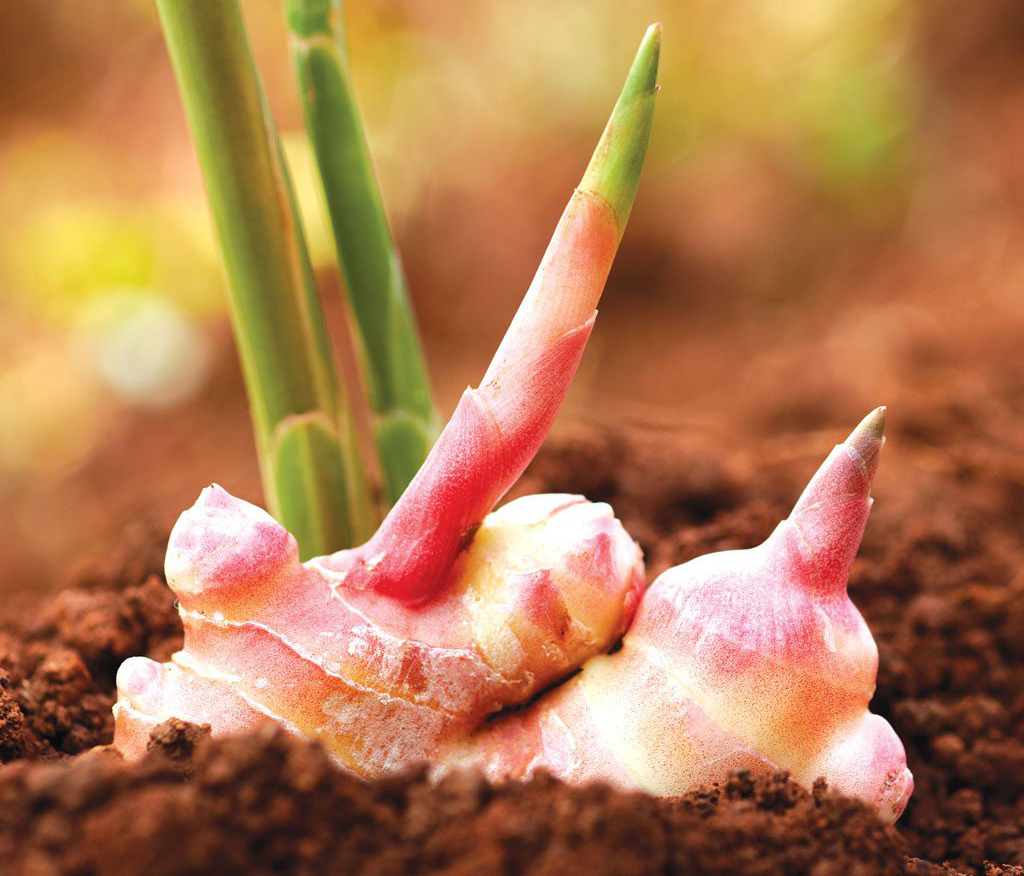


Posted by Asmidev Herbals in Bay Leaf, Men's Health, Women's Health
Star Anise: A Timeless Spice with Modern Health Benefits

Star Anise: A Timeless Spice with Modern Health Benefits

Star Anise is a spice that instantly stands out, both for its beautiful star-shaped form and its warm, aromatic character. With a naturally sweet, slightly licorice-like flavour, it adds depth and complexity to a wide range of dishes across Asian, Middle Eastern, and European cuisines. While it is best known today as a culinary spice, star anise has a much deeper story rooted in traditional wellness practices and everyday healing.

Botanically known as Illicium verum, star anise comes from an evergreen tree native to the subtropical regions of Vietnam and southwest China. The tree produces small, green fruits that are harvested before ripening and then sun-dried. As they dry, the fruits harden and open into their signature star shape, usually with eight pointed segments, each containing a single seed. This dried fruit is the part used in cooking and herbal preparations. Despite the similar flavour, star anise is different from aniseed, which comes from an entirely different plant species and should not be confused with it.

The use of star anise can be traced back thousands of years in Chinese culture, where it held value beyond taste alone. In traditional Chinese medicine, it was commonly used to support digestion, ease bloating, and reduce abdominal discomfort. It was also included in herbal preparations aimed at soothing coughs, managing cold and flu symptoms, and supporting joint comfort. Over time, this dual role as both a flavouring agent and a functional herb helped star anise become a staple in traditional kitchens and healing systems alike.

Star Anise Benefits Asmidev

“Star Anise is renowned not only for its distinct flavor in culinary delights but also for its array of health benefits.”

Star anise began gaining global recognition in the late 16th century, when European traders and explorers encountered it during their travels through Asia and introduced it to Western markets. Its unique aroma and intense flavour quickly captured attention, and the spice found its way into both culinary and medicinal traditions outside Asia. Over time, star anise became a valued ingredient across cultures. Today, it plays a defining role in Vietnamese pho, adds warmth and depth to Indian biryanis and spice blends, and appears in European baked goods, mulled wines, and herbal liqueurs.

This article explores the fascinating world of star anise, a spice that feels almost celestial in form and history. From its origins in ancient Chinese traditions to its presence in modern kitchens around the world, star anise has followed a remarkable journey. Along the way, it has earned recognition not only for its flavour, but also for its traditional wellness uses. As we move ahead, we uncover how this aromatic spice continues to bridge the gap between culinary pleasure and everyday herbal wisdom.


Table of Contents

Cultivation of Star Anise

Chemical Composition of Star Anise

General Health Benefits of Star Anise (Illicium Verum)

Antioxidant Properties

Antibacterial and Antifungal Effects

Anti-inflammatory Benefits

Digestive Health

Immune System Boost

Respiratory Health

Source of Shikimic Acid

Hormonal Balance

Antiviral Properties

Bone Health

Supplementation

Conclusion


Cultivation of Star Anise

Star anise is mainly cultivated in the subtropical regions of Vietnam and southwest China, where the climate naturally supports its slow and steady growth. The Illicium verum tree thrives in areas with mild temperatures, consistent humidity, and moderate rainfall. It prefers well-drained soil and does not respond well to environmental extremes, particularly prolonged drought or harsh temperature fluctuations. Cultivation usually begins from seeds or cuttings, and once the tree is well established, it can remain productive for several decades, in some cases even exceeding a hundred years.

Harvesting is done with careful timing. Farmers collect the fruits just before they are fully ripe, when the essential oil content is at its peak. The freshly harvested fruits are then sun-dried, a process that allows them to harden, open into their characteristic star shape, and develop their deep, aromatic intensity. This combination of suitable climate, patient cultivation, and traditional drying methods plays a crucial role in preserving the spice’s distinctive flavour as well as the qualities that have made star anise valued in traditional wellness practices.

  • Temperature: The tree flourishes best in areas with mild temperatures, typically between 15°C to 25°C (59°F to 77°F). However, it can tolerate short periods of temperature drops.
  • Rainfall: A moderate amount of rainfall, typically ranging from 1,000 to 1,500 mm annually, is ideal. The rainfall should be well-distributed throughout the year, avoiding long dry spells, which the plant is sensitive to.
  • Soil: Star Anise prefers well-drained soils, typically loamy or sandy in composition. The pH should be slightly acidic to neutral.
  • Altitude: It’s often grown in regions that are at an altitude of 200-1,500 meters above sea level.

It’s also noteworthy that specific details about ideal conditions can vary based on the exact variety of Star Anise and the region in which it’s grown.

Geography

Star Anise (Illicium verum) is primarily grown in Southeast Asian regions, with China and Vietnam being the leading producers. Here’s a breakdown of the primary regions:

  • China: The southern provinces, especially Guangxi and Yunnan, are the primary areas of cultivation. China is the world’s largest producer and exporter of star anise.
  • Vietnam: Star Anise is grown in the northern parts of Vietnam, with Lạng Sơn Province being a major cultivation hub.
  • India: While not a major producer like China or Vietnam, star anise is grown in parts of Northeast India, particularly in the states of Arunachal Pradesh and Sikkim.

Other countries in Southeast Asia, such as Laos and Thailand, also cultivate star anise on a smaller scale.

(Source: Star Anise Cultivation in India)


Chemical Composition of Star Anise

Star Anise (Illicium verum) is renowned for its distinctive flavor and myriad of health benefits, largely attributed to its diverse chemical composition. Here’s an in-depth look at the chemical constituents found in star anise and their potential health benefits:

From the various studies done on the the dried fruit of I. verum, it contains essential oil in which a total of 49 compounds have been found. Of these:

  • Trans-Anethole: The primary compound identified in I. verum extracts, made up a substantial 81.4%. Trans-anethole is the main contributor to the spice’s characteristic sweet, licorice-like flavor. While the article primarily discusses its role in repellency, in other contexts, it has been studied for its potential anti-inflammatory and antioxidant properties. Additionally, the anethole is suggested to have antifungal and antibacterial activity.
  • Limonene: Another compound that constituted 6.5% of the essential oil.
  • Chavicol: Present at 2.1%.
  • Anisaldehyde: Constituted 1.8%.

There are also mentions of minor compounds with varying properties, like benzyl alcohol, which has antibacterial activities and is used as a less irritating preservative in skincare products.

The aforementioned references offer insights into the chemical composition of Star Anise (Illicium Verum) and its associated health benefits. However, it’s crucial to note that the precise percentage composition can vary based on the bay leaf variety, its origin, and processing methods.

(Source: Linlin Wei et al., 2014)


General Health Benefits of Star Anise (Illicium Verum)

Star anise is valued not only for its distinctive flavour but also for the supportive role it has traditionally played in everyday wellness. Rich in naturally occurring antioxidants, it helps protect the body from oxidative stress caused by free radicals, which can affect normal cellular function over time. This antioxidant profile is one of the reasons star anise has long been included in traditional diets and herbal preparations.

Historically, star anise has been used for its natural antibacterial and antifungal properties, especially in traditional systems where herbs were relied upon to support the body during seasonal changes. It has also been widely used to aid digestion, helping ease common discomforts such as gas, bloating, and mild indigestion when consumed in small amounts as part of food or herbal infusions.

Star anise is also known as a natural source of compounds that are used in the pharmaceutical industry, particularly in the development of antiviral formulations targeting influenza viruses. While this does not make star anise a treatment on its own, it highlights its broader significance beyond the kitchen.

Including star anise in cooking or warm beverages can be a simple way to enjoy its aroma and traditional benefits. As with any herb or spice, moderation is important, and individuals with specific health conditions or those taking medication should consult a qualified healthcare professional before regular use.

Antioxidant Properties of Star Anise

Star anise is a natural source of antioxidants, which help the body manage oxidative stress by neutralising free radicals. Free radicals are unstable molecules produced during normal metabolic processes and through exposure to pollution, stress, and other environmental factors. When they accumulate in excess, they can damage cells and are often linked with premature ageing and long-term health concerns.

Some of the key antioxidant compounds found in star anise include quercetin, linalool, and limonene. These plant-based compounds help stabilise free radicals before they can harm healthy cells. By doing so, they support normal cellular function and reduce oxidative strain on the body. Antioxidants from herbs and spices like star anise also work alongside the body’s own defence systems, helping it cope better with daily environmental and dietary stressors (Neelam Iftikhar et al., 2022).

Through its antioxidant activity, star anise contributes to protecting cells and genetic material from oxidative damage. When included in the diet in small, regular amounts, it can play a supportive role in maintaining overall health and promoting long-term cellular wellbeing.

Antibacterial and Antifungal Effects of Star Anise

Star anise contains naturally occurring compounds that have long been associated with antimicrobial support, with anethole being one of the most notable among them. Anethole is responsible not only for the spice’s characteristic sweet, licorice-like aroma but also for many of its traditional wellness uses. In laboratory settings, this compound has been shown to affect the structure and function of bacterial and fungal cell membranes, making it harder for these microorganisms to grow and survive.

Beyond disrupting cell membranes, anethole may also interfere with certain enzyme systems that pathogens rely on for normal activity. This combination of actions helps explain why star anise has historically been used in traditional practices to support the body during infections and seasonal illnesses. Rather than acting as a direct cure, it was commonly included in food and herbal preparations to create an internal environment less favourable for harmful microbes (MS Alhajj et al., 2019).

Modern research has explored these traditional claims further. Scientific studies, including research published in journals focused on food and medicinal science, have observed that the essential oil extracted from Illicium verum shows activity against specific bacterial strains. These findings support the long-held view of star anise as a natural antimicrobial ingredient, while also reinforcing the importance of using it as part of a balanced diet or traditional preparation rather than as a standalone treatment.

Anti-inflammatory Benefits of Star Anise

Star anise has traditionally been valued for its ability to support the body during inflammatory states, and much of this effect is linked to its naturally occurring compound, anethole. Anethole is considered a bioactive component that influences how the body regulates inflammation at a cellular level. In research settings, it has been observed to help reduce the production of pro-inflammatory signalling molecules, often referred to as cytokines, which play a key role in triggering and sustaining inflammatory responses.

Anethole is also known to influence pathways involved in inflammation control, including those associated with NF-kappaB, a regulatory factor that helps switch inflammatory processes on and off within cells. By moderating the activity of such pathways, star anise may help limit excessive inflammatory reactions and support the body’s natural balance (Ibrahim S Majali et al., 2022).

This mechanism helps explain why star anise has been used in traditional food and herbal systems to ease discomfort linked with inflammation, such as stiffness or general bodily irritation. When consumed in culinary amounts or as part of traditional preparations, star anise may offer gentle, supportive benefits for maintaining inflammatory balance, rather than acting as a targeted medical intervention.

Digestive Health Benefits of Star Anise

Star anise has a long history of use in supporting digestive comfort, particularly in traditional food and herbal systems. Much of this benefit is linked to anethole, its primary aromatic compound, which is believed to stimulate the natural release of gastric juices. This gentle stimulation can help the digestive process work more efficiently, especially after heavy or rich meals.

The spice is also known for its antispasmodic and carminative properties. These qualities may help ease intestinal cramping and reduce discomfort caused by trapped gas. By supporting the release of accumulated gas from the digestive tract, star anise can help relieve bloating and feelings of fullness. Its mild diuretic action may further contribute to a lighter, less congested feeling in the abdomen (Asie Shojaii et al., 2012).

In addition, star anise is thought to help relax the smooth muscles of the gastrointestinal tract, allowing food to pass more smoothly and reducing irritation along the way. Taken together, these traditional effects explain why star anise has been widely used as a natural aid for digestion, offering gentle relief from common issues such as bloating, flatulence, and digestive unease when consumed in moderation.

Immune System Boost

Star anise has traditionally been associated with immune support, largely due to the natural compounds it contains. Its antioxidant content plays an important role in helping the body manage oxidative stress, a process that, when prolonged, can place strain on the immune system. By neutralising excess free radicals, these antioxidants help maintain a healthier internal environment in which immune cells can function more effectively.

In addition to its antioxidant activity, star anise is known for containing compounds that have been studied for their antiviral relevance. One such compound is shikimic acid, which is used in the pharmaceutical industry as a key starting material in the production of certain antiviral medicines designed to manage influenza viruses (Wanxi Peng et al., 2016). While this does not mean star anise itself acts as a medicine, it highlights the broader biological significance of the plant and its constituents.

Through this combination of antioxidant support and naturally occurring antiviral-related compounds, star anise has earned its reputation in traditional practices as a spice that supports the body’s natural defence systems. When included as part of a balanced diet or warm herbal preparations, it may contribute gently to overall immune resilience, without replacing medical care or targeted treatments.

Respiratory Health Benefits of Star Anise

Star anise has been traditionally used to support respiratory comfort, especially during seasonal changes when coughs, congestion, and throat irritation are more common. One of its well-known traditional roles is as an expectorant, meaning it helps loosen mucus and support its removal from the lungs and throat. By assisting the body in clearing excess mucus, star anise may help promote clearer airways and easier breathing (Marta Sharafan et al., 2022).

The spice has also been valued for its natural antibacterial and antiviral properties, which is why it has often appeared in traditional preparations used during colds or flu-like conditions. While it is not a treatment for respiratory infections, its inclusion in warm beverages or herbal blends has historically been seen as supportive during periods of respiratory discomfort.

In addition, star anise contains compounds associated with anti-inflammatory activity, which may help soothe irritation in the respiratory tract. This can be particularly helpful in easing symptoms such as persistent coughing, throat discomfort, or a feeling of tightness in the chest. Together, these traditional effects explain why star anise continues to be used as a gentle, supportive ingredient for maintaining respiratory comfort when consumed in moderation.

Source of Shikimic Acid

Shikimic acid is a naturally occurring compound found in star anise, and it holds an important place in the history of antiviral research. Its significance lies in its use as a key starting material in the pharmaceutical synthesis of oseltamivir, widely known by its brand name Tamiflu. Oseltamivir is an antiviral medicine prescribed for managing influenza A and B, particularly when used early in the course of infection.

In antiviral formulations, shikimic acid is part of the process that leads to compounds capable of limiting how flu viruses spread inside the body. These medicines work by interfering with the release of newly formed virus particles from infected cells, which helps slow down the progression of the infection (Jayanta Kumar Patra et al., 2020, Saptarshi Ghosh et al., 2012). As a result, timely treatment can reduce the duration and intensity of flu symptoms and lower the likelihood of complications.

It is important to note that while star anise is the natural source of shikimic acid, the spice itself is not a substitute for antiviral medication. Instead, its value lies in its role within pharmaceutical development, highlighting how traditional plants can contribute to modern medical advances. This connection underscores the broader health relevance of star anise, bridging traditional botanical knowledge and contemporary science.

Hormonal Balance

Star anise contains anethole, a naturally occurring plant compound that has been studied for its mild estrogen-like activity. Anethole is classified as a phytoestrogen, meaning it can interact with estrogen receptors in the body in a gentle and indirect way. Rather than acting like the body’s own estrogen, phytoestrogens are generally understood to have a balancing or modulating influence, depending on existing hormonal conditions.

Because of this property, star anise has traditionally been included in dietary and herbal practices aimed at supporting women’s hormonal comfort, particularly during phases of hormonal transition such as menopause. Its traditional use is often associated with easing general discomfort linked to hormonal fluctuations, rather than targeting specific medical conditions. Through its interaction with estrogen-related pathways, star anise may also offer indirect support to areas influenced by hormonal balance, including bone maintenance, emotional wellbeing, and skin health (Nurhayat Tabanca et al., 2004).

That said, phytoestrogens can affect individuals differently. Regular or concentrated use of star anise for hormonal support should be approached with moderation. Women with hormone-sensitive conditions, those who are pregnant or breastfeeding, or individuals on hormonal medication should consult a qualified healthcare professional before using star anise regularly. When used thoughtfully as part of food or traditional preparations, star anise remains a gentle, supportive herb rather than a hormonal treatment.

Antiviral Properties of Star Anise

Star anise has drawn scientific interest for its association with antiviral research, largely due to the presence of shikimic acid. This naturally occurring compound is used in the pharmaceutical industry as a crucial starting material in the synthesis of oseltamivir, commonly known as Tamiflu. Oseltamivir is an antiviral medicine prescribed for managing influenza A and B, and its effectiveness comes from its ability to block neuraminidase, an enzyme that flu viruses rely on to spread from one infected cell to another.

By inhibiting this enzyme, antiviral treatments developed from shikimic acid help slow the release and circulation of virus particles within the body. This mechanism can reduce the severity and duration of flu symptoms when treatment is started early. While star anise itself does not function as an antiviral drug, its role as a botanical source of shikimic acid highlights its importance in modern antiviral development (Wen Li et al., 2022).

In addition to shikimic acid, star anise contains other naturally occurring plant compounds that have shown antiviral potential in laboratory studies. Together, these constituents contribute to the traditional view of star anise as a supportive ingredient during seasonal illness, reinforcing its reputation as a spice that bridges traditional knowledge and contemporary scientific understanding.

Bone Health

Star anise is sometimes discussed in the context of bone health because of anethole, a naturally occurring compound with mild estrogen-like activity. Estrogen plays an important role in maintaining bone density, particularly in women, and declining estrogen levels after menopause are one of the factors associated with increased bone loss. Through its interaction with estrogen receptors, anethole may gently mimic some of estrogen’s protective effects on bone tissue.

This estrogen-modulating action is thought to influence the balance between bone formation and bone breakdown. By potentially supporting pathways that limit excessive bone resorption, star anise may help maintain healthier bone turnover over time. These traditional insights are often why star anise appears in discussions around women’s wellness and age-related nutritional support (Hao Qu et al., 2021).

However, it is important to approach this benefit with perspective. Direct clinical evidence linking star anise consumption to measurable improvements in bone density is still limited. Its role should be seen as supportive rather than therapeutic. When used in culinary amounts or traditional preparations as part of a balanced diet and healthy lifestyle, star anise may contribute modestly to overall bone health, especially when combined with adequate calcium intake, vitamin D, and weight-bearing activity.

It’s crucial to note that while many cultures have used Star Anise for its health benefits, some of these benefits are based on traditional use, and further scientific research is necessary to validate certain claims. Always consult with a healthcare professional before using any herb or spice as a therapeutic remedy.


Supplementation

Star Anise (Illicium verum) has been used traditionally in various cuisines and for medicinal purposes. However, safe supplementation requires understanding and awareness.

Recommended Dosage

The recommended dosage of Star Anise largely depends on the form in which it’s consumed: as a tea, essential oil, or in capsule form. For most adults, consuming it as a culinary spice or as a tea is generally considered safe. However, there isn’t a universally accepted dosage for therapeutic use. If used as a supplement, always follow the manufacturer’s recommendations or a healthcare professional’s advice.

Side Effects

While Star Anise is safe when consumed in food amounts, excessive consumption can lead to:

  • Nausea
  • Vomiting
  • Jitteriness
  • Rapid heartbeat

Note: It’s crucial to differentiate between Illicium verum (Chinese Star Anise) and Illicium anisatum (Japanese Star Anise). The latter is toxic and should not be consumed. [Learn more, how to distinguish between Illicium verum (Chinese Star Anise) and Illicium anisatum (Japanese Star Anise)]

Safety Considerations

  • Pregnancy and Breastfeeding: While Star Anise is safe as a food ingredient, its medicinal use during pregnancy or breastfeeding is not well-studied, and it’s advised to avoid its excessive consumption.
  • Hormone-sensitive Conditions: Due to its estrogenic properties, those with hormone-sensitive conditions (like breast cancer, uterine cancer, ovarian cancer, endometriosis, or uterine fibroids) should use Star Anise with caution.
  • Allergies: Some individuals might have an allergic reaction to Star Anise. It’s essential to be cautious and discontinue use if any allergic symptoms appear.
  • Interactions with Medications: Star Anise might slow blood clotting, so there’s a potential for increased bleeding if combined with medications that also slow clotting.
  • Toxicity Concerns: Be cautious about sourcing. Some products have been adulterated with toxic Japanese Star Anise, which can lead to severe neurological effects. 

For safe supplementation, always purchase from reputable sources, use moderation, and consult with a healthcare professional if considering Star Anise for therapeutic purposes.


Conclusion

Star anise, with its distinctive star-shaped form and warm, aromatic flavour, is far more than a culinary spice. Deeply rooted in traditional medicine and widely used across global cuisines, it has long been valued for benefits that extend well beyond taste alone. From its connection to antiviral research through shikimic acid to its antioxidant properties that help manage oxidative stress, star anise stands out as a versatile and historically respected plant. Its traditional use in supporting digestion, respiratory comfort, hormonal balance, and general bone health further highlights its broad role in everyday wellness practices.

At the same time, balance and awareness are essential. Star anise is best enjoyed in moderate culinary amounts or as part of traditional herbal preparations. Excessive or concentrated use may lead to unwanted effects, especially without professional guidance. It is also critically important to distinguish between Chinese star anise, Illicium verum, which is safe for consumption, and Japanese star anise, Illicium anisatum, which is toxic and not suitable for food or herbal use. Individuals with underlying health conditions or those taking medication should always consider possible interactions before regular use.

As scientific research continues to examine and validate its traditional applications, star anise remains a powerful example of how natural ingredients can support holistic wellbeing. It serves as a reminder that many time-tested wellness practices have their origins not in modern laboratories, but in careful observation of nature and centuries of shared human experience.


Disclaimer: This content is for general information only and does not replace professional medical advice. Asmidev is not responsible for any diagnosis made based on this content, nor does it endorse or take responsibility for external websites or products mentioned. Always consult a qualified healthcare professional for health-related concerns. This article was created through a human–AI collaboration. The ideas and direction come from the author’s research, with AI used only to assist in organizing information and refining expression, while cross-checking against established scientific literature.


Posted by Asmidev Herbals in Men's Health, Star Anise, Women's Health