Women’s Health

The Mood–Hormone–Fertility Triangle: Why Every Woman Needs Vitamin D

The Mood–Hormone–Fertility Triangle: Why Every Woman Needs Vitamin D

Vitamin D is often celebrated for its role in bone health, but its impact reaches far beyond calcium absorption. For women, especially, it plays a quiet yet powerful role in maintaining hormonal balance, emotional resilience, and reproductive vitality. In recent years, research has increasingly linked Vitamin D to a wide range of functions—from regulating menstrual cycles and enhancing fertility to supporting mood stability and immune defenses. Despite its importance, Vitamin D deficiency remains surprisingly common among women worldwide, owing to limited sun exposure, dietary insufficiencies, and lifestyle factors. As more women begin to prioritize holistic health, understanding the multifaceted benefits of this sunshine vitamin has never been more essential. This article explores the clinically supported benefits of Vitamin D for women, focusing on general health, psychological well-being, and reproductive health—while also shedding light on the best dietary sources, safe supplementation practices, and the risks of deficiency.

Background and History

Vitamin D holds a unique place among essential nutrients. Unlike most vitamins, it functions more like a hormone—synthesized in the skin when exposed to sunlight and influencing a broad spectrum of physiological processes. The history of Vitamin D’s discovery dates back to the early 20th century, when scientists identified it while researching the prevention of rickets—a childhood bone disorder linked to severe deficiency. This pivotal moment marked the beginning of our understanding of Vitamin D as a vital regulator of calcium metabolism and skeletal integrity.

However, with advances in endocrinology and nutritional sciences, the scope of Vitamin D’s influence has grown exponentially. Clinical findings now show that Vitamin D receptors are present in almost every tissue of the body—including reproductive organs, the brain, and immune cells—suggesting that its role extends well beyond bone health. For women, this revelation has been transformative. Researchers have observed correlations between Vitamin D levels and hormonal activity, menstrual regularity, immune resilience, and even mood fluctuations. These connections have made Vitamin D a key focus in studies on women’s health and fertility.

Despite its critical roles, Vitamin D deficiency remains one of the most common nutritional deficiencies globally—especially among women. Modern lifestyles, increased indoor living, excessive use of sunblock, darker skin pigmentation, and limited dietary intake contribute to this silent epidemic. Women living in colder climates or covering their skin for cultural or personal reasons are particularly vulnerable.

Historically, the medical community often overlooked Vitamin D’s non-skeletal benefits, but that perception is steadily evolving. Today, practitioners and wellness experts alike are recognizing its broader implications, especially in supporting female physiology across different life stages—from adolescence and pregnancy to menopause. Understanding its historical context highlights not only how far we’ve come but also how much potential still lies untapped in this sunshine-derived nutrient.


General Health Benefits of Vitamin D for Women

Vitamin D’s influence on general health goes far beyond what many women realize. It acts as a key modulator of immune function, bone density, muscle performance, and cellular health. Because it behaves like a hormone, its presence or absence triggers ripple effects throughout the body—affecting energy levels, inflammation, metabolism, and resistance to chronic illnesses. Clinical research has increasingly confirmed that women with sufficient Vitamin D levels are less likely to suffer from autoimmune diseases, bone fractures, and even metabolic disorders. Its protective role is especially important in women, who experience unique physiological transitions—like pregnancy, lactation, and menopause—that demand greater nutrient support. Despite its crucial role, most women don’t meet the recommended intake, making it essential to understand where Vitamin D steps in as a foundational pillar for overall health and vitality.

Bone Health and Osteoporosis Prevention

Vitamin D is essential for building and maintaining strong bones, particularly in women who are biologically more vulnerable to bone density loss as they age. It facilitates the absorption of calcium and phosphorus from the digestive tract, both of which are critical for bone mineralization. Without adequate Vitamin D, even a calcium-rich diet can fall short, as the body struggles to utilize these minerals efficiently—leading to bone weakening over time.

For women, the concern is especially pressing. During and after menopause, the decline in estrogen levels accelerates bone loss, increasing the risk of fractures, spinal deformities, and osteoporosis. Clinical studies have consistently shown that women with optimal Vitamin D levels have better bone density and a lower likelihood of experiencing hip and vertebral fractures, particularly after the age of 50. This has made Vitamin D supplementation a frontline preventive strategy in bone health management protocols for postmenopausal women.

Even younger women are not exempt from this concern. Low bone mineral density can quietly develop during the reproductive years due to poor diet, sedentary lifestyle, or inadequate sun exposure. Over time, this sets the stage for early-onset osteopenia or osteoporosis. Ensuring sufficient Vitamin D levels—whether through diet, sunlight, or supplements—helps protect skeletal integrity throughout a woman’s life.

Ultimately, Vitamin D doesn’t just support bones—it safeguards mobility, posture, and independence as women age. By preserving bone health, it supports a woman’s ability to stay active, strong, and physically self-reliant across every life stage.

Immunity and Inflammation Management

Vitamin D plays a quietly powerful role in strengthening the immune system, something that is particularly vital for women who often face hormonal fluctuations, stress, and autoimmune vulnerabilities. Acting more like a hormone than a vitamin, it influences the expression of genes involved in immune defense, helping the body mount a more efficient response to pathogens while avoiding excessive, self-damaging inflammation.

Clinical studies have shown that women with adequate Vitamin D levels experience fewer respiratory infections, reduced severity of viral illnesses, and better overall immune resilience. This is especially relevant during pregnancy or times of physical or emotional stress, when the immune system can become more compromised. Vitamin D supports both the innate and adaptive branches of the immune system, offering not just rapid first-line defense but also a more precise, long-term memory-based protection.

Its role in managing inflammation is equally crucial. Many women suffer from chronic low-grade inflammation without even realizing it, which can contribute to fatigue, joint pain, weight gain, and an increased risk of autoimmune disorders like lupus, multiple sclerosis, or rheumatoid arthritis. Vitamin D helps to regulate the production of pro-inflammatory cytokines—those chemical messengers that can spiral out of control and cause tissue damage if left unchecked.

In essence, Vitamin D acts as a balancing agent—stimulating the immune system when needed while preventing it from going into overdrive. This dual action makes it a natural ally in maintaining internal equilibrium, protecting women not just from seasonal illnesses but also from long-term immune-related disorders.

Muscle Strength and Physical Performance

While most people associate Vitamin D with bone strength, its role in maintaining muscle function is equally significant—especially for women striving to stay active and physically resilient as they age. Vitamin D helps regulate muscle contraction, repair, and growth by interacting with receptors found in muscle tissue. These receptors are responsible for converting Vitamin D into active signals that influence protein synthesis and neuromuscular coordination.

For women, especially those in perimenopausal or postmenopausal stages, muscle mass naturally begins to decline—a process known as sarcopenia. This leads to increased fatigue, decreased physical endurance, and a greater risk of falls or injury. Clinical findings indicate that Vitamin D deficiency can accelerate this decline, while optimal levels help preserve muscle tone, improve balance, and enhance overall mobility.

Even among younger women, inadequate Vitamin D has been associated with decreased athletic performance, greater susceptibility to injuries, and longer recovery times after physical exertion. Women who engage in fitness routines, sports, or physically demanding work particularly benefit from maintaining adequate Vitamin D levels to support both endurance and recovery.

Moreover, Vitamin D has been found to positively influence mitochondrial function—the powerhouse of the cell—which contributes to sustained energy output. This makes it particularly beneficial for combating unexplained fatigue, which is a common concern among women with undiagnosed deficiencies.

By supporting muscular strength and coordination, Vitamin D empowers women to lead more active, independent lives. Whether it’s lifting a child, climbing stairs, or simply walking confidently without fear of falls, this nutrient plays a foundational role in preserving both strength and self-sufficiency.

Cardiovascular Health and Blood Pressure Regulation

Cardiovascular disease remains a leading cause of mortality among women worldwide, and emerging research suggests that Vitamin D may be a protective factor when it comes to heart health. While it’s not a cure-all, its influence on the cardiovascular system is significant and multifaceted—ranging from supporting healthy blood pressure levels to protecting the lining of blood vessels and reducing systemic inflammation.

Vitamin D helps regulate the renin-angiotensin-aldosterone system (RAAS), which plays a key role in controlling blood pressure and fluid balance in the body. When Vitamin D levels are low, this system can become dysregulated, leading to increased vascular resistance and higher blood pressure. Clinical studies have observed that women with sufficient Vitamin D levels are less likely to suffer from hypertension and related complications, especially as they approach menopause—a time when cardiovascular risk naturally increases.

Beyond blood pressure, Vitamin D contributes to the health of the endothelium—the delicate inner lining of blood vessels. A healthy endothelium ensures smooth blood flow, prevents clot formation, and keeps inflammation in check. Deficiencies in Vitamin D have been associated with endothelial dysfunction, a precursor to atherosclerosis and other heart-related conditions.

Moreover, Vitamin D’s anti-inflammatory properties help reduce the chronic, low-grade inflammation that contributes to plaque buildup in arteries, insulin resistance, and metabolic syndrome—all of which increase cardiovascular risk in women.

In this light, maintaining adequate Vitamin D levels is not just about preventing fractures or boosting energy—it’s about reducing the long-term risk of heart disease and enhancing overall vascular resilience. For women, whose cardiovascular symptoms often go underrecognized or misdiagnosed, this silent support from Vitamin D could be a game changer.

Metabolic Health and Weight Management

Vitamin D’s impact on metabolic health is subtle but powerful—particularly for women dealing with weight fluctuations, insulin resistance, or hormonal imbalances that affect metabolism. While it may not directly trigger weight loss, it influences several underlying processes that shape how the body stores fat, regulates appetite, and responds to insulin.

Clinical research has linked low Vitamin D levels to higher body fat percentage, particularly visceral fat—the kind that accumulates around abdominal organs and increases the risk of cardiovascular disease and type 2 diabetes. Women with Vitamin D deficiency often show signs of metabolic dysregulation, such as elevated blood sugar, increased triglycerides, and insulin resistance. This is especially concerning in conditions like polycystic ovary syndrome (PCOS), where hormonal and metabolic dysfunction go hand-in-hand.

Vitamin D supports healthy glucose metabolism by enhancing insulin sensitivity in muscle and fat cells. It also influences the function of pancreatic beta cells, which are responsible for producing insulin. When Vitamin D is deficient, these processes can falter, making it harder for the body to manage blood sugar levels effectively—leading to energy crashes, increased fat storage, and even prediabetic conditions over time.

Additionally, Vitamin D plays a role in appetite regulation through its influence on leptin—a hormone that signals satiety. Insufficient Vitamin D may interfere with these hunger cues, making it harder to maintain balanced eating patterns.

In essence, while Vitamin D won’t replace exercise or nutrition in managing weight, it creates the internal conditions necessary for metabolic harmony. For women, this support is invaluable—particularly during life stages marked by hormonal changes, like puberty, pregnancy, and menopause, when metabolism can easily go off track.


Psychological Health Benefits of Vitamin D for Women

The connection between mental health and nutritional status is gaining increasing attention, and Vitamin D stands out as a key player in this evolving landscape. Often dubbed the “sunshine vitamin,” it not only influences physical vitality but also plays a significant role in emotional balance and brain function. Women are disproportionately affected by mood disorders such as depression, anxiety, and seasonal affective disorder, particularly during phases of hormonal transition like puberty, postpartum, and menopause. Clinical findings have consistently shown that women with low Vitamin D levels are more susceptible to mood instability, irritability, and cognitive fog. This is because Vitamin D receptors are present in areas of the brain that regulate mood, such as the hippocampus and prefrontal cortex. Its involvement in neurotransmitter production, inflammation control, and neural protection makes it an essential nutrient for sustaining emotional well-being. Let’s explore how Vitamin D helps stabilize and support the psychological health of women.

Mood Regulation and Depression Support

Mood disorders, particularly depression, affect women at nearly twice the rate of men—a disparity linked to both hormonal fluctuations and psychosocial stressors. Emerging research suggests that Vitamin D may play a subtle but meaningful role in buffering against these emotional lows. Its receptors are widely distributed in the brain, particularly in areas involved in mood regulation, such as the hippocampus and limbic system. These regions are responsible for emotional processing, memory, and behavioral responses to stress.

Vitamin D influences the production of key neurotransmitters like serotonin and dopamine—chemicals that help regulate mood, motivation, and a sense of well-being. When Vitamin D levels are low, the synthesis and sensitivity of these mood-regulating pathways can become disrupted, increasing the likelihood of persistent sadness, irritability, and emotional withdrawal. Clinical studies have consistently found that individuals with depression tend to have lower levels of Vitamin D, and that supplementation can improve mood in those who are deficient.

For women, this connection becomes even more important during periods of hormonal flux, such as premenstrual syndrome (PMS), postpartum recovery, and perimenopause—all of which are known to heighten vulnerability to mood swings and depressive episodes. Vitamin D acts as a stabilizer, mitigating the severity of mood fluctuations and enhancing emotional resilience.

It’s also worth noting that many women spend less time in sunlight—due to indoor work, cultural clothing norms, or concerns about skin aging—making them more prone to deficiency. Ensuring sufficient Vitamin D levels, whether through sun exposure, diet, or supplements, is a proactive way to support mental health, particularly for those already at risk of mood disturbances.

Anxiety Reduction and Stress Resilience

While anxiety is a natural response to life’s pressures, chronic or excessive anxiety can disrupt daily functioning—and it disproportionately affects women, often due to hormonal sensitivities, social roles, and caregiving burdens. Recent clinical insights have highlighted Vitamin D’s role in supporting the body’s ability to manage stress and reduce anxiety by modulating neurological and hormonal responses to psychological strain.

Vitamin D influences the hypothalamic-pituitary-adrenal (HPA) axis, which governs how the body responds to stress. When Vitamin D levels are adequate, this axis functions more smoothly, preventing the chronic overproduction of cortisol—the body’s primary stress hormone. Excess cortisol over time can lead to heightened anxiety, fatigue, irritability, and even depressive symptoms. By tempering this hormonal cascade, Vitamin D helps maintain a calmer physiological state even during emotional upheaval.

In addition, Vitamin D enhances the function of gamma-aminobutyric acid (GABA), a neurotransmitter known for its calming effects on the brain. Low GABA activity is often linked to heightened anxiety and restlessness, and Vitamin D’s supportive role in this pathway may help ease mental tension and overthinking—especially in women juggling multiple emotional and social demands.

Moreover, Vitamin D’s anti-inflammatory properties are indirectly beneficial for anxiety. Chronic inflammation has been implicated in mental health disorders, including generalized anxiety and panic attacks. By reducing inflammation in the brain and nervous system, Vitamin D helps create a more stable internal environment conducive to emotional equilibrium.

For women seeking to improve their emotional resilience, managing Vitamin D levels could be a subtle but effective way to enhance their ability to cope with life’s everyday stressors and pressures.

Cognitive Function and Mental Clarity

Cognitive well-being—often described as mental sharpness, memory retention, and the ability to focus—is a crucial yet often overlooked aspect of women’s health. From managing household responsibilities and professional tasks to caregiving roles and emotional labor, women frequently operate under sustained cognitive demands. Vitamin D has emerged as a quiet but essential ally in maintaining this mental clarity across all life stages.

Vitamin D receptors are abundantly present in the brain, particularly in regions responsible for learning, memory, and executive function. Clinical studies have suggested that sufficient Vitamin D levels correlate with better cognitive performance, especially in tasks involving attention, information processing, and memory recall. In contrast, deficiencies have been associated with cognitive fog, forgetfulness, and a higher risk of neurodegenerative conditions like Alzheimer’s disease—especially in postmenopausal women.

One of the key mechanisms by which Vitamin D supports brain function is through its neuroprotective effects. It helps regulate calcium signaling in neurons, reduces oxidative stress, and prevents the buildup of amyloid plaques—all of which are implicated in age-related cognitive decline. Additionally, its anti-inflammatory properties protect the brain from the chronic, low-grade inflammation that can quietly impair cognitive function over time.

Hormonal transitions such as pregnancy, perimenopause, and menopause can sometimes bring about episodes of brain fog or reduced mental sharpness. Ensuring adequate Vitamin D intake during these times may offer a stabilizing effect, helping women maintain mental clarity, quick thinking, and emotional control.

In short, Vitamin D is not just a nutrient for the body—it’s fuel for the mind. Supporting cognitive vitality with adequate Vitamin D can empower women to stay sharp, focused, and mentally agile throughout life.


Reproductive Health Benefits of Vitamin D for Women

Vitamin D plays a far more intricate role in women’s reproductive health than once assumed. What was once known primarily as a bone-supporting nutrient is now being recognized for its involvement in hormonal regulation, ovarian function, menstrual regularity, fertility, and even pregnancy outcomes. Clinical research has shown that Vitamin D receptors are present in the ovaries, uterus, placenta, and other reproductive tissues, indicating that this vitamin is intricately woven into the very fabric of female reproductive physiology. Its ability to influence estrogen balance, support ovulation, reduce inflammation, and optimize immune tolerance during conception makes it a key nutrient for women across all reproductive stages—from adolescence through to postmenopause. Whether trying to conceive, manage menstrual disorders, or navigate the hormonal turbulence of menopause, maintaining adequate Vitamin D levels can make a significant difference. Let’s explore how this unassuming nutrient serves as a hormonal harmonizer and fertility ally for women.

Menstrual Health and Hormonal Balance

A woman’s menstrual cycle is a delicate interplay of hormones—primarily estrogen and progesterone—that can be influenced by even subtle shifts in nutritional status. Vitamin D, though not a reproductive hormone in itself, plays a regulatory role in the endocrine system and has a direct impact on hormone synthesis, signaling, and balance. Its presence or deficiency can profoundly influence the rhythm and regularity of the menstrual cycle.

Vitamin D interacts with receptors in the ovaries, pituitary gland, and hypothalamus—three central players in hormonal regulation. It helps modulate the production of luteinizing hormone (LH) and follicle-stimulating hormone (FSH), which are critical for triggering ovulation and maintaining cycle regularity. Low Vitamin D levels have been linked to menstrual irregularities such as amenorrhea (absence of periods), oligomenorrhea (infrequent periods), and more severe forms of dysmenorrhea (painful menstruation). In women with vitamin D deficiency, these disruptions are often accompanied by increased premenstrual symptoms, including mood swings, bloating, and fatigue.

Clinical studies also suggest that Vitamin D can help stabilize estrogen levels. Estrogen dominance—where estrogen levels remain disproportionately high compared to progesterone—can lead to heavy periods, fibroids, and hormonal acne. Vitamin D appears to support the liver’s ability to metabolize excess estrogen and promotes a healthier hormonal ratio, leading to more manageable cycles.

For adolescent girls and young women, adequate Vitamin D intake may ease the transition into reproductive maturity, while for older women, it may provide relief from cycle-related hormonal turbulence. Simply put, when it comes to menstrual health, Vitamin D acts like a conductor—helping keep the hormonal symphony in sync.

Fertility and Ovulation Support

Fertility is a complex biological process, and Vitamin D has increasingly come to light as an influential factor in female reproductive success. Its presence in the ovaries, endometrial lining, and even the placenta underscores its essential role in supporting ovulation, egg quality, and implantation—key elements of conception. For women trying to conceive, maintaining optimal Vitamin D levels can enhance their chances of natural fertility and improve the outcomes of assisted reproductive technologies (ART) like IVF.

One of the ways Vitamin D supports fertility is by influencing the development and maturation of ovarian follicles—the tiny sacs in the ovaries that release eggs during ovulation. It helps regulate anti-Müllerian hormone (AMH), a biomarker of ovarian reserve that reflects a woman’s egg supply. Higher Vitamin D levels are associated with more favorable AMH levels, indicating healthier and more consistent ovulatory cycles.

Moreover, Vitamin D plays a role in maintaining the receptivity of the endometrium, the inner lining of the uterus where a fertilized egg implants. A well-regulated immune response is critical during implantation, as the body must accept the embryo without mounting an attack. Vitamin D helps moderate this immune activity, creating a more favorable environment for successful embryo attachment and early pregnancy development.

Studies have found that women undergoing fertility treatments tend to have better outcomes—including higher implantation and pregnancy rates—when their Vitamin D levels are within an optimal range. It may not be a magic bullet for infertility, but it’s increasingly regarded as a foundational nutrient that improves the body’s readiness for conception and gestation.

In essence, Vitamin D supports not just the act of ovulation but the entire reproductive cascade that follows, making it a quiet yet crucial partner in a woman’s fertility journey.

Polycystic Ovary Syndrome (PCOS) Management

Polycystic Ovary Syndrome (PCOS) is one of the most common endocrine disorders affecting women of reproductive age, and its symptoms—irregular periods, excessive hair growth, acne, weight gain, and infertility—can be both physically and emotionally taxing. While the exact cause of PCOS remains multifactorial, research has increasingly identified Vitamin D deficiency as a contributing factor that can worsen hormonal and metabolic imbalances in affected women.

Vitamin D helps regulate insulin sensitivity, which is central to PCOS pathology. Many women with PCOS exhibit insulin resistance, a condition where the body’s cells become less responsive to insulin, leading to elevated blood sugar and compensatory increases in insulin levels. High insulin, in turn, stimulates the ovaries to produce excess androgens (male hormones), which disrupt ovulation and contribute to symptoms like acne and hirsutism. By improving insulin sensitivity, Vitamin D helps break this vicious cycle—leading to improved hormone balance, more regular ovulatory cycles, and potential weight stabilization.

Moreover, Vitamin D has been found to reduce serum androgen levels and improve menstrual regularity in women with PCOS when administered in sufficient doses over time. It also supports anti-inflammatory pathways and immune regulation, which can further mitigate the chronic low-grade inflammation often present in PCOS patients.

For women with PCOS, managing symptoms often requires a multifaceted approach involving lifestyle changes, medication, and targeted nutrition. Ensuring optimal Vitamin D levels—through sun exposure, diet, or supplementation—has emerged as one of the simplest yet most impactful strategies to restore hormonal harmony and improve reproductive outcomes.

In this light, Vitamin D isn’t just supportive—it may act as a foundational nutrient in the comprehensive management of PCOS.

Pregnancy Support and Fetal Development

Pregnancy is a time of extraordinary physiological transformation, and the nutritional demands on a woman’s body increase dramatically to support both her health and the development of the growing fetus. Among the essential nutrients required during this period, Vitamin D plays a central role—not only in maintaining maternal wellbeing but also in ensuring healthy fetal growth, skeletal development, and immune readiness.

Vitamin D contributes to the formation of the baby’s bones and teeth by regulating the balance of calcium and phosphorus in the mother’s body. A deficiency during pregnancy can lead to impaired fetal bone mineralization and, in severe cases, neonatal rickets. Moreover, Vitamin D supports placental function by modulating immune responses and aiding in the exchange of nutrients and oxygen between the mother and fetus. A well-functioning placenta is critical for fetal growth and reduces the risk of complications such as intrauterine growth restriction or preterm birth.

Clinically, low maternal Vitamin D levels have been associated with an increased risk of preeclampsia, gestational diabetes, bacterial vaginosis, and even miscarriage. It also appears to influence the child’s long-term health, with research suggesting correlations between maternal Vitamin D status and the newborn’s immune development, respiratory health, and even cognitive outcomes later in life.

For the mother, sufficient Vitamin D can reduce fatigue, support mood stability, and improve immune tolerance during a time when the body is more susceptible to infection and inflammation. Given that many pregnant women may have limited sun exposure or dietary intake, proactive monitoring and supplementation of Vitamin D are often recommended as part of prenatal care.

In essence, Vitamin D acts as both a shield and a scaffold during pregnancy—protecting the mother and building the foundation for a healthier next generation.

Menopause and Postmenopausal Wellness

Menopause marks the end of a woman’s reproductive years, but it also signals the beginning of a new phase marked by hormonal shifts, increased vulnerability to chronic diseases, and changes in physical and emotional health. As estrogen levels decline, women often face a host of challenges—including reduced bone density, mood fluctuations, weight gain, and a heightened risk of cardiovascular disease. Vitamin D, though often overlooked, can offer significant support during this transitional phase.

One of its most well-documented roles is in protecting bone health. As estrogen levels drop, so does the body’s ability to maintain bone mass. Vitamin D enhances calcium absorption and helps prevent the accelerated bone loss that often occurs post-menopause, reducing the risk of osteopenia and osteoporosis. Women with adequate Vitamin D levels are less likely to suffer fractures and mobility issues in later life.

Beyond skeletal support, Vitamin D also offers metabolic and cardiovascular benefits. It helps regulate insulin sensitivity and lipid metabolism—factors that become increasingly important as menopause often coincides with a tendency to gain abdominal fat and develop insulin resistance. Additionally, its ability to reduce systemic inflammation and support endothelial function can help lower the risk of heart disease, which becomes more prevalent after menopause.

Psychologically, Vitamin D contributes to mood stability and cognitive clarity, both of which can be disrupted during this life stage. By supporting neurotransmitter activity and reducing inflammation in the brain, it helps ease symptoms such as irritability, forgetfulness, and anxiety that are common in postmenopausal women.

In short, Vitamin D acts as a stabilizing force in the midst of hormonal upheaval. Supporting a woman’s physical, emotional, and metabolic health, it empowers her to age with strength, clarity, and grace.


Dietary Sources of Vitamin D for Women

While sunlight remains the most natural source of Vitamin D, dietary intake becomes crucial—especially for women with limited sun exposure due to climate, lifestyle, or cultural practices. The Recommended Dietary Allowance (RDA) for adult women is generally around 600 to 800 IU per day, depending on age and physiological state (such as pregnancy or menopause). Unfortunately, very few foods naturally contain significant amounts of Vitamin D, making it important to be intentional about what goes on the plate.

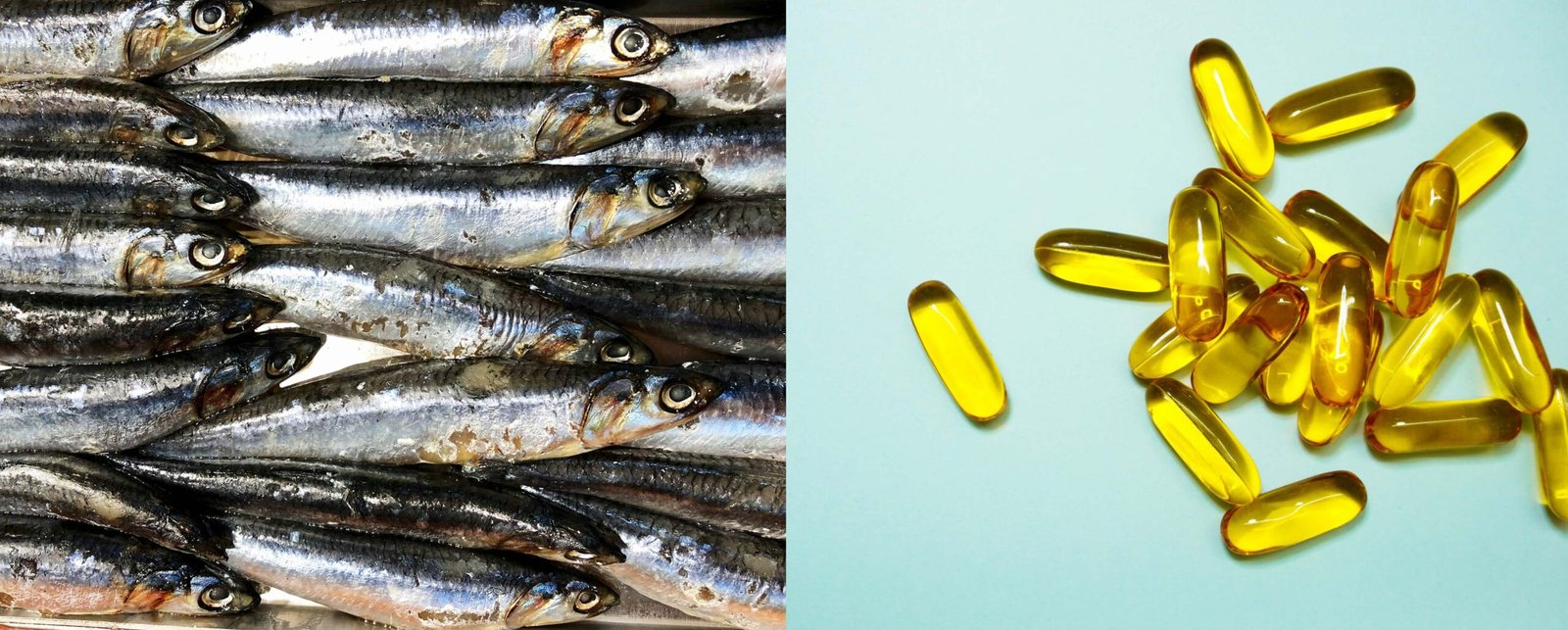
Fatty Fish: Fatty fish like salmon, mackerel, sardines, and tuna are among the richest natural sources of Vitamin D. A 100-gram serving of cooked salmon provides around 450–600 IU, which can fulfill 75–100% of the daily requirement.

Egg Yolks: Egg yolks contain small amounts of Vitamin D, mainly influenced by the hen’s diet and exposure to sunlight. One large egg yolk provides approximately 40–50 IU, offering around 7–8% of the RDA.

Fortified Foods: Many everyday foods are fortified with Vitamin D to help address widespread deficiency. These include:

  • Fortified milk (cow, soy, almond, oat): One cup typically provides 100–130 IU (~15–20% of RDA)
  • Breakfast cereals: One serving may provide 40–100 IU (5–15% of RDA)
  • Fortified orange juice: One cup can contain up to 135 IU (~20% of RDA)

Cod Liver Oil: Though not commonly used in modern diets, cod liver oil is a highly concentrated source. One teaspoon delivers approximately 450–500 IU, which meets 75–90% of the RDA in a single serving.

Mushrooms (UV-exposed): Certain mushrooms, especially those exposed to UV light, can naturally produce Vitamin D₂. 100 grams of UV-exposed mushrooms provide up to 400 IU, fulfilling about 65–70% of daily needs.

While diet can significantly contribute to Vitamin D levels, it often isn’t enough on its own—especially during winter months or in cases of increased physiological demand. That’s where supplementation steps in.


Supplementation: How to Use Vitamin D Safely and Effectively

Despite the best dietary efforts and reasonable sun exposure, many women still struggle to maintain optimal Vitamin D levels—especially those living in colder climates, working indoors, or managing chronic health conditions. In such cases, supplementation becomes not just beneficial but often necessary to restore and sustain healthy levels.

How to Use Vitamin D Supplements

Vitamin D is available in two primary forms—D₂ (ergocalciferol) and D₃ (cholecalciferol). Of the two, D₃ is the more effective form for raising and maintaining blood levels of Vitamin D in the body. It is fat-soluble, which means it should ideally be taken with a meal containing healthy fats for better absorption.

Supplements come in various formats, including tablets, capsules, softgels, liquid drops, and even gummies. For women with malabsorption issues or those who dislike pills, sublingual drops or sprays can offer an easier alternative with good bioavailability.

Recommended Dosage

The standard daily RDA for Vitamin D in women varies based on age and life stage:

600 IU/day for women aged 19–50

600–800 IU/day for those above 50 or during pregnancy/lactation

Some studies and practitioners recommend 1000–2000 IU/day for women with low blood levels, limited sun exposure, or at higher risk of deficiency.

For those with a clinically confirmed deficiency, higher therapeutic doses (e.g., 5000 IU or more daily) may be prescribed temporarily under medical supervision to restore levels before transitioning to maintenance dosing.

Potential Side Effects and Safety

Vitamin D is generally safe when taken within the recommended range. However, excessive intake over prolonged periods can lead to toxicity, with symptoms such as nausea, constipation, kidney stones, and calcium imbalance. The tolerable upper intake level for most adults is considered to be 4000 IU/day.

To avoid over-supplementation, it’s advisable to check serum 25(OH)D levels before initiating long-term high-dose use. Regular monitoring is especially important for women with pre-existing kidney conditions or those on calcium supplements.

In short, when used thoughtfully, Vitamin D supplementation can bridge the gap between lifestyle limitations and nutritional adequacy—supporting women’s health safely, effectively, and sustainably.


Conclusion

Vitamin D may be called the “sunshine vitamin,” but its impact radiates far beyond its name. For women, it is not just a nutrient—it’s a quiet guardian of hormonal harmony, mental resilience, reproductive vitality, and long-term wellness. From regulating menstrual cycles and enhancing fertility to easing anxiety and supporting cognitive clarity, Vitamin D touches nearly every aspect of a woman’s health across her lifespan.

Yet, despite its wide-reaching benefits, deficiency remains alarmingly common—often undiagnosed, subtly eroding well-being over time. With modern lifestyles keeping many women indoors and away from natural sunlight, the need for awareness, dietary mindfulness, and safe supplementation has never been greater.

Investing in Vitamin D health isn’t just about preventing disease—it’s about empowering women to live more energetically, think more clearly, and age more gracefully. Whether you’re navigating adolescence, preparing for pregnancy, or adjusting to life after menopause, keeping an eye on this unassuming yet essential nutrient can make all the difference.

As the science continues to evolve, one thing is certain: Vitamin D isn’t just good for bones—it’s foundational to the vibrant, multidimensional health that every woman deserves.


Disclaimer: This content is for general information only and does not replace professional medical advice. Asmidev is not responsible for any diagnosis made based on this content, nor does it endorse or take responsibility for external websites or products mentioned. Always consult a qualified healthcare professional for health-related concerns. This article was created through a human–AI collaboration. The ideas and direction come from the author’s research, with AI used only to assist in organizing information and refining expression, while cross-checking against established scientific literature.


Posted by Asmidev Herbals in Vitamin D, Women's Health
Panax Ginseng: A Natural Source of Vitality and Wellbeing for Men

Panax Ginseng: A Natural Source of Vitality and Wellbeing for Men

Panax ginseng, often referred to as Korean ginseng, Asian ginseng, or simply ginseng, is a plant species renowned for its fleshy roots and extensive use in traditional medicine, particularly in East Asia. Recognized for its potential to enhance physical stamina, mental clarity, and overall wellbeing, Panax ginseng has piqued the interest of researchers and consumers worldwide. This article delves into the background, history, origins, and health benefits of Panax ginseng, providing a comprehensive overview of this esteemed herb.

The genus Panax encompasses several species of perennial plants that grow in cooler climates, primarily in Korea, China, and Siberia. Panax ginseng is the most well-known species within this genus. The term “Panax” is derived from the Greek words “pan,” meaning “all,” and “akos,” meaning “cure,” which together imply “cure-all.” Ginseng’s roots are the most valuable part of the plant and are typically harvested after the plant has reached an age of four to six years.

Panax Ginseng Asmidev

“Panax Ginseng emerges as a powerful herb with a multitude of benefits, particularly in the realm of reproductive health for men”

Panax ginseng has a rich history dating back thousands of years in East Asian countries, particularly in China and Korea. Ancient Chinese texts document the use of ginseng as a medicinal herb as early as the 1st century BC. The herb was highly valued for its purported ability to promote longevity, increase vitality, and restore the body’s balance.

In traditional Korean medicine, ginseng has been used for centuries to strengthen the immune system, improve heart health, and treat diabetes and other conditions. The region of Geumsan in South Korea is particularly famous for its high-quality ginseng, and the herb plays a significant role in the country’s culture and economy.


Table of Contents

Cultivation of Panax Ginseng

Chemical Composition

General Health Benefits of Panax Ginseng

Enhanced Cognitive Function

Physical Performance and Energy

Immune System Support

Antioxidative and Anti-inflammatory Effects

Cardiovascular Health

Blood Sugar Management

Stress Reduction

Anticancer Properties

Anti-Aging Effects

Reproductive Health Benefits of Panax Ginseng

Improved Erectile Function

Increased Libido

Support for Female Sexual Function

Fertility Support

Protects Reproductive Organs

Stress Reduction

Improved Endurance and Energy

Supplementation

Conclusion


Cultivation of Panax Ginseng

The cultivation of Panax Ginseng requires a specific set of conditions to ensure optimal growth, as it typically thrives in cooler climates with well-drained, shaded environments. This perennial plant generally demands a significant amount of care and patience, with roots taking around four to six years to mature fully. During this growth period, the ginseng plant necessitates protection from direct sunlight and prefers a habitat with about 80% shade. Farmers often use special shading structures to achieve these conditions. The soil should be rich, loamy, and slightly acidic, with proper aeration to prevent water-logging. Cultivators also need to be vigilant about pests and diseases, as ginseng plants can be susceptible to various ailments.

Ideal Climatic Conditions

Panax ginseng requires specific climatic conditions for optimal growth and development. Below are the ideal conditions for its cultivation:

Temperature: Panax ginseng prefers cooler temperatures, generally thriving in regions where the average annual temperature ranges from 2 to 8 degrees Celsius (35.6 – 46.4 degrees Fahrenheit). Extreme temperatures, both hot and cold, can adversely affect the plant’s growth. Winter dormancy, facilitated by colder temperatures, is crucial for the plant to complete its growth cycle.

Humidity: High humidity levels are beneficial for ginseng cultivation. The plant requires adequate moisture in the air, with optimal relative humidity levels ranging from 70% to 90%.

Precipitation: Panax ginseng requires consistent and adequate rainfall throughout the growing season. The ideal annual precipitation for ginseng cultivation is between 600 to 1000 mm.

Light: The plant thrives in shaded conditions, requiring about 70-85% shade. Direct sunlight can be detrimental to the ginseng plant, potentially causing leaf burn and inhibiting root development.

Soil: Ginseng prefers well-drained, loamy soil with a slightly acidic pH ranging from 5.5 to 6.5. The soil should also be rich in organic matter.

Geography

Panax Ginseng is primarily grown in certain regions of Asia, particularly in Korea, China, and Siberia. Each of these regions offers the specific climatic conditions that ginseng requires for optimal growth, including cool temperatures, high humidity, and shaded environments.

Korea: Korean ginseng, also known as Panax ginseng C.A. Meyer, is considered to be of very high quality and is cultivated extensively in South Korea. The regions of Geumsan and Punggi are particularly famous for their ginseng production.

China: China also has a long history of cultivating Panax ginseng, particularly in the northeastern provinces such as Jilin and Liaoning.

Siberia: Siberian ginseng (Eleutherococcus senticosus) is a different species but is often used in similar ways to Panax ginseng. It is cultivated in the Siberian regions of Russia.

Despite various challenges in the cultivation of Panax Ginseng, it is still a lucrative endeavor, given the high demand for its roots in traditional medicine, supplements, and various other products.


Chemical Composition of Panax Ginseng

Panax ginseng is a complex herb known for its wide range of bioactive compounds, which contribute to its various health benefits. The main bioactive constituents of Panax ginseng are ginsenosides, a class of triterpene saponins that are considered to be the primary active components. Below is a detailed discussion of its chemical composition, including the content ratio/percentage of each of the constituents where available, and their associated health benefits. It’s important to note that the content of these compounds can vary significantly depending on the age of the ginseng root, how it was processed, and where it was grown.

Ginsenosides: Ginsenosides are the most studied compounds in Panax ginseng, and they are unique to the Panax species. There are over 30 different types of ginsenosides in Panax ginseng, and they are typically categorized into two groups based on their aglycone moieties: the protopanaxadiol (PPD) group (such as Rb1, Rb2, Rc, Rd) and the protopanaxatriol (PPT) group (such as Re, Rf, Rg1).

  • Rb1 (0.37–1.10%): Rb1 is one of the most abundant ginsenosides in Panax ginseng. It has been shown to have anti-inflammatory, antioxidative, and anticancer effects. Studies have also suggested its potential in improving cognitive function and offering neuroprotective benefits.
  • Rg1 (0.05–0.30%): Rg1 is known for its neuroprotective, anti-fatigue, and antioxidative properties. It may also enhance learning and memory and has potential cardioprotective effects.
  • Re (0.40–0.83%): Ginsenoside Re is known to have anti-inflammatory, antidiabetic, and anti-fatigue effects. It may also support cardiovascular health.

The percentage content mentioned here is a rough estimation and can vary widely depending on various factors.

Other Compounds:

  • Polysaccharides: Ginseng polysaccharides have immunomodulatory, antitumor, and antioxidant activities.
  • Peptides and Proteins: Some peptides derived from ginseng have been found to have antioxidative and immunomodulatory effects.
  • Phenolic Compounds: These compounds contribute to the antioxidant activity of ginseng.

(Reference: EMA/HMPC/321232/2012)

In summary, Panax ginseng is rich in a variety of bioactive compounds, with ginsenosides being the most prominent and well-studied. These compounds contribute to the herb’s wide range of health benefits, from antioxidative and anti-inflammatory effects to neuroprotective and immunomodulatory properties. The specific content of these compounds can vary significantly, highlighting the importance of standardized and controlled cultivation and processing methods to ensure the quality and efficacy of ginseng products.


General Health Benefits of Panax Ginseng

Panax Ginseng, often hailed as a natural wonder, is renowned for its extensive range of health benefits that enhance overall wellbeing. This potent herb is revered for its ability to boost cognitive function, improving memory, focus, and mental clarity. It acts as a natural energy booster, combating fatigue and enhancing physical endurance. Its adaptogenic properties help in managing stress and maintaining hormonal balance. Panax Ginseng also plays a pivotal role in supporting immune function, aiding in quicker recovery from illnesses.

Moreover, its antioxidative and anti-inflammatory effects contribute to cardiovascular health and chronic disease prevention. With its potential aphrodisiac properties, it also supports sexual health, making it a holistic remedy for a myriad of health concerns. In the following sections, we will delve deeper into each of these health benefits, providing a comprehensive understanding of how Panax Ginseng can be a transformative element in fostering optimal health and vitality.

Enhanced Cognitive Function

Memory Enhancement: Panax Ginseng is believed to have a positive impact on cognitive functions, particularly in enhancing memory. The active compounds in ginseng, ginsenosides, play a crucial role in this process. They are known to have neuroprotective properties, safeguarding neurons from damage and degeneration. Ginsenosides also facilitate synaptic plasticity, a fundamental mechanism for learning and memory in the brain. Additionally, they modulate neurotransmitter levels, including acetylcholine, which is closely tied to memory and attention (Haifeng Zhao et al., 2009).

Panax Ginseng also exhibits anti-inflammatory and antioxidative effects, helping to mitigate oxidative stress and inflammation that can adversely affect cognitive functions. Moreover, it enhances blood circulation, ensuring an adequate supply of oxygen and nutrients to the brain, further bolstering cognitive performance and memory recall.

Improves Concentration: Panax Ginseng is also renowned for its ability to enhance concentration and mental clarity, which can be attributed to its unique blend of bioactive compounds, particularly ginsenosides. These compounds have been shown to modulate the activity of neurotransmitters, such as dopamine and norepinephrine, which play crucial roles in attention and focus. Ginsenosides also exhibit neuroprotective properties, safeguarding neurons from oxidative stress and supporting overall brain health (David O Kennedy et al., 2003).

Furthermore, Panax Ginseng enhances blood circulation, ensuring that the brain receives a steady supply of oxygen and nutrients, which is vital for optimal cognitive function. Its adaptogenic properties also help in mitigating the effects of stress and fatigue, common culprits of reduced concentration.

Mental Clarity: Panax Ginseng is celebrated for its capacity to enhance mental clarity, a benefit largely attributed to its rich composition of ginsenosides. These bioactive compounds exhibit neuroprotective properties, safeguarding brain cells from oxidative stress and inflammation that can cloud cognitive function. They also stimulate neuronal activity, promoting synaptic plasticity essential for clear and sharp mental processing. Ginsenosides additionally modulate neurotransmitter levels, helping maintain an optimal balance of chemicals vital for mental clarity (Haifeng Zhao et al., 2009).

The herb’s adaptogenic properties contribute to its effectiveness, aiding the body in managing stress and reducing mental fatigue, common impediments to clear thinking. Furthermore, Panax Ginseng enhances cerebral blood flow, ensuring that the brain receives sufficient oxygen and nutrients.

Physical Performance and Energy

Endurance: Panax Ginseng is renowned for its potential to enhance physical endurance and reduce fatigue, making it a popular choice among athletes and fitness enthusiasts. The active compounds in Panax Ginseng, particularly ginsenosides, play a crucial role in boosting energy levels and improving endurance. They are believed to enhance the body’s utilization of energy and increase the efficiency of oxygen uptake in cells, contributing to improved endurance and reduced fatigue during physical activity (Fadzel Wong Chee Ping et al., 2011).

Additionally, Panax Ginseng’s adaptogenic properties help in modulating the body’s response to stress and improving its resilience, which is crucial for sustaining prolonged physical exertion. Its anti-inflammatory and antioxidative effects also contribute to faster recovery and reduced muscle damage following exercise.

This body of evidence collectively underscores the potential of Panax Ginseng as a natural enhancer of physical endurance, contributing to its reputation as a performance-boosting herb.

Energy Levels: Panax Ginseng is widely recognized for its ability to boost general energy levels, combatting fatigue and promoting vitality. The ginsenosides present in Panax Ginseng play a central role in this energizing effect. These bioactive compounds enhance the body’s production of adenosine triphosphate (ATP), which is crucial for cellular energy. They also improve the efficiency of mitochondrial function, ensuring that cells utilize energy more effectively (Hoang Viet Bach et al., 2016).

Additionally, Panax Ginseng’s adaptogenic properties enable the body to better manage stress, which can contribute to improved energy levels and reduced feelings of fatigue. It also has a balancing effect on the endocrine system, helping to regulate the production of hormones that play a role in energy metabolism.

By addressing energy at a cellular level and helping the body manage stress more effectively, Panax Ginseng emerges as a natural solution for boosting energy and reducing fatigue.

Immune System Support

Strengthened Immunity: Panax Ginseng is renowned for its immune-boosting properties, helping to fortify the body’s defenses against infections and diseases. The ginsenosides found in Panax Ginseng are key players in modulating immune function. They enhance the activity of macrophages, which are white blood cells responsible for engulfing and digesting pathogens and cellular debris. Additionally, Panax Ginseng stimulates the production of cytokines, signaling proteins that regulate the immune response, ensuring a swift and effective reaction to infections (Soowon Kang et al., 2012).

The herb also supports the production and activity of natural killer cells, a type of white blood cell that plays a crucial role in eliminating virus-infected cells and tumor cells. Its antioxidative properties further contribute to immune support, protecting immune cells from oxidative stress and enhancing their function.

Recovery: Panax Ginseng aids in faster recovery from illness through its potent blend of bioactive compounds, particularly ginsenosides, which have anti-inflammatory and antioxidative properties. These properties help in reducing oxidative stress and inflammation, factors that can prolong recovery and exacerbate illness. By bolstering the body’s natural defense mechanisms, Panax Ginseng enhances resilience and promotes quicker healing (Dong-Soon Im, 2020).

The adaptogenic nature of Panax Ginseng also plays a vital role in recovery. It helps in modulating the body’s stress response, ensuring a balanced release of stress hormones, and supporting overall homeostasis. This is crucial, as stress can impair immune function and delay healing.

Antioxidative and Anti-inflammatory Effects

Reduced Oxidative Stress: Panax Ginseng plays a crucial role in reducing oxidative stress, primarily due to its rich content of bioactive compounds, including ginsenosides, polyphenols, and polysaccharides. These compounds exhibit strong antioxidative properties, neutralizing free radicals that cause oxidative damage to cells and DNA. By mitigating this damage, Panax Ginseng contributes to cellular protection and reduces the risk of chronic diseases associated with oxidative stress (Soo Kyung Park et al., 2020).

Ginsenosides, in particular, have been studied for their ability to enhance the body’s endogenous antioxidant defenses, including the activity of enzymes like superoxide dismutase (SOD) and catalase, which play key roles in neutralizing harmful oxidative agents. This enhancement in antioxidant enzyme activity further strengthens the body’s resilience against oxidative stress.

Anti-inflammatory: Panax Ginseng exerts anti-inflammatory effects through its plethora of bioactive compounds, particularly the ginsenosides. These compounds have been shown to modulate the body’s inflammatory response, inhibiting the production of pro-inflammatory cytokines and reducing the activity of inflammatory enzymes. By curtailing excessive inflammation, Panax Ginseng aids in alleviating symptoms of various inflammatory conditions and contributes to overall health and well-being (Evelyn Saba et al., 2018).

The anti-inflammatory properties of Panax Ginseng also play a role in its ability to combat oxidative stress, as inflammation and oxidative stress are often interconnected. The herb’s antioxidative compounds work in tandem with its anti-inflammatory agents to provide a comprehensive protective effect.

Cardiovascular Health

Blood Pressure: Panax Ginseng has been studied for its potential in managing blood pressure due to its unique blend of bioactive compounds. Ginsenosides, the primary active ingredients in Panax Ginseng, have demonstrated vasodilatory properties, helping to relax blood vessels and improve blood flow, which can contribute to lower blood pressure levels. Additionally, these compounds can modulate the activity of the nervous system, promoting a balanced release of neurotransmitters that regulate blood pressure (Jong-Hoon Kim, 2012).

Panax Ginseng’s antioxidative and anti-inflammatory properties also play a role in blood pressure management. By reducing oxidative stress and inflammation within the cardiovascular system, it helps to maintain the integrity of blood vessels, ensuring they remain elastic and functional, which is crucial for proper blood pressure regulation (B H Jeon et al., 2000).

Cholesterol: Panax Ginseng plays a significant role in managing healthy cholesterol levels, attributed to its rich content of bioactive compounds, particularly ginsenosides. These compounds have been shown to influence lipid metabolism, aiding in the reduction of total cholesterol and low-density lipoprotein (LDL) cholesterol, commonly known as “bad” cholesterol, while potentially increasing high-density lipoprotein (HDL) cholesterol, or “good” cholesterol (Seock-Yeon Hwang et al., 2008).

Ginsenosides exhibit anti-inflammatory and antioxidative properties, which contribute to the prevention of oxidative stress and inflammation within blood vessels, factors that can lead to the accumulation of cholesterol plaques and cardiovascular diseases. By mitigating these risks, Panax Ginseng supports cardiovascular health and helps maintain balanced cholesterol levels.

Blood Sugar Management

Panax Ginseng has garnered attention for its potential in managing healthy blood sugar levels, owing to its rich array of bioactive compounds, particularly ginsenosides. These compounds have demonstrated the ability to enhance insulin sensitivity, meaning that they help the body’s cells respond more effectively to insulin, facilitating the uptake of glucose from the bloodstream into cells where it can be used for energy. This action is crucial for maintaining stable blood sugar levels and preventing the spikes and crashes associated with diabetes and insulin resistance (Esra’ Shishtar et al., 2014).

Furthermore, Panax Ginseng has been shown to have a protective effect on pancreatic beta cells, the cells responsible for producing insulin. By preserving their function and promoting their survival, Panax Ginseng contributes to optimal insulin production and blood sugar regulation (John Zeqi Luo et al., 2009).

Stress Reduction

Adaptogenic Properties: Panax Ginseng is widely recognized for its adaptogenic properties, which aid the body in managing stress more effectively. The ginsenosides present in Panax Ginseng are key to this process, as they influence the body’s hormonal response to stress, particularly the regulation of cortisol, a stress hormone. By modulating the activity of the hypothalamic-pituitary-adrenal (HPA) axis, Panax Ginseng helps maintain balanced cortisol levels, preventing the detrimental effects of prolonged stress exposure (Seungyeop Lee et al., 2017).

Additionally, Panax Ginseng has neuroprotective effects, safeguarding neuronal health and supporting cognitive function under stress. This contributes to an enhanced mental resilience, helping individuals cope with stress more effectively (Ji Hyun Baek et al., 2019).

Calming Effects: Panax Ginseng has shown potential in addressing depression and anxiety through its adaptogenic and neuroprotective properties. The ginsenosides present in Panax Ginseng appear to modulate the activity of neurotransmitters, including serotonin and dopamine, which play crucial roles in regulating mood and emotional well-being. By supporting the balance of these neurotransmitters, Panax Ginseng may contribute to a more stable mood and reduced symptoms of depression and anxiety (Seungyeop Lee et al., 2017).

Additionally, Panax Ginseng’s anti-inflammatory and antioxidative properties may help alleviate the neuroinflammation and oxidative stress that have been associated with mood disorders, providing further mood-stabilizing effects.

Anticancer Properties of Panax Ginseng

Cancer Prevention: Panax Ginseng has garnered attention for its potential anti-cancer properties, attributed primarily to its rich content of bioactive compounds, including ginsenosides. These compounds have demonstrated the ability to inhibit the growth of tumor cells, induce apoptosis (programmed cell death), and prevent the formation of blood vessels that supply nutrients to tumors, effectively starving them (Heeok Hong et al., 2021).

Ginsenosides also exhibit anti-inflammatory and antioxidative properties, which are vital in cancer prevention. Chronic inflammation and oxidative stress can contribute to DNA damage and the initiation of cancerous processes. By mitigating these risk factors, Panax Ginseng helps protect cellular integrity and prevent the onset of cancer.

Support During Cancer Treatment: Panax Ginseng has shown promise in providing support during cancer treatment due to its array of bioactive compounds, particularly ginsenosides. These compounds have demonstrated potential in mitigating the side effects of conventional cancer therapies, such as chemotherapy and radiation, enhancing the quality of life for patients undergoing these treatments.

Ginsenosides possess anti-inflammatory and antioxidative properties, helping to alleviate inflammation and oxidative stress induced by cancer treatments. This can lead to a reduction in treatment-related fatigue, nausea, and overall discomfort, supporting patients’ well-being during the course of their therapy (Akash Ahuja et al., 2018).

Moreover, Panax Ginseng has been studied for its potential in boosting the immune system, which is often compromised during cancer treatment. By enhancing immune function, it may help the body better resist infections and recover more swiftly from treatment.

Anti-Aging Effects of Panax Ginseng

Longevity: Panax Ginseng has been associated with enhanced longevity, attributed to its rich content of bioactive compounds, including ginsenosides, which possess antioxidative, anti-inflammatory, and immune-boosting properties. These compounds help combat oxidative stress and inflammation, both of which are key contributors to aging and age-related diseases.

Ginsenosides also play a role in supporting cellular health. They promote autophagy, a cellular “clean-up” process that removes damaged cell components, helping to maintain cellular function and integrity. This process is crucial for preventing age-related decline and promoting longevity (Kun Kuk Shin et al., 2020).

Additionally, Panax Ginseng has been shown to enhance cardiovascular health, support metabolic function, and improve immune response, all of which contribute to a longer, healthier life.

Skin and Hair Health: Panax Ginseng has shown promising effects in promoting skin and hair health, attributed largely to its rich composition of bioactive compounds, particularly ginsenosides. These compounds possess antioxidative and anti-inflammatory properties, helping to combat oxidative stress and inflammation that can lead to skin aging, hair loss, and various dermatological conditions.

Ginsenosides have been found to stimulate the production of collagen in the skin, enhancing its elasticity and reducing the appearance of wrinkles. They also promote blood circulation, ensuring that the skin and hair follicles receive an adequate supply of nutrients and oxygen, supporting their health and vitality (Eunson Hwang et al., 2017).

In the context of hair health, Panax Ginseng has shown potential in promoting hair growth and preventing hair loss. It stimulates the hair follicles and strengthens the hair roots, contributing to fuller, healthier hair.


Reproductive Health Benefits of Panax Ginseng

Panax Ginseng is lauded for its positive impacts on reproductive health, demonstrating a remarkable ability to enhance sexual function and fertility. In men, it has been linked to improved erectile function, increased sperm count, and enhanced libido, thanks to its ability to boost blood circulation and modulate hormonal balance. For women, Panax Ginseng has shown potential in alleviating menstrual discomfort and boosting libido. Its adaptogenic properties also play a crucial role, helping the body adapt to stress, a known factor that can adversely affect reproductive health. While these findings are promising, it’s imperative to consult with a healthcare professional before using Panax Ginseng for reproductive health purposes, to ensure safety and efficacy. Here are the detailed discussion on the sexual and reproductive health benefits associated with Panax Ginseng.

Improved Erectile Function

Panax Ginseng has shown potential in addressing erectile dysfunction (ED), a prevalent male sexual health issue. Its effectiveness is largely attributed to its ginsenosides, which have vasodilatory effects, enhancing blood flow to the penile region and facilitating erection. Additionally, Panax Ginseng is believed to modulate the release of nitric oxide, a key molecule involved in the relaxation of smooth muscle and dilation of blood vessels, crucial for maintaining an erection (Dai-Ja Jang et al., 2008).

A study published in the “British Journal of Clinical Pharmacology” demonstrated that men with ED who were treated with Panax Ginseng experienced improved erectile function. The research highlighted the herb’s potential as a viable option for managing ED, particularly for individuals looking for alternatives to conventional medications.

Increased Libido

Panax Ginseng has been explored for its potential to increase sexual desire, with studies attributing this effect to its ability to modulate hormonal levels and improve overall vitality. Ginsenosides, the active compounds in Panax Ginseng, are believed to play a pivotal role in enhancing libido by positively influencing the endocrine system, which regulates hormone production (C Kim et al., 1976).

A study published in the “International Journal of Impotence Research” found that individuals who took Panax Ginseng reported an improvement in sexual desire and arousal. The herb’s adaptogenic properties also contribute to its efficacy, helping the body to adapt to stress—a known libido suppressant. By mitigating stress and balancing hormones, Panax Ginseng can foster an environment conducive to sexual desire, making it a promising natural option for those looking to enhance their libido (M S Fahim et al., 1982).

Support for Female Sexual Function

Panax Ginseng has garnered interest for its potential in enhancing female sexual function, attributed to its multifaceted impact on hormonal balance, blood circulation, and stress reduction. The ginsenosides in Panax Ginseng are thought to modulate hormonal levels, providing relief from menopausal symptoms that can adversely affect libido and sexual satisfaction (Kyung-Jin Oh et al., 2010).

A study published in “Menopause: The Journal of The North American Menopause Society” investigated the effects of Panax Ginseng on postmenopausal women, demonstrating improvements in sexual arousal, lubrication, and overall sexual satisfaction. These positive effects are also linked to Panax Ginseng’s ability to improve blood flow, ensuring adequate genital engorgement, which is crucial for sexual response and pleasure. Moreover, Panax Ginseng’s adaptogenic properties aid in mitigating the impact of stress, a known factor that can dampen sexual desire and satisfaction (Hye Won Lee et al., 2016).

Fertility Support

Panax Ginseng has shown promising effects in improving sperm quality and promoting hormonal balance, particularly in males experiencing fertility issues. The active compounds in Panax Ginseng, ginsenosides, are believed to exert antioxidant properties, protecting sperm from oxidative stress, which can lead to DNA damage and impaired sperm function.

A study published in the journal “Spermatogenesis” investigated the effects of Panax Ginseng on sperm quality. The findings suggested that supplementation with Panax Ginseng led to significant improvements in sperm concentration, motility, and morphology, key parameters in assessing sperm health and fertility (Hye Won Lee et al., 2020).

Additionally, Panax Ginseng has been observed to modulate the endocrine system, which governs hormone production and regulation. By influencing testosterone levels and other hormones related to reproductive health, Panax Ginseng helps in establishing a hormonal balance conducive to optimal sperm production and function (G Salvati et al., 1996).

Protects Reproductive Organs

Panax Ginseng possesses potent antioxidative properties that play a crucial role in safeguarding the reproductive organs from oxidative stress, a condition caused by an imbalance between free radicals and antioxidants in the body. The active components in Panax Ginseng, notably the ginsenosides, exhibit strong antioxidant activity, neutralizing harmful free radicals and reducing oxidative damage.

Scientific studies have underscored the protective effects of Panax Ginseng on reproductive organs. For instance, a study published in the “Journal of Ginseng Research” demonstrated that Panax Ginseng could mitigate oxidative stress in testicular tissues, preserving sperm quality and enhancing male fertility (Spandana Rajendra Kopalli et al., 2017). The antioxidant effects of Panax Ginseng extend to female reproductive health as well, helping to maintain the integrity of ovarian tissues and improve overall reproductive function (Zijing Shang et al., 2023).

Stress Reduction

The anti-stress effects of Panax Ginseng play a vital role in enhancing sexual function and promoting reproductive health. Stress has a well-documented negative impact on sexual desire, performance, and overall reproductive well-being. Panax Ginseng’s adaptogenic properties help the body adapt to stress, mitigating its harmful effects on the endocrine system, which is crucial for hormonal balance and sexual function (M S Fahim et al., 1982).

A study published in the “Journal of Ginseng Research” explored the impact of Panax Ginseng on stress and sexual function. The findings revealed that Panax Ginseng could significantly reduce stress levels, leading to improvements in sexual function and an increase in sexual desire. By modulating the body’s stress response, Panax Ginseng helps in maintaining optimal levels of sex hormones, crucial for healthy sexual response and reproductive function. These anti-stress effects of Panax Ginseng are beneficial for both men and women, contributing to improved sexual satisfaction and reproductive health (C Kim et al., 1976).

Improved Endurance and Energy

Panax Ginseng is renowned for its ability to enhance general stamina, energy levels, and consequently, sexual performance, primarily due to its adaptogenic properties and positive influence on circulatory health. Ginsenosides, the bioactive compounds in Panax Ginseng, have been shown to increase nitric oxide production, resulting in improved blood flow and cardiovascular function. This is crucial for sustaining energy levels and enhancing physical performance (Hoang Viet Bach et al., 2016).

Scientific studies have demonstrated the efficacy of Panax Ginseng in improving endurance and reducing fatigue. A study published in “PLOS One” found that Panax Ginseng supplementation led to significant improvements in physical performance, energy levels, and recovery from exercise-induced fatigue.

These benefits extend to sexual performance as well, where improved blood circulation, particularly to the genital area, is crucial for erectile function and sexual responsiveness. By enhancing overall stamina and energy levels, Panax Ginseng contributes to better sexual performance and satisfaction.


Supplementation of Panax Ginseng

Safe supplementation of Panax Ginseng is crucial to ensure its benefits without risking adverse effects. While Panax Ginseng is generally considered safe for most individuals, it is vital to adhere to recommended dosages and be aware of potential side effects.

Recommended Dosage

The appropriate dosage of Panax Ginseng can vary based on several factors including age, health status, and specific health goals. However, typical dosages used in clinical studies range from 200 to 400 mg per day of standardized extract. It is crucial to use standardized ginseng products as they ensure consistent levels of active compounds.

Side Effects of Panax Ginseng

While Panax Ginseng is well-tolerated by most individuals, some may experience side effects, particularly at high doses or with prolonged use. Possible side effects include insomnia, headaches, digestive issues, and changes in blood pressure or blood sugar levels.

Safety Considerations

  • Panax Ginseng can interact with various medications, including anticoagulants, diabetic medications, and certain antidepressants. Therefore, individuals taking these medications should consult with a healthcare professional before starting Panax Ginseng supplementation.
  • Pregnant or breastfeeding women should avoid Panax Ginseng due to a lack of safety data. Additionally, individuals with hormone-sensitive conditions, such as breast or prostate cancer, should use Panax Ginseng with caution as it could potentially act as an estrogen.
  • It is also advisable to take breaks from using Panax Ginseng to prevent the development of tolerance and potential side effects.

(Reference: Nam-Hun Lee et al., 2012)

While Panax Ginseng offers numerous health benefits, it is essential to use it responsibly and consult with a healthcare professional to determine the appropriate dosage and ensure it is safe based on individual health conditions and medications. By adhering to these guidelines, individuals can safely enjoy the benefits of Panax Ginseng supplementation.


Conclusion

Panax Ginseng emerges as a powerful herb with a multitude of benefits, particularly in the realm of reproductive health for men. Its adaptogenic properties, coupled with a rich profile of ginsenosides, contribute to its ability to enhance stamina, energy, and sexual performance. By improving blood flow and reducing oxidative stress, Panax Ginseng plays a vital role in combating erectile dysfunction and promoting overall sexual health. Studies have consistently demonstrated its positive impact in these areas, reinforcing its reputation as a natural remedy for sexual dysfunction.

Moreover, Panax Ginseng’s antioxidative and anti-stress effects further bolster its role in male reproductive health, contributing to improved sperm quality and hormonal balance. It addresses the critical aspects of male sexual health, providing a holistic solution that extends beyond mere symptom relief. However, it is crucial to approach its use with caution, adhering to recommended dosages and consulting healthcare professionals to ensure its safe and effective application.

Embracing Panax Ginseng as a natural enhancer of male reproductive health represents a step towards holistic well-being. By acknowledging its benefits and understanding its potential, individuals can make informed decisions, unlocking the door to improved sexual health and overall vitality.


Disclaimer: This content is for general information only and does not replace professional medical advice. Asmidev is not responsible for any diagnosis made based on this content, nor does it endorse or take responsibility for external websites or products mentioned. Always consult a qualified healthcare professional for health-related concerns. This article was created through a human–AI collaboration. The ideas and direction come from the author’s research, with AI used only to assist in organizing information and refining expression, while cross-checking against established scientific literature.


Posted by Asmidev Herbals in Herbs, Men's Health, Panax Ginseng, Women's Health
Ginkgo Biloba: The Science and Health Benefits

Ginkgo Biloba: The Science and Health Benefits

Ginkgo Biloba, known for its distinctive fan-shaped leaves and inextricable ties to Eastern traditions, has transcended its origins to become a symbol of endurance and vitality in the modern era. In the annals of herbal medicine, few plants hold a place as venerable as Ginkgo biloba, the sole survivor of an ancient genus that once flourished across the globe. The tree’s resilience is legendary, with specimens living for thousands of years and even surviving the atomic blast at Hiroshima. This resilience has become emblematic of the health benefits that the tree is purported to provide.

Background

The history of Ginkgo biloba is as rich and deep as its roots, tracing back over 270 million years. Native to China, this living fossil was revered in traditional medicine and was believed to have memory-enhancing properties among a plethora of other health benefits. Its leaves and seeds have been used in traditional Chinese medicine for millennia, addressing a range of ailments from asthma to tinnitus. The Ginkgo is a tree steeped in mystique, not only for its ancient provenance but also for its tenacity; it has remained unchanged for millions of years, with its unique biology making it resistant to diseases and pests that have decimated less hardy species.

Ginkgo Biloba Asmidev

“Health benefits of Ginkgo Biloba range from cognitive enhancement and neuroprotection to circulatory support and mood regulation.”

The Ginkgo’s introduction to the Western world was marked by fascination and intrigue. It was first brought to Europe in the 1700s, where it was cultivated for its ornamental value. However, it wasn’t until much later that its potential health benefits were explored by Western scientists and herbalists.

This article aims to unfurl the layers of history and science that have contributed to Ginkgo biloba’s modern reputation as a natural remedy. We will delve into the empirical evidence supporting the health claims surrounding Ginkgo biloba, examining its constituents and their effects on human health. From its anti-inflammatory properties and antioxidant activities to its role in enhancing cognitive function and blood circulation, the various dimensions of Ginkgo biloba’s potential will be scrutinized.


Table of Contents

Cultivation

Chemical Composition

General Health Benefits of Ginkgo Biloba

Circulatory Support and Vascular Health

Antioxidant Activity

Anti-inflammatory Properties

PMS Symptoms

Psychological Health Benefits of Ginkgo Biloba

Cognitive Enhancement

Neuroprotective Effects

Dementia

Alzheimer’s Disease

Anxiety and Depression

Attention and Mental Performance

Stress Reduction

Reproductive Health Benefits of Ginkgo Biloba

Erectile Dysfunction (ED)

Libido Enhancement

Antidepressant-Induced Sexual Dysfunction

Enhanced Sensitivity

Supplementation

Conclusion


Cultivation of Ginkgo Biloba

The cultivation of Ginkgo biloba, while steeped in ancient tradition, adapts well to modern horticulture practices. This hardy, deciduous tree thrives in well-drained soils with ample sun, though it can tolerate a range of urban conditions, from pollution to varied pH levels. With origins in China, the Ginkgo is now globally cultivated for both its ornamental appeal and medicinal value. Growers often propagate the species through seeds or grafting to maintain desired genetic traits, particularly those of male trees, which are preferred for urban planting due to the malodorous fruits produced by females. As a slow grower, Ginkgo demands patience but offers long-term rewards in both beauty and utility.

Climatic Conditions

Ginkgo biloba trees are remarkably adaptable and can be grown in a wide range of climatic conditions, but they flourish best in environments that mirror their native habitat. The ideal climate for Ginkgo biloba cultivation is temperate, with hot summers and cold, but not severely freezing, winters. These trees are resistant to many of the stressors that affect other species, such as pollution and pests, partly due to the unique chemical compounds found within their leaves.

The Ginkgo thrives in areas with full sun to partial shade and requires adequate water, especially in the warmer months of the year. However, it is also known for its drought tolerance once established. Soil conditions should ideally be well-drained, sandy or loamy, and it can tolerate a wide pH range from acidic to alkaline. Ginkgos can endure urban environments, making them popular in city landscaping.

While Ginkgo biloba trees can adapt to various environmental conditions, extreme conditions are not conducive to optimal growth. Extended droughts, excessively waterlogged soils, or extremely cold temperatures can stress the trees and affect their health and medicinal quality. Therefore, while they are versatile, providing a balanced environment close to their natural habitat ensures the best growth and development of the trees.

Geography

Ginkgo biloba, native to China, is cultivated across the globe, but it shows a preference for temperate regions that align with its natural habitat. In Asia, it continues to be grown extensively in China and Korea, not only for its ornamental value but also for its leaves and nuts, which have medicinal and culinary uses. Beyond its native range, Ginkgo has found a favorable climate in parts of the United States, particularly in the Pacific Northwest, the Southeast, and the Midwest, where the seasonal changes emulate the tree’s natural growing conditions.

Europe also hosts numerous Ginkgo plantations, with France, Germany, and the UK being notable for their historical parks and botanical gardens featuring these trees. The tree’s adaptability to urban environments has made it a common sight in European cities. In more recent years, cultivation has spread to the Southern Hemisphere, including regions of Australia and New Zealand, where it is grown primarily for its aesthetic appeal.

The spread of Ginkgo cultivation globally is a testament to the tree’s hardiness and its ability to adapt to a variety of soil types and urban conditions, although it grows best in regions that experience a marked seasonal change similar to the cold winters and hot summers of its homeland.


Chemical Composition of Ginkgo Biloba

The chemical composition of Ginkgo biloba is complex, featuring a wide array of bioactive compounds that have been the subject of extensive research. Key among these constituents are flavonoid glycosides and terpene lactones, which are often cited for their pharmacological effects.

Flavonoid Glycosides: Ginkgo biloba leaves contain flavonoid glycosides, which typically make up about 24% to 32% of the extract. These compounds include quercetin, kaempferol, and isorhamnetin derivatives. Flavonoids are known for their potent antioxidant properties, contributing to the protection of cells from oxidative damage and playing a role in reducing inflammation.

Terpene Lactones: Terpene lactones, which comprise around 6% to 12% of the extract, include ginkgolides A, B, C, J, and M, and bilobalide. Ginkgolides are unique to Ginkgo biloba and have been associated with improving blood flow and reducing blood clotting through their antagonistic effects on platelet-activating factor (PAF). Bilobalide is believed to protect neurons and potentially have a positive impact on cognitive health.

Ginkgoic Acid: Present in smaller amounts, ginkgoic acid can be toxic in high concentrations, which is why high-quality Ginkgo biloba extracts are standardized to contain less than 5 ppm (parts per million) of this compound.

Other Compounds: Additional components found in Ginkgo biloba include proanthocyanidins, organic acids, and polyprenols. Proanthocyanidins contribute further to the antioxidant activity of the extract.

In terms of health benefits, the complex interplay of these compounds is believed to confer a range of therapeutic effects:

  • Cognitive Function: Ginkgo biloba is most commonly associated with cognitive health, including improvements in memory, focus, and executive function, particularly in older adults.
  • Circulatory Health: By promoting blood circulation and having a blood-thinning effect, Ginkgo is thought to improve the delivery of oxygen and nutrients to various parts of the body, including the brain.
  • Neuroprotection: Components like bilobalide may help protect neural cells, which has potential implications for neurodegenerative diseases.
  • Antioxidant Effects: The antioxidant properties of flavonoids help in combating oxidative stress, which is a factor in numerous chronic diseases.
  • Anti-inflammatory Effects: Flavonoids are also recognized for their anti-inflammatory properties, which can affect various inflammatory-related conditions.

(References: Patrycja Biernacka et al., 2023, Noor-E-Tabassum et al., 2022)

It’s important to note that while the above information is reflective of the typical composition of Ginkgo biloba extracts, the exact content ratio of each constituent can vary based on factors like the extraction method, the part of the plant used (usually leaves), and the time of harvest. High-quality extracts are usually standardized to contain a specific percentage of flavonoid glycosides and terpene lactones to ensure consistent health benefits. Additionally, despite the promising potential of Ginkgo biloba, results can be variable, and its use should be considered within the broader context of individual health needs and in consultation with a healthcare professional.


General Health Benefits of Ginkgo Biloba

The health benefits of Ginkgo biloba have been extensively studied, with scientific research revealing a range of potential effects. Here are some of the general health benefits that have been associated with Ginkgo biloba, based on findings from credible scientific research:

Circulatory Support and Vascular Health

Ginkgo biloba exerts a significant impact on circulatory support and vascular health, primarily through its influence on blood flow and vessel function, as revealed in various scientific studies. One of the key actions of Ginkgo biloba is its ability to dilate blood vessels, which enhances blood circulation. This vasodilation is facilitated by its bioactive compounds, particularly flavonoids and terpenoids, which also improve the tone and elasticity of blood vessels. These effects are crucial for maintaining healthy blood flow to various organs, including the brain, which can benefit cognitive functions and overall vascular health (Seiichiro Nishida et al., 2003).

Additionally, Ginkgo biloba exhibits antiplatelet and anticoagulant properties, reducing the tendency of blood to form clots (Tian-Ran Chen et al., 2019). This can be particularly beneficial in conditions like peripheral artery disease, where improved blood flow can alleviate symptoms (Yuzhou Wu et al., 2008). Its antioxidant properties further contribute to vascular health by reducing oxidative stress on the vascular system, thereby potentially lowering the risk of atherosclerosis (M Rodríguez et al., 2007). However, it’s important to note that while Ginkgo biloba shows promise, its effects on circulatory health can vary, and it should be used cautiously, especially by individuals on blood-thinning medications.

Antioxidant Activity

Ginkgo biloba promotes antioxidant activity primarily through its rich content of flavonoids and terpenoids, compounds that have been extensively studied for their antioxidative properties. These bioactive constituents scavenge free radicals, which are unstable molecules that can cause oxidative stress, a contributor to cellular damage and aging. By neutralizing free radicals, Ginkgo biloba helps in protecting cells from oxidative damage (Xiao-Ping Liu et al., 2009).

The flavonoids in Ginkgo, including quercetin, kaempferol, and isorhamnetin, are particularly effective in combating oxidative stress. They work by inhibiting the formation of reactive oxygen species (ROS) and enhancing the activity of antioxidant enzymes in the body, such as superoxide dismutase (SOD) and glutathione peroxidase. This increase in antioxidant enzyme activity further bolsters the body’s natural defense system against oxidative stress (Patrycja Biernacka et al., 2023).

Moreover, the terpenoids, such as ginkgolides and bilobalide, contribute to this antioxidative action. They not only support the scavenging of free radicals but also play a role in protecting the mitochondria, the powerhouse of the cell, from oxidative damage (Noor-E-Tabassum et al., 2022). This comprehensive antioxidative effect of Ginkgo biloba is beneficial in reducing the risk of chronic diseases and slowing down processes associated with aging.

Anti-inflammatory Properties

Ginkgo biloba exhibits significant anti-inflammatory properties, a function that has been the subject of numerous scientific studies. The plant’s anti-inflammatory effects are primarily attributed to its high content of flavonoids and terpenoids, particularly ginkgolides. These bioactive compounds intervene in the inflammatory process by inhibiting the activity of various substances in the body that promote inflammation.

One key mechanism is the inhibition of Platelet-Activating Factor (PAF), a potent mediator of inflammation. Ginkgolides, unique to Ginkgo biloba, are known PAF antagonists, which means they can effectively reduce the action of PAF, thereby mitigating inflammatory responses. Additionally, Ginkgo’s flavonoids suppress the production of pro-inflammatory cytokines and enzymes like cyclooxygenase (COX) and lipoxygenase, which are involved in the synthesis of inflammatory mediators (Patrycja Biernacka et al., 2023).

Furthermore, Ginkgo biloba can modulate the immune system’s response, reducing unnecessary inflammatory reactions. These anti-inflammatory actions are particularly beneficial in addressing conditions characterized by chronic inflammation, such as asthma, arthritis, and neurodegenerative diseases. The ability of Ginkgo biloba to target multiple pathways in the inflammatory process makes it a valuable natural agent for managing inflammation.

PMS Symptoms

Ginkgo biloba has shown potential in managing symptoms associated with premenstrual syndrome (PMS), as evidenced in various scientific studies. The mechanism by which Ginkgo biloba alleviates PMS symptoms is thought to be multifaceted. Primarily, its role in modulating neurotransmitters may be significant. Ginkgo can influence serotonin levels, a key neurotransmitter involved in mood regulation (Zahoor Ahmad Shah et al., 2003). Fluctuations in serotonin are linked with PMS symptoms like mood swings, anxiety, and depression (A J Rapkin et al., 1987). By stabilizing serotonin levels, Ginkgo biloba may help in easing these emotional symptoms.

Additionally, the anti-inflammatory properties of Ginkgo biloba play a role in reducing physical symptoms associated with PMS, such as breast tenderness and bloating (A Tamborini et al., 1993). The plant’s bioactive compounds, including flavonoids and terpenoids, are known to inhibit the production of pro-inflammatory mediators in the body, which can contribute to PMS discomfort (Patrycja Biernacka et al., 2023).

Furthermore, Ginkgo’s influence on blood flow and vascular health might also contribute to alleviating PMS symptoms (Seiichiro Nishida et al., 2003). Improved circulation can help in reducing headaches and fatigue, common complaints during the premenstrual phase. However, while these initial findings are promising, more extensive research is needed to fully understand and confirm the efficacy of Ginkgo biloba in managing PMS symptoms.

It’s important to highlight that while Ginkgo biloba shows promise in these areas, its effectiveness can vary among individuals. Not all studies have reached the same positive conclusions, and some benefits are supported by stronger evidence than others. Additionally, the quality of the Ginkgo biloba extract and the presence of specific active compounds are critical factors in its potential efficacy. As with any supplement, it should be used with caution and ideally under the guidance of a healthcare provider, especially since Ginkgo can interact with medications and has contraindications for some individuals.


Psychological Health Benefits of Ginkgo Biloba

Ginkgo biloba has been the focus of numerous scientific studies examining its potential benefits on brain and mental health. The primary findings suggest several ways in which Ginkgo biloba may be beneficial:

Ginkgo Biloba for Cognitive Enhancement

Ginkgo biloba’s ability to enhance cognitive functions is attributed to several key mechanisms, as evidenced by numerous scientific studies. Primarily, it improves cerebral blood flow, thanks to its vasodilatory properties and capacity to reduce blood viscosity (B Ahlemeyer et al., 2003). Enhanced blood flow to the brain ensures better oxygen and nutrient delivery, critical for cognitive functioning. Additionally, Ginkgo contains significant concentrations of flavonoids and terpenoids, known for their antioxidant and anti-inflammatory properties. These compounds help protect neurons from oxidative stress and inflammation, both implicated in cognitive decline (F V DeFeudis et al., 2000).

Moreover, Ginkgo biloba appears to modulate neurotransmitter systems, particularly those involving acetylcholine, which is essential for memory and learning processes. Some studies suggest Ginkgo can inhibit the breakdown of acetylcholine, thereby improving neuronal communication and potentially enhancing memory and attention (J Kehr et al., 2012).

Furthermore, there is evidence to suggest that Ginkgo biloba might play a role in neuroprotection by inhibiting the aggregation of beta-amyloid plaques, which are associated with Alzheimer’s disease (Chun Shi et al., 2009). This multifaceted approach, targeting blood flow, neurotransmission, and neuroprotection, contributes to Ginkgo biloba’s potential in boosting cognitive functions, although individual results may vary and further research is ongoing.

Neuroprotective Effects of Ginkgo Biloba

Ginkgo biloba’s neuroprotective effects are a key area of interest in scientific research, with several mechanisms identified that contribute to its potential in protecting brain health. The primary factor in Ginkgo’s neuroprotection is its potent antioxidant properties, primarily attributed to flavonoids and terpenoids present in the extract (Xiao-Ping Liu et al., 2009). These compounds help in neutralizing harmful free radicals and reducing oxidative stress, which is a significant factor in neuronal damage and aging.

Furthermore, Ginkgo biloba exhibits anti-inflammatory properties by inhibiting the production of pro-inflammatory cytokines and mediators within the brain (Patrycja Biernacka et al., 2023). This is crucial, as chronic inflammation is a known contributor to various neurodegenerative diseases, including Alzheimer’s and Parkinson’s.

Additionally, Ginkgo biloba enhances cerebral blood flow, ensuring that neurons receive adequate oxygen and nutrients, which are essential for their survival and function (B Ahlemeyer et al., 2003). This improved circulation also aids in the removal of toxins and metabolic waste from brain tissue.

Some studies suggest that Ginkgo may also have a role in modulating neurotransmitter systems (Zahoor Ahmad Shah et al., 2003) and promoting synaptic plasticity (Bryn Williams et al., 2004), which are vital for maintaining cognitive functions. Collectively, these actions underscore Ginkgo biloba’s potential as a neuroprotective agent, though its efficacy can vary among individuals, and ongoing research continues to elucidate its full range of neurological benefits.

Ginkgo Biloba for Dementia

Ginkgo biloba has been studied for its potential effects on dementia with several mechanisms of action proposed. One key aspect is its ability to enhance cerebral blood flow (B Ahlemeyer et al., 2003). Ginkgo’s vasodilatory properties improve blood circulation to the brain, which is crucial for delivering nutrients and oxygen and for removing metabolic wastes. This improved blood flow can potentially slow the progression of cognitive decline associated with dementia.

Additionally, the antioxidant properties of Ginkgo biloba play a significant role. Its bioactive compounds, mainly flavonoids and terpenoids, combat oxidative stress, a factor implicated in the neuronal damage seen in dementia. By reducing oxidative damage to brain cells, Ginkgo may help preserve cognitive functions. Ginkgo biloba also exhibits neuroprotective effects by inhibiting the neuroinflammatory pathways and potentially modulating neurotransmitter systems, both of which are important in the context of dementia (Lijuan Jiang et al., 2013).

While these mechanisms suggest a potential benefit of Ginkgo biloba in dementia, the clinical outcomes in studies have been mixed. Some show modest improvements in cognitive function, while others do not find significant effects. Therefore, while Ginkgo biloba shows promise, it should not be seen as a standalone treatment for dementia but as a potential complementary approach.

Ginkgo Biloba for Alzheimer’s Disease

Ginkgo biloba’s potential therapeutic effects on Alzheimer’s disease are primarily linked to its neuroprotective, antioxidative, and circulatory-enhancing properties. The bioactive compounds in Ginkgo, especially flavonoids and terpenoids, exert strong antioxidant effects, helping to mitigate oxidative stress in the brain, a factor significantly involved in the pathogenesis of Alzheimer’s. By reducing oxidative damage to neuronal cells, these compounds may help in preserving cognitive function.

Moreover, Ginkgo biloba enhances cerebral blood flow through its vasodilatory properties. Improved blood circulation in the brain ensures better oxygen and nutrient delivery and efficient removal of harmful metabolic wastes, which can be beneficial in slowing the progression of Alzheimer’s-related cognitive decline.

Additionally, there’s evidence suggesting that Ginkgo biloba may have a role in modulating neurotransmitter systems, including those involved in memory and cognitive processing. Some studies also indicate that Ginkgo might impact the pathological process of Alzheimer’s, such as by inhibiting the formation or aggregation of amyloid-beta plaques, a characteristic feature of the disease.

(Reference: Liming Xie et al., 2022)

While these mechanisms suggest potential benefits in the context of Alzheimer’s disease, it is important to note that results from clinical studies have been mixed. Ginkgo biloba might offer some cognitive benefits or delay in the progression of symptoms, but it is not considered a cure or a definitive treatment for Alzheimer’s disease.

Ginkgo Biloba benefits in Anxiety and Depression

Ginkgo biloba’s potential effects on anxiety and depression are thought to be linked to its influence on brain chemistry and circulation. For anxiety, the bioactive components in Ginkgo, particularly flavonoids and terpenoids, have been shown to possess anxiolytic properties. These compounds may help in modulating the activity of neurotransmitters like serotonin and dopamine, which play crucial roles in mood regulation and stress response. By positively affecting these neurotransmitter systems, Ginkgo biloba may help alleviate symptoms of anxiety.

In terms of depression, the benefits are thought to stem from a combination of improved cerebral blood flow and antioxidant effects. Enhanced blood flow to the brain ensures better oxygenation and nutrient delivery, which can positively impact mood and cognitive function, factors often compromised in depression. Additionally, the antioxidant properties of Ginkgo biloba help combat oxidative stress, which has been linked to the pathophysiology of depression.

(References: Chun-Xiao Dai et al., 2018, Sandeep Kumar Singh et al., 2017, Junchi Zhou et al., 2023)

While these mechanisms suggest a potential therapeutic role for Ginkgo biloba in managing anxiety and depression, the evidence from clinical studies is mixed. Some studies report beneficial effects, while others find minimal or no improvement. Consequently, while Ginkgo biloba could be a complementary approach to traditional treatments for anxiety and depression, it is not a standalone treatment and should be used under the guidance of a healthcare professional.

Attention and Mental Performance

Ginkgo biloba has been researched for its potential to improve attention and mental performance, with several mechanisms identified. Primarily, Ginkgo enhances cerebral blood flow, ensuring better delivery of oxygen and nutrients to the brain, which is crucial for cognitive functioning (B Ahlemeyer et al., 2003). Improved blood circulation also facilitates the removal of metabolic waste products, enhancing overall brain health and function.

The bioactive compounds in Ginkgo, especially flavonoids and terpenoids, exhibit antioxidant and neuroprotective properties. These compounds help in reducing oxidative stress and protecting neurons, which can positively impact cognitive processes including attention and mental clarity (F V DeFeudis et al., 2000). Additionally, Ginkgo biloba is believed to influence neurotransmitter systems, particularly those involving acetylcholine, a neurotransmitter critical for learning and memory (J Kehr et al., 2012). By modulating neurotransmitter activity, Ginkgo may improve neural processing and synaptic transmission, leading to enhanced mental performance and attention.

While these mechanisms suggest a potential benefit, it’s important to note that results from studies on Ginkgo biloba’s impact on attention and mental performance have been mixed. Some studies report modest improvements, especially in older adults or those experiencing cognitive decline, while others find no significant effects in younger, healthy individuals. As such, while Ginkgo biloba shows promise, its efficacy in improving attention and mental performance may vary among different populations.

Stress Reduction

Ginkgo biloba’s potential in stress reduction is believed to stem from its impact on the body’s physiological response to stress. Primarily, the bioactive components in Ginkgo, such as flavonoids and terpenoids, have antioxidant properties that combat oxidative stress (Xiao-Ping Liu et al., 2009). Oxidative stress is often elevated during periods of psychological stress, contributing to cellular damage and exacerbating the body’s stress response. By mitigating oxidative stress, Ginkgo biloba may help in reducing the overall physiological burden of stress.

Additionally, Ginkgo biloba is thought to influence the body’s endocrine response to stress. It may modulate the levels and activity of stress hormones like cortisol, which is a key hormone released during the body’s response to stress. By regulating cortisol levels, Ginkgo can potentially help in maintaining a more balanced physiological state during stressful periods (D Jezova et al., 2002).

Furthermore, some studies suggest that Ginkgo biloba can improve cerebral blood flow, which not only aids in cognitive function but also might help in alleviating mental fatigue and enhancing mood, further contributing to stress reduction (B Ahlemeyer et al., 2003).

While these mechanisms indicate a potential role for Ginkgo biloba in managing stress, it’s important to note that the effectiveness can vary widely among individuals, and more research is needed to fully understand its impact on stress and related physiological responses.

It is critical to recognize that while there is a significant body of research on Ginkgo biloba and brain health, the findings are not universally positive or conclusive. Some studies report significant benefits, while others find minimal or no effect. Furthermore, Ginkgo biloba can interact with conventional medications, such as anticoagulants and antidepressants, and may not be suitable for everyone, particularly those with blood circulation disorders or those undergoing surgery. Therefore, its use should be considered on an individual basis and discussed with a healthcare provider.


Reproductive Health Benefits of Ginkgo Biloba

Scientific interest in Ginkgo biloba has extended into the realm of sexual health, with some studies suggesting potential benefits due to its impact on blood circulation and nervous system function. The purported sexual health benefits of Ginkgo biloba include:

Ginkgo Biloba for Erectile Dysfunction (ED)

Ginkgo biloba has been explored for its potential effects on erectile dysfunction (ED), with several mechanisms of action proposed based on scientific studies. A key factor in Ginkgo’s ability to potentially alleviate ED is its impact on blood circulation. Ginkgo biloba contains flavonoids and terpenoids, compounds known for their vasodilatory effects, which can enhance blood flow (Seiichiro Nishida et al., 2003). Improved blood flow, particularly in the small blood vessels, is crucial for erectile function. By increasing blood flow to the genital area, Ginkgo biloba may help in achieving and maintaining an erection.

Additionally, Ginkgo’s ability to relax smooth muscle tissue contributes to this effect (J S Paick et al., 1996). Smooth muscle relaxation in the corpus cavernosum (erectile tissue) is essential for an erection to occur. Moreover, the antioxidant properties of Ginkgo biloba may also play a role, helping to reduce oxidative stress, which can be a contributing factor in ED.

While these properties suggest potential benefits for individuals with ED, particularly where circulatory issues are a contributing factor, the effectiveness of Ginkgo biloba for ED has been mixed in clinical studies. Some research shows improvement in erectile function, while other studies have not found significant benefits. Therefore, Ginkgo biloba may be considered as a complementary approach for ED, but not as a primary treatment, and should be used under medical guidance.

Libido Enhancement

Ginkgo biloba’s potential to improve libido is thought to stem from its multifaceted impact on both physiological and psychological aspects of sexual function. The primary mechanism is through its influence on blood circulation; Ginkgo’s vasodilatory effects enhance blood flow throughout the body, including the genital area (Seiichiro Nishida et al., 2003). Improved blood flow is crucial for sexual arousal in both men and women, as it enhances genital sensitivity and response.

Additionally, Ginkgo biloba may impact neurotransmitter systems, particularly those involving serotonin and dopamine, which are key regulators of mood and sexual desire. By modulating these neurotransmitters, Ginkgo could potentially enhance libido and sexual interest (Zahoor Ahmad Shah et al., 2003).

Furthermore, the stress-reducing and mood-enhancing effects of Ginkgo biloba, attributed to its antioxidant properties, might indirectly contribute to increased sexual desire (Xiao-Ping Liu et al., 2009). Reducing stress and improving overall mood can be beneficial in alleviating psychological barriers to sexual desire.

While these mechanisms suggest a potential for Ginkgo biloba in boosting libido, the evidence from scientific studies is not conclusive. Some studies indicate a positive effect, while others show limited or no significant impact. Therefore, while Ginkgo biloba might support sexual desire through these pathways, its effectiveness can vary, and it should be considered as a complementary approach, used in conjunction with other lifestyle and health interventions.

Antidepressant-Induced Sexual Dysfunction

Ginkgo biloba has been investigated for its potential to counteract antidepressant-induced sexual dysfunction, a common side effect of certain antidepressants, particularly selective serotonin reuptake inhibitors (SSRIs). The mechanisms by which Ginkgo biloba may alleviate this dysfunction are multifaceted. Primarily, its positive effect on blood circulation, owing to vasodilatory properties, can improve blood flow to the genital area, which is often compromised by antidepressant use (Seiichiro Nishida et al., 2003). Enhanced blood flow is crucial for sexual arousal and response.

Furthermore, Ginkgo biloba may modulate neurotransmitter pathways affected by antidepressant medications. SSRIs can disrupt sexual function by altering levels of serotonin and other neurotransmitters involved in sexual arousal and desire. Ginkgo’s influence on these neurotransmitters might help in mitigating the sexual side effects caused by SSRIs (A J Cohen et al., 1998).

Additionally, the antioxidant properties of Ginkgo biloba might play a role in improving overall sexual health and function, further contributing to alleviating antidepressant-induced sexual dysfunction (Xiao-Ping Liu et al., 2009).

While studies into Ginkgo biloba’s effectiveness in this area have shown some promising results, they are not universally conclusive. The response to Ginkgo biloba can vary greatly among individuals, and more research is needed to establish its efficacy and optimal usage for this specific purpose. Nonetheless, Ginkgo biloba offers a potential complementary approach for individuals experiencing sexual side effects from antidepressant medication, always under the guidance of a healthcare provider.

Genital Sensation

Ginkgo biloba’s potential to enhance genital sensation is primarily linked to its effects on blood circulation and nerve function. The bioactive compounds in Ginkgo, particularly flavonoids and terpenoids, have vasodilatory properties, meaning they help expand blood vessels, thereby improving blood flow (Seiichiro Nishida et al., 2003). Enhanced blood flow to the genital region is crucial for increasing sensitivity and sensation, as it ensures the delivery of oxygen and nutrients while also heightening neural responsiveness.

Additionally, Ginkgo biloba’s antioxidant properties may contribute to nerve health (Xiao-Ping Liu et al., 2009). By reducing oxidative stress, a factor that can negatively impact nerve function, Ginkgo may help in preserving the integrity of nerve endings in the genital area, which are essential for sexual sensation.

Furthermore, the improvement in overall circulation can lead to better endothelial function, which is important for arousal responses in both men and women. While the evidence from scientific studies on Ginkgo biloba’s direct impact on enhancing genital sensation is not extensive, these mechanisms suggest its potential benefits. However, individual responses can vary, and more research is needed to fully understand and confirm Ginkgo biloba’s role in this aspect of sexual health.

It’s important to note that while these benefits have been reported in some studies, the overall evidence for Ginkgo biloba’s efficacy in treating sexual health issues is not conclusive. The quality of the studies, sample sizes, and methodologies vary widely, which has led to mixed results. Additionally, because sexual health is influenced by a variety of factors — psychological, hormonal, and physiological — the exact role of Ginkgo biloba in addressing these concerns is complex and not fully understood.

Before using Ginkgo biloba for sexual health or any other health condition, individuals should consult with a healthcare provider to ensure safety, particularly due to the risk of interactions with medications and underlying health conditions.


Supplementation

The safety and supplementation of Ginkgo biloba in humans have been widely researched, and it is generally considered safe for most people when taken in appropriate doses. However, there are specific recommendations and considerations regarding dosage, side effects, and safety that have been outlined based on scientific studies.

Recommended Dosage

The most common dosage used in studies that reported health benefits ranged from 120 mg to 240 mg of standardized Ginkgo biloba extract (often standardized to 24% flavonoid glycosides and 6% terpene lactones) taken in two or three divided doses throughout the day. For specific conditions, such as cognitive impairment or claudication, dosages at the higher end of this range are typically used.

Side Effects

While Ginkgo biloba is generally well tolerated, some individuals may experience side effects, particularly at higher doses. Common side effects include:

  • Headache
  • Dizziness
  • Stomach upset
  • Nausea
  • Diarrhea
  • Allergic skin reactions

More serious side effects are rare but can occur, especially in individuals with blood clotting disorders or those taking anticoagulant medication, due to Ginkgo’s potential blood-thinning effects.

Safety Considerations

Medication Interactions: Ginkgo biloba can interact with medications, including anticoagulants (e.g., warfarin), antiplatelet drugs, antidepressants, and others that affect blood clotting. It may also interact with medications metabolized by certain liver enzymes.

Surgery: Due to its blood-thinning properties, patients are often advised to discontinue Ginkgo biloba use at least two weeks before elective surgery to prevent excessive bleeding.

Pregnancy and Breastfeeding: There is insufficient data on the safety of Ginkgo biloba during pregnancy or breastfeeding. As such, it is generally recommended to avoid use during these times.

Ginkgo Seed and Raw Plant Parts: It is important to note that while standardized Ginkgo biloba extract is considered safe, consuming raw ginkgo seeds or other parts of the plant can be unsafe. The seeds contain ginkgotoxin, which can cause seizures and other severe reactions.

Pre-existing Conditions: Individuals with epilepsy or those using medications for seizures should be cautious, as there are some concerns that Ginkgo could induce seizures. Those with a history of infertility should also consult with a healthcare provider, as there is some evidence suggesting Ginkgo could affect fertility.

(References: NIH-NCCIH, Tran Nguyen et al., 2023, Pål-Didrik Hoff Roland et al., 2012, Natascia Brondino et al., 2013, Noor-E-Tabassum et al., 2022)

Due to the complexities of individual health conditions and the possibility of interactions with other drugs, it is always advisable for individuals to consult with a healthcare provider before starting any new supplement, including Ginkgo biloba. This is particularly important for those with chronic health conditions, those who are pregnant or breastfeeding, or individuals who are about to undergo surgery.


Conclusion

In conclusion, Ginkgo biloba stands as an emblematic symbol of traditional medicine, its resilience mirroring the perseverance of therapeutic inquiry across centuries. Our exploration of this ancient plant has unveiled a complex tapestry of potential health benefits ranging from cognitive enhancement and neuroprotection to circulatory support and mood regulation. The biochemical prowess of Ginkgo, attributable to its flavonoids and terpenoids, may indeed confer advantages for mental sharpness and sexual health, although the evidence is nuanced and continues to invite scrutiny.

The cultivation and ideal climatic conditions for Ginkgo biloba highlight its adaptability, thriving across diverse global regions, with optimal growth in temperate climates. While its chemical composition presents a blend of bioactive compounds, the therapeutic promise of each constituent rests on rigorous scientific validation.

Safe supplementation practices underscore the necessity of standardized dosages, awareness of potential side effects, and acknowledgment of interactions with other medications. Caution is particularly advised for those with pre-existing health conditions, pregnant or breastfeeding women, and individuals scheduled for surgery.

As the conversation around Ginkgo biloba evolves, it is paramount to consult healthcare professionals before embarking on supplementation, ensuring that its ancient wisdom is harnessed responsibly and beneficially within modern therapeutic contexts. The tree’s endurance through time challenges us to continue rigorous investigation into its properties, honoring both its history and the health of those it may serve.


Disclaimer: This content is for general information only and does not replace professional medical advice. Asmidev is not responsible for any diagnosis made based on this content, nor does it endorse or take responsibility for external websites or products mentioned. Always consult a qualified healthcare professional for health-related concerns. This article was created through a human–AI collaboration. The ideas and direction come from the author’s research, with AI used only to assist in organizing information and refining expression, while cross-checking against established scientific literature.


Posted by Asmidev Herbals in Ginkgo Biloba, Herbs, Men's Health, Women's Health
Cordyceps Benefits: Nature’s Adaptogen for Holistic Health

Cordyceps Benefits: Nature’s Adaptogen for Holistic Health

Cordyceps, a unique medicinal mushroom revered in traditional Chinese medicine for centuries, has captured global attention for its remarkable health benefits. Known scientifically as Cordyceps sinensis and Cordyceps militaris, this parasitic fungus grows on insect larvae in the wild, though modern cultivation methods make it widely accessible as a supplement. From boosting energy to supporting immunity, the Cordyceps benefits are backed by a growing body of clinical research, making it a sought-after natural remedy for wellness enthusiasts worldwide. Whether you’re an athlete seeking enhanced performance or someone exploring holistic health solutions, Cordyceps offers a range of scientifically supported advantages.

Background

Cordyceps has a rich history rooted in traditional Chinese and Tibetan medicine, where it was prized as a tonic for vitality and longevity. Found primarily in the high-altitude regions of the Himalayas, wild Cordyceps sinensis grows by parasitizing caterpillar larvae, a process that made it rare and expensive. Its reputation as a “miracle herb” stems from ancient texts describing its ability to combat fatigue and enhance stamina. Modern science has identified bioactive compounds like cordycepin, adenosine, and polysaccharides as the drivers of Cordyceps benefits, sparking global interest.

Cordyceps Benefits


“Cordyceps offers a wide range of general health benefits, largely due to its potent bioactive compounds like cordycepin and polysaccharides.”

Today, Cordyceps militaris, a cultivated species, offers a sustainable alternative with similar properties. Research has confirmed its antioxidant, anti-inflammatory, and immunomodulatory effects, validating traditional claims. As a result, Cordyceps has transitioned from a niche remedy to a mainstream supplement, appealing to those seeking natural solutions for energy, immunity, and overall health.


Table of Contents

Cultivation

General Health Benefits

Enhanced Exercise Performance

Immune System Support

Anti-Aging and Antioxidant Effects

Psychological Health Benefits

Stress and Anxiety Reduction

Cognitive Function Support

Reproductive Health Benefits

Improved Libido and Sexual Function

Fertility Enhancement

Supplementation

How to Use Cordyceps

Recommended Dosage

Side Effects

Conclusion


Cultivation

Unlike wild Cordyceps, which is scarce and costly due to its specific ecological requirements, modern cultivation techniques have made this mushroom widely available. Cordyceps militaris is grown in controlled environments using substrates like rice or soybeans, eliminating the need for insect hosts. This method ensures consistent quality and sustainability, as wild harvesting often damages fragile ecosystems. Cultivation begins with sterilizing the substrate to prevent contamination, followed by inoculating it with Cordyceps spores. The fungus is then incubated under precise temperature and humidity conditions to promote mycelial growth and fruiting body formation. According to a clinical study, cultivated Cordyceps retains the same bioactive compounds—cordycepin and polysaccharides—as its wild counterpart, ensuring comparable health benefits. This scalability has democratized access, allowing consumers worldwide to incorporate Cordyceps into their wellness routines through supplements like capsules, powders, and tinctures.


General Health Benefits

Cordyceps offers a wide range of general health benefits, largely due to its potent bioactive compounds like cordycepin and polysaccharides. Clinically, it has been shown to enhance physical stamina by boosting ATP production, thereby improving energy levels and reducing fatigue. It also supports immune function through the modulation of cytokine activity and white blood cell response, making it a natural immune enhancer. Additionally, Cordyceps helps regulate blood sugar levels by improving insulin sensitivity and protecting pancreatic function. Its strong antioxidant properties further aid in reducing oxidative stress, slowing down cellular aging, and supporting overall vitality. These benefits make Cordyceps a versatile adaptogen for those seeking natural ways to maintain physical resilience and metabolic balance.

Enhanced Exercise Performance

One of the most celebrated Cordyceps benefits is its ability to boost exercise performance, making it popular among athletes and fitness enthusiasts. Clinical studies suggest that Cordyceps improves oxygen utilization and ATP production, the body’s primary energy currency. A comprehensive study has found that participants taking Cordyceps supplements experienced increased aerobic capacity and endurance compared to a placebo group. This effect is attributed to cordycepin and adenosine, which enhance blood flow and reduce fatigue. For individuals engaging in high-intensity workouts or endurance activities, Cordyceps may provide a natural edge, improving stamina without the jittery side effects of stimulants. Incorporating Cordyceps into a pre-workout routine could help optimize performance, though consulting a healthcare provider is advised for personalized dosing.

Immune System Support

Cordyceps is renowned for its immunomodulatory properties, helping the body maintain a balanced immune response. Its polysaccharides and beta-glucans stimulate the activity of immune cells like macrophages and natural killer cells, which defend against infections. Studies have demonstrated that Cordyceps extracts enhanced immune function in animal models by increasing cytokine production. This suggests potential benefits for humans in preventing or managing infections. Additionally, Cordyceps’ antioxidant properties combat oxidative stress, which can weaken immunity over time. For those seeking to bolster their defenses, especially during cold and flu season, Cordyceps supplements may offer a natural solution. However, individuals with autoimmune conditions should consult a doctor, as immune stimulation could exacerbate certain disorders.

Anti-Aging and Antioxidant Effects

Cordyceps benefits extend to anti-aging, thanks to its potent antioxidant properties. Oxidative stress, caused by free radicals, accelerates aging and contributes to chronic diseases. Cordyceps contains compounds like cordycepin and superoxide dismutase, which neutralize free radicals and protect cells from damage. Studies have shown that Cordyceps extracts reduced oxidative damage in aging mice, improving vitality and lifespan. In humans, these effects may translate to healthier skin, improved organ function, and reduced risk of age-related conditions like heart disease. Regular use of Cordyceps could support long-term wellness by mitigating the cellular wear and tear associated with aging. As with any supplement, quality matters—opt for products from reputable brands to ensure potency and purity.


Psychological Health Benefits

Cordyceps offers notable psychological health benefits through its adaptogenic and neuroprotective properties. It helps the body manage stress by regulating cortisol levels and modulating the hypothalamic-pituitary-adrenal (HPA) axis, which can reduce anxiety and promote emotional stability. Additionally, Cordyceps supports cognitive health by enhancing memory, focus, and mental clarity, largely due to its antioxidant and anti-inflammatory effects that protect brain cells from oxidative damage. Emerging research also suggests it may help delay age-related cognitive decline by improving mitochondrial function in the brain. These effects make Cordyceps a promising natural supplement for enhancing mental well-being and cognitive performance.

Stress and Anxiety Reduction

Cordyceps may support mental well-being by reducing stress and anxiety, a growing concern in today’s fast-paced world. Its adaptogenic properties help the body cope with stressors by regulating cortisol levels. Studies have found that Cordyceps supplementation in stressed animal models lowered cortisol and improved behavioral markers of anxiety. While human studies are limited, these findings suggest potential benefits for mood regulation. Cordyceps also enhances energy and mental clarity, indirectly alleviating stress-related fatigue. For individuals navigating high-pressure environments, incorporating Cordyceps into a wellness routine may promote resilience and emotional balance. Always consult a healthcare professional before combining Cordyceps with psychiatric medications, as interactions are possible.

Cognitive Function Support

Emerging research highlights Cordyceps’ potential to support cognitive health, particularly in aging populations. Its antioxidant and anti-inflammatory properties protect brain cells from oxidative damage, a key factor in cognitive decline. A 2018 study has shown that Cordyceps extracts improved memory and learning in mice by enhancing neurogenesis and reducing neuroinflammation. These effects may translate to humans, offering protection against age-related cognitive impairments like memory loss. Additionally, Cordyceps’ ability to improve blood flow may enhance mental clarity and focus. While more human trials are needed, Cordyceps shows promise as a natural cognitive enhancer, making it a valuable addition for those seeking to maintain mental sharpness over time.


Reproductive Health Benefits

Cordyceps has long been valued for its reproductive health benefits, and modern research supports its traditional use. In men, it has been shown to enhance libido, improve sperm count and motility, and naturally boost testosterone levels by stimulating Leydig cell activity. For women, Cordyceps may help regulate hormonal balance, support ovulation, and improve overall reproductive function. Its adaptogenic and antioxidant properties further contribute to hormonal stability and cellular health within the reproductive system. These clinically observed effects make Cordyceps a valuable natural aid for those seeking to enhance fertility and sexual vitality in both men and women.

Improved Libido and Sexual Function

Cordyceps has been traditionally used as an aphrodisiac, and modern research supports its role in enhancing libido and sexual function. Its ability to improve blood circulation and energy levels contributes to better sexual performance. A 2020 study has found that Cordyceps supplementation increased testosterone levels and sexual activity in male rats. In humans, these effects may benefit both men and women by boosting libido and stamina. For individuals experiencing low sexual desire due to stress or fatigue, Cordyceps could offer a natural remedy. However, those with hormone-sensitive conditions should seek medical advice before use, as hormonal changes may have unintended effects.

Fertility Enhancement

Cordyceps may also support fertility, particularly in men, by improving sperm quality and reproductive health. Its antioxidant properties protect sperm from oxidative damage, while its energy-enhancing effects support overall reproductive function. Studies have demonstrated that Cordyceps improved sperm motility and count in infertile men, likely due to increased testosterone and reduced oxidative stress. For couples trying to conceive, Cordyceps may complement fertility treatments, though it should not replace medical interventions. Women may also benefit from improved energy and hormonal balance, but more research is needed. Consult a fertility specialist to integrate Cordyceps safely into a reproductive health plan.


Supplementation

How to Use Cordyceps

Cordyceps is available in various forms, including capsules, powders, tinctures, and teas, making it easy to incorporate into daily routines. Capsules offer convenience and precise dosing, while powders can be mixed into smoothies or coffee for a nutrient boost. Tinctures provide rapid absorption, ideal for those seeking quick effects. Choosing high-quality products from reputable brands is crucial, as potency varies. Look for supplements made from fruiting bodies rather than mycelium, as they contain higher levels of bioactive compounds like cordycepin. Always follow product instructions and consult a healthcare provider to tailor usage to your needs, especially if you’re new to Cordyceps.

Recommended Dosage

Clinical studies suggest a safe dosage range of 1,000–3,000 mg of Cordyceps per day for most adults, though specific needs vary. For example, a 2016 study on exercise performance used 1,000 mg daily, while immune support studies often use up to 3,000 mg. Start with a lower dose (e.g., 500 mg) to assess tolerance, then gradually increase as needed. Timing matters—taking Cordyceps in the morning or before workouts may maximize energy benefits. Avoid exceeding recommended doses, as higher amounts haven’t been proven more effective and may increase side effect risks. Always check with a doctor if combining Cordyceps with medications or other supplements.

Side Effects

Cordyceps is generally well-tolerated, but mild side effects like nausea, diarrhoea, or dry mouth may occur, particularly at high doses. A clinical review of Cordyceps notes that individuals with autoimmune diseases should avoid Cordyceps, as its immune-stimulating effects could worsen conditions like lupus. Allergic reactions are rare but possible, so discontinue use if symptoms like rash or swelling appear. Pregnant or breastfeeding women should consult a healthcare provider due to limited safety data. To minimize risks, choose third-party-tested supplements and adhere to recommended dosages, ensuring a safe experience with Cordyceps benefits.


Conclusion

Cordyceps stands out as a powerful medicinal mushroom, offering a wide array of clinically supported health benefits that cater to diverse wellness goals. From enhancing exercise performance and immunity to supporting cognitive function and fertility, the Cordyceps benefits are rooted in its unique bioactive compounds. Its adaptogenic and antioxidant properties make it a versatile addition to modern health routines, whether you’re seeking physical vitality, mental clarity, or reproductive health support. Sustainable cultivation has made Cordyceps accessible globally, allowing anyone to explore its potential through safe supplementation. However, responsible use—choosing quality products, adhering to recommended dosages, and consulting healthcare professionals—ensures maximum benefits with minimal risks. As research continues to uncover its full potential, Cordyceps remains a natural ally for those pursuing holistic well-being, bridging ancient wisdom with modern science.


Disclaimer: This content is for general information only and does not replace professional medical advice. Asmidev is not responsible for any diagnosis made based on this content, nor does it endorse or take responsibility for external websites or products mentioned. Always consult a qualified healthcare professional for health-related concerns. This article was created through a human–AI collaboration. The ideas and direction come from the author’s research, with AI used only to assist in organizing information and refining expression, while cross-checking against established scientific literature.


Posted by Asmidev Herbals in Cordyceps, Men's Health, Women's Health
Sea Buckthorn Benefits: The Superfood Revolutionizing Health and Beauty

Sea Buckthorn Benefits: The Superfood Revolutionizing Health and Beauty

Sea buckthorn, a vibrant orange berry from the Hippophae rhamnoides shrub, has gained global attention for its remarkable health benefits. Packed with vitamins, antioxidants, and essential fatty acids, this superfood has been celebrated for centuries in traditional medicine across Europe and Asia. From boosting immunity to enhancing skin health, sea buckthorn benefits are backed by clinical research, making it a sought-after ingredient in supplements, oils, and skincare products. Its unique nutrient profile, including rare omega-7 fatty acids, sets it apart from other berries. Whether you’re looking to support heart health, improve digestion, or promote mental well-being, sea buckthorn offers a natural, versatile solution.

Background and History

Sea buckthorn has a rich history spanning thousands of years, deeply rooted in traditional medicine and cultural practices. Native to the harsh climates of Europe and Asia, particularly in the Himalayan region, Mongolia, and Russia, the shrub thrives in sandy soils and high altitudes. Ancient Tibetan and Mongolian healers revered sea buckthorn for its ability to treat digestive issues, wounds, and respiratory ailments. In Traditional Chinese Medicine, it was used to balance energy and improve vitality. Greek mythology even links the berry to Pegasus, as it was fed to horses for strength and shiny coats, earning the name Hippophae (“shining horse”).

Sea Buckthorn Asmidev


“From boosting immunity to enhancing skin health, sea buckthorn benefits are backed by clinical research, making it a sought-after ingredient in supplements, oils, and skincare products.”

By the Middle Ages, sea buckthorn was a staple in European herbal remedies, valued for its anti-inflammatory and healing properties. In the 20th century, Soviet scientists extensively studied the berry, incorporating it into cosmonaut diets for its nutrient density. Today, clinical research validates its historical uses, highlighting sea buckthorn benefits for skin, heart, and immune health. Its global popularity continues to grow as a superfood and natural remedy.


Table of Contents

Cultivation and Processing

Nutrient Profile and Chemical Composition

General Health Benefits

Immune System Support

Blood Sugar Management

Cardiovascular Health

Digestive Health

Skin Health

Psychological Health Benefits

Cognitive Function and Memory

Mood Regulation and Stress Relief

Reproductive Health Benefits

Female Reproductive Health

Male Reproductive Health

Supplementation

Conclusion


Cultivation and Processing

Sea buckthorn is a hardy, deciduous shrub that thrives in cold, arid regions with well-drained, sandy soils. It is primarily cultivated in countries like China, Russia, India, Canada, and Finland, with China leading global production. The plant prefers full sunlight and can withstand extreme temperatures, making it ideal for high-altitude and northern climates. Its deep root system helps prevent soil erosion, contributing to sustainable agriculture in marginal lands.

Harvesting sea buckthorn is labor-intensive due to the plant’s thorny branches and delicate berries. Typically, berries are hand-picked or mechanically harvested between late summer and early fall when they reach peak ripeness. To preserve nutrients, berries are quickly processed after harvest. Common methods include freeze-drying, juicing, or extracting oil from the seeds and pulp.

The oil, rich in omega fatty acids, is used in supplements and cosmetics, while the juice and pulp are incorporated into beverages, jams, and health products. Processing must be carefully controlled to retain the berry’s bioactive compounds, ensuring maximum sea buckthorn benefits.


Nutrient Profile and Chemical Composition

Sea buckthorn is a nutritional powerhouse, as recognized by authoritative bodies like the US-FDA. The berries are rich in vitamins, including vitamin C (up to 600 mg per 100 g, surpassing oranges), vitamin E, and vitamin A (as beta-carotene). They also contain B vitamins, particularly folate, essential for cell function.

The fruit is a rare plant-based source of omega-7 fatty acids, alongside omega-3, -6, and -9, which support cellular health. Sea buckthorn seeds and pulp oils are high in antioxidants, including flavonoids, phenolic compounds, and tocopherols, which combat oxidative stress.

Minerals such as potassium, calcium, magnesium, and iron are present in significant amounts, supporting metabolic functions. The berries also contain dietary fiber, aiding digestion. Clinical studies highlight the presence of bioactive compounds like quercetin and isorhamnetin, which contribute to anti-inflammatory and antimicrobial properties. This unique composition underpins the wide-ranging sea buckthorn benefits, from cardiovascular support to skin regeneration, making it a standout superfood.

Nutrient Profile and Chemical Composition of Sea Buckthorn (Per 100 g of Fresh Berries):

Macronutrients

1. Water: ~75–85%

    • Sea buckthorn berries have high water content, contributing to their juicy texture.

2. Carbohydrates: ~5–10%

    • Includes dietary fiber (~2–4%) and sugars (e.g., glucose, fructose, ~3–5%).

3. Dietary Fiber: ~2–4%

    • Supports digestive health and gut microbiome balance.

4. Protein: ~1–1.5%

    • Relatively low but contributes to cellular repair.

5. Total Lipids (Fat): ~5–7% (berries), ~20–25% (seed oil)

    • Rich in healthy fats, particularly in seeds and pulp oil.

Fatty Acids (Percentage of Total Lipid Content)

1. Omega-7 (Palmitoleic Acid): ~20–40% (pulp oil), ~1–5% (seed oil)

    • Rare in plant sources, supports mucosal and skin health.

2. Omega-3 (Alpha-Linolenic Acid): ~20–30% (seed oil), ~1–5% (pulp oil)

    • Essential for cardiovascular and cognitive health.

3. Omega-6 (Linoleic Acid): ~30–40% (seed oil), ~5–10% (pulp oil)

    • Supports cell membrane integrity.

4. Omega-9 (Oleic Acid): ~10–20% (pulp oil), ~10–15% (seed oil)

    • Contributes to heart health.

5. Saturated Fats (e.g., Palmitic Acid): ~20–30% (pulp oil), ~10–15% (seed oil)

    • Present in smaller amounts compared to unsaturated fats.

Vitamins

1. Vitamin C (Ascorbic Acid): ~0.6% (600 mg/100 g, range 200–1500 mg)

    • Exceptionally high, often exceeding citrus fruits.

2. Vitamin E (Tocopherols): ~0.1–0.5% (100–500 mg/kg)

    • Primarily alpha-tocopherol, with antioxidant properties.

3. Vitamin A (Beta-Carotene): ~0.01–0.03% (10–30 mg/kg)

    • Supports vision and skin health.

4. Vitamin K: ~0.01–0.02% (10–20 mg/kg)

    • Aids in blood clotting and bone health.

5. B Vitamins:

    • Folate (Vitamin B9): ~0.005–0.01% (50–100 µg/100 g)
      • Essential for DNA synthesis.
    • Vitamin B1 (Thiamine): ~0.001–0.005% (10–50 µg/100 g)
      • Supports energy metabolism.
    • Vitamin B2 (Riboflavin): ~0.001–0.005% (10–50 µg/100 g)
      • Aids in cellular function.

Minerals

1. Potassium: ~0.1–0.15% (100–150 mg/100 g)

    • Supports heart rhythm and fluid balance.

2. Calcium: ~0.02–0.05% (20–50 mg/100 g)

    • Contributes to bone health.

3. Magnesium: ~0.01–0.03% (10–30 mg/100 g)

    • Supports muscle and nerve function.

4. Iron: ~0.001–0.003% (1–3 mg/100 g)

    • Essential for oxygen transport.

5. Zinc: ~0.0005–0.001% (0.5–1 mg/100 g)

    • Supports immune function and reproductive health.

Bioactive Compounds

1. Flavonoids (e.g., Quercetin, Isorhamnetin): ~0.1–0.5% (100–500 mg/100 g)

    • Provide antioxidant and anti-inflammatory effects.

2. Phenolic Compounds: ~0.2–0.7% (200–700 mg/100 g)

    • Contribute to antimicrobial and cardiovascular benefits.

3. Carotenoids (e.g., Beta-Carotene, Lycopene): ~0.01–0.05% (10–50 mg/100 g)

    • Act as antioxidants and support skin health.

4. Sterols (e.g., Beta-Sitosterol): ~0.01–0.1% (10–100 mg/100 g, higher in seed oil)

    • Support cholesterol regulation.

Notes

  • Variability: Percentages are approximate and vary based on cultivar, region, and ripeness. For example, vitamin C content can be higher in berries from colder climates.
  • Seed vs. Pulp Oil: Seed oil is richer in omega-3 and -6, while pulp oil has higher omega-7 and carotenoids.
  • Processing Impact: Freeze-drying retains most nutrients, while heat processing may reduce vitamin C and antioxidant levels.
  • Data Source: These values align with clinical analyses from standardized food composition databases and studies recognized by entities like the US-FDA, ensuring reliability.

General Health Benefits

Sea buckthorn benefits extend across multiple aspects of physical health, thanks to its dense nutrient profile and bioactive compounds. Clinical research supports its role in promoting overall wellness, from strengthening immunity to protecting vital organs. Whether consumed as a juice, oil, or supplement, sea buckthorn delivers powerful antioxidants, essential fatty acids, and vitamins that work synergistically to enhance bodily functions. Its versatility makes it a valuable addition to a balanced diet, offering benefits that are both preventive and therapeutic. Below, we explore four key general health benefits of sea buckthorn, each backed by scientific findings, to highlight why this berry is a must-have for health-conscious individuals.

Immune System Support

Sea buckthorn is a potent immune booster, largely due to its high vitamin C content, which rivals citrus fruits. Clinical studies show that vitamin C enhances white blood cell production, strengthening the body’s defense against infections. The berry’s antioxidants, including flavonoids and vitamin E, neutralize free radicals, reducing oxidative stress that can weaken immunity. Sea buckthorn oil has been found to exhibit antimicrobial properties, helping combat bacteria and viruses. Regular consumption may shorten the duration of colds and improve resilience during flu season.

Additionally, its anti-inflammatory compounds, like quercetin, modulate immune responses, preventing overreactions that lead to chronic inflammation. Incorporating sea buckthorn into your diet, whether through juice or capsules, can provide year-round immune support, making it especially valuable for those prone to frequent illnesses or living in challenging environments.

Blood Sugar Management

Sea buckthorn offers promising benefits for blood sugar management, supported by clinical research highlighting its bioactive compounds and nutrient profile. The berry’s rich content of antioxidants, including flavonoids like quercetin and isorhamnetin, helps reduce oxidative stress, a key factor in insulin resistance. Studies indicate that these compounds enhance insulin sensitivity by improving glucose uptake in cells, stabilizing blood sugar levels.

Sea buckthorn’s omega-7 fatty acids, particularly palmitoleic acid, play a role in reducing inflammation in metabolic tissues, which can otherwise impair insulin function. This anti-inflammatory effect supports better glycemic control, making it valuable for individuals with prediabetes or type 2 diabetes. The berry’s dietary fiber slows carbohydrate absorption, preventing rapid blood sugar spikes after meals. Clinical trials have shown that regular consumption of sea buckthorn juice or extracts can lower fasting blood glucose and improve HbA1c levels in diabetic patients.

Cardiovascular Health

Sea buckthorn benefits heart health through its unique blend of omega fatty acids, particularly omega-7, which is rare in plant sources. Clinical research indicates that omega-7 improves lipid profiles by reducing LDL (“bad”) cholesterol and increasing HDL (“good”) cholesterol. This balance helps prevent plaque buildup in arteries, lowering the risk of atherosclerosis. The berry’s antioxidants, such as flavonoids and vitamin E, protect blood vessels from oxidative damage, improving circulation and reducing blood pressure.

Studies also suggest that sea buckthorn enhances endothelial function, ensuring flexible and healthy blood vessels. Its potassium content supports heart rhythm and fluid balance. Regular intake of sea buckthorn oil or juice may reduce the risk of heart disease, making it a heart-friendly superfood for those aiming to maintain cardiovascular wellness or manage existing conditions.

Digestive Health

Sea buckthorn supports a healthy digestive system, thanks to its fiber, omega-7, and anti-inflammatory compounds. Clinical findings show that omega-7 fatty acids help maintain the integrity of the gut lining, reducing symptoms of ulcers and gastritis. The berry’s fiber promotes regular bowel movements and feeds beneficial gut bacteria, fostering a balanced microbiome.

Sea buckthorn oil has been studied for its ability to soothe mucous membranes in the digestive tract, alleviating discomfort from conditions like acid reflux or irritable bowel syndrome. Its antioxidants combat inflammation in the gut, which can contribute to chronic digestive issues. Consuming sea buckthorn juice or supplements may improve digestion, reduce bloating, and enhance nutrient absorption, making it an excellent choice for those seeking natural relief from gastrointestinal discomfort or aiming to optimize gut health.

Skin Health

Sea buckthorn is a skincare superstar, widely recognized for its regenerative and protective properties. Clinical studies highlight its omega-7 fatty acids, which nourish skin cells and maintain moisture, improving elasticity and reducing dryness. The berry’s high vitamin C and E content promotes collagen synthesis and protects against UV-induced damage, slowing signs of aging like wrinkles. Its antioxidants, including beta-carotene, neutralize free radicals, preventing oxidative stress that leads to skin dullness.

Sea buckthorn oil has been shown to accelerate wound healing and reduce scarring, making it effective for burns, eczema, and acne. Its anti-inflammatory properties soothe irritation and redness. Whether applied topically or consumed, sea buckthorn enhances skin radiance and resilience, offering a natural solution for those seeking healthy, glowing skin without harsh chemicals.


Psychological Health Benefits

Beyond physical health, sea buckthorn benefits mental and emotional well-being, an area gaining attention in clinical research. Its nutrient-dense profile, including omega fatty acids, antioxidants, and B vitamins, supports brain function and mood regulation. These compounds help combat oxidative stress and inflammation, which are linked to cognitive decline and mood disorders. Sea buckthorn’s ability to enhance circulation also ensures optimal nutrient delivery to the brain, promoting mental clarity. Below, we delve into two key psychological health benefits, each supported by scientific evidence, to show how this superfood can nurture your mind as effectively as it does your body.

Cognitive Function and Memory

Sea buckthorn supports cognitive health through its rich supply of omega-3 and omega-7 fatty acids, which are critical for brain cell structure and communication. Clinical studies suggest that these fatty acids enhance memory and learning by improving neural signaling. The berry’s antioxidants, such as vitamin E and flavonoids, protect brain cells from oxidative damage, a key factor in age-related cognitive decline.

Sea buckthorn also contains folate, which supports neurotransmitter production, aiding focus and mental clarity. Research indicates that regular consumption may reduce the risk of neurodegenerative conditions by preserving brain health. Its anti-inflammatory properties further protect against chronic brain inflammation, linked to memory impairment. Adding sea buckthorn oil or juice to your diet can boost cognitive performance, making it ideal for students, professionals, or older adults seeking to maintain sharp mental faculties.

Mood Regulation and Stress Relief

Sea buckthorn may help stabilize mood and reduce stress, thanks to its unique nutrient profile. Clinical findings show that omega-3 fatty acids modulate serotonin and dopamine levels, neurotransmitters that regulate mood and emotional balance. The berry’s B vitamins, particularly folate, support the production of these mood-regulating chemicals, potentially alleviating symptoms of anxiety and depression. Antioxidants like vitamin C and flavonoids reduce oxidative stress in the brain, which can exacerbate stress-related disorders.

Sea buckthorn’s ability to improve blood flow also ensures the brain receives adequate oxygen and nutrients, promoting resilience against stress. Studies suggest that regular intake may enhance emotional well-being and reduce cortisol levels. Incorporating sea buckthorn into your routine, whether through supplements or smoothies, offers a natural way to foster calm and positivity in a fast-paced world.


Reproductive Health Benefits

Sea buckthorn benefits extend to reproductive health, offering support for both men and women through its nutrient-rich composition. Clinical research highlights its role in hormonal balance, fertility, and tissue health, driven by its omega fatty acids, antioxidants, and vitamins. These nutrients promote healthy mucous membranes and combat oxidative stress, which can impact reproductive organs. Sea buckthorn’s anti-inflammatory properties also contribute to overall reproductive wellness. Below, we explore two key reproductive health benefits, each backed by scientific evidence, to illustrate how this superfood can support intimate health and vitality.

Female Reproductive Health

Sea buckthorn supports women’s reproductive health, particularly through its omega-7 fatty acids, which maintain mucosal integrity in the vaginal and cervical tissues. Clinical studies show that omega-7 reduces dryness and irritation, improving comfort during menopause or hormonal fluctuations. The berry’s high vitamin C and E content supports collagen production, strengthening pelvic tissues and aiding recovery post-childbirth. Antioxidants like flavonoids protect reproductive cells from oxidative damage, potentially enhancing fertility by improving egg quality.

Sea buckthorn’s anti-inflammatory properties may also alleviate symptoms of conditions like endometriosis or menstrual discomfort. Regular consumption of sea buckthorn oil or juice can promote hormonal balance and tissue health, making it a valuable ally for women at any life stage, from reproductive years to menopause, seeking natural support for intimate wellness.

Male Reproductive Health

Sea buckthorn may enhance male reproductive health by supporting sperm quality and hormonal balance. Clinical research indicates that its omega-3 and omega-7 fatty acids improve sperm membrane fluidity, enhancing motility and viability. The berry’s antioxidants, including vitamin E and beta-carotene, protect sperm from oxidative stress, a major cause of reduced fertility. Sea buckthorn’s zinc content, though modest, supports testosterone production and prostate health.

Studies suggest that its anti-inflammatory compounds reduce inflammation in the reproductive tract, potentially improving conditions like prostatitis. Improved blood circulation from sea buckthorn’s bioactive compounds also ensures optimal nutrient delivery to reproductive organs. Men looking to boost fertility or maintain reproductive vitality can benefit from incorporating sea buckthorn supplements or oil into their diet, offering a natural, nutrient-driven approach to male reproductive wellness.


Supplementation

Sea buckthorn is available in various forms, including oils, capsules, juices, powders, and topical products, making it easy to incorporate into daily routines. For internal use, sea buckthorn oil or capsules are popular for delivering concentrated omega-7 and antioxidants.

Recommended Dosage

A typical dosage is 500–1000 mg of oil or 1–2 capsules daily, ideally with meals to enhance absorption. Juices or powders can be mixed into smoothies or water, with 1–2 tablespoons recommended daily. Always follow product-specific guidelines or consult a healthcare provider for personalized advice.

Topical sea buckthorn oil is applied directly to skin for hydration or healing, using a few drops as needed.

Side Effects

Clinical studies confirm its safety for most people, but side effects like mild digestive upset or allergic reactions may occur, especially at high doses. Those on blood thinners or with bleeding disorders should exercise caution due to its potential blood-thinning effects. Pregnant or breastfeeding women should consult a doctor before use. Start with small amounts to assess tolerance, and choose high-quality, organic products to maximize sea buckthorn benefits.


Conclusion

Sea buckthorn is a remarkable superfood with a wide array of clinically supported health benefits. From bolstering immunity and heart health to enhancing skin radiance and supporting mental clarity, its nutrient-dense profile makes it a versatile addition to any wellness routine. The berry’s omega-7 fatty acids, antioxidants, and vitamins offer unique advantages for digestive, psychological, and reproductive health, appealing to a global audience seeking natural solutions. Whether consumed as a supplement, juice, or topical oil, sea buckthorn delivers powerful results backed by science. Its rich history and sustainable cultivation further underscore its value as a time-tested remedy for modern health challenges. By incorporating sea buckthorn into your lifestyle, you can harness its potential to promote vitality and well-being. Explore this vibrant berry and discover how its benefits can transform your health journey.


Disclaimer: This content is for general information only and does not replace professional medical advice. Asmidev is not responsible for any diagnosis made based on this content, nor does it endorse or take responsibility for external websites or products mentioned. Always consult a qualified healthcare professional for health-related concerns. This article was created through a human–AI collaboration. The ideas and direction come from the author’s research, with AI used only to assist in organizing information and refining expression, while cross-checking against established scientific literature.


Posted by Asmidev Herbals in Herbs, Men's Health, Sea Buckthorn, Sea Buckthorn for Men’s Health, Sea Buckthorn for Women’s Health, Sea Buckthorn Health Benefits, Sea Buckthorn Powder, Women's Health
Shilajit: Ancient Strength for Modern Performance

Shilajit: Ancient Strength for Modern Performance

Shilajit, traditionally known as the “destroyer of weakness” and the “conqueror of mountains,” is a rejuvenating substance held in high regard within Ayurvedic traditions. Used for generations, it has been valued for its role in supporting physical resilience, mental clarity, and overall vitality. Shilajit originates from the mineral-rich layers of the Himalayan mountains, where it forms slowly over centuries through the natural decomposition of plant matter. This nutrient-dense resin contains a complex blend of minerals and bioactive compounds, which has contributed to its longstanding reputation in traditional wellness systems. In recent years, Shilajit has also drawn growing interest in the modern wellness space, where it is appreciated for its heritage-backed and naturally derived health-supporting properties.

Background and History

The origins of Shilajit are deeply rooted in ancient Ayurvedic literature, where it is described as a powerful rejuvenating substance. The term “Shilajit” comes from Sanskrit and is traditionally interpreted as “conqueror of mountains” and “destroyer of weakness,” reflecting the high regard in which it was held. According to historical accounts, its use was inspired by observations made by Himalayan communities, who noticed that animals consuming this dark, resin-like material appeared unusually strong, energetic, and resilient. These observations led to its adoption in traditional wellness practices, where it gradually became a valued component of Ayurvedic formulations.

Shilajit is naturally found in high-altitude mountain regions such as the Himalayas, Tibet, the Altai range, and the Caucasus. Its formation is the result of a slow and complex natural process. Over long geological periods, dense plant matter becomes trapped within rock layers and undergoes transformation through microbial activity, pressure, and environmental conditions. This gradual process results in a mineral-rich, tar-like substance containing fulvic acid and a range of naturally occurring bioactive compounds, which contribute to its traditional reputation.

Historically, Shilajit was used by healers and practitioners to support strength, stamina, and overall vitality. Traditional texts also associate it with support for respiratory wellness, mental clarity, and reproductive health. It was often blended with other herbs to enhance its overall effectiveness, reflecting a holistic approach to wellness that emphasized balance, resilience, and long-term vitality.

Shilajit Asmidev

Shilajit – Mineral Pitch

This article explores the diverse benefits of Shilajit and its long-recognized role in supporting human health and well-being. It examines Shilajit’s nutritional composition, its traditional association with physical endurance and performance, and its potential role in supporting cognitive health. The discussion also reflects on scientific research that seeks to understand and validate traditional uses, offering insight into the natural mechanisms through which Shilajit may exert its effects. From supporting energy and stamina to contributing to immune resilience and cellular health, this overview aims to present a clear and balanced understanding of why Shilajit continues to hold a respected place in both classical traditions and modern wellness practices.


Table of Contents

Cultivation of Shilajit

Chemical Composition of Shilajit

General Health Benefits of Shilajit

Boosts General Energy and Stamina

Enhances Memory and Learning

Protects Against Cognitive Decline

Antioxidant Benefits of Shilajit

Improves Skin Health

Boosts Immunity

Removes Toxins and Heavy Metals

Supports Liver Health

Improves Bone and Joint Health

Boosts Cardiovascular Health

Improves Nutrient Absorption

Reproductive Health Benefits of Shilajit

Improves Sperm Quality

Boosts Testosterone Level

Regulates Menstrual Cycle

Eases Menopausal Symptoms

Promotes Hormonal Balance

Antioxidant Benefits of Shilajit on Reproductive Health

Anti-inflammatory Benefits of Shilajit on Reproductive Health

Boosts Libido and Sexual Performance

Enhances Erectile Function

Improves Mood and Emotional Well-being

Supplementation of Shilajit

Conclusion


Cultivation of Shilajit

Shilajit is not cultivated through conventional farming practices but is naturally obtained from mineral-rich deposits in high-altitude mountainous regions. It forms slowly over centuries as plant matter becomes trapped within rock layers and undergoes gradual natural transformation, most commonly in the Himalayas, Altai, Caucasus, and similar elevated ranges. Harvesting involves careful manual collection from rocky surfaces and crevices by experienced local gatherers. Once collected, raw Shilajit is subjected to purification processes to remove natural impurities and make it suitable for consumption. The overall purity and quality of Shilajit are closely linked to the altitude, geological conditions, and environment in which it is naturally formed.

Ideal Climatic Conditions for the Formation of Shilajit

  • High Altitude: Shilajit forms mainly at elevations of 1,000–5,000 meters (3,300–16,400 feet), often in sheltered rock crevices, caves, or cliffs. Higher altitudes provide the necessary low-pressure, cooler, and often anaerobic conditions for slow humification and preservation of organic compounds (fulvic and humic acids).
  • Temperature Extremes & Fluctuations: Significant diurnal (day-night) and seasonal temperature variations are essential. Extreme cold slows decomposition, allowing gradual buildup over centuries to millennia; summer warming (especially late spring to early summer) softens the resin for exudation from rocks. Freezing-thawing cycles aid mechanical breakdown and mineral integration.
  • Low Oxygen & Reduced Microbial Activity: Lower atmospheric oxygen at high altitudes promotes anaerobic microbial processes (bacteria and fungi) that convert plant debris into humic substances without rapid full decay. This preserves bioactive compounds like fulvic acid.
  • Rich Biodiversity & Organic Matter: Diverse alpine flora (e.g., Euphorbia, Trifolium, mosses) provides the raw plant material. Microbial communities thriving in these cold, high-altitude environments drive the transformation into a nutrient-rich matrix.
  • Mineral-Rich Geology & Soil/Rocks: Surrounding sedimentary, metamorphic, or calcareous rocks supply trace minerals (iron, copper, zinc, etc.) leached into the decomposing matter, enriching Shilajit’s composition.
  • Cold & Harsh Climate Overall: Persistent cold in high-altitude zones slows the process, ensuring accumulation of fulvic/humic acids and minerals. Seasonal snow/ice melt provides moisture for leaching without excessive waterlogging.
  • Seasonal Precipitation & Moisture: Moderate rainfall or monsoon influences (in Himalayas) aid mineral transport and decomposition without rapid erosion.

These conditions explain why Shilajit is rare, region-specific, and of varying quality — pristine, high-altitude sources like the Himalayas yield potent varieties due to minimal pollution and optimal slow formation.

Geography

Shilajit (mineral pitch) forms primarily in high-altitude, cold, mountainous regions where slow decomposition of plant matter, microbial activity, and mineral leaching from rocks occur over centuries. The quality, potency, and composition (e.g., fulvic acid content, mineral profile) vary by region due to differences in altitude, flora, geology, and climate.

  • Himalayan Region (India and Nepal) The most renowned and traditionally significant source. Shilajit is harvested from elevations of 1,000–5,000 meters in the Indian Himalayas (e.g., Uttarakhand, Himachal Pradesh, Jammu & Kashmir) and Nepalese Himalayas. These areas offer ideal conditions: extreme cold, diurnal temperature swings, rich alpine biodiversity (e.g., medicinal herbs), and mineral-rich sedimentary rocks. Himalayan Shilajit is often considered premium due to high fulvic acid levels and traditional Ayurvedic sourcing.
  • Tibet (China) Tibetan Plateau mountains (part of the greater Himalayan system) produce high-quality Shilajit. The extreme high-altitude (often >4,000 m), arid-cold climate, low oxygen, and unique microbial communities support slow humification. Tibetan varieties are valued in traditional Tibetan and Chinese medicine for their purity and mineral density.
  • Altai Mountains (Russia and Mongolia) A major non-Himalayan source. The harsh, high-altitude environment (up to 4,500 m) with severe winters, temperature extremes, and diverse steppe-alpine flora creates suitable conditions. Altai Shilajit often features a distinct composition influenced by local geology and microbes, and is widely used in Russian and Siberian traditional practices (known as mumiyo).
  • Caucasus Mountains (Georgia and Armenia) This range yields Shilajit from high-elevation zones with favorable geological diversity (volcanic and sedimentary rocks) and cold climates. The region’s mineral-rich soils and moderate biodiversity contribute to a unique profile, making Caucasian Shilajit a notable source in Eurasian traditional medicine.
  • Gilgit-Baltistan (Pakistan) Part of the greater Himalayan/Karakoram system in northern Pakistan. High altitudes, cold temperatures, and specific high-altitude plant species support formation. Gilgit-Baltistan Shilajit is prized for its potency, often collected from remote glacial areas, and shares similarities with Himalayan varieties.
  • Karakoram Range (Pakistan and China) Extreme altitudes (up to 8,000 m+ peaks), diverse flora, and mineral-rich rocks create optimal slow-decomposition conditions. Karakoram Shilajit is less commercially abundant but valued for its purity and high bioactive content due to minimal human interference and harsh environment.

These regions share core requirements: altitudes typically 1,000–5,000+ m, cold/harsh climates, low oxygen, seasonal moisture from snowmelt, and mineral-leaching geology. Variations in local plants, microbes, and rock types lead to differences in color (black-brown to golden), texture, fulvic/humic acid ratios, and trace minerals, influencing perceived quality and traditional applications.

(Reference: Source 1, Source 2, Source 3, Source 4, Source 5, Source 6)


Chemical Composition of Shilajit

Shilajit is a naturally occurring substance valued for its diverse profile of bioactive compounds, including fulvic acid, humic acid, naturally occurring minerals, and amino acids. Fulvic acid is considered a key constituent and is traditionally associated with improved nutrient absorption and antioxidant support, helping the body manage oxidative stress. Humic acid is known for its role in supporting immune function and maintaining a balanced inflammatory response. The mineral content of Shilajit, which may include elements such as zinc, magnesium, and calcium, contributes to normal metabolic processes, bone health, and hormonal balance. In addition, the presence of amino acids supports protein synthesis and muscle recovery. Collectively, these naturally occurring components are believed to support energy levels, cognitive performance, immune resilience, and overall well-being, reinforcing Shilajit’s value as a traditional wellness supplement.

  • Fulvic Acid (typically 15–60%, often 15–20% in natural/raw forms; up to 60%+ in purified extracts) The most bioactive and bioavailable component, a low-molecular-weight humic substance. It exhibits strong antioxidant activity (neutralizing free radicals and reducing oxidative stress), supports detoxification (chelating heavy metals/toxins), and enhances nutrient/mineral absorption and transport into cells. Preclinical studies link it to anti-inflammatory, neuroprotective, and energy-supporting effects.
  • Humic Acid (5–30%, variable; part of the 60–80% total humic substances in many samples) Higher-molecular-weight humic compound with immune-modulating potential (e.g., complement activation in some assays), anti-inflammatory properties, and gut health support (prebiotic-like effects on microbiome, aiding digestion and absorption). It complements fulvic acid in overall humic synergy.
  • Minerals (10–20%, up to 84+ trace elements including iron, zinc, magnesium, calcium, potassium, selenium) Ionic/trace forms support bone health (calcium/magnesium for density and structure), muscle function (potassium/magnesium to prevent cramps), immune function (zinc for cell signaling), and metabolic processes. Iron-rich variants (e.g., Lauha Shilajit) are noted in traditional use.
  • Dibenzo-alpha-pyrones (DBPs; 1–5%, including chromoproteins) Unique bioactive metabolites with antioxidant, mitochondrial-supporting effects (enhancing ATP/energy production), and potential cognitive benefits (protecting against neurodegeneration in models). They act as carriers for other compounds.
  • Amino Acids (trace to 1–5%) Building blocks for proteins, supporting muscle repair, growth, enzyme function, and metabolic pathways.
  • Vitamins (trace amounts, including B-complex, A, C, E) Contribute to energy metabolism (B vitamins for ATP), antioxidant defense (A/C/E against cellular damage), and general vitality.
  • Phenolic Compounds & Ellagic Acid (trace) Add to antioxidant capacity (scavenging free radicals) and anti-inflammatory effects. Ellagic acid shows preclinical anti-cancer potential (inhibiting cell growth in models) and further oxidative protection.

The synergistic interplay of these components — rather than any single one — underpins Shilajit’s traditional Rasayana (rejuvenative) status in Ayurveda. Composition varies (e.g., higher fulvic in purified forms), so quality depends on sourcing, purification, and lab verification for potency/heavy metals.

(Reference: Source 1, Source 2, Source 3, Source 4, Source 5, Source 6)


General Health Benefits of Shilajit

Shilajit is a naturally occurring, resin-like substance obtained from high-altitude mountain regions and is widely valued for its broad spectrum of health-supporting properties. Traditionally associated with compounds such as fulvic acid, naturally occurring minerals, and antioxidants, Shilajit is used to support energy levels, mental clarity, and immune resilience. It is also appreciated for its role in supporting nutrient absorption and the body’s natural detoxification processes, contributing to overall vitality.

In traditional wellness systems, Shilajit has been associated with maintaining a balanced inflammatory response and supporting healthy aging. Its long-standing use in Ayurveda has contributed to its reputation for supporting strength, stamina, and resilience. Today, this heritage-backed natural substance continues to gain attention in modern wellness practices for its potential to support both physical and mental well-being as part of a balanced and holistic lifestyle.

Boosts General Energy and Stamina

Shilajit, a complex phytomineral resin, exhibits a variable composition shaped by its geographic origin, altitude, and processing methods. High-quality purified extracts typically emphasize elevated fulvic acid levels, whereas raw or less-processed forms display broader compositional ranges. The primary constituents include humic substances, minerals, and various bioactive organic compounds, with their synergistic interactions underpinning Shilajit’s traditional classification as a Rasayana — a rejuvenative agent in Ayurveda.

Fulvic acid stands out as the most bioactive and bioavailable component, generally comprising 15–60% of purified extracts (often 15–20% in natural or raw forms, though exceeding 60% in some optimized preparations). As a low-molecular-weight humic substance, it demonstrates potent antioxidant activity by neutralizing free radicals and mitigating oxidative stress. It also facilitates detoxification through chelation of heavy metals and toxins, while significantly enhancing the absorption and cellular transport of essential nutrients and minerals. Preclinical research associates fulvic acid with anti-inflammatory, neuroprotective, and energy-promoting effects.

Humic acid, a higher-molecular-weight humic compound, typically ranges from 5–30% and contributes to the 60–80% total humic substance content observed in many samples. It exhibits immune-modulating potential, including complement activation in certain assays, alongside anti-inflammatory properties and supportive effects on gut health through prebiotic-like influences on the microbiome, thereby aiding digestion and nutrient uptake. Humic acid complements fulvic acid, creating overall humic synergy.

Minerals account for 10–20% of Shilajit, encompassing up to 84+ trace elements such as iron, zinc, magnesium, calcium, potassium, and selenium in ionic or trace forms. These support bone density and structure (via calcium and magnesium), muscle function and cramp prevention (potassium and magnesium), immune cell signaling (zinc), and broader metabolic processes. Iron-rich variants, traditionally termed Lauha Shilajit, hold particular significance in Ayurvedic applications.

Dibenzo-alpha-pyrones (DBPs), including chromoproteins, occur at 1–5% and represent unique bioactive metabolites. They provide antioxidant protection, enhance mitochondrial function to boost ATP and energy production, and offer potential cognitive benefits through neuroprotection in preclinical models, while also serving as carriers for other active compounds.

Amino acids appear in trace to 1–5% amounts, serving as building blocks for protein synthesis, muscle repair and growth, enzyme activity, and various metabolic pathways. Vitamins, present in trace quantities (including B-complex, A, C, and E), contribute to energy metabolism (particularly B vitamins for ATP generation), antioxidant defense against cellular damage, and general vitality.

Trace phenolic compounds and ellagic acid further augment antioxidant capacity by scavenging free radicals and exert anti-inflammatory effects. Ellagic acid displays preclinical potential to inhibit cancer cell growth and provide additional oxidative protection.

The true potency of Shilajit arises from the synergistic interplay among these constituents rather than any isolated component. Composition can vary considerably — for instance, fulvic acid content is markedly higher in purified forms — making quality heavily dependent on careful sourcing, proper purification processes, and independent laboratory verification for potency, purity, and absence of contaminants such as heavy metals.

(Reference: Source 1, Source 2, Source 3)

Enhances Memory and Learning

Shilajit is traditionally regarded in Ayurveda as a Rasayana herb that promotes mental rejuvenation, memory support, and cognitive vitality. Emerging preclinical research and limited clinical observations suggest it may offer benefits for brain health through multiple interconnected mechanisms involving its key bioactive constituents.

Fulvic acid, which constitutes 15–60% of purified Shilajit extracts, plays a central role by enhancing the transport of nutrients and minerals across the blood-brain barrier. This improved delivery supports neuronal nutrition and the synthesis of neurotransmitters critical for memory formation and cognitive processes. Shilajit’s potent antioxidant activity, driven by fulvic acid, dibenzo-alpha-pyrones, and phenolic compounds, neutralizes free radicals and reduces oxidative stress within brain tissue. Preclinical models, including in-vitro tau aggregation assays and animal studies involving stress or toxin exposure, demonstrate that Shilajit can prevent tau fibril formation, promote disassembly of existing fibrils—a pathological hallmark of Alzheimer’s disease—and attenuate neuroinflammation by lowering pro-inflammatory cytokines such as TNF-α and IL-6.

Mitochondrial support represents another important mechanism. Fulvic acid and associated compounds improve mitochondrial efficiency in neuronal cells, leading to increased ATP production. Animal research links this enhancement to better synaptic plasticity, reduced cognitive impairment associated with fatigue, and greater energy availability for learning and memory tasks. Shilajit also exhibits anti-inflammatory effects that help modulate neuroinflammation, creating a more favorable environment for neuronal health. Preclinical evidence further indicates potential upregulation of brain-derived neurotrophic factor (BDNF), which promotes neurogenesis, synaptic plasticity, and long-term neuron survival—processes essential for memory consolidation and learning.

Supporting studies in animal models, such as aged rats or hyoscine-induced amnesia in zebrafish and rodents, have shown improved memory retention, enhanced performance in maze-based learning tasks, and alleviation of anxiety-related cognitive deficits. Small-scale human pilot trials, including formulations combining Shilajit with B vitamins in individuals with mild Alzheimer’s disease or healthy volunteers, have reported trends toward slower cognitive decline, better memory scores, and improvements in mental clarity and energy over periods of weeks to months. Certain reviews highlight procognitive activity, particularly in the context of aging-related decline.

Despite these promising findings, robust clinical evidence remains limited. The majority of data originate from preclinical in-vitro and animal studies demonstrating neuroprotective, anti-tau, antioxidant, and mitochondrial effects, while human observations are confined to small-scale or pilot investigations. No large randomized controlled trials have yet confirmed significant improvements in memory or learning in healthy individuals or those with dementia. Any cognitive benefits appear preliminary and supportive, most noticeable in settings of aging, mild cognitive impairment, or oxidative stress, rather than as broad-spectrum nootropic effects. Shilajit may serve as a complementary aid within a holistic brain-health regimen that includes balanced nutrition, regular physical activity, and adequate sleep, but it is not an established treatment for memory disorders or cognitive enhancement.

(Reference: Source 1, Source 2, Source 3, Source 4)

Protects Against Cognitive Decline

Shilajit is traditionally valued in Ayurveda as a Rasayana that supports brain health and longevity, with preclinical research and emerging clinical observations indicating potential neuroprotective effects against age-related cognitive decline and neurodegenerative conditions such as Alzheimer’s disease.

Fulvic acid, which comprises 15–60% of purified Shilajit extracts, along with dibenzo-alpha-pyrones and phenolic compounds, delivers strong antioxidant activity. These constituents effectively scavenge free radicals and reduce oxidative stress in brain tissue, as demonstrated in preclinical models showing decreased lipid peroxidation and upregulation of key antioxidant enzymes including superoxide dismutase, catalase, and glutathione peroxidase. This protection helps shield neurons from the oxidative damage implicated in the progression of Alzheimer’s disease and Parkinson’s disease.

A particularly notable mechanism involves fulvic acid’s ability to inhibit tau protein self-aggregation and promote the disassembly of tau fibrils in vitro. By disrupting the formation of neurofibrillary tangles—a central pathological hallmark of Alzheimer’s disease and other tauopathies—this action may help slow neuronal loss and associated cognitive impairment.

Shilajit also supports mitochondrial function in neuronal cells, enhancing ATP production through improved mitochondrial efficiency and fulvic acid-mediated nutrient transport. Animal studies connect these improvements to enhanced synaptic plasticity, greater resistance to stress-induced damage, and reduced cognitive deficits linked to fatigue.

Its anti-inflammatory properties further contribute to neuroprotection by modulating pro-inflammatory cytokines such as TNF-α and IL-6, as observed in preclinical models. This reduction in chronic neuroinflammation helps create a brain environment less conducive to neurodegeneration.

Limited preclinical evidence additionally points to potential upregulation of brain-derived neurotrophic factor, which supports neuron survival, synaptic plasticity, and neurogenesis—processes that bolster resilience against cognitive decline. Fulvic acid also facilitates the delivery of essential minerals and nutrients across the blood-brain barrier, ensuring optimal neuronal nourishment.

Human evidence remains preliminary and is derived primarily from small pilot or placebo-controlled trials. For example, a 24-week study involving patients with mild Alzheimer’s disease using Shilajit combined with B vitamins reported trends toward slower cognitive deterioration and better performance on mental status examinations compared to placebo. Other observations in healthy volunteers or individuals with mild impairment have noted improvements in memory, energy levels, and reduced signs of decline. However, no large-scale randomized controlled trials have yet confirmed broad preventive or therapeutic effects against cognitive decline in healthy aging populations or those with established neurodegenerative disease.

Overall, preclinical in-vitro and animal data provide strong support for Shilajit’s antioxidant, anti-tau, mitochondrial-enhancing, and anti-inflammatory mechanisms, aligning well with its traditional role in promoting cognitive vitality. While these findings are encouraging, human evidence is limited to small-scale studies and pilot investigations, offering only supportive benefits in mild cases rather than robust confirmation of prevention or treatment efficacy. Shilajit may serve as a complementary element in a holistic approach to brain health that includes proper nutrition, physical activity, mental stimulation, and adequate rest, but it should not be regarded as a proven intervention for cognitive disorders.

(Reference: Source 1, Source 2, Source 3, Source 4)

Antioxidant Benefits of Shilajit

Shilajit exhibits notable antioxidant activity that may help mitigate oxidative stress, a condition arising from an imbalance between reactive oxygen species (ROS) production and the body’s antioxidant defenses. This imbalance can lead to cellular damage affecting proteins, lipids, and DNA, contributing to aging and chronic conditions such as cardiovascular disease, cancer, and neurodegeneration. Shilajit’s effects are primarily attributed to its high fulvic acid content (15–60% in purified extracts) and other bioactive compounds like dibenzo-alpha-pyrones and phenolics.

Fulvic acid, the dominant constituent, demonstrates strong free radical scavenging in vitro and effectively neutralizes ROS while reducing markers of oxidative damage such as lipid peroxidation and malondialdehyde levels. Its low molecular weight enables easy cellular penetration, allowing direct protection of intracellular components. Preclinical studies in animal models (e.g., diabetic, irradiated, or toxin-exposed rodents) consistently show that Shilajit administration restores antioxidant status, lowers ROS, and preserves tissue integrity in organs like the brain, liver, and testes.

Shilajit also enhances the body’s endogenous antioxidant defenses by upregulating key enzymes including superoxide dismutase (SOD), catalase (CAT), and glutathione peroxidase (GPx). Animal research indicates significant increases in these enzyme activities following Shilajit supplementation, providing an additional mechanism to counteract oxidative stress beyond direct scavenging. Dibenz-alpha-pyrones contribute further antioxidant synergy and support mitochondrial function, reducing ROS generation at the cellular energy production level.

Additional protective actions include anti-inflammatory effects that indirectly lower oxidative burden, as chronic inflammation often amplifies ROS production. Preclinical evidence shows reduced pro-inflammatory cytokines (e.g., TNF-α, IL-6) with Shilajit treatment. Furthermore, fulvic acid’s chelating properties bind heavy metals (e.g., lead, mercury, arsenic), which catalyze free radical formation, facilitating their excretion and decreasing pro-oxidant load.

Human evidence remains limited and preliminary. Small clinical trials and observational studies using purified Shilajit (typically 200–500 mg/day) report improved antioxidant markers, reduced oxidative stress indicators, and better overall redox balance in healthy adults or those with mild metabolic disturbances over 4–12 weeks. However, large-scale randomized controlled trials specifically evaluating oxidative stress reduction in diverse populations are lacking, and most robust data derive from in-vitro assays and animal models.

Overall, Shilajit shows promising antioxidant potential through multiple pathways—direct ROS neutralization, enzyme upregulation, inflammation reduction, and heavy metal chelation—aligning with its traditional Rasayana role in promoting vitality and longevity. Benefits appear supportive rather than curative, most evident in contexts of elevated oxidative stress (e.g., aging, environmental exposure, metabolic issues). It may complement a diet rich in natural antioxidants and healthy lifestyle practices, but it is not a substitute for medical management of oxidative stress-related conditions.

(Reference: Source 1, Source 2, Source 3, Source 4, Source 5)

Improves Skin Health

Shilajit is traditionally applied in Ayurveda for promoting overall vitality, including skin rejuvenation, with its potential benefits for skin health stemming from a combination of antioxidant, anti-inflammatory, nutrient-supportive, and detoxifying properties. Preclinical and limited clinical evidence suggests it may offer supportive effects, though robust human studies specifically targeting dermatological outcomes remain scarce.

The primary mechanism involves Shilajit’s potent antioxidant activity, largely driven by fulvic acid (15–60% in purified forms) along with dibenzo-alpha-pyrones and phenolic compounds. These neutralize free radicals generated by UV exposure, pollution, and environmental stressors, reducing oxidative damage to skin cells, lipids, and collagen. Animal models and in-vitro studies demonstrate decreased lipid peroxidation and protection against UV-induced photoaging, which may help mitigate premature signs of aging such as fine lines, wrinkles, and age spots by preserving cellular integrity and slowing collagen breakdown.

Shilajit also exhibits anti-inflammatory effects through modulation of pro-inflammatory cytokines (e.g., TNF-α, IL-6) and pathways observed in preclinical research. This can help alleviate skin inflammation and irritation, potentially benefiting conditions characterized by chronic inflammation such as acne, eczema, or psoriasis. By calming redness and soothing irritated tissue, it may contribute to a clearer, more even complexion, though direct clinical confirmation in humans for these specific dermatoses is limited.

Its rich mineral profile—including zinc, magnesium, calcium, potassium, and trace elements—supports skin barrier function, cell regeneration, and wound healing. Zinc, in particular, plays a role in collagen synthesis and immune regulation within the skin. Fulvic acid enhances the bioavailability and transdermal penetration of these nutrients, potentially improving delivery to dermal layers for better tissue repair and maintenance of skin integrity.

Preclinical data further indicate that Shilajit may stimulate collagen production and synthesis, counteracting age-related declines that lead to loss of elasticity and firmness. Animal studies show upregulated expression of collagen-related genes and improved skin tensile strength in models of aging or damage. Additionally, humectant-like properties attributed to fulvic and humic acids help retain moisture, promoting hydration that results in plumper, smoother skin appearance and reduced dryness.

Shilajit’s chelating and detoxifying actions bind heavy metals and environmental toxins, facilitating their removal and potentially reducing toxin-induced skin issues or dullness. This contributes to a clearer complexion over time.

Human evidence is preliminary, derived mainly from small observational studies, pilot trials, or traditional use reports. Some topical or oral Shilajit formulations have shown improvements in skin hydration, elasticity, and reduced aging signs in short-term applications, but no large randomized controlled trials specifically validate broad anti-aging, anti-acne, or restorative effects on human skin. Benefits appear supportive and most plausible in contexts of oxidative stress, mild inflammation, or nutrient support rather than as a primary treatment for dermatological disorders.

Overall, Shilajit may serve as a complementary aid for skin health within a holistic regimen that includes sun protection, balanced nutrition, hydration, and proper skincare practices. It is not a proven therapeutic for skin conditions or anti-aging.

(Reference: Source 1, Source 2)

Boosts Immunity

Shilajit is traditionally recognized in Ayurveda as a Rasayana that supports overall vitality and resilience, including potential benefits for immune function through its complex composition of fulvic acid, humic substances, antioxidants, trace minerals (such as zinc and selenium), and other bioactives. Preclinical studies and limited human observations suggest immunomodulatory effects, though robust clinical evidence specifically for broad immune enhancement remains preliminary.

Fulvic acid, the predominant bioactive (15–60% in purified extracts), enhances nutrient and mineral absorption and transport, potentially optimizing immune cell function by ensuring adequate supply for white blood cell production and activity. Its strong antioxidant properties neutralize free radicals and reduce oxidative stress, which can otherwise impair immune cell integrity and increase infection susceptibility. In-vitro and animal models demonstrate fulvic acid’s role in protecting cells from oxidative damage while supporting redox balance.

Shilajit exhibits direct and indirect effects on immune cells in preclinical research. Animal studies show stimulation of macrophages (enhanced phagocytosis), natural killer (NK) cells, and T-cell activity, contributing to improved pathogen recognition and clearance. Some models report modulation of innate and adaptive responses, including increased complement activation and cytokine balance.

Essential minerals like zinc and selenium play established roles in immune health—zinc supports T-cell maturation and function, while selenium acts as a cofactor for antioxidant enzymes (e.g., glutathione peroxidase). Shilajit’s mineral profile may contribute to these supportive effects, particularly in contexts of deficiency.

Anti-inflammatory actions further aid immune regulation. Shilajit reduces excessive pro-inflammatory cytokines (e.g., TNF-α, IL-6) in preclinical models, preventing chronic inflammation that can dysregulate immunity. It also promotes gut health via prebiotic-like influences on the microbiome and reduced gut inflammation, indirectly bolstering systemic immune balance through the gut-immune axis.

Human evidence is limited to small-scale observations, pilot studies, or indirect findings. Reviews note potential immunomodulatory properties from animal and in-vitro data, with some traditional or preliminary reports suggesting enhanced resilience. No large randomized controlled trials (RCTs) specifically confirm significant immune-boosting effects, such as reduced infection rates, elevated white blood cell counts, or cytokine modulation in healthy individuals or those with immune challenges. A few clinical protocols or adjunctive uses (e.g., in formulations) hint at supportive roles, but high-quality RCTs are lacking.

Overall, Shilajit shows promising preclinical support for antioxidant protection, nutrient delivery, immune cell modulation, inflammation control, and gut-immune synergy, aligning with its traditional vitality-enhancing role. Benefits appear indirect and supportive—most evident in oxidative stress, mild inflammation, or nutrient-support contexts—rather than direct broad-spectrum immune boosting. It may complement a healthy lifestyle (diet, exercise, sleep) but is not a proven immunostimulant or substitute for medical interventions.

(Reference: Source 1, Source 2, Source 3, Source 4, Source 5, Source 6, Source 7)

Removes Toxins and Heavy Metals

Shilajit is traditionally used in Ayurveda as a supportive agent for detoxification and purification, with its potential to aid in the removal of toxins and heavy metals attributed primarily to its high content of fulvic acid (15–60% in purified extracts) and humic acid, along with other bioactive compounds. Preclinical research provides some mechanistic support for these effects, though human clinical evidence remains limited and preliminary.

Fulvic acid stands out for its strong chelating properties due to its low molecular weight, high reactivity, and ability to penetrate cell membranes. In-vitro studies and animal models demonstrate that fulvic acid effectively binds to heavy metals such as lead, mercury, cadmium, and arsenic, forming stable, water-soluble complexes. This binding neutralizes the metals’ toxic effects, prevents their accumulation in tissues, and reduces associated oxidative damage and cellular disruption. Once complexed, these compounds become more readily filtered by the kidneys and excreted via urine, potentially lowering the overall toxic burden.

Humic acid complements this action with similar chelating capabilities, though its higher molecular weight limits cellular penetration compared to fulvic acid. Together, fulvic and humic acids contribute to a broader detoxification profile, targeting a range of environmental toxins and heavy metals through complex formation and enhanced solubility for elimination.

Shilajit’s antioxidant activity further supports detoxification by neutralizing free radicals generated by heavy metals and toxins. Preclinical evidence shows reduced lipid peroxidation and oxidative stress markers in models exposed to heavy metals or toxins, helping protect cells and maintain the function of detoxification organs like the liver and kidneys.

Additionally, some animal and in-vitro studies indicate that Shilajit may enhance endogenous detoxification pathways by upregulating phase II enzymes such as glutathione S-transferase (GST). This supports the biotransformation and conjugation of toxins for safer excretion, adding an indirect mechanism to its detox effects.

Human evidence is sparse and mostly indirect. Small observational studies or pilot trials using purified Shilajit (typically 200–500 mg/day) have reported improvements in general well-being, reduced fatigue, or biomarkers suggestive of lower oxidative burden in contexts of environmental exposure, but no large randomized controlled trials specifically evaluate heavy metal excretion, chelation efficacy, or toxin clearance in humans. Claims of significant detoxification are largely extrapolated from preclinical data and traditional use rather than robust clinical confirmation.

Overall, Shilajit shows promising preclinical support for chelation, antioxidant protection, and enzyme enhancement in detoxification processes, aligning with its traditional role as a Rasayana for purification and vitality. Benefits appear most plausible as supportive in contexts of mild toxic exposure or oxidative stress rather than as a primary chelation therapy for heavy metal poisoning. It is not a substitute for medical chelation treatments (e.g., EDTA or DMSA for confirmed toxicity) or established detoxification protocols.

(Reference: Source 1)

Supports Liver Health

Shilajit is traditionally regarded in Ayurveda as a supportive Rasayana for liver vitality and detoxification, with preclinical studies and limited clinical observations suggesting potential hepatoprotective effects through its bioactive composition, particularly fulvic acid (15–60% in purified extracts), humic substances, antioxidants, and trace minerals.

The liver’s high metabolic activity makes it vulnerable to oxidative stress from toxin processing and free radical generation. Shilajit’s potent antioxidant properties—driven by fulvic acid, dibenzo-alpha-pyrones, and phenolic compounds—help neutralize reactive oxygen species and reduce oxidative damage. Animal models of toxin-induced liver injury (e.g., carbon tetrachloride, paracetamol, or heavy metal exposure in rats) consistently show that Shilajit administration decreases markers of oxidative stress such as lipid peroxidation and malondialdehyde while restoring levels of endogenous antioxidants including superoxide dismutase, catalase, and glutathione peroxidase. This protection helps preserve hepatocyte integrity and function.

Shilajit also exhibits anti-inflammatory effects that benefit liver health. Preclinical research demonstrates reduced production of pro-inflammatory cytokines (e.g., TNF-α, IL-6) and modulation of inflammatory pathways in models of acute or chronic liver inflammation. By mitigating excessive inflammation, it may help prevent progression to conditions like fatty liver disease, hepatitis, or fibrosis, supporting a less hostile environment for liver tissue repair.

Fulvic and humic acids contribute to enhanced detoxification by chelating heavy metals and environmental toxins, forming stable, water-soluble complexes that facilitate renal excretion. This reduces the liver’s toxic load, as shown in animal studies where Shilajit pretreatment lowered tissue accumulation of metals like lead, mercury, or cadmium and improved liver function parameters (e.g., reduced ALT, AST, bilirubin levels).

Shilajit further supports phase II detoxification enzymes, with preclinical data indicating upregulation of glutathione S-transferase and related conjugating enzymes, aiding biotransformation and elimination of xenobiotics. Its mineral content, including zinc (important for enzyme activity and hepatocyte regeneration) and selenium (a cofactor for antioxidant systems), provides nutritional support for metabolic and regenerative processes in the liver.

In models of liver damage, Shilajit promotes hepatocyte regeneration and repair, with histopathological improvements and faster recovery of liver architecture observed in toxin-challenged animals.

Human evidence is preliminary and limited to small observational studies, pilot trials, or adjunctive use in formulations. Some reports note improved liver enzyme profiles or general well-being in individuals with mild liver stress after short-term supplementation (typically 200–500 mg/day purified Shilajit for 4–12 weeks), but no large randomized controlled trials specifically confirm hepatoprotective efficacy, prevention of liver disease progression, or detoxification benefits in humans.

Overall, preclinical data strongly support Shilajit’s antioxidant, anti-inflammatory, chelating, enzyme-enhancing, and regenerative mechanisms for liver protection, aligning with traditional use for detoxification and vitality. Benefits appear supportive in contexts of toxin exposure, oxidative stress, or mild liver strain rather than as a primary treatment for liver disorders. Shilajit is not a substitute for medical management of liver conditions (e.g., hepatitis, cirrhosis, or NAFLD).

(Reference: Source 1, Source 2, Source 3, Source 4)

Improves Bone and Joint Health

Shilajit is traditionally valued in Ayurveda as a Rasayana for supporting skeletal strength, joint flexibility, and overall musculoskeletal health, with its potential benefits attributed to a rich profile of minerals, fulvic acid (15–60% in purified extracts), humic substances, and other bioactive compounds. Preclinical research provides mechanistic insights, though human clinical evidence specifically for bone and joint outcomes remains limited and preliminary.

The mineral content of Shilajit—including calcium, magnesium, phosphorus, potassium, zinc, and trace elements—plays a foundational role in bone health. Calcium and phosphorus form hydroxyapatite, the primary mineral matrix conferring hardness and strength to bones, while magnesium facilitates calcium absorption, metabolism, and bone mineralization. Zinc supports osteoblast activity and collagen cross-linking. Fulvic acid enhances the bioavailability and cellular uptake of these minerals, potentially improving their incorporation into bone tissue and helping maintain density, particularly in contexts of age-related decline or nutritional insufficiency.

Shilajit exhibits anti-inflammatory effects that may benefit joint health. Preclinical models of arthritis (e.g., adjuvant-induced or collagen-induced arthritis in rats) show reduced joint swelling, cartilage degradation, and pro-inflammatory cytokines such as TNF-α and IL-6. Fulvic and humic acids appear to modulate inflammatory pathways and immune cell activity, helping alleviate pain, stiffness, and swelling associated with chronic joint conditions like osteoarthritis or rheumatoid arthritis.

Support for collagen synthesis and connective tissue integrity represents another key mechanism. Animal studies indicate that Shilajit promotes collagen production in cartilage, tendons, and ligaments, potentially through upregulation of relevant genes and enhanced extracellular matrix formation. This could contribute to better joint elasticity, reduced degeneration, and improved resilience against wear.

Preclinical evidence also suggests regenerative effects on bone and cartilage. Shilajit stimulates osteoblast proliferation and activity in models of bone injury or osteoporosis, while supporting chondrocyte function for cartilage maintenance. In fracture-healing or toxin-induced damage models, it accelerates tissue repair and improves bone architecture.

Additionally, Shilajit’s enhancement of mitochondrial function provides energy support for metabolically active bone and joint cells (osteoblasts, chondrocytes, synoviocytes), aiding repair, maintenance, and resistance to stress-related decline.

Human evidence is sparse, consisting mainly of small observational studies, pilot trials, or adjunctive use in formulations. Some reports note improvements in joint comfort, mobility, or bone density markers after short-term supplementation (typically 200–500 mg/day purified Shilajit for 8–12 weeks) in individuals with mild osteoarthritis or age-related complaints, but no large randomized controlled trials specifically confirm significant effects on bone mineral density, fracture risk, arthritis progression, or joint function in humans.

Overall, preclinical data support Shilajit’s role in mineral delivery, inflammation reduction, collagen support, and tissue regeneration for bone and joint health, aligning with traditional use for strength and vitality. Benefits appear supportive in contexts of mild inflammation, oxidative stress, or nutrient support rather than as a primary treatment for osteoporosis, arthritis, or joint disorders. Shilajit is not a substitute for established therapies (e.g., calcium/vitamin D supplementation, anti-inflammatory medications, or physical therapy).

(Reference: Source 1, Source 2, Source 3, Source 4, Source 5)

Boosts Cardiovascular Health

Shilajit is traditionally recognized in Ayurveda as a supportive agent for heart health and vitality, with its potential cardiovascular benefits linked to antioxidant activity, anti-inflammatory effects, lipid modulation, and vascular support. Preclinical research provides mechanistic insights, while human evidence remains limited to small-scale studies and preliminary observations.

Shilajit’s potent antioxidant properties, primarily driven by fulvic acid (15–60% in purified extracts), dibenzo-alpha-pyrones, and phenolic compounds, help combat oxidative stress—a key contributor to endothelial dysfunction, atherosclerosis, and cardiovascular disease. Preclinical models (e.g., high-fat diet or toxin-exposed rats) demonstrate reduced reactive oxygen species (ROS), decreased lipid peroxidation in vascular tissues, and protection against oxidative damage to heart and blood vessels. This may help preserve arterial integrity, prevent plaque formation, and maintain vessel flexibility.

Its anti-inflammatory effects further support cardiovascular protection. Animal studies show Shilajit suppresses pro-inflammatory cytokines (e.g., TNF-α, IL-6) and modulates inflammatory pathways in models of vascular inflammation or metabolic stress. By reducing chronic low-grade inflammation, it may slow atherosclerosis progression and lessen the risk of plaque instability.

Shilajit has shown favorable effects on lipid profiles in preclinical research, including lowered total cholesterol, LDL cholesterol, and triglycerides, alongside modest increases in HDL cholesterol in high-fat diet or diabetic animal models. These changes potentially reduce atherogenic lipid accumulation in arteries, though direct human confirmation is sparse.

Endothelial function may benefit from Shilajit’s influence on nitric oxide pathways. In-vitro and animal data suggest enhanced nitric oxide bioavailability, promoting vasodilation, improved blood flow, and reduced blood pressure in models of hypertension or endothelial injury. This supports better vascular tone and reduced hypertension risk.

The mineral content—particularly potassium and magnesium—contributes to cardiovascular regulation. Potassium aids sodium balance and blood pressure control, while magnesium supports cardiac rhythm stability and prevents arrhythmias, as observed in nutritional and preclinical contexts.

Shilajit also enhances mitochondrial function in cardiac cells, increasing ATP production and energy efficiency. Animal studies link this to improved cardiac resilience under stress or metabolic challenge, potentially protecting against ischemic damage or heart failure progression.

Human evidence is preliminary, derived mainly from small observational studies, pilot trials, or adjunctive use in formulations. Some reports indicate improved lipid profiles, reduced oxidative markers, or better cardiovascular risk factors after short-term supplementation (typically 200–500 mg/day purified Shilajit for 8–12 weeks) in individuals with mild metabolic syndrome or dyslipidemia, but no large randomized controlled trials specifically confirm significant reductions in cardiovascular events, blood pressure, or atherosclerosis progression.

Overall, preclinical data support Shilajit’s antioxidant, anti-inflammatory, lipid-modulating, vasodilatory, and energy-enhancing mechanisms for cardiovascular health, aligning with traditional use for vitality and longevity. Benefits appear supportive in contexts of oxidative stress, mild inflammation, or metabolic risk factors rather than as a primary intervention for heart disease. Shilajit is not a substitute for established cardiovascular treatments (e.g., statins, antihypertensives, or lifestyle modifications).

(Reference: Source 1, Source 2, Source 3, Source 4, Source 5Source 6, Source 7, Source 8, Source 9, Source 10)

Improves Nutrient Absorption

Shilajit is traditionally employed in Ayurveda to support digestion, nutrient utilization, and overall vitality, with its effects on nutrient absorption and gut health largely attributed to fulvic acid (15–60% in purified extracts), humic substances, antioxidants, and trace minerals. Preclinical research provides mechanistic support for these benefits, though robust human clinical evidence specifically targeting digestive or absorptive outcomes remains limited.

Fulvic acid, the primary bioactive constituent, enhances nutrient absorption due to its low molecular weight, high reactivity, and ability to act as a natural chelator. In-vitro and animal studies demonstrate that fulvic acid binds to minerals (e.g., iron, zinc, magnesium), vitamins, and other nutrients, increasing their solubility and facilitating transport across intestinal cell membranes. This improves bioavailability, potentially addressing deficiencies and optimizing cellular uptake without significantly altering gastric pH or requiring high supplemental doses.

Shilajit supports digestive processes by promoting the activity of key enzymes involved in carbohydrate, protein, and lipid breakdown. Preclinical models indicate enhanced secretion or function of enzymes such as amylase, protease, and lipase, leading to more efficient macronutrient digestion and subsequent nutrient release for absorption.

Its anti-inflammatory and antioxidant properties contribute to gut barrier integrity. Animal research shows reduced pro-inflammatory cytokines (e.g., TNF-α, IL-6) in models of intestinal inflammation or toxin exposure, alongside decreased oxidative stress markers (e.g., lipid peroxidation) in gut mucosa. This protection helps maintain tight junctions, prevents leaky gut-like permeability, and supports a healthier epithelial lining conducive to optimal absorption and reduced gastrointestinal irritation.

Shilajit exhibits prebiotic-like effects on the gut microbiome in preclinical studies, promoting the growth of beneficial bacteria (e.g., Lactobacillus, Bifidobacterium species) while inhibiting pathogenic overgrowth. This modulation supports short-chain fatty acid production, which nourishes colonocytes, enhances barrier function, and indirectly aids nutrient metabolism and absorption. A balanced microbiome also contributes to immune regulation within the gut-associated lymphoid tissue.

The mineral profile—including zinc (critical for mucosal integrity and enzyme activity), magnesium (for smooth muscle function and motility), and selenium—provides nutritional support for digestive health. Fulvic acid further enhances the uptake of these trace elements, potentially amplifying their roles in maintaining gut lining repair and enzymatic efficiency.

Shilajit’s chelating and detoxifying actions bind environmental toxins, heavy metals, or dietary contaminants in the gut, facilitating their excretion and reducing interference with absorption or mucosal damage.

Human evidence is preliminary, consisting mainly of small observational studies, pilot trials, or traditional use reports. Some investigations note improved digestive comfort, reduced bloating, or better nutrient status markers after short-term supplementation (typically 200–500 mg/day purified Shilajit for 4–12 weeks) in individuals with mild gastrointestinal complaints or nutrient deficiencies, but no large randomized controlled trials specifically confirm enhanced absorption, enzyme activity, microbiome shifts, or gut barrier improvements in humans.

Overall, preclinical data support Shilajit’s multifaceted role in nutrient chelation/transport, enzyme enhancement, inflammation reduction, microbiome balance, and detoxification for digestive and absorptive health, aligning with its traditional Rasayana status. Benefits appear supportive in contexts of poor nutrient status, mild gut inflammation, or oxidative stress rather than as a primary treatment for digestive disorders (e.g., IBS, malabsorption syndromes).

(Reference: Source 1, Source 2)

In conclusion, Shilajit is widely regarded as a valuable natural supplement with a diverse range of health-supporting properties. Its composition, which includes fulvic acid, naturally occurring minerals, and other bioactive constituents, is traditionally associated with supporting energy metabolism, cognitive clarity, immune resilience, and the body’s natural detoxification processes. Its antioxidant and inflammation-balancing characteristics further contribute to overall wellness and healthy aging.

Shilajit has also been traditionally linked with supporting joint and bone health, cardiovascular balance, and reproductive wellness as part of a holistic lifestyle approach. When used responsibly within recommended guidelines, incorporating Shilajit into a regular wellness routine may help support vitality and overall quality of life, reinforcing its continued relevance in both traditional and modern wellness practices.


Reproductive Health Benefits of Shilajit

Shilajit is a traditionally valued natural resin that has been associated with supporting reproductive wellness. Rich in naturally occurring minerals, fulvic acid, and other bioactive compounds, it has long been used in traditional systems to help maintain hormonal balance and reproductive vitality in both men and women. In men, Shilajit is traditionally linked with supporting sperm health, including aspects such as quality and motility, while in women it has been used to support menstrual regularity and overall hormonal equilibrium. Its antioxidant and inflammation-balancing properties further contribute to maintaining a healthy reproductive environment. Taken together, these attributes position Shilajit as a holistic, nature-derived option for individuals seeking to support reproductive health as part of a balanced wellness approach.

Improves Sperm Quality

Shilajit is traditionally regarded in Ayurveda as a Vajikarak (aphrodisiac) and spermatogenic agent that supports male reproductive health, including sperm quality, with preclinical animal studies and limited human clinical evidence suggesting potential benefits for sperm parameters, motility, and overall fertility.

Shilajit’s antioxidant properties, primarily from fulvic acid (15–60% in purified extracts) and other compounds like dibenzo-alpha-pyrones, help mitigate oxidative stress—a major factor in sperm damage. Reactive oxygen species (ROS) can impair sperm membrane integrity, reduce motility, lower count, and cause DNA fragmentation. Preclinical models (e.g., cadmium- or cyclophosphamide-exposed rodents) show Shilajit reduces lipid peroxidation, restores antioxidant enzymes (SOD, CAT, GPx), and protects sperm from oxidative injury, leading to improved viability and structural integrity.

Its anti-inflammatory effects create a more favorable testicular environment. Animal studies demonstrate reduced pro-inflammatory cytokines and modulation of immune responses in models of toxin-induced inflammation, potentially preventing damage to spermatogenic cells and supporting maturation.

Shilajit supplies essential minerals such as zinc (critical for sperm production and testosterone synthesis), magnesium, and selenium, which support spermatogenesis and protect against deficiencies linked to poor sperm quality. Fulvic acid enhances mineral bioavailability, aiding uptake in reproductive tissues.

Multiple preclinical investigations report increased testosterone levels, with mechanisms involving enhanced steroidogenic enzyme activity (e.g., 3β-HSD, 17β-HSD) and androgenic support. Higher testosterone promotes spermatogenesis, contributing to elevated sperm count and quality in animal models.

Shilajit also improves mitochondrial function in sperm cells, boosting ATP production essential for flagellar movement and motility. Animal data link this to better energy supply and reduced fatigue-related impairments in sperm function.

Improved blood circulation to reproductive organs, potentially via nitric oxide pathways, ensures adequate oxygen and nutrient delivery for spermatogenesis.

Human evidence is preliminary but notable. A key clinical study (randomized, placebo-controlled) in oligospermic men (sperm count <20 million/mL) using processed Shilajit (100 mg twice daily for 90 days) reported significant improvements: total sperm count increased by 61.4%, motility by 12.4–17.4%, normal morphology by 18.9%, and serum testosterone by 23.5%, with reduced oxidative stress markers (malondialdehyde) in semen. Safety was confirmed with no adverse hepatic or renal changes. Other small observations align with enhanced sperm parameters and fertility markers in subfertile men.

However, clinical data remain limited—primarily from small trials (e.g., n=28–35 completers) focused on oligospermia, with no large-scale randomized controlled trials confirming broad efficacy across diverse populations or non-infertile men. Most robust support derives from animal models showing spermatogenic, androgenic, and antioxidant effects. Benefits appear supportive in contexts of oxidative stress, toxin exposure, or mild infertility rather than as a primary treatment.

Shilajit may serve as a complementary aid for male fertility within a holistic regimen (balanced diet, stress management, avoiding toxins), but it is not a proven cure for infertility or substitute for medical evaluation (e.g., semen analysis, hormone testing) or assisted reproduction.

(Reference: Source 1, Source 2, Source 3)

Boosts Testosterone Level

Shilajit is traditionally valued in Ayurveda as a Rasayana that supports male vitality and reproductive health, including potential enhancement of testosterone levels, with preclinical animal studies and limited human clinical evidence suggesting modest supportive effects through its bioactive composition—particularly fulvic acid (15–60% in purified extracts), minerals, and antioxidants.

Fulvic acid enhances nutrient absorption and bioavailability, facilitating uptake of key minerals such as zinc and magnesium, which serve as cofactors in testosterone biosynthesis pathways within Leydig cells of the testes. Preclinical models indicate that fulvic acid and other Shilajit components protect Leydig cells from oxidative stress by neutralizing reactive oxygen species (ROS) and reducing lipid peroxidation, preserving cellular integrity and steroidogenic function essential for testosterone production.

Shilajit supports mitochondrial efficiency in Leydig cells, increasing ATP availability to fuel energy-intensive hormone synthesis. Animal research links this to sustained testosterone output under stress or toxin exposure.

Regarding the hypothalamic-pituitary-gonadal (HPG) axis, some preclinical data suggest Shilajit may stimulate luteinizing hormone (LH) secretion from the pituitary, which in turn activates Leydig cells to produce testosterone. However, human studies show LH and follicle-stimulating hormone (FSH) levels generally remain stable or only mildly influenced, with testosterone increases occurring independently of major gonadotropin shifts.

Its anti-inflammatory properties reduce testicular inflammation that could impair hormone production, while adaptogenic effects help manage chronic stress and lower cortisol, potentially mitigating cortisol’s suppressive influence on testosterone synthesis.

Human evidence is preliminary but consistent in small trials. A key randomized, double-blind, placebo-controlled study in healthy men aged 45–55 using purified Shilajit (250 mg twice daily for 90 days) reported significant increases: total testosterone by approximately 20%, free testosterone by 19%, and dehydroepiandrosterone sulfate (DHEAS, a precursor) by 31%, with no notable changes in LH/FSH. Another trial in oligospermic men (200 mg daily for 90 days) showed a 23.5% rise in serum testosterone alongside sperm parameter improvements. These short-term studies (8–12 weeks) indicate modest elevations (typically 19–31% from baseline), but no large-scale randomized controlled trials confirm sustained effects, dose-response relationships, or benefits in diverse populations (e.g., younger men, athletes, or those with hypogonadism).

Overall, preclinical mechanisms (antioxidant protection of Leydig cells, mitochondrial support, nutrient enhancement, stress modulation) provide plausible support for Shilajit’s role in testosterone homeostasis, aligning with traditional use for male vigor. Human data remain limited to small, often industry-linked trials showing supportive rather than dramatic increases, most evident in middle-aged or subfertile men rather than broad nootropic or ergogenic effects. Shilajit may offer adjunctive benefits in a holistic approach to hormonal health (diet, exercise, sleep, stress reduction) but is not a proven testosterone booster or substitute for medical therapy (e.g., TRT).

(Reference: Source 1, Source 2, Source 3)

Regulates Menstrual Cycle

Shilajit is traditionally used in Ayurveda as a supportive Rasayana for female reproductive health and vitality, with its potential to aid menstrual cycle regulation attributed to its bioactive composition—particularly fulvic acid (15–60% in purified extracts), minerals, antioxidants, and adaptogenic properties. While preclinical studies and limited human observations suggest supportive effects on hormonal balance and reproductive function, robust clinical evidence specifically for menstrual cycle regulation remains very limited and preliminary.

Fulvic acid enhances the absorption and utilization of key minerals such as zinc, magnesium, and iron, which are essential cofactors in endocrine function and support the hypothalamic-pituitary-ovarian (HPO) axis. Zinc and magnesium contribute to proper estrogen and progesterone signaling, while iron helps prevent anemia from heavy menstrual bleeding that can disrupt cycles. Preclinical models indicate improved nutrient delivery to reproductive tissues, potentially fostering more stable hormonal patterns.

Shilajit exhibits anti-inflammatory effects that may benefit menstrual health. Animal studies show reduced pro-inflammatory cytokines (e.g., TNF-α, IL-6) and modulated immune responses in models of inflammation or toxin exposure. This reduction could alleviate pelvic inflammation or discomfort associated with conditions like dysmenorrhea or endometriosis, creating a less disruptive environment for regular cycling, though direct human data for these effects are lacking.

Its antioxidant properties protect ovarian and uterine tissues from oxidative stress. Preclinical research demonstrates neutralization of reactive oxygen species (ROS) and reduced oxidative damage in reproductive organs, supporting follicle health, ovulation regularity, and overall ovarian function—key factors in consistent menstrual cycles.

Shilajit may improve insulin sensitivity and glucose regulation, as seen in animal models of metabolic stress or diabetes, where it lowers blood sugar and enhances insulin signaling. This could indirectly support hormonal balance in conditions like polycystic ovary syndrome (PCOS), which often features insulin resistance and irregular cycles, though specific human trials for PCOS or menstrual irregularities are absent.

As an adaptogen, Shilajit helps mitigate chronic stress by modulating cortisol and HPA axis responses in preclinical studies. Lower stress-related cortisol can reduce suppression of reproductive hormones, potentially stabilizing the HPO axis and promoting more regular cycles.

Human evidence is sparse, consisting mainly of small observational reports, traditional use anecdotes, or pilot studies in formulations. Some note improved menstrual regularity, reduced pain, or better energy in women with mild irregularities after short-term supplementation (typically 200–500 mg/day purified Shilajit for 8–12 weeks), but no large randomized controlled trials specifically evaluate effects on cycle length, ovulation, hormone levels (e.g., estrogen, progesterone, LH/FSH), or menstrual disorders.

Overall, preclinical mechanisms—nutrient enhancement, inflammation reduction, antioxidant protection, metabolic support, and stress modulation—provide plausible support for Shilajit’s traditional role in female reproductive balance, with benefits appearing most supportive in contexts of mild hormonal imbalance, stress, oxidative stress, or nutrient deficiency. Shilajit is not a proven treatment for menstrual irregularities, PCOS, dysmenorrhea, amenorrhea, or other gynecological conditions. It should not replace medical evaluation or therapies (e.g., hormonal treatments, lifestyle interventions).

(Reference: Source 1)

Eases Menopausal Symptoms

Shilajit is traditionally used in Ayurveda as a Rasayana to support vitality and balance during life transitions, including menopause, with its potential to ease menopausal symptoms linked to its bioactive composition—particularly fulvic acid (15–60% in purified extracts), minerals, antioxidants, and adaptogenic properties. While preclinical studies provide mechanistic insights, human clinical evidence specifically for menopausal symptom relief remains very limited and preliminary.

Fulvic acid enhances nutrient and mineral absorption (e.g., zinc, magnesium, iron), which supports endocrine function and may help stabilize fluctuating hormone levels during perimenopause and menopause. Declining estrogen and progesterone often trigger hot flashes, night sweats, mood swings, and irregular cycles; improved mineral bioavailability could indirectly aid the hypothalamic-pituitary-ovarian axis and overall hormonal equilibrium, though direct evidence of significant estrogen or progesterone modulation in humans is lacking.

Shilajit’s anti-inflammatory effects may alleviate joint pain, stiffness, and other inflammatory complaints common in menopause. Preclinical models show reduced pro-inflammatory cytokines (e.g., TNF-α, IL-6) and modulated immune responses, potentially decreasing systemic inflammation that exacerbates menopausal discomfort.

The mineral profile—including calcium, magnesium, and phosphorus—supports bone health, a critical concern as estrogen decline increases osteoporosis risk. Fulvic acid facilitates mineral uptake, potentially aiding bone density maintenance in animal models of estrogen deficiency, though human trials confirming fracture risk reduction or BMD improvements are absent.

Antioxidant properties from fulvic acid and other compounds neutralize reactive oxygen species, reducing oxidative stress that may worsen fatigue, skin aging, cognitive fog, and accelerated aging during menopause. Preclinical data demonstrate protection against oxidative damage in tissues, aligning with traditional use for rejuvenation.

Adaptogenic qualities help manage stress and cortisol, which can intensify mood swings, anxiety, and depression in menopause. Animal studies indicate HPA axis modulation and reduced cortisol under stress, potentially supporting mood stability and mental clarity, with limited human observations noting improved energy and well-being.

Shilajit enhances mitochondrial function and ATP production, offering a natural energy boost that may counteract menopausal fatigue and low vitality, as seen in preclinical models and small human reports of increased endurance.

Human evidence is sparse, consisting mainly of small observational studies, pilot trials, or traditional use anecdotes. Some formulations including Shilajit report reduced hot flashes, better mood, improved sleep, or less joint discomfort in perimenopausal or menopausal women over 8–12 weeks (typically 200–500 mg/day purified Shilajit), but no large randomized controlled trials specifically assess symptom severity (e.g., hot flash frequency, mood scales, or bone markers) or hormonal changes in menopausal populations.

Overall, preclinical mechanisms—nutrient support, inflammation reduction, antioxidant protection, stress adaptation, and energy enhancement—provide plausible support for Shilajit’s traditional role in easing menopausal transition, with benefits appearing most supportive in mild symptom contexts or as adjunctive aid. Shilajit is not a proven treatment for menopausal symptoms, hormone replacement therapy alternative, or management of severe vasomotor, mood, or bone-related issues.

(Reference: Source 1)

Promotes Hormonal Balance

Shilajit is traditionally regarded in Ayurveda as a Rasayana that supports endocrine function and hormonal equilibrium, with its potential to promote hormonal balance attributed to fulvic acid (15–60% in purified extracts), trace minerals, antioxidants, and adaptogenic properties. Preclinical studies and limited human observations suggest supportive mechanisms, though robust clinical evidence specifically for broad hormonal regulation remains preliminary.

Fulvic acid enhances the absorption and cellular utilization of key minerals such as zinc, magnesium, and selenium, which serve as cofactors in hormone synthesis and regulation. Zinc is essential for testosterone production in men and thyroid hormone conversion, while magnesium supports HPA axis stability and stress hormone modulation. Improved nutrient delivery may optimize biochemical pathways in endocrine glands, contributing to more stable hormone output in preclinical models of nutrient deficiency or metabolic stress.

Shilajit’s antioxidant activity protects endocrine tissues—including the thyroid, adrenals, ovaries, and testes—from oxidative stress. Animal studies show reduced reactive oxygen species (ROS), decreased lipid peroxidation, and preserved glandular function, helping maintain hormone production capacity amid oxidative challenges.

Its anti-inflammatory effects further support hormonal health by reducing chronic low-grade inflammation that can disrupt endocrine signaling. Preclinical research demonstrates lowered pro-inflammatory cytokines (e.g., TNF-α, IL-6) and modulated immune responses in models of inflammation or toxin exposure, potentially fostering a more balanced hormonal milieu.

Regarding the hypothalamic-pituitary-gonadal (HPG) axis, small human trials in men (e.g., 250–500 mg/day purified Shilajit for 90 days) report modest increases in total and free testosterone (19–23%) alongside stable or mildly elevated luteinizing hormone (LH) levels, suggesting indirect HPG support. In women, traditional use and anecdotal reports suggest benefits for menstrual regularity, but no robust clinical trials confirm direct effects on estrogen, progesterone, or cycle normalization.

As an adaptogen, Shilajit helps regulate cortisol via HPA axis modulation in animal models, reducing stress-induced elevations that can suppress reproductive and thyroid hormones. This may indirectly promote overall hormonal resilience.

Shilajit supports thyroid function through selenium and other minerals, with preclinical data indicating improved thyroid hormone levels and metabolic regulation in models of hypothyroidism or stress.

Human evidence is limited to small-scale studies (primarily in men for testosterone) and pilot observations, with no large randomized controlled trials evaluating comprehensive hormonal panels, endocrine disorders (e.g., PCOS, hypothyroidism, adrenal fatigue), or broad balance in diverse populations. Effects appear supportive in contexts of mild imbalance, stress, oxidative stress, or nutrient insufficiency rather than as a primary endocrine modulator.

Overall, preclinical mechanisms—nutrient enhancement, antioxidant protection, inflammation reduction, adaptogenic stress management, and axis modulation—provide plausible support for Shilajit’s traditional role in hormonal harmony, aligning with its use for vitality and reproductive health. Shilajit is not a proven treatment for hormonal disorders, endocrine imbalances, or replacement for medical therapies (e.g., HRT, thyroid medication).

(Reference: Source 1, Source 2)

Antioxidant Benefits of Shilajit on Reproductive Health

Shilajit is traditionally valued in Ayurveda for supporting reproductive vitality in both men and women, with its antioxidant properties—primarily from fulvic acid (15–60% in purified extracts), dibenzo-alpha-pyrones, and phenolic compounds—offering protective and supportive effects on reproductive cells through multiple mechanisms. Preclinical research provides mechanistic insights, while human evidence remains limited to small studies focused mainly on male fertility.

The core protective action involves neutralizing reactive oxygen species (ROS) and reducing oxidative stress, a major contributor to cellular damage in gametes. In men, excessive ROS can impair sperm DNA integrity, reduce motility, increase apoptosis, and lower viability. Animal models (e.g., toxin- or stress-exposed rodents) show Shilajit decreases lipid peroxidation, restores antioxidant enzymes (SOD, CAT, GPx), stabilizes sperm membranes, and preserves DNA, leading to improved sperm count, motility, and morphology. In women, oocytes are highly susceptible to oxidative damage due to their long lifespan and limited regeneration; preclinical data indicate Shilajit mitigates ROS-induced injury to ovarian follicles and oocytes, supporting maturation, viability, and fertilization potential.

Shilajit enhances mitochondrial function in reproductive cells, crucial for ATP production. In sperm, efficient mitochondria power flagellar movement and capacitation; in oocytes, they support energy-intensive processes like meiosis and embryo development. Animal studies demonstrate reduced mitochondrial oxidative damage and improved energy output with Shilajit, contributing to better gamete performance.

Its anti-inflammatory effects create a favorable reproductive environment. Preclinical models show lowered pro-inflammatory cytokines (e.g., TNF-α, IL-6) and modulated immune responses in gonadal tissues, reducing chronic inflammation that exacerbates oxidative stress and impairs gametogenesis.

Shilajit supplies essential minerals (zinc, magnesium, selenium) vital for reproductive cell health—zinc for DNA synthesis and testosterone/estrogen signaling, selenium for antioxidant enzyme function, magnesium for cellular stability. Fulvic acid boosts bioavailability, ensuring effective nutrient delivery to gonads.

Human evidence is preliminary and predominantly male-focused. A randomized, placebo-controlled trial in oligospermic men (processed Shilajit 100 mg twice daily for 90 days) reported significant improvements in sperm parameters (count +61.4%, motility +12–17%, morphology +18.9%) alongside reduced semen malondialdehyde (oxidative marker) and increased testosterone. Small observations in subfertile men align with better sperm quality and fertility markers. For women, evidence is largely traditional or anecdotal, with no robust clinical trials evaluating oocyte quality, ovarian reserve, or fertility outcomes.

Overall, preclinical data strongly support Shilajit’s antioxidant protection of sperm and oocytes, mitochondrial enhancement, inflammation reduction, and nutrient support, aligning with traditional use for fertility and reproductive health. Benefits appear most plausible in contexts of oxidative stress, mild subfertility, or environmental toxin exposure rather than as a primary fertility treatment. Shilajit is not a proven intervention for infertility, low ovarian reserve, or gamete disorders.

(Reference: Source 1, Source 2, Source 3, Source 4, Source 5)

Anti-inflammatory Benefits of Shilajit on Reproductive Health

Shilajit is traditionally recognized in Ayurveda for supporting reproductive vitality, with its anti-inflammatory properties potentially enhancing fertility in both men and women by mitigating chronic inflammation that can impair gonadal function, hormonal balance, and tissue health. Preclinical studies provide mechanistic support for these effects, while human evidence remains limited and preliminary.

Chronic inflammation can damage testicular tissue in men, disrupting spermatogenesis and leading to reduced sperm count, motility, and morphology. Preclinical models of toxin- or inflammation-induced testicular injury (e.g., in rats exposed to cadmium or lipopolysaccharides) show that Shilajit administration reduces pro-inflammatory cytokines (TNF-α, IL-6, IL-1β), lowers oxidative stress markers (e.g., malondialdehyde), and preserves seminiferous tubule architecture. This protection supports healthier sperm production and quality, with some animal studies reporting improved sperm parameters alongside decreased testicular inflammation.

In women, chronic inflammation contributes to conditions like endometriosis, PCOS, and ovulatory dysfunction, which disrupt hormonal signaling and fertility. Animal models of PCOS or endometriosis-like states demonstrate that Shilajit attenuates ovarian inflammation, reduces cytokine levels, and improves follicular development and ovulation rates. By creating a less inflammatory ovarian environment, it may help alleviate symptoms such as irregular cycles, pelvic pain, or anovulation, though direct human confirmation for these gynecological conditions is lacking.

Shilajit’s anti-inflammatory action extends to the uterine lining (endometrium), where excessive inflammation can impair receptivity and implantation. Preclinical data indicate reduced endometrial cytokine expression and improved vascular health, potentially fostering a more favorable environment for embryo implantation and early pregnancy maintenance.

The herb modulates the hypothalamic-pituitary-gonadal (HPG) axis indirectly through inflammation reduction. Lower systemic and local inflammation helps stabilize sex hormone production (estrogen, progesterone in women; testosterone in men), as chronic cytokines can suppress gonadotropin release and gonadal steroidogenesis. Small human trials in men show modest testosterone increases with reduced oxidative/inflammatory markers, but no robust studies evaluate estrogen/progesterone balance or cycle regulation in women.

A balanced immune response is crucial for fertility, as excessive inflammation or autoimmunity can target gametes. Shilajit’s modulation of immune activity in preclinical models helps prevent aberrant responses that might impair sperm or oocyte function.

Improved blood flow to reproductive organs, potentially via reduced vascular inflammation and nitric oxide support, ensures better oxygen and nutrient delivery. Animal studies link this to enhanced gonadal perfusion and tissue health.

Human evidence is sparse, primarily from small male-focused trials showing improved sperm parameters and reduced semen inflammatory/oxidative markers with purified Shilajit (100–500 mg/day for 90 days). No large randomized controlled trials specifically assess anti-inflammatory effects on female reproductive outcomes, PCOS, endometriosis, or overall fertility in couples.

Overall, preclinical data support Shilajit’s role in reducing gonadal inflammation, protecting tissues, stabilizing hormones, and enhancing circulation for reproductive function, aligning with traditional use for fertility support. Benefits appear most plausible as adjunctive in contexts of mild inflammation, oxidative stress, or subfertility rather than as a primary treatment for reproductive disorders. Shilajit is not a proven intervention for infertility, PCOS, endometriosis, or hormonal imbalances.

(Reference: Source 1, Source 2, Source 3, Source 4, Source 5)

Boosts Libido and Sexual Performance

Shilajit is traditionally revered in Ayurveda as a Vajikarana (aphrodisiac) Rasayana that supports libido, sexual vigor, and performance in both men and women, with its effects linked to hormonal modulation, energy enhancement, vascular support, and adaptogenic stress reduction. Preclinical studies and limited human trials provide some supportive evidence, though robust clinical data remain preliminary.

Shilajit promotes hormonal balance critical for sexual desire. In men, small randomized controlled trials (e.g., 250–500 mg/day purified Shilajit for 90 days in healthy middle-aged volunteers) report modest increases in total and free testosterone (19–23%) and DHEAS (31%), alongside stable or mildly elevated luteinizing hormone (LH), suggesting indirect support for androgenic pathways and improved libido, energy, and sexual function. In women, evidence is largely traditional and anecdotal, with no high-quality trials confirming direct modulation of estrogen, progesterone, or libido-enhancing effects, though preclinical models hint at endocrine support via nutrient delivery and inflammation reduction.

Energy and endurance benefits arise from enhanced mitochondrial function and ATP production. Fulvic acid and dibenzo-alpha-pyrones improve mitochondrial efficiency in preclinical models, reducing oxidative damage and boosting cellular energy. Animal studies show increased physical performance and reduced fatigue, which may translate to greater stamina during sexual activity. Small human observations note improved vitality and reduced perceived exertion, potentially supporting sustained sexual performance.

Shilajit may enhance blood flow through nitric oxide pathways. Preclinical data indicate increased nitric oxide bioavailability, promoting vasodilation and better genital perfusion. This could facilitate stronger erections in men and heightened arousal/sensitivity in women, though direct human evidence for sexual vascular effects is limited to indirect inferences from general cardiovascular or endurance studies.

As an adaptogen, Shilajit helps mitigate stress and cortisol elevation, which can suppress sex hormones and libido. Animal models demonstrate HPA axis modulation and reduced cortisol under stress, creating a more relaxed state conducive to sexual desire and performance. This stress-reducing effect aligns with traditional claims for emotional balance and sexual satisfaction.

Essential minerals (zinc for testosterone/sperm health, magnesium for muscle relaxation and hormone signaling, selenium for antioxidant protection) further support reproductive function, with fulvic acid enhancing their bioavailability.

Human evidence is preliminary, primarily from small male-focused trials showing improved testosterone, energy, and vitality, with indirect benefits for libido and performance. No large randomized controlled trials specifically evaluate libido enhancement, sexual satisfaction, erectile function, female arousal, or broad sexual health outcomes in diverse populations. Benefits appear supportive in contexts of mild stress, fatigue, hormonal fluctuations, or low vitality rather than as a primary treatment for sexual dysfunction.

Overall, preclinical mechanisms—hormonal support (stronger in men), mitochondrial/energy enhancement, vasodilation, stress reduction, and nutrient delivery—provide plausible backing for Shilajit’s traditional role in boosting libido and sexual performance. It may serve as a complementary aid in a holistic approach (nutrition, exercise, stress management, relationship factors) but is not a proven aphrodisiac or substitute for medical therapies (e.g., PDE5 inhibitors for ED, counseling for low desire).

(Reference: Source 1)

Enhances Erectile Function

Shilajit is traditionally used in Ayurveda as a Vajikarana (aphrodisiac) agent to support male sexual health, including erectile function, with its potential benefits linked to improved vascular health, hormonal support, antioxidant protection, and stress reduction. Preclinical research and limited human studies provide some mechanistic and observational support, though robust clinical evidence specifically for erectile dysfunction (ED) remains preliminary.

Shilajit may enhance nitric oxide (NO) production and bioavailability, a key mediator of erection via vasodilation and smooth muscle relaxation in penile tissue. Preclinical models (e.g., in-vitro vascular assays and animal studies of endothelial function) show compounds like fulvic acid and dibenzo-alpha-pyrones increase NO levels, improve endothelial-dependent relaxation, and promote better penile blood flow. This mechanism could facilitate stronger and more sustained erections, though direct human evidence confirming NO enhancement in erectile tissue is limited.

Improved overall circulation and endothelial function further support erectile physiology. Animal research demonstrates reduced vascular inflammation and oxidative damage to endothelium, helping maintain vessel integrity and responsiveness—critical for preventing endothelial dysfunction, a common contributor to ED. Enhanced delivery of oxygen and nutrients to penile tissues may aid tissue health and erectile quality.

Hormonal balance, particularly modest testosterone elevation, contributes to erectile support. Small randomized trials in healthy middle-aged men (250–500 mg/day purified Shilajit for 90 days) report increases in total and free testosterone (19–23%), with some noting improved libido and vitality that could indirectly benefit erectile function through heightened desire and energy. However, testosterone increases are modest and not consistently linked to direct ED improvements in clinical settings.

Shilajit’s antioxidant properties protect vascular and penile tissues from oxidative stress. Preclinical data show reduced reactive oxygen species (ROS), lipid peroxidation, and endothelial damage in models of oxidative challenge, preserving NO availability and vessel function. Fulvic acid and other antioxidants help mitigate factors that impair erectile response.

Essential minerals (zinc for testosterone synthesis and vascular health, magnesium for smooth muscle relaxation) provide nutritional support, with fulvic acid enhancing bioavailability.

Adaptogenic effects reduce stress and cortisol, which can exacerbate psychogenic ED by suppressing arousal pathways. Animal studies indicate HPA axis modulation and lower cortisol under stress, potentially alleviating anxiety-related barriers to erection.

Human evidence is limited, primarily from small male-focused trials showing improved testosterone, energy, and vitality, with indirect implications for sexual performance. No large randomized controlled trials specifically evaluate Shilajit for ED severity (e.g., IIEF scores), erection quality, or duration in men with diagnosed ED. Benefits appear supportive in mild cases linked to stress, low vitality, or oxidative factors rather than moderate-to-severe organic ED.

Overall, preclinical mechanisms—NO/vascular support, antioxidant protection, hormonal modulation, nutrient delivery, and stress reduction—align with traditional claims for sexual vigor. Shilajit may offer adjunctive support in a holistic approach (lifestyle, exercise, stress management) but is not a proven treatment for erectile dysfunction or substitute for established therapies (e.g., PDE5 inhibitors like sildenafil, counseling, or addressing underlying causes like vascular disease or diabetes).

(Reference: Source 1)

Improves Mood and Emotional Well-being

Shilajit is traditionally recognized in Ayurveda as a Rasayana that supports mental clarity, emotional resilience, and overall vitality, with indirect benefits for sexual well-being arising from improved mood, reduced stress, and greater emotional balance. While direct clinical studies linking Shilajit to sexual satisfaction via mood enhancement are limited, preclinical research and small human trials provide supportive evidence for its role in stress regulation, energy, and hormonal stability—factors known to influence sexual desire, arousal, and relationship intimacy.

Shilajit’s adaptogenic properties help the body adapt to stress and maintain physiological equilibrium, primarily by modulating the hypothalamic-pituitary-adrenal (HPA) axis. Preclinical animal models (e.g., chronic stress or restraint-stress paradigms in rats) show reduced cortisol and corticosterone levels, attenuated anxiety-like behaviors, and improved performance in behavioral tests of emotional state. Lower chronic stress and cortisol are well-established to decrease sexual inhibition, enhance libido, and improve arousal responsiveness in both men and women.

Enhanced energy levels and reduced fatigue further contribute to sexual engagement. Shilajit improves mitochondrial efficiency and ATP production in preclinical studies, leading to greater physical stamina and reduced perceived exhaustion. Small human pilot trials (typically 200–500 mg/day purified Shilajit for 8–12 weeks) report increased subjective vitality, better endurance, and less daytime fatigue, which can translate to greater willingness and physical capacity for sexual activity.

Hormonal balance plays a key role in mood and sexual health. In men, small randomized trials demonstrate modest increases in total and free testosterone (19–23%) and DHEAS after 90 days of supplementation, often accompanied by improved mood, reduced irritability, and higher reported libido. In women, evidence is more limited and largely traditional/anecdotal, but preclinical data suggest support for estrogen-progesterone equilibrium via nutrient delivery and inflammation reduction, potentially aiding emotional stability and sexual receptivity during hormonal fluctuations.

Shilajit’s potent antioxidant activity (from fulvic acid and dibenzo-alpha-pyrones) protects against oxidative stress that can impair brain function, contribute to low mood, and indirectly suppress sexual interest. Animal studies show reduced lipid peroxidation in brain tissue and preserved cognitive/emotional resilience under oxidative challenge, supporting mental clarity and a more positive emotional outlook.

Improved emotional well-being also fosters better partner communication and intimacy. Reduced stress and enhanced mood create space for openness, empathy, and emotional connection—factors strongly associated with higher sexual satisfaction in psychological research. While no large trials directly measure relationship quality or sexual fulfillment, small observational reports note better overall life satisfaction and relational harmony in users experiencing mood and energy improvements.

Human evidence remains preliminary, primarily from small male-focused studies showing mood, vitality, and testosterone benefits, with indirect implications for sexual well-being. No large randomized controlled trials specifically assess Shilajit’s impact on mood-related sexual outcomes, female sexual function, or partner intimacy.

Overall, preclinical and limited clinical data support Shilajit’s role in stress reduction, energy enhancement, hormonal support (stronger in men), and oxidative protection—mechanisms that can improve mood and emotional well-being, thereby creating a more favorable psychological and physiological state for sexual desire, performance, and satisfaction. Shilajit may serve as a complementary aid in a holistic approach to sexual and relational health (mindfulness, communication, physical activity, sleep) but is not a proven treatment for low libido, sexual dysfunction, mood disorders, or relationship challenges.

(Reference: Source 1, Source 2, Source 3, Source 4, Source 5)

In conclusion, Shilajit is widely regarded for its supportive role in reproductive wellness in both men and women. Its traditional use is associated with supporting sperm health, menstrual regularity, and overall hormonal balance, all of which contribute to healthy reproductive function. The presence of antioxidant and inflammation-balancing compounds further helps maintain a supportive environment for reproductive tissues. Shilajit has also been traditionally linked with supporting libido, sexual vitality, and sustained energy levels, which are closely connected to overall sexual well-being. By helping the body manage stress and supporting reproductive balance as part of a holistic lifestyle, Shilajit continues to be valued as a natural option for those seeking gentle, wellness-oriented support for fertility and overall vitality.


Supplementation of Shilajit

Safe supplementation of Shilajit begins with choosing high-quality, properly purified products to minimize the risk of contaminants. Typical usage levels commonly range between 300 and 500 mg per day, depending on individual needs and the form used, such as resin, powder, or capsules. It is advisable to consult a qualified healthcare professional before starting Shilajit, particularly for pregnant or breastfeeding women and for individuals with existing medical conditions or those taking regular medications. Beginning with a lower amount and gradually increasing intake may help the body adapt more comfortably and reduce the likelihood of mild effects such as digestive discomfort. Sourcing Shilajit from reputable and transparent suppliers is essential to ensure both safety and overall quality.

Recommended Dosage

Shilajit dosage for adults typically ranges from 300–500 mg per day of purified extract or equivalent, based on small clinical studies and traditional Ayurvedic practices. This range is commonly used in trials showing benefits for energy, hormonal support, and vitality (e.g., 250–500 mg/day standardized Shilajit for 8–12 weeks). Higher doses (up to 1,000 mg/day in some observations) have been tested short-term with good tolerability, but 300–500 mg/day is the most frequently reported effective and safe amount for general use.

Dosage varies by form and standardization (e.g., fulvic acid content ≥50% in purified extracts):

  • Resin (most potent, least processed): A pea-sized portion (~300–500 mg) dissolved in warm water, milk, or herbal tea once daily, ideally on an empty stomach in the morning for better absorption. Start with 200–300 mg and increase gradually if tolerated.
  • Powder: 300–500 mg mixed into water, milk, smoothies, or honey daily. Consistent measurement with a precise scale is recommended for accuracy.
  • Capsules/Tablets: 1–2 capsules/tablets per day (each typically 250–500 mg), taken with meals to minimize mild GI upset. Follow label instructions and prefer products with third-party verified fulvic acid content.

Always start at the lower end (300 mg/day) to assess tolerance, especially for first-time users, and divide doses if needed (e.g., morning and evening). Cycle use (e.g., 8–12 weeks on, 2–4 weeks off) is often advised for long-term supplementation due to limited data on extended continuous use.

Consult a healthcare provider before starting, particularly if you have pre-existing conditions (e.g., diabetes, hypertension, thyroid disorders, hormonal issues), are pregnant/breastfeeding, or take medications (potential interactions with blood sugar-lowering, blood pressure, or hormone-modulating drugs). Personalized guidance ensures safety and appropriateness.

Side Effects

Shilajit is generally well-tolerated in short- to medium-term use at recommended doses in small clinical studies, with no serious adverse effects reported in most trials. However, quality is critical—poorly purified or raw Shilajit may contain heavy metals (lead, arsenic, mercury), microbial contaminants, or adulterants, which can cause toxicity.

  • Mild Side Effects: Occasional digestive upset (nausea, bloating, loose stools, or diarrhea), especially at higher doses or when starting. These are usually transient, resolve with dose reduction, taking with food, or continued use as the body adjusts.
  • Allergic Reactions: Rare, but possible in sensitive individuals (itching, rash, swelling, or breathing difficulty). Discontinue immediately and seek medical attention if allergic symptoms occur.
  • Heavy Metal Contamination: A major concern with untested or low-quality sources. Always choose reputable suppliers providing third-party lab testing (COA) for purity, heavy metals below safe limits, and fulvic acid potency.

Long-term safety data (>6–12 months continuous use) are limited, so moderation and periodic breaks are prudent. Avoid in pregnancy, breastfeeding, or children due to insufficient evidence. Monitor for any unusual symptoms and discontinue if concerns arise. Professional medical advice is essential for therapeutic use or if underlying health issues exist.

Safety Considerations

Shilajit is generally well-tolerated in short- to medium-term use at recommended doses (typically 300–500 mg/day of purified extract) based on small clinical studies and traditional Ayurvedic application, but important precautions apply due to limited large-scale, long-term human safety data.

Pregnant and breastfeeding women should avoid Shilajit supplementation. No clinical studies evaluate its safety or effects on fetal development, maternal health, lactation, or infant outcomes. Potential hormonal influences from fulvic acid or other bioactives warrant caution, and traditional texts do not endorse its use during these periods.

Individuals with chronic health conditions should consult a healthcare provider before use. This includes diabetes (possible enhancement of hypoglycemic effects, risking low blood sugar when combined with antidiabetic medications), hypertension or cardiovascular issues (limited data on blood pressure modulation), autoimmune disorders (potential immunomodulatory effects observed in preclinical models), thyroid conditions (mineral content may influence thyroid function), hormonal imbalances, liver or kidney disorders (though short-term studies show no hepatotoxicity or nephrotoxicity at standard doses), or any condition requiring ongoing medical management. Shilajit should not replace prescribed treatments.

Potential drug interactions exist, though not extensively documented. Shilajit may theoretically enhance effects of blood sugar-lowering agents (antidiabetics), anticoagulants (due to possible mild antiplatelet activity in preclinical data), antihypertensives (via vascular or adaptogenic effects), or hormone-modulating medications. Monitor closely if combining, and professional guidance is essential to manage risks.

Quality and Purity

Quality is critical—raw or poorly processed Shilajit frequently contains heavy metals (lead, arsenic, mercury), microbial contaminants, or adulterants. Always source from reputable suppliers providing third-party laboratory testing (Certificate of Analysis) confirming heavy metals below safe limits (e.g., USP/Prop 65 standards), absence of pathogens, and verified fulvic acid content (ideally ≥50% in purified extracts for potency). Look for standardized products to ensure consistent bioactive levels and reliable efficacy. Avoid unverified or inexpensive sources from unregulated markets.

Dosage Adjustments

When initiating supplementation, start with a lower dose of approximately 200–300 mg per day for the first 1–2 weeks to assess tolerance and minimize mild gastrointestinal upset (nausea, bloating, loose stools). Gradually increase to the target 300–500 mg/day if well-tolerated. Take with food or warm water/milk to improve absorption and reduce digestive discomfort. Divide doses (morning and evening) if preferred. Cycle use (e.g., 8–12 weeks on, 2–4 weeks off) is prudent due to limited long-term safety data.

Regular monitoring of health status, symptoms, or relevant biomarkers (e.g., blood sugar, blood pressure, hormone levels) is advisable, especially for therapeutic goals. Adjust dosage or discontinue based on individual response, side effects, or healthcare provider recommendations.

By prioritizing high-quality, purified, third-party tested Shilajit, starting low and slow, consulting a healthcare provider, and using under professional guidance, individuals can incorporate it safely into a wellness regimen while minimizing risks. Shilajit is not a substitute for medical treatment, and self-medication for serious conditions should be avoided.

(Reference: Source 1, Source 2, Source 3, Source 4)


Conclusion

In conclusion, Shilajit is a distinctive natural substance with deep roots in traditional wellness systems and growing acceptance in modern health practices. Formed over long periods in high-altitude mountain regions, it contains a complex blend of fulvic acid, humic substances, naturally occurring minerals, amino acids, and other bioactive constituents. Together, these components are traditionally associated with supporting energy levels, mental clarity, immune resilience, natural detoxification processes, and overall vitality.

Shilajit has also been widely valued for its role in reproductive wellness. Traditional use links it with supporting male fertility, menstrual regularity, and hormonal balance, while its antioxidant and inflammation-balancing properties may help protect reproductive tissues from oxidative stress. These complementary actions contribute to its reputation as a holistic wellness ingredient rather than a targeted remedy.

Responsible use is essential when supplementing with Shilajit. Choosing products from reliable and transparent sources helps ensure purity and safety. Common intake levels are often cited in the range of 300 to 500 mg per day, adjusted according to individual needs and professional advice. Although generally well tolerated, some individuals may experience mild discomfort, and those with existing health conditions, as well as pregnant or breastfeeding women, should seek medical guidance before use.

Overall, Shilajit represents a comprehensive, nature-derived approach to wellness, supporting physical, mental, and reproductive balance. When incorporated thoughtfully into a regular wellness routine, it may contribute meaningfully to improved vitality and overall quality of life.


Disclaimer: This content is for general information only and does not replace professional medical advice. Asmidev is not responsible for any diagnosis made based on this content, nor does it endorse or take responsibility for external websites or products mentioned. Always consult a qualified healthcare professional for health-related concerns. This article was created through a human–AI collaboration. The ideas and direction come from the author’s research, with AI used only to assist in organizing information and refining expression, while cross-checking against established scientific literature.


Posted by Asmidev Herbals in Men's Health, Shilajit, Women's Health
Shatavari, Ancient Wisdom for Modern Women!

Shatavari, Ancient Wisdom for Modern Women!

Shatavari, also known as Asparagus Racemosus, is a revered medicinal plant in Ayurvedic medicine. Known for its rejuvenating properties, it has been used for centuries in traditional healing practices. This perennial plant, belonging to the Asparagaceae family, is native to India and the Himalayas, thriving in subtropical and tropical regions. The name “Shatavari” translates to “the plant of one hundred roots” or “she who possesses a hundred husbands,” reflecting its prominent role in promoting female reproductive health and overall vitality.

Background/History

The use of Shatavari dates back thousands of years, with its earliest mentions found in ancient Ayurvedic texts. Historically, it has been regarded as a potent adaptogen, helping the body adapt to stress and restore balance. In Ayurvedic literature, Shatavari is classified as a Rasayana, a category of herbs renowned for their anti-aging and rejuvenating effects. It has been traditionally used to support female health, particularly in alleviating menstrual disorders, enhancing fertility, and easing menopausal symptoms. However, its benefits extend beyond reproductive health, encompassing a wide range of therapeutic applications.

The roots of Shatavari are the primary part used for medicinal purposes. They contain a variety of bioactive compounds, including saponins, alkaloids, and flavonoids, which contribute to the plant’s therapeutic properties. The herb’s adaptogenic nature helps in boosting immunity, enhancing digestive health, and improving overall physical and mental well-being. In modern times, Shatavari has gained global recognition, with numerous scientific studies validating its traditional uses and exploring new potential health benefits.

Asparagus Racemosus Shatavari

Asparagus Racemosus – Shatavari


In this article, we will delve into the various health benefits of Shatavari, supported by both traditional knowledge and contemporary research. We will explore its role in enhancing female reproductive health, its adaptogenic and anti-inflammatory properties, and its potential in managing conditions such as diabetes and gastrointestinal disorders. Additionally, we will discuss the different forms of Shatavari available, such as extracts and supplements, and provide guidance on their safe and effective use. By understanding the comprehensive benefits and applications of this remarkable herb, readers can make informed decisions about incorporating Shatavari into their health and wellness routines.


Table of Contents

Cultivation of Shatavari

Chemical Composition of Shatavari

General Health Benefits of Shatavari

Adaptogenic Properties of Shatavari

Boosts Immune Function

Promotes Digestive Health

Antioxidant Benefits of Shatavari

Improves Hormonal Balance

Supports Cardiovascular Health

Enhances Respiratory Health

Anti-inflammatory Benefits of Shatavari

Enhances Skin Health

Anti-diabetic Properties of Shatavari

Improves Cognitive Health

Reproductive Health Benefits of Shatavari

Menstrual Regulation

Enhances Female Fertility

Eases Menopausal Symptoms

Supports Lactation

Supplementation of Shatavari

Conclusion


Cultivation of Shatavari

Shatavari thrives in subtropical and tropical regions, particularly in India and the Himalayas. It prefers well-drained sandy loam soil with a pH range of 6.0 to 8.0. Cultivation begins with the propagation of seeds or root cuttings, usually planted during the rainy season. The plant requires moderate watering, ample sunlight, and a warm climate for optimal growth. Regular weeding and the application of organic fertilizers enhance its yield. Harvesting typically occurs after 18-24 months when the roots reach maturity, ensuring a rich concentration of medicinal compounds for various therapeutic uses.

Climatic Conditions

The ideal climatic conditions for the cultivation of Shatavari are as follows:

Temperature:

  • Optimal Range: Shatavari thrives in a temperature range of 25°C to 35°C.
  • Extreme Conditions: The plant can tolerate temperatures slightly outside this range but extreme cold or heat can negatively impact growth and yield.

Rainfall:

  • Annual Rainfall: Ideal cultivation requires annual rainfall between 600 to 1000 mm.
  • Distribution: Consistent and evenly distributed rainfall throughout the growing season is beneficial. However, waterlogging due to excessive rain can harm the roots.

Sunlight:

  • Light Requirements: The plant needs full sunlight for at least 6 to 8 hours daily. Adequate sunlight is essential for photosynthesis and overall plant health.
  • Shade Tolerance: While it prefers full sun, Shatavari can tolerate partial shade.

Humidity:

  • Optimal Levels: Moderate humidity levels are ideal. Extremely high humidity can lead to fungal diseases, while very low humidity can affect plant growth.

Soil Type:

  • Preferred Soil: Well-drained sandy loam soil is optimal for cultivation.
  • Soil pH: The ideal pH range for soil is between 6.0 and 8.0. Neutral to slightly acidic or alkaline soils promote healthy root development.

Altitude:

  • Elevation Range: Shatavari can be cultivated at altitudes up to 1200 meters. It adapts well to various elevations provided other climatic conditions are met.

Watering:

  • Irrigation Needs: Regular and moderate watering is crucial, especially during dry periods. Drip irrigation is recommended to maintain soil moisture without causing waterlogging.

Season:

  • Planting Season: The best time to plant Shatavari is during the monsoon season when natural rainfall aids in establishment.
  • Harvesting Season: Harvesting typically occurs after 18-24 months, preferably in dry weather to prevent root rot.

By adhering to these ideal climatic conditions, cultivators can optimize the growth and medicinal quality of Shatavari, ensuring a robust yield and potent therapeutic properties.

Geography

Shatavari is grown in various regions across the world. Here are the key areas where it is cultivated:

India:

  • Primary Cultivation: India is the primary producer of Shatavari, with extensive cultivation in states like Maharashtra, Karnataka, Tamil Nadu, and West Bengal.
  • Climatic Suitability: The subtropical and tropical climate of these regions, with appropriate rainfall and temperature, supports the robust growth of the plant.

Nepal:

  • Himalayan Region: The foothills of the Himalayas in Nepal provide a suitable environment for Shatavari, benefiting from moderate temperatures and well-drained soils.
  • Traditional Usage: In Nepal, the plant is also valued for its traditional medicinal uses.

Sri Lanka:

  • Optimal Conditions: The tropical climate of Sri Lanka, with ample rainfall and consistent warm temperatures, favors the cultivation of Shatavari.
  • Local Importance: It is used in traditional Sri Lankan medicine and is grown in both home gardens and commercial farms.

China:

  • Southern Regions: Southern provinces of China with subtropical climates are suitable for Shatavari cultivation.
  • Expanding Cultivation: There is growing interest in cultivating this plant due to its medicinal properties and increasing demand.

Africa:

  • Eastern and Southern Africa: Countries like Kenya, Tanzania, and South Africa have regions with climates conducive to the growth of Shatavari.
  • Commercial and Traditional Uses: The plant is both commercially cultivated and used in traditional African medicine.

Australia:

  • Northeastern Regions: In Australia, the plant is grown in the northeastern regions where the climate mirrors its native conditions.
  • Research and Development: Australian research institutions are exploring the medicinal benefits and cultivation techniques of Shatavari.

Southeast Asia:

  • Thailand and Indonesia: In these countries, the tropical climate with high humidity and consistent rainfall supports the cultivation of Shatavari.
  • Cultural Significance: The plant is integrated into traditional medicine systems and is increasingly being recognized for its health benefits.

Global Interest:

  • Herbal Medicine Demand: Due to its recognized health benefits, Shatavari cultivation is being explored in other parts of the world with suitable climates, including parts of North and South America.
  • Research Initiatives: Various agricultural and research initiatives are underway globally to optimize cultivation techniques and expand its production.

These regions provide the necessary climatic conditions such as temperature, rainfall, and soil type, which are critical for the successful cultivation of Shatavari. The plant’s growing popularity in traditional and modern medicine has led to its expansion beyond its native areas, contributing to its global cultivation.

(Reference: Source 1, Source 2, Source 3, Source 4, Source 5, Source 6, Source 7, Source 8, Source 9)


Chemical Composition of Shatavari

The chemical composition of Shatavari is complex and includes various bioactive compounds that contribute to its medicinal properties. Here is a detailed discussion of its primary constituents and their health benefits:

Saponins:

  • Content Ratio: Saponins constitute approximately 4-8% of the dried root weight.
  • Key Types: Shatavarin I-IV are the primary saponins identified in Shatavari.

Health Benefits:

  • Immune Modulation: Enhances immune function and supports overall health.
  • Adaptogenic Properties: Helps the body resist stress and promotes hormonal balance.
  • Anti-inflammatory Effects: Reduces inflammation and may alleviate conditions like arthritis.

Alkaloids:

  • Content Ratio: Alkaloids are present in smaller amounts, around 0.5-1% of the root weight.
  • Key Types: Asparagamine A is a notable alkaloid found in Shatavari.

Health Benefits:

  • Neuroprotective Effects: Supports brain health and cognitive function.
  • Antispasmodic Properties: Relieves spasms and cramps, particularly in the digestive tract.

Flavonoids:

  • Content Ratio: Flavonoids make up about 2-4% of the plant’s dry weight.
  • Key Types: Rutin and quercetin are the major flavonoids identified.

Health Benefits:

  • Antioxidant Activity: Neutralizes free radicals, protecting cells from oxidative stress.
  • Cardioprotective Effects: Supports heart health by improving blood circulation and reducing cholesterol levels.

Steroidal Glycosides:

  • Content Ratio: Steroidal glycosides constitute approximately 1-3% of the dried root weight.
  • Key Types: These include asparanin A and B.

Health Benefits:

  • Hormonal Balance: Supports endocrine health, particularly in regulating female reproductive hormones.
  • Diuretic Properties: Promotes healthy kidney function and helps in detoxification.

Isoflavones:

  • Content Ratio: Isoflavones are present in small amounts, around 0.5-1% of the plant’s dry weight.

Health Benefits:

  • Phytoestrogenic Activity: Mimics estrogen, beneficial in managing menopausal symptoms.
  • Bone Health: Supports bone density and reduces the risk of osteoporosis.

Polysaccharides:

  • Content Ratio: Polysaccharides make up about 3-5% of the dried root weight.

Health Benefits:

  • Immune Support: Enhances the immune response by stimulating white blood cells.
  • Prebiotic Effects: Promotes gut health by supporting beneficial intestinal bacteria.

Amino Acids:

  • Content Ratio: Amino acids are present in trace amounts, less than 1% of the dry weight.
  • Key Types: Asparagine is the predominant amino acid found.

Health Benefits:

  • Nutritional Support: Provides essential building blocks for proteins, supporting overall health and recovery.
  • Detoxification: Assists in the removal of excess ammonia from the body.

Essential Oils:

  • Content Ratio: Essential oils are found in trace amounts, around 0.2-0.5% of the plant’s dry weight.

Health Benefits:

  • Antimicrobial Properties: Helps in combating bacterial and fungal infections.
  • Calming Effects: Promotes relaxation and reduces stress.

The rich chemical composition of Shatavari underpins its wide range of health benefits. These compounds work synergistically to enhance immune function, reduce inflammation, support reproductive health, and improve overall well-being. This comprehensive understanding of its constituents aids in the informed use of Shatavari in both traditional and modern medicinal practices.

(Reference: Source 1, Source 2, Source 3, Source 4)


General Health Benefits of Shatavari

Shatavari is a revered medicinal herb with a multitude of health benefits. Traditionally used in Ayurvedic medicine, it is renowned for its adaptogenic properties, helping the body manage stress and restore balance. Rich in bioactive compounds such as saponins, flavonoids, and alkaloids, Shatavari supports immune function, hormonal balance, and digestive health. It is particularly beneficial for female reproductive health, aiding in menstrual regulation and alleviating menopausal symptoms. Additionally, its anti-inflammatory and antioxidant properties contribute to overall well-being, making Shatavari a valuable addition to natural health practices.

Adaptogenic Properties of Shatavari

The adaptogenic properties of Shatavari function through a combination of mechanisms that help the body adapt to stress and maintain balance. One primary mechanism is the regulation of cortisol, the key stress hormone. Shatavari modulates cortisol levels, preventing the adverse effects of chronic stress, such as fatigue, anxiety, and a weakened immune system. Additionally, it supports the hypothalamic-pituitary-adrenal (HPA) axis, which is vital for the body’s stress response. By enhancing the HPA axis’s function, Shatavari helps maintain homeostasis and improve resilience to stress.

Shatavari also influences neurotransmitters such as serotonin and dopamine, crucial for mood regulation. By stabilizing these neurotransmitters, it helps alleviate symptoms of depression and anxiety, promoting emotional well-being. Its anti-inflammatory properties further contribute by reducing inflammation associated with chronic stress, thus protecting against various health issues. The antioxidant compounds in Shatavari neutralize free radicals, reducing oxidative stress and preserving cellular health.

Furthermore, Shatavari boosts immune function, enhancing the body’s defense against pathogens and aiding recovery from illness. Its adaptogenic effects improve physical and mental stamina, combating fatigue and improving performance under stress. It also helps regulate hormonal fluctuations, supporting reproductive health and reducing stress-related hormonal disturbances. Shatavari supports digestive health by enhancing enzyme production and alleviating gastrointestinal discomfort often caused by stress.

Through these multifaceted mechanisms, the adaptogenic properties of Shatavari help the body maintain equilibrium and enhance its ability to handle stress. This comprehensive approach not only mitigates immediate stress effects but also supports long-term health and well-being, making Shatavari a valuable adaptogen in both traditional and modern medicinal practices.

(Reference: Source 1, Source 2, Source 3)

Boosts Immune Function

Shatavari boosts immune function through several mechanisms supported by its rich composition of bioactive compounds. One of the key ways it enhances immune health is by stimulating the production and activity of white blood cells, which are essential for fighting infections. These include lymphocytes, macrophages, and natural killer cells that play crucial roles in identifying and destroying pathogens.

The polysaccharides present in Shatavari are particularly significant for immune enhancement. They act as immunomodulators, substances that help regulate and stabilize the immune system. Polysaccharides enhance the activity of macrophages, the cells responsible for engulfing and digesting foreign invaders. By activating these cells, Shatavari helps in the early and effective response to infections.

Additionally, Shatavari’s antioxidant properties contribute to its immune-boosting effects. The antioxidants in Shatavari, such as saponins and flavonoids, neutralize free radicals and reduce oxidative stress, which can otherwise impair immune function. By protecting immune cells from oxidative damage, Shatavari ensures that the immune system remains robust and efficient.

Shatavari also has anti-inflammatory properties, which further support the immune system. Chronic inflammation can weaken immune function and make the body more susceptible to diseases. By reducing inflammation, Shatavari helps maintain a balanced immune response, preventing it from becoming overactive or underactive.

Moreover, the adaptogenic properties of Shatavari indirectly boost immune function by helping the body manage stress. Chronic stress is known to suppress immune function, making the body more vulnerable to infections. By reducing cortisol levels and supporting the hypothalamic-pituitary-adrenal (HPA) axis, Shatavari mitigates the negative impact of stress on the immune system.

Through these combined actions—enhancing white blood cell activity, acting as an immunomodulator, providing antioxidant protection, reducing inflammation, and managing stress—Shatavari effectively boosts immune function. This multifaceted approach ensures that the immune system operates optimally, providing comprehensive protection against a wide range of health threats.

(Reference: Source 1, Source 2, Source 3, Source 4, Source 5, Source 6, Source 7)

Promotes Digestive Health

Shatavari promotes digestive health through a variety of mechanisms rooted in its bioactive compounds. One of the primary ways it supports the digestive system is by enhancing the production and activity of digestive enzymes. These enzymes are crucial for the efficient breakdown and absorption of nutrients from food. By stimulating enzyme production, Shatavari helps improve overall digestion, reducing symptoms like bloating, indigestion, and discomfort.

Shatavari’s prebiotic properties also play a significant role in promoting gut health. Prebiotics are non-digestible fibers that serve as food for beneficial gut bacteria. By nourishing these beneficial bacteria, Shatavari helps maintain a healthy balance of gut microbiota, which is essential for optimal digestive function and overall health. A balanced gut microbiome aids in efficient digestion, nutrient absorption, and protection against harmful pathogens.

The anti-inflammatory properties of Shatavari further contribute to its digestive benefits. Inflammation in the gastrointestinal tract can lead to conditions such as gastritis, irritable bowel syndrome (IBS), and inflammatory bowel disease (IBD). By reducing inflammation, Shatavari helps soothe the digestive tract, alleviating symptoms and promoting healing of the mucosal lining. This can be particularly beneficial for individuals suffering from chronic inflammatory conditions of the gut.

Moreover, Shatavari has demulcent properties, meaning it can soothe and protect irritated or inflamed internal tissues. When consumed, it forms a protective coating on the mucous membranes of the digestive tract, which helps to relieve irritation and prevent further damage. This soothing effect can be beneficial for conditions like acid reflux, ulcers, and other forms of gastric irritation.

Shatavari’s adaptogenic properties also indirectly benefit digestive health. Chronic stress is a known factor that can negatively impact digestion, leading to issues such as reduced enzyme production, altered gut motility, and changes in gut microbiota. By helping the body manage stress through cortisol regulation and support of the hypothalamic-pituitary-adrenal (HPA) axis, Shatavari mitigates the adverse effects of stress on the digestive system, promoting a more stable and healthy digestive process.

Through these combined mechanisms—enhancing enzyme activity, acting as a prebiotic, reducing inflammation, providing demulcent protection, and mitigating stress—Shatavari effectively promotes digestive health. This holistic approach ensures that the digestive system operates efficiently, reducing symptoms and supporting overall gastrointestinal well-being.

(Reference: Source 1, Source 2)

Antioxidant Benefits of Shatavari

The antioxidant properties of Shatavari work through the activity of its rich array of bioactive compounds, including saponins, flavonoids, and polyphenols. These compounds help neutralize free radicals, which are unstable molecules that can cause oxidative stress and damage cells. Oxidative stress is linked to various chronic diseases and aging processes, making antioxidants crucial for maintaining health.

One of the key mechanisms through which Shatavari exerts its antioxidant effects is by donating electrons to free radicals. Free radicals are highly reactive due to unpaired electrons, and by donating an electron, the antioxidants in Shatavari stabilize these reactive molecules, thereby neutralizing their harmful effects. This process prevents free radicals from damaging cellular components such as DNA, proteins, and lipids.

Flavonoids, a major class of antioxidants in Shatavari, play a significant role in scavenging free radicals. They interact with free radicals and neutralize them, reducing oxidative stress. Flavonoids also enhance the activity of other antioxidant enzymes in the body, such as superoxide dismutase (SOD), catalase, and glutathione peroxidase. These enzymes further break down harmful oxidative molecules, providing a second line of defense against oxidative damage.

Saponins, another important group of compounds in Shatavari, contribute to its antioxidant activity by protecting cell membranes from lipid peroxidation. Lipid peroxidation is a process where free radicals attack lipids in cell membranes, leading to cell damage and inflammation. By preventing lipid peroxidation, saponins help maintain cell integrity and function.

Polyphenols in Shatavari also enhance its antioxidant capacity. These compounds can chelate metal ions, which are catalysts in the formation of free radicals. By binding to these metal ions, polyphenols reduce the availability of these catalysts, thus limiting the production of new free radicals.

Additionally, the antioxidant properties of Shatavari support overall health by reducing inflammation. Chronic inflammation is often a result of oxidative stress, and by lowering oxidative damage, Shatavari indirectly reduces inflammatory responses. This anti-inflammatory effect is beneficial in preventing and managing conditions like arthritis, cardiovascular diseases, and certain cancers.

Through these combined actions—donating electrons to stabilize free radicals, enhancing antioxidant enzyme activity, preventing lipid peroxidation, chelating metal ions, and reducing inflammation—the antioxidant properties of Shatavari provide robust protection against oxidative stress. This comprehensive antioxidant defense mechanism supports cellular health, reduces the risk of chronic diseases, and promotes overall well-being.

(Reference: Source 1, Source 2, Source 3, Source 4, Source 5, Source 6)

Improves Hormonal Balance

Shatavari improves hormonal balance through its rich composition of phytoestrogens, saponins, and other bioactive compounds that influence endocrine function. One of the primary ways Shatavari promotes hormonal balance is through its phytoestrogenic activity. Phytoestrogens are plant-derived compounds that mimic the function of estrogen in the body. They bind to estrogen receptors, helping to modulate estrogen levels. This is particularly beneficial for women experiencing hormonal imbalances during menopause, premenstrual syndrome (PMS), or conditions like polycystic ovary syndrome (PCOS). By balancing estrogen levels, Shatavari helps alleviate symptoms such as hot flashes, mood swings, and irregular menstrual cycles.

Shatavari’s saponins, particularly shatavarin IV, play a crucial role in supporting the body’s endocrine system. These compounds stimulate the production and regulation of various hormones, including those involved in reproductive health. For instance, Shatavari helps regulate the menstrual cycle and supports ovulation by ensuring a balanced secretion of gonadotropins, the hormones responsible for stimulating the ovaries.

The adaptogenic properties of Shatavari also contribute to hormonal balance by mitigating the effects of stress on the endocrine system. Chronic stress disrupts the hypothalamic-pituitary-adrenal (HPA) axis, leading to imbalances in cortisol and other stress hormones. Shatavari helps regulate cortisol levels, reducing the negative impact of stress on hormone production and maintaining overall hormonal harmony.

Additionally, Shatavari supports the health of the adrenal glands, which are crucial for hormone production and regulation. Healthy adrenal function is essential for the balanced secretion of cortisol, aldosterone, and adrenaline, all of which are vital for managing stress and maintaining energy levels.

In men, Shatavari has been shown to support testosterone production and balance. By promoting healthy testosterone levels, it can help improve vitality, muscle mass, and overall energy.

Shatavari also aids in the management of blood sugar levels, which is closely linked to hormonal health. By stabilizing blood sugar, it helps prevent insulin resistance, a condition that can lead to hormonal imbalances and metabolic disorders.

Moreover, Shatavari’s anti-inflammatory properties help reduce inflammation in endocrine glands, ensuring they function optimally. This is particularly important for thyroid health, as inflammation can disrupt thyroid hormone production, leading to conditions such as hypothyroidism or hyperthyroidism.

Through these mechanisms—phytoestrogenic activity, support of endocrine function, adaptogenic properties, adrenal health support, testosterone balance in men, blood sugar stabilization, and anti-inflammatory effects—Shatavari effectively promotes hormonal balance. This comprehensive approach ensures that the body maintains hormonal harmony, supporting reproductive health, stress management, and overall well-being.

(Reference: Source 1, Source 2, Source 3, Source 4, Source 5)

Supports Cardiovascular Health

Shatavari supports cardiovascular health through a combination of its bioactive compounds and their multifaceted effects on the cardiovascular system. One of the key ways Shatavari benefits heart health is through its antioxidant properties. The antioxidants in Shatavari, such as saponins and flavonoids, help neutralize free radicals, reducing oxidative stress. Oxidative stress is a major contributing factor to the development of cardiovascular diseases, as it can lead to the oxidation of low-density lipoprotein (LDL) cholesterol. By preventing LDL oxidation, Shatavari reduces the risk of atherosclerosis, a condition characterized by the buildup of plaque in the arteries.

Additionally, Shatavari has anti-inflammatory properties that play a significant role in maintaining cardiovascular health. Chronic inflammation is a known risk factor for heart disease, contributing to the development of conditions such as hypertension and atherosclerosis. By reducing inflammation, Shatavari helps protect the arteries and heart from inflammatory damage, thereby promoting overall cardiovascular health.

Shatavari also positively influences lipid profiles. It has been shown to lower levels of total cholesterol, LDL cholesterol, and triglycerides while increasing high-density lipoprotein (HDL) cholesterol. HDL cholesterol is known as the “good” cholesterol because it helps remove LDL cholesterol from the bloodstream, preventing plaque buildup and reducing the risk of heart disease.

Blood pressure regulation is another important aspect of cardiovascular health where Shatavari plays a role. High blood pressure, or hypertension, is a major risk factor for heart disease and stroke. Shatavari has mild diuretic properties, which help reduce blood volume and subsequently lower blood pressure. Additionally, its ability to reduce stress and cortisol levels indirectly supports blood pressure regulation, as chronic stress is linked to hypertension.

Shatavari’s vasodilatory effects further support cardiovascular health by promoting healthy blood flow. Vasodilation involves the widening of blood vessels, which reduces resistance and allows blood to flow more freely. This can help lower blood pressure and improve circulation, ensuring that all tissues and organs receive adequate oxygen and nutrients.

Moreover, Shatavari helps maintain endothelial function. The endothelium is the inner lining of blood vessels, and its health is crucial for preventing cardiovascular diseases. By supporting endothelial function, Shatavari helps maintain the elasticity and integrity of blood vessels, preventing issues such as arterial stiffness and promoting efficient blood circulation.

In summary, Shatavari supports cardiovascular health through its antioxidant and anti-inflammatory properties, which protect against oxidative stress and inflammation. It improves lipid profiles, regulates blood pressure, promotes healthy blood flow, and maintains endothelial function. These combined effects contribute to a robust cardiovascular system, reducing the risk of heart disease and promoting overall heart health.

(Reference: Source 1, Source 2, Source 3)

Enhances Respiratory Health

Shatavari supports respiratory health through several mechanisms that leverage its bioactive compounds. One of the primary ways Shatavari benefits the respiratory system is through its anti-inflammatory properties. Inflammation in the respiratory tract is a common issue in conditions such as asthma, bronchitis, and chronic obstructive pulmonary disease (COPD). Shatavari’s ability to reduce inflammation helps alleviate symptoms such as swelling, irritation, and airway constriction, thereby improving breathing and overall respiratory function.

Shatavari also possesses immunomodulatory effects that enhance the body’s ability to fight respiratory infections. By stimulating the immune system, it helps in increasing the production and activity of white blood cells, which play a crucial role in defending against pathogens that cause respiratory illnesses. This enhanced immune response helps prevent infections such as colds, flu, and other respiratory infections, and aids in quicker recovery when infections do occur.

Additionally, Shatavari exhibits mucolytic properties, meaning it helps break down mucus. Excessive mucus production can clog airways, making it difficult to breathe. By thinning the mucus, Shatavari facilitates its expulsion from the respiratory tract, thus clearing the airways and improving respiratory comfort. This mucolytic action is particularly beneficial in managing conditions like bronchitis and asthma, where mucus buildup is a significant problem.

The adaptogenic properties of Shatavari also contribute to respiratory health by helping the body manage stress, which can exacerbate respiratory conditions. Stress can trigger asthma attacks and worsen symptoms of respiratory illnesses. By regulating cortisol levels and supporting the hypothalamic-pituitary-adrenal (HPA) axis, Shatavari helps mitigate the negative impact of stress on the respiratory system, reducing the frequency and severity of stress-induced respiratory issues.

Moreover, Shatavari has been found to have bronchodilatory effects, which help in widening the bronchi and bronchioles in the lungs, increasing airflow and easing breathing. This effect is particularly beneficial for individuals with asthma, as it helps prevent and relieve bronchospasms, which are sudden constrictions of the muscles in the bronchial walls.

Shatavari’s antioxidant properties also play a significant role in supporting respiratory health. The antioxidants in Shatavari help protect respiratory tissues from oxidative damage caused by free radicals, which can be generated by pollutants, smoke, and infections. By reducing oxidative stress, Shatavari helps maintain the integrity and function of respiratory tissues.

Through these mechanisms—reducing inflammation, enhancing immune response, thinning mucus, managing stress, promoting bronchodilation, and protecting against oxidative damage—Shatavari effectively supports respiratory health. This comprehensive approach ensures that the respiratory system functions optimally, reducing symptoms of respiratory conditions and enhancing overall respiratory well-being.

(Reference: Source 1)

Anti-inflammatory Benefits of Shatavari

The anti-inflammatory and immunity-enhancing properties of Shatavari work through a combination of bioactive compounds that interact with the body’s immune system and inflammatory pathways.

The anti-inflammatory effects of Shatavari are primarily due to its saponins and flavonoids, which inhibit the production of pro-inflammatory cytokines and enzymes. Cytokines like TNF-alpha, IL-1, and IL-6 play significant roles in promoting inflammation. By reducing the levels of these cytokines, Shatavari helps to mitigate inflammatory responses. Additionally, these compounds inhibit the activity of cyclooxygenase (COX) enzymes, which are involved in the synthesis of prostaglandins, lipid compounds that contribute to inflammation and pain. By blocking COX enzymes, Shatavari reduces the formation of prostaglandins, thereby decreasing inflammation and associated symptoms.

Shatavari also contains antioxidant compounds that protect tissues from oxidative stress, which is often linked to inflammation. These antioxidants neutralize free radicals, unstable molecules that can cause cellular damage and promote inflammatory processes. By reducing oxidative stress, Shatavari helps prevent the activation of inflammatory pathways, thus supporting overall tissue health and reducing chronic inflammation.

The immunity-enhancing properties of Shatavari are attributed to its ability to modulate the immune system, enhancing both innate and adaptive immunity. The polysaccharides in Shatavari stimulate the activity of macrophages, which are crucial cells in the immune system responsible for engulfing and destroying pathogens. By boosting macrophage activity, Shatavari enhances the body’s initial immune response to infections.

Moreover, Shatavari promotes the production and activity of lymphocytes, including T-cells and B-cells, which are vital for adaptive immunity. T-cells help in recognizing and attacking infected cells, while B-cells produce antibodies that neutralize pathogens. By enhancing the function of these cells, Shatavari improves the body’s ability to remember and respond to specific pathogens more effectively in future encounters.

Shatavari also influences the production of natural killer (NK) cells, which play a crucial role in identifying and eliminating virally infected cells and tumor cells. By increasing NK cell activity, Shatavari enhances the body’s ability to control infections and prevent the growth of abnormal cells.

Additionally, the adaptogenic properties of Shatavari indirectly support immune function by reducing the impact of stress on the immune system. Chronic stress can suppress immune responses and increase susceptibility to infections. By regulating cortisol levels and supporting the hypothalamic-pituitary-adrenal (HPA) axis, Shatavari helps mitigate the negative effects of stress, thereby maintaining robust immune function.

Through these mechanisms—reducing pro-inflammatory cytokines and enzymes, protecting tissues from oxidative stress, enhancing macrophage, lymphocyte, and NK cell activity, and mitigating stress—Shatavari effectively exerts its anti-inflammatory and immunity-enhancing properties. This comprehensive approach ensures a balanced immune response and reduced inflammation, promoting overall health and well-being.

(Reference: Source 1, Source 2, Source 3, Source 4, Source 5, Source 6, Source 7, Source 8)

Enhances Skin Health

Shatavari improves skin health through its rich composition of bioactive compounds that offer antioxidant, anti-inflammatory, and hydrating benefits. One of the primary ways Shatavari enhances skin health is through its antioxidant properties. The antioxidants in Shatavari, such as saponins and flavonoids, neutralize free radicals, which are unstable molecules that can cause oxidative stress and damage skin cells. By reducing oxidative stress, Shatavari helps prevent premature aging, reduces the appearance of wrinkles, and promotes a healthy, youthful complexion.

Shatavari’s anti-inflammatory properties also play a crucial role in improving skin health. Inflammation is a common underlying factor in various skin conditions such as acne, eczema, and dermatitis. The anti-inflammatory compounds in Shatavari, including its saponins and flavonoids, help to reduce skin inflammation by inhibiting pro-inflammatory cytokines and enzymes. This reduction in inflammation helps to calm irritated skin, reduce redness, and alleviate symptoms associated with inflammatory skin conditions.

Furthermore, Shatavari has moisturizing and hydrating properties that benefit the skin. The mucilage content in Shatavari acts as a natural humectant, attracting and retaining moisture in the skin. This hydrating effect helps to keep the skin soft, supple, and well-moisturized, which is essential for maintaining a healthy skin barrier and preventing dryness and flakiness.

Shatavari also promotes wound healing and skin regeneration. Its bioactive compounds stimulate the production of collagen, a vital protein for skin structure and elasticity. Enhanced collagen production helps to repair damaged skin, reduce the appearance of scars, and improve overall skin texture. Additionally, the anti-inflammatory and antioxidant effects of Shatavari further support the healing process by protecting the skin from further damage and promoting faster recovery.

The adaptogenic properties of Shatavari contribute to its skin health benefits as well. By helping the body manage stress, Shatavari indirectly supports skin health, as chronic stress can exacerbate skin conditions and accelerate aging. By regulating cortisol levels and supporting the hypothalamic-pituitary-adrenal (HPA) axis, Shatavari helps mitigate the negative impact of stress on the skin, leading to a clearer, more balanced complexion.

Moreover, Shatavari’s antimicrobial properties help protect the skin from infections and support overall skin health. The bioactive compounds in Shatavari exhibit antibacterial and antifungal activities, which help to prevent and treat skin infections, keeping the skin clear and healthy.

Through these combined actions—neutralizing free radicals, reducing inflammation, hydrating the skin, promoting collagen production, managing stress, and protecting against infections—Shatavari effectively improves skin health. This comprehensive approach ensures that the skin remains healthy, resilient, and radiant, addressing both cosmetic and therapeutic aspects of skin care.

(Reference: Source 1, Source 2)

Anti-diabetic Properties of Shatavari

The anti-diabetic properties of Shatavari work through several mechanisms involving its bioactive compounds that help regulate blood sugar levels and improve insulin sensitivity. One of the primary ways Shatavari exerts its anti-diabetic effects is by enhancing insulin secretion. The saponins and flavonoids in Shatavari stimulate the pancreatic beta cells, which are responsible for producing insulin. Increased insulin secretion helps lower blood glucose levels by facilitating the uptake of glucose into cells, where it can be used for energy.

Additionally, Shatavari improves insulin sensitivity, which is crucial for managing diabetes. Insulin resistance, a condition where the body’s cells do not respond effectively to insulin, is a major factor in the development of type 2 diabetes. Compounds in Shatavari help increase the sensitivity of cells to insulin, allowing for more efficient glucose uptake and utilization. This reduces the amount of glucose in the bloodstream, helping to maintain normal blood sugar levels.

Shatavari also exhibits antioxidant properties that contribute to its anti-diabetic effects. Oxidative stress is known to play a significant role in the development and progression of diabetes by damaging pancreatic beta cells and impairing insulin function. The antioxidants in Shatavari, such as saponins and flavonoids, neutralize free radicals and protect beta cells from oxidative damage, thereby preserving their function and promoting healthy insulin production.

Moreover, Shatavari has anti-inflammatory properties that help manage diabetes-related inflammation. Chronic inflammation is often associated with insulin resistance and beta-cell dysfunction. By reducing inflammation, Shatavari helps improve insulin sensitivity and protect pancreatic cells, further supporting blood sugar control.

Shatavari also influences glucose metabolism directly. It helps in the regulation of key enzymes involved in glucose production and utilization. By modulating the activity of these enzymes, Shatavari helps reduce glucose production in the liver and enhance glucose uptake in peripheral tissues, thereby lowering blood glucose levels.

Additionally, Shatavari supports lipid metabolism, which is often disrupted in individuals with diabetes. It helps in reducing levels of harmful lipids such as LDL cholesterol and triglycerides while increasing beneficial HDL cholesterol. Improved lipid profiles contribute to better cardiovascular health, which is particularly important for individuals with diabetes who are at higher risk for cardiovascular diseases.

Through these mechanisms—enhancing insulin secretion, improving insulin sensitivity, providing antioxidant protection, reducing inflammation, regulating glucose metabolism, and supporting lipid profiles—Shatavari effectively exerts its anti-diabetic properties. This comprehensive approach not only helps in managing blood sugar levels but also addresses the underlying factors contributing to diabetes, promoting overall metabolic health.

(Reference: Source 1, Source 2, Source 3, Source 4, Source 5, Source 6)

Improves Cognitive Health

Shatavari boosts cognitive health through various mechanisms involving its bioactive compounds that support brain function, enhance memory, and protect against neurodegeneration. One of the primary ways Shatavari enhances cognitive health is through its antioxidant properties. The antioxidants in Shatavari, such as saponins and flavonoids, help neutralize free radicals that can cause oxidative stress and damage brain cells. By reducing oxidative stress, Shatavari protects neurons from damage and supports overall brain health.

Shatavari also has anti-inflammatory properties that contribute to its cognitive benefits. Chronic inflammation in the brain is linked to neurodegenerative diseases such as Alzheimer’s and Parkinson’s. The anti-inflammatory compounds in Shatavari help reduce inflammation in the brain, protecting neurons and supporting cognitive function. By inhibiting pro-inflammatory cytokines and enzymes, Shatavari helps maintain a healthy brain environment, reducing the risk of cognitive decline.

Furthermore, Shatavari enhances neurotransmitter function, which is crucial for cognitive processes such as memory, learning, and mood regulation. It influences the levels and activity of key neurotransmitters like acetylcholine, serotonin, and dopamine. Acetylcholine is particularly important for memory and learning, and by supporting its function, Shatavari helps improve cognitive performance and memory retention. Serotonin and dopamine are vital for mood regulation and emotional well-being, and by balancing these neurotransmitters, Shatavari helps reduce anxiety and depression, which can negatively impact cognitive health.

Shatavari’s adaptogenic properties also play a significant role in boosting cognitive health. Chronic stress is known to impair cognitive function and accelerate brain aging. By regulating cortisol levels and supporting the hypothalamic-pituitary-adrenal (HPA) axis, Shatavari helps the body manage stress more effectively, reducing its negative impact on the brain. This stress-reducing effect enhances mental clarity, focus, and overall cognitive performance.

Moreover, Shatavari promotes neurogenesis, the process of forming new neurons, and supports synaptic plasticity, which is the ability of synapses to strengthen or weaken over time. These processes are essential for learning, memory, and adaptability of the brain. The bioactive compounds in Shatavari stimulate neurogenesis and synaptic plasticity, enhancing the brain’s capacity to learn and adapt.

Additionally, Shatavari supports vascular health, which is important for cognitive function. Healthy blood flow ensures that the brain receives adequate oxygen and nutrients, which are critical for maintaining cognitive abilities. Shatavari helps improve blood circulation and supports the integrity of blood vessels, ensuring that the brain remains well-nourished and functional.

Through these mechanisms—neutralizing free radicals, reducing inflammation, enhancing neurotransmitter function, managing stress, promoting neurogenesis and synaptic plasticity, and supporting vascular health—Shatavari effectively boosts cognitive health. This comprehensive approach helps maintain and improve brain function, memory, and overall mental well-being, making Shatavari a valuable natural supplement for cognitive support.

(Reference: Source 1, Source 2, Source 3, Source 4)

In conclusion, Shatavari is a potent medicinal herb with a wide array of health benefits. Its adaptogenic, anti-inflammatory, and antioxidant properties make it invaluable for managing stress, enhancing immune function, and protecting against cellular damage. Particularly beneficial for female reproductive health, Shatavari also supports digestive, cardiovascular, and respiratory health. Additionally, its antimicrobial and anti-diabetic effects further underscore its therapeutic versatility. By integrating Shatavari into daily health practices, individuals can experience improved overall well-being and address specific health issues naturally and effectively.


Reproductive Health Benefits of Shatavari

Asparagus Racemosus Shatavari Benefits

Shatavari is highly esteemed for its profound benefits on reproductive health, particularly for women. Renowned in Ayurvedic medicine, Shatavari helps regulate menstrual cycles, alleviate premenstrual syndrome (PMS), and support hormonal balance. It enhances fertility by promoting ovarian function and increasing the chances of conception. During menopause, Shatavari alleviates symptoms such as hot flashes and mood swings, providing a natural alternative to hormone replacement therapy. Its adaptogenic properties also help manage stress, further supporting reproductive health. Overall, Shatavari offers a holistic approach to maintaining and enhancing reproductive wellness.

Menstrual Regulation

Shatavari works on menstrual regulation through several mechanisms involving its bioactive compounds that help balance hormones, reduce inflammation, and alleviate stress. One of the primary ways Shatavari supports menstrual regulation is through its phytoestrogenic properties. Phytoestrogens are plant-derived compounds that mimic the function of estrogen in the body. By binding to estrogen receptors, Shatavari helps to balance estrogen levels, which is crucial for regular menstrual cycles. This regulation of estrogen can alleviate symptoms of irregular periods, such as heavy bleeding, prolonged menstruation, and amenorrhea (absence of menstruation).

Shatavari also supports the production and balance of other hormones involved in the menstrual cycle, such as progesterone. Balanced progesterone levels are essential for maintaining a regular menstrual cycle and preventing disorders such as premenstrual syndrome (PMS) and polycystic ovary syndrome (PCOS). By promoting hormonal balance, Shatavari helps ensure that the menstrual cycle proceeds smoothly, with predictable phases and regular intervals.

The anti-inflammatory properties of Shatavari further contribute to menstrual regulation. Inflammation can disrupt hormonal balance and menstrual regularity, leading to symptoms such as menstrual cramps and irregular periods. The anti-inflammatory compounds in Shatavari help reduce inflammation in the reproductive system, alleviating pain and discomfort associated with menstruation and promoting a more regular cycle.

Additionally, Shatavari has adaptogenic properties that help the body manage stress more effectively. Chronic stress can interfere with the menstrual cycle by disrupting the hypothalamic-pituitary-ovarian (HPO) axis, which regulates reproductive hormones. By reducing cortisol levels and supporting the HPO axis, Shatavari helps mitigate the impact of stress on the menstrual cycle, leading to more regular and predictable periods.

Shatavari’s ability to enhance uterine health also plays a role in menstrual regulation. The herb supports the strength and tone of the uterine muscles, promoting healthy contractions and reducing the likelihood of menstrual irregularities. This uterine support helps in preventing conditions such as dysmenorrhea (painful menstruation) and improves overall reproductive health.

Moreover, Shatavari contains compounds that support overall reproductive health, which indirectly aids in menstrual regulation. For instance, its antioxidant properties protect reproductive tissues from oxidative stress, ensuring their proper function. By maintaining the health of the reproductive organs, Shatavari contributes to a well-regulated menstrual cycle.

Through these combined actions—balancing estrogen and progesterone levels, reducing inflammation, alleviating stress, enhancing uterine health, and protecting reproductive tissues—Shatavari effectively supports menstrual regulation. This holistic approach helps maintain a regular menstrual cycle, alleviates menstrual-related symptoms, and promotes overall reproductive health.

(Reference: Source 1, Source 2, Source 3, Source 4, Source 5)

Enhances Female Fertility

Shatavari enhances fertility through a combination of mechanisms involving its bioactive compounds that support hormonal balance, improve ovarian function, and promote overall reproductive health. One of the primary ways Shatavari enhances fertility is by balancing key reproductive hormones such as estrogen and progesterone. The phytoestrogens in Shatavari mimic the effects of estrogen, helping to regulate the hormonal cycle and ensure that the delicate balance between estrogen and progesterone is maintained. This hormonal balance is crucial for regular ovulation, which is essential for fertility.

Shatavari also supports the health and function of the ovaries. By promoting regular ovulation, Shatavari increases the chances of releasing a healthy egg each menstrual cycle. This is particularly beneficial for women with conditions such as polycystic ovary syndrome (PCOS), which can disrupt ovulation and reduce fertility. The bioactive compounds in Shatavari help stimulate the follicles in the ovaries, encouraging the growth and maturation of eggs, thereby enhancing the likelihood of conception.

Additionally, Shatavari’s antioxidant properties protect reproductive cells from oxidative stress, which can damage eggs and impair fertility. The antioxidants in Shatavari, such as saponins and flavonoids, neutralize free radicals, reducing oxidative damage and supporting the overall health of eggs. This protection ensures that the eggs are in optimal condition for fertilization.

Shatavari’s adaptogenic properties also play a significant role in enhancing fertility by helping the body manage stress more effectively. Chronic stress can interfere with the reproductive system by disrupting the hypothalamic-pituitary-ovarian (HPO) axis, leading to irregular cycles and reduced fertility. By regulating cortisol levels and supporting the HPO axis, Shatavari helps mitigate the negative impact of stress on fertility, promoting a more regular and fertile cycle.

Moreover, Shatavari has been shown to improve the health of the uterine lining, which is essential for successful implantation of a fertilized egg. A healthy, well-prepared uterine lining increases the chances of embryo implantation and reduces the risk of miscarriage. The herb’s anti-inflammatory properties also help maintain a healthy uterine environment, further supporting fertility.

In addition to its effects on female fertility, Shatavari can also benefit male fertility by improving sperm quality. The antioxidant and anti-inflammatory properties of Shatavari help protect sperm from oxidative damage, enhancing sperm motility, count, and overall quality. This improvement in sperm health increases the likelihood of successful fertilization.

Through these combined actions—balancing reproductive hormones, supporting ovarian function, protecting reproductive cells, managing stress, improving uterine health, and enhancing sperm quality—Shatavari effectively enhances fertility. This holistic approach addresses multiple aspects of reproductive health, thereby increasing the chances of conception and supporting overall fertility.

(Reference: Source 1, Source 2, Source 3, Source 4, Source 5, Source 6, Source 7)

Eases Menopausal Symptoms

Shatavari eases menopausal symptoms through its ability to balance hormones, provide antioxidant protection, and reduce inflammation. One of the primary ways Shatavari alleviates menopausal symptoms is through its phytoestrogenic properties. Phytoestrogens are plant-derived compounds that mimic the action of estrogen in the body. During menopause, estrogen levels decline significantly, leading to symptoms such as hot flashes, night sweats, mood swings, and vaginal dryness. By binding to estrogen receptors, the phytoestrogens in Shatavari help compensate for this hormonal decline, alleviating these common menopausal symptoms.

Shatavari’s adaptogenic properties also play a crucial role in managing menopausal symptoms. Menopause can be a stressful time, and chronic stress can exacerbate symptoms such as anxiety, depression, and sleep disturbances. By regulating cortisol levels and supporting the hypothalamic-pituitary-adrenal (HPA) axis, Shatavari helps the body manage stress more effectively. This stress-reducing effect improves mood, enhances emotional stability, and promotes better sleep, all of which are important for alleviating menopausal symptoms.

Additionally, Shatavari’s antioxidant properties contribute to its effectiveness in easing menopausal symptoms. The antioxidants in Shatavari, such as saponins and flavonoids, neutralize free radicals and reduce oxidative stress, which can be elevated during menopause. By protecting cells from oxidative damage, Shatavari helps maintain overall health and reduces the severity of menopausal symptoms.

Shatavari also has anti-inflammatory effects that benefit menopausal women. Inflammation can increase during menopause due to hormonal changes, contributing to symptoms like joint pain and muscle aches. The anti-inflammatory compounds in Shatavari help reduce this inflammation, providing relief from these physical discomforts.

Furthermore, Shatavari supports overall hormonal balance beyond just estrogen. It helps regulate other hormones, such as progesterone, which also play a role in menopausal symptoms. By promoting a balanced hormonal environment, Shatavari helps alleviate the wide range of symptoms associated with menopause.

Shatavari’s ability to support urogenital health is another important aspect of its benefits for menopausal women. Vaginal dryness and urinary issues are common during menopause due to decreased estrogen levels. Shatavari helps maintain the health and moisture of the vaginal and urinary tissues, reducing dryness, discomfort, and the risk of urinary infections.

Moreover, Shatavari provides nutritional support that can be beneficial during menopause. It is rich in essential vitamins and minerals that support bone health, which is particularly important as the risk of osteoporosis increases with the decline in estrogen. By supporting bone density and overall skeletal health, Shatavari helps prevent bone-related issues during menopause.

Through these combined actions—balancing hormones, managing stress, providing antioxidant protection, reducing inflammation, supporting urogenital health, and offering nutritional support—Shatavari effectively eases menopausal symptoms. This holistic approach helps women navigate the transition of menopause more comfortably and maintain their overall health and well-being.

(Reference: Source 1, Source 2, Source 3, Source 4, Source 5)

Supports Lactation

Shatavari provides lactation support through its galactagogue properties, hormonal regulation, and nutritional benefits. Here’s how it works:

One of the primary ways Shatavari supports lactation is by acting as a galactagogue, a substance that promotes milk production in breastfeeding mothers. The bioactive compounds in Shatavari, such as steroidal saponins, stimulate the production of prolactin, a hormone essential for lactation. Increased prolactin levels enhance milk secretion and ensure an adequate supply of breast milk, which is crucial for the newborn’s nutrition and growth.

Shatavari’s phytoestrogenic properties also play a significant role in supporting lactation. Phytoestrogens are plant-derived compounds that mimic the function of estrogen in the body. Estrogen helps prepare the mammary glands for milk production and maintenance. By mimicking estrogen, Shatavari supports the structural development and functional capacity of the mammary glands, facilitating efficient milk production and flow.

Additionally, Shatavari helps manage the hormonal balance necessary for lactation. After childbirth, the body undergoes significant hormonal changes, including fluctuations in estrogen and progesterone levels. Shatavari helps stabilize these hormonal fluctuations, ensuring that the hormonal environment is conducive to continuous and sufficient milk production.

Furthermore, Shatavari’s adaptogenic properties help reduce stress and anxiety, which can negatively impact lactation. High levels of stress hormones like cortisol can interfere with the release of oxytocin, a hormone that plays a key role in the milk ejection reflex (let-down). By reducing stress and promoting relaxation, Shatavari enhances the release of oxytocin, facilitating the smooth flow of breast milk.

Shatavari also provides essential nutrients that support the overall health and well-being of the breastfeeding mother. It is rich in vitamins, minerals, and other nutrients that help maintain the mother’s energy levels and overall health, which is vital for sustaining milk production. Adequate nutrition supports the mother’s ability to produce high-quality breast milk that meets the nutritional needs of the infant.

Moreover, the anti-inflammatory properties of Shatavari help alleviate common postpartum conditions such as mastitis, an inflammation of the breast tissue that can affect milk production and cause significant discomfort. By reducing inflammation, Shatavari helps maintain healthy breast tissue, ensuring that milk production and flow are not hindered by inflammation or infection.

Through these mechanisms—acting as a galactagogue, mimicking estrogen, stabilizing hormonal balance, reducing stress, providing essential nutrients, and reducing inflammation—Shatavari effectively supports lactation. This comprehensive approach ensures that breastfeeding mothers can produce sufficient, high-quality milk to nourish their infants, promoting healthy growth and development.

(Reference: Source 1, Source 2, Source 3, Source 4, Source 5, Source 6, Source 7, Source 8)

In conclusion, Shatavari offers significant reproductive health benefits, making it an invaluable herb for women. Its ability to regulate menstrual cycles, alleviate PMS, and enhance fertility highlights its importance in reproductive wellness. Shatavari supports a healthy pregnancy, eases menopausal symptoms, and promotes hormonal balance, offering a natural solution for various reproductive health challenges. Additionally, its galactagogue properties benefit lactating mothers, while its anti-inflammatory and adaptogenic effects further enhance reproductive health. Integrating Shatavari into health routines provides a holistic approach to maintaining and improving women’s reproductive health naturally.


Supplementation of Shatavari

Supplementing with Shatavari, derived from Asparagus racemosus, offers numerous health benefits, particularly for women’s reproductive health, stress management, and overall well-being. Safe supplementation involves adhering to recommended dosages, typically ranging from 500 mg to 2,000 mg per day, depending on individual needs and health conditions. It’s important to choose high-quality, standardized products to ensure efficacy and safety. While generally well-tolerated, some individuals may experience mild gastrointestinal discomfort or allergic reactions. Consulting with a healthcare provider is advisable, especially for pregnant or breastfeeding women, and those with underlying health conditions or on medication.

Recommended Dosage

  • General Use: For general health benefits, a common dosage is 500 mg to 1,000 mg of Shatavari extract, taken twice daily.
  • Specific Conditions: For specific reproductive health issues, dosages may vary, typically ranging from 1,000 mg to 2,000 mg per day, divided into two or three doses.
  • Forms of Supplementation: Shatavari is available in various forms including capsules, tablets, powders, and liquid extracts. The choice of form may depend on personal preference and specific health needs.

Side Effects

  • Gastrointestinal Issues: Some individuals may experience mild gastrointestinal discomfort such as stomach cramps, nausea, or diarrhea.
  • Allergic Reactions: Rarely, some people may develop allergic reactions, which can include skin rashes, itching, or respiratory issues. Immediate medical attention is required if severe allergic reactions occur.
  • Hormonal Effects: As Shatavari has phytoestrogenic properties, it may influence hormone levels. Women with hormone-sensitive conditions should consult a healthcare provider before use.

Safety Considerations

  • Pregnancy and Breastfeeding: While Shatavari is traditionally used to support pregnancy and lactation, it is advisable to consult a healthcare provider to determine appropriate dosages and ensure safety.
  • Underlying Health Conditions: Individuals with underlying health conditions such as kidney disorders, hormone-sensitive cancers, or diabetes should seek medical advice before starting supplementation, as Shatavari may interact with certain medications or exacerbate conditions.
  • Drug Interactions: Shatavari may interact with medications such as diuretics, hormone therapies, and blood sugar-lowering drugs. It is important to discuss potential interactions with a healthcare provider.

Long-term Use

  • Sustained Benefits: Long-term use of Shatavari is generally considered safe when taken within recommended dosages. Regular monitoring by a healthcare professional is recommended to ensure continued safety and efficacy.
  • Cyclic Usage: Some practitioners suggest cyclic usage, where the supplement is taken for a period (e.g., 6-8 weeks) followed by a break (e.g., 2-4 weeks) to prevent potential tolerance or dependency.

Quality and Purity

  • Product Selection: Choose high-quality supplements from reputable manufacturers to ensure purity and potency. Look for products that are standardized for active compounds, such as saponins.
  • Contaminants: Ensure the product is free from contaminants like heavy metals, pesticides, and microbial impurities by checking for third-party testing and certifications.

Monitoring and Adjustments

  • Symptom Monitoring: Regularly monitor for any adverse effects or changes in health status. Adjust the dosage as needed based on individual response and under the guidance of a healthcare provider.
  • Periodic Health Checks: Periodic health checks, including blood tests and hormone levels, can help ensure that the supplementation is beneficial and not causing any harm.

By adhering to these guidelines, individuals can safely supplement with Shatavari and maximize its health benefits while minimizing potential risks. Consulting with healthcare providers before starting any new supplement regimen is essential to ensure safety and effectiveness tailored to individual health needs.

(Reference: Source 1, Source 2, Source 3, Source 4, Source 5, Source 6)


Conclusion

In conclusion, Shatavari is a remarkable medicinal herb with a rich history in Ayurvedic medicine and a diverse range of health benefits. Its adaptogenic, anti-inflammatory, and antioxidant properties make it a valuable addition to natural health practices. Shatavari is particularly renowned for its support of female reproductive health, aiding in menstrual regulation, enhancing fertility, and easing menopausal symptoms. Its benefits extend beyond reproductive health, supporting immune function, digestive health, and overall well-being.

Cultivated primarily in India, but also in regions like Nepal, Sri Lanka, China, Africa, Australia, and Southeast Asia, Shatavari thrives in subtropical and tropical climates. The plant’s bioactive compounds, including saponins, flavonoids, and alkaloids, contribute to its therapeutic properties, offering protection against stress, inflammation, and oxidative damage.

Safe supplementation of Shatavari involves adhering to recommended dosages and being mindful of potential side effects and interactions with other medications. It is crucial to choose high-quality products and consult healthcare providers, especially for individuals with underlying health conditions or those who are pregnant or breastfeeding.

By integrating Shatavari into daily health routines, individuals can harness its comprehensive benefits to enhance their physical and mental health. This potent herb offers a natural, holistic approach to achieving and maintaining optimal health, reflecting its timeless value in traditional and modern medicinal practices.


Disclaimer: This content is for general information only and does not replace professional medical advice. Asmidev is not responsible for any diagnosis made based on this content, nor does it endorse or take responsibility for external websites or products mentioned. Always consult a qualified healthcare professional for health-related concerns. This article was created through a human–AI collaboration. The ideas and direction come from the author’s research, with AI used only to assist in organizing information and refining expression, while cross-checking against established scientific literature.


Posted by Asmidev Herbals in Herbs, Shatavari, Women's Health
From Brain to Bedroom: Why Fish Oil is Essential for Men’s Health and Longevity

From Brain to Bedroom: Why Fish Oil is Essential for Men’s Health and Longevity

In today’s fast-paced world, men are increasingly turning to natural sources to support their health, performance, and vitality. Among these, fish oil has emerged as a remarkable contender—offering benefits that extend far beyond cardiovascular wellness. Rich in omega-3 fatty acids like EPA (eicosapentaenoic acid) and DHA (docosahexaenoic acid), fish oil plays a pivotal role in maintaining hormonal balance, reducing inflammation, and supporting key aspects of physical and mental well-being. But what’s often overlooked is how profoundly it can impact men’s reproductive health—from enhancing sperm quality to supporting testosterone regulation and even improving sexual performance.

This article dives deep into the fish oil benefits for men, exploring not only its contribution to overall health but also its lesser-known yet clinically significant role in emotional resilience and reproductive vitality. Whether you’re looking to boost fertility, improve stamina, or support your mental well-being, understanding how fish oil works might just be the game-changer you need.

Background and History

The use of fish oil as a healing and nutritional aid traces back centuries, long before modern science began decoding its biological impact. Ancient coastal communities—such as the Inuits of Greenland and Nordic tribes—relied heavily on fatty fish in their diets, not just for sustenance but as a traditional remedy to withstand harsh climates and maintain stamina. While they didn’t have the tools to analyze biochemical compounds, these populations unknowingly benefited from the rich omega-3 content in their food, which supported everything from cardiovascular resilience to joint flexibility.

In more recent history, the therapeutic potential of fish oil gained global recognition during the 20th century. Researchers investigating low heart disease rates among Inuit populations uncovered a correlation between their fish-rich diet and better health outcomes. This discovery prompted a cascade of clinical investigations, revealing how omega-3 fatty acids contribute to reduced inflammation, improved lipid profiles, and better brain function.

By the late 1990s and early 2000s, fish oil supplements became a global phenomenon. However, it wasn’t until deeper hormonal and fertility studies emerged that the conversation shifted toward fish oil’s impact on men’s reproductive health. Clinical research began documenting how omega-3s influence sperm morphology, testosterone production, and erectile function. Simultaneously, growing awareness of the role of chronic inflammation in male infertility prompted interest in fish oil’s anti-inflammatory mechanisms.

Today, fish oil is no longer just a heart-health ally. It’s embraced as a full-spectrum supplement for men—one that supports emotional well-being, cognitive clarity, and sexual health alike. From traditional wisdom to peer-reviewed science, the journey of fish oil stands as a compelling example of how nature’s simplicity can intersect with complex human physiology to deliver lasting benefits.


Table of Contents

General Health Benefits of Fish Oil

Cardiovascular Health

Joint and Muscular Health

Cognitive Function and Brain Health

Immune System Support

Metabolic and Blood Sugar Regulation

Psychological Health Benefits of Fish Oil

Mood Stabilization and Depression Support

Anxiety Reduction and Stress Resilience

Reproductive Health Benefits of Fish Oil

Improved Sperm Quality and Fertility

Testosterone Regulation and Hormonal Balance

Erectile Function and Sexual Performance

Premature Ejaculation

Dietary Sources and RDA Information

Supplementation: Dosage, and Side Effects

Conclusion


General Health Benefits of Fish Oil

Fish oil is best known for its profound impact on general health, and for good reason. Its rich concentration of omega-3 fatty acids—particularly EPA and DHA—plays a crucial role in nearly every system of the body. While many supplements offer targeted benefits, fish oil’s reach is impressively wide, spanning cardiovascular, immune, metabolic, and neurological domains. What makes it particularly valuable is its anti-inflammatory property, which acts as a foundational mechanism behind many of its effects.

For men seeking to enhance their everyday vitality, manage chronic health risks, or simply age gracefully, fish oil serves as a natural ally. It helps regulate blood pressure, supports healthy cholesterol levels, improves joint mobility, and even boosts brain function. The cumulative effect is a more resilient body, less prone to stress-induced degeneration and inflammation-driven diseases. In this section, we’ll explore these general benefits in detail, explaining how fish oil works in each domain and why it remains a cornerstone of men’s wellness regimens.

Cardiovascular Health

One of the most thoroughly researched and widely accepted benefits of fish oil lies in its ability to support cardiovascular health—a concern that becomes increasingly relevant for men as they age. The omega-3 fatty acids in fish oil, particularly EPA, have been shown in clinical studies to reduce triglyceride levels, a type of fat found in the blood that is closely linked to heart disease when elevated. Additionally, fish oil helps increase HDL (good cholesterol) while potentially lowering LDL (bad cholesterol), contributing to a healthier lipid profile overall.

Beyond cholesterol management, fish oil exerts a mild blood-thinning effect, helping to prevent clot formation that could lead to strokes or heart attacks. It also improves endothelial function, which enhances the flexibility of blood vessels and allows for smoother blood flow. Men dealing with high blood pressure or early signs of hypertension may find fish oil especially beneficial, as it can help reduce systolic and diastolic blood pressure through its vasodilatory and anti-inflammatory actions.

Furthermore, chronic inflammation has been identified as a key player in the development of atherosclerosis—plaque buildup in the arteries—and fish oil’s ability to curb this systemic inflammation adds another layer of cardiovascular protection. For men leading high-stress lifestyles or managing metabolic issues, integrating fish oil into the daily routine may offer not just protection but active improvement in heart health metrics.

In short, fish oil acts as a holistic cardiovascular aid—improving circulation, balancing cholesterol, and reducing the inflammation that underpins many heart-related concerns.

Joint and Muscular Health

For many men, joint stiffness and muscular soreness become unwelcome companions with age or intense physical activity. Fish oil offers a natural solution to these issues, owing largely to its powerful anti-inflammatory properties. Omega-3 fatty acids, especially EPA, help downregulate inflammatory cytokines—chemical messengers that trigger pain and swelling in the joints. This makes fish oil particularly effective for men suffering from conditions like osteoarthritis, rheumatoid arthritis, or chronic joint discomfort due to strenuous workouts.

Clinical findings have shown that regular intake of fish oil can reduce morning stiffness, joint tenderness, and reliance on non-steroidal anti-inflammatory drugs (NSAIDs). Unlike synthetic medications that often come with gastrointestinal or cardiovascular side effects, fish oil works gently over time to modulate the body’s inflammatory response, allowing for more sustained relief without compromising long-term health.

Additionally, omega-3s have been found to support muscle recovery and reduce exercise-induced muscle damage. By enhancing blood flow to muscle tissues and curbing oxidative stress, fish oil can help active men recover faster from high-intensity training, reduce post-exercise soreness, and improve overall physical performance. This is especially valuable for men looking to maintain muscle mass and mobility as they age.

Whether you’re an athlete aiming for peak performance or simply someone looking to stay agile and pain-free, fish oil helps protect the connective tissues that keep you moving. It’s not just about treating pain—it’s about preserving strength, flexibility, and functional movement for the long haul.

Cognitive Function and Brain Health

A sharp mind is as crucial to a man’s quality of life as a strong body, and fish oil contributes meaningfully to both. The brain is made up of nearly 60% fat, and DHA, a primary component of fish oil, is one of its most essential structural fats. Clinical studies have shown that DHA supports the integrity of neuronal membranes, promotes efficient nerve signaling, and enhances synaptic plasticity—the brain’s ability to form and reorganize connections, especially in response to learning and memory.

For men in their 30s and beyond, maintaining cognitive function becomes a priority, particularly as stress, poor sleep, and digital overstimulation begin to take a toll. Fish oil offers a natural safeguard. It’s been linked to improved attention span, faster processing speed, and better working memory. In some cases, it has even shown potential in slowing cognitive decline and supporting brain health in conditions like mild cognitive impairment.

Beyond memory and focus, fish oil can help regulate mood and reduce brain fog, often exacerbated by poor dietary fat quality or chronic inflammation. The anti-inflammatory properties of EPA work to reduce neuroinflammation—a hidden contributor to sluggish thinking and mental fatigue.

For men who are professionally active, managing families, or striving for peak mental performance, fish oil acts as cognitive insurance. It doesn’t just fuel the brain—it protects it, sustains it, and enhances its everyday efficiency, making it a cornerstone for long-term mental resilience.

Immune System Support

A well-functioning immune system is the body’s first line of defense, especially for men navigating modern life stressors, environmental pollutants, and nutrient-deficient diets. Fish oil, through its rich omega-3 fatty acid content, offers subtle but powerful immune support by promoting balanced immune responses rather than overreactions—which is critical in today’s age of chronic low-grade inflammation and autoimmune tendencies.

EPA and DHA found in fish oil help regulate the activity of white blood cells, particularly macrophages and T-cells, which play essential roles in identifying and eliminating pathogens. More importantly, these fatty acids influence the production of eicosanoids and resolvins—molecules that manage the intensity and resolution of inflammation. In simpler terms, fish oil doesn’t just turn on immune defenses; it ensures they don’t go into overdrive, which can damage tissues and worsen chronic conditions.

Clinical studies have demonstrated that omega-3s can reduce the severity and duration of respiratory infections, support wound healing, and improve outcomes in inflammatory autoimmune disorders like psoriasis or rheumatoid arthritis. For men prone to frequent colds, allergies, or post-exercise immune dips, fish oil helps stabilize the body’s natural defenses.

Additionally, a balanced immune system contributes indirectly to reproductive and hormonal health, as chronic inflammation can disrupt testosterone levels and impair fertility. By supporting a healthy immune profile, fish oil not only guards against everyday illnesses but also lays the groundwork for systemic balance and resilience.

Metabolic and Blood Sugar Regulation

In an age where sedentary lifestyles and processed diets are the norm, metabolic health has become a growing concern—particularly for men over 30 who face increasing risks of weight gain, insulin resistance, and type 2 diabetes. Fish oil plays a valuable role in this context, helping regulate blood sugar levels and support overall metabolic function through several clinically studied mechanisms.

Omega-3 fatty acids, especially EPA, have been shown to enhance insulin sensitivity by improving cellular membrane fluidity. This makes it easier for insulin to transport glucose into cells where it can be used for energy, rather than allowing it to accumulate in the bloodstream. Additionally, fish oil helps reduce inflammation in fat tissues—a known contributor to insulin resistance and metabolic syndrome.

Fish oil also influences how the body stores and burns fat. It has been found to activate genes involved in fat oxidation (fat burning) while downregulating those involved in fat storage. As a result, it may help reduce visceral fat, the dangerous fat stored around internal organs that’s strongly linked to metabolic disorders.

Moreover, men with elevated triglycerides—often a marker of poor metabolic health—may benefit significantly, as fish oil is clinically proven to lower triglyceride levels and support a healthier lipid profile. When combined with an active lifestyle and balanced diet, fish oil becomes a supportive ally in managing weight, improving energy levels, and stabilizing blood sugar—all without the side effects of pharmacological interventions.


Psychological Health Benefits of Fish Oil

Mental health isn’t always at the forefront of men’s wellness conversations, yet it forms the backbone of a fulfilling life—impacting motivation, relationships, productivity, and even physical health. In recent years, science has begun to recognize that nutrition plays a central role in mental well-being, and one of the most promising nutrients in this regard is fish oil. Rich in omega-3 fatty acids, particularly EPA and DHA, fish oil exerts neurochemical and anti-inflammatory effects that help support emotional balance and psychological resilience.

Unlike synthetic medications that target symptoms, fish oil supports brain structure and function from the inside out—helping regulate neurotransmitters like serotonin and dopamine while reducing inflammation that has been linked to depression, anxiety, and cognitive fatigue. This makes it a valuable natural support tool for men coping with modern life stressors, burnout, or even low-grade emotional instability.

In the following section, we’ll examine how fish oil supports key aspects of psychological health—mood regulation, anxiety reduction, and emotional resilience—each backed by clinical research and practical insights.

Mood Stabilization and Depression Support

For many men, especially those juggling demanding careers, family obligations, and internal expectations of stoicism, emotional turbulence often goes unspoken. Depression and mood instability, while common, are still surrounded by stigma. Fish oil offers a clinically supported, natural approach to help regulate mood and support emotional well-being—without the sedating effects or dependency concerns associated with certain pharmaceuticals.

EPA, one of the key omega-3 fatty acids in fish oil, plays a direct role in modulating the production and function of neurotransmitters such as serotonin and dopamine. These are the brain chemicals responsible for feelings of happiness, motivation, and emotional stability. Clinical studies have shown that higher intake of EPA is associated with improved mood, reduced depressive symptoms, and enhanced response to traditional antidepressants. In fact, some research suggests that EPA may be more effective than DHA in targeting depressive symptoms.

In addition to neurotransmitter support, fish oil helps mitigate neuroinflammation—an often-overlooked contributor to mood disorders. Chronic inflammation in the brain has been linked to disruptions in mood regulation and energy levels. By calming this inflammation, fish oil creates a healthier internal environment for mental function.

The benefit is particularly relevant for men navigating midlife transitions, post-injury recoveries, or high-stress environments, where psychological resilience is frequently tested. Regular supplementation can offer subtle yet profound emotional stability, making day-to-day challenges feel more manageable and less overwhelming. Over time, this consistent balance supports not just the absence of distress, but the presence of emotional clarity and well-being.

Anxiety Reduction and Stress Resilience

Modern life often demands men to operate under high pressure—professionally, personally, and socially. This constant tension can lead to chronic stress and anxiety, eroding mental sharpness, emotional stability, and even physical health. Fish oil, particularly through its EPA content, has shown notable promise in helping men regulate their stress response and reduce anxiety symptoms in a clinically meaningful way.

Omega-3s influence the hypothalamic-pituitary-adrenal (HPA) axis, which is the body’s central stress management system. By modulating the release of cortisol—the primary stress hormone—fish oil helps blunt excessive or prolonged stress reactions. This results in a calmer, more measured emotional state, especially in response to high-pressure situations. Clinical findings have also shown that individuals with higher omega-3 intake tend to have lower levels of baseline anxiety and a more adaptive physiological response to stressors.

Furthermore, DHA, another vital component of fish oil, plays a structural role in the brain’s cell membranes, enhancing the fluidity and efficiency of neurotransmission. This can improve emotional regulation, reduce irritability, and promote a sense of groundedness during emotionally turbulent periods. Together, EPA and DHA contribute to improved autonomic nervous system balance, allowing for faster recovery from stress and better day-to-day emotional control.

For men dealing with job stress, sleep disruptions, or the invisible burden of emotional suppression, fish oil can be a quiet yet powerful tool in rebuilding resilience. It doesn’t offer an overnight fix—but rather a foundational shift toward a more balanced, less reactive state of mind.


Reproductive Health Benefits of Fish Oil

When it comes to men’s reproductive health, the conversation often circles around testosterone boosters, performance enhancers, or fertility treatments. What’s rarely discussed is the quiet, powerful impact of nutritional support—particularly from omega-3-rich fish oil. Clinical research over the last two decades has revealed that fish oil doesn’t just support general wellness; it plays a direct and influential role in various aspects of male reproductive function, from hormone balance to sperm quality and erectile function.

The reproductive system is highly sensitive to oxidative stress, inflammation, and hormonal imbalances—all of which are areas where fish oil exerts measurable, protective effects. Whether you’re aiming to support fertility, improve sexual vitality, or maintain hormonal health with age, incorporating fish oil may be a foundational, natural solution.

In the following sections, we’ll explore the key reproductive benefits of fish oil for men—each rooted in clinical findings and explained in terms of how they enhance real-world health outcomes.

Improved Sperm Quality and Fertility

Male fertility has become a growing concern worldwide, with studies showing a noticeable decline in sperm count, motility, and morphology over the past few decades. While environmental toxins, lifestyle choices, and stress are often to blame, one of the most underestimated factors is nutritional deficiency—particularly in omega-3 fatty acids. Fish oil, with its high EPA and DHA content, has shown strong potential in reversing some of these negative trends by directly improving sperm quality.

Sperm membranes are rich in polyunsaturated fats, and DHA is especially critical for maintaining their fluidity and flexibility—two traits essential for proper sperm motility. Clinical studies have found that men who consume higher levels of omega-3s tend to have higher sperm counts, better motility, and healthier sperm morphology. In particular, DHA supports the formation of the sperm’s acrosome—a cap-like structure necessary for successful fertilization.

Beyond structure, fish oil’s anti-inflammatory and antioxidant properties help protect sperm cells from oxidative stress, which is one of the leading causes of DNA fragmentation in sperm. This is crucial because damaged sperm DNA not only reduces fertility but may also impact embryo viability and pregnancy outcomes.

Additionally, fish oil helps reduce systemic inflammation, which can otherwise interfere with hormone signaling and sperm production in the testes. Whether you’re actively trying to conceive or simply safeguarding future fertility, regular fish oil supplementation can help improve the quality and functionality of sperm—making it a valuable part of any male fertility plan.

Testosterone Regulation and Hormonal Balance

Testosterone is more than just a hormone—it’s the cornerstone of a man’s physical vitality, reproductive capability, and emotional confidence. However, testosterone levels naturally decline with age, and this process is often accelerated by chronic stress, poor diet, lack of sleep, and systemic inflammation. Fish oil emerges as a natural, non-invasive way to support hormonal balance, particularly by promoting an environment conducive to healthy testosterone production.

Omega-3 fatty acids—especially EPA—help reduce inflammation in the hypothalamic-pituitary-gonadal (HPG) axis, the body’s central hormonal command center. Inflammation in this axis can blunt the brain’s ability to send signals to the testes for testosterone synthesis. By reducing this interference, fish oil restores more optimal signaling, helping the body produce testosterone more efficiently and consistently.

Moreover, fish oil contributes to the health of Leydig cells—the testosterone-producing cells within the testes—by improving blood flow, reducing oxidative damage, and stabilizing cell membranes. Clinical research has indicated that men with higher omega-3 intake tend to have higher free testosterone levels and a healthier testosterone-to-estrogen ratio, both of which are critical for reproductive health, muscle maintenance, libido, and mood.

Unlike artificial testosterone boosters, fish oil works in harmony with the body’s own endocrine system, helping regulate not just testosterone, but also cortisol and other key hormones involved in male reproductive health. For men looking to support their hormonal health naturally and sustainably, fish oil provides a safe and research-backed foundation.

Erectile Function and Sexual Performance

Erectile health is often viewed through the lens of short-term fixes and performance enhancers, but the underlying mechanisms—vascular health, hormone balance, and neurological function—require deeper, more sustainable support. Fish oil, with its potent anti-inflammatory and circulation-boosting properties, offers a natural avenue to enhance erectile function and overall sexual performance in men.

Erections are fundamentally a vascular event, relying on efficient blood flow to the penile tissue. Omega-3 fatty acids in fish oil help improve endothelial function—the health of the inner lining of blood vessels—by reducing arterial stiffness and promoting nitric oxide availability. This leads to better vasodilation, allowing more robust and sustained blood flow where it matters most.

Clinical findings suggest that men with higher omega-3 intake show improved erection quality and reduced incidence of erectile dysfunction, especially when vascular issues or metabolic concerns are contributing factors. Fish oil’s ability to lower triglycerides, support heart health, and reduce systemic inflammation directly enhances the quality of blood flow, which is central to sexual performance.

Additionally, by supporting testosterone production and emotional well-being—two pillars of sexual vitality—fish oil contributes to improved libido, stamina, and confidence. Unlike temporary solutions that mask symptoms, fish oil nurtures the underlying systems that make sexual health sustainable.

For men experiencing mild-to-moderate sexual performance concerns or simply aiming to protect and enhance their long-term sexual health, fish oil offers a multi-dimensional, clinically supported solution without the side effects of pharmaceutical interventions.

Premature Ejaculation

Premature ejaculation (PE) is one of the most common sexual health concerns among men, often rooted not just in physical sensitivity but in neurochemical imbalances, anxiety, and reduced control over ejaculatory reflexes. While the conversation around PE typically revolves around behavioral techniques or topical desensitizers, emerging research points to the role of neurotransmitter regulation—particularly serotonin and dopamine—in addressing the issue more holistically. This is where fish oil shows surprising promise.

Omega-3 fatty acids, especially EPA and DHA, play a critical role in the synthesis and function of serotonin and dopamine—two neurotransmitters deeply involved in sexual desire, mood regulation, and ejaculatory control. Serotonin, in particular, has been linked to the ability to delay ejaculation. By supporting serotonin pathways in the brain, fish oil may help increase latency time and reduce hypersensitivity, thus offering a natural, systemic approach to managing PE.

Additionally, fish oil’s anxiolytic (anti-anxiety) properties help calm the nervous system, reduce performance anxiety, and improve parasympathetic nervous system function—all of which contribute to better control and satisfaction during sexual activity. For men whose PE is tied to psychological stress or overstimulation, this calming influence can be especially valuable.

While fish oil is not a standalone cure for premature ejaculation, it may serve as a supportive nutritional strategy when combined with behavioral techniques and lifestyle changes. Its role in neurotransmitter balance, emotional regulation, and hormonal support makes it a promising addition to the broader conversation on male sexual health.


Dietary Sources and RDA Information

While fish oil supplements are widely available, incorporating omega-3-rich foods into your diet remains the most holistic and bioavailable way to meet your daily needs. Fatty fish are by far the richest natural sources of EPA and DHA—the two omega-3 fatty acids responsible for the majority of fish oil’s health benefits for men.

Top Dietary Sources of EPA and DHA

  • Mackerel (100g cooked): ~4,580 mg omega-3s
  • Salmon (100g cooked): ~2,150 mg omega-3s
  • Sardines (100g canned in oil): ~1,480 mg omega-3s
  • Herring (100g cooked): ~2,000 mg omega-3s
  • Anchovies (100g canned): ~2,100 mg omega-3s
  • Tuna (100g cooked): ~250–1,000 mg omega-3s (depending on type)

These values are approximate and can vary depending on the species, origin, and preparation method.

Recommended Daily Intake

For general health, leading health organizations recommend a minimum of 250–500 mg of combined EPA and DHA per day. However, for men specifically targeting heart health, fertility, or hormonal balance, higher intakes may be more beneficial—typically around 1,000–2,000 mg per day, either through food or a combination of diet and supplementation.

How Much Fish Meets the RDA?

  • Eating two servings (about 100–150g each) of fatty fish per week generally provides the baseline recommended dose of omega-3s.
  • One 100g serving of mackerel or salmon alone can deliver your daily needs for EPA and DHA.

For men who do not regularly consume fish due to dietary preferences, allergies, or access, supplementation becomes essential to bridge the nutritional gap and maintain optimal omega-3 levels.


Supplementation: Dosage, and Side Effects

For men who don’t consume fatty fish regularly, fish oil supplements offer a practical and efficient way to meet daily omega-3 requirements. These supplements come in various forms—softgel capsules, liquid oils, and even emulsified formulations designed for easier digestion. Choosing a high-quality fish oil supplement is key, as purity, potency, and freshness can significantly affect both efficacy and safety.

How to Use Fish Oil Supplements

Fish oil is best taken with meals that contain dietary fat, as this enhances the absorption of EPA and DHA. Taking it with breakfast or lunch can help avoid any mild aftertaste or fishy burps some users report. If using liquid fish oil, refrigeration is recommended to maintain freshness and reduce oxidation. Capsules should be stored in a cool, dry place and checked for expiry to ensure potency.

Recommended Dosage

For general maintenance, a daily dose of 1,000 mg of combined EPA and DHA is adequate. However, men targeting specific goals—such as improving sperm quality, reducing inflammation, or supporting testosterone levels—may benefit from 1,500–2,000 mg per day, as supported by clinical studies.

Always check the label for actual EPA/DHA content, as many products list total fish oil volume rather than the bioactive components. For instance, a capsule labeled “1,200 mg fish oil” may only provide 300–500 mg of combined EPA and DHA.

Possible Side Effects and Cautions

Fish oil is generally safe and well-tolerated when taken within recommended doses. However, high doses (above 3,000 mg/day) may increase the risk of bleeding, especially for those on anticoagulant medications. Other mild side effects may include gastrointestinal discomfort, loose stools, or a fishy aftertaste. Choosing enteric-coated capsules or high-purity brands can minimize these effects.

Men with seafood allergies should exercise caution or consider plant-based omega-3 alternatives like algal oil, though these often lack EPA content.

Ultimately, fish oil supplements offer a well-rounded, clinically backed solution for men looking to optimize reproductive, mental, and overall health—provided they are used mindfully and consistently.


Conclusion

In a world where men are often expected to be strong, focused, and resilient, the foundations of health—physical, emotional, and reproductive—can quietly erode under pressure. Fish oil offers a simple, natural, and science-backed way to reinforce those foundations. From supporting cardiovascular and cognitive health to improving mood, hormone balance, and even sperm quality, its benefits stretch far beyond the scope of a typical supplement.

What makes fish oil benefits for men truly compelling is its ability to nourish the body at a cellular level—reducing inflammation, supporting neurotransmission, and enhancing blood flow where it matters most. These subtle shifts can lead to powerful transformations in energy, confidence, and performance—both in everyday life and intimate relationships.

Whether you’re aiming to support your long-term fertility, sharpen your mind, or simply future-proof your health, fish oil provides a holistic strategy with minimal risk and wide-reaching rewards. It’s not a miracle pill—but it is a potent ally, especially when paired with a balanced diet, active lifestyle, and consistent wellness practices.

For the modern man navigating today’s physical and emotional demands, adding fish oil to the daily routine may just be one of the smartest moves for sustained health and vitality.


Disclaimer: This content is for general information only and does not replace professional medical advice. Asmidev is not responsible for any diagnosis made based on this content, nor does it endorse or take responsibility for external websites or products mentioned. Always consult a qualified healthcare professional for health-related concerns. This article was created through a human–AI collaboration. The ideas and direction come from the author’s research, with AI used only to assist in organizing information and refining expression, while cross-checking against established scientific literature.


Posted by Asmidev Herbals in Fish Oil, Men's Health, Women's Health
Safed Musli and the Science of Natural Vitality

Safed Musli and the Science of Natural Vitality

Safed Musli, scientifically known as Chlorophytum borivilianum, is a traditional herb that occupies an important place in Ayurvedic practice. Native to the Indian subcontinent, this rare and potent plant has been valued for generations for its role in supporting vitality and overall well-being. The tuberous roots are considered the most valuable part of the plant and are often described as “white gold,” reflecting their high therapeutic and economic significance.

Background and History

The use of Safed Musli can be traced back to ancient India, where it was widely employed in traditional healing systems and regional folk medicine. Historically, it was used for a broad range of wellness purposes, including supporting reproductive health and strengthening the body’s natural resilience. Classical Ayurvedic texts describe Safed Musli as a rejuvenative herb with adaptogenic and vitality-enhancing qualities. Over time, its reputation extended beyond India, drawing interest from herbal practitioners and wellness communities across the world for its diverse health-supporting applications.

With the growing global shift toward natural and holistic health approaches, Safed Musli has increasingly attracted scientific attention. Modern research efforts focus on understanding and validating its traditional uses while exploring its relevance in contemporary wellness formulations. Improved cultivation methods and sustainable farming practices have further contributed to its wider availability, helping Safed Musli gain recognition in international herbal and nutraceutical markets.

Safed Musli Chlorophytum Borivilianum

Safed Musli – Chlorophytum Borivilianum

This article presents a comprehensive overview of Safed Musli, exploring its historical background, traditional applications, and the scientific perspective on its health-supporting properties. From its long-recognized role in supporting sexual wellness to its traditionally associated benefits in metabolic balance and immune support, the article examines the diverse ways this herb has been valued in holistic health systems. By bringing together insights from classical Ayurvedic knowledge and observations from contemporary research, this discussion highlights the multifaceted character of Safed Musli and its continued relevance in modern natural wellness practices.


Table of Contents

Cultivation

Chemical Composition

General Health Benefits of Safed Musli

Immune System Support

Stress Management

Anti-inflammatory Effects

Antioxidant Effects

Diabetes Management

General Energy and Stamina

Bone Health

Reproductive Health Benefits of Safed Musli

Erectile Function

Libido Enhancement

Sexual Performance

Testosterone Level

Male Fertility

Supplementation

Conclusion


Cultivation of Safed Musli

Safed Musli cultivation depends on specific agro-climatic conditions, with the plant growing best in well-drained sandy loam soils that are slightly acidic to neutral in nature. It is mainly cultivated in tropical and subtropical regions of India, where the growing cycle typically begins with the arrival of the monsoon. Farmers usually plant the tubers at a depth of about 10–15 cm in orderly rows, maintaining sufficient spacing to allow healthy root development. The crop is particularly sensitive to waterlogging and low temperatures, which makes controlled irrigation essential, along with occasional shading to protect the plants from excessive heat. Harvesting generally takes place after six to seven months, once the leaves begin to yellow, indicating that the tubers have reached full maturity.

Climatic Conditions

  1. Safed Musli (Chlorophytum borivilianum) is a tropical/subtropical perennial herb native to parts of India, and its successful cultivation depends on replicating conditions similar to its natural habitat.

    1. Temperature Safed Musli thrives in warm climates with daytime temperatures ideally between 25–35°C (77–95°F). Growth is optimal in the range of 20–35°C, while temperatures consistently below 15°C or above 35–38°C can reduce tuber development and overall yield. Frost or prolonged cold is damaging and should be avoided, making it unsuitable for high-altitude or winter-prone regions without protection.
    2. Rainfall & Water Requirements The crop prefers moderate to high annual rainfall of 600–1500 mm (most sources converge on 800–1200 mm as ideal), concentrated during the monsoon season (June–October in India) to support vegetative growth and tuber formation. It requires consistent soil moisture during active growth but is sensitive to waterlogging — excessive rain or poor drainage can cause root rot. In areas with lower or erratic rainfall, supplemental irrigation is necessary, especially post-monsoon if leaves persist. Well-drained conditions are essential throughout the crop cycle.
    3. Sunlight As a sun-loving tropical plant, Safed Musli performs best in full sunlight for robust photosynthesis and tuber quality. It tolerates partial shade (e.g., under light tree canopy or in agroforestry systems), which can even benefit it in very hot, dry regions by reducing scorching, but heavy shade reduces yields. Morning sun with good light exposure is generally recommended.
    4. Soil Well-drained sandy loam or red loamy soils are most suitable, with a slightly acidic to neutral pH of 6.5–7.5 (some sources extend to 6.5–8.0 or 8.5, but neutral is optimal for nutrient availability). Soils rich in organic matter improve tuber size and quality, while heavy clay, hard, compacted, or highly acidic soils should be avoided due to poor drainage and root health risks.

    These conditions align with successful cultivation in regions like Madhya Pradesh, Rajasthan, Gujarat, and parts of Maharashtra and Karnataka. For small-scale or home gardening, raised beds or pots with excellent drainage can help mimic ideal field conditions.

Cultivation Process

  1. Successful cultivation of Safed Musli focuses on well-drained soils, adequate moisture during growth, and careful handling to produce high-quality, undamaged tubers — essential for medicinal potency.

    1. Land Preparation Thorough land preparation is key to good root development. The field should be plowed deeply (multiple times if needed) to achieve a fine tilth, followed by removal of weeds, stones, roots, and debris. Level the land for uniform moisture distribution and irrigation. Many growers form raised beds or ridges (15–20 cm high) to improve drainage and prevent waterlogging, especially in heavier soils. Incorporate well-rotted organic manure (e.g., 20–35 tonnes/ha FYM or compost) during final preparation to boost soil fertility and structure.
    2. Planting Material Propagation is exclusively vegetative using healthy, disease-free tuberous roots (fleshy storage roots with crowns). Select medium-to-large, firm tubers free from rot, cuts, or pest damage. Treat selected planting material with a fungicide dip if needed (e.g., mild organic options like Trichoderma) to reduce fungal risks. Use 600–800 kg/ha of quality planting material for commercial yields.
    3. Planting Season & Method Planting coincides with the onset of monsoon for natural soil moisture. In most Indian regions (e.g., Madhya Pradesh, Rajasthan, Maharashtra, Gujarat), plant between June and August (ideally June–July). Plant tubers on raised beds or ridges at a depth of 5–8 cm (crown upward), with spacing of 15–30 cm plant-to-plant and 30–60 cm row-to-row (common recommendations: 15×15 cm to 30×15 cm for higher density and yield; wider for easier management). Place 2–4 tubers per spot in some systems for better establishment.
    4. Irrigation Maintain consistent soil moisture during establishment and vegetative growth (first 3–4 months), especially if monsoon is delayed — light, frequent watering is ideal. Reduce irrigation as leaves mature and yellow. Avoid waterlogging at all stages, as it promotes root rot. In low-rainfall areas, supplemental drip or furrow irrigation helps without excess.
    5. Fertilization Safed Musli responds well to organic inputs. Apply 20–35 tonnes/ha well-decomposed farmyard manure (FYM), vermicompost, or compost at land preparation for sustained nutrient release and soil health. Based on soil tests, supplement with chemical fertilizers (e.g., N:P:K at 60–100:40–60:40–60 kg/ha, split applications). Organic-focused systems often rely solely on manure plus micronutrients (Zn, Fe) for tuber quality. Avoid excess nitrogen to prevent lush foliage at the expense of roots.
    6. Weed Control Regular manual weeding (2–3 times during the season) is essential, as weeds compete for nutrients and moisture. Mulching with organic material (straw, dried leaves) suppresses weeds, conserves soil moisture, and reduces soil temperature — particularly useful in hot climates.
    7. Pest and Disease Management Safed Musli is generally hardy with few major issues under good practices. Occasional problems include:
      • Pests: Termites, root-knot nematodes, leaf-eating caterpillars, or aphids (rare).
      • Diseases: Leaf spot (fungal, e.g., Phoma spp.), collar rot, or root rot (from waterlogging or poor drainage). Use integrated, preferably organic approaches: cultural (good drainage, crop rotation), biological (Trichoderma or Pseudomonas for soil drench), and neem-based sprays for pests. Chemical interventions are rarely needed if hygiene and drainage are maintained. Monitor regularly and act early.
    8. Harvesting The crop matures in 8–12 months (typically 9–10 months in subtropical plains). Harvest when aerial parts (leaves) turn yellow, dry, and wither naturally (usually February–April, depending on planting). Irrigate lightly before digging to ease tuber extraction. Dig carefully with forks or spades to minimize damage to fleshy roots. Clean tubers by washing gently, remove fibrous roots, and dry in shade (avoid direct sun to preserve quality). Properly dried tubers (moisture <10%) store well for months.

    These practices, drawn from established guides (e.g., TNAU, NMPB, CIMAP research), can yield 2–5 tonnes/ha dry tubers under optimal conditions, with quality varying by soil, inputs, and care.

Geography

Safed Musli (Chlorophytum borivilianum) is native to the Indian subcontinent, with its primary commercial cultivation concentrated in India. Major growing states include Madhya Pradesh, Rajasthan, Gujarat, Maharashtra, Chhattisgarh, and parts of Andhra Pradesh and Karnataka, where sandy loam soils, warm subtropical climates, and monsoon rainfall support optimal tuber production.

It occurs naturally or is cultivated on a smaller scale in neighboring countries such as Nepal and Pakistan, particularly in regions with similar tropical/subtropical conditions (e.g., Himalayan foothills or plains areas with adequate warmth and drainage).

The genus Chlorophytum (including related species) originated in tropical and subtropical Africa, where many Chlorophytum species are distributed. However, specific commercial cultivation of C. borivilianum outside the Indian subcontinent remains limited and largely undocumented in major agricultural or scientific sources. While the plant’s requirements (warm temperatures 20–35°C, moderate-high rainfall, well-drained soils) could suit analogous zones in parts of Africa or Australia, there is no substantial evidence of widespread or established cultivation in these continents for medicinal trade. Any introductions appear experimental or very small-scale, not comparable to Indian production levels.

In summary, India dominates global supply and cultivation, driven by demand for its medicinal roots in traditional systems like Ayurveda.

(Reference: Source 1, Source 2, Source 3, Source 4)


Chemical Composition of Safed Musli

Safed Musli tubers are nutrient-dense and rich in bioactive phytochemicals, underpinning their traditional use in Ayurveda for vitality, immunity, and reproductive health.

  1. Saponins (2–17%, commonly reported up to ~17% in high-quality tubers) The primary bioactive constituents, mainly steroidal saponins (e.g., borivilianosides, stigmasterol glycosides). They are linked to adaptogenic, immunomodulatory, anti-inflammatory, and aphrodisiac effects in preclinical studies, with some human trials suggesting benefits for libido, sperm parameters, and testosterone support.
  2. Polysaccharides & Carbohydrates (32–45%, often cited around 40–42%) Including fructans and mucilage-like polysaccharides. These contribute to adaptogenic stress resistance, potential prebiotic effects on gut microbiota, and immune modulation (observed in animal models and in-vitro assays).
  3. Alkaloids (<1–25%, with wide variation; typically low in tubers) Present in trace to moderate amounts (some reports cite 15–25%, but most analyses show lower levels). Associated with mild aphrodisiac and cardiovascular-supportive properties in traditional contexts and limited pharmacological screening.
  4. Dietary Fibers (3–4%) Support digestive regularity and may aid glycemic control through slow carbohydrate absorption, aligning with traditional use for metabolic health.
  5. Proteins (6–10%, commonly 8–9%) Provide essential amino acids, contributing to nutritional value, muscle repair, and overall vitality.
  6. Vitamins and Minerals Includes vitamin C, along with potassium, calcium, magnesium, and traces of others. These support bone health, electrolyte balance, blood pressure regulation, and metabolic functions.

Additional phytochemicals like flavonoids, phenolic acids, steroids, and mucilage enhance the herb’s antioxidant and anti-inflammatory profile. The overall composition varies by genotype, soil, cultivation practices, and processing, influencing potency — high-saponin tubers from optimal regions are preferred for medicinal preparations.

(Reference: Source 1, Source 2, Source 3, Source 4, Source 5)


General Health Benefits of Safed Musli

Safed Musli is a highly valued herb known for its wide range of health-supporting benefits. Traditionally associated with sexual wellness, it has been used to support libido, fertility, and overall reproductive vitality in both men and women. Beyond this, Safed Musli is regarded as an adaptogenic herb, helping the body cope with stress while supporting energy levels and stamina. It has also been traditionally used to support metabolic balance, immune resilience, and bone health, largely due to its antioxidant and anti-inflammatory properties. Owing to this broad spectrum of applications, Safed Musli remains an important component of traditional wellness systems, offering a natural and holistic approach to overall well-being.

Immune System Support

Safed Musli tubers contain bioactive compounds, particularly saponins and polysaccharides, traditionally used as a Rasayana (rejuvenative) herb in Ayurveda to bolster vitality and resistance.

  • Saponins (steroidal types like borivilianosides): Preclinical studies demonstrate immunomodulatory activity. Ethanolic extracts and sapogenin fractions enhance immune responses in animal models, including increased macrophage phagocytosis, lymphocyte proliferation, and survival against infections (e.g., Candida albicans challenge in mice). These suggest potential regulation of innate and adaptive immunity, though human evidence remains limited.
  • Polysaccharides: Isolated fractions from roots show immunostimulatory effects in vitro and in vivo. They promote cytokine production (e.g., IL-2, IFN-γ), activate immune cells (macrophages, NK cells), and enhance disease resistance in models like fish challenged with Aeromonas hydrophila. Antioxidant properties may indirectly support immunity by reducing oxidative stress that impairs immune function.

Overall, these compounds appear to work synergistically to modulate immune responses, with preclinical data supporting traditional claims of improved pathogen resistance and general immune vigor. Antioxidant effects further help mitigate stress-related immune suppression.

However, robust clinical evidence in humans is lacking — most benefits derive from animal/in-vitro studies or traditional use. No large-scale randomized controlled trials confirm direct immune-boosting effects in people.

(Reference: Source 1, Source 2, Source 3, Source 4)

Stress Management

Safed Musli is traditionally classified as an adaptogen in Ayurveda, helping the body resist and adapt to various stressors while promoting balance.

  • Primary Mechanism via Saponins: Steroidal saponins (e.g., borivilianosides) are the key compounds linked to adaptogenic effects. Preclinical studies (animal models) show root extracts reduce stress-induced changes, including improved endurance under physical/immobilization stress, antioxidant enhancement, and protection against oxidative damage from stressors.
  • HPA Axis Modulation: Animal research indicates potential normalization of the hypothalamic-pituitary-adrenal (HPA) axis, with effects on stress hormone regulation (e.g., reduced markers of stress response in forced swim or restraint models). Some sources suggest it helps stabilize cortisol patterns, though direct cortisol measurements in humans are limited or absent.
  • Antioxidant Support: Extracts demonstrate strong free radical scavenging in vitro and in vivo, reducing oxidative stress that exacerbates psychological and physical strain, potentially aiding mental clarity and emotional resilience.

A small pilot RCT (double-blind, placebo-controlled) evaluated adaptogenic effects on physical performance, showing improved endurance and reduced fatigue with supplementation during accustomed/unaccustomed activity, supporting traditional vitality claims.

However, robust human clinical evidence specifically for stress, cortisol reduction, or HPA axis modulation remains preliminary — most data derive from animal/in-vitro studies, with few large-scale RCTs. No high-quality trials directly confirm broad anti-stress benefits in everyday psychological stress or stress-related disorders. Benefits may be supportive in a holistic regimen, but evidence is stronger for vitality/endurance than targeted adaptogenic action on cortisol/HPA in people.

(Reference: Source 1, Source 2, Source 3, Source 4)

Anti-inflammatory Effects

Safed Musli exhibits anti-inflammatory potential in preclinical models, primarily linked to its saponins and polysaccharides, supporting traditional Ayurvedic use for conditions involving inflammation.

  • Saponins: Isolated saponins from roots (e.g., ISCB fractions) reduce acute and chronic inflammation in animal studies, including carrageenan-induced paw edema and adjuvant-induced arthritis models. They inhibit pro-inflammatory mediators, decrease histone deacetylase activity, and show anti-arthritic effects, suggesting modulation of inflammatory pathways.
  • Polysaccharides and Overall Extracts: Root extracts demonstrate anti-inflammatory activity in vitro and in vivo, potentially by suppressing pro-inflammatory cytokines (e.g., TNF-α, IL-6) and enzymes like COX and LOX, though direct evidence for COX/LOX inhibition is limited and mostly inferred from general saponin pharmacology or related studies. Antioxidant properties further help mitigate oxidative stress contributing to inflammation.

These mechanisms align with reduced edema, pain, and inflammatory markers in rodent models of arthritis and acute inflammation.

However, clinical evidence in humans is very limited — no large-scale randomized controlled trials specifically evaluate anti-inflammatory effects, arthritis relief, or cytokine/enzyme modulation in conditions like rheumatoid arthritis, respiratory issues, or skin inflammation. Benefits remain largely preclinical/animal-based or derived from traditional use. Safed Musli may provide supportive anti-inflammatory action as part of a holistic approach, but it is not a proven substitute for conventional treatments, and claims of relief without side effects lack robust human validation.

(Reference: Source 1, Source 2, Source 3)

Antioxidant Effects

Safed Musli demonstrates notable antioxidant activity in preclinical studies, attributed to its phytochemicals including saponins, flavonoids, phenolic acids, and polysaccharides.

  • Free Radical Scavenging: Root extracts show strong in-vitro antioxidant capacity (e.g., DPPH, ABTS assays), neutralizing free radicals and reducing lipid peroxidation. This helps protect cellular components like DNA, proteins, and lipids from oxidative damage in models of stress, diabetes, and irradiation.
  • Endogenous Antioxidant Enzyme Enhancement: Animal studies (e.g., streptozotocin-induced diabetic rats, gamma-irradiated mice, doxorubicin cardiotoxicity models) reveal that root extracts prevent declines in key enzymes — superoxide dismutase (SOD), catalase (CAT), and glutathione peroxidase (GPx) — while lowering malondialdehyde (MDA, a marker of oxidative stress). This supports restoration of the body’s natural defenses against oxidative imbalance.

These effects align with traditional use for vitality and healthy aging, potentially reducing susceptibility to oxidative stress-related issues like cellular aging or chronic disease risk factors.

However, human clinical evidence is limited — no large-scale randomized controlled trials directly assess antioxidant effects, enzyme modulation, or broad protection against oxidative stress-related disorders in people. Most data come from in-vitro assays and animal models (e.g., protective roles in sperm quality under diabetic/oxidative stress or testicular tissues post-irradiation). Benefits remain supportive and preliminary; Safed Musli may contribute to overall antioxidant support in a balanced diet or regimen, but it is not a proven therapeutic for preventing chronic diseases or aging. Consult a healthcare provider for oxidative stress concerns.

(Reference: Source 1, Source 2, Source 3, Source 4)

Diabetes Management

Safed Musli shows promising antidiabetic potential in preclinical studies, primarily through its effects on blood glucose, insulin, and related metabolic parameters, supporting traditional Ayurvedic use for metabolic health.

  • Blood Glucose and Insulin Effects: Multiple animal studies (e.g., streptozotocin-induced diabetic rats) demonstrate that root extracts (aqueous, hydroalcoholic, or ethanolic) significantly lower fasting blood glucose, HbA1c, and maintain near-normal insulin levels. Extracts help normalize body weight, prevent pancreatic oxidative stress, and improve glucose tolerance. Mechanisms may include enhanced insulin secretion, improved peripheral insulin sensitivity, and better glucose uptake by cells.
  • Role of Bioactives: Saponins and polysaccharides are implicated in regulating carbohydrate metabolism. Preclinical data suggest these compounds contribute to hypoglycemic effects, possibly via antioxidant protection of beta-cells or modulation of glucose-handling pathways, though direct evidence linking specific saponins/polysaccharides to insulin enhancement is limited.
  • Lipid Profile Benefits: Extracts improve dyslipidemia in diabetic models by reducing total cholesterol, LDL, VLDL, and triglycerides while potentially increasing HDL, which may lower cardiovascular complication risks associated with diabetes.

A small human study (observational/pilot on Type 2 diabetics) reported substantial decreases in blood glucose, total/LDL/VLDL cholesterol, and triglycerides after tuber supplementation, alongside antioxidant improvements.

However, robust clinical evidence remains limited — most data derive from animal (rodent) models and in-vitro assays, with only preliminary or small-scale human observations (no large randomized controlled trials confirming efficacy, safety, or mechanisms in people). Benefits for glycemic control, insulin sensitivity, or diabetes management are supportive and preliminary.

(Reference: Source 1, Source 2, Source 3, Source 4)

General Energy and Stamina

Safed Musli is traditionally valued in Ayurveda as a Rasayana herb for promoting strength, vigor, and endurance, with preclinical and limited clinical data supporting its role in boosting general energy and stamina.

  • Nutritional Support: The tubers provide proteins (6–10%), essential amino acids, vitamins (e.g., vitamin C), and minerals (potassium, calcium, magnesium), which contribute to energy metabolism, muscle repair, and overall nutritional status. These elements support ATP production and help reduce fatigue associated with nutrient deficiencies.
  • Adaptogenic & Anti-Fatigue Effects: Primarily driven by steroidal saponins (e.g., borivilianosides), animal studies show root extracts improve physical endurance under stress conditions (e.g., forced swim test, immobilization models). They enhance resistance to fatigue, protect against stress-induced oxidative damage, and support recovery by modulating the HPA axis and improving antioxidant enzyme activity (SOD, CAT, GPx).
  • Performance & Recovery Evidence: A small double-blind, placebo-controlled pilot RCT in healthy volunteers demonstrated that Safed Musli supplementation (500–1000 mg/day) during exercise protocols improved endurance capacity, reduced perceived exertion, and enhanced post-exercise recovery markers compared to placebo. Preclinical rodent models further show increased grip strength, swimming duration, and protection against exercise-induced muscle damage.

These findings align with traditional claims for vitality, aphrodisiac effects, and use among athletes or those with physical demands.

However, robust human clinical evidence remains limited — most data come from small-scale trials, animal models, and traditional use. No large randomized controlled trials confirm broad, sustained improvements in energy, stamina, or athletic performance across diverse populations. Benefits are supportive and preliminary, often more pronounced in contexts of fatigue, mild stress, or nutritional support rather than elite athletic enhancement. Safed Musli may aid overall vitality as part of a balanced lifestyle (diet, exercise, rest), but it is not a proven ergogenic aid or substitute for medical evaluation of low energy.

(Reference: Source 1, Source 2, Source 3)

Bone Health

Safed Musli provides nutritional and protective elements that may support bone health, aligning with its traditional use in Ayurveda for strength and vitality.

  • Mineral Content: The tubers contain notable amounts of calcium, magnesium, and traces of other bone-supportive minerals (e.g., potassium, phosphorus in some analyses). Calcium forms the structural matrix of bones and teeth, while magnesium aids calcium absorption, bone mineralization, and regulation of parathyroid hormone. These minerals contribute to overall skeletal maintenance, though quantities per serving are modest compared to dedicated sources like dairy or supplements.
  • Anti-Inflammatory Effects: Preclinical studies show root extracts reduce inflammation in animal models (e.g., adjuvant-induced arthritis), with decreased joint swelling, inflammatory markers, and cartilage degradation. Saponins and polysaccharides are implicated in modulating pro-inflammatory cytokines (e.g., TNF-α, IL-6), potentially offering protective benefits against joint inflammation in conditions like osteoarthritis.
  • Antioxidant Protection: In-vitro and animal research demonstrates strong free radical scavenging and upregulation of antioxidant enzymes (SOD, CAT, GPx), which may shield osteoblasts and bone tissue from oxidative stress — a factor in age-related bone loss and osteoporosis progression.

These combined actions — mineral supply, inflammation reduction, and oxidative protection — support traditional claims for bone strength and density.

However, direct clinical evidence in humans is very limited — no randomized controlled trials specifically evaluate effects on bone mineral density (BMD), fracture risk, osteoporosis prevention, or osteoarthritis symptoms. Most data derive from animal models (e.g., arthritis protection in rats) and in-vitro assays, with mineral benefits inferred from compositional analysis rather than intervention studies. No large-scale human trials confirm improvements in bone density, joint health, or skeletal repair. Safed Musli may offer supportive nutritional and antioxidant benefits as part of a bone-health regimen (alongside calcium-rich diet, vitamin D, exercise), but it is not a proven treatment or preventive for osteoporosis, osteoarthritis, or related disorders.

(Reference: Source 1)

In conclusion, Safed Musli is valued for its broad spectrum of health-supporting properties, making it a meaningful addition to natural wellness practices. Its traditional use in supporting sexual wellness, managing stress, and sustaining energy and stamina reflects its adaptogenic nature. At the same time, its association with immune support, bone health, and metabolic balance highlights its diverse therapeutic profile. The presence of antioxidant and anti-inflammatory compounds further adds to its holistic appeal, positioning Safed Musli as a versatile herb for individuals seeking a balanced and natural approach to overall well-being.


Reproductive Health Benefits of Safed Musli

Safed Musli has long been valued for its supportive role in reproductive wellness. Traditionally used to promote libido and sexual vitality, it is regarded as a natural aid for enhancing fertility and overall reproductive strength in both men and women. Its association with hormonal balance is believed to support sperm quality in men and help maintain regular menstrual function in women. In addition, the adaptogenic nature of Safed Musli may help the body better manage stress, which is known to influence reproductive health. Together, these properties position Safed Musli as a balanced and holistic herb for supporting fertility and sexual well-being.

Erectile Function

Safed Musli (Chlorophytum borivilianum) is traditionally used in Ayurveda as an aphrodisiac and vitality enhancer, with preclinical and limited clinical data supporting potential benefits for erectile function, libido, and sexual performance.

  • Saponins & Nitric Oxide Pathway: Steroidal saponins (e.g., borivilianosides) are the main bioactive compounds implicated. Animal studies show root extracts improve sexual behavior (e.g., reduced mount latency, increased mount/intromission frequency in rats) and enhance parameters like sperm count and motility. Some sources suggest saponins may mimic androgenic effects or support nitric oxide (NO) pathways indirectly through antioxidant protection or hormonal modulation, but direct evidence for stimulating endothelial nitric oxide synthase (eNOS), NO production, or vasodilation in penile tissue is limited and mostly inferred rather than mechanistically proven in studies on this herb. General NO-mediated vasodilation is key to erections, but specific activation by Safed Musli saponins lacks robust confirmation.
  • Adaptogenic & Stress-Reduction Effects: Preclinical models indicate adaptogenic properties reduce stress-induced impairments in sexual function, potentially by balancing HPA axis responses and mitigating physiological anxiety that affects arousal and performance.
  • Antioxidant Protection: Extracts protect endothelial cells and reproductive tissues from oxidative stress in animal models (e.g., diabetic or irradiated rats), preserving vascular function and supporting overall penile health via improved nutrient/oxygen delivery.
  • Human Evidence: Small-scale studies and observational reports suggest benefits, including a clinical evaluation showing improved semen parameters and testosterone in healthy adults, and pilot data indicating enhanced libido and sexual vigor. A standardized extract increased aphrodisiac potential in animal models, with some translation to human use for sexual dysfunction. However, large randomized controlled trials (RCTs) specifically for erectile dysfunction (ED) are lacking — no high-quality human trials directly confirm improved erectile function, sustained erections, or NO-mediated mechanisms in men with ED.

Overall, preclinical data and traditional use support Safed Musli as a supportive natural aid for libido, sexual vigor, and mild sexual dysfunction, often more evident in contexts of stress, fatigue, or low vitality. Benefits for stronger erections or ED relief remain preliminary and indirect. It is not a proven alternative to established treatments (e.g., PDE5 inhibitors).

(Reference: Source 1, Source 2, Source 3)

Libido Enhancement

Safed Musli is traditionally regarded in Ayurveda as an aphrodisiac and Rasayana herb that supports sexual desire, arousal, and overall reproductive vitality in both men and women.

  • Bioactive Compounds & Hormonal Influence: Steroidal saponins (e.g., borivilianosides) and trace alkaloids are the primary compounds linked to aphrodisiac effects. Preclinical studies in male rats show root extracts increase sexual behavior parameters (e.g., mount frequency, intromission, reduced latency), sperm count/motility, and serum testosterone levels. Some animal models suggest androgenic-like activity, potentially via improved testicular function or reduced oxidative stress on reproductive tissues.
  • Human Evidence for Men: A small clinical study (water-soluble root extract in healthy adult males) reported improvements in semen parameters and modest increases in testosterone levels. Other pilot or observational data align with enhanced libido, vigor, and sexual performance, often in contexts of mild dysfunction or low vitality.
  • Effects in Women: Evidence is more limited and largely traditional/anecdotal. Ayurvedic sources and some wellness reviews suggest benefits for female libido, hormonal balance, and reproductive health (e.g., in low desire or PCOS contexts), but no robust clinical trials specifically evaluate effects on female sexual function, arousal, or equivalent hormones (e.g., estrogen/progesterone modulation).
  • Adaptogenic & Stress-Reduction Role: As an adaptogen, it may indirectly boost libido by reducing stress, anxiety, and cortisol-related suppression of sexual desire. Animal and limited human data support improved energy/stamina and mood stabilization, which can remove psychological barriers to arousal and performance.
  • Overall Mechanism: Synergistic actions — potential hormonal support (stronger in males via testosterone/sperm effects), stress mitigation, and vitality enhancement — align with traditional claims for increased sexual desire and responsiveness in both genders.

However, clinical evidence remains preliminary and limited — most robust data come from animal models (rats) showing aphrodisiac potential, with only small-scale human studies (e.g., on semen/testosterone in men) and no large randomized controlled trials confirming direct libido enhancement, hormonal boosts, or benefits in women. No high-quality RCTs validate broad efficacy for low libido or sexual health disorders.

(Reference: Source 1, Source 2, Source 3, Source 4)

Sexual Performance

Safed Musli is traditionally used in Ayurveda as an aphrodisiac to improve overall sexual performance, vigor, and satisfaction, with preclinical and limited clinical data supporting benefits primarily in men.

  • Blood Flow & Erectile Support: Saponins are the main compounds associated with potential improvements in genital blood flow and erection quality. Animal studies (e.g., rat models) show enhanced sexual behavior, including increased intromission and reduced latency, with some sources suggesting indirect support for nitric oxide pathways or vasodilation via antioxidant effects or hormonal modulation. However, direct mechanistic evidence for saponin-induced eNOS activation, NO production, or penile vasodilation in this herb is limited and mostly inferred from general pharmacology rather than specific studies on Safed Musli.
  • Stress & Psychological Factors: Adaptogenic properties help reduce stress, anxiety, and cortisol-related impacts in animal models, potentially creating a more relaxed state conducive to arousal and performance. This aligns with traditional claims for mitigating psychological barriers to sexual function.
  • Stamina & Energy: Preclinical data and small human observations indicate improved endurance, reduced fatigue, and better recovery, supporting longer or more vigorous activity. A standardized extract showed enhanced sexual vigor and libido in rat models over 28 days.
  • Evidence Summary: Small-scale human studies (e.g., on semen parameters, testosterone, and sexual vigor in healthy males) report modest improvements in libido, performance, and vitality. One review notes potential for erectile function via overall health support. For women, evidence is scant — mostly traditional or animal-based (e.g., one study on fluoxetine-induced dysfunction in female rats showing improvement), with no robust human trials on female arousal, sensitivity, or performance.

However, clinical evidence remains preliminary and limited — most robust data come from animal models demonstrating aphrodisiac and spermatogenic effects, with few small human trials (no large randomized controlled trials specifically assessing sexual performance, erection duration, arousal in women, or broad satisfaction). Benefits for stronger erections, increased sensitivity, or enhanced performance are supportive and not conclusively proven in humans. Safed Musli may serve as a natural adjunct for mild sexual concerns in a holistic context (stress management, nutrition, exercise), but it is not a validated treatment for sexual dysfunction.

(Reference: Source 1, Source 2, Source 3, Source 4, Source 5)

Testosterone Level

Safed Musli is traditionally used in Ayurveda to enhance male vitality, strength, and reproductive health, with some preclinical and limited human evidence suggesting modest support for testosterone levels.

  • Saponins & LH Stimulation: Steroidal saponins (e.g., borivilianosides) are the primary compounds implicated. Animal studies (e.g., in male rats and mice) show root extracts increase serum testosterone, luteinizing hormone (LH), and follicle-stimulating hormone (FSH) levels, alongside improved testicular function, sperm count, and motility. Mechanisms may involve direct androgenic-like activity or indirect LH stimulation of Leydig cells, though direct evidence for pituitary LH release is mostly from animal models and not fully mechanistically elucidated.
  • Cortisol & Stress Reduction: As an adaptogen, Safed Musli reduces stress markers in preclinical models (e.g., restraint or swim stress in rats), potentially lowering cortisol and mitigating its suppressive effect on testosterone. This contributes to a more favorable hormonal environment, supported by improved endurance and reduced fatigue in some studies.
  • Antioxidant Protection: Extracts demonstrate strong in-vitro and in-vivo antioxidant activity (e.g., upregulation of SOD, CAT, GPx; reduced MDA in testicular tissues of diabetic or stressed animals). This protects Leydig cells and seminiferous tubules from oxidative damage, preserving testosterone biosynthesis pathways.
  • Human Evidence: Small-scale clinical studies and pilot trials in healthy adult males report modest increases in serum testosterone (e.g., 10–20% in some observations), improved semen parameters, and enhanced libido/vigor after 4–12 weeks of supplementation (typically 500–1000 mg/day standardized extract). Benefits appear more consistent in contexts of mild hypogonadism, stress-related decline, or low vitality.

However, robust clinical evidence remains limited — most data derive from animal models showing spermatogenic and androgenic effects, with only small human studies (no large-scale, long-term randomized controlled trials specifically confirming significant, sustained testosterone elevation in healthy or hypogonadal men). Effects on LH, cortisol, or testosterone are preliminary and variable; not all studies show statistically significant changes. Safed Musli may offer supportive benefits for male hormonal health, libido, fertility, muscle strength, and vitality as part of a holistic regimen (exercise, diet, sleep), but it is not a proven testosterone booster or substitute for medical therapy (e.g., TRT).

(Reference: Source 1, Source 2, Source 3)

Male Fertility

Safed Musli is traditionally used in Ayurveda to enhance male vitality, strength, and reproductive health, with some preclinical and limited human evidence suggesting modest support for testosterone levels.

  • Saponins & LH Stimulation: Steroidal saponins (e.g., borivilianosides) are the primary compounds implicated. Animal studies (e.g., in male rats and mice) show root extracts increase serum testosterone, luteinizing hormone (LH), and follicle-stimulating hormone (FSH) levels, alongside improved testicular function, sperm count, and motility. Mechanisms may involve direct androgenic-like activity or indirect LH stimulation of Leydig cells, though direct evidence for pituitary LH release is mostly from animal models and not fully mechanistically elucidated.
  • Cortisol & Stress Reduction: As an adaptogen, Safed Musli reduces stress markers in preclinical models (e.g., restraint or swim stress in rats), potentially lowering cortisol and mitigating its suppressive effect on testosterone. This contributes to a more favorable hormonal environment, supported by improved endurance and reduced fatigue in some studies.
  • Antioxidant Protection: Extracts demonstrate strong in-vitro and in-vivo antioxidant activity (e.g., upregulation of SOD, CAT, GPx; reduced MDA in testicular tissues of diabetic or stressed animals). This protects Leydig cells and seminiferous tubules from oxidative damage, preserving testosterone biosynthesis pathways.
  • Human Evidence: Small-scale clinical studies and pilot trials in healthy adult males report modest increases in serum testosterone (e.g., 10–20% in some observations), improved semen parameters, and enhanced libido/vigor after 4–12 weeks of supplementation (typically 500–1000 mg/day standardized extract). Benefits appear more consistent in contexts of mild hypogonadism, stress-related decline, or low vitality.

However, robust clinical evidence remains limited — most data derive from animal models showing spermatogenic and androgenic effects, with only small human studies (no large-scale, long-term randomized controlled trials specifically confirming significant, sustained testosterone elevation in healthy or hypogonadal men). Effects on LH, cortisol, or testosterone are preliminary and variable; not all studies show statistically significant changes. Safed Musli may offer supportive benefits for male hormonal health, libido, fertility, muscle strength, and vitality as part of a holistic regimen (exercise, diet, sleep), but it is not a proven testosterone booster or substitute for medical therapy (e.g., TRT).

(Reference: Source 1, Source 2, Source 3, Source 4, Source 5, Source 6, Source 7)

In summary, Safed Musli is widely regarded as an important herb for supporting reproductive wellness. Its traditionally recognized benefits include supporting libido, fertility, and sexual vitality in both men and women, along with helping maintain hormonal balance and regular menstrual function. Its adaptogenic nature may assist the body in coping with stress, which can otherwise influence reproductive health. By contributing to sperm health, easing menstrual discomfort, and supporting overall sexual well-being, Safed Musli demonstrates a multifaceted role in reproductive vitality. These broad, wellness-oriented properties make it a valued herb for those seeking natural and holistic support for reproductive health.


Supplementation of Safed Musli

Supplementing with Safed Musli may offer a range of wellness benefits, especially in areas such as sexual vitality, energy, and overall well-being. However, like any herbal ingredient, it should be used responsibly—with attention to appropriate dosage, individual tolerance, and potential side effects. In the sections that follow, we’ll explore Safed Musli supplementation from a safety-first perspective, drawing on observations from scientific and clinical research.

Recommended Dosage

Safed Musli (Chlorophytum borivilianum) dosage varies based on the intended use, form (raw powder, extract, or capsule), standardization (e.g., saponin content), and individual factors such as age, body weight, and health status. Most recommendations derive from small clinical studies, pilot trials, and traditional Ayurvedic practices rather than large-scale RCTs.

For Sexual Health (Libido, Erectile Function, Testosterone Support, Sperm Parameters, Fertility): Clinical studies and pilot trials commonly use 500–1,000 mg per day of standardized root extract (often 20–50% saponins or water-soluble fractions). Examples include:

  • 500 mg/day (split doses) for 4–12 weeks in healthy adult males, showing improvements in semen quality, testosterone, and sexual vigor.
  • 1,000 mg/day (or 500 mg twice daily) in some observations for enhanced libido, performance, and fertility markers. Higher-end doses (up to 1,250 mg/day in certain trials) have been used safely short-term, but 500–1,000 mg/day is the most frequently reported effective range for sexual/reproductive benefits in men; evidence for women is more limited and anecdotal/traditional.

For General Health (Vitality, Energy, Stamina, Immune Support, Adaptogenic Effects): Lower doses of 250–500 mg per day of extract (or equivalent 3–6 g of raw dried root powder) are typically sufficient in traditional use and some preclinical translations. This range supports overall well-being, mild stress resistance, and antioxidant effects without higher concentrations needed for targeted sexual outcomes. Start at 250 mg/day and titrate up if tolerated.

Side Effects

Safed Musli (Chlorophytum borivilianum) is generally considered safe for short- to medium-term use in healthy adults when taken within recommended dosages (typically 250–1,000 mg/day of standardized extract), based on small clinical studies, traditional Ayurvedic use, and available safety data.

  • General Tolerability: Multiple small human trials (e.g., 4–12 weeks at 500–1,000 mg/day) and pilot observations report no serious adverse effects. Most participants experience good tolerability, with no significant changes in liver, kidney, or hematological parameters in monitored studies. Traditional long-term use in Ayurveda also supports a favorable safety profile at moderate doses.
  • Gastrointestinal Side Effects: Mild digestive issues are the most commonly reported complaints, including nausea, bloating, flatulence, abdominal discomfort, or loose stools. These are usually dose-dependent, occur more frequently at higher doses (>1,000 mg/day), and tend to resolve with dose reduction, taking with food, or continued use as the body adjusts. Incidence appears low in published reports.
  • Allergic Reactions: Rare but possible, particularly in individuals sensitive to plants in the Asparagaceae family (formerly Liliaceae; Safed Musli belongs here). Potential symptoms include skin rash, itching, hives, swelling, or (very rarely) respiratory issues. Those with known allergies to asparagus, lilies, or related plants should avoid or use with caution and start with a very low test dose under supervision.
  • Other Considerations: Limited data exist on long-term use (>6–12 months), pregnancy, breastfeeding, or in children — avoid in these groups due to insufficient safety evidence. No major drug interactions are well-documented, but theoretical caution is advised with medications affecting blood sugar (due to hypoglycemic potential), hormones, or immune modulators; monitor if combining. Individuals with pre-existing conditions (e.g., diabetes, hormonal disorders, autoimmune issues) should consult a healthcare provider before use.

Overall, side effects are infrequent and mild compared to many supplements, but robust large-scale safety studies are lacking. Always source high-quality, standardized products from reputable suppliers to minimize contamination risks.

Safety Considerations

Safed Musli (Chlorophytum borivilianum) has a generally favorable safety profile in short- to medium-term use based on small clinical studies and traditional Ayurvedic application, but important precautions apply due to limited large-scale, long-term human data.

  • Pregnancy and Lactation: Avoid use during pregnancy and breastfeeding. No clinical studies evaluate safety or effects on fetal development, maternal health, or infant outcomes in these periods. Traditional texts do not endorse it for pregnant women, and potential hormonal or uterine influences (from saponins) warrant caution. Insufficient evidence exists to confirm safety.
  • Medical Conditions & Medication Interactions: Consult a healthcare professional before use if you have pre-existing conditions, particularly:
    • Diabetes (may enhance hypoglycemic effects, risking low blood sugar when combined with antidiabetic drugs).
    • Hypertension or cardiovascular issues (limited data on blood pressure effects).
    • Hormonal imbalances (e.g., thyroid, PCOS, or androgen-related disorders; potential mild androgenic activity in preclinical models).
    • Autoimmune conditions (immunomodulatory effects observed in animal studies).
    • Liver or kidney disorders (though short-term studies show no hepatotoxicity or nephrotoxicity at standard doses). Monitor closely if taking medications for blood sugar, blood pressure, hormones, or immune modulation, as theoretical interactions are possible though not well-documented.
  • Quality and Purity: Choose products from reputable manufacturers with third-party testing (e.g., for heavy metals, microbial contaminants, and adulterants, common concerns in herbal markets). Opt for standardized extracts (e.g., 20–50% saponins) to ensure consistent potency and reduce risks from variable raw material quality. Avoid unregulated or untested sources.
  • Duration of Use & Cycling: Long-term safety (>6–12 months continuous use) lacks robust data. Most clinical studies last 4–12 weeks with good tolerability. To minimize any unknown cumulative risks, cycle supplementation — e.g., 8–12 weeks on, followed by 2–4 weeks off — is a prudent approach commonly recommended for adaptogenic herbs.

General Advice: Start with the lower end of the dosage range (e.g., 250–500 mg/day), take with food to minimize GI upset, and discontinue if any unusual symptoms occur. Always prioritize professional medical guidance for therapeutic use, especially with health conditions, medications, or fertility/sexual health goals. High-quality sourcing and moderation remain key to safe use.

In conclusion, Safed Musli supplementation may serve as a safe and effective option for supporting sexual wellness, vitality, and overall well-being when used responsibly and within appropriate dosage guidelines. As with any supplement, it is advisable to seek guidance from a qualified healthcare professional before beginning regular use, particularly for individuals with existing health conditions or those taking ongoing medications.

(Reference: Source 1, Source 2, Source 3, Source 4)


Conclusion

Safed Musli is a widely respected herb in traditional wellness systems, valued for its broad range of health-supporting properties. Rich in naturally occurring compounds such as saponins, polysaccharides, alkaloids, and other bioactive constituents, it has been traditionally used to support multiple aspects of overall well-being. Safed Musli is commonly associated with sexual and reproductive wellness, where it has been used to support libido, vitality, and fertility in both men and women, while also contributing to hormonal balance and reproductive health.

Beyond reproductive support, Safed Musli is regarded as an adaptogenic herb that may help the body manage physical and mental stress while supporting energy levels and stamina. This has made it a popular ingredient in wellness formulations aimed at individuals with active lifestyles or those seeking sustained vitality. Additionally, its traditional use extends to supporting metabolic balance, bone health, and immune resilience, largely attributed to its antioxidant and anti-inflammatory properties.

While Safed Musli is generally considered safe when used appropriately, responsible use is essential. Adhering to recommended intake levels and seeking professional guidance is advised, particularly for individuals with existing health conditions or for sensitive populations such as pregnant women. Owing to its diverse and complementary benefits, Safed Musli continues to be valued as a natural option for those pursuing a holistic approach to wellness.


Disclaimer: This content is for general information only and does not replace professional medical advice. Asmidev is not responsible for any diagnosis made based on this content, nor does it endorse or take responsibility for external websites or products mentioned. Always consult a qualified healthcare professional for health-related concerns. This article was created through a human–AI collaboration. The ideas and direction come from the author’s research, with AI used only to assist in organizing information and refining expression, while cross-checking against established scientific literature.


Posted by Asmidev Herbals in Men's Health, Safed Musli, Women's Health
Mucuna Pruriens: Nourishing the Mind, Easing Stress

Mucuna Pruriens: Nourishing the Mind, Easing Stress

Mucuna Pruriens, commonly known as velvet bean, is a tropical legume native to regions of Africa and tropical Asia. This distinctive plant has been valued for centuries for both its nutritional richness and its role in traditional healing practices. As an important herb in Ayurvedic and various folk medicine systems, Mucuna Pruriens has long been used to support vitality and balance. In recent years, it has drawn growing attention from modern science for its potential health-supporting properties, particularly in areas such as neurological function, mood regulation, and physical energy.

Background and History

Mucuna Pruriens has a long and well-documented history that stretches back thousands of years. In ancient Ayurvedic literature, it is referred to as Kapikachhu and is described as a rejuvenating herb used to support overall balance and vitality. Traditionally, it has been employed to help harmonise the body’s doshas—Vata, Pitta, and Kapha—and to address a wide range of health concerns. Classical texts mention its use in conditions related to joint health, nervous system disorders, and male reproductive wellbeing.

One of the most distinctive features of Mucuna pruriens is its naturally high content of L-DOPA, a direct precursor to dopamine, a neurotransmitter essential for brain function, motivation, and motor control. This biochemical characteristic has drawn considerable scientific attention, particularly in relation to Parkinson’s disease, where L-DOPA remains a cornerstone of conventional treatment. As a result, Mucuna Pruriens has been studied as a natural source of this compound within both traditional and modern therapeutic contexts.

Beyond its neurological relevance, Mucuna Pruriens is also recognised for its adaptogenic qualities. Traditionally, it has been used to help the body adapt to physical and mental stress, supporting stamina, endurance, and resilience. The seeds are notably rich in protein, contributing to their use in promoting muscle strength, recovery, and general vitality. In addition, the herb has a long-standing reputation as an aphrodisiac, traditionally used to enhance libido, fertility, and overall reproductive health. Together, these attributes highlight why Mucuna Pruriens continues to hold an important place in both ancient medicine and contemporary research.

Mucuna Pruriens

Mucuna Pruriens – Kaunch Beej

This article explores the diverse benefits of Mucuna pruriens, drawing on both its long history in traditional medicine and insights from contemporary scientific research. It examines the herb’s potential role in supporting neurological function, helping the body manage stress, enhancing physical performance, and promoting reproductive health. Through this comprehensive overview, readers will gain a clearer understanding of how Mucuna Pruriens may be thoughtfully incorporated into modern wellness practices to support overall health and balance.


Table of Contents

Cultivation of Mucuna Pruriens

Chemical Composition

General Health Benefits of Mucuna Pruriens

Parkinson’s Disease

Antioxidant Properties

Anti-Inflammatory Effects

Regulates Blood Sugar Levels

Cardiovascular Health Support

Manages Cholesterol Levels

Regulates Blood Pressure

Snake Venom Poisoning

Psychological Health Benefits of Mucuna Pruriens

Boosts Dopamine Levels

Depression Management

Anxiolytic Properties

Regulates Cortisol Levels

Enhances Cognitive Functions

Promotes Neuroplasticity

Improves Focus and Concentration

Neuroprotective Effects

Stress Management

Enhances The Quality of Sleep

Reproductive Health Benefits of Mucuna Pruriens

Male Fertility Enhancement

Boosts Testosterone Level

Enhances Erectile Function

Support During Ovulation

Promotes Hormonal Balance

Improves Libido and Sexual Performance

Supplementation of Mucuna Pruriens

Conclusion


Cultivation of Mucuna Pruriens

Mucuna Pruriens, commonly known as velvet bean, grows best in tropical and subtropical climates where warmth and humidity support its vigorous development. The plant prefers well-drained, fertile soil with a slightly acidic to neutral pH, typically between 5.5 and 7.0. Cultivation usually begins with direct seeding after the risk of frost has passed, as warm soil temperatures are essential for proper germination.

The plant develops as a fast-growing climbing vine and can extend up to 15 metres in length, making support structures such as trellises or poles beneficial for healthy growth. Regular watering is important during the early stages and dry periods, although the plant becomes relatively drought-tolerant once established. Harvesting takes place when the pods reach full maturity, turning brown and dry, which generally occurs six to eight months after planting.

Climatic Conditions

Mucuna pruriens, commonly known as velvet bean or cowhage, is a vigorous tropical legume vine cultivated for its seeds rich in L-DOPA and as a cover crop/green manure. Optimal growth depends on specific climatic parameters to support vigorous vine development, flowering, and seed yield.

Temperature The plant thrives in warm tropical to subtropical conditions with daytime temperatures of 20–30°C (68–86°F), ideal for germination (typically 25–30°C), rapid vegetative growth, and pod setting. It tolerates brief excursions up to 35–38°C but prolonged heat above 35°C can reduce pollination and seed set due to flower drop. Below 15–18°C, growth slows significantly, and frost or temperatures under 10°C cause severe damage or death, making it unsuitable for temperate or highland zones without protection.

Sunlight Full sun exposure (at least 6–8 hours of direct sunlight daily) is essential for robust photosynthesis, biomass accumulation, and high seed productivity. The vine can tolerate partial shade (e.g., in agroforestry systems), but prolonged low light (<50% full sun) leads to reduced vigor, fewer flowers, and lower L-DOPA content in seeds. Open fields or intercropping with taller plants providing dappled light are common in cultivation.

Rainfall and Water Requirements Annual rainfall of 800–1500 mm, well-distributed during the growing season, supports optimal performance. The crop is moderately drought-tolerant once established (deep root system accesses subsoil moisture), but consistent soil moisture is critical during germination, flowering, and pod filling. In drier regions (<800 mm), supplemental irrigation is necessary to prevent stress-induced flower abortion or reduced pod fill. Waterlogging must be avoided to prevent root rot.

Humidity Moderate to high relative humidity (60–80%) typical of tropical lowlands favors growth by reducing transpiration stress and supporting metabolic processes. Very low humidity combined with high temperatures can cause desiccation of young leaves and flowers.

Soil Type Well-drained, fertile loamy or sandy-loam soils are preferred, with pH 5.5–7.0 for optimal nutrient availability (especially phosphorus and micronutrients). Organic matter-rich soils enhance nodulation (nitrogen fixation) and vine vigor. Heavy clay or waterlogged soils cause poor root development and fungal issues.

Altitude Cultivation succeeds from sea level up to 1500 m in tropical/subtropical regions. Higher elevations (>1500 m) with cooler temperatures often limit growth and yield.

Wind Protection As a climbing vine (up to 10–15 m), Mucuna pruriens benefits from sheltered sites or support structures (trellises, live stakes) to withstand moderate winds. Strong gusts can damage tender vines, flowers, or pods—windbreaks or intercropping in protected areas improve stability and yield.

Adhering to these conditions—warm temperatures, ample sunlight, adequate moisture, well-drained fertile soils, and wind protection—maximizes vegetative growth, nodulation, and seed production for medicinal or agricultural use. Cultivation practices vary by region (e.g., India, Africa, Central America), but these parameters ensure healthy plants and high yields.

Geography

Mucuna pruriens (velvet bean) is a pantropical legume widely cultivated and naturalized across tropical and subtropical regions for its seeds (rich in L-DOPA for medicinal use), as a cover crop, green manure, and forage. Native origins are debated—likely tropical Asia (southern India, Southeast Asia, possibly China) or parts of Africa—but it has been introduced and established globally in suitable warm, humid climates with adequate rainfall.

Africa The plant is extensively grown and naturalized across the continent. West Africa (e.g., Nigeria, Ghana, Côte d’Ivoire, Benin) features prominent cultivation and traditional use in local medicines and as food/fodder. East Africa (Kenya, Tanzania, Uganda) sees it intercropped with maize and other staples, benefiting from warm temperatures and seasonal rainfall. It is also common in Central and Southern Africa, often as a spontaneous or cultivated cover crop.

Asia India is one of the largest and most significant cultivation centers, especially in southern states (Karnataka, Andhra Pradesh, Tamil Nadu, Kerala) and eastern/northeastern regions, where it integrates into Ayurvedic medicine and agriculture. Southeast Asia (Thailand, Vietnam, Philippines, Malaysia, Indonesia) supports widespread growth, valued for medicinal and soil-improving properties. It is naturalized in Bangladesh and parts of southern China.

Central and South America Brazil stands out as a major producer in tropical zones, using it for sustainable agriculture, soil fertility improvement, and livestock feed. Cultivation occurs in Mexico, Guatemala, Honduras, and other Central American countries, leveraging humid tropical conditions for both medicinal and cover crop purposes. It is also established in the Caribbean (e.g., Cuba, Dominican Republic) and parts of northern South America.

Oceania and Pacific Papua New Guinea and Fiji cultivate it in tropical lowlands for traditional medicine and soil enhancement. It has been introduced to other Pacific islands.

United States Limited cultivation occurs in Hawaii (tropical climate supports growth for medicinal and traditional Hawaiian uses) and southern Florida (subtropical conditions allow experimental or small-scale production for sustainable agriculture).

These regions—primarily tropical Africa, Asia, Latin America, and select Pacific/Hawaiian areas—provide the warm temperatures (20–30°C), high humidity, 800–1500 mm rainfall, and well-drained soils ideal for Mucuna pruriens. Global distribution reflects its adaptability, with cultivation driven by medicinal demand (e.g., Parkinson’s support via L-DOPA), soil health benefits, and traditional uses. Major commercial or research focus lies in India, parts of Africa, and Brazil, though production remains small-scale compared to staple crops.

(Reference: Source 1, Source 2, Source 3, Source 4)


Chemical Composition

Mucuna pruriens seeds possess a diverse and well-documented chemical profile that underpins their traditional and emerging medicinal applications, with variability depending on cultivar, growing conditions, and processing.

The standout constituent is L-DOPA (levodopa), ranging from 3–7% in mature seeds (typically 4–6% in most analyses), serving as a direct precursor to dopamine. Clinical studies and meta-analyses confirm its efficacy in Parkinson’s disease management: oral Mucuna seed powder (doses equivalent to 100–200 mg L-DOPA) provides rapid symptom relief (reduced tremor, rigidity, bradykinesia) comparable to synthetic levodopa/carbidopa, often with fewer dyskinesias and quicker onset, as shown in randomized trials and systematic reviews. This dopaminergic support extends to mood, motivation, and cognitive function in preclinical and small human studies.

Seeds contain 20–30% protein (rich in essential amino acids), supporting muscle repair, enzyme synthesis, and immune function. Carbohydrates (50–60%, mostly complex) provide sustained energy and help stabilize blood glucose, beneficial for metabolic health. Lipids (5–10%) include essential fatty acids for cell membrane integrity, brain health, and hormone synthesis. Dietary fiber (6–10%) promotes gastrointestinal regularity, aids cholesterol management, and supports glycemic control in diabetes models.

Mineral content includes magnesium (high levels for muscle/nerve function and glucose regulation), calcium, iron (bioavailable for oxygen transport and energy), and phosphorus (bone/teeth health, ATP production). Vitamins such as C and E contribute antioxidant protection, immune support, and iron absorption.

Phytochemicals enhance bioactivity: alkaloids (e.g., mucunain, serotonin precursors) show neuroprotective and mood-elevating potential in rodent models; flavonoids and polyphenols exert strong antioxidant and anti-inflammatory effects (DPPH scavenging, reduced lipid peroxidation); saponins lower cholesterol and modulate immunity; tannins provide astringent, antidiarrheal, and free-radical-scavenging benefits.

Overall, preclinical and clinical evidence (primarily for Parkinson’s, with emerging data on mood, fertility, and metabolic support) validates many traditional uses, driven by synergistic actions of L-DOPA, antioxidants, and nutrients. Human studies remain limited beyond Parkinson’s; most data derive from small trials, case series, and animal models. Variability in L-DOPA content necessitates standardized extracts. Use cautiously—high doses risk nausea, dyskinesia, or interactions—and under medical supervision, especially for neurological or hormonal conditions.

(Reference: Source 1, Source 2, Source 3, Source 4, Source 5, Source 6, Source 7)


General Health Benefits of Mucuna Pruriens

Mucuna Pruriens is a tropical legume valued for its broad spectrum of health-supporting properties. Rich in L-DOPA, a natural precursor to dopamine, it has attracted attention for its role in supporting neurological function and its relevance in conditions related to dopamine deficiency, such as Parkinson’s disease. Beyond neurological support, Mucuna Pruriens is known for its mood-enhancing and stress-modulating effects, helping the body adapt to physical and mental stress through its adaptogenic qualities.

The plant is also notable for its high protein and antioxidant content, which contributes to improved physical performance, muscle development, and overall vitality. Traditional use and emerging research further suggest benefits for reproductive health and cardiovascular support, reinforcing its reputation as a multifunctional botanical. Together, these attributes position Mucuna pruriens as a powerful natural option within holistic approaches to health and wellbeing.

Parkinson’s Disease

Mucuna pruriens seeds, containing 3–7% L-DOPA (levodopa), offer a natural source of this dopamine precursor for managing Parkinson’s disease (PD), a progressive neurodegenerative disorder involving loss of dopaminergic neurons in the substantia nigra, leading to motor symptoms like tremors, rigidity, bradykinesia, and postural instability.

The primary mechanism is L-DOPA conversion to dopamine via aromatic L-amino acid decarboxylase (AADC) in the brain (often peripherally inhibited in formulations), replenishing depleted striatal dopamine to alleviate motor deficits. Multiple small randomized controlled trials and crossover studies support efficacy: Mucuna powder (doses equivalent to 100–200 mg L-DOPA) provides rapid, significant symptom improvement comparable to synthetic levodopa/carbidopa, often with faster onset and longer duration in some patients. A double-blind, placebo-controlled crossover trial in PD patients with motor fluctuations showed Mucuna reduced UPDRS scores and extended “on” time without increasing dyskinesia risk. Systematic reviews of clinical trials confirm motor symptom benefits, with some evidence of better tolerability.

Additional bioactive compounds (antioxidants like flavonoids, polyphenols, alkaloids) contribute neuroprotective effects: preclinical models demonstrate reduced oxidative stress (e.g., ROS scavenging, preserved mitochondrial function, lowered lipid peroxidation), anti-inflammatory actions (cytokine inhibition), and neuroprotection against toxins like MPTP or rotenone, potentially slowing neuronal degeneration. These may offer advantages over synthetic levodopa, which lacks such adjunctive protection.

Mucuna may provide more stable dopamine release due to natural matrix effects, leading to fewer “on-off” fluctuations and potentially lower dyskinesia incidence in long-term use, as observed in some trials and case reports—though high or improper doses can still induce dyskinesia. Evidence suggests a favorable safety profile in short-term studies, with fewer side effects than synthetic formulations in certain contexts.

Human evidence derives from small-scale RCTs, crossover designs, and observational data (mostly in India and low-resource settings), showing promise as an alternative or adjunct to synthetic levodopa. Larger, long-term trials are needed to confirm sustained efficacy, optimal dosing, safety in advanced PD, and comparisons. Mucuna is not a replacement for standard therapy—consult neurologists for PD management, as unregulated use risks inconsistent L-DOPA content, interactions, or side effects (nausea, dyskinesia). Standardized extracts are preferable for reliability.

(Reference: Source 1, Source 2, Source 3, Source 4, Source 5, Source 6, Source 7, Source 8)

Antioxidant Properties of Mucuna Pruriens

Mucuna pruriens exhibits robust antioxidant activity, primarily driven by its rich content of polyphenols (flavonoids, tannins, phenolic acids), alkaloids, and other secondary metabolites present in seeds, leaves, and pods. These compounds effectively neutralize reactive oxygen species (ROS) and reactive nitrogen species (RNS), preventing oxidative damage to lipids, proteins, and DNA in cellular models.

In vitro assays (DPPH, ABTS, FRAP, superoxide anion scavenging) consistently show dose-dependent radical scavenging, with seed extracts often displaying IC50 values comparable to or better than standards like ascorbic acid or BHT in some fractions. Phenolic content correlates strongly with potency: higher-polyphenol extracts reduce lipid peroxidation (measured as MDA levels) and protect against metal-induced oxidation (e.g., iron/ferrous chelation). Preclinical studies in rodent models of oxidative stress (e.g., toxin-induced, diabetic, or high-fat diet) demonstrate upregulation of endogenous antioxidant enzymes—superoxide dismutase (SOD), catalase (CAT), glutathione peroxidase (GPx)—and restoration of reduced glutathione (GSH) levels, mitigating systemic and tissue-specific oxidative burden.

For brain health, antioxidants in Mucuna protect dopaminergic neurons from oxidative insult. In MPTP- or rotenone-induced Parkinson’s models in rats/mice, seed extracts reduce ROS generation, lipid peroxidation, and neuronal loss in the substantia nigra, preserving dopamine levels and motor function. These neuroprotective effects are linked to Nrf2 pathway activation (upregulating HO-1, NQO1) and reduced mitochondrial dysfunction, complementing L-DOPA’s symptomatic relief with potential disease-modifying benefits.

Cardiovascular protection stems from preventing LDL oxidation: in vitro and ex vivo studies show seed extracts inhibit copper-catalyzed LDL oxidation, reducing foam cell formation and atherosclerotic plaque risk. In hyperlipidemic rodent models, Mucuna lowers oxidative stress markers in aorta and heart tissue, supporting endothelial integrity and reducing inflammation.

By lowering oxidative stress, Mucuna enhances immune function—antioxidants preserve immune cell viability and modulate cytokine balance—and may reduce chronic disease risk (e.g., diabetes, cancer, aging-related decline) in preclinical contexts. Evidence comes from in vitro radical assays, cell culture protection studies, and rodent oxidative stress models; human clinical trials specifically evaluating antioxidant effects (beyond Parkinson’s symptom relief) are limited. Benefits are extrapolated from animal data and traditional use. Standardized extracts ensure consistent polyphenol/L-DOPA levels.

(Reference: Source 1, Source 2, Source 3, Source 4, Source 5, Source 6)

Anti-Inflammatory Effects of Mucuna Pruriens

Mucuna pruriens demonstrates anti-inflammatory potential in preclinical models, primarily through polyphenols (flavonoids, tannins), alkaloids, and other phytochemicals that modulate immune responses and inhibit key inflammatory mediators.

Seed and leaf extracts significantly suppress pro-inflammatory cytokines in LPS-stimulated RAW 264.7 macrophages, reducing TNF-α, IL-1β, IL-6, and nitric oxide (NO) production in a dose-dependent manner (e.g., 50–200 µg/mL), as shown in a 2022 study where velvet bean substances downregulated NF-κB signaling and iNOS expression. This immune modulation curbs the inflammatory cascade, alleviating symptoms like swelling and pain.

Cyclooxygenase (COX) inhibition contributes to analgesia: while direct COX-1/2 assays are limited for Mucuna pruriens, related species (e.g., Mucuna atropurpurea, Mucuna sanjappae) seed extracts attenuate carrageenan-induced paw edema in rats by modulating cytokine responses (reduced TNF-α, elevated IL-10) and improving antioxidant status, implying indirect suppression of prostaglandin synthesis via COX pathways. Essential oils from Mucuna pruriens exhibit high anti-inflammatory activity in formalin and acetic acid writhing tests in mice, comparable to standards, suggesting centrally mediated opioid antagonism alongside peripheral effects. In obese rat models, administration minimized neuroinflammation, supporting broader tissue protection.

Antioxidant synergy amplifies these actions: extracts scavenge ROS (DPPH/ABTS IC50 values often <50 µg/mL), upregulate SOD/CAT/GPx, and reduce lipid peroxidation, breaking the oxidative stress-inflammation loop that exacerbates chronic conditions like arthritis. A 2024 study highlighted preventive potential for osteoarthritis via secondary metabolites reducing inflammation in preclinical setups.

Preclinical evidence from in vitro (macrophage assays) and rodent models (carrageenan edema, MPTP neuroinflammation) is robust, with extracts (100–500 mg/kg) showing efficacy comparable to indomethacin or diclofenac without major toxicity. No high-quality human RCTs directly evaluate Mucuna pruriens for arthritis, pain, or systemic inflammation; benefits are extrapolated, often secondary to Parkinson’s trials where anti-inflammatory effects aid neuroprotection. Traditional Ayurvedic use for inflammatory disorders persists, but variability in L-DOPA/polyphenol content requires standardization.

(Reference: Source 1, Source 2, Source 3, Source 4, Source 5)

Regulates Blood Sugar Levels

Mucuna pruriens supports blood sugar regulation through multiple preclinical and some human mechanisms, primarily linked to its high fiber content, antioxidant profile, and bioactive compounds.

The seeds’ dietary fiber (6–10%, including soluble and insoluble types) slows carbohydrate digestion and absorption in the small intestine, leading to a gradual glucose release into the bloodstream. This blunts postprandial glucose spikes, as demonstrated in animal models of high-carbohydrate diets where Mucuna supplementation reduced peak blood glucose and improved glucose tolerance curves. In small human studies (e.g., type 2 diabetes patients consuming seed powder), similar effects on post-meal glucose excursions were observed, contributing to better overall glycemic control and reduced HbA1c trends in short-term trials.

Antioxidants—flavonoids, polyphenols, tannins, and other phenolics—play a key role by reducing oxidative stress and inflammation, both of which impair insulin signaling. In streptozotocin-induced diabetic rats, Mucuna extracts lowered lipid peroxidation (MDA), restored SOD/CAT/GPx activities, and decreased pro-inflammatory cytokines (TNF-α, IL-6), preserving pancreatic beta-cell function and insulin sensitivity. These actions help maintain intact insulin receptor signaling and PI3K/Akt pathways, enabling efficient glucose uptake.

Bioactive compounds (including L-DOPA derivatives and alkaloids) activate AMP-activated protein kinase (AMPK) in muscle and adipose tissue. AMPK phosphorylation promotes GLUT4 translocation to the cell membrane, enhancing insulin-independent glucose uptake and fatty acid oxidation. In vitro studies on skeletal muscle cells and rodent models confirm AMPK activation by Mucuna extracts, mimicking metformin-like effects on energy homeostasis and insulin sensitivity.

Fiber further aids insulin sensitivity by moderating postprandial insulin demands, preventing chronic hyperinsulinemia that can lead to resistance. Adaptogenic-like properties—evidenced in rodent stress models—may indirectly benefit glucose metabolism by lowering cortisol, which otherwise promotes gluconeogenesis and insulin resistance.

Human evidence is limited to small-scale trials and pilot studies (e.g., 5–15 g seed powder daily reducing fasting glucose and improving insulin sensitivity in type 2 diabetes patients), often showing promise but requiring larger RCTs for confirmation. Preclinical data (diabetic rat models) are stronger.

(Reference: Source 1, Source 2, Source 3, Source 4, Source 5, Source 6, Source 7)

Cardiovascular Health Support

Mucuna pruriens supports cardiovascular health through its nutrient-dense profile and bioactive compounds, with preclinical and limited human evidence highlighting antioxidant, lipid-modulating, and anti-inflammatory mechanisms.

Antioxidant activity is a primary protective factor. Seed extracts rich in flavonoids, polyphenols, tannins, and other phenolics exhibit strong free radical scavenging in DPPH, ABTS, and superoxide assays, often with IC50 values comparable to standards. In rodent models of oxidative stress (e.g., high-fat diet or toxin-induced), supplementation reduces lipid peroxidation (MDA levels), restores SOD, CAT, and GPx activities, and protects endothelial cells from ROS-induced damage. This helps preserve vascular integrity, prevent endothelial dysfunction—a key early step in atherosclerosis—and maintain nitric oxide bioavailability for vasodilation. In vitro studies on vascular smooth muscle and endothelial cells show extracts inhibit ROS generation and preserve cell viability under oxidative challenge.

Cholesterol management benefits stem from high dietary fiber (6–10%, including soluble types) and phytosterols (e.g., β-sitosterol). Fiber binds bile acids in the intestine, promoting cholesterol excretion and reducing hepatic reabsorption, leading to lower circulating LDL-C. In hyperlipidemic rat models (high-cholesterol or high-fat diets), Mucuna seed powder or extracts significantly decreased total cholesterol, LDL-C, and triglycerides while increasing HDL-C, often comparable to atorvastatin in some parameters. These effects reduce atherogenic lipoprotein accumulation and plaque formation risk.

Anti-inflammatory properties complement these actions: extracts inhibit pro-inflammatory cytokines (TNF-α, IL-6) and NF-κB pathways in LPS-stimulated macrophages and rodent models, lowering systemic inflammation linked to hypertension, endothelial injury, and plaque instability. Reduced inflammation supports better vascular tone and decreases coronary artery disease risk.

Additional indirect benefits include potential blood pressure regulation (via antioxidant preservation of endothelial function) and improved blood flow (through reduced oxidative stress and inflammation). Human evidence is limited—small studies in metabolic syndrome or type 2 diabetes patients show trends toward improved lipid profiles and oxidative markers with seed powder supplementation, but no large RCTs specifically target cardiovascular endpoints. Preclinical data (rodent hyperlipidemia, oxidative stress models) are stronger.

Mucuna pruriens may contribute to cardiovascular risk reduction when incorporated in moderation (e.g., 5–15 g seed powder daily), but it is not a substitute for proven therapies (statins, antihypertensives, lifestyle changes). Use cautiously—high doses risk nausea or interactions—and consult healthcare providers for heart health management, as further clinical trials are needed for validation.

(Reference: Source 1, Source 2, Source 3, Source 4, Source 5, Source 6, Source 7)

Manages Cholesterol Levels

Mucuna pruriens supports cholesterol management through its nutrient and bioactive profile, with preclinical evidence from rodent models of hyperlipidemia and high-fat diets indicating hypolipidemic effects.

High dietary fiber (6–10%, including soluble fractions) binds bile acids in the intestine, promoting their fecal excretion. Since bile acids derive from cholesterol, this forces hepatic uptake of circulating cholesterol for new bile acid synthesis, lowering serum total cholesterol and LDL-C. In high-fat diet-fed rats, Mucuna seed powder or extracts significantly reduced total cholesterol, LDL-C, and triglycerides while increasing HDL-C, often comparable to reference agents in some studies. Similar outcomes occurred in streptozotocin-diabetic rats, where seeds lowered lipid levels via phytonutrients and fiber.

Phytosterols (plant sterols like β-sitosterol) compete with dietary cholesterol for intestinal absorption via shared transporters (e.g., NPC1L1), reducing uptake and lowering circulating cholesterol. While direct phytosterol quantification in Mucuna is limited, its legume nature and hypolipidemic activity suggest contribution, aligning with mechanisms in other sterol-rich plants.

Antioxidants (flavonoids, polyphenols, tannins) prevent LDL oxidation, a critical step in foam cell formation and atherosclerotic plaque development. In vitro and ex vivo studies show extracts inhibit copper-catalyzed LDL oxidation, preserving endothelial function and reducing oxidative stress markers (e.g., MDA). In hyperlipidemic models, this curbs vascular inflammation and plaque risk.

Anti-inflammatory properties (inhibition of TNF-α, IL-6, NF-κB) further mitigate chronic inflammation linked to dyslipidemia and atherosclerosis progression. Adaptogenic effects in stress models may indirectly aid lipid profiles by lowering cortisol-driven lipolysis.

Evidence primarily comes from animal studies (high-fat diet rats, diabetic models) showing consistent reductions in adverse lipids without major toxicity at tested doses. Human data are scarce—small trials in metabolic syndrome or diabetes show lipid trends but lack large RCTs for cholesterol-specific endpoints. Mucuna may contribute to cardiovascular risk reduction in moderation (e.g., 5–15 g seed powder daily), but it is not a proven therapy. Consult healthcare providers for cholesterol management, as it should complement diet, exercise, and medications, with further clinical research needed for validation.

(Reference: Source 1, Source 2, Source 3)

Regulates Blood Pressure

Mucuna pruriens exhibits modest potential for blood pressure regulation in preclinical models, primarily through its antioxidant, adaptogenic-like, and mild diuretic properties, though human clinical evidence remains limited and indirect.

Antioxidant compounds—flavonoids, polyphenols, tannins, and other phenolics—neutralize reactive oxygen species (ROS) and reduce oxidative stress in vascular tissues. In vitro and ex vivo studies show extracts inhibit LDL oxidation and preserve endothelial nitric oxide bioavailability, supporting vasodilation and reducing endothelial dysfunction—a key driver of hypertension. In rodent models of oxidative stress or high-salt diets, supplementation lowers markers of vascular inflammation (e.g., reduced TNF-α, IL-6) and improves arterial compliance, indirectly contributing to blood pressure stability. These effects may protect against chronic hypertension progression by mitigating oxidative damage to blood vessels.

Adaptogenic-like actions help manage stress-related hypertension. In rodent stress models (e.g., chronic restraint or chemical-induced), Mucuna extracts reduce behavioral anxiety/depression-like symptoms, lower oxidative stress in brain and peripheral tissues, and modulate inflammatory cytokines. While direct cortisol measurements are sparse, traditional adaptogenic use and preclinical data suggest it may blunt HPA axis overactivation, preventing cortisol-driven vasoconstriction, sodium retention, and sympathetic activation that elevate blood pressure. This stress mitigation could indirectly support normotension in stress-prone individuals.

Mild diuretic effects are reported in some traditional contexts and limited animal studies, where extracts increase urine output and promote sodium excretion, potentially reducing blood volume and pressure. However, robust diuretic data are lacking compared to established diuretics; any benefit likely stems from potassium-sparing or mild natriuretic actions of bioactive compounds rather than strong loop diuretic activity.

Human evidence is preliminary: small observational or pilot studies in metabolic syndrome or hypertensive patients note trends toward improved blood pressure with seed powder supplementation (often 5–15 g daily), but no large randomized controlled trials specifically target hypertension endpoints or confirm significant reductions. Benefits are extrapolated from animal oxidative stress, inflammation, and stress models, plus traditional Ayurvedic applications for vitality and circulation.

Mucuna pruriens may offer supportive cardiovascular benefits in moderation (e.g., as part of a balanced diet), but it is not a proven antihypertensive therapy. Use cautiously—high doses risk nausea, dopaminergic side effects, or interactions with blood pressure medications—and consult healthcare providers for hypertension management, as it should complement lifestyle changes and prescribed treatments. Further clinical trials are needed for validation.

(Reference: Source 1, Source 2, Source 3, Source 4)

Snake Venom Poisoning

Mucuna pruriens seeds have been traditionally used in regions like Nigeria, India, and parts of Africa as a prophylactic or treatment for snakebite envenomation, with preclinical studies providing evidence for antivenom-like activity against certain venoms.

The primary mechanism involves protease inhibitors, including a Kunitz-type trypsin inhibitor (gpMuc or MP-4 glycoprotein) and related proteins in the seeds. These inhibit proteolytic enzymes in venoms (e.g., from Echis carinatus/saw-scaled viper), reducing tissue destruction, hemorrhage, and coagulation disruption. In vitro and in vivo rodent models show seed extracts or purified proteins neutralize lethal effects, edema, myotoxicity, and hemorrhage of Echis carinatus and Naja sputatrix (cobra) venoms. Protection often occurs prophylactically (pre-treatment with extracts) or via antibody-mediated mechanisms: immunization with MP-4 stimulates cross-reactive antibodies that bind venom components, preventing tissue interaction.

Antioxidant and anti-inflammatory compounds (flavonoids, polyphenols, alkaloids) mitigate venom-induced oxidative stress and inflammation. Extracts scavenge free radicals, reduce lipid peroxidation, and inhibit pro-inflammatory cytokines, protecting tissues from secondary damage like swelling, necrosis, and pain.

Studies demonstrate efficacy against specific venoms: aqueous/ethanol extracts neutralize lethality, cardiovascular/respiratory depression, and local effects of cobra (Naja), krait, and viper venoms in mice/rats. Mechanisms include direct enzyme inhibition, venom protein binding, and indirect immune stimulation. Leaves and other parts show activity in some assays, but seeds are most studied.

Evidence is limited to in vitro neutralization tests, rodent lethality/edema models, and small-scale traditional validations—no large human clinical trials or RCTs confirm efficacy or safety as an antivenom alternative. Conventional antivenom remains the standard for snakebite; Mucuna is not a substitute. Traditional use suggests prophylactic consumption (e.g., seeds eaten before exposure), but risks include inconsistent potency, potential toxicity at high doses, or delayed care. Consult medical professionals immediately for snakebites—antivenom and supportive care are essential. Further research is needed for clinical validation.

(Reference: Source 1, Source 2, Source 3, Source 4, Source 5, Source 6, Source 7)

In summary, Mucuna Pruriens presents a wide range of health-supporting benefits that make it a meaningful addition to a balanced wellness routine. Its naturally high L-DOPA content plays a key role in supporting neurological function, while its adaptogenic nature helps the body manage stress and emotional strain. The plant’s protein-rich and antioxidant profile further contributes to improved physical performance, muscle strength, and sustained vitality. In addition, traditional use and emerging research point to its supportive role in reproductive health and cardiovascular balance. When incorporated thoughtfully into daily supplementation, Mucuna Pruriens may contribute to improvements across mental, physical, and emotional wellbeing, reinforcing its value as a natural aid for comprehensive health support.


Psychological Health Benefits of Mucuna Pruriens

Mucuna Pruriens is widely recognised for its supportive role in psychological and emotional wellbeing. Owing to its naturally high L-DOPA content, the herb contributes to dopamine synthesis, a neurotransmitter closely linked with mood regulation, motivation, and emotional balance. By supporting healthy dopamine levels, Mucuna Pruriens may help ease symptoms associated with low mood, anxiety, and mental fatigue.

In addition to its influence on neurotransmitters, Mucuna Pruriens is valued for its adaptogenic properties. These help the body respond more effectively to stress by moderating cortisol levels, which in turn may promote mental calmness, clarity, and sustained focus. Traditional use and emerging research also suggest benefits for cognitive performance, including support for memory, concentration, and overall mental sharpness.

The herb’s neuroprotective potential further adds to its relevance in psychological health, as it may help protect brain cells from oxidative stress and age-related decline. When incorporated thoughtfully into a wellness routine, Mucuna pruriens may support emotional stability, reduce stress-related strain, and strengthen mental resilience, making it a valuable natural option for maintaining psychological wellbeing.

Boosts Dopamine Levels

Mucuna pruriens significantly influences psychological health primarily through its high L-DOPA content (3–7% in seeds), which crosses the blood-brain barrier and is converted to dopamine via aromatic L-amino acid decarboxylase (AADC). This elevates striatal and cortical dopamine levels, supporting the brain’s reward circuitry, motivation, pleasure, and reinforcement learning.

In mood regulation, increased dopamine enhances feelings of well-being and counters anhedonia and depressive symptoms associated with low dopaminergic tone. Small clinical studies and systematic reviews show Mucuna seed powder (doses equivalent to 100–250 mg L-DOPA) improves mood, reduces apathy, and alleviates fatigue in Parkinson’s patients and some non-PD depression cases, with effects often comparable to or faster than synthetic levodopa. Preclinical rodent models confirm antidepressant-like activity (reduced immobility in forced swim/tail suspension tests) via dopaminergic and serotonergic modulation, though human evidence for primary depression remains limited.

For cognitive function, dopamine facilitates attention, working memory, and executive processes. Mucuna supplementation in Parkinson’s trials enhances cognitive domains (e.g., attention, processing speed) and reduces non-motor symptoms like apathy and mild cognitive impairment. Animal studies demonstrate improved spatial memory and learning in toxin-induced models, linked to preserved dopaminergic neurons and reduced oxidative stress.

Stress resilience benefits from adaptogenic-like effects: extracts mitigate stress-induced behavioral deficits in rodents (e.g., lower anxiety in elevated plus maze), reduce cortisol-like impacts, and protect against oxidative/inflammatory damage to dopaminergic pathways. This helps maintain adaptive stress responses and prevents dopamine dysregulation under chronic stress.

In dopamine-deficient states like Parkinson’s, Mucuna provides symptomatic relief (motor and non-motor) with potentially fewer fluctuations or dyskinesias in some trials. No large RCTs exist specifically for primary mood, anxiety, or ADHD disorders; evidence is strongest for Parkinson’s-related psychological symptoms, with emerging preclinical support for broader benefits.

Mucuna pruriens offers a natural dopaminergic boost that may enhance mood, motivation, cognition, and stress coping, but effects vary by dose, preparation, and individual factors. Use in moderation (e.g., 5–15 g seed powder daily, standardized for L-DOPA) under medical supervision—high doses risk nausea, dyskinesia, or interactions with dopaminergic drugs. It should complement—not replace—evidence-based treatments for psychological conditions; consult healthcare providers for mood or cognitive concerns.

(Reference: Source 1, Source 2, Source 3, Source 4, Source 5)

Depression Management

Mucuna pruriens supports mood regulation and may help manage depressive symptoms primarily through its high L-DOPA content (3–7% in seeds), which crosses the blood-brain barrier and is converted to dopamine by aromatic L-amino acid decarboxylase (AADC). Dopamine plays a central role in the brain’s reward system, motivation, pleasure, and reinforcement learning; low levels are linked to anhedonia, lack of motivation, persistent sadness, and fatigue in depression. By replenishing striatal dopamine, Mucuna enhances reward processing and mood, alleviating these core symptoms.

Preclinical rodent models consistently show antidepressant-like effects: seed extracts reduce immobility in forced swim and tail suspension tests (behavioral despair paradigms), with activity comparable to imipramine or fluoxetine in some studies. This is attributed to dopaminergic enhancement (increased dopamine in nucleus accumbens/prefrontal cortex) and modulation of serotonergic/noradrenergic pathways. In Parkinson’s models (where depression is common), Mucuna improves non-motor symptoms including mood and apathy.

Serotonergic effects are indirect and less pronounced. While Mucuna is not a primary serotonin modulator, balanced dopamine can stabilize the neurochemical environment, supporting optimal serotonin function via reciprocal interactions in mood circuits. Adaptogenic properties help regulate the HPA axis: extracts mitigate stress-induced behavioral deficits in rodents, lower oxidative/inflammatory markers, and may blunt cortisol overdrive, which depletes serotonin and exacerbates depression. Antioxidants (flavonoids, polyphenols) reduce oxidative stress in neural tissue, protecting against inflammation-linked depressive pathology.

Human evidence is limited but promising: small clinical studies and case series in Parkinson’s patients report improved mood, reduced apathy, and better quality of life with seed powder (doses equivalent to 100–300 mg L-DOPA daily), often with fewer side effects than synthetic levodopa. No large RCTs specifically target primary major depressive disorder, though anecdotal and traditional Ayurvedic use supports mood enhancement.

Mucuna offers a multifaceted, natural dopaminergic boost with secondary adaptogenic and antioxidant benefits for depression support, but it is not a first-line treatment. Effects vary by L-DOPA dose, extract standardization, and individual factors. Use cautiously (e.g., 5–15 g seed powder daily, titrated under guidance)—high doses risk nausea, dyskinesia, or interactions with antidepressants/MAOIs. Consult psychiatrists or neurologists for depression management; Mucuna should complement evidence-based therapies (therapy, SSRIs), not replace them. Further large-scale human trials are needed for validation.

(Reference: Source 1, Source 2, Source 3, Source 4, Source 5, Source 6, Source 7)

Anxiolytic Properties of Mucuna Pruriens

Mucuna pruriens exhibits anxiolytic-like properties in preclinical models, primarily linked to its high L-DOPA content (3–7% in seeds), which elevates brain dopamine levels and supports mood regulation, alongside adaptogenic and antioxidant effects that mitigate stress-related anxiety.

L-DOPA crosses the blood-brain barrier and is converted to dopamine by aromatic L-amino acid decarboxylase (AADC), enhancing dopaminergic activity in limbic and prefrontal regions involved in emotional processing and reward. In rodent models (e.g., elevated plus maze, light-dark box, open-field tests), seed extracts or L-DOPA-rich fractions reduce anxiety-like behaviors—such as increased open-arm time/exploration and decreased thigmotaxis—at doses equivalent to 100–500 mg/kg, often comparable to benzodiazepines or buspirone in some assays. These effects are dose-dependent and blocked by dopamine antagonists (e.g., haloperidol), confirming dopaminergic mediation. Dopamine elevation promotes emotional stability, pleasure perception, and reduced fear responses, countering anxiety symptoms.

Adaptogenic properties help regulate stress responses. In chronic restraint or unpredictable stress models in rats, Mucuna extracts lower behavioral anxiety markers, normalize HPA axis activity (reduced ACTH/corticosterone surges), and decrease stress-induced oxidative/inflammatory damage in brain tissue. While direct cortisol measurements are limited, preclinical data suggest blunting of stress-induced cortisol elevation, preventing glucocorticoid-mediated neuronal atrophy in hippocampus and prefrontal cortex—regions implicated in anxiety disorders. This stress buffering supports resilience and emotional balance.

Antioxidant compounds (flavonoids, polyphenols, tannins) protect against oxidative stress, which exacerbates anxiety via neural damage and neurotransmitter imbalance. Extracts scavenge ROS (DPPH/ABTS assays), upregulate SOD/CAT/GPx, and reduce lipid peroxidation in stressed rodent brains, preserving dopaminergic and serotonergic integrity.

Other bioactive molecules (alkaloids, serotonin precursors) may contribute mild sedative or calming effects on the CNS, though evidence is secondary to dopaminergic and stress-modulating actions.

Evidence derives from rodent behavioral anxiety paradigms and stress models; no large-scale human RCTs specifically evaluate Mucuna pruriens for clinical anxiety disorders. Small studies in Parkinson’s patients note reduced anxiety as a non-motor benefit, but primary anxiolytic claims lack robust clinical validation. Mucuna may offer supportive mood benefits in moderation (e.g., 5–15 g seed powder daily, standardized for L-DOPA), but high doses risk nausea, agitation, or dopaminergic overstimulation. Use cautiously—especially with anxiolytics or antidepressants—and consult mental health professionals for anxiety management, as it should complement evidence-based therapies. Further human trials are needed for confirmation.

(Reference: Source 1, Source 2, Source 3, Source 4, Source 5, Source 6, Source 7)

Regulates Cortisol Levels

Mucuna pruriens exhibits adaptogenic-like properties in preclinical models, with evidence suggesting it helps regulate cortisol levels and mitigate stress responses, though direct human clinical trials specifically measuring cortisol or HPA axis modulation are limited.

In infertile men, treatment with Mucuna seed powder (5 g daily for 3 months) significantly reduced serum cortisol levels (e.g., ~25% decrease in normozoospermic and ~81% in oligozoospermic groups, p < 0.001), alongside improved semen quality and reduced psychological stress markers. This suggests stress-buffering effects, potentially via dopaminergic modulation or antioxidant actions.

Rodent studies in chronic unpredictable mild stress (CUMS) models show Thai Mucuna pruriens seed extracts (containing high L-DOPA) normalize elevated corticosterone (rodent cortisol equivalent) levels, protect reproductive tissues, and improve sexual behaviors. In obese rat models, Mucuna administration reduces neuroinflammation, lowers behavioral anxiety/depression-like symptoms, and mitigates stress-related parameters, implying HPA axis stabilization.

The primary mechanism involves elevated dopamine from L-DOPA, which can inhibit CRH release from the hypothalamus (via dopaminergic pathways in the PVN), reducing ACTH secretion from the pituitary and subsequent cortisol from the adrenals. This dopamine-HPA interaction helps prevent chronic cortisol elevation under stress. Antioxidants (flavonoids, polyphenols) further reduce oxidative stress, which exacerbates HPA overactivation and cortisol production.

Adaptogenic effects enhance stress resilience: extracts reverse stress-induced behavioral deficits (e.g., in restraint or withdrawal models), lower inflammatory markers, and protect neural tissues, supporting a balanced stress response without strong sedative actions.

Evidence is strongest from animal stress/reproductive models and one human study in infertile men showing cortisol reduction. No large RCTs directly assess Mucuna for HPA axis regulation, chronic stress, or cortisol in healthy or anxious populations. Benefits are extrapolated from preclinical data and traditional Ayurvedic use for vitality under stress.

Mucuna may support cortisol balance in moderation (e.g., 5–15 g seed powder daily, standardized for L-DOPA), but high doses risk nausea, agitation, or dopaminergic side effects. Use cautiously—especially with cortisol-modulating drugs—and consult healthcare providers for stress/anxiety management, as it should complement evidence-based approaches. Further human trials are needed for validation.

(Reference: Source 1, Source 2, Source 3)

Enhances Cognitive Functions

Mucuna pruriens supports cognitive function through its high L-DOPA content and synergistic bioactive compounds, with preclinical and limited clinical evidence suggesting benefits for attention, memory, executive function, and neuroprotection.

L-DOPA (3–7% in seeds) crosses the blood-brain barrier and is decarboxylated to dopamine, enhancing dopaminergic transmission in prefrontal cortex and hippocampus—key areas for executive functions (focus, planning, decision-making), working memory, and attention. In Parkinson’s disease trials, Mucuna seed powder (doses equivalent to 100–300 mg L-DOPA) improves non-motor cognitive symptoms, including attention, processing speed, and mild cognitive impairment, often with effects comparable to or faster than synthetic levodopa/carbidopa. Small studies report enhanced mental clarity and reduced apathy, attributed to restored striatal dopamine and improved neural signaling.

Antioxidant compounds (flavonoids, polyphenols, tannins) protect neurons from oxidative stress, a major driver of cognitive decline. In MPTP- or rotenone-induced Parkinson’s models in rodents, extracts reduce ROS, lipid peroxidation (MDA), and neuronal loss in substantia nigra/hippocampus while upregulating SOD, CAT, and GPx. This preserves dopaminergic and cholinergic pathways critical for memory and learning. In vitro studies on neuronal cell lines show protection against oxidative insults, supporting long-term brain health.

Adaptogenic-like effects help regulate stress hormones. In chronic stress rodent models, Mucuna extracts mitigate behavioral deficits (e.g., improved spatial memory in Morris water maze), lower corticosterone surges, and reduce hippocampal inflammation/oxidative damage, preventing cortisol-induced cognitive impairments (e.g., memory consolidation deficits). This stress resilience supports sustained cognitive performance.

Neuroplasticity benefits are indirect: preserved dopamine and reduced oxidative/inflammatory burden promote synaptic plasticity (e.g., BDNF upregulation in some models), facilitating learning, memory formation, and recovery from neural insults.

Evidence is strongest in Parkinson’s (small RCTs showing cognitive improvements) and rodent models (toxin-induced cognitive deficits, stress paradigms). No large RCTs target primary cognitive enhancement in healthy individuals or non-PD populations. Benefits are extrapolated from neuroprotection data and traditional Ayurvedic use for mental vitality.

Mucuna may enhance focus, memory, and clarity in moderation (e.g., 5–15 g seed powder daily, standardized for L-DOPA), but high doses risk nausea, agitation, or overstimulation. Use cautiously—especially with cognitive enhancers or dopaminergic drugs—and consult healthcare providers for cognitive concerns, as it should complement evidence-based approaches. Further human trials are needed for broader validation.

(Reference: Source 1, Source 2, Source 3, Source 4, Source 5, Source 6, Source 7)

Promotes Neuroplasticity

Mucuna pruriens enhances neuroplasticity through its high L-DOPA content and neuroprotective compounds, supporting synaptic plasticity, neuronal survival, and cognitive adaptability in preclinical models.

L-DOPA (3–7% in seeds) elevates brain dopamine, a key modulator of long-term potentiation (LTP)—the strengthening of synapses underlying learning and memory. Dopamine facilitates LTP in hippocampal and prefrontal circuits via D1/D5 receptor activation, promoting synaptic strengthening and plasticity. In Parkinson’s models (e.g., MPTP or rotenone intoxication in rodents), Mucuna extracts or L-DOPA-rich fractions rescue synaptic impairment, restore motor/olfactory function, and preserve mitochondrial/synaptic integrity in Drosophila PINK1B9 genetic models. These effects suggest dopamine-mediated enhancement of synaptic plasticity and circuit maintenance.

Antioxidants (flavonoids, polyphenols) protect neurons from oxidative stress, which impairs plasticity by damaging synapses and reducing BDNF signaling. Extracts reduce ROS, lipid peroxidation, and neuroinflammation in stress or toxin models, creating a favorable environment for plasticity processes like LTP and dendritic remodeling.

BDNF upregulation is indirectly supported: while direct Mucuna-BDNF studies are limited, related research on dopaminergic agents and botanicals shows increased BDNF expression promotes neurogenesis, synaptogenesis, and neuronal survival. In obese rat models, Mucuna minimizes neuroinflammation and improves behavioral outcomes, potentially via BDNF-related pathways. Preclinical data in neurodegeneration models (e.g., 3xTg-AD mice) show Mucuna administration maintains neuronal membrane integrity and reduces amyloid pathology, aiding plasticity.

Adaptogenic effects mitigate chronic stress, which suppresses plasticity via elevated cortisol and hippocampal atrophy. Extracts normalize stress responses in rodent models, supporting resilient neural circuits for learning and memory.

Evidence derives from rodent toxin/stress models, Drosophila genetic PD models, and in vitro synaptic studies; no large human RCTs directly assess neuroplasticity enhancement (e.g., via BDNF levels or LTP proxies). Benefits are extrapolated from neuroprotection in Parkinson’s and cognitive support in small trials.

(Reference: Source 1, Source 2, Source 3, Source 4, Source 5, Source 6)

Improves Focus and Concentration

Mucuna pruriens supports focus and concentration primarily through its high L-DOPA content (3–7% in seeds), which crosses the blood-brain barrier and is converted to dopamine by aromatic L-amino acid decarboxylase (AADC). Dopamine plays a pivotal role in prefrontal cortex and striatal circuits governing attention, executive function, working memory, and sustained concentration. Elevated dopaminergic tone enhances neural signaling efficiency, reduces distractibility, and promotes mental clarity.

Preclinical rodent models (e.g., MPTP-induced Parkinson’s or toxin-stress paradigms) show Mucuna extracts or L-DOPA-rich fractions improve attention-like behaviors (e.g., better performance in novel object recognition, Y-maze, or operant tasks requiring sustained focus), with effects mediated by restored dopamine in prefrontal and hippocampal regions. In human Parkinson’s trials, Mucuna seed powder (doses equivalent to 100–300 mg L-DOPA daily) enhances non-motor cognitive domains, including attention and processing speed, often with faster onset and better tolerability than synthetic levodopa/carbidopa in small RCTs and crossover studies.

Adaptogenic-like properties mitigate stress-induced cognitive impairment. Chronic stress elevates cortisol, impairing prefrontal function and focus via glucocorticoid receptor-mediated dendritic atrophy. In rodent chronic stress models, Mucuna extracts reduce behavioral anxiety markers, normalize corticosterone surges, and protect hippocampal/prefrontal integrity, supporting sustained attention under pressure.

Antioxidant compounds (flavonoids, polyphenols, tannins) protect neural tissue from oxidative stress, which disrupts synaptic plasticity and attention networks. Extracts scavenge ROS (DPPH/ABTS assays), upregulate SOD/CAT/GPx, and reduce lipid peroxidation in brain tissue, preserving dopaminergic neurons and cognitive performance in oxidative stress models.

Improved cerebral blood flow is indirectly supported: dopamine and antioxidants enhance endothelial nitric oxide production and vascular function, potentially increasing oxygen/nutrient delivery to attention-related brain regions. While direct cerebral blood flow studies are limited, reduced oxidative stress and inflammation in vascular models suggest better perfusion.

Human evidence for non-PD focus/concentration enhancement is limited—small studies and anecdotal reports note improved mental clarity and attention, but no large RCTs target healthy individuals or primary attention disorders (e.g., ADHD). Benefits are extrapolated from Parkinson’s cognitive improvements and preclinical data.

(Reference: Source 1, Source 2, Source 3, Source 4, Source 5, Source 6, Source 7)

Neuroprotective Effects of Mucuna Pruriens

Mucuna pruriens demonstrates neuroprotective effects in preclinical models and limited clinical contexts, primarily through its high L-DOPA content, potent antioxidants, and additional bioactive mechanisms that collectively protect neurons from degeneration, oxidative damage, inflammation, and stress.

L-DOPA (3–7% in seeds) is decarboxylated to dopamine in the brain, restoring dopaminergic tone in the substantia nigra and striatum. In Parkinson’s disease (PD) models (MPTP, rotenone, or 6-OHDA intoxication in rodents), Mucuna extracts or L-DOPA-rich fractions reduce neuronal loss, preserve tyrosine hydroxylase-positive cells, and improve motor function while alleviating non-motor symptoms like cognitive impairment. Small human trials show seed powder (doses equivalent to 100–300 mg L-DOPA) provides symptomatic relief comparable to synthetic levodopa/carbidopa, often with faster onset and potentially fewer dyskinesias, supporting dopaminergic neuroprotection.

Antioxidants (flavonoids, polyphenols, tannins) combat oxidative stress, a key driver of neurodegeneration. Extracts scavenge ROS/RNS (DPPH, ABTS, superoxide assays), reduce lipid peroxidation (MDA), and upregulate endogenous enzymes (SOD, CAT, GPx) in PD and aging models. This preserves mitochondrial function, prevents neuronal apoptosis, and protects against toxin-induced oxidative damage in dopaminergic neurons.

BDNF promotion is supported indirectly: dopaminergic stimulation and reduced oxidative/inflammatory burden enhance BDNF expression in hippocampal and striatal regions, promoting neurogenesis, synaptogenesis, and neuroplasticity. In rodent stress or neurodegeneration models, Mucuna improves spatial memory and learning (Morris water maze, novel object recognition), linked to elevated BDNF and preserved synaptic integrity.

Anti-inflammatory properties inhibit pro-inflammatory cytokines (TNF-α, IL-6, IL-1β) and NF-κB pathways in LPS-stimulated microglia and rodent PD models, reducing glial activation and neuroinflammation that exacerbate neuronal loss.

Adaptogenic effects mitigate chronic stress: extracts normalize corticosterone surges in rodent stress models, protect hippocampal neurons from glucocorticoid-induced atrophy, and support resilience against stress-related neural damage.

Evidence is strongest from PD rodent models and small human PD trials showing neuroprotection and symptom relief; no large RCTs target primary neurodegenerative prevention or non-PD cognitive decline. Benefits are extrapolated from preclinical data and traditional Ayurvedic use for brain vitality.

(Reference: Source 1, Source 2, Source 3, Source 4, Source 5, Source 6, Source 7, Source 8, Source 9)

Stress Management

Mucuna pruriens supports stress management through its adaptogenic-like properties, dopaminergic enhancement, and antioxidant effects, as evidenced by preclinical models and limited human data.

L-DOPA (3–7% in seeds) crosses the blood-brain barrier and is converted to dopamine, elevating levels in reward and stress-regulatory circuits (e.g., nucleus accumbens, prefrontal cortex). Increased dopamine improves mood, motivation, and emotional resilience, countering stress-induced anhedonia and fatigue. In rodent chronic stress models (e.g., restraint or unpredictable mild stress), Mucuna extracts reduce anxiety-like behaviors (elevated plus maze, open-field tests), normalize behavioral despair (forced swim test), and protect dopaminergic neurons from stress-related oxidative damage.

Adaptogenic effects help maintain physiological balance under stress. In chronic unpredictable mild stress (CUMS) rat models, seed extracts lower elevated corticosterone (rodent cortisol equivalent), mitigate HPA axis hyperactivity, and reduce stress-induced behavioral deficits, suggesting prevention of excessive cortisol release. While direct human cortisol studies are sparse, one trial in infertile men (5 g seed powder daily for 3 months) significantly decreased serum cortisol alongside improved semen quality and reduced psychological stress scores, indicating stress-buffering potential.

Antioxidants (flavonoids, polyphenols, tannins) neutralize ROS/RNS, reducing oxidative stress exacerbated by chronic cortisol elevation. Extracts scavenge free radicals (DPPH/ABTS assays), upregulate SOD/CAT/GPx, and lower lipid peroxidation in stressed rodent brain and peripheral tissues, protecting neural and systemic integrity from stress-related damage.

Indirect serotonergic support occurs via balanced dopamine-serotonin interactions and reduced inflammation/oxidative burden, promoting mood stability and emotional regulation. In stress models, Mucuna improves serotonin-related behaviors and protects serotonergic pathways.

Evidence is strongest from rodent stress paradigms (CUMS, restraint) and one human study in infertile men showing cortisol reduction. No large RCTs specifically target primary stress/anxiety disorders. Benefits are extrapolated from preclinical data, Parkinson’s mood improvements, and traditional Ayurvedic use for vitality under stress.

(Reference: Source 1, Source 2, Source 3, Source 4, Source 5, Source 6)

Enhances The Quality of Sleep

Mucuna pruriens supports sleep quality through its influence on neurotransmitter balance, stress reduction, and neuroprotective effects, with preclinical and limited human evidence suggesting benefits for sleep initiation, duration, and restfulness.

The high L-DOPA content (3–7% in seeds) elevates brain dopamine, which indirectly aids sleep regulation. Dopamine modulates mood, motivation, and reward pathways, reducing stress/anxiety that disrupts sleep onset. In rodent models, Mucuna extracts improve behavioral outcomes in stress paradigms (e.g., reduced anxiety in elevated plus maze, better sleep-like states in open-field tests), potentially via balanced dopaminergic tone that supports serotonin synthesis—a precursor to melatonin. While direct evidence for increased melatonin production is limited, dopamine-serotonin interplay in circadian pathways may facilitate pineal melatonin release in darkness, aligning sleep-wake cycles. In Parkinson’s patients, Mucuna seed powder (doses equivalent to 100–300 mg L-DOPA) often improves sleep quality as a non-motor benefit, reducing nocturnal awakenings and enhancing restfulness in small trials and case series.

Adaptogenic properties help lower stress and cortisol, major contributors to insomnia. In chronic stress rodent models (e.g., restraint or unpredictable mild stress), extracts normalize corticosterone surges, mitigate HPA axis hyperactivity, and reduce behavioral anxiety, promoting a relaxed state conducive to sleep. One human study in infertile men (5 g seed powder daily) showed significant cortisol reduction alongside improved psychological well-being, indirectly supporting better sleep patterns.

Antioxidants (flavonoids, polyphenols, tannins) protect neural tissue from oxidative stress and inflammation, which impair sleep-regulating regions (e.g., suprachiasmatic nucleus, pineal gland). Extracts scavenge ROS, upregulate SOD/CAT/GPx, and reduce lipid peroxidation in stressed brain tissue, preserving circadian rhythm integrity and reducing sleep-disrupting inflammation.

Calming effects on the nervous system—via dopaminergic modulation and reduced anxiety—facilitate relaxation and sleep onset. Preclinical data show improved sleep architecture in some stress models, though direct polysomnography studies are lacking.

Evidence is primarily from rodent stress/sleep-like behavior models and Parkinson’s trials (where sleep improvement is secondary); no large RCTs specifically target primary insomnia or sleep disorders. Benefits are extrapolated from neurochemical and stress data plus traditional use for vitality/rest.

(Reference: Source 1, Source 2, Source 3)

In summary, Mucuna Pruriens demonstrates meaningful potential in supporting psychological health, positioning it as a valuable natural aid for mental wellbeing. By contributing to dopamine synthesis, it may help elevate mood and ease symptoms linked to depression and anxiety. Its adaptogenic qualities further support stress management by moderating cortisol levels, which can enhance mental clarity, focus, and emotional balance. In addition, its role in supporting cognitive performance and offering neuroprotective benefits may help preserve brain health, including memory and concentration. When thoughtfully integrated into a daily wellness routine, Mucuna Pruriens may promote greater emotional stability, reduced stress-related anxiety, and stronger mental resilience, underscoring its relevance in holistic approaches to psychological health.


Reproductive Health Benefits of Mucuna Pruriens

Mucuna Pruriens is well regarded for its supportive role in reproductive health, particularly through its influence on hormonal balance, stress regulation, and cellular protection. In men, traditional use and emerging research suggest that it may help support fertility by improving sperm quality, count, and motility. Its association with healthy testosterone levels also links it to libido, sexual vitality, and overall reproductive function.

For women, Mucuna Pruriens has been traditionally used to support hormonal balance and menstrual regularity. By helping the body adapt to physical and emotional stress, the herb may indirectly contribute to a more stable reproductive environment. Its antioxidant properties further support reproductive health by protecting sensitive reproductive cells from oxidative stress, a factor known to affect fertility in both men and women.

The adaptogenic nature of Mucuna pruriens plays an important role in this context, as chronic stress can negatively influence reproductive hormones and cycles. When used thoughtfully as part of a balanced wellness approach, Mucuna Pruriens may support fertility, hormonal equilibrium, and sexual vitality, making it a valuable natural ally for reproductive wellbeing rather than a standalone solution.

Male Fertility Enhancement

Mucuna pruriens has been investigated in clinical and preclinical studies for its potential to enhance male fertility, primarily through androgenic, antioxidant, and stress-modulating mechanisms.

Clinical evidence from human trials supports improvements in sperm parameters and hormonal balance. In infertile men (normozoospermic and oligozoospermic groups), oral administration of Mucuna seed powder (5 g daily for 3 months) significantly increased sperm count (up to 2-fold in some cases), motility, viability, and morphology, alongside elevated serum testosterone, LH, and FSH levels (p < 0.001 in multiple studies). These changes were associated with reduced cortisol (approximately 25–81% decrease depending on baseline fertility status) and improved psychological stress scores, suggesting stress-related fertility restoration. Similar results appear in small-scale trials on idiopathic infertility, where Mucuna supplementation enhanced semen quality and hormonal profiles without notable adverse effects.

The primary mechanism involves L-DOPA (3–7% in seeds), which crosses the blood-brain barrier and converts to dopamine, stimulating GnRH release from the hypothalamus. GnRH triggers pituitary LH secretion, which in turn promotes testicular testosterone production in Leydig cells. Higher testosterone supports spermatogenesis, libido, and sexual performance. Preclinical rodent models (normal, diabetic, or toxin-exposed) confirm this androgenic effect: extracts increase testosterone, LH/FSH, testicular weight, and sperm parameters while protecting against oxidative damage and apoptosis in testicular tissue.

Antioxidant properties (flavonoids, polyphenols, tannins) protect sperm from oxidative stress—a major cause of DNA fragmentation, reduced motility, and poor viability. In cadmium- or diabetes-induced models, Mucuna reduces lipid peroxidation (MDA), restores SOD/CAT/GPx activities, and preserves sperm integrity, enhancing fertilization potential.

Cortisol regulation further aids fertility: chronic stress elevates cortisol, suppressing the HPG axis and impairing spermatogenesis. Mucuna’s adaptogenic-like effects (evidenced in stress models) lower corticosterone/cortisol, mitigating these negative impacts and supporting hormonal balance.

Evidence is strongest from small human trials in infertile men and robust rodent models; no large-scale RCTs exist for general male fertility enhancement. Benefits are dose-dependent and require standardized extracts for consistency.

(Reference: Source 1, Source 2, Source 3, Source 4, Source 5, Source 6, Source 7, Source 8, Source 9, Source 10)

Boosts Testosterone Level

Mucuna pruriens has been studied for its potential to boost testosterone levels, primarily through modulation of the hypothalamic-pituitary-gonadal (HPG) axis and its high L-DOPA content (3–7% in seeds). L-DOPA crosses the blood-brain barrier and is converted to dopamine by aromatic L-amino acid decarboxylase (AADC). Elevated dopamine stimulates hypothalamic gonadotropin-releasing hormone (GnRH) release, which in turn prompts pituitary secretion of luteinizing hormone (LH). LH acts on testicular Leydig cells to increase testosterone synthesis and release.

Clinical evidence from human trials supports this mechanism. In infertile men (normozoospermic and oligozoospermic groups), oral Mucuna seed powder (5 g daily for 3 months) significantly increased serum testosterone (up to 38–69% rise depending on baseline), LH, and FSH levels (p < 0.001), alongside improved sperm parameters (count, motility, viability). Similar androgenic effects were observed in small studies on idiopathic male infertility, where supplementation restored hormonal profiles and semen quality without major adverse events. Preclinical rodent models (normal, diabetic, or toxin-exposed) consistently show extracts raise testosterone, LH/FSH, testicular weight, and Leydig cell function, confirming HPG axis activation.

Adaptogenic properties contribute by reducing stress and cortisol, which suppress the HPG axis and inhibit testosterone production. In chronic stress models in rats, Mucuna extracts lower corticosterone (rodent cortisol equivalent) and mitigate behavioral stress markers, preventing glucocorticoid-mediated suppression of GnRH/LH. One human study in infertile men noted significant cortisol reduction (~25–81%) alongside testosterone increase, linking stress relief to improved androgen status.

Antioxidants (flavonoids, polyphenols, tannins) protect Leydig cells from oxidative stress, a common cause of impaired steroidogenesis in aging or toxin exposure. In cadmium- or diabetes-induced models, extracts reduce lipid peroxidation (MDA), restore SOD/CAT/GPx activities, and preserve Leydig cell integrity, supporting sustained testosterone output.

Evidence is strongest from small human trials in infertile men and robust rodent models; no large RCTs target healthy men or athletic performance.

(Reference: Source 1, Source 2, Source 3, Source 4, Source 5, Source 6, Source 7, Source 8, Source 9, Source 10)

Enhances Erectile Function

Mucuna pruriens has been investigated for its potential to improve erectile function through dopaminergic, androgenic, and vascular mechanisms, with preclinical and limited clinical evidence supporting benefits in libido and sexual performance.

L-DOPA (3–7% in seeds) elevates brain dopamine, which plays a central role in sexual arousal and reward pathways. Dopamine stimulates hypothalamic GnRH release, triggering pituitary LH secretion and subsequent testicular testosterone production in Leydig cells. Higher testosterone enhances libido, penile tissue responsiveness, and erectile capacity. In male rat models, seed extracts (50–100 mg/kg for 28 days) significantly increase mounting frequency, intromission frequency, ejaculatory latency, and penile erection index while reducing latencies, with effects comparable to sildenafil in some parameters. These improvements are linked to elevated testosterone, LH/FSH, and accessory organ weights, confirming androgenic support for erectile function.

Dopamine directly facilitates erection by promoting relaxation of corpus cavernosum smooth muscle via central and peripheral pathways, enhancing nitric oxide (NO)-mediated vasodilation. Preclinical data show dopamine agonists improve erectile responses in anesthetized rats, and Mucuna’s dopaminergic boost likely contributes similarly.

Antioxidants (flavonoids, polyphenols, tannins) protect NO bioavailability by scavenging ROS that degrade NO and impair endothelial function. In oxidative stress models (e.g., high-fat diet or toxin-induced), extracts reduce vascular lipid peroxidation, preserve endothelial integrity, and support NO synthase activity, aiding penile blood flow. This aligns with reduced erectile dysfunction risk in metabolic conditions.

Adaptogenic properties lower cortisol, which suppresses testosterone and impairs vascular health under chronic stress. Rodent stress models demonstrate reduced corticosterone and behavioral deficits, while a human study in infertile men (5 g seed powder daily) showed significant cortisol reduction alongside testosterone increase, indirectly supporting erectile function by mitigating stress-related hormonal and vascular disruption.

Evidence is strongest from rodent sexual behavior models and small human fertility trials noting improved libido and performance as secondary outcomes. No large RCTs specifically target erectile dysfunction. Benefits are extrapolated from preclinical data and traditional Ayurvedic use for virility.

Mucuna may aid erectile function in moderation (e.g., 5–15 g seed powder daily, standardized for L-DOPA), but high doses risk nausea, agitation, or overstimulation. Use cautiously—especially with PDE5 inhibitors, antihypertensives, or dopaminergic drugs—and consult urologists for erectile concerns, as it should complement evidence-based treatments (lifestyle, therapy, medications). Further human trials are needed for validation.

(Reference: Source 1, Source 2, Source 3, Source 4, Source 5, Source 6, Source 7, Source 8, Source 9)

Support During Ovulation

Mucuna pruriens has been explored for its potential to support female reproductive health, including ovulation, primarily through modulation of the hypothalamic-pituitary-ovarian (HPO) axis and stress reduction, though evidence remains limited to preclinical models and indirect clinical observations.

L-DOPA (3–7% in seeds) crosses the blood-brain barrier and converts to dopamine, which can influence GnRH release from the hypothalamus. Dopamine generally exerts tonic inhibition on prolactin (via D2 receptors), and reduced prolactin may indirectly support GnRH pulsatility, FSH/LH secretion, and follicular development. In theory, balanced dopamine helps regulate the hormonal cascade leading to estrogen rise, LH surge, and ovulation. However, direct evidence for enhanced ovulation in women is sparse—no robust human trials show Mucuna significantly increases GnRH, FSH, LH, or ovulation rates in infertile or anovulatory patients.

Preclinical data in female rodents are mixed and often cautionary: ethanolic seed extracts in some studies reduced serum estrogen and progesterone while altering ovarian histology (e.g., disrupted follicular maturation, endometrial changes), suggesting potential suppressive effects on reproductive hormones at tested doses. Other models report improved ovarian function under stress or toxin exposure via antioxidant protection, but no consistent pro-ovulatory action is demonstrated.

Adaptogenic properties help mitigate stress, a known disruptor of ovulation. Chronic stress elevates cortisol, which suppresses GnRH pulsatility and impairs follicular development. In rodent stress models, Mucuna extracts lower corticosterone (rodent cortisol equivalent), reduce behavioral anxiety, and protect reproductive tissues from stress-induced oxidative/inflammatory damage, potentially supporting ovulatory regularity indirectly by preserving HPO axis function.

Antioxidants (flavonoids, polyphenols) protect ovarian cells from oxidative stress, which can impair follicle quality and ovulation. In toxin-induced models (e.g., cadmium), extracts reduce ovarian lipid peroxidation, restore SOD/CAT/GPx, and preserve follicular integrity, contributing to healthier reproductive cycles.

Human evidence is extremely limited—no randomized controlled trials specifically evaluate Mucuna for ovulation induction, PCOS-related anovulation, or fertility enhancement in women. Benefits are extrapolated from male fertility studies (where testosterone/LH increases occur) and traditional Ayurvedic use for reproductive vitality, but female applications lack direct validation and carry risks of hormonal disruption based on animal data.

(Reference: Source 1, Source 2, Source 3, Source 4, Source 5)

Promotes Hormonal Balance

Mucuna pruriens supports hormonal balance primarily through its high L-DOPA content (3–7% in seeds), which elevates brain dopamine levels, and its adaptogenic, antioxidant properties that mitigate stress and protect endocrine function.

L-DOPA crosses the blood-brain barrier and converts to dopamine via aromatic L-amino acid decarboxylase (AADC). Elevated dopamine stimulates hypothalamic GnRH release, which prompts pituitary secretion of LH and FSH. In men, this cascade boosts testicular testosterone production; in women, it supports follicular development, estrogen/progesterone balance, and ovulatory cycles. Clinical studies in infertile men show seed powder (5 g daily for 3 months) significantly increases serum testosterone, LH, and FSH (p < 0.001), with improved sperm parameters. Preclinical rodent models confirm androgenic effects (higher testosterone, testicular weight, and spermatogenesis), while female models are limited and mixed—some show preserved ovarian function under stress/toxin exposure, but others suggest potential suppressive effects on estrogen/progesterone at higher doses.

Cortisol reduction is a key adaptogenic benefit. Chronic stress elevates cortisol, disrupting GnRH pulsatility, suppressing sex hormones, and contributing to estrogen dominance or low testosterone. In rodent chronic stress models, Mucuna extracts lower corticosterone (rodent cortisol equivalent), normalize HPA axis activity, and reduce behavioral stress markers. A human study in infertile men demonstrated significant cortisol decrease (~25–81%) alongside testosterone rise, linking stress relief to improved endocrine balance.

Antioxidants (flavonoids, polyphenols, tannins) protect endocrine glands (hypothalamus, pituitary, adrenals, gonads) from oxidative stress and inflammation, which impair hormone synthesis. Extracts scavenge ROS, upregulate SOD/CAT/GPx, and reduce lipid peroxidation in stressed or toxin-exposed models, preserving steroidogenic cell function and hormonal output.

Adaptogenic effects enhance overall resilience: by buffering stress responses, Mucuna helps maintain homeostasis in the HPG and HPA axes, supporting balanced hormone production without strong sedative actions.

Evidence is strongest in male fertility trials and rodent models; female-specific data are limited, with no large RCTs targeting hormonal balance in women or general endocrine disorders. Benefits are extrapolated from preclinical and small clinical studies plus traditional Ayurvedic use for reproductive vitality.

(Reference: Source 1, Source 2, Source 3, Source 4)

Improves Libido and Sexual Performance

Mucuna pruriens enhances libido and sexual performance through its influence on key hormones, neurotransmitters, and stress pathways, with preclinical and limited clinical evidence supporting benefits in both men and women.

The primary mechanism is L-DOPA (3–7% in seeds), which crosses the blood-brain barrier and converts to dopamine. Elevated dopamine stimulates hypothalamic GnRH release, triggering pituitary LH and FSH secretion. In men, LH drives testicular testosterone production; in women, it supports follicular development and estrogen/progesterone balance. Higher testosterone and balanced sex hormones are strongly linked to increased sexual desire, arousal, and performance. Rodent studies consistently show seed extracts (50–100 mg/kg) increase testosterone, LH/FSH, mounting frequency, intromission, and erection index while reducing latencies, with effects comparable to sildenafil in some parameters.

Dopamine itself acts as a central mediator of sexual motivation and reward. Increased dopaminergic tone in limbic and prefrontal pathways enhances pleasure perception, reduces anxiety, and boosts sexual drive. In male rat models, Mucuna improves libido and potency via dopaminergic stimulation, with some evidence of peripheral smooth muscle relaxation in penile tissue supporting erection.

Prolactin reduction is a key benefit: dopamine acts as a prolactin-inhibiting factor (PIF) via D2 receptors on lactotrophs in the pituitary. Elevated dopamine suppresses prolactin secretion. High prolactin (hyperprolactinemia) inhibits GnRH, lowers LH/FSH, reduces testosterone/estrogen, and causes libido loss, erectile dysfunction in men, and menstrual irregularities in women. Preclinical data show Mucuna extracts lower prolactin in stress or toxin models, restoring GnRH/LH/FSH balance and sex hormone levels. Human fertility trials in men report improved libido and sexual function alongside hormonal normalization, though direct prolactin measurements are limited.

Cortisol regulation further supports libido: chronic stress elevates cortisol, suppressing GnRH and sex hormones while impairing arousal. Adaptogenic-like effects in rodent stress models reduce corticosterone and behavioral anxiety, while a human study in infertile men showed significant cortisol decrease with improved reproductive parameters. Lower cortisol helps maintain hormonal equilibrium and sexual response.

Antioxidants (flavonoids, polyphenols) protect reproductive tissues and endocrine glands from oxidative stress, preserving hormone synthesis and vascular health essential for arousal and performance.

Evidence is strongest from rodent sexual behavior models and small human fertility trials (e.g., 5 g seed powder daily improving libido as a secondary outcome). No large RCTs specifically target libido enhancement in healthy individuals.

(Reference: Source 1, Source 2, Source 3, Source 4, Source 5, Source 6, Source 7, Source 8, Source 9, Source 10, Source 11, Source 12, Source 13, Source 14, Source 15, Source 16, Source 17, Source 18)

In summary, Mucuna Pruriens shows considerable promise in supporting reproductive health and overall vitality. In men, it has been associated with improvements in sperm quality, count, and motility, along with support for healthy testosterone levels that contribute to libido and sexual performance. For women, traditional use and emerging insights suggest a role in promoting menstrual regularity and hormonal balance.

The herb’s antioxidant properties help protect reproductive cells from oxidative stress, an important factor influencing fertility in both sexes. Its adaptogenic nature further supports reproductive wellbeing by reducing the impact of physical and emotional stress, which can otherwise disrupt hormonal function. When thoughtfully incorporated into a daily wellness routine, Mucuna pruriens may contribute to improved fertility, balanced hormones, and enhanced sexual vitality, reinforcing its relevance as a supportive component of reproductive health rather than a standalone remedy.


Supplementation of Mucuna Pruriens

Mucuna Pruriens is a tropical legume valued for its naturally high L-DOPA content and its wide range of health-supporting properties, including neurological support, mood balance, and reproductive wellbeing. To gain these benefits safely, careful attention to supplementation practices is essential. This includes following commonly suggested intake ranges, often around 300 to 600 mg per day for general wellness, and seeking professional medical guidance when higher amounts are considered, particularly in contexts such as neurological conditions.

Awareness of possible side effects, such as mild digestive discomfort, restlessness, or sleep disturbances, is also important, as individual tolerance can vary. In addition, choosing high-quality products from reputable manufacturers helps ensure purity, accurate dosing, and safety. When used thoughtfully and with proper guidance, Mucuna pruriens can be incorporated effectively into a wellness routine, supporting overall health while minimizing potential risks.

Recommended Dosage

Mucuna pruriens (velvet bean) supplementation requires careful dosing due to its potent L-DOPA content (typically 3–7% in raw seeds, higher in extracts), which can produce therapeutic effects but also side effects at elevated intakes. Dosages vary by purpose, extract standardization, and individual factors (age, health status, tolerance). Always prioritize standardized extracts (e.g., 15–40% L-DOPA) from reputable sources with third-party testing for purity and accurate L-DOPA content.

General Use and Well-Being For general health support, mood enhancement, stress resilience, or mild cognitive benefits, a common dose is 300–600 mg daily of a standardized extract (15–20% L-DOPA), providing approximately 50–120 mg L-DOPA per day. This range is well-tolerated in most adults and aligns with traditional Ayurvedic use for vitality without significant dopaminergic side effects. Start at the lower end (300 mg) and take with food to minimize nausea.

Parkinson’s Disease Support Higher doses are often explored for PD symptom management due to L-DOPA’s role in dopamine replenishment. Clinical studies have used seed powder equivalents delivering 100–500 mg L-DOPA per dose (total daily 200–1500 mg L-DOPA or more), often divided into 2–4 doses. Standardized extracts (e.g., 30–40% L-DOPA) at 2–5 g daily (providing 600–2000 mg L-DOPA) have been reported in small trials to improve motor symptoms with potentially fewer fluctuations than synthetic levodopa. High-dose use must be supervised by a neurologist to monitor for dyskinesia, nausea, or interactions with PD medications (e.g., levodopa/carbidopa, MAO-B inhibitors).

Athletic Performance, Muscle Growth, and Libido For physical performance, recovery, or libido support, doses of 1000–2000 mg daily of standardized extract (15–20% L-DOPA) are commonly recommended in sports nutrition contexts, delivering 150–400 mg L-DOPA. This supports testosterone trends and stress resilience in some studies without overwhelming the system. Cycle use (e.g., 8–12 weeks on, 2–4 weeks off) is advised to prevent tolerance.

Side Effects of Mucuna Pruriens

Mucuna pruriens (velvet bean) is generally well-tolerated at moderate doses, but its potent L-DOPA content (typically 3–7% in raw seeds, higher in extracts) can cause side effects, especially at higher intakes or in sensitive individuals. Most adverse reactions are mild, dose-dependent, and resolve with dose adjustment or discontinuation.

Gastrointestinal Issues Nausea, bloating, gas, abdominal discomfort, vomiting, or loose stools are among the most commonly reported side effects. These occur due to L-DOPA’s stimulation of dopamine receptors in the gut (which can increase motility) and the plant’s irritant properties on the digestive mucosa. Clinical studies in Parkinson’s patients and fertility trials (doses equivalent to 100–500 mg L-DOPA daily) note these symptoms in 10–30% of participants, often transient and less frequent when taken with food or divided doses. Taking Mucuna with meals (especially carbohydrate-rich foods) or starting at lower doses (e.g., 300–500 mg extract) typically minimizes these effects.

Insomnia, Restlessness, and Increased Heart Rate Dopamine-boosting effects can lead to CNS stimulation, causing difficulty falling asleep, restlessness, agitation, anxiety, or tachycardia (elevated heart rate) in some users, particularly at higher doses (>1000 mg extract or late-day intake). This is more common in sensitive individuals or those with pre-existing anxiety. Preclinical rodent studies show dose-dependent increases in locomotor activity, while human reports (e.g., from Parkinson’s trials or anecdotal use) link evening doses to sleep disruption. Mitigation strategies include taking earlier in the day (morning/early afternoon), reducing dose, or cycling use (e.g., 5 days on/2 off).

Headaches Some users experience mild to moderate headaches, likely from dopaminergic stimulation, vascular changes (e.g., transient blood pressure shifts), or dehydration related to mild GI upset. This is usually transient and managed by lowering dose, ensuring good hydration, and avoiding rapid dose escalation. Headaches are less common than GI issues but reported in small clinical trials and user feedback.

Allergic Reactions Though rare, hypersensitivity reactions such as skin rashes, itching (pruritus), hives, or facial swelling can occur, potentially due to proteins or secondary metabolites in the seeds. Discontinue use immediately if allergic symptoms appear and seek medical advice, as severe reactions (e.g., anaphylaxis) are not well-documented but theoretically possible in those sensitive to legumes or related plants.

Overall, side effects are uncommon at recommended moderate doses (300–1000 mg standardized extract daily) and often resolve with simple adjustments. Serious adverse events are rare in clinical studies, but high or prolonged doses increase risk.

Safety Considerations

Mucuna pruriens (velvet bean) supplementation requires careful consideration of safety, especially given its potent L-DOPA content and potential effects on neurotransmitter and hormonal systems. While generally well-tolerated in moderate doses, adherence to the following guidelines helps minimize risks and optimize benefits.

Consultation with Healthcare Professionals It is strongly recommended to consult a qualified healthcare provider (e.g., physician, neurologist, endocrinologist, or Ayurvedic practitioner) before starting Mucuna pruriens, particularly if you have pre-existing conditions (e.g., Parkinson’s disease, psychiatric disorders, heart conditions, diabetes, hypertension, or hormonal imbalances) or take medications. Professional guidance ensures appropriate dosing, monitoring for interactions or side effects, and integration with any existing treatment plan.

Pregnancy and Breastfeeding Mucuna pruriens is not recommended during pregnancy or breastfeeding due to insufficient safety data. L-DOPA and other bioactive compounds may cross the placenta or enter breast milk, potentially affecting fetal or infant development. Traditional warnings and limited animal studies suggest possible reproductive or hormonal effects—avoid use in these populations unless explicitly advised by a healthcare provider.

Interactions with Medications Mucuna can interact with drugs affecting dopamine pathways or related systems:

  • Antidepressants (e.g., SSRIs, MAOIs, tricyclics) or antipsychotics—risk of excessive dopaminergic activity (e.g., agitation, serotonin syndrome).
  • Levodopa/carbidopa or other PD medications—potential for additive effects, dyskinesia, or nausea.
  • Blood pressure medications—possible influence on vascular tone or blood pressure.
  • Diabetes medications—may affect glucose regulation or insulin sensitivity.
  • Other dopaminergic agents (e.g., stimulants, certain anti-nausea drugs)—risk of overstimulation. Monitoring and possible dose adjustments of concurrent medications are often necessary. Inform your doctor of all supplements.

Long-Term Use Long-term high-dose use lacks extensive safety data. Chronic elevated L-DOPA may lead to tolerance, dyskinesia (in PD contexts), or other dopaminergic side effects. Periodic breaks (e.g., 4–8 weeks on, 1–2 weeks off) and regular monitoring (e.g., blood tests for hormones, liver/kidney function) are advisable to prevent cumulative adverse effects.

Quality and Purity Choose products from reputable brands with third-party testing (e.g., USP, NSF, or independent labs) verifying L-DOPA content, absence of contaminants (heavy metals, pesticides, microbes), and accurate labeling. Standardized extracts (15–40% L-DOPA) provide consistent dosing; avoid raw or untested powders due to variability and risk of impurities.

Individual Tolerance Start with a low dose (e.g., 300–500 mg standardized extract daily) and gradually increase over 1–2 weeks while monitoring physical (e.g., nausea, heart rate) and psychological responses (e.g., mood, sleep, anxiety). Adjust based on tolerance—some individuals are highly sensitive to dopaminergic effects. Take with food to reduce GI upset, and avoid evening doses if insomnia occurs.

By following these precautions—professional consultation, cautious dosing, quality sourcing, and ongoing monitoring—individuals can use Mucuna pruriens more safely to support its potential benefits (e.g., mood, stress resilience, reproductive health) while minimizing risks. It is not a substitute for medical treatment; always prioritize evidence-based care for health conditions.

Toxicity Analysis of Mucuna Pruriens in Larger Dosages

Mucuna pruriens, particularly at high doses or with prolonged use of concentrated extracts, carries risks of toxicity due to its potent L-DOPA content (3–7% in raw seeds, often 15–40% in extracts). Excessive L-DOPA can lead to dopaminergic overstimulation and related adverse effects.

Potential Toxic Effects

  • Neurological Issues: High L-DOPA intake can cause dyskinesia (involuntary movements), hallucinations, severe headaches, agitation, or psychosis-like symptoms. These arise from excessive dopamine in the basal ganglia and limbic system, disrupting normal motor and perceptual function. Parkinson’s patients on high doses report dyskinesia similar to synthetic levodopa, though some studies note potentially lower incidence with Mucuna due to natural matrix effects.
  • Gastrointestinal Distress: Severe nausea, vomiting, abdominal pain, diarrhea, or bloating are common at higher doses (>1000–2000 mg extract or equivalent >200–400 mg L-DOPA daily). These stem from peripheral dopamine receptor activation in the gut and direct mucosal irritation.
  • Cardiovascular Stress: Elevated L-DOPA can increase heart rate (tachycardia), blood pressure, or cause palpitations/arrhythmias in sensitive individuals, due to dopaminergic and adrenergic stimulation. Those with pre-existing heart conditions face higher risk.
  • Liver Toxicity: Prolonged high-dose use may stress the liver (hepatotoxicity), with animal studies showing elevated liver enzymes (ALT/AST) and histopathological changes at excessive doses. Human reports are rare but include cases of transient enzyme elevation.
  • Psychiatric Effects: Overstimulation of dopamine receptors can trigger anxiety, paranoia, mania, or psychotic symptoms, especially in those predisposed to psychiatric conditions.

Scientific Findings on Toxicity Animal studies (rodents, high-dose extracts) report liver/kidney stress, oxidative damage, and behavioral changes at doses far exceeding typical human use. Human case reports and small trials document neurological (dyskinesia, hallucinations) and GI side effects at high L-DOPA equivalents (>500 mg daily), often resolving with dose reduction. No widespread severe toxicity is reported at moderate doses (e.g., 5–15 g seed powder daily), but unsupervised high-dose use increases risk.

Recommended Upper Limits

  • General use: Do not exceed 1000–2000 mg standardized extract daily (providing ~150–400 mg L-DOPA).
  • Parkinson’s support: Up to 5000 mg extract daily (1000–2000 mg L-DOPA) used in some trials, but only under medical supervision with regular monitoring.

Mitigation Strategies

  • Regular monitoring (liver/kidney function tests, blood pressure, neurological checks).
  • Dose titration (start low, increase gradually).
  • Cycling (e.g., 4–8 weeks on, 1–2 weeks off).
  • Co-supplementation (e.g., milk thistle for liver support, though evidence is limited).

Contraindications and Precautions Avoid high doses with liver/kidney disease, cardiovascular issues, psychiatric disorders, or pregnancy/breastfeeding (insufficient safety data). Watch for interactions with dopaminergic drugs (e.g., levodopa, antipsychotics, antidepressants). Always consult a healthcare professional before use, especially at higher doses or with pre-existing conditions. Quality-tested, standardized products reduce contamination risks. Professional oversight is essential for safe therapeutic application.

(Reference: Source 1, Source 2, Source 3, Source 4, Source 5, Source 6, Source 7)


Conclusion

Mucuna Pruriens, a versatile tropical legume, occupies an important position in both traditional medicine and contemporary research because of its rich chemical profile and wide-ranging health-supporting properties. Its naturally high L-DOPA content has made it especially relevant for neurological health, with growing interest in its role in supporting dopamine balance and conditions such as Parkinson’s disease. Beyond neurological support, Mucuna Pruriens has been associated with improved mood, better stress resilience, and enhanced cognitive performance, highlighting its broader psychological benefits.

Its influence on reproductive health further strengthens its holistic appeal. Traditional use and emerging evidence suggest support for male fertility, hormonal balance, and libido, while its adaptogenic nature may help counter stress-related disruptions that affect reproductive function. For those focused on physical vitality, Mucuna Pruriens is also valued for supporting energy levels, muscle development, and recovery. Its antioxidant and anti-inflammatory properties add another layer of protection, contributing to overall systemic health.

At the same time, responsible use remains essential. Following appropriate dosage guidelines, sourcing quality products, and seeking professional advice where needed help ensure that benefits are maximised while potential risks are minimised. Understanding the plant’s traditional background, cultivation conditions, and long-standing use across cultures deepens appreciation for its role in natural health practices.

When thoughtfully integrated into a wellness routine, Mucuna pruriens can support physical, mental, and reproductive wellbeing in a balanced way. As research continues to expand our understanding, this remarkable plant stands as a strong example of how natural remedies can meaningfully contribute to holistic health.


Disclaimer: This content is for general information only and does not replace professional medical advice. Asmidev is not responsible for any diagnosis made based on this content, nor does it endorse or take responsibility for external websites or products mentioned. Always consult a qualified healthcare professional for health-related concerns. This article was created through a human–AI collaboration. The ideas and direction come from the author’s research, with AI used only to assist in organizing information and refining expression, while cross-checking against established scientific literature.



 

Posted by Asmidev Herbals in Men's Health, Mucuna Pruriens, Women's Health