Women’s Health

Caraway Seeds: From Traditional Remedy to Modern Health Benefits

Caraway Seeds: From Traditional Remedy to Modern Health Benefits

Caraway seeds, known for their distinctive anise-like flavour, have been part of human diets for centuries. These small, crescent-shaped seeds are valued not only for their taste but also for the range of health-supporting properties traditionally associated with them. This article explores the origins, history, and therapeutic relevance of caraway seeds, highlighting why they continue to be used across cultures.

Caraway seeds come from the plant Carum carvi, a member of the Apiaceae family, which also includes familiar herbs such as parsley, dill, and celery. Caraway is a biennial plant that typically grows up to three feet tall. In its first year, it develops feathery green leaves close to the ground. During the second year, it produces a flowering stem with small white or pale pink flowers that eventually give rise to the aromatic seeds.

The seeds are widely used as a spice in cuisines around the world. Regions across Europe, North Africa, and Western Asia have long incorporated caraway into traditional dishes. In Europe in particular, caraway has been a staple ingredient for over 5,000 years, especially in baked goods and savoury preparations.

Caraway’s history is deeply rooted in ancient civilisations. Archaeological findings show that caraway seeds were used as early as the Stone Age. They were highly valued in ancient Egypt, where seeds have been discovered in the tombs of pharaohs, suggesting both culinary and medicinal use. The Romans also appreciated caraway, commonly consuming it after meals to support digestion and using it to flavour food and alcoholic drinks.

During the Middle Ages, caraway became increasingly popular across Europe, particularly in bread-making traditions that still survive in some countries today. Later, European settlers introduced caraway to the Americas, where it went on to become an important ingredient in several regional cuisines. This long and varied history reflects the enduring culinary and therapeutic appeal of caraway seeds.

Caraway Seeds Benefits Asmidev

“Rich in essential oils and antioxidants, Caraway Seeds have plethora of health benefits.”

Step into the fascinating world of caraway seeds as we explore their rich history and enduring culinary appeal. Beyond their distinctive flavour lies a wide range of health-supporting properties that have been valued for generations. This journey traces caraway’s path from ancient kitchens to modern wellness practices, revealing how this small yet powerful seed continues to hold meaningful potential in everyday health and nutrition.


Table of Contents

Cultivation of Caraway Seeds

Chemical Composition of Caraway Seeds

General Health Benefits of Caraway Seeds

Digestive Aid

Anti-Carcinogenic Properties

Anti-Inflammatory

Respiratory Relief

Cardiovascular Health

Diuretic Properties

Bone Health

Improved Immunity

Menstrual Relief

Weight Management

Supplementation

Conclusion


Cultivation of Caraway Seeds

Caraway seeds come from the plant Carum carvi, a biennial herb native to Europe, North Africa, and Western Asia. Cultivation usually begins in late spring by sowing seeds in well-drained soil, as caraway prefers cooler conditions for successful germination. During the first year, the plant develops a low-growing rosette of fine, feathery leaves. In the second year, it produces an upright flowering stem that eventually forms the aromatic seeds. Caraway plants require good sunlight and regular watering in the early stages but become fairly drought-tolerant once established. Harvesting is done when the seeds turn brown, indicating that they have reached peak flavour and aroma.

Caraway thrives best in temperate climates with moderate environmental conditions. Germination occurs most effectively at temperatures between 7°C and 20°C, while mature plants can tolerate light frost. Full sunlight supports healthy growth and optimal seed production, although the plant can manage with partial shade. Consistent moisture is important during germination, but excessive water should be avoided. An annual rainfall of around 500 to 600 mm is considered suitable. For soil, caraway prefers well-draining sandy loam or loamy soil with a pH ranging from 6.0 to 7.8, conditions that help support both healthy plant growth and high-quality seed development.

Geography

Caraway seeds, derived from the plant Carum carvi, are cultivated in several parts of the world because of their long-standing culinary use and traditional medicinal value. Their ability to grow well in temperate climates has helped spread cultivation across multiple regions.

In Europe, caraway has particularly deep historical and cultural roots. Countries such as Finland, Poland, Netherlands, and Germany are well known for cultivating caraway and using it extensively in traditional breads, cheeses, and cooked dishes.

Across North Africa, caraway is grown in regions with suitable temperate conditions. Egypt has a long history of cultivating caraway, where it has been valued for both culinary applications and traditional health practices.

In Western Asia, caraway cultivation is found in countries such as Turkey and Iran, where the seeds are used in regional cooking and traditional remedies.

Caraway was introduced to North America by European settlers and is now grown in parts of the United States and Canada. Its use has expanded with growing interest in traditional spices and natural wellness ingredients, making caraway a globally cultivated and valued seed.

(Source: Handbook of Herbs and Spices – Vol. 3)


Chemical Composition of Caraway Seeds

Caraway seeds are rich in essential oil (3-7%) primarily comprising carvone (50-65%) and limonene (up to 45%), contributing to their distinct aroma. They contain fatty acids (10-18%), with predominant ones being petroselinic, linoleic, and oleic acids. Additionally, caraway seeds have protein (20%), carbohydrates (15%), phenolic acids like caffeic acids, and flavonoids such as quercetin and kaempferol. These components play a pivotal role in caraway’s health benefits.

Caraway Fruits Components

Essential Oil: 3-7%. It’s the highest in fruits and is extracted by hydro-distillation. Main components of the essential oil include:

  • Carvone: 50-65%. Responsible for the caraway odor.
  • Limonene: Up to 45%. Higher amounts of limonene relative to carvone indicate better oil quality. Its content increases under water deficit.

Fatty Acids: 10-18% of caraway fruits. They consist of:

  • Petroselinic Acid: About 31.1% (Tunisian), 30.9% (German), and 29.5% (Egyptian).
  • Linoleic Acid: 28.7% (Tunisian), 30% (German), and 29.2% (Egyptian).
  • Oleic Acid: Around 27.5% (Tunisian), 21.6% (German), and 21.2% (Egyptian).

Other Compounds:

  • Protein: 20%
  • Carbohydrate: 15%
  • Phenolic Acids: Includes caffeic acids.
  • Flavonoids: Contains quercetin and kaempferol.
  • Tannins, Alkaloids, and Terpenoids: Present in the aqueous extract.
  • Caraway Oleoresin: Extracted from dried fruits, containing essential oil (20-25%) and fixed oil (60-75%).

Health Benefits (Based on Known Constituents):

  • Essential Oils: Known for their anti-inflammatory, antispasmodic, and carminative properties.
  • Fatty Acids: Beneficial for heart health, skin health, and are anti-inflammatory.
  • Flavonoids: Possess antioxidant, anti-inflammatory, and anti-cancer properties.
  • Phenolic Acids: Have antioxidant properties and can support cardiovascular health.

Several factors such as environmental conditions, geographical location, and harvesting time influence the chemical composition of caraway seeds. Different ecotypes from various regions, like Tunisia, Germany, Egypt, China, and India, have varied compositions, indicating the diverse uses and benefits of caraway seeds across the world.

(Source: Mohaddese Mahboubi, 2019)


General Health Benefits of Caraway Seeds

Caraway seeds are widely appreciated for their distinctive aroma and flavour in traditional cooking, but they also offer a range of health-supporting benefits. They are rich in essential oils and antioxidant compounds such as flavonoids, which help support digestion by easing bloating, gas, and indigestion. These digestive benefits have made caraway a common ingredient in post-meal remedies across many cultures.

Caraway seeds also possess anti-inflammatory properties, which may help reduce discomfort linked to chronic inflammatory conditions. Their natural compounds support cardiovascular health as well, with certain fatty acids and bioactives believed to help maintain healthier cholesterol levels. For women, caraway has traditionally been used to help ease menstrual cramps and abdominal discomfort.

In addition, caraway seeds have mild diuretic properties that support the body’s natural detoxification processes by encouraging the elimination of excess fluids. Their nutrient profile also contributes to immune support, making caraway seeds a valuable and healthful addition to a balanced diet when used regularly and in moderation.

Digestive Aid

Caraway seeds have a long history of use for supporting digestive health. They contain natural essential oils, mainly carvone and limonene, which help relax the muscles of the digestive tract. This antispasmodic effect can reduce intestinal cramps, bloating, and gas, making digestion more comfortable.

Caraway seeds also stimulate the release of digestive juices in the stomach, which helps break down food more efficiently and supports smoother digestion. Their carminative action helps prevent the buildup of gas and encourages its natural release, easing abdominal discomfort after meals.

In addition, the dietary fibre present in caraway seeds supports regular bowel movements and overall gut function. Together, these properties make caraway seeds a simple yet effective natural aid for improving digestion and maintaining gut health (Heghes S. C. et al., 2019).

Anti-Carcinogenic Properties

Caraway seeds are thought to support the body’s natural defence mechanisms against cellular damage, largely due to their antioxidant content. They contain compounds such as flavonoids and essential oils that help counter oxidative stress, a process linked to DNA damage and the early stages of disease development. Oxidative stress occurs when free radicals build up in the body and begin to harm healthy cells.

By helping neutralise these free radicals, the antioxidants in caraway seeds may reduce the risk of cellular damage over time. In addition, certain natural compounds found in caraway, including carvone and limonene, have been studied for their potential role in slowing the growth of abnormal cells in experimental settings. While more research is needed to fully understand these effects in humans, regular inclusion of caraway seeds as part of a balanced diet may contribute to long-term cellular health and overall wellbeing (Mohaddese Mahboubi, 2019).

Anti-Inflammatory

Caraway seeds are known for their natural anti-inflammatory properties, which are largely attributed to their rich supply of antioxidants and essential oils. While inflammation is a normal protective response of the body, prolonged or chronic inflammation can contribute to various health concerns. The bioactive compounds present in caraway seeds, including flavonoids and terpenoids, help regulate inflammatory pathways by limiting the activity of enzymes and mediators involved in the inflammatory process.

Essential oils such as carvone and limonene play a key role in this effect, as they have been shown to help reduce inflammatory responses in the body. By supporting the reduction of swelling, redness, and discomfort, regular consumption of caraway seeds may help ease inflammation-related symptoms and contribute to overall physical wellbeing when included as part of a balanced diet (Mohaddese Mahboubi, 2019).

Respiratory Relief

Caraway seeds have a long history of use in easing respiratory discomfort, thanks to their antispasmodic, antimicrobial, and anti-inflammatory properties. The essential oils found in caraway, especially carvone and limonene, help relax the muscles of the airways, which can reduce coughing and support the loosening and expulsion of phlegm.

Their antimicrobial activity may also help the body respond to respiratory infections by limiting the growth of harmful microorganisms. At the same time, the anti-inflammatory effects of caraway seeds can help reduce swelling and irritation in the respiratory tract, making breathing more comfortable.

When consumed as part of the diet or used in traditional herbal preparations, caraway seeds may help soothe respiratory conditions such as mild asthma symptoms, bronchial irritation, and seasonal allergies, supporting overall respiratory health in a gentle, natural way (A. Keshavarz et al., 2013).

Cardiovascular Health

Caraway seeds can support cardiovascular health through a combination of fibre, antioxidants, and essential minerals. The dietary fibre in caraway helps bind to low-density lipoprotein cholesterol in the digestive tract and supports its removal from the body. This process may help prevent excess cholesterol from building up in the arteries.

Caraway seeds also contain antioxidant compounds that help reduce oxidative stress, a factor linked to the development of heart-related conditions. In addition, they provide minerals such as magnesium and potassium, which play a role in maintaining healthy blood pressure and supporting normal heart function.

Together, these effects may help lower the risk of issues such as arterial plaque formation, heart disease, and stroke. Including caraway seeds as part of a balanced diet can contribute to long-term heart health and overall cardiovascular wellbeing (Salah Najim A et al., 2022).

Diuretic Properties

Caraway seeds are known to have mild diuretic properties, meaning they help the body eliminate excess water and salts through urine. This effect is linked to certain natural compounds present in the seeds. By encouraging increased urine output, caraway seeds support the removal of toxins, excess sodium, and metabolic waste, helping the kidneys function more efficiently.

This diuretic action may also help reduce fluid retention and support healthy blood pressure levels. By aiding the removal of excess sodium, caraway seeds help maintain a healthier balance between sodium and potassium in the body, which is important for nerve function, muscle activity, and overall metabolic balance. Through these gentle cleansing effects, caraway seeds contribute to maintaining internal balance and general wellbeing when included as part of a balanced diet (Sanaa Lahlou et al., 2007).

Bone Health

Caraway seeds may contribute to bone health through their natural mineral content. They provide essential nutrients such as calcium, magnesium, and potassium, all of which play important roles in maintaining strong bones. Calcium is a key structural component of bones and teeth, and adequate intake is important for preserving bone density and reducing the risk of bone loss. Magnesium supports calcium absorption and helps ensure proper bone mineralisation.

In addition, caraway seeds contain trace minerals such as zinc along with antioxidant compounds that help protect bone tissue from inflammation and oxidative stress. These factors can otherwise contribute to gradual bone weakening over time. When included regularly as part of a balanced diet, caraway seeds may support overall bone strength and long-term skeletal health (Domazetovic V. et al., 2017).

Improved Immunity

Caraway seeds provide a range of nutrients and antioxidant compounds that support healthy immune function. They contain vitamins such as vitamin C, which helps support the activity and production of white blood cells, the body’s primary defence against infections. In addition, caraway seeds have natural antiseptic and antimicrobial properties that may help limit the growth of harmful microorganisms.

The antioxidants present in caraway seeds, including compounds such as lutein and zeaxanthin, help neutralise free radicals and reduce oxidative stress, which can otherwise weaken immune responses over time. Their essential oils, particularly carvone and limonene, also exhibit anti-inflammatory effects. By helping regulate excessive inflammation, these compounds indirectly support immune balance and resilience. Together, these properties make caraway seeds a supportive addition to a diet aimed at maintaining strong immune defences (T J Raphael et al., 2003).

Menstrual Relief

Caraway seeds have long been used in traditional practices to help ease menstrual discomfort. Their natural carminative and antispasmodic properties support the relaxation of uterine muscles, which may help reduce cramps and spasms commonly experienced during menstruation. This muscle-relaxing effect can make periods more comfortable for many women.

Caraway seeds also have mild diuretic properties that may help reduce bloating and water retention, symptoms that often accompany the menstrual cycle. In addition, the essential oils and other bioactive compounds present in caraway are believed to support hormonal balance, which may be helpful for women dealing with irregular menstrual cycles.

When consumed in moderation, caraway seeds can serve as a gentle, natural option for managing common menstrual symptoms and supporting overall reproductive wellbeing (Mohaddese Mahboubi, 2019).

Weight Management

Caraway seeds can support weight management through several complementary actions. Their high fibre content helps promote a feeling of fullness, which may reduce overall food intake and help prevent overeating. This natural satiety effect can be useful for maintaining a healthy eating pattern.

Caraway seeds also support digestion, allowing food to be broken down and metabolised more efficiently, which may help limit excess fat storage. Their carminative properties help reduce bloating and abdominal discomfort, an issue often encountered during weight-loss efforts. Some research also suggests that certain compounds in caraway may influence fat metabolism and storage. When included as part of a balanced diet and healthy lifestyle, caraway seeds can serve as a supportive, natural aid for managing body weight more effectively (Mahnaz Kazemipoor et al., 2013).

It is important to consult a healthcare professional before using caraway seeds for therapeutic purposes, particularly if you are pregnant, breastfeeding, or taking any medications.


Supplementation

Caraway seeds have a long history of use in both cooking and traditional medicine, but, like all herbal ingredients, it is important to consider their safety, appropriate dosage, and possible side effects before regular use.

Safe Supplementation

Caraway seeds are generally considered safe when consumed in the amounts typically used in foods. They have a long history of use in traditional medicine, where they have been employed for a variety of purposes, including supporting digestion and easing menstrual discomfort.

Recommended Dosage

The appropriate dosage of caraway seeds can vary depending on the intended use and the form in which they are consumed, such as whole seeds, extracts, or essential oil. For digestive support, some studies have used caraway oil in doses ranging from 100 to 200 mg per day, often combined with peppermint oil for enhanced effectiveness. However, optimal dosing can differ based on individual factors and specific health goals. For this reason, personalised guidance from a healthcare professional is recommended before beginning supplementation.

Side Effects

Caraway seeds are generally well tolerated when consumed in typical dietary amounts. However, some individuals may experience adverse effects, particularly at higher doses. These can include allergic reactions or skin irritation. In rare cases, excessive intake has been associated with liver-related concerns. Caraway oil, when consumed in large quantities, can be toxic and may pose risks to the liver and kidneys. For this reason, it is important to adhere to recommended dosages and avoid excessive use, especially when using concentrated forms such as essential oils.

Safety Considerations

During pregnancy and breastfeeding, there is limited reliable information on the safety of using caraway in medicinal amounts. It is generally safest to limit intake to normal food quantities or consult a healthcare professional before using caraway supplements.

Caraway may have a mild effect on blood clotting, which could increase the risk of bleeding in individuals with bleeding disorders. For the same reason, it is recommended to discontinue caraway use at least two weeks before any planned surgery to reduce the risk of complications related to bleeding.


Conclusion

Caraway seeds have long been valued for both their distinctive flavour and their wide range of health-supporting properties. As explored throughout this article, these small seeds play a meaningful role in supporting digestion, easing inflammation, promoting respiratory comfort, and contributing to heart health. Their benefits also extend to areas such as fluid balance, bone strength, immune support, menstrual comfort, and weight management, highlighting their versatility as a natural dietary ingredient.

That said, like any botanical, caraway should be used thoughtfully. While it is generally safe in normal food amounts, higher or medicinal doses require greater care. Understanding possible side effects, individual sensitivities, and interactions is essential. An informed and balanced approach, supported by scientific insight and professional guidance when needed, allows people to enjoy the benefits of caraway seeds safely.

Ultimately, caraway seeds reflect how even the smallest natural ingredients can offer meaningful support to overall wellbeing, reinforcing the close connection between everyday foods and long-term health.


Disclaimer: This content is for general information only and does not replace professional medical advice. Asmidev is not responsible for any diagnosis made based on this content, nor does it endorse or take responsibility for external websites or products mentioned. Always consult a qualified healthcare professional for health-related concerns. This article was created through a human–AI collaboration. The ideas and direction come from the author’s research, with AI used only to assist in organizing information and refining expression, while cross-checking against established scientific literature.


Posted by Asmidev Herbals in Caraway Seeds, Herbs, Men's Health, Women's Health
Fenugreek Seeds: A Timeless Herb for Metabolic and Hormonal Health

Fenugreek Seeds: A Timeless Herb for Metabolic and Hormonal Health

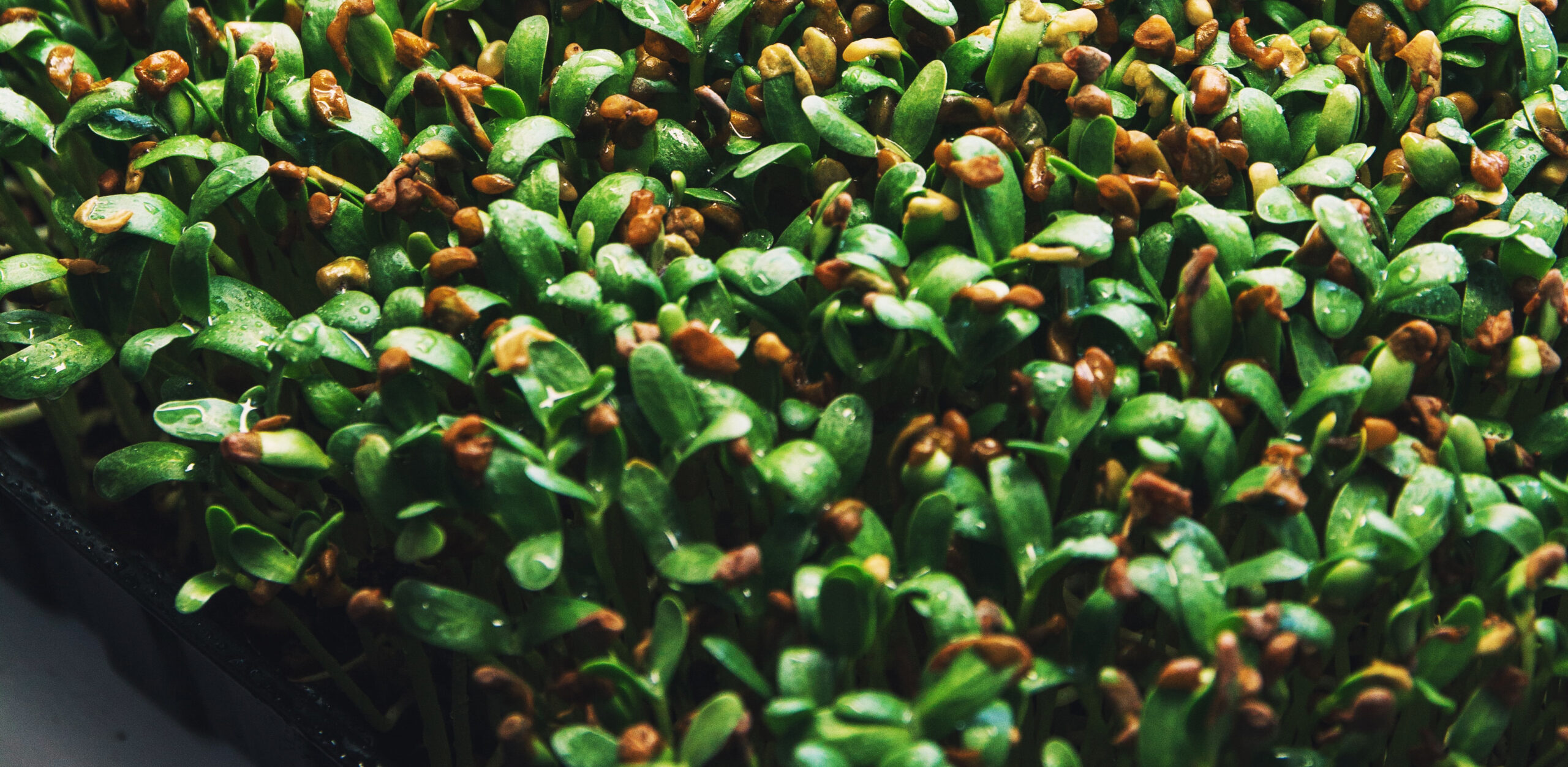
Fenugreek Seeds hold a unique place among herbs and spices, with a history and range of uses that few others can match. Known for their strong aroma and distinctive flavour, these seeds have been valued not only in cooking but also in traditional healing practices across many cultures. The small yellow-brown seeds of the fenugreek plant, botanically known as Trigonella foenum-graecum, offer both culinary appeal and a wide spectrum of health-supporting properties.

Fenugreek is an annual plant from the legume family. It typically grows two to three feet tall and produces green leaves along with small white flowers. While the fresh leaves are commonly used in cooking, especially in India, the seeds are the most widely recognised part of the plant. In their raw form, fenugreek seeds have a bitter taste, but when cooked or roasted, this bitterness softens into a warm, nutty flavour that enhances many dishes.

The history of fenugreek stretches back thousands of years, making it one of the earliest cultivated medicinal plants. Its use can be traced to ancient Egypt, where it was reportedly used in embalming practices. Fenugreek seeds have even been found in tombs, including that of Tutankhamun, highlighting their significance in early civilisations.

Over centuries, fenugreek became an important herb in traditional medical systems such as Ayurveda and traditional Chinese practices, where it was used for a wide range of concerns, from digestive discomfort to inflammatory conditions. In contrast, ancient Greek and Roman cultures valued fenugreek largely for its culinary qualities. The name “fenugreek” comes from the Latin term foenum graecum, meaning “Greek hay,” a reference to its use as animal fodder and its distinctive scent.

Today, fenugreek is cultivated in many parts of the world, though India remains the largest producer and exporter. It continues to be a staple ingredient in Indian, Persian, Ethiopian, and Egyptian cuisines. This article explores the many dimensions of fenugreek seeds, bringing together their historical roots, cultural significance, and enduring role in health and nutrition.


Table of Contents

Cultivation of Fenugreek Seeds

Chemical Composition of Fenugreek Seeds

General Health Benefits of Fenugreek Seeds

Blood Sugar Regulation

Cholesterol Management

Digestive Health

Breastfeeding Support

Anti-Inflammatory Properties

Appetite Control

Skin and Hair Benefits

Menstrual and Reproductive Health

Antioxidant Properties

Liver Health

Supplementation

Conclusion


Cultivation of Fenugreek Seeds

Fenugreek, scientifically known as Trigonella foenum-graecum, grows best in well-drained, loamy soil and prefers a neutral to slightly acidic pH. It is usually sown in late spring and does well with plenty of sunlight and moderate watering. As a drought-tolerant plant, fenugreek adapts well to temperate climates.

Although India is the world’s largest producer, fenugreek is also cultivated across the Mediterranean region, North Africa, and parts of Southeast Asia. The plant typically grows two to three feet tall, with trifoliate leaves and small white flowers. Around four to five months after sowing, the seeds mature and turn a golden-brown colour, indicating they are ready for harvest.

Fenugreek Seeds Benefits Asmidev


“Rich in soluble fiber, Fenugreek Seeds are instrumental in managing blood sugar levels.”

Fenugreek is a resilient plant that can grow under a variety of conditions, though it performs best in temperate climates. Certain environmental factors help ensure healthy growth and good seed yield.

Fenugreek seeds germinate most effectively at temperatures between 10°C and 25°C, while overall plant growth is optimal in the range of 20°C to 30°C. The plant can tolerate mild frost and cooler temperatures, but excessive heat during the flowering stage may reduce seed formation.

Although fenugreek is moderately drought-tolerant, an annual rainfall of about 600 to 750 mm is considered ideal. Rainfall that is evenly spread throughout the growing season supports healthy development, whereas waterlogging or prolonged wet conditions can harm the crop.

Adequate sunlight is essential for fenugreek. The plant can withstand long hours of sunshine, though in regions with very high temperatures, partial shade during the hottest part of the day may be beneficial. Fenugreek can also be cultivated at elevations of up to around 1,400 meters above sea level, showing good adaptability across different terrains.

Geography

Fenugreek, botanically known as Trigonella foenum-graecum, is cultivated across many parts of the world because of its importance in cooking, traditional medicine, and agriculture. Its ability to adapt to different climates has allowed it to spread well beyond its original growing regions.

In Asia, India is the largest producer of fenugreek. It is widely grown in states such as Rajasthan, Gujarat, Uttarakhand, Uttar Pradesh, and Punjab, where it forms an essential part of everyday cuisine. Fenugreek is also cultivated in Pakistan and parts of Nepal.

Across the Middle East and North Africa, fenugreek has a long history of use. Countries such as Egypt, Morocco, and Yemen continue to cultivate fenugreek for both culinary and traditional health purposes.

In Europe, fenugreek is grown mainly in Mediterranean regions. Countries like Greece, Italy, and France cultivate fenugreek on a smaller scale, often for local culinary traditions and niche markets.

Interest in fenugreek cultivation is also increasing in North America, particularly in the United States and Canada. Growing awareness of its potential health benefits has led to rising demand among health-conscious consumers, encouraging experimental and commercial cultivation in these regions.

(Source: Peiman Zandi et al., 2017, Nasroallah Moradi kor et al., 2013)

While these are the primary regions, fenugreek’s adaptability means it can be cultivated in various parts of the world, depending on interest and market demand.


Chemical Composition of Fenugreek Seeds

Fenugreek (Trigonella foenum-graecum) seeds possess a myriad of bioactive compounds, each with specific health implications. Here’s a detailed exploration of the seed’s chemical composition and associated health benefits:

  • Fiber (about 50%):
    • Soluble Fiber (mucilaginous material): Contributes to the characteristic consistency of fenugreek seed extracts. Soluble fiber aids in managing blood sugar levels by slowing the absorption of sugar, potentially benefitting individuals with type 2 diabetes.
    • Insoluble Fiber: Supports digestive health and aids in bowel movement.
  • Proteins (20-30%): Fenugreek seeds have a good amount of essential amino acids, such as 4-hydroxy isoleucine, which has demonstrated potential in increasing insulin secretion, further supporting its role in managing diabetes.
  • Saponins (5-6.2%): Saponins are phytochemicals that can inhibit cholesterol absorption in the intestines, potentially helping in cholesterol management. Additionally, they may have immune-boosting and antioxidant properties.
  • Fixed Oils and Fats (5-10%): These contain lipids and other compounds beneficial for health. The fats can also help in the absorption of fat-soluble vitamins.
  • Diosgenin (0.2-0.36%): This is a type of steroid sapogenin. Diosgenin has been studied for its potential anti-cancer and anti-inflammatory activities. It is also a precursor for the semi-synthesis of progesterone, a hormone.
  • Other Alkaloids (<1%): Such as trigonelline, gentianine, and carpaine. Alkaloids have various biological effects, including potential anti-diabetic and neuroprotective properties.
  • Vitamins and Minerals: Fenugreek seeds contain B vitamins, magnesium, and iron. These micronutrients play essential roles in energy production, nerve function, and oxygen transportation in the blood.
  • Flavonoids: These are antioxidants that can combat oxidative stress, which has implications in aging, inflammation, and various diseases.
  • Coumarins: These have potential anticoagulant properties, meaning they might prevent or reduce the formation of blood clots.

(Source: Visuvanathan T. et al., 2022)

It’s crucial to note that while fenugreek seeds have many potential health benefits, they should be consumed as part of a balanced diet. Moreover, the actual percentages can vary based on cultivation practices, seed variety, and environmental factors.


General Health Benefits of Fenugreek Seeds

Fenugreek seeds have long been valued in traditional medicine for their wide-ranging health-supporting properties. They are particularly rich in soluble fibre, which helps slow the absorption of sugars and supports better blood sugar control, making them useful for people managing type 2 diabetes. The saponins found in fenugreek seeds are known to support healthy cholesterol levels, contributing to overall heart health.

Fenugreek is also well known as a natural galactagogue and has traditionally been used to support milk production in breastfeeding mothers. Its anti-inflammatory properties may help ease discomfort in inflammatory conditions such as joint pain and arthritis. In addition, the antioxidant compounds in fenugreek seeds help protect cells from oxidative damage, which may lower the long-term risk of chronic diseases.

Traditionally, fenugreek seeds have been used to support digestion, helping with issues such as bloating, indigestion, and constipation. When used externally, they have also been associated with benefits for skin and hair health. Together, these properties highlight the broad health advantages linked to the regular and mindful use of fenugreek seeds.

Blood Sugar Regulation

Fenugreek seeds are widely recognised for their role in supporting healthy blood sugar levels. Their high soluble fibre content slows the digestion and absorption of carbohydrates in the gut, which helps prevent sharp spikes in blood sugar after meals. This results in a more gradual and balanced rise in glucose levels.

Fenugreek also contains a distinctive amino acid called 4-hydroxy isoleucine, which has been shown to support insulin secretion. By helping the body release insulin more effectively, this compound assists in better regulation of blood glucose. Together, these actions promote steadier blood sugar control, making fenugreek a useful dietary support for people with type 2 diabetes or those looking to maintain healthier glycaemic balance. When used consistently and appropriately, fenugreek can complement broader blood sugar management strategies (Nithya Neelakantan et al., 2014, Arpana Gaddam et al., 2015).

Cholesterol Management

Fenugreek seeds support healthy cholesterol levels through a combination of natural compounds and dietary fibre. One of their key components is saponins, which help reduce cholesterol absorption in the intestines. These saponins bind to cholesterol molecules, particularly low-density lipoprotein cholesterol, limiting their reabsorption and promoting their elimination from the body.

Fenugreek seeds are also rich in dietary fibre, which plays an important role in cholesterol regulation. The fibre binds to bile salts in the digestive tract. Since bile salts are made from cholesterol, their removal forces the body to use more circulating cholesterol to produce new bile, gradually lowering cholesterol levels in the bloodstream. Through these combined actions, regular and mindful consumption of fenugreek seeds may help support a healthier lipid profile (Kiyan Heshmat-Ghahdarijani et al., 2020).

Digestive Health

Fenugreek seeds contribute meaningfully to digestive health, largely due to their rich fibre content. The insoluble fibre present in the seeds adds bulk to stool and helps promote regular bowel movements, reducing the risk of constipation. This supports smoother digestion and more comfortable elimination.

Fenugreek also contains mucilage, a form of soluble fibre that forms a soothing, protective coating along the lining of the stomach and intestines. This layer may help reduce irritation and inflammation and support the integrity of the digestive lining, potentially lowering the risk of gastric discomfort. In addition, fenugreek has traditionally been valued for its mild antispasmodic effects, which may help ease digestive cramps and intestinal spasms.

Historically, fenugreek has been used to support relief from indigestion and acid reflux. Through these combined actions, fenugreek seeds help maintain a healthier digestive tract and reduce common gastrointestinal discomforts when used as part of a balanced diet (Bruce-Keller A. J. et al., 2020, Jones K. A. et al., 2022).

Breastfeeding Support

Fenugreek seeds have long been valued as a natural galactagogue, meaning they are traditionally used to support and increase breast milk production in nursing mothers. Although the exact mechanism is not fully understood, this effect is often attributed to the presence of phytoestrogens, plant-based compounds that mimic the activity of estrogen in the body. One such compound, diosgenin, found in fenugreek, is thought to help stimulate milk-producing cells and support lactation.

Many breastfeeding mothers report a noticeable increase in milk supply within a few days of using fenugreek. In addition to its lactation-supporting role, fenugreek provides a range of nutrients that can help meet the increased nutritional demands of breastfeeding. However, despite its traditional use, it is important for nursing mothers to consult a healthcare professional before using fenugreek to ensure it is appropriate and safe for both mother and infant (NIH, 2023, Tahir Mehmood Khan et al., 2018).

Anti-Inflammatory Properties

Fenugreek seeds are valued for their natural anti-inflammatory properties, which come from a range of bioactive compounds. They contain phytochemicals such as saponins and alkaloids that help reduce the body’s inflammatory response. When inflammation is triggered by injury, infection, or other stressors, these compounds may help limit the release of inflammatory cytokines and other mediators involved in the process.

By moderating these inflammatory pathways, fenugreek seeds may help ease discomfort associated with conditions such as joint inflammation, skin irritation, and respiratory inflammation. Their antioxidant properties further strengthen this effect by neutralising free radicals, which can contribute to inflammation and tissue damage. Together, these actions allow fenugreek seeds to support the body in managing inflammation and reducing related discomfort (Kilambi Pundarikakshudu et al., 2016).

Appetite Control

Fenugreek seeds may support appetite control and weight management, largely due to their high fibre content. When consumed, the soluble fibre in fenugreek absorbs water and forms a gel-like substance in the stomach. This slows digestion and promotes a feeling of fullness, which can help reduce overall food intake and limit overeating.

Fenugreek may also influence appetite-related hormones, such as ghrelin, which plays a role in signalling hunger. By helping regulate these signals, fenugreek can support more balanced appetite control. Together, the physical effects of fibre-induced satiety and the potential influence on hunger hormones make fenugreek a useful natural aid for individuals aiming to manage appetite and maintain a healthy weight (Robert S. D. et al., 2014).

Skin and Hair Benefits

Fenugreek seeds offer a range of benefits for both skin and hair, thanks to their rich nutrient and bioactive compound profile. For skin health, their anti-inflammatory properties help calm redness, swelling, and irritation, making them useful for conditions such as acne and sensitive skin. The antioxidants present in fenugreek help neutralise free radicals, which can contribute to premature ageing, including fine lines and wrinkles. When used as a paste, fenugreek can also gently exfoliate the skin, helping remove dead skin cells and leaving the skin looking fresher.

For hair care, fenugreek seeds are traditionally used to strengthen hair follicles, which may support healthier growth and reduce hair fall. Their natural protein content helps nourish the hair shaft, while compounds such as lecithin help moisturise the scalp and add softness and shine to the hair. Fenugreek paste has also been widely used as a natural remedy for dandruff, as its soothing and hydrating properties can help reduce dryness and scalp irritation (Waqas M. K. et al., 2010, Eaknai W. et al., 2022).

Menstrual and Reproductive Health

Fenugreek seeds have a long history of traditional use in supporting menstrual and reproductive health. They contain phytoestrogens, plant-based compounds that can gently mimic estrogen activity in the body. This may help support hormonal balance and ease common menstrual symptoms such as cramps, discomfort, and mood fluctuations associated with hormonal changes. Fenugreek has also been traditionally believed to support uterine tone, which may help promote a more regular menstrual flow. In some traditional practices, it has been used to support childbirth, although such uses should be approached with caution. As with all herbs that influence hormonal or uterine activity, fenugreek should be used mindfully, and individuals who are pregnant or managing reproductive health conditions should consult a healthcare professional before use (Sima Younesy et al., 2014).

Fenugreek has traditionally been associated with supporting reproductive vitality and is believed to help enhance libido in both men and women. In men, some research suggests that fenugreek may support healthy testosterone levels and contribute to improved sperm quality, which are important factors for overall reproductive health. (Anuj Maheshwari et al., 2017). Diosgenin, a naturally occurring compound found in fenugreek, has also been studied for its potential role in easing menopausal symptoms by supporting hormonal balance during this transitional phase.

Antioxidant Properties

Fenugreek seeds act as natural antioxidants because they contain a range of bioactive compounds, including flavonoids, polyphenols, and saponins. These compounds help neutralise free radicals, which are unstable molecules that can damage cells and contribute to ageing and chronic diseases. Free radicals are generated through normal metabolic activity as well as exposure to environmental pollutants and toxins.

By scavenging these free radicals, the antioxidant compounds in fenugreek help protect cells from oxidative damage. This protective effect supports overall cellular health and may lower the risk of conditions such as cardiovascular disease, cancer, and age-related degenerative changes. Through this mechanism, fenugreek contributes to long-term health and overall wellbeing (Priyanjali Dixit et al., 2005).

Liver Health

Fenugreek seeds are known to support liver health by helping protect this vital organ from everyday stress and toxin exposure. The liver regularly processes substances from food, medications, and the environment, making it particularly vulnerable to oxidative damage. Fenugreek seeds contain polyphenolic compounds that have hepatoprotective properties, helping shield liver cells from toxin-induced injury.

Research suggests that these compounds reduce oxidative stress in the liver by neutralising harmful free radicals. Fenugreek may also help lower liver inflammation, which is often an early contributor to more serious liver conditions. In addition, certain constituents of fenugreek are believed to support the activity of the liver’s natural detoxifying enzymes, enhancing its ability to cleanse and process toxins efficiently. Through these combined actions, fenugreek seeds help support healthy liver function and long-term liver wellbeing (NLM, 2018, S Kaviarasan et al., 2007, Yosra Belaïd-Nouira 2013).

Fenugreek should be viewed as a supportive addition to a healthy lifestyle rather than a primary form of treatment. Although it offers a wide range of potential benefits, excessive or improper use may lead to unwanted side effects. As with any supplement or significant dietary change, it is wise to consult a healthcare professional before adding fenugreek seeds to a regular health routine to ensure safe and appropriate use.


Supplementation

Fenugreek seeds have been used in traditional medicine for thousands of years and are valued for their wide range of health-supporting properties. They are commonly associated with better blood sugar regulation, support for healthy testosterone levels, and enhanced milk production in breastfeeding mothers.

Recommended Dosage

The dosage can vary based on the desired health effect:

  1. For blood sugar support, some studies have used doses ranging from 5 to 50 grams of powdered fenugreek seeds taken with meals over a period of four to eight weeks (Sharma RD et al., 1990).
  2. For supporting testosterone levels and libido, some studies have used a daily dose of 500 to 600 mg of a standardised fenugreek extract over a period of about six weeks (Wilborn C et al., 2010).
  3. For supporting milk production in breastfeeding mothers, some sources suggest a daily intake of around 500 to 1,000 mg of fenugreek, typically used for a short duration and under professional guidance (Turkyılmaz C et al., 2011).

Side Effects

Some people may experience digestive discomfort when using fenugreek, especially at higher doses. Common issues include diarrhoea, stomach upset, bloating, or gas, which usually subside when the dose is reduced or discontinued.

Fenugreek can also cause a distinctive maple-like smell in sweat and urine. This effect is harmless but can be noticeable for some individuals.

Allergic reactions are uncommon but possible, particularly in people with existing allergies to legumes. Symptoms may include skin hives, facial swelling, wheezing, or breathing difficulty, and medical attention should be sought if these occur.

Because fenugreek can lower blood sugar levels, there is a risk of hypoglycaemia in people taking diabetes medications. Individuals managing blood sugar with medication should use fenugreek cautiously and under medical supervision.

Safety Considerations

Fenugreek should be used with caution in certain situations. Pregnant women are generally advised to avoid large doses, as fenugreek may stimulate uterine contractions. People taking specific medications, especially blood thinners, anti-platelet drugs, diabetes medications, or medicines processed through the cytochrome P450 3A4 pathway, should use fenugreek only under medical supervision to avoid unwanted interactions. Due to limited safety data, fenugreek is also not recommended for children.

In conclusion, fenugreek offers a wide range of potential health benefits, but it should be used thoughtfully and responsibly. Individual health conditions, current medications, and life stages should always be taken into account. Consulting a healthcare professional before starting fenugreek supplementation helps ensure safe and appropriate use.


Conclusion

Fenugreek seeds have long been valued in both traditional medicine and everyday cooking for their wide range of health-supporting properties, many of which are now supported by modern research. They play a useful role in blood sugar regulation and cholesterol management, while their high fibre content supports digestion and promotes a feeling of fullness that may aid weight control. Fenugreek seeds also provide antioxidant protection against cellular damage and contain compounds that support skin and hair health. In addition, they have traditionally been used to ease menstrual discomfort and support milk production during breastfeeding.

At the same time, safety and moderation are important. Fenugreek should be used within recommended amounts, as excessive intake may cause side effects. Possible interactions with medications and individual sensitivities should also be considered. Consulting a healthcare professional before regular use helps ensure safe and appropriate supplementation. When used thoughtfully, fenugreek seeds offer a natural and versatile way to support overall health and wellbeing.


Disclaimer: This content is for general information only and does not replace professional medical advice. Asmidev is not responsible for any diagnosis made based on this content, nor does it endorse or take responsibility for external websites or products mentioned. Always consult a qualified healthcare professional for health-related concerns. This article was created through a human–AI collaboration. The ideas and direction come from the author’s research, with AI used only to assist in organizing information and refining expression, while cross-checking against established scientific literature.


Posted by Asmidev Herbals in Fenugreek Seeds, Herbs, Men's Health, Women's Health
Ashwagandha: The Ancient Root for Stress, Energy, and Balance

Ashwagandha: The Ancient Root for Stress, Energy, and Balance

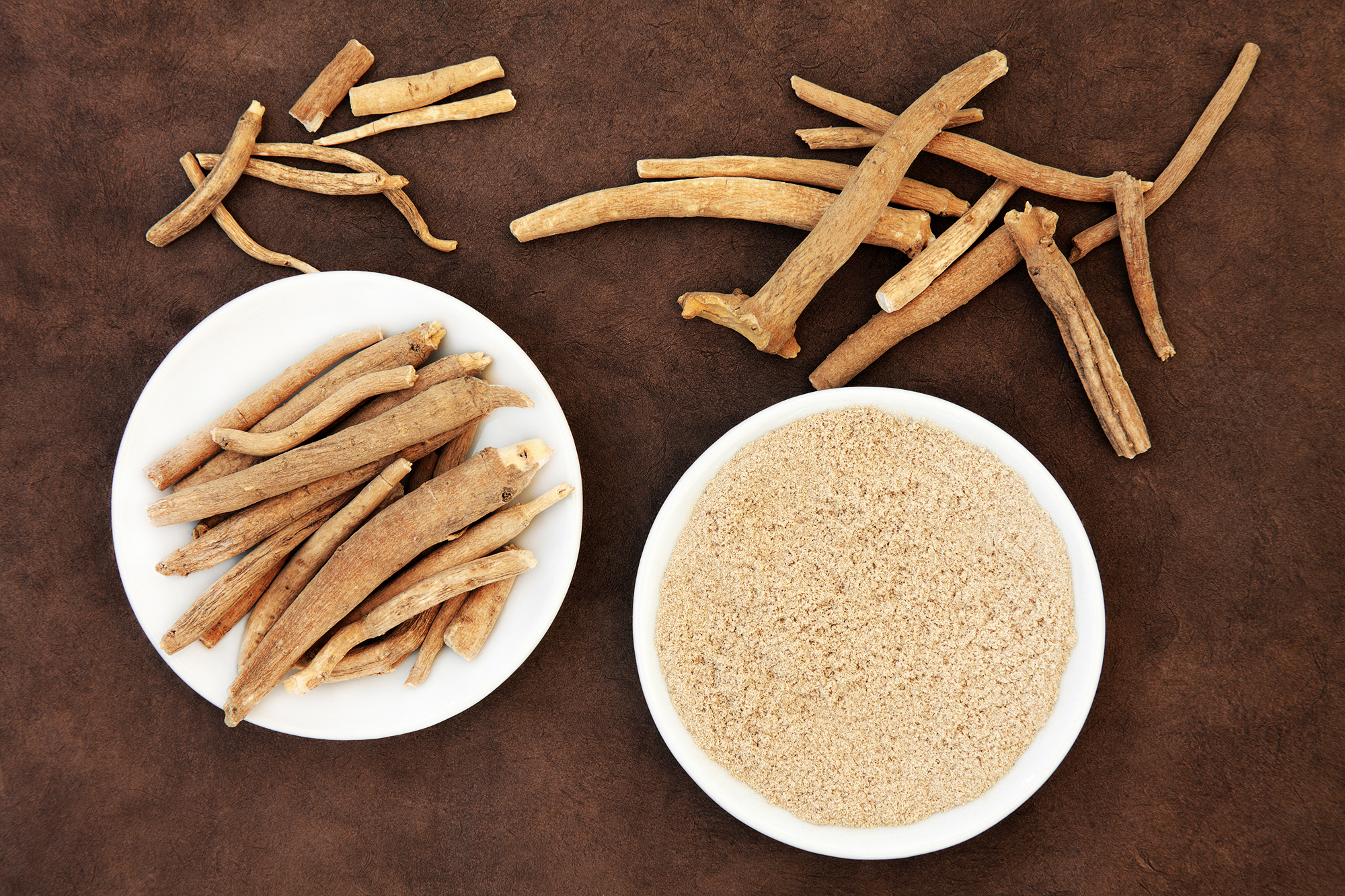
Ashwagandha, botanically known as Withania Somnifera, is a well-known herb in Ayurveda, India’s traditional system of medicine. Often called “Indian ginseng” for its rejuvenating effects, it has been used for more than 3,000 years to help the body manage stress, improve energy, and support mental focus. The name ashwagandha translates to “the smell of a horse,” reflecting the belief that the herb promotes strength, vitality, and endurance. Classified as an adaptogen, ashwagandha belongs to the nightshade family and is identified by its small greenish-yellow flowers, red berries, and a distinct, earthy aroma.

Background

The use of ashwagandha dates back to the era of the Rigveda, one of the oldest known texts in human history. It became a foundational herb in Ayurvedic medicine, which views health as a balance of body, mind, and environment. Traditionally, the root has been the primary part used, as it is believed to hold the highest concentration of the herb’s medicinal properties. Over time, ashwagandha’s reputation extended beyond India, finding a place in various traditional healing systems across Africa and the Middle East.

Ancient texts and practices describe ashwagandha as a versatile remedy. It was commonly recommended to support vitality and virility, improve sleep, ease joint discomfort, and address certain skin conditions. Beyond physical health, ashwagandha also played a role in ritual and spiritual practices, where it was believed to support mental calm, focus, and deeper meditative experiences.

Ashwagandha Indian Ginseng Withania Somnifera


Ashwagandha – Indian Ginseng – Withania Somnifera

This article takes an in-depth look at the wide-ranging benefits of ashwagandha. It explores how this adaptogenic herb helps the body cope with stress, its potential role in supporting cognitive function, and what both traditional knowledge and modern scientific research reveal about its effects. The discussion also includes how ashwagandha is used today in health supplements, along with its safety considerations and possible side effects. By bringing together historical perspectives and current scientific evidence, the article offers a clear and balanced understanding of how ashwagandha can be incorporated into modern wellness routines to support overall health and vitality.


Table of Contents

Cultivation of Ashwagandha

Chemical Composition of Ashwagandha

General Health Benefits of Ashwagandha

Stress Management

Support in Depression

Anxiety Management

Improves Cognitive Functions

Anti-Inflammatory Effects

Antioxidant Benefits

Immunity Enhancement

Boosts Energy, Endurance and Physical Performance

Cardiovascular Health Support

Improves Quality of Sleep

Regulates Blood Sugar Levels

Cholesterol Management

Reproductive Health Benefits of Ashwagandha

Improves Sperm Quality

Boosts Testosterone Levels

Promotes Hormonal Balance

Regulates Menstrual Cycle

PCOS Management

Support During Menopause

Male Fertility Enhancement

Female Fertility Support

Supplementation of Ashwagandha

Conclusion


Cultivation of Ashwagandha

Ashwagandha grows best in arid and semi-arid regions, which is why it is widely cultivated in parts of India, the Middle East, and Africa. The plant prefers well-drained, sandy soil and limited water. Interestingly, these slightly harsh growing conditions tend to stress the plant in a way that encourages a higher concentration of its active compounds.

Cultivation usually begins by sowing seeds in late spring or early summer, when temperatures are close to 20°C. Once established, ashwagandha requires minimal care and is relatively resilient. The plant is typically harvested after about 150 to 180 days, with the roots being the primary focus, as they contain the highest concentration of medicinally valued compounds.

Climatic Conditions

Ashwagandha is a hardy plant that can adapt to different environments, but specific conditions help it grow well and develop a higher concentration of active compounds.

The plant prefers warm climates, with an ideal temperature range of about 20°C to 35°C. While it can tolerate mild frost, consistent warmth supports better growth. Ashwagandha grows best with low to moderate rainfall, usually between 500 and 750 mm per year. Too much moisture can damage the roots, which is why good drainage is essential.

Sandy loam soil with proper drainage suits the plant well. A slightly alkaline soil, with a pH between 7.5 and 8.0, supports healthy root development. Full sunlight is another key requirement. Although the plant can survive in partial shade, it performs best when it receives around six to eight hours of direct sunlight each day.

Ashwagandha can be cultivated at elevations of up to 1,500 meters above sea level, showing good adaptability to different altitudes. Low to moderate humidity levels are ideal, as high humidity can encourage fungal infections that harm the plant.

Together, these conditions support healthy growth and help ensure that the roots, which contain most of ashwagandha’s medicinal compounds, develop their full potency.

Geography

Ashwagandha is cultivated in several parts of the world where the climate and soil conditions support its growth and medicinal quality. These regions typically share warm temperatures, low to moderate rainfall, and well-drained soils.

India is the largest producer of ashwagandha. The herb is widely grown in drier regions such as Rajasthan, Punjab, Gujarat, Maharashtra, and Madhya Pradesh, where the climate and soil conditions are well suited for its cultivation.

In Nepal, ashwagandha is grown in regions with lower humidity and good sunlight exposure, taking advantage of the country’s varied altitudes and climatic zones.

Across the Middle East, Yemen provides favourable conditions in its arid and semi-arid regions, where low rainfall and high temperatures support healthy plant growth.

In Sri Lanka, ashwagandha is cultivated mainly in drier zones, where it is grown for both domestic use and export markets.

Parts of Africa, particularly regions within Kenya and South Africa, also support ashwagandha cultivation. These areas typically offer dry conditions and sandy soils that favour root development.

Together, these regions make use of their natural climatic advantages to support the growth of ashwagandha and enhance the concentration of its medicinally valuable compounds.

(Reference: Source 1, Source 2, Source 3, Source 4, Source 5, Source 6)


Chemical Composition of Ashwagandha

Ashwagandha is known for its rich chemical composition, which contributes to its numerous health benefits. Here is a detailed pointwise analysis of its key constituents, their typical content ratios or percentages, and associated health benefits:

  • Withanolides (0.5% – 1.5%): These are steroidal lactones, including withaferin A and withanolide D. They are primarily responsible for the plant’s anti-inflammatory and antitumor properties. Withanolides also contribute to stress reduction by mimicking the activity of the body’s natural stress-relieving hormones.
  • Alkaloids (0.01% – 0.5%): Including tropine, cuscohygrine, and anahygrine. These compounds have a sedative effect and are known to enhance cognitive functions and aid in combating stress and anxiety.
  • Saponins (3% – 5%): These compounds, including sitoindosides and withanosides, help in boosting the immune system. They also play a role in anti-inflammatory activities and can help in lowering cholesterol levels.
  • Iron (0.1% – 0.2%): Ashwagandha contains a significant amount of iron, which aids in combating anemia and improving red blood cell count. It also supports overall energy levels and metabolic function.
  • Amino Acids (Essential and Non-Essential): Includes glycine, valine, tyrosine, and tryptophan, among others. These amino acids support muscle growth, neurotransmitter production (important for mood regulation), and overall body repair.
  • Flavonoids: These antioxidants help reduce oxidative stress, contributing to cardiovascular health and potentially reducing the risk of chronic diseases. They also support cognitive functions and help in maintaining healthy skin.
  • Fatty Acids (including Omega-3 and Omega-6): These contribute to overall cardiovascular health by reducing inflammation and supporting brain health.
  • Vitamins and Minerals: Ashwagandha contains various vitamins like vitamin C, vitamin A, and minerals like calcium, which contribute to bone health, immune function, and overall well-being.

By harnessing these compounds, ashwagandha offers a holistic approach to health, improving mental clarity, reducing inflammation, and supporting cardiovascular and immune system health. The balanced chemical profile of ashwagandha makes it a versatile herb in both traditional and modern medicinal practices.

(Reference: Source 1, Source 2, Source 3, Source 4, Source 5, Source 6, Source 7, Source 8)


General Health Benefits of Ashwagandha

Ashwagandha has long been valued in Ayurvedic medicine for its wide-ranging health benefits and continues to be a popular choice in modern wellness routines. As an adaptogenic herb, it helps the body cope with stress and supports emotional balance by promoting a steadier mood. Ashwagandha is also associated with improved cognitive function, including better focus and mental clarity.

Beyond mental wellbeing, ashwagandha supports physical performance by helping enhance energy levels, stamina, and muscle strength. It may also contribute to heart health by supporting healthy cholesterol and blood sugar levels. In addition, ashwagandha plays a meaningful role in reproductive health, where it has been linked to improved fertility and hormonal balance in both men and women. Together, these benefits highlight ashwagandha’s versatility as a holistic supplement for overall health and vitality.

Stress Management

Ashwagandha is widely valued for its role in managing stress, largely because of its adaptogenic nature. Adaptogens help the body adjust to physical and mental stress while restoring internal balance. Ashwagandha supports this process by regulating the body’s stress-response system, particularly the hypothalamic–pituitary–adrenal (HPA) axis, which controls the release of stress hormones such as cortisol. By helping to moderate the activity of this system, ashwagandha may lower cortisol levels and reduce the intensity of stress-related symptoms.

Research suggests that ashwagandha also affects important brain neurotransmitters involved in mood regulation, including GABA and serotonin. It appears to support the calming action of GABA, which promotes relaxation, and may help improve serotonin activity, contributing to better mood and reduced anxiety. In addition, compounds known as withanolides provide antioxidant and anti-inflammatory support, helping protect cells from damage linked to prolonged stress.

Through these combined effects, ashwagandha may ease common stress-related issues such as fatigue, poor sleep, and mental overload. At the same time, it supports clearer thinking and improved mental focus, making it a well-rounded option for stress management in daily life.

(Reference: Source 1, Source 2, Source 3, Source 4, Source 5, Source 6, Source 7, Source 8)

Support in Depression

Ashwagandha is gaining attention for its potential role in supporting people dealing with depression. Its effects appear to work through multiple pathways that together influence mood and emotional balance. One of its key actions involves supporting neurotransmitters such as serotonin and dopamine, which are closely linked to mood regulation. By helping balance these brain chemicals, ashwagandha may contribute to improved mood and a reduction in depressive symptoms.

Ashwagandha’s adaptogenic nature also plays an important role. Depression is often associated with a disrupted stress-response system, particularly the hypothalamic–pituitary–adrenal (HPA) axis. Ashwagandha may help regulate this system by supporting healthier cortisol levels, thereby reducing the impact of chronic stress, which is a common contributor to depressive episodes.

In addition, the withanolides found in ashwagandha have anti-inflammatory and antioxidant properties. Ongoing research suggests that chronic inflammation and oxidative stress are linked to depression. By helping reduce inflammation and protect brain cells from oxidative damage, ashwagandha may support overall brain health and cognitive function.

Together, these effects suggest that ashwagandha offers a holistic approach to managing depression, addressing both the mental and physiological aspects of emotional wellbeing.

(Reference: Source 1, Source 2, Source 3, Source 4, Source 5, Source 6, Source 7)

Anxiety Management

Ashwagandha has shown encouraging potential in helping manage anxiety through several complementary mechanisms. As an adaptogen, it supports the body’s ability to cope with stress, which can reduce both the physical and psychological symptoms of anxiety. One of its key actions involves regulating the hypothalamic–pituitary–adrenal (HPA) axis, an important part of the stress-response system. By helping to lower cortisol levels, ashwagandha may ease the heightened stress response commonly seen in anxiety.

Ashwagandha also influences neurotransmitters involved in mood and relaxation, particularly gamma-aminobutyric acid (GABA). GABA helps calm excessive nerve activity in the brain. By supporting GABA activity, ashwagandha may promote relaxation and reduce feelings of nervousness and restlessness.

In addition, the withanolides present in ashwagandha provide antioxidant and anti-inflammatory support. Since chronic inflammation and oxidative stress are often linked to anxiety disorders, reducing these factors may help protect the nervous system and improve emotional resilience. Together, these effects make ashwagandha a well-rounded natural option for supporting anxiety management.

(Reference: Source 1, Source 2, Source 3, Source 4, Source 5, Source 6, Source 7, Source 8)

Improves Cognitive Functions

Ashwagandha supports cognitive function through multiple pathways, which is why it is often valued for brain health. One of its key actions involves reducing oxidative stress and inflammation in the brain. The active compounds in ashwagandha, known as withanolides, have strong antioxidant properties that help protect nerve cells from damage caused by free radicals. This protection supports the structural integrity of neurons and overall brain performance.

Ashwagandha also influences neurotransmitters that are essential for learning and memory. Research suggests it supports the activity of acetylcholine, a neurotransmitter closely linked to memory formation and information processing. By helping maintain healthy acetylcholine levels, ashwagandha may improve memory retention and mental processing speed.

In addition, ashwagandha helps regulate the body’s stress response by modulating the hypothalamic–pituitary–adrenal (HPA) axis and reducing cortisol levels. Elevated cortisol is known to interfere with concentration and memory. By supporting balanced cortisol levels, ashwagandha may enhance focus and mental clarity.

Some studies further suggest that ashwagandha may support neurogenesis, the formation of new brain cells, particularly in areas such as the hippocampus, which plays a central role in learning and memory. This potential to support brain cell growth adds to ashwagandha’s value as a cognitive-supportive herb, especially with advancing age.

(Reference: Source 1, Source 2, Source 3, Source 4, Source 5, Source 6, Source 7, Source 8, Source 9)

Anti-Inflammatory Effects

Ashwagandha’s anti-inflammatory effects are mainly linked to its bioactive compounds, especially withanolides. These compounds help regulate the immune response by reducing the production of pro-inflammatory cytokines, which are signalling molecules that drive inflammation. By lowering the activity of these cytokines, ashwagandha can help ease inflammation and related discomfort.

Research also suggests that withanolides can suppress the activity of nuclear factor-kappa B (NF-κB), a key regulator of immune and inflammatory responses. When NF-κB activity is reduced, the expression of genes involved in inflammation is limited, leading to a decrease in overall inflammatory activity.

In addition, ashwagandha supports the body’s antioxidant defences by enhancing the activity of enzymes such as superoxide dismutase and catalase. These antioxidants help neutralise free radicals, which can otherwise cause oxidative stress and trigger inflammatory processes. By reducing oxidative stress, ashwagandha indirectly helps control inflammation.

Through these combined mechanisms, ashwagandha acts as a broad-spectrum anti-inflammatory agent. This may explain its traditional and modern use in supporting conditions associated with chronic inflammation, such as joint discomfort, respiratory issues, and immune-related imbalances, while also protecting cells from ongoing damage.

(Reference: Source 1, Source 2, Source 3, Source 4, Source 5, Source 6, Source 7)

Antioxidant Benefits

Ashwagandha’s antioxidant activity is central to many of its health-supporting effects and is largely attributed to compounds called withanolides. These naturally occurring substances help strengthen the body’s own antioxidant defence system by supporting enzymes such as superoxide dismutase, catalase, and glutathione peroxidase. By enhancing the activity of these enzymes, ashwagandha helps neutralise free radicals and reactive oxygen species that contribute to oxidative stress and cellular damage.

Ashwagandha has also been shown to support healthy levels of glutathione, often referred to as the body’s primary antioxidant. Glutathione plays a key role in detoxification and in protecting cells from oxidative injury, which is especially important for sensitive tissues such as nerve cells.

In addition, withanolides may help limit oxidative damage by influencing cellular signalling pathways, including those linked to nuclear factor-kappa B. By modulating these pathways, ashwagandha may reduce the oxidative processes that often go hand in hand with inflammation.

Through its ability to reduce oxidative stress, ashwagandha supports overall cellular health and resilience. This protective effect may contribute to a lower risk of chronic conditions such as cardiovascular disease, metabolic disorders, and age-related neurological decline, while also promoting long-term vitality.

(Reference: Source 1, Source 2, Source 3, Source 4, Source 5, Source 6, Source 7, Source 8, Source 9)

Immunity Enhancement

Ashwagandha supports immune health through several interconnected mechanisms, which is why it is often described as an immunomodulatory herb. One of its key actions is enhancing the production and activity of white blood cells, particularly natural killer cells. These cells are part of the body’s first line of defence and play an important role in identifying and eliminating infected or abnormal cells. By supporting natural killer cell function, ashwagandha helps strengthen the innate immune response.

Ashwagandha also influences immune signalling by supporting the production of cytokines, which help regulate immune activity and inflammation. Research suggests it may promote Th1-type cytokines, which are important for defending the body against infections and activating immune cells such as macrophages.

The withanolides present in ashwagandha further contribute by reducing excessive inflammation. Chronic inflammation can weaken immune efficiency and increase the risk of immune-related disorders. By helping keep inflammation in check, ashwagandha supports a more balanced immune response.

In addition, ashwagandha’s adaptogenic properties help regulate the stress response by modulating the hypothalamic–pituitary–adrenal axis and lowering cortisol levels. Since prolonged high cortisol can suppress immune function, this stress-balancing effect allows the immune system to function more effectively and consistently.

(Reference: Source 1, Source 2, Source 3, Source 4, Source 5, Source 6, Source 7, Source 8, Source 9, Source 10)

Boosts Energy, Endurance and Physical Performance

Ashwagandha is widely recognised for its ability to support energy, stamina, endurance, and overall physical performance. As an adaptogenic herb, it works through several pathways that help the body function more efficiently under physical and mental stress.

One of its primary effects is on the body’s stress response. Ashwagandha helps regulate the hypothalamic–pituitary–adrenal (HPA) axis, which in turn supports healthier cortisol levels. Persistently high cortisol is often linked to fatigue and low energy. By helping keep cortisol in balance, ashwagandha may reduce stress-related exhaustion and support more stable energy throughout the day.

Ashwagandha also appears to support energy production at the cellular level. Research suggests it can enhance mitochondrial function, which is essential for producing ATP, the main energy source for cells. Improved ATP availability can translate into better endurance, increased vitality, and improved physical performance.

In addition, ashwagandha has been shown to support muscle strength and recovery. Some studies indicate that supplementation may help increase muscle mass and strength while reducing markers of exercise-induced muscle damage. This combination can lead to faster recovery, better adaptation to physical training, and improved overall stamina and performance.

Ashwagandha may also support cardiovascular endurance by helping improve heart efficiency and the body’s ability to use oxygen during physical activity. Research suggests it can enhance oxygen uptake capacity, often measured as VO₂ max, which is a key marker of aerobic fitness and endurance. This effect may allow physically active individuals to sustain demanding exercise for longer periods with less fatigue.

Its antioxidant and anti-inflammatory properties further contribute to improved performance. By helping reduce inflammation and oxidative stress, ashwagandha may protect muscles and tissues from exercise-related damage. This protection supports better performance during activity and promotes faster recovery afterward.

Overall, ashwagandha supports physical performance through a combination of stress regulation, improved cellular energy production, enhanced muscle strength and recovery, better cardiovascular endurance, and protection against inflammation and oxidative stress. These combined benefits make it a useful addition to wellness routines focused on strength, stamina, and long-term vitality.

(Reference: Source 1, Source 2, Source 3, Source 4, Source 5, Source 6, Source 7)

Cardiovascular Health Support

Ashwagandha supports heart health through several interconnected mechanisms identified in scientific research. One of its primary benefits comes from its ability to reduce stress and anxiety, both of which are recognised risk factors for cardiovascular disease. By helping regulate the hypothalamic–pituitary–adrenal (HPA) axis and supporting healthier cortisol levels, ashwagandha may ease stress-related strain on the heart, including elevated heart rate and blood pressure.

Ashwagandha also appears to influence lipid metabolism in a positive way. Studies suggest it may help lower LDL cholesterol and triglyceride levels, which are closely linked to the development of atherosclerosis and other heart conditions. At the same time, it may support higher levels of HDL cholesterol, contributing to a more balanced and heart-friendly lipid profile.

In addition, ashwagandha’s anti-inflammatory properties play an important role in cardiovascular protection. Chronic inflammation is a key driver of heart disease progression. By helping reduce inflammatory markers such as C-reactive protein, ashwagandha may protect blood vessels and cardiac tissue from ongoing damage.

Its antioxidant effects further support heart health by protecting cardiac cells from oxidative stress, which can impair heart function over time. Together, these actions position ashwagandha as a supportive herb for maintaining cardiovascular health and long-term heart function.

(Reference: Source 1, Source 2, Source 3, Source 4, Source 5, Source 6)

Improves Quality of Sleep

Ashwagandha supports healthy sleep through several physiological pathways, which is why it is often used as a natural option for insomnia and sleep disturbances. One of its key actions involves calming the central nervous system. Ashwagandha supports the activity of gamma-aminobutyric acid, a neurotransmitter that helps reduce excessive brain activity, allowing the mind to relax and making it easier to transition into sleep.

Its adaptogenic properties also play an important role in sleep regulation. By helping balance the hypothalamic–pituitary–adrenal axis and supporting lower cortisol levels, ashwagandha reduces the effects of stress that often interfere with falling and staying asleep. Reduced stress responses are closely linked to improved sleep quality and duration.

Ashwagandha’s antioxidant and anti-inflammatory effects may further support better sleep. Chronic inflammation and oxidative stress are known to disrupt normal sleep patterns. By helping reduce these underlying factors, ashwagandha contributes to more stable and restorative sleep.

Studies suggest that regular use of ashwagandha may improve key sleep parameters such as total sleep time, sleep efficiency, and the time it takes to fall asleep, helping individuals experience deeper and more refreshing rest.

(Reference: Source 1, Source 2, Source 3, Source 4, Source 5, Source 6, Source 7, Source 8)

Regulates Blood Sugar Levels

Ashwagandha has shown potential in supporting healthy blood sugar levels through multiple complementary mechanisms. One of its key actions involves improving glucose metabolism and insulin sensitivity. Research suggests that ashwagandha may support insulin release from pancreatic beta cells while also helping muscle cells use glucose more efficiently, which together can contribute to lower blood sugar levels.

Ashwagandha’s bioactive compounds, particularly withanolides, may also help slow the breakdown of starch into glucose. This can reduce sharp rises in blood sugar after meals, supporting better post-meal glucose control.

In addition, ashwagandha helps address underlying factors that affect blood sugar regulation. Oxidative stress and chronic inflammation can interfere with insulin function and glucose metabolism. By reducing these stressors, ashwagandha may support healthier insulin activity and more stable blood sugar control.

Some studies suggest that regular supplementation with ashwagandha may improve fasting blood glucose levels and glycated haemoglobin values, which are important indicators of long-term blood sugar management and metabolic health.

(Reference: Source 1, Source 2, Source 3, Source 4, Source 5, Source 6)

Cholesterol Management

Ashwagandha may support healthy cholesterol levels and cardiovascular health through several related mechanisms. One of its key roles involves influencing lipid metabolism, which is essential for maintaining balanced cholesterol levels in the body.

Ashwagandha appears to support liver function, and the liver plays a central role in cholesterol production and breakdown. Research suggests that ashwagandha may help the liver process and remove low-density lipoprotein cholesterol, often referred to as bad cholesterol. By supporting the conversion of cholesterol into bile acids, it may help reduce excess cholesterol circulating in the bloodstream.

Its antioxidant properties further strengthen this effect. Oxidative stress can cause LDL particles to become oxidised, a process that contributes to plaque buildup in the arteries. The withanolides present in ashwagandha help protect LDL from oxidative damage, which may lower the risk of arterial plaque formation and support overall heart health.

Ashwagandha may also support a healthier lipid profile by helping raise levels of high-density lipoprotein cholesterol, often referred to as good cholesterol. HDL plays an important protective role by carrying excess cholesterol away from the arteries to the liver, where it can be processed and removed. Some studies suggest that ashwagandha supplementation may increase HDL levels, improving the overall cholesterol balance and supporting heart health.

Its anti-inflammatory properties further contribute to lipid regulation. Since chronic inflammation is closely linked to the development of cardiovascular disease, reducing inflammation may help stabilise cholesterol levels and lower the risk of related complications.

Ashwagandha also influences cholesterol levels indirectly by helping regulate the body’s stress response. Prolonged stress can disrupt hormonal balance and promote increased cholesterol production. By supporting healthier cortisol levels and stress regulation, ashwagandha may help maintain more balanced cholesterol metabolism.

Together, these effects, including support for HDL levels, inflammation control, antioxidant protection, and stress regulation, highlight ashwagandha’s potential role in maintaining cardiovascular health and reducing long-term heart disease risk.

(Reference: Source 1, Source 2, Source 3, Source 4, Source 5, Source 6)

In conclusion, ashwagandha emerges as a versatile herb with a broad range of health-supporting benefits. Its adaptogenic nature helps manage stress and promote emotional balance, while its effects on cognition and physical performance add to its overall value. Ashwagandha also supports cardiovascular and metabolic health by helping regulate cholesterol and blood sugar levels. In addition, its role in reproductive health, including support for fertility and hormonal balance, highlights its importance in holistic wellness. When used thoughtfully, ashwagandha can contribute to improved overall wellbeing and serve as a meaningful addition to a balanced health routine.


Reproductive Health Benefits of Ashwagandha

Ashwagandha is widely valued for its supportive role in reproductive health. In men, it has been associated with improvements in sperm quality and support for healthy testosterone levels. In women, ashwagandha may help regulate menstrual cycles and support hormonal balance, which can be particularly helpful during conditions such as polycystic ovary syndrome and menopause.

By helping the body manage stress and supporting hormonal stability, ashwagandha creates conditions that are more favourable for healthy reproductive function. Its antioxidant and anti-inflammatory properties also help protect reproductive tissues from oxidative and inflammatory damage. Together, these effects make ashwagandha a useful natural option for supporting fertility and overall reproductive wellbeing in both men and women.

Improves Sperm Quality

Ashwagandha has shown potential benefits for male fertility by supporting several aspects of sperm health, including concentration, motility, structure, and overall vitality. These effects are thought to result from a combination of antioxidant, hormonal, and stress-modulating actions.

One important mechanism involves reducing oxidative stress in the reproductive system. Excess oxidative stress can damage sperm DNA, impair movement, and reduce sperm function. The antioxidant compounds in ashwagandha, particularly withanolides, help neutralise free radicals and limit oxidative damage in sperm cells. This protective effect supports sperm viability and helps maintain genetic integrity.

Ashwagandha also supports hormonal balance, which is essential for healthy sperm production. Research suggests it may promote the release of luteinising hormone and support healthy testosterone levels. Testosterone plays a central role in spermatogenesis, the process by which sperm are produced and mature. By supporting this hormonal pathway, ashwagandha may contribute to improved sperm development.

In addition, stress has a well-known negative impact on male fertility by disrupting the hypothalamic–pituitary–gonadal axis. As an adaptogen, ashwagandha helps regulate the stress response and lower cortisol levels. This stabilising effect on hormonal signalling further supports healthy sperm production and overall reproductive function.

Ashwagandha’s anti-inflammatory properties add to its supportive effects on sperm health. Inflammation within the reproductive tract can disrupt normal sperm development and impair function. By helping reduce inflammatory activity, ashwagandha may create a more balanced internal environment that supports healthy sperm formation and performance.

Research suggests that consistent use of ashwagandha may lead to measurable improvements in key sperm parameters. These include higher sperm count, better motility, and improved morphology. Some studies also report increases in semen volume and improvements in sexual desire, which together further support overall male reproductive health.

Overall, ashwagandha appears to support sperm quality through multiple pathways. By protecting sperm from oxidative damage, supporting healthy testosterone levels, regulating the stress response, and reducing inflammation, it offers a comprehensive, natural approach to enhancing male fertility and reproductive wellbeing.

(Reference: Source 1, Source 2, Source 3, Source 4, Source 5, Source 6, Source 7, Source 8, Source 9)

Boosts Testosterone Levels

Ashwagandha is known to support healthy testosterone levels through several interconnected mechanisms. One of its primary actions involves the hypothalamic–pituitary–gonadal axis, which regulates hormone production in the body. By supporting signalling within this system, ashwagandha may increase the release of luteinising hormone, which stimulates the testes to produce testosterone.

Its adaptogenic properties also play an important role. Chronic stress and elevated cortisol levels are known to suppress testosterone production by interfering with hormonal signalling. By helping reduce stress and support balanced cortisol levels, ashwagandha indirectly encourages the body’s natural testosterone production.

Ashwagandha’s antioxidant activity further contributes to this effect. Oxidative stress can impair testicular function and disrupt hormone synthesis. The antioxidant compounds in ashwagandha help protect testicular cells from oxidative damage, supporting optimal hormonal activity.

Studies suggest that regular ashwagandha supplementation may lead to increased testosterone levels, along with improvements in sperm quality and fertility. These combined effects make ashwagandha a supportive herb for male reproductive health and overall vitality.

(Reference: Source 1, Source 2, Source 3, Source 4, Source 5, Source 6, Source 7, Source 8)

Promotes Hormonal Balance

Ashwagandha supports hormonal balance through several important pathways. One of its primary actions involves the hypothalamic–pituitary–adrenal axis, which plays a central role in the body’s stress response and hormonal regulation. By helping stabilise cortisol levels, ashwagandha reduces the disruptive effects of chronic stress on the endocrine system and supports more consistent hormonal activity.

Ashwagandha also influences the hypothalamic–pituitary–gonadal axis, which regulates reproductive hormones. Research suggests it may support the release of luteinising hormone and follicle-stimulating hormone, both of which are essential for maintaining healthy testosterone levels in men and balanced estrogen and progesterone levels in women. This support can help address hormonal imbalances that affect reproductive health and overall wellbeing.

Its adaptogenic and antioxidant properties further strengthen this effect. By helping the body adapt to stress and reducing oxidative stress, ashwagandha supports smoother hormone production and regulation. Studies indicate that regular supplementation may lead to improved hormonal balance, contributing to better mood stability, sexual health, and metabolic function, and reinforcing ashwagandha’s role in overall hormonal equilibrium.

(Reference: Source 1, Source 2, Source 3, Source 4, Source 5, Source 6, Source 7, Source 8, Source 9, Source 10, Source 11)

Regulates Menstrual Cycle

Ashwagandha may help support regular menstrual cycles by promoting hormonal balance and reducing the impact of stress on the body. Its adaptogenic properties allow it to influence the hypothalamic–pituitary–ovarian axis, which plays a key role in controlling the timing and regularity of the menstrual cycle. By supporting this hormonal pathway, ashwagandha helps maintain normal signalling involved in ovulation and cycle regulation.

Stress is a common cause of menstrual irregularities, as elevated cortisol levels can disrupt hormonal balance and lead to delayed or missed periods. Ashwagandha’s ability to support lower cortisol levels may help create a more stable hormonal environment, encouraging more consistent menstrual patterns.

In addition, ashwagandha’s anti-inflammatory and antioxidant effects may help ease common menstrual discomforts such as cramps, bloating, and general discomfort. Some research suggests that women using ashwagandha experience improved cycle regularity along with reduced menstrual symptoms, making it a supportive natural option for maintaining menstrual and reproductive health.

(Reference: Source 1, Source 2, Source 3, Source 4)

PCOS Management

Ashwagandha may offer supportive benefits for women with polycystic ovary syndrome by addressing several underlying factors associated with the condition. One of its key roles involves supporting the hypothalamic–pituitary–ovarian axis, which is often disrupted in PCOS. By helping stabilise this hormonal pathway, ashwagandha may support healthier ovarian function and more balanced hormone signalling.

Insulin resistance is another common concern in PCOS. Ashwagandha has been shown to support insulin sensitivity and glucose metabolism, which may help regulate blood sugar levels. Improved insulin balance can reduce excess insulin in the bloodstream, a factor that often worsens hormonal imbalance and PCOS symptoms.

Ashwagandha’s anti-inflammatory and antioxidant properties further contribute to its potential benefits. Chronic inflammation and oxidative stress are frequently seen in PCOS and can aggravate symptoms. By helping reduce these processes, ashwagandha may support improvements in symptoms such as acne, hair thinning, and weight-related challenges, while also promoting overall reproductive health and quality of life.

(Reference: Source 1, Source 2, Source 3, Source 4)

Support During Menopause

Ashwagandha may offer meaningful support during menopause by helping manage several physical and emotional changes that occur during this phase. Fluctuating hormone levels can increase stress, anxiety, and mood disturbances. As an adaptogen, ashwagandha helps regulate the stress response and support balanced cortisol levels, which may ease mood swings, emotional instability, and feelings of low mood commonly experienced during menopause.

Ashwagandha also supports the endocrine system by helping the body adapt to hormonal fluctuations. While it does not act as a hormone replacement, it may help reduce the intensity of symptoms such as hot flashes, night sweats, and sleep disturbances by improving the body’s resilience to hormonal changes.

Its anti-inflammatory and antioxidant properties further contribute to long-term health during and after menopause. Reduced estrogen levels are associated with a higher risk of inflammation-related conditions, including bone and cardiovascular issues. By helping reduce inflammation and oxidative stress, ashwagandha may support overall health and help counter some menopause-related risks.

In addition, ashwagandha has been linked to improved sleep quality. Better sleep can reduce fatigue, support emotional balance, and improve overall wellbeing, making ashwagandha a supportive natural option during the menopausal transition.

(Reference: Source 1, Source 2, Source 3, Source 4, Source 5, Source 6, Source 7)

Male Fertility Enhancement

Ashwagandha has shown encouraging potential in supporting male fertility through several complementary mechanisms. One of its most notable effects is on sperm quality. Research suggests that ashwagandha may help increase sperm count, improve motility, and support healthier sperm structure, all of which are important for successful conception. These benefits are partly linked to its antioxidant properties, which help protect sperm cells from oxidative stress and DNA damage.

Ashwagandha also supports healthy testosterone levels, a hormone essential for male reproductive function. Higher testosterone levels are associated with improved libido and sexual performance, which can indirectly support fertility. This effect appears to be related to ashwagandha’s influence on the hypothalamic–pituitary–gonadal axis, helping maintain balanced hormone production needed for spermatogenesis.

In addition, the herb’s adaptogenic nature helps reduce stress and cortisol levels. Chronic stress is known to negatively affect fertility and sexual health. By easing stress-related hormonal disruption, ashwagandha helps create conditions that are more supportive of healthy reproductive function. Together, these actions make ashwagandha a valuable natural option for men seeking to support fertility and overall reproductive wellbeing.

(Reference: Source 1, Source 2, Source 3, Source 4, Source 5, Source 6, Source 7, Source 8, Source 9)

Female Fertility Support

Ashwagandha may support female fertility through several mechanisms that promote overall reproductive health. One of its primary roles involves helping regulate the endocrine system, which is essential for maintaining hormonal balance. By supporting the hypothalamic–pituitary–ovarian axis, ashwagandha may help stabilise the release of hormones such as luteinising hormone and follicle-stimulating hormone. This hormonal support can contribute to more regular menstrual cycles and healthier ovulation.

Its adaptogenic properties also play an important role by helping reduce stress and balance cortisol levels. Ongoing stress can interfere with ovulation and hormonal stability. By easing the physiological effects of stress, ashwagandha may create conditions that are more favourable for conception.

In addition, ashwagandha’s antioxidant and anti-inflammatory actions help protect ovarian and reproductive tissues from oxidative damage and inflammation. These protective effects may support egg quality and overall fertility potential. Some studies suggest that women who use ashwagandha experience improvements in reproductive hormone balance and a higher likelihood of conception, highlighting its role as a supportive natural option for female reproductive wellbeing.

(Reference: Source 1, Source 2, Source 3, Source 4)

In summary, ashwagandha offers broad support for reproductive health by addressing important factors that affect fertility in both men and women. In men, it supports sperm quality and healthy testosterone levels, which are essential for reproductive function. In women, it may help regulate menstrual cycles, support hormonal balance in conditions such as polycystic ovary syndrome, and ease physical and emotional changes during menopause.

By helping the body manage stress and maintain hormonal stability, ashwagandha supports a more favourable reproductive environment. Its antioxidant and anti-inflammatory properties further help protect reproductive tissues from damage. Together, these combined actions make ashwagandha a supportive natural option for promoting reproductive health and overall vitality.


Supplementation of Ashwagandha

Ashwagandha is commonly used for its wide range of health-supporting benefits, but, like any supplement, it should be used thoughtfully. Understanding appropriate dosage, possible side effects, and safety considerations is important to ensure its effective and responsible use. Below is a clear overview of these key aspects.

Safe Supplementation of Ashwagandha

The quality and source of ashwagandha are important factors to consider when using it as a supplement. Choosing products from reputable manufacturers that test for purity helps ensure the supplement is free from contaminants such as heavy metals or adulterants, which can affect both safety and effectiveness.

Using standardised extracts is also recommended, particularly those standardised for withanolide content. Standardisation helps ensure consistent dosing and more predictable benefits from one batch to another.

Personal health conditions should always be taken into account. Individuals with autoimmune conditions, thyroid disorders, or those taking medication for blood pressure or blood sugar management should seek medical advice before using ashwagandha, as interactions or worsening of existing conditions may occur.

Recommended Dosage

For general health support and stress management, ashwagandha is commonly taken in doses of about 300 to 500 mg of a root extract, usually twice a day. This range is often used in studies focusing on everyday stress, energy, and overall wellbeing.

In certain situations, such as fertility support or periods of intense stress, higher doses may be recommended under medical supervision. In these cases, total daily intake may range from 600 to 1,200 mg, depending on individual needs and the specific formulation.

Most research on ashwagandha examines its effects over periods of several weeks to a few months. While it is generally well tolerated, long-term use should ideally be monitored by a healthcare professional to ensure ongoing safety and appropriateness.

Side Effects

Some individuals may experience mild to moderate digestive discomfort when using ashwagandha, particularly at higher doses. This can include symptoms such as an upset stomach, nausea, or diarrhoea.

Because ashwagandha has calming properties, it may cause drowsiness or a sedative effect in some people. This is more likely if it is taken alongside other supplements or medications that promote relaxation or sleep.

Allergic reactions to ashwagandha are uncommon but possible. In rare cases, individuals may experience symptoms such as skin rashes, itching, or breathing difficulties, in which case use should be discontinued and medical advice sought.

Safety Considerations

Ashwagandha is generally not recommended during pregnancy, as high doses may pose risks to the developing fetus. Its safety during breastfeeding has not been clearly established, so it is usually advised to avoid use during this period.

Ashwagandha may interact with certain medications, including those used to manage blood pressure, blood sugar, thyroid function, and immune suppression. For this reason, anyone taking such medications should consult a healthcare professional before using ashwagandha.

Because ashwagandha can affect the central nervous system and may enhance sedative effects, it is advised to stop using it at least two weeks before any scheduled surgery. This helps reduce the risk of interactions with anesthesia and other medications used during surgical procedures.

By adhering to these guidelines, individuals can safely incorporate ashwagandha into their regimen to benefit from its various health-promoting properties.

(Reference: Source 1, Source 2, Source 3, Source 4, Source 5, Source 6, Source 7, Source 8, Source 9, Source 10, Source 11)


Conclusion

Ashwagandha is a well-known herb in traditional medicine, especially Ayurveda, and many of its uses are now supported by modern research. As an adaptogen, it helps the body cope with stress, supports hormonal balance, and promotes overall wellbeing. It has been linked to better cognitive function, improved mood, and healthier sleep patterns, making it particularly useful for mental and emotional health. On a physical level, ashwagandha supports heart health by helping regulate cholesterol and blood sugar levels and may also improve energy, stamina, and physical performance.

Ashwagandha is equally valued for its role in reproductive health. In men, it supports fertility by improving sperm quality and supporting healthy testosterone levels. In women, it may help regulate menstrual cycles and support hormonal balance during conditions such as polycystic ovary syndrome and menopause. Despite its wide range of benefits, ashwagandha should be used with care. Paying attention to dosage, possible side effects, and interactions with medications is important. When sourced from reliable manufacturers and used responsibly, ashwagandha can be a safe and effective addition to a balanced wellness routine.


Disclaimer: This content is for general information only and does not replace professional medical advice. Asmidev is not responsible for any diagnosis made based on this content, nor does it endorse or take responsibility for external websites or products mentioned. Always consult a qualified healthcare professional for health-related concerns. This article was created through a human–AI collaboration. The ideas and direction come from the author’s research, with AI used only to assist in organizing information and refining expression, while cross-checking against established scientific literature.


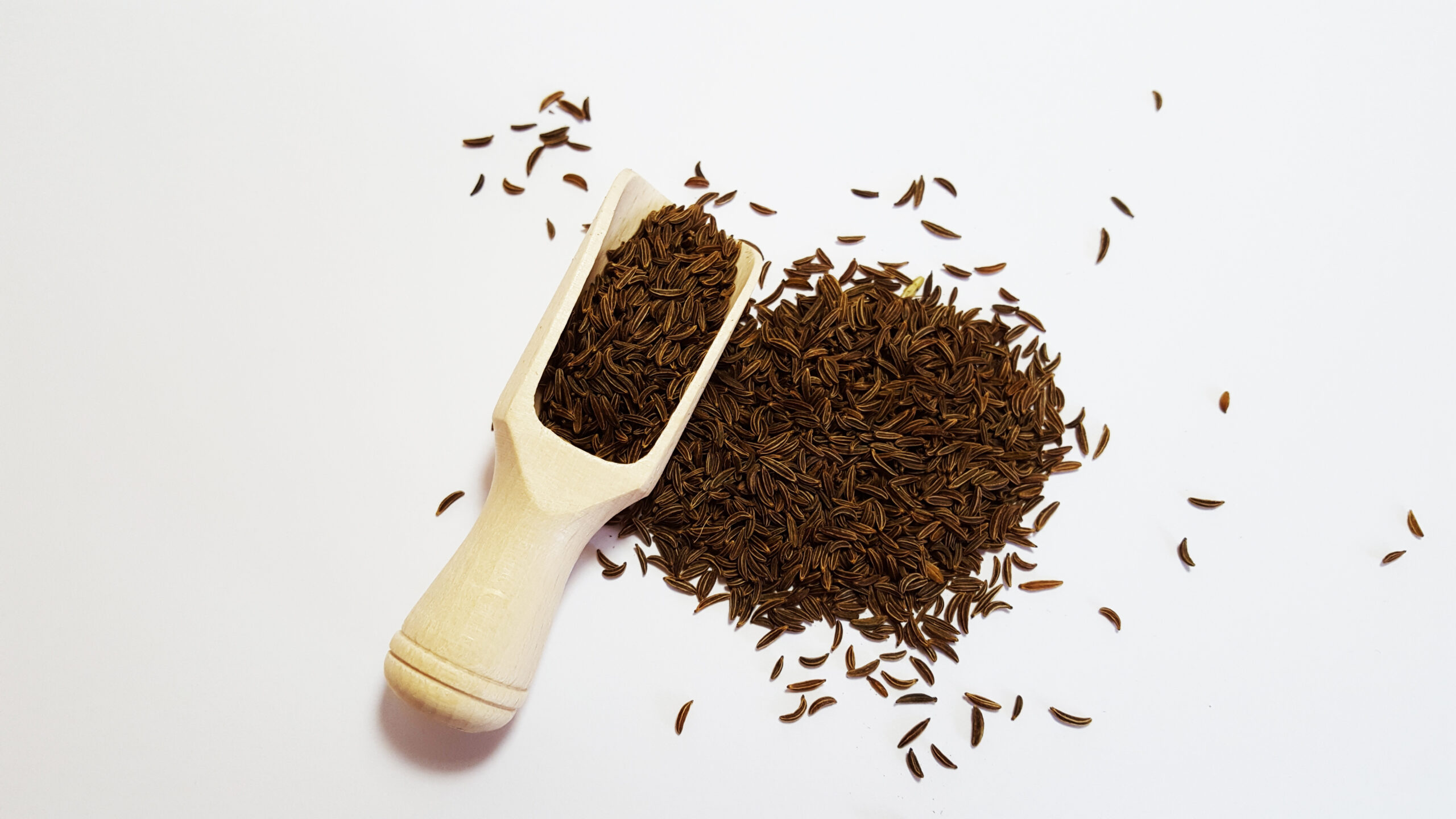
 

Posted by Asmidev Herbals in Ashwagandha, Ayurveda, Herbs, Men's Health, Women's Health
Saffron: The Golden Spice That Has Been Treasured for Centuries

Saffron: The Golden Spice That Has Been Treasured for Centuries

Saffron, scientifically known as Crocus sativus, is often called the golden spice—a name that reflects both its rich color and its remarkable value. For centuries, it has held a special place in culinary traditions, traditional medicine, skincare rituals, and even natural dyes. Beyond its aroma and vibrant hue, saffron has long been appreciated for its cultural significance and its potential role in supporting overall health and wellbeing.

The spice itself is derived from the deep red stigmas, or delicate threads, found inside the Crocus sativus flower. Each flower produces only three of these precious strands, which must be carefully hand-harvested and gently dried to preserve their quality. This painstaking process, combined with the sheer number of flowers required to produce even a small quantity of spice, explains why saffron remains one of the most expensive spices in the world.

In this in-depth article, we explore saffron from multiple perspectives—its origins and cultivation, its traditional and modern uses, and its scientifically studied health benefits for both men and women. We also take a balanced look at possible side effects and considerations, helping readers understand how this ancient spice fits into a modern wellness-focused lifestyle.


Table of Contents

Cultivation

Chemical Composition

Nutritional Value

General Health Benefits of Saffron

Mood Enhancer and Antidepressant

Antioxidant Properties of Saffron

Memory and Learning Enhancement

Eye Health and Visual Function

Anticancer Properties

Anti-Inflammatory Effects of Saffron

Heart Health

Anti-Obesity Effects of Saffron

Reproductive Health Benefits of Saffron for Men

Erectile Dysfunction

Antidepressant-induced Sexual Dysfunction

Improvement in Sperm Parameters

Libido Enhancement

Reproductive Health Benefits of Saffron for Women

Female Sexual Dysfunction

Improvement in Sexual Desire

Dyspareunia (Painful Intercourse) and Lubrication

Premenstrual Syndrome (PMS) Relief

Dysmenorrhea (Menstrual Pain) Relief

Reproductive Health and Fertility Enhancement

Postpartum Depression

Supplementation

Conclusion


Cultivation of Saffron

Saffron (Crocus sativus) is known to be a delicate and demanding crop, with very specific requirements for climate and soil. It thrives only under carefully balanced conditions, and even small variations in temperature, rainfall, or soil quality can affect both yield and potency. Because of this sensitivity, saffron has historically been cultivated in select regions where the environment naturally supports its growth. These strict growing needs not only shape where saffron can be farmed successfully but also play a crucial role in determining the spice’s aroma, color, and overall quality.

Saffron Health Benefits

“The saffron spice comes from the red stigmas (threads) of the Crocus sativus flower.”

Saffron’s story traces back to the ancient lands of Persia (modern-day Iran), where it is believed to have been first cultivated. While its exact origins are still debated by historians, archaeological evidence offers fascinating clues. Ancient frescoes discovered in Crete, dating back to around 1600 BC, vividly depict scenes of saffron harvesting, suggesting that the spice was already highly valued in early civilizations. References to saffron also appear in historical texts, including the Bible, highlighting its long-standing cultural and symbolic importance.

As trade routes expanded, saffron traveled far beyond its place of origin. It became a valuable commodity along the Silk Road, reaching the Arabian Peninsula, India, and various parts of Europe. During the medieval period, Arab traders introduced saffron to Spain under Al-Andalus, where it flourished both agriculturally and culturally. From Spain, saffron eventually crossed the Atlantic, carried by explorers to the New World, cementing its status as a globally treasured spice.

Climatic Conditions for Saffron Cultivation

Temperature: Saffron crocuses grow best in a continental climate with clearly defined seasons. They need cold—but not harsh—winters to enter dormancy, followed by hot, dry summers. During the active growing phase, ideal temperatures range between 15–20°C (59–68°F). Winter temperatures falling below 0°C (32°F) are actually beneficial, as the cold helps break the dormancy of the corms and prepares the plant for healthy flowering.

Rainfall: Good drainage is critical for saffron cultivation. While the plant needs moisture during its growth phase, it is highly sensitive to excess water. Waterlogged soil can quickly damage the corms. An annual rainfall of about 750–850 mm is considered suitable, but timing matters more than quantity. Rainfall should be minimal during the flowering period, as excess moisture at this stage can harm the delicate flowers and reduce saffron yield.

Humidity: Low to moderate humidity levels are ideal for saffron plants. High humidity, particularly during flowering, increases the risk of fungal infections, which can severely affect both crop health and harvest quality. Dry air conditions help protect the flowers and ensure better stigma development.

Sunlight: Saffron crocuses require abundant sunlight to thrive. Full sun exposure, especially during the flowering phase, supports strong flower development and improves both the yield and quality of the saffron stigmas. Insufficient sunlight can result in weaker flowers and lower-quality spice.

Reference: (Amit Kumar et al., 2022)

Geography

Saffron, obtained from the delicate stigmas of the Crocus sativus flower, is one of the most labour-intensive crops in the world. Each stage of its cultivation—from planting and flowering to hand-harvesting and drying—requires precision and patience. This demanding production process is a key reason why saffron commands such a high price globally. Over centuries, only a few regions with the right climate, soil, and traditional expertise have emerged as reliable producers of high-quality saffron.

Iran dominates global saffron production, accounting for more than 90 percent of the world’s supply. Within Iran, the Khorasan region is especially renowned, producing saffron prized for its deep color, strong aroma, and high crocin content.

In India, saffron cultivation is closely associated with Jammu and Kashmir. The Pampore area, often referred to as the “Saffron Town of India,” is particularly famous for its distinctive, intensely aromatic Kashmiri saffron, valued for its rich hue and flavor profile.

Spain is one of Europe’s leading saffron producers. The Castilla-La Mancha region is known for its PDO-certified La Mancha saffron, which enjoys protected status and is highly regarded for its purity and consistent quality.

In Afghanistan, saffron cultivation has expanded significantly in recent years, offering farmers a sustainable alternative to poppy cultivation. The provinces of Herat and Kandahar have emerged as key production hubs, with Afghan saffron gaining international recognition for its quality.

Greece produces a celebrated PDO-certified saffron known as Krokos Kozanis. This saffron comes from Kozani, and is considered one of the finest saffron varieties in Europe due to its balanced aroma and vibrant color.

In Morocco, saffron cultivation is centered around Taliouine. Moroccan saffron has been steadily gaining popularity on the global market, appreciated for its earthy notes and traditional farming methods.

Italy also has a long tradition of saffron cultivation. The Navelli Plateau in the Abruzzo region is particularly well known, while parts of Sardinia and Tuscany also produce high-quality saffron in smaller quantities.

The Kashmir region deserves special mention for its unique saffron variety, distinguished by its deep crimson strands, intense aroma, and rich flavor—traits that set it apart in both culinary and medicinal use.

Beyond these traditional regions, saffron is also cultivated on a smaller scale in countries such as Azerbaijan, China, Egypt, and Turkey. In recent years, experimental and commercial efforts have also emerged in non-traditional regions, including the United States—notably in Vermont—and New Zealand, reflecting the growing global demand for this precious spice.


Chemical Composition of Saffron

The chemical makeup of saffron is not fixed and can vary depending on where it is grown, the climate and soil conditions, how it is harvested, and how it is dried and stored. That said, high-quality saffron consistently contains a few key compounds that are responsible for its color, aroma, taste, and health-supporting properties. Below is a simplified and reader-friendly overview of saffron’s primary chemical components, along with their approximate proportions.

A significant portion of saffron’s composition comes from carotenoids, which make up roughly 10–15 percent of the dried spice. The most important among these are crocin and crocetin, together accounting for about 5–10 percent. These compounds are responsible for saffron’s deep golden-yellow color and are also linked to many of its antioxidant and mood-supporting benefits.

Another key compound is picrocrocin, which typically makes up around 4–9 percent of saffron’s dry weight. This natural substance gives saffron its distinctive slightly bitter taste and also plays a role in forming its aroma during drying, as it breaks down into aromatic compounds.

Saffron also contains small but powerful amounts of volatile oils, usually around 0.5–1.5 percent of its dry weight. Among these, safranal is the most important, contributing roughly 0.2–0.7 percent. Safranal is responsible for saffron’s characteristic warm, honey-like aroma and is often used as a quality marker in saffron grading.

In addition, saffron contains flavonoids, including kaempferol, present in smaller quantities. Though they form only a minor fraction of the spice, these compounds add to saffron’s antioxidant profile and overall wellness value.

Other components such as proteins, fats, and essential minerals together may account for approximately 10–28 percent of saffron’s weight. Fresh saffron flowers naturally contain water—around 10–15 percent—but this moisture is largely removed during drying to preserve quality and shelf life. The remaining portion, roughly 30–50 percent, consists of natural fibers and residual plant material.

This unique chemical balance is what gives saffron its unmatched sensory qualities and underpins its long-standing reputation in both traditional medicine and modern wellness research. If you’d like, the next section can naturally move into how these compounds translate into specific health benefits, or how saffron quality is tested and graded based on its chemical profile.

References: (P A Tarantilis et al., 1995), (Ana M Sánchez et al., 2008).


Nutritional Value of Saffron

Saffron is best known for its rich aroma, vibrant colour, and distinctive flavour rather than its role as a major source of nutrition. While it does contain a range of nutrients, it is typically consumed in very small quantities—often just a few strands at a time. As a result, its direct contribution to daily nutritional intake is relatively modest. Still, understanding its nutritional profile helps explain why saffron has long been valued beyond the kitchen, especially in traditional wellness practices.

Here is an approximate nutritional profile for 100 grams of dried saffron:

  • Energy: 310 kcal
  • Total Fat: 5.85 g
    • Saturated fat: 1.6 g
    • Monounsaturated fat: 0.29 g
    • Polyunsaturated fat: 2.7 g
  • Protein: 11.43 g
  • Carbohydrates: 65.37 g
    • Dietary Fiber: 3.9 g
    • Sugars: 0 g
  • Minerals:
    • Calcium: 111 mg
    • Iron: 11.10 mg
    • Magnesium: 264 mg
    • Phosphorus: 252 mg
    • Potassium: 1724 mg
    • Zinc: 1.09 mg
    • Copper: 0.328 mg
    • Manganese: 28.408 mg
    • Selenium: 5.6 μg
  • Vitamins:
    • Vitamin C: 80.8 mg
    • Thiamin (Vitamin B1): 0.115 mg
    • Riboflavin (Vitamin B2): 0.267 mg
    • Niacin (Vitamin B3): 1.460 mg
    • Vitamin B6: 1.010 mg
    • Folate: 93 μg
    • Vitamin A: 530 IU
    • Vitamin E: 1.6 mg

Reference: USDA FoodData Central. (n.d.). Spices, saffron.

It’s essential to realize that while these numbers provide an idea of saffron’s nutritional profile, the actual intake from saffron would be much lower due to the minute quantities typically used.


General Health Benefits of Saffron

Saffron, obtained from the delicate flower of Crocus sativus, is often called the golden spice—a title that reflects far more than its vivid colour or high market value. For centuries, it has been valued across cultures for its potential to support health and wellbeing. Modern research is now beginning to validate many of these traditional uses, linking saffron’s unique bioactive compounds to a wide range of physical and mental health benefits. Below is a clear, evidence-informed overview of how this ancient spice may contribute to overall wellness.

Mood Enhancer and Antidepressant

Saffron has drawn growing attention for its potential role in supporting emotional wellbeing, particularly in people experiencing depression. Several clinical studies have evaluated its effects, and some double-blind, randomized controlled trials have found saffron to be more effective than a placebo in easing symptoms of mild to moderate depression (Akhondzadeh S., et al., 2005).

In addition, a number of studies have compared saffron directly with commonly used antidepressant medications. The findings from some of this research suggest that saffron may offer results comparable to drugs such as fluoxetine and imipramine, while being associated with fewer or milder side effects (Fallah-Pour, H., et al., 2004).

Although the exact way saffron works in the brain is not yet fully understood, researchers believe its antidepressant effects may be linked to its ability to influence neurotransmitters. In particular, saffron is thought to help increase levels of serotonin and other brain chemicals involved in mood regulation, which may explain its positive impact on emotional balance (Hausenblas, H. A. et al., 2013).

Antioxidant Properties of Saffron

Saffron and its key bioactive compounds, including crocin and crocetin, have been shown to help protect cells from damage caused by oxidative stress. Oxidative stress occurs when the body produces more reactive oxygen species, commonly known as free radicals, than it can effectively neutralise. Over time, this imbalance can contribute to cellular damage and the development of chronic diseases (S Zahra Bathaie et al., 2010).

Research suggests that the antioxidant activity of saffron may also play a protective role in brain health. Crocin, one of saffron’s main carotenoids, has demonstrated the ability to shield nerve cells from damage in various experimental models, pointing to its potential relevance in neurodegenerative conditions. Similar protective effects have been observed in heart tissue, where saffron and its constituents appear to reduce damage caused by ischemia–reperfusion injury, largely through their antioxidant action (Hosseinzadeh, H. et al., 2009).

Oxidative stress and inflammation are closely interconnected processes in the body. Studies indicate that saffron’s antioxidant compounds also exhibit anti-inflammatory properties, which may be beneficial in conditions where both oxidative damage and inflammation are present. In addition, laboratory and experimental research suggests that saffron’s antioxidants may help protect against certain cancers by reducing DNA damage, slowing the growth of abnormal cells, and promoting programmed cell death in malignant cells (Mousavi, S. H., et al., 2009).

Memory and Learning Enhancement

Saffron and its active compounds, particularly crocin and crocetin, have gained growing interest for their potential role in supporting brain health and cognitive function. Studies using animal models suggest that saffron extracts, as well as crocin on its own, may help improve memory and learning abilities. These findings have encouraged further investigation into saffron’s possible benefits for age-related cognitive decline.

Clinical research has also explored the effects of saffron in people with Alzheimer’s disease. In some trials, saffron supplementation was found to improve cognitive performance, showing results comparable to donepezil, a commonly prescribed medication for Alzheimer’s, over a study period of 22 weeks. This has highlighted saffron as a promising natural option for cognitive support (Akhondzadeh, S. et al., 2010).

Oxidative stress is believed to play a significant role in neurodegenerative disorders and gradual memory decline. Saffron’s antioxidant properties may help protect nerve cells from oxidative damage, thereby supporting overall brain function. In addition, inflammation is another factor linked to impaired cognition (Hosseinzadeh, H. et al., 2005). The anti-inflammatory effects of saffron may further contribute to its positive impact on memory and learning. Animal studies have also shown that saffron and its constituents can help protect against age-related memory impairment, reinforcing its potential as a brain-supportive herb (Papandreou, M. A. et al., 2006).

Eye Health and Visual Function

Research suggests that saffron supplementation may support eye health, particularly in the early stages of age-related macular degeneration (AMD). Studies have shown that saffron can improve retinal flicker sensitivity in individuals with early AMD, indicating a potential role in slowing the progression of this condition, which is one of the leading causes of vision loss in older adults (Broadhead, G. K. et al., 2015).

Additional research has found that saffron supplementation can influence genes involved in the functioning of photoreceptor cells in the eye. These changes were associated with measurable improvements in retinal performance, pointing to saffron’s possible therapeutic value in maintaining visual function (Falsini, B. et al., 2010). Experimental studies in animal models have further demonstrated that saffron’s antioxidants, especially crocin, can help protect retinal cells from damage caused by intense light exposure (Laabich, A. et al., 2006).

Oxidative stress is also known to contribute to the development of cataracts. Given saffron’s antioxidant properties, it may offer protective benefits in this context as well. However, while early findings are encouraging, more targeted clinical research is needed to clearly establish saffron’s role in cataract prevention (Samaneh Sepahi et al., 2021).

Anticancer Properties of Saffron

Saffron and its bioactive compounds have shown promising anticancer potential in laboratory and animal-based studies. These effects are largely linked to saffron’s antioxidant, anti-inflammatory, and cell-regulating properties, as well as the activity of its key constituents such as crocin, crocetin, safranal, and picrocrocin.

Research indicates that saffron and its components may help trigger apoptosis, a natural process of programmed cell death that prevents the uncontrolled growth of abnormal cells. By promoting this mechanism, saffron has been shown to limit tumour growth in various experimental cancer models (Abdullaev, F. I., 2002). Since oxidative stress is known to contribute to the initiation and progression of cancer, saffron’s antioxidant compounds may also play a protective role by reducing cellular damage that can lead to malignant transformation (Amin, A. et al., 2011).

In addition, studies have demonstrated that saffron extracts and their active constituents can slow the proliferation of cancer cells across different cancer types. Further research suggests that these compounds may help reduce DNA damage, one of the key factors involved in cancer development, and may also inhibit processes related to cancer invasion and metastasis (Das, I. et al., 2004). While these findings are encouraging, it is important to note that most evidence comes from preclinical studies, and more human research is needed to fully understand saffron’s role in cancer prevention or support.

Anti-Inflammatory Effects of Saffron

Saffron and its key bioactive compounds, particularly crocin, crocetin, and safranal, have demonstrated notable anti-inflammatory effects in scientific studies. These benefits appear to stem from their ability to influence multiple biochemical pathways involved in the body’s inflammatory response. Research suggests that saffron and its constituents can help lower levels of pro-inflammatory cytokines, which are signalling proteins that drive inflammation.

Some studies have shown that saffron may inhibit the activity of the cyclooxygenase-2 (COX-2) enzyme, a key player in inflammation and pain pathways (Majid Zeinali et al., 2019). Other research indicates that saffron can interfere with the activation of nuclear factor-kappa B, a protein complex that regulates immune responses and the expression of inflammation-related genes. By reducing the activation of this pathway, saffron may help limit excessive inflammatory reactions (Amar Amin et al., 2011).

Oxidative stress is closely linked to inflammation, as excess free radicals can trigger and worsen inflammatory processes. Saffron’s antioxidant properties may help reduce oxidative stress in the body, which in turn can contribute to a reduction in inflammation (Ali Abedi et al., 2023). Together, these mechanisms help explain saffron’s potential role in supporting inflammatory balance and overall cellular health.

Heart Health

Saffron’s antioxidant properties may play an important role in supporting heart health by protecting cardiac tissues from oxidative stress, a key factor involved in the development of many cardiovascular conditions. By helping to neutralise free radicals, saffron may reduce cellular damage that contributes to long-term heart disease (Ali Abedi et al., 2023).

Research also suggests that saffron may support healthy blood pressure levels. Some studies indicate that saffron supplementation can have mild antihypertensive effects, potentially helping to lower elevated blood pressure (Leila Setayesh et al., 2021). In addition, saffron and its bioactive compounds have been shown to improve lipid profiles by reducing levels of LDL cholesterol while increasing HDL cholesterol (Abd Rahim I. N. et al., 2022). This balance is important for lowering the risk of plaque buildup in arteries and supporting overall cardiovascular health.

Inflammation is another major contributor to heart disease. Saffron’s anti-inflammatory properties may help reduce chronic inflammation associated with cardiovascular risk (Majid Zeinali et al., 2019). Studies have also pointed to saffron’s potential to improve endothelial function, which is essential for maintaining healthy blood vessels and proper blood flow (F.T. Tang et al., 2006). Furthermore, research suggests that saffron and its constituents may help slow the progression of atherosclerotic plaque formation, reinforcing its potential role in long-term heart health support (Ei Christodoulou et al., 2018).

Anti-Obesity Effects of Saffron

Saffron has been explored for its potential role in weight management, with much of the interest centred on its bioactive compounds, particularly crocin and safranal. Some research suggests that saffron may help suppress appetite and reduce frequent snacking, which can support healthier eating patterns and contribute to weight control (Nasim A. et al., 2017).

Studies have also indicated that saffron may improve lipid profiles and other markers associated with metabolic syndrome, a condition that commonly occurs alongside obesity (Abd Rahim I. N. et al., 2022). By supporting healthier cholesterol levels and metabolic balance, saffron may indirectly aid overall weight-related health. In addition, obesity is often linked with increased oxidative stress, and saffron’s antioxidant properties may help counter this imbalance.

Further research suggests that saffron may influence fat metabolism by inhibiting pancreatic lipase, an enzyme responsible for breaking down dietary fats for absorption (Mashmoul, M. et al., 2013). By limiting the activity of this enzyme, saffron could reduce fat absorption in the digestive tract, offering another possible mechanism through which it may support weight management.


Reproductive Health Benefits of Saffron for Men

Saffron has been studied for its potential benefits in supporting men’s sexual health, with research pointing toward positive effects on erectile function and sexual desire. These benefits are thought to be linked to saffron’s antioxidant and anti-inflammatory properties, which may help improve blood flow and reduce oxidative stress—both important factors in healthy sexual function. By supporting vascular health and overall cellular balance, saffron has gained attention as a natural option for enhancing male sexual wellbeing. Some of the key findings from scientific studies are outlined below.

Erectile Dysfunction

Saffron has a long history of traditional use in supporting sexual health, including its role in addressing erectile dysfunction. In recent years, scientific research has begun to support some of these traditional claims. Clinical studies suggest that saffron supplementation may help improve erectile function in men experiencing erectile dysfunction (Ali Shamsa et al., 2009). These effects are thought to be linked to saffron’s antioxidant and anti-inflammatory properties, as well as its ability to support healthy blood flow to penile tissues, which is essential for achieving and maintaining an erection.

Additional research has explored alternative forms of saffron use. In one study, a topical saffron gel was found to significantly improve erectile function in diabetic men when compared with a placebo, highlighting its potential therapeutic value in specific populations (Moghadam H. M. et al., 2015). Furthermore, certain saffron compounds, such as crocin and safranal, have demonstrated neuroprotective effects in experimental studies. These properties may also contribute to sexual health by supporting nerve function involved in sexual response (Nicholas V. S. et al., 2017).

Antidepressant-induced Sexual Dysfunction

Sexual dysfunction caused by antidepressant use is a common and often distressing side effect, affecting many individuals undergoing treatment for depression. This condition, known as antidepressant-induced sexual dysfunction, has led researchers to explore supportive options that do not interfere with mental health therapy. Saffron has emerged as one such natural candidate.

Studies suggest that saffron supplementation may help improve aspects of sexual function such as desire, arousal, lubrication, and overall sexual satisfaction in both men and women experiencing antidepressant-related sexual difficulties (Modabbernia A. et al., 2012). In particular, selective serotonin reuptake inhibitors, a widely prescribed class of antidepressants, are frequently linked to sexual side effects. Research indicates that saffron may help reduce some of these unwanted effects, offering supportive benefits alongside conventional antidepressant treatment.

Improvement in Sperm Parameters

Saffron has been investigated for its potential role in supporting male reproductive health, particularly in relation to sperm quality. Some studies suggest that saffron supplementation may help improve sperm morphology and motility, both of which are key factors in male fertility assessment (Heidary M. et al., 2008).

Oxidative stress is known to have a damaging effect on sperm cells, reducing their function and overall quality. The antioxidant compounds found in saffron, especially crocin and safranal, may help protect sperm from oxidative damage (S Zahra Bathaie et al., 2010). By supporting cellular integrity and reducing oxidative stress, saffron may contribute to healthier sperm parameters and improved reproductive potential.

Libido Enhancement

Saffron has long been regarded in traditional systems of medicine as a natural aphrodisiac. Contemporary research suggests that its ability to support libido in men may be linked to its antioxidant and anti-inflammatory compounds, particularly crocin and safranal. These bioactive components may help improve blood circulation, support healthy endothelial function, and reduce oxidative stress, all of which are important for maintaining erectile and sexual health (Ranjbar H. et al., 2019).

In addition to its vascular effects, saffron’s potential influence on the nervous system and mood may also contribute to increased sexual desire. Its mood-supporting and neuroprotective properties may help address psychological factors that play a role in libido (Akhondzadeh S. et al., 2004). While these findings are encouraging, it is important to recognise that sexual desire is shaped by a complex interaction of physical, emotional, and psychological factors, and the exact mechanisms through which saffron influences libido are still being studied.


Reproductive Health Benefits of Saffron for Women

Saffron has been used for centuries in traditional medicine to support women’s reproductive health. In recent years, scientific research has begun to validate some of these traditional applications, particularly its potential role in easing menstrual pain and related discomfort. Saffron’s mood-supporting properties may also help manage emotional fluctuations and mood changes that commonly occur during the menstrual cycle and other hormonal shifts.

While current findings are encouraging, continued research is needed to better understand the full scope of saffron’s benefits for women’s reproductive health. Below are some of the key insights highlighted by existing studies.

Female Sexual Dysfunction

Saffron has been investigated for its potential benefits in addressing female sexual dysfunction, a condition that may involve difficulties with sexual desire, arousal, orgasm, or discomfort during intercourse. Clinical research has explored saffron’s role in this area, particularly in women experiencing sexual side effects linked to antidepressant use.

In a randomized, double-blind, placebo-controlled study, saffron supplementation was found to help reduce symptoms of antidepressant-induced sexual dysfunction in women. Participants reported improvements in sexual desire, arousal, lubrication, and overall sexual satisfaction, suggesting that saffron may offer supportive benefits for female sexual health in this context (Kashani L. et al., 2012).

Improvement in Sexual Desire

The exact way in which saffron may help improve female sexual desire is not yet fully understood, but several possible mechanisms have been proposed. Bioactive compounds found in saffron, such as crocin and safranal, have shown neuroprotective effects that may influence neurotransmitter activity in the brain, which could play a role in regulating libido.

Emotional health is closely linked to sexual desire, and conditions such as depression or low mood can significantly reduce sexual interest. Given saffron’s mood-supporting and antidepressant properties, its positive effects on emotional wellbeing may indirectly enhance sexual desire. In addition, oxidative stress can negatively affect overall health, including sexual function. By helping to reduce systemic oxidative stress through its antioxidant activity, saffron may further support improvements in female sexual desire (Kashani L. et al., 2012).

Dyspareunia (Painful Intercourse) and Lubrication

Dyspareunia, or pain during intercourse, along with problems related to vaginal lubrication, can significantly affect sexual comfort and satisfaction in women. These concerns have led researchers to explore natural options that may offer supportive benefits. Saffron has been studied in this context, particularly for women experiencing sexual difficulties linked to antidepressant use.

In a randomized, double-blind, placebo-controlled study examining fluoxetine-induced sexual dysfunction, saffron supplementation was found to significantly improve symptoms related to dyspareunia and vaginal lubrication when compared with a placebo (Kashani L. et al., 2012). These findings suggest that saffron may help ease discomfort and improve sexual comfort in certain situations.

However, it is important to interpret these results carefully. In this study, sexual dysfunction was primarily associated with the use of the antidepressant fluoxetine. Broader clinical research is still needed to determine whether saffron offers similar benefits for dyspareunia and lubrication in women who are not taking antidepressant medications.

Premenstrual Syndrome (PMS) Relief

Given saffron’s potential role in supporting emotional wellbeing, it may also help ease mood swings commonly experienced during the menstrual cycle. Research suggests that saffron’s mood-supporting properties could be beneficial in managing emotional fluctuations linked to hormonal changes (Fatemeh Rajabi et al., 2020).

Some studies have also explored saffron’s effects on premenstrual syndrome, indicating that it may help reduce a range of PMS symptoms such as irritability, headaches, and food cravings (M Agha-Hosseini et al., 2008). While these findings are encouraging, further research is needed to better understand how saffron can be used effectively and safely to support menstrual and premenstrual health.

Dysmenorrhea (Menstrual Pain) Relief

Saffron has a long history of traditional use for easing menstrual discomfort and related symptoms. In recent years, scientific research has examined these traditional practices to better understand their effectiveness and underlying mechanisms. Clinical studies suggest that saffron may help reduce menstrual pain, also known as dysmenorrhea.

These pain-relieving effects are thought to be linked to saffron’s antispasmodic and anti-inflammatory properties, which may help relax uterine muscles and reduce inflammation associated with menstrual cramps (Khazdair M. R. et al., 2015). While current findings are promising, continued research will help clarify how saffron can be best used to support menstrual health.

Reproductive Health and Fertility Enhancement

Saffron, valued for its strong antioxidant compounds such as crocin and safranal, may play a supportive role in women’s reproductive health. Oxidative stress, which occurs when free radicals overwhelm the body’s antioxidant defences, can negatively affect ovarian function, egg quality, and the overall health of the uterine environment.

The antioxidant properties of saffron may help counter this oxidative damage and support the integrity of reproductive tissues (Ashok Agarwal et al., 2012). By reducing cellular stress in the ovaries and supporting healthy blood flow to reproductive organs, saffron may contribute to improved egg quality, enhanced fertility potential, and reduced menstrual discomfort (A. N. Assimopoulou et al., 2005). These protective effects highlight saffron’s potential value as a natural complement for maintaining and supporting women’s reproductive wellbeing.

Postpartum Depression

Saffron has been explored as a potential natural option for supporting women experiencing postpartum depression, a mood disorder that can occur after childbirth and significantly affect a mother’s emotional wellbeing. Research suggests that saffron’s bioactive compounds, particularly crocin and safranal, have mood-supporting properties that may help ease depressive symptoms.

Preliminary studies indicate that saffron supplementation may reduce symptoms of postpartum depression, supporting emotional balance and potentially improving mother–infant bonding (L Kashani et al., 2017). One of the reasons saffron has attracted interest in this area is its potential to offer mood support without some of the side effects commonly linked to conventional antidepressant medications. However, while early findings are promising, it is essential for new mothers to consult a healthcare professional before using saffron or any supplement as part of postpartum care.


Supplementation of Saffron

Saffron is generally regarded as safe when consumed in the small amounts typically used in food. When taken in the form of supplements or for therapeutic purposes, however, dosage becomes important and can vary depending on the intended use and the formulation of the product.

Typical Dosages: In clinical studies, commonly used doses range from about 20 mg to 200 mg per day. For mood-related concerns such as depression, some studies have used 30 mg of saffron extract taken twice daily. For conditions like premenstrual syndrome and erectile dysfunction, lower doses, such as 15 mg of saffron extract taken twice daily, have been reported in research settings (Omidkhoda S. F. et al., 2022).

Safety Considerations: Safety considerations are essential when using saffron in higher amounts. Consuming very large doses, particularly more than 5 grams in a single day, may lead to toxic effects. Excessive intake over time has been associated with side effects such as dizziness, dry mouth, anxiety, nausea, vomiting, allergic reactions, and in some cases, the presence of blood in urine or stool. Since saffron’s active compounds, including safranal and crocin, have pharmacological activity, there is also a possibility of interactions with medications or other supplements (Omidkhoda S. F. et al., 2022).

Pregnancy Concerns: Special caution is advised during pregnancy. High doses of saffron may stimulate uterine activity and could increase the risk of miscarriage. For this reason, pregnant women are generally advised to avoid therapeutic or high-dose saffron use (Gorginzadeh M. et al., 2018).

Recommendations: As a general guideline, it is best to start with a low dose to assess tolerance. Anyone considering saffron supplementation for a specific health concern should consult a qualified healthcare professional to determine a safe and appropriate dosage. Choosing saffron and saffron-based supplements from reputable sources is also important, as adulteration can affect both safety and effectiveness. Although saffron is a natural substance, higher doses are not automatically safe, and responsible use is always recommended.


Conclusion

Saffron, the golden-hued spice obtained from the delicate stigmas of Crocus sativus, reflects nature’s ability to deliver remarkable value in the smallest of forms. With a history that stretches back thousands of years, saffron has earned a respected place across culinary traditions, traditional medicine, and cultural practices around the world. Its cultivation demands precise climatic conditions and careful hand-harvesting, making it one of the most labour-intensive—and consequently most valuable—spices known.

Beyond its role in cooking, growing scientific evidence suggests that saffron may offer a range of health-supporting benefits, particularly in the areas of sexual and reproductive health. At the same time, it is important to approach its use with balance and awareness. Although saffron contains beneficial nutrients and bioactive compounds, excessive intake may lead to unwanted effects, highlighting the importance of moderation and informed use.

In an era increasingly dominated by synthetic solutions, saffron’s natural origin and long-standing traditional use invite renewed interest. It serves as a reminder of the potential hidden within nature and the wisdom embedded in ancient healing practices. As with any dietary change or supplement, seeking guidance from a healthcare professional helps ensure safe and appropriate use.


Disclaimer: This content is for general information only and does not replace professional medical advice. Asmidev is not responsible for any diagnosis made based on this content, nor does it endorse or take responsibility for external websites or products mentioned. Always consult a qualified healthcare professional for health-related concerns. This article was created through a human–AI collaboration. The ideas and direction come from the author’s research, with AI used only to assist in organizing information and refining expression, while cross-checking against established scientific literature.


Posted by Asmidev Herbals in Male Fertility, Men's Health, Reproductive Health, Saffron, Women's Health