Men’s Health

Ashwagandha: The Ancient Root for Stress, Energy, and Balance

Ashwagandha: The Ancient Root for Stress, Energy, and Balance

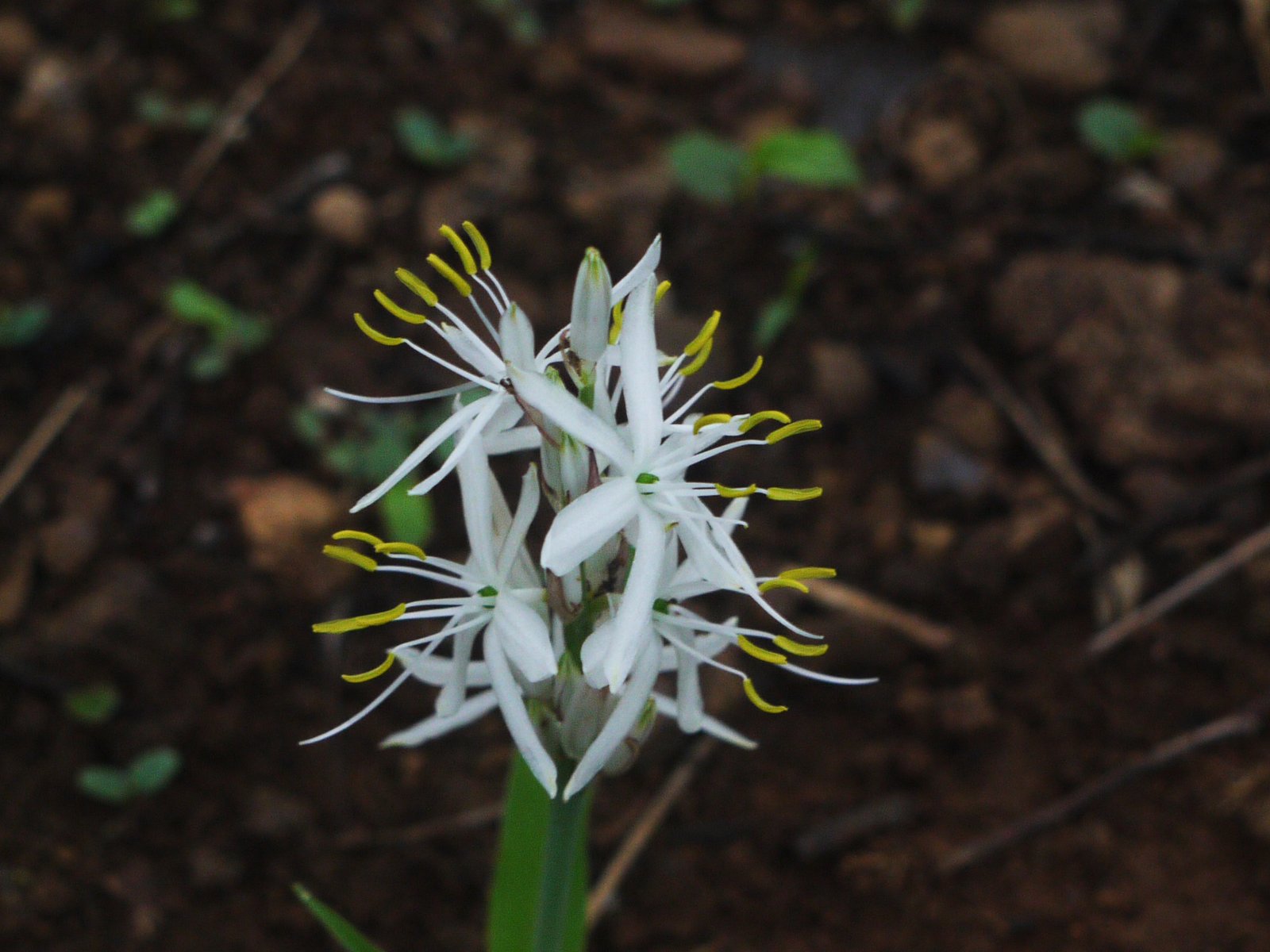
Ashwagandha, botanically known as Withania Somnifera, is a well-known herb in Ayurveda, India’s traditional system of medicine. Often called “Indian ginseng” for its rejuvenating effects, it has been used for more than 3,000 years to help the body manage stress, improve energy, and support mental focus. The name ashwagandha translates to “the smell of a horse,” reflecting the belief that the herb promotes strength, vitality, and endurance. Classified as an adaptogen, ashwagandha belongs to the nightshade family and is identified by its small greenish-yellow flowers, red berries, and a distinct, earthy aroma.

Background

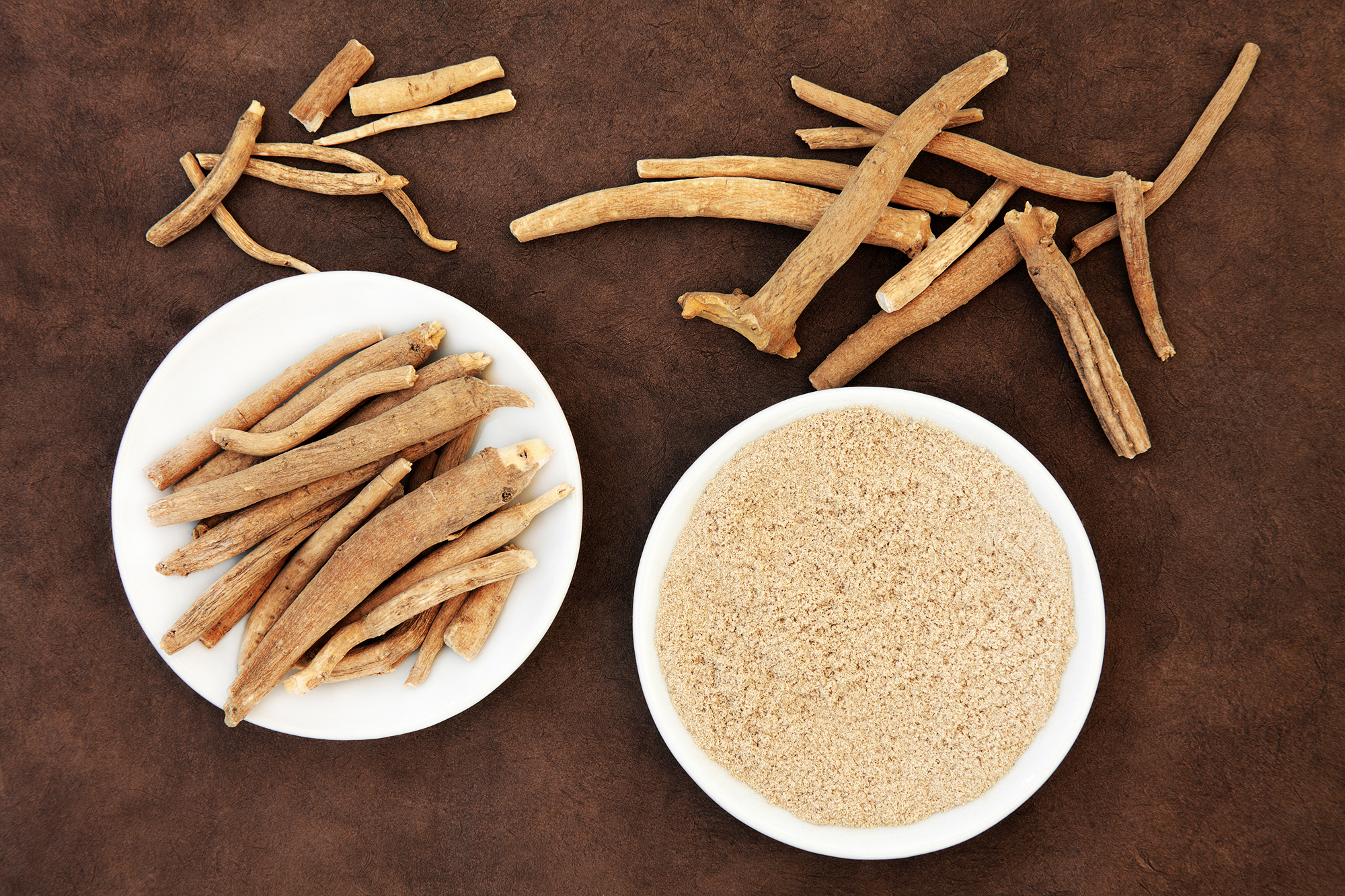
The use of ashwagandha dates back to the era of the Rigveda, one of the oldest known texts in human history. It became a foundational herb in Ayurvedic medicine, which views health as a balance of body, mind, and environment. Traditionally, the root has been the primary part used, as it is believed to hold the highest concentration of the herb’s medicinal properties. Over time, ashwagandha’s reputation extended beyond India, finding a place in various traditional healing systems across Africa and the Middle East.

Ancient texts and practices describe ashwagandha as a versatile remedy. It was commonly recommended to support vitality and virility, improve sleep, ease joint discomfort, and address certain skin conditions. Beyond physical health, ashwagandha also played a role in ritual and spiritual practices, where it was believed to support mental calm, focus, and deeper meditative experiences.

Ashwagandha Indian Ginseng Withania Somnifera


Ashwagandha – Indian Ginseng – Withania Somnifera

This article takes an in-depth look at the wide-ranging benefits of ashwagandha. It explores how this adaptogenic herb helps the body cope with stress, its potential role in supporting cognitive function, and what both traditional knowledge and modern scientific research reveal about its effects. The discussion also includes how ashwagandha is used today in health supplements, along with its safety considerations and possible side effects. By bringing together historical perspectives and current scientific evidence, the article offers a clear and balanced understanding of how ashwagandha can be incorporated into modern wellness routines to support overall health and vitality.


Table of Contents

Cultivation of Ashwagandha

Chemical Composition of Ashwagandha

General Health Benefits of Ashwagandha

Stress Management

Support in Depression

Anxiety Management

Improves Cognitive Functions

Anti-Inflammatory Effects

Antioxidant Benefits

Immunity Enhancement

Boosts Energy, Endurance and Physical Performance

Cardiovascular Health Support

Improves Quality of Sleep

Regulates Blood Sugar Levels

Cholesterol Management

Reproductive Health Benefits of Ashwagandha

Improves Sperm Quality

Boosts Testosterone Levels

Promotes Hormonal Balance

Regulates Menstrual Cycle

PCOS Management

Support During Menopause

Male Fertility Enhancement

Female Fertility Support

Supplementation of Ashwagandha

Conclusion


Cultivation of Ashwagandha

Ashwagandha grows best in arid and semi-arid regions, which is why it is widely cultivated in parts of India, the Middle East, and Africa. The plant prefers well-drained, sandy soil and limited water. Interestingly, these slightly harsh growing conditions tend to stress the plant in a way that encourages a higher concentration of its active compounds.

Cultivation usually begins by sowing seeds in late spring or early summer, when temperatures are close to 20°C. Once established, ashwagandha requires minimal care and is relatively resilient. The plant is typically harvested after about 150 to 180 days, with the roots being the primary focus, as they contain the highest concentration of medicinally valued compounds.

Climatic Conditions

Ashwagandha is a hardy plant that can adapt to different environments, but specific conditions help it grow well and develop a higher concentration of active compounds.

The plant prefers warm climates, with an ideal temperature range of about 20°C to 35°C. While it can tolerate mild frost, consistent warmth supports better growth. Ashwagandha grows best with low to moderate rainfall, usually between 500 and 750 mm per year. Too much moisture can damage the roots, which is why good drainage is essential.

Sandy loam soil with proper drainage suits the plant well. A slightly alkaline soil, with a pH between 7.5 and 8.0, supports healthy root development. Full sunlight is another key requirement. Although the plant can survive in partial shade, it performs best when it receives around six to eight hours of direct sunlight each day.

Ashwagandha can be cultivated at elevations of up to 1,500 meters above sea level, showing good adaptability to different altitudes. Low to moderate humidity levels are ideal, as high humidity can encourage fungal infections that harm the plant.

Together, these conditions support healthy growth and help ensure that the roots, which contain most of ashwagandha’s medicinal compounds, develop their full potency.

Geography

Ashwagandha is cultivated in several parts of the world where the climate and soil conditions support its growth and medicinal quality. These regions typically share warm temperatures, low to moderate rainfall, and well-drained soils.

India is the largest producer of ashwagandha. The herb is widely grown in drier regions such as Rajasthan, Punjab, Gujarat, Maharashtra, and Madhya Pradesh, where the climate and soil conditions are well suited for its cultivation.

In Nepal, ashwagandha is grown in regions with lower humidity and good sunlight exposure, taking advantage of the country’s varied altitudes and climatic zones.

Across the Middle East, Yemen provides favourable conditions in its arid and semi-arid regions, where low rainfall and high temperatures support healthy plant growth.

In Sri Lanka, ashwagandha is cultivated mainly in drier zones, where it is grown for both domestic use and export markets.

Parts of Africa, particularly regions within Kenya and South Africa, also support ashwagandha cultivation. These areas typically offer dry conditions and sandy soils that favour root development.

Together, these regions make use of their natural climatic advantages to support the growth of ashwagandha and enhance the concentration of its medicinally valuable compounds.

(Reference: Source 1, Source 2, Source 3, Source 4, Source 5, Source 6)


Chemical Composition of Ashwagandha

Ashwagandha is known for its rich chemical composition, which contributes to its numerous health benefits. Here is a detailed pointwise analysis of its key constituents, their typical content ratios or percentages, and associated health benefits:

  • Withanolides (0.5% – 1.5%): These are steroidal lactones, including withaferin A and withanolide D. They are primarily responsible for the plant’s anti-inflammatory and antitumor properties. Withanolides also contribute to stress reduction by mimicking the activity of the body’s natural stress-relieving hormones.
  • Alkaloids (0.01% – 0.5%): Including tropine, cuscohygrine, and anahygrine. These compounds have a sedative effect and are known to enhance cognitive functions and aid in combating stress and anxiety.
  • Saponins (3% – 5%): These compounds, including sitoindosides and withanosides, help in boosting the immune system. They also play a role in anti-inflammatory activities and can help in lowering cholesterol levels.
  • Iron (0.1% – 0.2%): Ashwagandha contains a significant amount of iron, which aids in combating anemia and improving red blood cell count. It also supports overall energy levels and metabolic function.
  • Amino Acids (Essential and Non-Essential): Includes glycine, valine, tyrosine, and tryptophan, among others. These amino acids support muscle growth, neurotransmitter production (important for mood regulation), and overall body repair.
  • Flavonoids: These antioxidants help reduce oxidative stress, contributing to cardiovascular health and potentially reducing the risk of chronic diseases. They also support cognitive functions and help in maintaining healthy skin.
  • Fatty Acids (including Omega-3 and Omega-6): These contribute to overall cardiovascular health by reducing inflammation and supporting brain health.
  • Vitamins and Minerals: Ashwagandha contains various vitamins like vitamin C, vitamin A, and minerals like calcium, which contribute to bone health, immune function, and overall well-being.

By harnessing these compounds, ashwagandha offers a holistic approach to health, improving mental clarity, reducing inflammation, and supporting cardiovascular and immune system health. The balanced chemical profile of ashwagandha makes it a versatile herb in both traditional and modern medicinal practices.

(Reference: Source 1, Source 2, Source 3, Source 4, Source 5, Source 6, Source 7, Source 8)


General Health Benefits of Ashwagandha

Ashwagandha has long been valued in Ayurvedic medicine for its wide-ranging health benefits and continues to be a popular choice in modern wellness routines. As an adaptogenic herb, it helps the body cope with stress and supports emotional balance by promoting a steadier mood. Ashwagandha is also associated with improved cognitive function, including better focus and mental clarity.

Beyond mental wellbeing, ashwagandha supports physical performance by helping enhance energy levels, stamina, and muscle strength. It may also contribute to heart health by supporting healthy cholesterol and blood sugar levels. In addition, ashwagandha plays a meaningful role in reproductive health, where it has been linked to improved fertility and hormonal balance in both men and women. Together, these benefits highlight ashwagandha’s versatility as a holistic supplement for overall health and vitality.

Stress Management

Ashwagandha is widely valued for its role in managing stress, largely because of its adaptogenic nature. Adaptogens help the body adjust to physical and mental stress while restoring internal balance. Ashwagandha supports this process by regulating the body’s stress-response system, particularly the hypothalamic–pituitary–adrenal (HPA) axis, which controls the release of stress hormones such as cortisol. By helping to moderate the activity of this system, ashwagandha may lower cortisol levels and reduce the intensity of stress-related symptoms.

Research suggests that ashwagandha also affects important brain neurotransmitters involved in mood regulation, including GABA and serotonin. It appears to support the calming action of GABA, which promotes relaxation, and may help improve serotonin activity, contributing to better mood and reduced anxiety. In addition, compounds known as withanolides provide antioxidant and anti-inflammatory support, helping protect cells from damage linked to prolonged stress.

Through these combined effects, ashwagandha may ease common stress-related issues such as fatigue, poor sleep, and mental overload. At the same time, it supports clearer thinking and improved mental focus, making it a well-rounded option for stress management in daily life.

(Reference: Source 1, Source 2, Source 3, Source 4, Source 5, Source 6, Source 7, Source 8)

Support in Depression

Ashwagandha is gaining attention for its potential role in supporting people dealing with depression. Its effects appear to work through multiple pathways that together influence mood and emotional balance. One of its key actions involves supporting neurotransmitters such as serotonin and dopamine, which are closely linked to mood regulation. By helping balance these brain chemicals, ashwagandha may contribute to improved mood and a reduction in depressive symptoms.

Ashwagandha’s adaptogenic nature also plays an important role. Depression is often associated with a disrupted stress-response system, particularly the hypothalamic–pituitary–adrenal (HPA) axis. Ashwagandha may help regulate this system by supporting healthier cortisol levels, thereby reducing the impact of chronic stress, which is a common contributor to depressive episodes.

In addition, the withanolides found in ashwagandha have anti-inflammatory and antioxidant properties. Ongoing research suggests that chronic inflammation and oxidative stress are linked to depression. By helping reduce inflammation and protect brain cells from oxidative damage, ashwagandha may support overall brain health and cognitive function.

Together, these effects suggest that ashwagandha offers a holistic approach to managing depression, addressing both the mental and physiological aspects of emotional wellbeing.

(Reference: Source 1, Source 2, Source 3, Source 4, Source 5, Source 6, Source 7)

Anxiety Management

Ashwagandha has shown encouraging potential in helping manage anxiety through several complementary mechanisms. As an adaptogen, it supports the body’s ability to cope with stress, which can reduce both the physical and psychological symptoms of anxiety. One of its key actions involves regulating the hypothalamic–pituitary–adrenal (HPA) axis, an important part of the stress-response system. By helping to lower cortisol levels, ashwagandha may ease the heightened stress response commonly seen in anxiety.

Ashwagandha also influences neurotransmitters involved in mood and relaxation, particularly gamma-aminobutyric acid (GABA). GABA helps calm excessive nerve activity in the brain. By supporting GABA activity, ashwagandha may promote relaxation and reduce feelings of nervousness and restlessness.

In addition, the withanolides present in ashwagandha provide antioxidant and anti-inflammatory support. Since chronic inflammation and oxidative stress are often linked to anxiety disorders, reducing these factors may help protect the nervous system and improve emotional resilience. Together, these effects make ashwagandha a well-rounded natural option for supporting anxiety management.

(Reference: Source 1, Source 2, Source 3, Source 4, Source 5, Source 6, Source 7, Source 8)

Improves Cognitive Functions

Ashwagandha supports cognitive function through multiple pathways, which is why it is often valued for brain health. One of its key actions involves reducing oxidative stress and inflammation in the brain. The active compounds in ashwagandha, known as withanolides, have strong antioxidant properties that help protect nerve cells from damage caused by free radicals. This protection supports the structural integrity of neurons and overall brain performance.

Ashwagandha also influences neurotransmitters that are essential for learning and memory. Research suggests it supports the activity of acetylcholine, a neurotransmitter closely linked to memory formation and information processing. By helping maintain healthy acetylcholine levels, ashwagandha may improve memory retention and mental processing speed.

In addition, ashwagandha helps regulate the body’s stress response by modulating the hypothalamic–pituitary–adrenal (HPA) axis and reducing cortisol levels. Elevated cortisol is known to interfere with concentration and memory. By supporting balanced cortisol levels, ashwagandha may enhance focus and mental clarity.

Some studies further suggest that ashwagandha may support neurogenesis, the formation of new brain cells, particularly in areas such as the hippocampus, which plays a central role in learning and memory. This potential to support brain cell growth adds to ashwagandha’s value as a cognitive-supportive herb, especially with advancing age.

(Reference: Source 1, Source 2, Source 3, Source 4, Source 5, Source 6, Source 7, Source 8, Source 9)

Anti-Inflammatory Effects

Ashwagandha’s anti-inflammatory effects are mainly linked to its bioactive compounds, especially withanolides. These compounds help regulate the immune response by reducing the production of pro-inflammatory cytokines, which are signalling molecules that drive inflammation. By lowering the activity of these cytokines, ashwagandha can help ease inflammation and related discomfort.

Research also suggests that withanolides can suppress the activity of nuclear factor-kappa B (NF-κB), a key regulator of immune and inflammatory responses. When NF-κB activity is reduced, the expression of genes involved in inflammation is limited, leading to a decrease in overall inflammatory activity.

In addition, ashwagandha supports the body’s antioxidant defences by enhancing the activity of enzymes such as superoxide dismutase and catalase. These antioxidants help neutralise free radicals, which can otherwise cause oxidative stress and trigger inflammatory processes. By reducing oxidative stress, ashwagandha indirectly helps control inflammation.

Through these combined mechanisms, ashwagandha acts as a broad-spectrum anti-inflammatory agent. This may explain its traditional and modern use in supporting conditions associated with chronic inflammation, such as joint discomfort, respiratory issues, and immune-related imbalances, while also protecting cells from ongoing damage.

(Reference: Source 1, Source 2, Source 3, Source 4, Source 5, Source 6, Source 7)

Antioxidant Benefits

Ashwagandha’s antioxidant activity is central to many of its health-supporting effects and is largely attributed to compounds called withanolides. These naturally occurring substances help strengthen the body’s own antioxidant defence system by supporting enzymes such as superoxide dismutase, catalase, and glutathione peroxidase. By enhancing the activity of these enzymes, ashwagandha helps neutralise free radicals and reactive oxygen species that contribute to oxidative stress and cellular damage.

Ashwagandha has also been shown to support healthy levels of glutathione, often referred to as the body’s primary antioxidant. Glutathione plays a key role in detoxification and in protecting cells from oxidative injury, which is especially important for sensitive tissues such as nerve cells.

In addition, withanolides may help limit oxidative damage by influencing cellular signalling pathways, including those linked to nuclear factor-kappa B. By modulating these pathways, ashwagandha may reduce the oxidative processes that often go hand in hand with inflammation.

Through its ability to reduce oxidative stress, ashwagandha supports overall cellular health and resilience. This protective effect may contribute to a lower risk of chronic conditions such as cardiovascular disease, metabolic disorders, and age-related neurological decline, while also promoting long-term vitality.

(Reference: Source 1, Source 2, Source 3, Source 4, Source 5, Source 6, Source 7, Source 8, Source 9)

Immunity Enhancement

Ashwagandha supports immune health through several interconnected mechanisms, which is why it is often described as an immunomodulatory herb. One of its key actions is enhancing the production and activity of white blood cells, particularly natural killer cells. These cells are part of the body’s first line of defence and play an important role in identifying and eliminating infected or abnormal cells. By supporting natural killer cell function, ashwagandha helps strengthen the innate immune response.

Ashwagandha also influences immune signalling by supporting the production of cytokines, which help regulate immune activity and inflammation. Research suggests it may promote Th1-type cytokines, which are important for defending the body against infections and activating immune cells such as macrophages.

The withanolides present in ashwagandha further contribute by reducing excessive inflammation. Chronic inflammation can weaken immune efficiency and increase the risk of immune-related disorders. By helping keep inflammation in check, ashwagandha supports a more balanced immune response.

In addition, ashwagandha’s adaptogenic properties help regulate the stress response by modulating the hypothalamic–pituitary–adrenal axis and lowering cortisol levels. Since prolonged high cortisol can suppress immune function, this stress-balancing effect allows the immune system to function more effectively and consistently.

(Reference: Source 1, Source 2, Source 3, Source 4, Source 5, Source 6, Source 7, Source 8, Source 9, Source 10)

Boosts Energy, Endurance and Physical Performance

Ashwagandha is widely recognised for its ability to support energy, stamina, endurance, and overall physical performance. As an adaptogenic herb, it works through several pathways that help the body function more efficiently under physical and mental stress.

One of its primary effects is on the body’s stress response. Ashwagandha helps regulate the hypothalamic–pituitary–adrenal (HPA) axis, which in turn supports healthier cortisol levels. Persistently high cortisol is often linked to fatigue and low energy. By helping keep cortisol in balance, ashwagandha may reduce stress-related exhaustion and support more stable energy throughout the day.

Ashwagandha also appears to support energy production at the cellular level. Research suggests it can enhance mitochondrial function, which is essential for producing ATP, the main energy source for cells. Improved ATP availability can translate into better endurance, increased vitality, and improved physical performance.

In addition, ashwagandha has been shown to support muscle strength and recovery. Some studies indicate that supplementation may help increase muscle mass and strength while reducing markers of exercise-induced muscle damage. This combination can lead to faster recovery, better adaptation to physical training, and improved overall stamina and performance.

Ashwagandha may also support cardiovascular endurance by helping improve heart efficiency and the body’s ability to use oxygen during physical activity. Research suggests it can enhance oxygen uptake capacity, often measured as VO₂ max, which is a key marker of aerobic fitness and endurance. This effect may allow physically active individuals to sustain demanding exercise for longer periods with less fatigue.

Its antioxidant and anti-inflammatory properties further contribute to improved performance. By helping reduce inflammation and oxidative stress, ashwagandha may protect muscles and tissues from exercise-related damage. This protection supports better performance during activity and promotes faster recovery afterward.

Overall, ashwagandha supports physical performance through a combination of stress regulation, improved cellular energy production, enhanced muscle strength and recovery, better cardiovascular endurance, and protection against inflammation and oxidative stress. These combined benefits make it a useful addition to wellness routines focused on strength, stamina, and long-term vitality.

(Reference: Source 1, Source 2, Source 3, Source 4, Source 5, Source 6, Source 7)

Cardiovascular Health Support

Ashwagandha supports heart health through several interconnected mechanisms identified in scientific research. One of its primary benefits comes from its ability to reduce stress and anxiety, both of which are recognised risk factors for cardiovascular disease. By helping regulate the hypothalamic–pituitary–adrenal (HPA) axis and supporting healthier cortisol levels, ashwagandha may ease stress-related strain on the heart, including elevated heart rate and blood pressure.

Ashwagandha also appears to influence lipid metabolism in a positive way. Studies suggest it may help lower LDL cholesterol and triglyceride levels, which are closely linked to the development of atherosclerosis and other heart conditions. At the same time, it may support higher levels of HDL cholesterol, contributing to a more balanced and heart-friendly lipid profile.

In addition, ashwagandha’s anti-inflammatory properties play an important role in cardiovascular protection. Chronic inflammation is a key driver of heart disease progression. By helping reduce inflammatory markers such as C-reactive protein, ashwagandha may protect blood vessels and cardiac tissue from ongoing damage.

Its antioxidant effects further support heart health by protecting cardiac cells from oxidative stress, which can impair heart function over time. Together, these actions position ashwagandha as a supportive herb for maintaining cardiovascular health and long-term heart function.

(Reference: Source 1, Source 2, Source 3, Source 4, Source 5, Source 6)

Improves Quality of Sleep

Ashwagandha supports healthy sleep through several physiological pathways, which is why it is often used as a natural option for insomnia and sleep disturbances. One of its key actions involves calming the central nervous system. Ashwagandha supports the activity of gamma-aminobutyric acid, a neurotransmitter that helps reduce excessive brain activity, allowing the mind to relax and making it easier to transition into sleep.

Its adaptogenic properties also play an important role in sleep regulation. By helping balance the hypothalamic–pituitary–adrenal axis and supporting lower cortisol levels, ashwagandha reduces the effects of stress that often interfere with falling and staying asleep. Reduced stress responses are closely linked to improved sleep quality and duration.

Ashwagandha’s antioxidant and anti-inflammatory effects may further support better sleep. Chronic inflammation and oxidative stress are known to disrupt normal sleep patterns. By helping reduce these underlying factors, ashwagandha contributes to more stable and restorative sleep.

Studies suggest that regular use of ashwagandha may improve key sleep parameters such as total sleep time, sleep efficiency, and the time it takes to fall asleep, helping individuals experience deeper and more refreshing rest.

(Reference: Source 1, Source 2, Source 3, Source 4, Source 5, Source 6, Source 7, Source 8)

Regulates Blood Sugar Levels

Ashwagandha has shown potential in supporting healthy blood sugar levels through multiple complementary mechanisms. One of its key actions involves improving glucose metabolism and insulin sensitivity. Research suggests that ashwagandha may support insulin release from pancreatic beta cells while also helping muscle cells use glucose more efficiently, which together can contribute to lower blood sugar levels.

Ashwagandha’s bioactive compounds, particularly withanolides, may also help slow the breakdown of starch into glucose. This can reduce sharp rises in blood sugar after meals, supporting better post-meal glucose control.

In addition, ashwagandha helps address underlying factors that affect blood sugar regulation. Oxidative stress and chronic inflammation can interfere with insulin function and glucose metabolism. By reducing these stressors, ashwagandha may support healthier insulin activity and more stable blood sugar control.

Some studies suggest that regular supplementation with ashwagandha may improve fasting blood glucose levels and glycated haemoglobin values, which are important indicators of long-term blood sugar management and metabolic health.

(Reference: Source 1, Source 2, Source 3, Source 4, Source 5, Source 6)

Cholesterol Management

Ashwagandha may support healthy cholesterol levels and cardiovascular health through several related mechanisms. One of its key roles involves influencing lipid metabolism, which is essential for maintaining balanced cholesterol levels in the body.

Ashwagandha appears to support liver function, and the liver plays a central role in cholesterol production and breakdown. Research suggests that ashwagandha may help the liver process and remove low-density lipoprotein cholesterol, often referred to as bad cholesterol. By supporting the conversion of cholesterol into bile acids, it may help reduce excess cholesterol circulating in the bloodstream.

Its antioxidant properties further strengthen this effect. Oxidative stress can cause LDL particles to become oxidised, a process that contributes to plaque buildup in the arteries. The withanolides present in ashwagandha help protect LDL from oxidative damage, which may lower the risk of arterial plaque formation and support overall heart health.

Ashwagandha may also support a healthier lipid profile by helping raise levels of high-density lipoprotein cholesterol, often referred to as good cholesterol. HDL plays an important protective role by carrying excess cholesterol away from the arteries to the liver, where it can be processed and removed. Some studies suggest that ashwagandha supplementation may increase HDL levels, improving the overall cholesterol balance and supporting heart health.

Its anti-inflammatory properties further contribute to lipid regulation. Since chronic inflammation is closely linked to the development of cardiovascular disease, reducing inflammation may help stabilise cholesterol levels and lower the risk of related complications.

Ashwagandha also influences cholesterol levels indirectly by helping regulate the body’s stress response. Prolonged stress can disrupt hormonal balance and promote increased cholesterol production. By supporting healthier cortisol levels and stress regulation, ashwagandha may help maintain more balanced cholesterol metabolism.

Together, these effects, including support for HDL levels, inflammation control, antioxidant protection, and stress regulation, highlight ashwagandha’s potential role in maintaining cardiovascular health and reducing long-term heart disease risk.

(Reference: Source 1, Source 2, Source 3, Source 4, Source 5, Source 6)

In conclusion, ashwagandha emerges as a versatile herb with a broad range of health-supporting benefits. Its adaptogenic nature helps manage stress and promote emotional balance, while its effects on cognition and physical performance add to its overall value. Ashwagandha also supports cardiovascular and metabolic health by helping regulate cholesterol and blood sugar levels. In addition, its role in reproductive health, including support for fertility and hormonal balance, highlights its importance in holistic wellness. When used thoughtfully, ashwagandha can contribute to improved overall wellbeing and serve as a meaningful addition to a balanced health routine.


Reproductive Health Benefits of Ashwagandha

Ashwagandha is widely valued for its supportive role in reproductive health. In men, it has been associated with improvements in sperm quality and support for healthy testosterone levels. In women, ashwagandha may help regulate menstrual cycles and support hormonal balance, which can be particularly helpful during conditions such as polycystic ovary syndrome and menopause.

By helping the body manage stress and supporting hormonal stability, ashwagandha creates conditions that are more favourable for healthy reproductive function. Its antioxidant and anti-inflammatory properties also help protect reproductive tissues from oxidative and inflammatory damage. Together, these effects make ashwagandha a useful natural option for supporting fertility and overall reproductive wellbeing in both men and women.

Improves Sperm Quality

Ashwagandha has shown potential benefits for male fertility by supporting several aspects of sperm health, including concentration, motility, structure, and overall vitality. These effects are thought to result from a combination of antioxidant, hormonal, and stress-modulating actions.

One important mechanism involves reducing oxidative stress in the reproductive system. Excess oxidative stress can damage sperm DNA, impair movement, and reduce sperm function. The antioxidant compounds in ashwagandha, particularly withanolides, help neutralise free radicals and limit oxidative damage in sperm cells. This protective effect supports sperm viability and helps maintain genetic integrity.

Ashwagandha also supports hormonal balance, which is essential for healthy sperm production. Research suggests it may promote the release of luteinising hormone and support healthy testosterone levels. Testosterone plays a central role in spermatogenesis, the process by which sperm are produced and mature. By supporting this hormonal pathway, ashwagandha may contribute to improved sperm development.

In addition, stress has a well-known negative impact on male fertility by disrupting the hypothalamic–pituitary–gonadal axis. As an adaptogen, ashwagandha helps regulate the stress response and lower cortisol levels. This stabilising effect on hormonal signalling further supports healthy sperm production and overall reproductive function.

Ashwagandha’s anti-inflammatory properties add to its supportive effects on sperm health. Inflammation within the reproductive tract can disrupt normal sperm development and impair function. By helping reduce inflammatory activity, ashwagandha may create a more balanced internal environment that supports healthy sperm formation and performance.

Research suggests that consistent use of ashwagandha may lead to measurable improvements in key sperm parameters. These include higher sperm count, better motility, and improved morphology. Some studies also report increases in semen volume and improvements in sexual desire, which together further support overall male reproductive health.

Overall, ashwagandha appears to support sperm quality through multiple pathways. By protecting sperm from oxidative damage, supporting healthy testosterone levels, regulating the stress response, and reducing inflammation, it offers a comprehensive, natural approach to enhancing male fertility and reproductive wellbeing.

(Reference: Source 1, Source 2, Source 3, Source 4, Source 5, Source 6, Source 7, Source 8, Source 9)

Boosts Testosterone Levels

Ashwagandha is known to support healthy testosterone levels through several interconnected mechanisms. One of its primary actions involves the hypothalamic–pituitary–gonadal axis, which regulates hormone production in the body. By supporting signalling within this system, ashwagandha may increase the release of luteinising hormone, which stimulates the testes to produce testosterone.

Its adaptogenic properties also play an important role. Chronic stress and elevated cortisol levels are known to suppress testosterone production by interfering with hormonal signalling. By helping reduce stress and support balanced cortisol levels, ashwagandha indirectly encourages the body’s natural testosterone production.

Ashwagandha’s antioxidant activity further contributes to this effect. Oxidative stress can impair testicular function and disrupt hormone synthesis. The antioxidant compounds in ashwagandha help protect testicular cells from oxidative damage, supporting optimal hormonal activity.

Studies suggest that regular ashwagandha supplementation may lead to increased testosterone levels, along with improvements in sperm quality and fertility. These combined effects make ashwagandha a supportive herb for male reproductive health and overall vitality.

(Reference: Source 1, Source 2, Source 3, Source 4, Source 5, Source 6, Source 7, Source 8)

Promotes Hormonal Balance

Ashwagandha supports hormonal balance through several important pathways. One of its primary actions involves the hypothalamic–pituitary–adrenal axis, which plays a central role in the body’s stress response and hormonal regulation. By helping stabilise cortisol levels, ashwagandha reduces the disruptive effects of chronic stress on the endocrine system and supports more consistent hormonal activity.

Ashwagandha also influences the hypothalamic–pituitary–gonadal axis, which regulates reproductive hormones. Research suggests it may support the release of luteinising hormone and follicle-stimulating hormone, both of which are essential for maintaining healthy testosterone levels in men and balanced estrogen and progesterone levels in women. This support can help address hormonal imbalances that affect reproductive health and overall wellbeing.

Its adaptogenic and antioxidant properties further strengthen this effect. By helping the body adapt to stress and reducing oxidative stress, ashwagandha supports smoother hormone production and regulation. Studies indicate that regular supplementation may lead to improved hormonal balance, contributing to better mood stability, sexual health, and metabolic function, and reinforcing ashwagandha’s role in overall hormonal equilibrium.

(Reference: Source 1, Source 2, Source 3, Source 4, Source 5, Source 6, Source 7, Source 8, Source 9, Source 10, Source 11)

Regulates Menstrual Cycle

Ashwagandha may help support regular menstrual cycles by promoting hormonal balance and reducing the impact of stress on the body. Its adaptogenic properties allow it to influence the hypothalamic–pituitary–ovarian axis, which plays a key role in controlling the timing and regularity of the menstrual cycle. By supporting this hormonal pathway, ashwagandha helps maintain normal signalling involved in ovulation and cycle regulation.

Stress is a common cause of menstrual irregularities, as elevated cortisol levels can disrupt hormonal balance and lead to delayed or missed periods. Ashwagandha’s ability to support lower cortisol levels may help create a more stable hormonal environment, encouraging more consistent menstrual patterns.

In addition, ashwagandha’s anti-inflammatory and antioxidant effects may help ease common menstrual discomforts such as cramps, bloating, and general discomfort. Some research suggests that women using ashwagandha experience improved cycle regularity along with reduced menstrual symptoms, making it a supportive natural option for maintaining menstrual and reproductive health.

(Reference: Source 1, Source 2, Source 3, Source 4)

PCOS Management

Ashwagandha may offer supportive benefits for women with polycystic ovary syndrome by addressing several underlying factors associated with the condition. One of its key roles involves supporting the hypothalamic–pituitary–ovarian axis, which is often disrupted in PCOS. By helping stabilise this hormonal pathway, ashwagandha may support healthier ovarian function and more balanced hormone signalling.

Insulin resistance is another common concern in PCOS. Ashwagandha has been shown to support insulin sensitivity and glucose metabolism, which may help regulate blood sugar levels. Improved insulin balance can reduce excess insulin in the bloodstream, a factor that often worsens hormonal imbalance and PCOS symptoms.

Ashwagandha’s anti-inflammatory and antioxidant properties further contribute to its potential benefits. Chronic inflammation and oxidative stress are frequently seen in PCOS and can aggravate symptoms. By helping reduce these processes, ashwagandha may support improvements in symptoms such as acne, hair thinning, and weight-related challenges, while also promoting overall reproductive health and quality of life.

(Reference: Source 1, Source 2, Source 3, Source 4)

Support During Menopause

Ashwagandha may offer meaningful support during menopause by helping manage several physical and emotional changes that occur during this phase. Fluctuating hormone levels can increase stress, anxiety, and mood disturbances. As an adaptogen, ashwagandha helps regulate the stress response and support balanced cortisol levels, which may ease mood swings, emotional instability, and feelings of low mood commonly experienced during menopause.

Ashwagandha also supports the endocrine system by helping the body adapt to hormonal fluctuations. While it does not act as a hormone replacement, it may help reduce the intensity of symptoms such as hot flashes, night sweats, and sleep disturbances by improving the body’s resilience to hormonal changes.

Its anti-inflammatory and antioxidant properties further contribute to long-term health during and after menopause. Reduced estrogen levels are associated with a higher risk of inflammation-related conditions, including bone and cardiovascular issues. By helping reduce inflammation and oxidative stress, ashwagandha may support overall health and help counter some menopause-related risks.

In addition, ashwagandha has been linked to improved sleep quality. Better sleep can reduce fatigue, support emotional balance, and improve overall wellbeing, making ashwagandha a supportive natural option during the menopausal transition.

(Reference: Source 1, Source 2, Source 3, Source 4, Source 5, Source 6, Source 7)

Male Fertility Enhancement

Ashwagandha has shown encouraging potential in supporting male fertility through several complementary mechanisms. One of its most notable effects is on sperm quality. Research suggests that ashwagandha may help increase sperm count, improve motility, and support healthier sperm structure, all of which are important for successful conception. These benefits are partly linked to its antioxidant properties, which help protect sperm cells from oxidative stress and DNA damage.

Ashwagandha also supports healthy testosterone levels, a hormone essential for male reproductive function. Higher testosterone levels are associated with improved libido and sexual performance, which can indirectly support fertility. This effect appears to be related to ashwagandha’s influence on the hypothalamic–pituitary–gonadal axis, helping maintain balanced hormone production needed for spermatogenesis.

In addition, the herb’s adaptogenic nature helps reduce stress and cortisol levels. Chronic stress is known to negatively affect fertility and sexual health. By easing stress-related hormonal disruption, ashwagandha helps create conditions that are more supportive of healthy reproductive function. Together, these actions make ashwagandha a valuable natural option for men seeking to support fertility and overall reproductive wellbeing.

(Reference: Source 1, Source 2, Source 3, Source 4, Source 5, Source 6, Source 7, Source 8, Source 9)

Female Fertility Support

Ashwagandha may support female fertility through several mechanisms that promote overall reproductive health. One of its primary roles involves helping regulate the endocrine system, which is essential for maintaining hormonal balance. By supporting the hypothalamic–pituitary–ovarian axis, ashwagandha may help stabilise the release of hormones such as luteinising hormone and follicle-stimulating hormone. This hormonal support can contribute to more regular menstrual cycles and healthier ovulation.

Its adaptogenic properties also play an important role by helping reduce stress and balance cortisol levels. Ongoing stress can interfere with ovulation and hormonal stability. By easing the physiological effects of stress, ashwagandha may create conditions that are more favourable for conception.

In addition, ashwagandha’s antioxidant and anti-inflammatory actions help protect ovarian and reproductive tissues from oxidative damage and inflammation. These protective effects may support egg quality and overall fertility potential. Some studies suggest that women who use ashwagandha experience improvements in reproductive hormone balance and a higher likelihood of conception, highlighting its role as a supportive natural option for female reproductive wellbeing.

(Reference: Source 1, Source 2, Source 3, Source 4)

In summary, ashwagandha offers broad support for reproductive health by addressing important factors that affect fertility in both men and women. In men, it supports sperm quality and healthy testosterone levels, which are essential for reproductive function. In women, it may help regulate menstrual cycles, support hormonal balance in conditions such as polycystic ovary syndrome, and ease physical and emotional changes during menopause.

By helping the body manage stress and maintain hormonal stability, ashwagandha supports a more favourable reproductive environment. Its antioxidant and anti-inflammatory properties further help protect reproductive tissues from damage. Together, these combined actions make ashwagandha a supportive natural option for promoting reproductive health and overall vitality.


Supplementation of Ashwagandha

Ashwagandha is commonly used for its wide range of health-supporting benefits, but, like any supplement, it should be used thoughtfully. Understanding appropriate dosage, possible side effects, and safety considerations is important to ensure its effective and responsible use. Below is a clear overview of these key aspects.

Safe Supplementation of Ashwagandha

The quality and source of ashwagandha are important factors to consider when using it as a supplement. Choosing products from reputable manufacturers that test for purity helps ensure the supplement is free from contaminants such as heavy metals or adulterants, which can affect both safety and effectiveness.

Using standardised extracts is also recommended, particularly those standardised for withanolide content. Standardisation helps ensure consistent dosing and more predictable benefits from one batch to another.

Personal health conditions should always be taken into account. Individuals with autoimmune conditions, thyroid disorders, or those taking medication for blood pressure or blood sugar management should seek medical advice before using ashwagandha, as interactions or worsening of existing conditions may occur.

Recommended Dosage

For general health support and stress management, ashwagandha is commonly taken in doses of about 300 to 500 mg of a root extract, usually twice a day. This range is often used in studies focusing on everyday stress, energy, and overall wellbeing.

In certain situations, such as fertility support or periods of intense stress, higher doses may be recommended under medical supervision. In these cases, total daily intake may range from 600 to 1,200 mg, depending on individual needs and the specific formulation.

Most research on ashwagandha examines its effects over periods of several weeks to a few months. While it is generally well tolerated, long-term use should ideally be monitored by a healthcare professional to ensure ongoing safety and appropriateness.

Side Effects

Some individuals may experience mild to moderate digestive discomfort when using ashwagandha, particularly at higher doses. This can include symptoms such as an upset stomach, nausea, or diarrhoea.

Because ashwagandha has calming properties, it may cause drowsiness or a sedative effect in some people. This is more likely if it is taken alongside other supplements or medications that promote relaxation or sleep.

Allergic reactions to ashwagandha are uncommon but possible. In rare cases, individuals may experience symptoms such as skin rashes, itching, or breathing difficulties, in which case use should be discontinued and medical advice sought.

Safety Considerations

Ashwagandha is generally not recommended during pregnancy, as high doses may pose risks to the developing fetus. Its safety during breastfeeding has not been clearly established, so it is usually advised to avoid use during this period.

Ashwagandha may interact with certain medications, including those used to manage blood pressure, blood sugar, thyroid function, and immune suppression. For this reason, anyone taking such medications should consult a healthcare professional before using ashwagandha.

Because ashwagandha can affect the central nervous system and may enhance sedative effects, it is advised to stop using it at least two weeks before any scheduled surgery. This helps reduce the risk of interactions with anesthesia and other medications used during surgical procedures.

By adhering to these guidelines, individuals can safely incorporate ashwagandha into their regimen to benefit from its various health-promoting properties.

(Reference: Source 1, Source 2, Source 3, Source 4, Source 5, Source 6, Source 7, Source 8, Source 9, Source 10, Source 11)


Conclusion

Ashwagandha is a well-known herb in traditional medicine, especially Ayurveda, and many of its uses are now supported by modern research. As an adaptogen, it helps the body cope with stress, supports hormonal balance, and promotes overall wellbeing. It has been linked to better cognitive function, improved mood, and healthier sleep patterns, making it particularly useful for mental and emotional health. On a physical level, ashwagandha supports heart health by helping regulate cholesterol and blood sugar levels and may also improve energy, stamina, and physical performance.

Ashwagandha is equally valued for its role in reproductive health. In men, it supports fertility by improving sperm quality and supporting healthy testosterone levels. In women, it may help regulate menstrual cycles and support hormonal balance during conditions such as polycystic ovary syndrome and menopause. Despite its wide range of benefits, ashwagandha should be used with care. Paying attention to dosage, possible side effects, and interactions with medications is important. When sourced from reliable manufacturers and used responsibly, ashwagandha can be a safe and effective addition to a balanced wellness routine.


Disclaimer: This content is for general information only and does not replace professional medical advice. Asmidev is not responsible for any diagnosis made based on this content, nor does it endorse or take responsibility for external websites or products mentioned. Always consult a qualified healthcare professional for health-related concerns. This article was created through a human–AI collaboration. The ideas and direction come from the author’s research, with AI used only to assist in organizing information and refining expression, while cross-checking against established scientific literature.



 

Posted by Asmidev Herbals in Ashwagandha, Ayurveda, Herbs, Men's Health, Women's Health
Saffron: The Golden Spice That Has Been Treasured for Centuries

Saffron: The Golden Spice That Has Been Treasured for Centuries

Saffron, scientifically known as Crocus sativus, is often called the golden spice—a name that reflects both its rich color and its remarkable value. For centuries, it has held a special place in culinary traditions, traditional medicine, skincare rituals, and even natural dyes. Beyond its aroma and vibrant hue, saffron has long been appreciated for its cultural significance and its potential role in supporting overall health and wellbeing.

The spice itself is derived from the deep red stigmas, or delicate threads, found inside the Crocus sativus flower. Each flower produces only three of these precious strands, which must be carefully hand-harvested and gently dried to preserve their quality. This painstaking process, combined with the sheer number of flowers required to produce even a small quantity of spice, explains why saffron remains one of the most expensive spices in the world.

In this in-depth article, we explore saffron from multiple perspectives—its origins and cultivation, its traditional and modern uses, and its scientifically studied health benefits for both men and women. We also take a balanced look at possible side effects and considerations, helping readers understand how this ancient spice fits into a modern wellness-focused lifestyle.


Table of Contents

Cultivation

Chemical Composition

Nutritional Value

General Health Benefits of Saffron

Mood Enhancer and Antidepressant

Antioxidant Properties of Saffron

Memory and Learning Enhancement

Eye Health and Visual Function

Anticancer Properties

Anti-Inflammatory Effects of Saffron

Heart Health

Anti-Obesity Effects of Saffron

Reproductive Health Benefits of Saffron for Men

Erectile Dysfunction

Antidepressant-induced Sexual Dysfunction

Improvement in Sperm Parameters

Libido Enhancement

Reproductive Health Benefits of Saffron for Women

Female Sexual Dysfunction

Improvement in Sexual Desire

Dyspareunia (Painful Intercourse) and Lubrication

Premenstrual Syndrome (PMS) Relief

Dysmenorrhea (Menstrual Pain) Relief

Reproductive Health and Fertility Enhancement

Postpartum Depression

Supplementation

Conclusion


Cultivation of Saffron

Saffron (Crocus sativus) is known to be a delicate and demanding crop, with very specific requirements for climate and soil. It thrives only under carefully balanced conditions, and even small variations in temperature, rainfall, or soil quality can affect both yield and potency. Because of this sensitivity, saffron has historically been cultivated in select regions where the environment naturally supports its growth. These strict growing needs not only shape where saffron can be farmed successfully but also play a crucial role in determining the spice’s aroma, color, and overall quality.

Saffron Health Benefits

“The saffron spice comes from the red stigmas (threads) of the Crocus sativus flower.”

Saffron’s story traces back to the ancient lands of Persia (modern-day Iran), where it is believed to have been first cultivated. While its exact origins are still debated by historians, archaeological evidence offers fascinating clues. Ancient frescoes discovered in Crete, dating back to around 1600 BC, vividly depict scenes of saffron harvesting, suggesting that the spice was already highly valued in early civilizations. References to saffron also appear in historical texts, including the Bible, highlighting its long-standing cultural and symbolic importance.

As trade routes expanded, saffron traveled far beyond its place of origin. It became a valuable commodity along the Silk Road, reaching the Arabian Peninsula, India, and various parts of Europe. During the medieval period, Arab traders introduced saffron to Spain under Al-Andalus, where it flourished both agriculturally and culturally. From Spain, saffron eventually crossed the Atlantic, carried by explorers to the New World, cementing its status as a globally treasured spice.

Climatic Conditions for Saffron Cultivation

Temperature: Saffron crocuses grow best in a continental climate with clearly defined seasons. They need cold—but not harsh—winters to enter dormancy, followed by hot, dry summers. During the active growing phase, ideal temperatures range between 15–20°C (59–68°F). Winter temperatures falling below 0°C (32°F) are actually beneficial, as the cold helps break the dormancy of the corms and prepares the plant for healthy flowering.

Rainfall: Good drainage is critical for saffron cultivation. While the plant needs moisture during its growth phase, it is highly sensitive to excess water. Waterlogged soil can quickly damage the corms. An annual rainfall of about 750–850 mm is considered suitable, but timing matters more than quantity. Rainfall should be minimal during the flowering period, as excess moisture at this stage can harm the delicate flowers and reduce saffron yield.

Humidity: Low to moderate humidity levels are ideal for saffron plants. High humidity, particularly during flowering, increases the risk of fungal infections, which can severely affect both crop health and harvest quality. Dry air conditions help protect the flowers and ensure better stigma development.

Sunlight: Saffron crocuses require abundant sunlight to thrive. Full sun exposure, especially during the flowering phase, supports strong flower development and improves both the yield and quality of the saffron stigmas. Insufficient sunlight can result in weaker flowers and lower-quality spice.

Reference: (Amit Kumar et al., 2022)

Geography

Saffron, obtained from the delicate stigmas of the Crocus sativus flower, is one of the most labour-intensive crops in the world. Each stage of its cultivation—from planting and flowering to hand-harvesting and drying—requires precision and patience. This demanding production process is a key reason why saffron commands such a high price globally. Over centuries, only a few regions with the right climate, soil, and traditional expertise have emerged as reliable producers of high-quality saffron.

Iran dominates global saffron production, accounting for more than 90 percent of the world’s supply. Within Iran, the Khorasan region is especially renowned, producing saffron prized for its deep color, strong aroma, and high crocin content.

In India, saffron cultivation is closely associated with Jammu and Kashmir. The Pampore area, often referred to as the “Saffron Town of India,” is particularly famous for its distinctive, intensely aromatic Kashmiri saffron, valued for its rich hue and flavor profile.

Spain is one of Europe’s leading saffron producers. The Castilla-La Mancha region is known for its PDO-certified La Mancha saffron, which enjoys protected status and is highly regarded for its purity and consistent quality.

In Afghanistan, saffron cultivation has expanded significantly in recent years, offering farmers a sustainable alternative to poppy cultivation. The provinces of Herat and Kandahar have emerged as key production hubs, with Afghan saffron gaining international recognition for its quality.

Greece produces a celebrated PDO-certified saffron known as Krokos Kozanis. This saffron comes from Kozani, and is considered one of the finest saffron varieties in Europe due to its balanced aroma and vibrant color.

In Morocco, saffron cultivation is centered around Taliouine. Moroccan saffron has been steadily gaining popularity on the global market, appreciated for its earthy notes and traditional farming methods.

Italy also has a long tradition of saffron cultivation. The Navelli Plateau in the Abruzzo region is particularly well known, while parts of Sardinia and Tuscany also produce high-quality saffron in smaller quantities.

The Kashmir region deserves special mention for its unique saffron variety, distinguished by its deep crimson strands, intense aroma, and rich flavor—traits that set it apart in both culinary and medicinal use.

Beyond these traditional regions, saffron is also cultivated on a smaller scale in countries such as Azerbaijan, China, Egypt, and Turkey. In recent years, experimental and commercial efforts have also emerged in non-traditional regions, including the United States—notably in Vermont—and New Zealand, reflecting the growing global demand for this precious spice.


Chemical Composition of Saffron

The chemical makeup of saffron is not fixed and can vary depending on where it is grown, the climate and soil conditions, how it is harvested, and how it is dried and stored. That said, high-quality saffron consistently contains a few key compounds that are responsible for its color, aroma, taste, and health-supporting properties. Below is a simplified and reader-friendly overview of saffron’s primary chemical components, along with their approximate proportions.

A significant portion of saffron’s composition comes from carotenoids, which make up roughly 10–15 percent of the dried spice. The most important among these are crocin and crocetin, together accounting for about 5–10 percent. These compounds are responsible for saffron’s deep golden-yellow color and are also linked to many of its antioxidant and mood-supporting benefits.

Another key compound is picrocrocin, which typically makes up around 4–9 percent of saffron’s dry weight. This natural substance gives saffron its distinctive slightly bitter taste and also plays a role in forming its aroma during drying, as it breaks down into aromatic compounds.

Saffron also contains small but powerful amounts of volatile oils, usually around 0.5–1.5 percent of its dry weight. Among these, safranal is the most important, contributing roughly 0.2–0.7 percent. Safranal is responsible for saffron’s characteristic warm, honey-like aroma and is often used as a quality marker in saffron grading.

In addition, saffron contains flavonoids, including kaempferol, present in smaller quantities. Though they form only a minor fraction of the spice, these compounds add to saffron’s antioxidant profile and overall wellness value.

Other components such as proteins, fats, and essential minerals together may account for approximately 10–28 percent of saffron’s weight. Fresh saffron flowers naturally contain water—around 10–15 percent—but this moisture is largely removed during drying to preserve quality and shelf life. The remaining portion, roughly 30–50 percent, consists of natural fibers and residual plant material.

This unique chemical balance is what gives saffron its unmatched sensory qualities and underpins its long-standing reputation in both traditional medicine and modern wellness research. If you’d like, the next section can naturally move into how these compounds translate into specific health benefits, or how saffron quality is tested and graded based on its chemical profile.

References: (P A Tarantilis et al., 1995), (Ana M Sánchez et al., 2008).


Nutritional Value of Saffron

Saffron is best known for its rich aroma, vibrant colour, and distinctive flavour rather than its role as a major source of nutrition. While it does contain a range of nutrients, it is typically consumed in very small quantities—often just a few strands at a time. As a result, its direct contribution to daily nutritional intake is relatively modest. Still, understanding its nutritional profile helps explain why saffron has long been valued beyond the kitchen, especially in traditional wellness practices.

Here is an approximate nutritional profile for 100 grams of dried saffron:

  • Energy: 310 kcal
  • Total Fat: 5.85 g
    • Saturated fat: 1.6 g
    • Monounsaturated fat: 0.29 g
    • Polyunsaturated fat: 2.7 g
  • Protein: 11.43 g
  • Carbohydrates: 65.37 g
    • Dietary Fiber: 3.9 g
    • Sugars: 0 g
  • Minerals:
    • Calcium: 111 mg
    • Iron: 11.10 mg
    • Magnesium: 264 mg
    • Phosphorus: 252 mg
    • Potassium: 1724 mg
    • Zinc: 1.09 mg
    • Copper: 0.328 mg
    • Manganese: 28.408 mg
    • Selenium: 5.6 μg
  • Vitamins:
    • Vitamin C: 80.8 mg
    • Thiamin (Vitamin B1): 0.115 mg
    • Riboflavin (Vitamin B2): 0.267 mg
    • Niacin (Vitamin B3): 1.460 mg
    • Vitamin B6: 1.010 mg
    • Folate: 93 μg
    • Vitamin A: 530 IU
    • Vitamin E: 1.6 mg

Reference: USDA FoodData Central. (n.d.). Spices, saffron.

It’s essential to realize that while these numbers provide an idea of saffron’s nutritional profile, the actual intake from saffron would be much lower due to the minute quantities typically used.


General Health Benefits of Saffron

Saffron, obtained from the delicate flower of Crocus sativus, is often called the golden spice—a title that reflects far more than its vivid colour or high market value. For centuries, it has been valued across cultures for its potential to support health and wellbeing. Modern research is now beginning to validate many of these traditional uses, linking saffron’s unique bioactive compounds to a wide range of physical and mental health benefits. Below is a clear, evidence-informed overview of how this ancient spice may contribute to overall wellness.

Mood Enhancer and Antidepressant

Saffron has drawn growing attention for its potential role in supporting emotional wellbeing, particularly in people experiencing depression. Several clinical studies have evaluated its effects, and some double-blind, randomized controlled trials have found saffron to be more effective than a placebo in easing symptoms of mild to moderate depression (Akhondzadeh S., et al., 2005).

In addition, a number of studies have compared saffron directly with commonly used antidepressant medications. The findings from some of this research suggest that saffron may offer results comparable to drugs such as fluoxetine and imipramine, while being associated with fewer or milder side effects (Fallah-Pour, H., et al., 2004).

Although the exact way saffron works in the brain is not yet fully understood, researchers believe its antidepressant effects may be linked to its ability to influence neurotransmitters. In particular, saffron is thought to help increase levels of serotonin and other brain chemicals involved in mood regulation, which may explain its positive impact on emotional balance (Hausenblas, H. A. et al., 2013).

Antioxidant Properties of Saffron

Saffron and its key bioactive compounds, including crocin and crocetin, have been shown to help protect cells from damage caused by oxidative stress. Oxidative stress occurs when the body produces more reactive oxygen species, commonly known as free radicals, than it can effectively neutralise. Over time, this imbalance can contribute to cellular damage and the development of chronic diseases (S Zahra Bathaie et al., 2010).

Research suggests that the antioxidant activity of saffron may also play a protective role in brain health. Crocin, one of saffron’s main carotenoids, has demonstrated the ability to shield nerve cells from damage in various experimental models, pointing to its potential relevance in neurodegenerative conditions. Similar protective effects have been observed in heart tissue, where saffron and its constituents appear to reduce damage caused by ischemia–reperfusion injury, largely through their antioxidant action (Hosseinzadeh, H. et al., 2009).

Oxidative stress and inflammation are closely interconnected processes in the body. Studies indicate that saffron’s antioxidant compounds also exhibit anti-inflammatory properties, which may be beneficial in conditions where both oxidative damage and inflammation are present. In addition, laboratory and experimental research suggests that saffron’s antioxidants may help protect against certain cancers by reducing DNA damage, slowing the growth of abnormal cells, and promoting programmed cell death in malignant cells (Mousavi, S. H., et al., 2009).

Memory and Learning Enhancement

Saffron and its active compounds, particularly crocin and crocetin, have gained growing interest for their potential role in supporting brain health and cognitive function. Studies using animal models suggest that saffron extracts, as well as crocin on its own, may help improve memory and learning abilities. These findings have encouraged further investigation into saffron’s possible benefits for age-related cognitive decline.

Clinical research has also explored the effects of saffron in people with Alzheimer’s disease. In some trials, saffron supplementation was found to improve cognitive performance, showing results comparable to donepezil, a commonly prescribed medication for Alzheimer’s, over a study period of 22 weeks. This has highlighted saffron as a promising natural option for cognitive support (Akhondzadeh, S. et al., 2010).

Oxidative stress is believed to play a significant role in neurodegenerative disorders and gradual memory decline. Saffron’s antioxidant properties may help protect nerve cells from oxidative damage, thereby supporting overall brain function. In addition, inflammation is another factor linked to impaired cognition (Hosseinzadeh, H. et al., 2005). The anti-inflammatory effects of saffron may further contribute to its positive impact on memory and learning. Animal studies have also shown that saffron and its constituents can help protect against age-related memory impairment, reinforcing its potential as a brain-supportive herb (Papandreou, M. A. et al., 2006).

Eye Health and Visual Function

Research suggests that saffron supplementation may support eye health, particularly in the early stages of age-related macular degeneration (AMD). Studies have shown that saffron can improve retinal flicker sensitivity in individuals with early AMD, indicating a potential role in slowing the progression of this condition, which is one of the leading causes of vision loss in older adults (Broadhead, G. K. et al., 2015).

Additional research has found that saffron supplementation can influence genes involved in the functioning of photoreceptor cells in the eye. These changes were associated with measurable improvements in retinal performance, pointing to saffron’s possible therapeutic value in maintaining visual function (Falsini, B. et al., 2010). Experimental studies in animal models have further demonstrated that saffron’s antioxidants, especially crocin, can help protect retinal cells from damage caused by intense light exposure (Laabich, A. et al., 2006).

Oxidative stress is also known to contribute to the development of cataracts. Given saffron’s antioxidant properties, it may offer protective benefits in this context as well. However, while early findings are encouraging, more targeted clinical research is needed to clearly establish saffron’s role in cataract prevention (Samaneh Sepahi et al., 2021).

Anticancer Properties of Saffron

Saffron and its bioactive compounds have shown promising anticancer potential in laboratory and animal-based studies. These effects are largely linked to saffron’s antioxidant, anti-inflammatory, and cell-regulating properties, as well as the activity of its key constituents such as crocin, crocetin, safranal, and picrocrocin.

Research indicates that saffron and its components may help trigger apoptosis, a natural process of programmed cell death that prevents the uncontrolled growth of abnormal cells. By promoting this mechanism, saffron has been shown to limit tumour growth in various experimental cancer models (Abdullaev, F. I., 2002). Since oxidative stress is known to contribute to the initiation and progression of cancer, saffron’s antioxidant compounds may also play a protective role by reducing cellular damage that can lead to malignant transformation (Amin, A. et al., 2011).

In addition, studies have demonstrated that saffron extracts and their active constituents can slow the proliferation of cancer cells across different cancer types. Further research suggests that these compounds may help reduce DNA damage, one of the key factors involved in cancer development, and may also inhibit processes related to cancer invasion and metastasis (Das, I. et al., 2004). While these findings are encouraging, it is important to note that most evidence comes from preclinical studies, and more human research is needed to fully understand saffron’s role in cancer prevention or support.

Anti-Inflammatory Effects of Saffron

Saffron and its key bioactive compounds, particularly crocin, crocetin, and safranal, have demonstrated notable anti-inflammatory effects in scientific studies. These benefits appear to stem from their ability to influence multiple biochemical pathways involved in the body’s inflammatory response. Research suggests that saffron and its constituents can help lower levels of pro-inflammatory cytokines, which are signalling proteins that drive inflammation.

Some studies have shown that saffron may inhibit the activity of the cyclooxygenase-2 (COX-2) enzyme, a key player in inflammation and pain pathways (Majid Zeinali et al., 2019). Other research indicates that saffron can interfere with the activation of nuclear factor-kappa B, a protein complex that regulates immune responses and the expression of inflammation-related genes. By reducing the activation of this pathway, saffron may help limit excessive inflammatory reactions (Amar Amin et al., 2011).

Oxidative stress is closely linked to inflammation, as excess free radicals can trigger and worsen inflammatory processes. Saffron’s antioxidant properties may help reduce oxidative stress in the body, which in turn can contribute to a reduction in inflammation (Ali Abedi et al., 2023). Together, these mechanisms help explain saffron’s potential role in supporting inflammatory balance and overall cellular health.

Heart Health

Saffron’s antioxidant properties may play an important role in supporting heart health by protecting cardiac tissues from oxidative stress, a key factor involved in the development of many cardiovascular conditions. By helping to neutralise free radicals, saffron may reduce cellular damage that contributes to long-term heart disease (Ali Abedi et al., 2023).

Research also suggests that saffron may support healthy blood pressure levels. Some studies indicate that saffron supplementation can have mild antihypertensive effects, potentially helping to lower elevated blood pressure (Leila Setayesh et al., 2021). In addition, saffron and its bioactive compounds have been shown to improve lipid profiles by reducing levels of LDL cholesterol while increasing HDL cholesterol (Abd Rahim I. N. et al., 2022). This balance is important for lowering the risk of plaque buildup in arteries and supporting overall cardiovascular health.

Inflammation is another major contributor to heart disease. Saffron’s anti-inflammatory properties may help reduce chronic inflammation associated with cardiovascular risk (Majid Zeinali et al., 2019). Studies have also pointed to saffron’s potential to improve endothelial function, which is essential for maintaining healthy blood vessels and proper blood flow (F.T. Tang et al., 2006). Furthermore, research suggests that saffron and its constituents may help slow the progression of atherosclerotic plaque formation, reinforcing its potential role in long-term heart health support (Ei Christodoulou et al., 2018).

Anti-Obesity Effects of Saffron

Saffron has been explored for its potential role in weight management, with much of the interest centred on its bioactive compounds, particularly crocin and safranal. Some research suggests that saffron may help suppress appetite and reduce frequent snacking, which can support healthier eating patterns and contribute to weight control (Nasim A. et al., 2017).

Studies have also indicated that saffron may improve lipid profiles and other markers associated with metabolic syndrome, a condition that commonly occurs alongside obesity (Abd Rahim I. N. et al., 2022). By supporting healthier cholesterol levels and metabolic balance, saffron may indirectly aid overall weight-related health. In addition, obesity is often linked with increased oxidative stress, and saffron’s antioxidant properties may help counter this imbalance.

Further research suggests that saffron may influence fat metabolism by inhibiting pancreatic lipase, an enzyme responsible for breaking down dietary fats for absorption (Mashmoul, M. et al., 2013). By limiting the activity of this enzyme, saffron could reduce fat absorption in the digestive tract, offering another possible mechanism through which it may support weight management.


Reproductive Health Benefits of Saffron for Men

Saffron has been studied for its potential benefits in supporting men’s sexual health, with research pointing toward positive effects on erectile function and sexual desire. These benefits are thought to be linked to saffron’s antioxidant and anti-inflammatory properties, which may help improve blood flow and reduce oxidative stress—both important factors in healthy sexual function. By supporting vascular health and overall cellular balance, saffron has gained attention as a natural option for enhancing male sexual wellbeing. Some of the key findings from scientific studies are outlined below.

Erectile Dysfunction

Saffron has a long history of traditional use in supporting sexual health, including its role in addressing erectile dysfunction. In recent years, scientific research has begun to support some of these traditional claims. Clinical studies suggest that saffron supplementation may help improve erectile function in men experiencing erectile dysfunction (Ali Shamsa et al., 2009). These effects are thought to be linked to saffron’s antioxidant and anti-inflammatory properties, as well as its ability to support healthy blood flow to penile tissues, which is essential for achieving and maintaining an erection.

Additional research has explored alternative forms of saffron use. In one study, a topical saffron gel was found to significantly improve erectile function in diabetic men when compared with a placebo, highlighting its potential therapeutic value in specific populations (Moghadam H. M. et al., 2015). Furthermore, certain saffron compounds, such as crocin and safranal, have demonstrated neuroprotective effects in experimental studies. These properties may also contribute to sexual health by supporting nerve function involved in sexual response (Nicholas V. S. et al., 2017).

Antidepressant-induced Sexual Dysfunction

Sexual dysfunction caused by antidepressant use is a common and often distressing side effect, affecting many individuals undergoing treatment for depression. This condition, known as antidepressant-induced sexual dysfunction, has led researchers to explore supportive options that do not interfere with mental health therapy. Saffron has emerged as one such natural candidate.

Studies suggest that saffron supplementation may help improve aspects of sexual function such as desire, arousal, lubrication, and overall sexual satisfaction in both men and women experiencing antidepressant-related sexual difficulties (Modabbernia A. et al., 2012). In particular, selective serotonin reuptake inhibitors, a widely prescribed class of antidepressants, are frequently linked to sexual side effects. Research indicates that saffron may help reduce some of these unwanted effects, offering supportive benefits alongside conventional antidepressant treatment.

Improvement in Sperm Parameters

Saffron has been investigated for its potential role in supporting male reproductive health, particularly in relation to sperm quality. Some studies suggest that saffron supplementation may help improve sperm morphology and motility, both of which are key factors in male fertility assessment (Heidary M. et al., 2008).

Oxidative stress is known to have a damaging effect on sperm cells, reducing their function and overall quality. The antioxidant compounds found in saffron, especially crocin and safranal, may help protect sperm from oxidative damage (S Zahra Bathaie et al., 2010). By supporting cellular integrity and reducing oxidative stress, saffron may contribute to healthier sperm parameters and improved reproductive potential.

Libido Enhancement

Saffron has long been regarded in traditional systems of medicine as a natural aphrodisiac. Contemporary research suggests that its ability to support libido in men may be linked to its antioxidant and anti-inflammatory compounds, particularly crocin and safranal. These bioactive components may help improve blood circulation, support healthy endothelial function, and reduce oxidative stress, all of which are important for maintaining erectile and sexual health (Ranjbar H. et al., 2019).

In addition to its vascular effects, saffron’s potential influence on the nervous system and mood may also contribute to increased sexual desire. Its mood-supporting and neuroprotective properties may help address psychological factors that play a role in libido (Akhondzadeh S. et al., 2004). While these findings are encouraging, it is important to recognise that sexual desire is shaped by a complex interaction of physical, emotional, and psychological factors, and the exact mechanisms through which saffron influences libido are still being studied.


Reproductive Health Benefits of Saffron for Women

Saffron has been used for centuries in traditional medicine to support women’s reproductive health. In recent years, scientific research has begun to validate some of these traditional applications, particularly its potential role in easing menstrual pain and related discomfort. Saffron’s mood-supporting properties may also help manage emotional fluctuations and mood changes that commonly occur during the menstrual cycle and other hormonal shifts.

While current findings are encouraging, continued research is needed to better understand the full scope of saffron’s benefits for women’s reproductive health. Below are some of the key insights highlighted by existing studies.

Female Sexual Dysfunction

Saffron has been investigated for its potential benefits in addressing female sexual dysfunction, a condition that may involve difficulties with sexual desire, arousal, orgasm, or discomfort during intercourse. Clinical research has explored saffron’s role in this area, particularly in women experiencing sexual side effects linked to antidepressant use.

In a randomized, double-blind, placebo-controlled study, saffron supplementation was found to help reduce symptoms of antidepressant-induced sexual dysfunction in women. Participants reported improvements in sexual desire, arousal, lubrication, and overall sexual satisfaction, suggesting that saffron may offer supportive benefits for female sexual health in this context (Kashani L. et al., 2012).

Improvement in Sexual Desire

The exact way in which saffron may help improve female sexual desire is not yet fully understood, but several possible mechanisms have been proposed. Bioactive compounds found in saffron, such as crocin and safranal, have shown neuroprotective effects that may influence neurotransmitter activity in the brain, which could play a role in regulating libido.

Emotional health is closely linked to sexual desire, and conditions such as depression or low mood can significantly reduce sexual interest. Given saffron’s mood-supporting and antidepressant properties, its positive effects on emotional wellbeing may indirectly enhance sexual desire. In addition, oxidative stress can negatively affect overall health, including sexual function. By helping to reduce systemic oxidative stress through its antioxidant activity, saffron may further support improvements in female sexual desire (Kashani L. et al., 2012).

Dyspareunia (Painful Intercourse) and Lubrication

Dyspareunia, or pain during intercourse, along with problems related to vaginal lubrication, can significantly affect sexual comfort and satisfaction in women. These concerns have led researchers to explore natural options that may offer supportive benefits. Saffron has been studied in this context, particularly for women experiencing sexual difficulties linked to antidepressant use.

In a randomized, double-blind, placebo-controlled study examining fluoxetine-induced sexual dysfunction, saffron supplementation was found to significantly improve symptoms related to dyspareunia and vaginal lubrication when compared with a placebo (Kashani L. et al., 2012). These findings suggest that saffron may help ease discomfort and improve sexual comfort in certain situations.

However, it is important to interpret these results carefully. In this study, sexual dysfunction was primarily associated with the use of the antidepressant fluoxetine. Broader clinical research is still needed to determine whether saffron offers similar benefits for dyspareunia and lubrication in women who are not taking antidepressant medications.

Premenstrual Syndrome (PMS) Relief

Given saffron’s potential role in supporting emotional wellbeing, it may also help ease mood swings commonly experienced during the menstrual cycle. Research suggests that saffron’s mood-supporting properties could be beneficial in managing emotional fluctuations linked to hormonal changes (Fatemeh Rajabi et al., 2020).

Some studies have also explored saffron’s effects on premenstrual syndrome, indicating that it may help reduce a range of PMS symptoms such as irritability, headaches, and food cravings (M Agha-Hosseini et al., 2008). While these findings are encouraging, further research is needed to better understand how saffron can be used effectively and safely to support menstrual and premenstrual health.

Dysmenorrhea (Menstrual Pain) Relief

Saffron has a long history of traditional use for easing menstrual discomfort and related symptoms. In recent years, scientific research has examined these traditional practices to better understand their effectiveness and underlying mechanisms. Clinical studies suggest that saffron may help reduce menstrual pain, also known as dysmenorrhea.

These pain-relieving effects are thought to be linked to saffron’s antispasmodic and anti-inflammatory properties, which may help relax uterine muscles and reduce inflammation associated with menstrual cramps (Khazdair M. R. et al., 2015). While current findings are promising, continued research will help clarify how saffron can be best used to support menstrual health.

Reproductive Health and Fertility Enhancement

Saffron, valued for its strong antioxidant compounds such as crocin and safranal, may play a supportive role in women’s reproductive health. Oxidative stress, which occurs when free radicals overwhelm the body’s antioxidant defences, can negatively affect ovarian function, egg quality, and the overall health of the uterine environment.

The antioxidant properties of saffron may help counter this oxidative damage and support the integrity of reproductive tissues (Ashok Agarwal et al., 2012). By reducing cellular stress in the ovaries and supporting healthy blood flow to reproductive organs, saffron may contribute to improved egg quality, enhanced fertility potential, and reduced menstrual discomfort (A. N. Assimopoulou et al., 2005). These protective effects highlight saffron’s potential value as a natural complement for maintaining and supporting women’s reproductive wellbeing.

Postpartum Depression

Saffron has been explored as a potential natural option for supporting women experiencing postpartum depression, a mood disorder that can occur after childbirth and significantly affect a mother’s emotional wellbeing. Research suggests that saffron’s bioactive compounds, particularly crocin and safranal, have mood-supporting properties that may help ease depressive symptoms.

Preliminary studies indicate that saffron supplementation may reduce symptoms of postpartum depression, supporting emotional balance and potentially improving mother–infant bonding (L Kashani et al., 2017). One of the reasons saffron has attracted interest in this area is its potential to offer mood support without some of the side effects commonly linked to conventional antidepressant medications. However, while early findings are promising, it is essential for new mothers to consult a healthcare professional before using saffron or any supplement as part of postpartum care.


Supplementation of Saffron

Saffron is generally regarded as safe when consumed in the small amounts typically used in food. When taken in the form of supplements or for therapeutic purposes, however, dosage becomes important and can vary depending on the intended use and the formulation of the product.

Typical Dosages: In clinical studies, commonly used doses range from about 20 mg to 200 mg per day. For mood-related concerns such as depression, some studies have used 30 mg of saffron extract taken twice daily. For conditions like premenstrual syndrome and erectile dysfunction, lower doses, such as 15 mg of saffron extract taken twice daily, have been reported in research settings (Omidkhoda S. F. et al., 2022).

Safety Considerations: Safety considerations are essential when using saffron in higher amounts. Consuming very large doses, particularly more than 5 grams in a single day, may lead to toxic effects. Excessive intake over time has been associated with side effects such as dizziness, dry mouth, anxiety, nausea, vomiting, allergic reactions, and in some cases, the presence of blood in urine or stool. Since saffron’s active compounds, including safranal and crocin, have pharmacological activity, there is also a possibility of interactions with medications or other supplements (Omidkhoda S. F. et al., 2022).

Pregnancy Concerns: Special caution is advised during pregnancy. High doses of saffron may stimulate uterine activity and could increase the risk of miscarriage. For this reason, pregnant women are generally advised to avoid therapeutic or high-dose saffron use (Gorginzadeh M. et al., 2018).

Recommendations: As a general guideline, it is best to start with a low dose to assess tolerance. Anyone considering saffron supplementation for a specific health concern should consult a qualified healthcare professional to determine a safe and appropriate dosage. Choosing saffron and saffron-based supplements from reputable sources is also important, as adulteration can affect both safety and effectiveness. Although saffron is a natural substance, higher doses are not automatically safe, and responsible use is always recommended.


Conclusion

Saffron, the golden-hued spice obtained from the delicate stigmas of Crocus sativus, reflects nature’s ability to deliver remarkable value in the smallest of forms. With a history that stretches back thousands of years, saffron has earned a respected place across culinary traditions, traditional medicine, and cultural practices around the world. Its cultivation demands precise climatic conditions and careful hand-harvesting, making it one of the most labour-intensive—and consequently most valuable—spices known.

Beyond its role in cooking, growing scientific evidence suggests that saffron may offer a range of health-supporting benefits, particularly in the areas of sexual and reproductive health. At the same time, it is important to approach its use with balance and awareness. Although saffron contains beneficial nutrients and bioactive compounds, excessive intake may lead to unwanted effects, highlighting the importance of moderation and informed use.

In an era increasingly dominated by synthetic solutions, saffron’s natural origin and long-standing traditional use invite renewed interest. It serves as a reminder of the potential hidden within nature and the wisdom embedded in ancient healing practices. As with any dietary change or supplement, seeking guidance from a healthcare professional helps ensure safe and appropriate use.


Disclaimer: This content is for general information only and does not replace professional medical advice. Asmidev is not responsible for any diagnosis made based on this content, nor does it endorse or take responsibility for external websites or products mentioned. Always consult a qualified healthcare professional for health-related concerns. This article was created through a human–AI collaboration. The ideas and direction come from the author’s research, with AI used only to assist in organizing information and refining expression, while cross-checking against established scientific literature.



Posted by Asmidev Herbals in Male Fertility, Men's Health, Reproductive Health, Saffron, Women's Health
How to Boost Testosterone?

How to Boost Testosterone?

Testosterone, often synonymous with vigor and masculinity, is a hormone that plays a pivotal role in shaping human physiology and behavior. Predominantly produced in the testicles in men and the ovaries in women—though in considerably smaller amounts in the latter—this steroid hormone is fundamental to a myriad of biological processes. It dictates male secondary sexual characteristics, supports muscle growth, bone density, and even influences mood and cognitive functions. Yet, testosterone’s story isn’t merely confined to its association with virility. Its effects span the lifecycle, from fetal development and puberty to adulthood and the aging process.

Furthermore, imbalances, whether too much or too little, can lead to significant health implications. As we delve deeper into this comprehensive article, readers will journey through testosterone’s multifaceted role in human biology, its synthesis and regulation, and the implications of its dysregulation. Whether you are seeking to understand its clinical significance or are merely intrigued by its cultural reputation, this exploration of testosterone promises to provide insights that bridge both science and society.

A Historical Overview of Testosterone

The tale of testosterone is as multifaceted as the roles it plays in human physiology. While its biological significance has been tacitly understood for centuries, the scientific odyssey to uncover its mysteries has been a journey of both serendipity and rigorous investigation.

Ancient civilizations, from the Greeks to the Chinese, were cognizant of the testes’ role in male vitality, although they lacked an understanding of hormones. Castration, the removal of testes, often led to changes in male behavior and physique, an observation documented across various cultures. These ancient records offered the first inklings about the crucial role of the testes in male characteristics.

Fast-forward to the late 19th and early 20th centuries, a time marked by remarkable strides in endocrinology. In the 1930s, scientists Ernst Laqueur, Adolf Butenandt, and Leopold Ruzicka separately isolated testosterone, identifying it as the primary male sex hormone. Butenandt and Ruzicka were subsequently awarded the Nobel Prize in Chemistry in 1939 for their work on the synthesis of this critical hormone.

Since then, the understanding of testosterone has evolved leaps and bounds. From its initial association with male secondary sexual characteristics, research has unraveled its nuanced roles in bone density, muscle growth, cognitive functions, and even mood regulation.

Clinical studies in the 20th century highlighted its potential therapeutic applications, leading to the development of testosterone replacement therapies for conditions like hypogonadism. Concurrently, the abuse of synthetic testosterone and anabolic steroids in sports spotlighted the darker side of this hormone, prompting worldwide discussions on ethics and health.

Today, as our comprehension deepens, the intricate dance of testosterone with other hormones, its influence on female physiology, and its broader societal implications are areas of active exploration. This article aims to encapsulate the rich tapestry of testosterone’s history, biology, and its continuing legacy in the modern world.


Table of Contents

Testosterone Synthesis: The Biological Pathway and Regulation

Testosterone and Psychological Well-being

Testosterone: The Keystone of Male and Female Physiology

Causes and Consequences of Abnormal Testosterone Levels

How to Boost Testosterone Levels

Foods and Supplements for Naturally Boosting Testosterone Levels

Herbs and Spices for Boosting Testosterone Levels

Conclusion


Testosterone Synthesis: The Biological Pathway and Regulation

Testosterone is primarily produced in the Leydig cells of the testes in men and, to a much lesser extent, in the ovaries in women. It’s also produced in the adrenal glands in both genders, albeit in small amounts. Here’s a basic outline of how testosterone is produced:

  • Hypothalamic-Pituitary-Gonadal (HPG) Axis Initiation: The process starts in the brain. The hypothalamus releases gonadotropin-releasing hormone (GnRH).
  • Luteinizing Hormone (LH) Release: In response to GnRH, the anterior pituitary gland secretes luteinizing hormone (LH).
  • Stimulation of Leydig Cells: LH travels through the bloodstream to the testes, where it stimulates the Leydig cells to produce testosterone.
  • Conversion to Dihydrotestosterone (DHT): Some testosterone is converted to dihydrotestosterone (DHT) by the enzyme 5α-reductase in target tissues. DHT has a higher affinity for androgen receptors and is more potent than testosterone in many tissues.
  • Negative Feedback: High levels of testosterone provide a negative feedback mechanism to the hypothalamus and anterior pituitary, reducing the release of GnRH and LH respectively. This helps maintain testosterone levels within a relatively constant range.

In women, the production of testosterone is more complex because it involves multiple sites, including the ovaries, adrenal glands, and peripheral tissues. Although the absolute amount of testosterone produced is lower in women, it plays a crucial role in their reproductive health and overall well-being.

(Reference: George N. Nassar et al., 2023)


Testosterone and Psychological Well-being

Testosterone plays a pivotal role in influencing various psychological functions in both males and females. Here are some of the key psychological functions associated with testosterone:

Aggression and Dominance

Testosterone’s link to aggression and dominance is a topic of significant scientific interest, with numerous studies suggesting a connection between elevated testosterone levels and aggressive behaviors. This relationship is grounded in both evolutionary and neurobiological frameworks. From an evolutionary perspective, higher testosterone levels may have conferred competitive advantages by promoting behaviors that enhance territory acquisition or mate attraction. On a neurobiological level, testosterone acts on specific brain regions, including the amygdala, hypothalamus, and prefrontal cortex, modulating responses to threats or challenges. The challenge hypothesis posits that testosterone levels rise in response to social challenges, amplifying aggressive and dominant reactions in competitive situations. However, it’s vital to recognize that the testosterone-aggression relationship is not purely deterministic. Environmental cues, individual history, and social context play integral roles in shaping this behavior. Moreover, while high testosterone levels might prime an individual for aggression, they don’t guarantee it; external factors can mitigate or enhance its expression.

(Reference: Archer, J. (2006)

Mood and Emotional Well-being

Testosterone plays a nuanced role in mood and emotional well-being, with both its excess and deficiency linked to psychological shifts. In men, notably those of older age or with conditions like hypogonadism, low testosterone levels have been associated with symptoms such as depression, fatigue, and irritability. The underlying mechanism is believed to involve testosterone’s action on various neurotransmitter systems, especially serotonin and dopamine, which are crucial for mood regulation. This interplay suggests that an optimal level of testosterone might act as a neuromodulator, ensuring emotional stability. In contrast, excessively high testosterone levels, as seen with the abuse of anabolic steroids, can exacerbate mood disorders, leading to increased irritability, mood swings, and even violent behavior.

For women, the relationship between testosterone and mood is complex and less linear. Fluctuations in testosterone during the menstrual cycle or in conditions like polycystic ovary syndrome (PCOS) can impact mood and emotional health. Overall, while testosterone is a key player in the neuroendocrine system governing mood, its effects are modulated by a myriad of other factors, including genetics, other hormones, and external environmental triggers.

(Reference: Zarrouf, F. A. et al., 2009)

Cognitive Functions

Testosterone’s influence on cognitive functions is multifaceted, affecting domains such as spatial abilities, memory, and verbal fluency. Evidence suggests that men typically have a slight advantage over women in spatial tasks, an effect partially attributed to higher testosterone levels. The hormone acts on various brain regions, including the hippocampus, which is pivotal for memory and spatial navigation. Testosterone is believed to promote neuronal growth and synaptic plasticity in this region, fostering improved cognitive performance in spatial tasks.

In women, variations in testosterone levels during the menstrual cycle can impact cognitive abilities, with some studies suggesting enhanced visuospatial performance during phases of elevated testosterone. On the flip side, there’s also evidence to suggest that while men may outperform women in spatial tasks, women generally excel in verbal fluency tasks, a difference also potentially mediated by testosterone. It’s imperative to understand that while testosterone is a significant factor, cognitive functions are a result of intricate interplays among various hormones, genetic factors, and environmental influences. Therefore, the role of testosterone, though vital, is just one piece of a vast cognitive puzzle.

(Reference: Moffat, S. D. et al., 1996)

Sexual Desire and Behavior

Testosterone, often dubbed the “sex hormone,” exerts profound effects on sexual desire and behavior in both men and women, acting as a cornerstone of human libido. Its influence extends from the initiation of sexual desires to the modulation of sexual behaviors.

In males, testosterone drives the development of secondary sexual characteristics during puberty and sustains sexual function throughout adulthood. Adequate testosterone levels are paramount for maintaining sexual desire (libido), as well as ensuring proper erectile function. A decline in testosterone, which can naturally occur with age or due to medical conditions like hypogonadism, often correlates with reduced libido and erectile dysfunction. This intimate connection between testosterone and male sexual health has led to the use of testosterone replacement therapies as potential treatments for male sexual dysfunction.

For females, the relationship between testosterone and sexual desire is more complex, though no less significant. Women produce testosterone in their ovaries and adrenal glands. While they produce it in lower amounts than men, this testosterone is crucial for female libido, sexual arousal, and overall sexual satisfaction. Fluctuations in testosterone levels across the menstrual cycle can influence a woman’s sexual desire. Moreover, conditions like polycystic ovary syndrome (PCOS), characterized by elevated testosterone levels, often manifest with altered sexual behaviors. Postmenopausal women, who typically experience a drop in testosterone, frequently report diminished sexual desire, leading to discussions on the potential benefits and risks of testosterone therapies for this demographic.

However, it’s vital to underscore that while testosterone plays an indispensable role in sexual desire and behaviors, it is interwoven with a multitude of other factors, including emotional well-being, relationship dynamics, societal norms, and other physiological conditions.

(Reference: Van Anders, S. M. et al., 2009)

Stress and Reactivity

Testosterone’s role in stress and reactivity offers a captivating insight into the hormone’s broad physiological and psychological impact. Acutely, in situations of immediate stress, testosterone levels can transiently rise, potentially priming an individual for a ‘fight or flight’ response. This immediate surge can heighten alertness and responsiveness to environmental threats. However, with chronic stress, a sustained decrease in testosterone levels is often observed, potentially as a biological mechanism to reduce aggressive behaviors and encourage social withdrawal, allowing for recuperation. This diminished testosterone level during prolonged stress can have collateral effects, like reduced libido and mood disturbances.

The relationship between testosterone and the stress hormone cortisol is especially intriguing; high cortisol levels, indicative of stress, can suppress the hypothalamic-pituitary-gonadal (HPG) axis, thereby reducing testosterone production. This intricate dance between testosterone and stress showcases the hormone’s role not just in aggression or reproduction, but also in resilience, adaptation, and overall psychological well-being.

(Reference: Peter Celec et al., 2015, Hana H Kutlikova et al., 2020)

The intricate interplay between testosterone and psychological functions underscores the hormone’s multifaceted role beyond just physical characteristics. It’s crucial to appreciate that while testosterone influences these psychological domains, it’s one of many factors, and its effects are modulated by genetics, environment, and other hormones.


Testosterone: The Keystone of Male and Female Physiology

Testosterone, while frequently associated with masculinity, plays essential roles in both male and female physiological functions. Here’s an overview of its key functions:

Muscle Mass and Bone Density

Testosterone plays a pivotal role in the development and maintenance of muscle mass and bone density, particularly in males but also in females. Its anabolic effects on skeletal muscle promote protein synthesis and muscle growth, making it a crucial factor in physical strength and athletic performance. Testosterone also stimulates the differentiation of mesenchymal stem cells into myoblasts rather than adipose cells, favoring muscle development over fat accumulation. On the skeletal front, testosterone boosts bone density by increasing bone mineral deposition. This process, in synergy with estrogen, ensures the prevention of osteoporosis and fragility fractures, especially in postmenopausal women and older men.

A deficiency in testosterone, as observed in hypogonadal men or in postmenopausal women not on hormone replacement therapy, can lead to a reduction in muscle mass and strength, as well as compromised bone density, making them more susceptible to osteoporotic fractures. Conversely, supraphysiologic doses of testosterone, like those seen in anabolic steroid abuse, can excessively boost muscle mass but may have detrimental effects on overall bone and metabolic health.

(Reference: Bhasin, S. et al., 2001)

Fat Distribution

Testosterone significantly influences body fat distribution in both men and women, serving as a crucial modulator of adipose tissue storage and distribution. In males, higher testosterone levels are associated with reduced subcutaneous fat and a central fat distribution pattern, commonly referred to as the android or “apple” shape. This involves greater fat accumulation around the abdominal region rather than the hips and thighs. In contrast, reduced testosterone levels, either due to aging or clinical conditions like hypogonadism, can lead to increased subcutaneous fat, especially in the abdominal area, and reduced lean muscle mass.

For females, while estrogen predominantly directs the gynoid or “pear” fat distribution pattern (characterized by fat deposition around the hips and thighs), testosterone still exerts influence. Elevated testosterone levels, as seen in conditions like polycystic ovary syndrome (PCOS), can shift a woman’s fat distribution to a more android pattern. This central adiposity is of particular concern, as it’s associated with a higher risk of metabolic disorders, including type 2 diabetes and cardiovascular disease. Thus, testosterone plays a determinative role in how and where fat is stored, influencing not just physique but also metabolic health.

(Reference: Blouin, K. et al., 2008)

Red Blood Cell Production

Testosterone exerts a notable influence on erythropoiesis, the process of red blood cell (RBC) production. This hormone stimulates the production of erythropoietin (EPO) in the kidneys, a crucial glycoprotein that promotes the differentiation and maturation of precursor cells in the bone marrow into mature RBCs. Consequently, increased levels of testosterone can lead to higher hemoglobin and hematocrit values, parameters that represent the oxygen-carrying capacity of blood. This erythropoietic effect of testosterone is one of the reasons why individuals using exogenous testosterone or anabolic steroids may exhibit polycythemia, a condition characterized by elevated RBC counts.

Conversely, men with low testosterone levels, often due to age-related hypogonadism or other clinical conditions, may present with a reduced RBC count, making them more susceptible to anemia. Similarly, women with reduced testosterone levels, particularly post-menopausal women, might experience diminished erythropoiesis. The link between testosterone and erythropoiesis underscores its significance not only in maintaining optimal oxygen transport but also in the broader context of endurance, athletic performance, and overall vitality.

(Reference: Bachman, E. et al., 2013)

Hair and Skin

Testosterone’s impact on hair and skin represents a prominent outward expression of its physiological influence. In relation to hair growth, testosterone, when converted to dihydrotestosterone (DHT) by the enzyme 5-alpha reductase, governs the development and maintenance of male secondary sexual hair, including facial, chest, and back hair. While DHT stimulates body and facial hair growth, it paradoxically thins the scalp hair, leading to male pattern baldness in genetically predisposed individuals. The degree and pattern of hair growth, as well as the potential for balding, vary based on individual sensitivity to DHT and genetic factors.

For women, elevated testosterone levels can lead to hirsutism, characterized by excessive hair growth in areas like the face, chest, and back. In terms of skin health, testosterone increases the size and secretion of sebaceous glands, making skin oilier. This often results in acne during puberty, when testosterone levels surge. Furthermore, it thickens the skin and enhances its elasticity. As such, testosterone’s influence on skin and hair not only dictates aesthetic changes but also indicates underlying hormonal balances or imbalances.

(Reference: Randall, V. A., 2008)

Reproductive System

Testosterone’s role in the reproductive system is paramount, particularly in males, where it facilitates the entire gamut of reproductive physiology and function. During fetal development, testosterone is instrumental in the masculinization of the male reproductive tract, influencing the formation of the testes, prostate, and seminal vesicles. In puberty, under the surge of testosterone, there’s the onset of spermatogenesis, the process by which sperm cells are produced in the testes. Testosterone maintains the health and function of the male reproductive organs throughout adulthood, ensuring optimal sperm production, viability, and motility. Additionally, it sustains male libido and influences erectile function.

In females, testosterone is produced in the ovaries and adrenal glands and, while present in lower concentrations compared to males, still plays essential roles. It aids in the growth and maintenance of reproductive tissues, influences the menstrual cycle, and contributes to female libido. An imbalance in testosterone levels can have profound reproductive implications; in males, low levels can lead to reduced fertility, while in females, elevated levels might manifest as symptoms of polycystic ovary syndrome (PCOS), which can also impact fertility.

(Reference: McLachlan, R. I. et al., 1996)

Secondary Sexual Characteristics

Testosterone, during the critical phase of puberty, orchestrates the development of secondary sexual characteristics, manifesting the distinguishing features of mature males and influencing traits in females. In males, testosterone induces the deepening of the voice as it acts on the larynx, leading to vocal cord thickening and enlargement of the Adam’s apple. Concurrently, it drives the growth of facial and body hair, patterns which differentiate from those in females. Testosterone also escalates sebum production, occasionally resulting in acne during adolescent years. Furthermore, it promotes an increase in bone density and muscle mass, giving the male physique a more robust and contoured appearance.

In females, while estrogen predominantly directs the development of many secondary sexual characteristics like breast development and wider hips, testosterone still wields influence. It contributes to pubic and axillary hair growth and can slightly modulate voice depth. Elevated levels of testosterone in females can lead to more pronounced body hair and a deeper voice. These characteristics not only serve as external markers of sexual maturity but also play roles in sexual attraction and reproductive behaviors.

(Reference: Biro, F. M. et al., 1990)

Across the gender spectrum, testosterone’s role is profound, shaping both the physical and functional aspects of human physiology. Its influence underscores the importance of maintaining hormonal balance for overall health and well-being.


Causes and Consequences of Abnormal Testosterone Levels

Abnormal testosterone levels can arise from a myriad of causes spanning genetic, physiological, and external factors.

Primary Hypogonadism involves direct impairment of the testes. Causes include Klinefelter syndrome (a genetic anomaly where males have an extra X chromosome), undescended testicles, hemochromatosis (excess iron in the blood leading to testicular or pituitary gland failure), physical injury to the testicles, or treatments like radiation and chemotherapy.

Secondary Hypogonadism implicates the hypothalamus and pituitary gland, central players in the hormonal regulation. Conditions include Kallmann syndrome (abnormal hypothalamus development), pituitary disorders affected by drugs, kidney disease, or small tumors called prolactinomas. Aging can naturally reduce testosterone production.

External Factors include opioid pain medications, steroids, alcohol abuse, and certain chronic illnesses. Obesity, particularly, can suppress testosterone production.

Hypergonadism, or elevated testosterone levels, is less common. In males, it can result from congenital adrenal hyperplasia or androgen-producing tumors. In females, PCOS, tumors, and certain adrenal disorders can elevate testosterone levels.

(Reference: Peeyush Kumar et al., 2010, Omeed Sizar et al., 2022, P Dandona et al., 2010)

Managing these causes often necessitates multifaceted interventions, from medication adjustments to addressing underlying diseases or lifestyle factors. Testosterone imbalances can have wide-ranging effects on physical, cognitive, and emotional health which are listed as below:

Low Testosterone Levels (Hypogonadism)

  • Physical Consequences: Reduced muscle mass and strength, increased body fat, reduced bone density (risk of osteoporosis), reduced body and facial hair, and diminished sexual function, including low libido and erectile dysfunction.
  • Mood and Cognitive Consequences: Depression, mood swings, fatigue, reduced energy levels, and cognitive difficulties.
  • Metabolic Consequences: Elevated risk for cardiovascular diseases, type 2 diabetes, and metabolic syndrome.

High Testosterone Levels

  • Physical Consequences: In males, it can cause gynecomastia (enlarged breast tissue). In females, features like hirsutism (excessive facial/body hair), deepened voice, and male-pattern baldness can emerge.
  • Reproductive Consequences: In women, it can lead to menstrual irregularities and potential fertility issues, often seen in conditions like polycystic ovary syndrome (PCOS).
  • Mood and Behavior Consequences: Increased aggression, impulsiveness, and potential mood disorders.
  • Metabolic Consequences: Elevated risk for cardiovascular diseases due to potential lipid metabolism disturbances.

Both ends of the testosterone spectrum can contribute to long-term health concerns if left unaddressed. Thus, monitoring and maintaining optimal testosterone levels are vital for overall health and well-being.

(Reference: Huanguang Jia et al., 2015, Menelaos L. Batrinos, 2012, P Dandona et al., 2010)


How to Boost Testosterone Levels

Improving testosterone levels can be achieved through a combination of medical and lifestyle interventions. Testosterone Replacement Therapy (TRT) is a direct approach, administering external testosterone through various mediums like gels or injections. However, its usage should be monitored due to potential side effects. Lifestyle changes can be equally impactful. Maintaining a healthy weight, primarily through a balanced diet and regular exercise, can naturally enhance testosterone production. Adequate sleep, averaging 7–9 hours nightly, plays a pivotal role in hormonal balance. Managing stress, whether through meditation or other relaxation techniques, is crucial as chronic stress can suppress testosterone. Dietary components, like zinc, vitamin D, and omega-3 fatty acids, support testosterone synthesis, while limiting alcohol and avoiding endocrine disruptors like BPA further ensures optimal levels. Adopting a holistic approach, under medical guidance, offers the best outcomes for testosterone optimization.

Testosterone Replacement Therapy (TRT)

Testosterone Replacement Therapy (TRT) is a direct and effective method to elevate testosterone levels in individuals with hypogonadism or clinically low testosterone. TRT works by introducing exogenous testosterone—sourced externally—into the body. This external testosterone can be biochemically identical to the natural hormone produced by the testes. TRT can be administered in various forms: injectables, transdermal patches, gels, buccal tablets, and subdermal implants. Upon administration, the exogenous testosterone enters the bloodstream, raising the total testosterone level and ensuring its availability to target tissues.

While TRT successfully alleviates symptoms associated with testosterone deficiency, such as fatigue, diminished libido, and reduced muscle mass, it is essential to recognize its potential side effects. For instance, TRT can suppress the body’s natural testosterone production by inhibiting the hypothalamic-pituitary-gonadal (HPG) axis. The feedback mechanism recognizes the elevated testosterone levels and reduces the production of luteinizing hormone (LH), which, in turn, reduces natural testosterone synthesis. Hence, regular monitoring and appropriate dose adjustments are crucial for those undergoing TRT.

(Reference: Bhasin, S. et al., 2010)

Weight Loss

Weight loss has a direct and positive impact on testosterone levels, particularly in overweight and obese men. Adipose (fat) tissue contains the enzyme aromatase, which converts testosterone into estradiol, a form of estrogen. With increased body fat, there’s a heightened conversion of testosterone to estradiol, leading to reduced circulating testosterone levels. Furthermore, obesity is linked to systemic inflammation and insulin resistance, both of which may further contribute to diminished testosterone synthesis.

By losing weight, especially through a combination of diet and exercise, the activity of aromatase is reduced, thereby preserving testosterone. Additionally, weight loss improves metabolic parameters, reducing inflammation and enhancing insulin sensitivity, further supporting testosterone production. Studies have shown that significant weight reduction in obese men results in a substantial increase in testosterone levels. Thus, for men with low testosterone levels, one of the first therapeutic interventions often suggested is weight loss, making it a non-pharmacological approach to restore hormonal balance.

(Reference: Corona, G. et al., 2011)

Adequate Sleep

Sleep plays an indispensable role in maintaining optimal testosterone levels in the human body. The majority of daily testosterone release in men occurs during the rapid eye movement (REM) phase of sleep. In fact, the circadian rhythm of testosterone secretion is closely intertwined with sleep patterns, peaking in the early morning hours after the onset of REM sleep. Research has shown that testosterone levels rise during sleep and decrease over the course of the waking hours. Sleep deprivation or irregular sleep patterns can disrupt this cycle, leading to decreased testosterone secretion.

A landmark study found that even a single week of restricted sleep, amounting to 5 hours per night, led to a significant drop in testosterone levels in young, healthy men. This reduction can be equivalent to aging 10-15 years, emphasizing the critical role sleep plays in hormonal health. In essence, ensuring 7-9 hours of quality sleep per night is not just vital for overall health and cognitive function but is also crucial for maintaining testosterone balance in the body.

(Reference: Leproult, R. et al., 2011)

Stress Reduction

Stress, particularly chronic stress, can have a deleterious effect on testosterone levels. The physiological response to stress involves the release of cortisol, a steroid hormone produced by the adrenal glands. Cortisol, commonly referred to as the “stress hormone,” serves vital functions like regulating metabolism, reducing inflammation, and managing the body’s sleep-wake cycle. However, when consistently elevated, cortisol can exert an inhibitory effect on testosterone production. This suppression occurs primarily due to the negative feedback mechanism on the hypothalamic-pituitary-gonadal (HPG) axis. High cortisol levels signal the brain to reduce the production of gonadotropin-releasing hormone (GnRH), which in turn reduces luteinizing hormone (LH) secretion, leading to diminished testosterone synthesis. Effective stress reduction, through techniques like meditation, mindfulness, deep-breathing exercises, and regular physical activity, can lower cortisol concentrations and help restore the HPG axis’s balance. Consequently, alleviating chronic stress can significantly elevate testosterone levels, underscoring the interconnection between mental well-being and hormonal balance.

(Reference: Cumming, D. C. et al., 1983)

Healthy Diet

A well-balanced diet plays a pivotal role in supporting optimal testosterone levels. Nutritional components can influence testosterone production both directly and indirectly. Essential micronutrients such as zinc and vitamin D are particularly influential. Zinc acts as a cofactor for enzymes involved in testosterone synthesis, and deficiencies can lead to reduced testosterone secretion (A S Prasad et al., 1996). Meanwhile, vitamin D, often obtained through sunlight exposure and specific dietary sources, has been linked to higher testosterone and improved androgen receptor function (S Pilz et al., 2011). Moreover, dietary fats, especially monounsaturated and saturated fats, serve as precursors for testosterone production.

It’s crucial, however, to ensure these fats come from healthy sources like avocados, nuts, seeds, and olive oil. Conversely, diets high in processed foods, sugars, and excessive alcohol can elevate insulin levels and instigate metabolic disturbances, subsequently dampening testosterone synthesis. Additionally, a diet that supports a healthy weight is vital, as obesity can impair testosterone production, as previously discussed. Overall, consuming a nutrient-rich, balanced diet can offer the building blocks and the conducive environment necessary for robust testosterone synthesis.

Reference: Pilz, S., Frisch, S., Koertke, H., Kuhn, J., Dreier, J., Obermayer-Pietsch, B., … & Zittermann, A. (2011). Effect of vitamin D supplementation on testosterone levels in men. Hormone and Metabolic Research, 43(03), 223-225.

Limiting Alcohol and Drugs

The consumption of alcohol and certain drugs can significantly impede the body’s ability to produce testosterone. Alcohol, when consumed in excess, suppresses the central nervous system and hampers the hypothalamic-pituitary-gonadal (HPG) axis. This suppression results in decreased secretion of luteinizing hormone (LH) and follicle-stimulating hormone (FSH), both crucial for testosterone synthesis and sperm production. Chronic heavy alcohol consumption can also lead to testicular atrophy, further diminishing testosterone production.

Some recreational drugs, including opioids and marijuana, have been found to disrupt the HPG axis, leading to reduced testosterone levels. Moreover, certain prescription medications, like corticosteroids and antipsychotics, can also lower testosterone. By moderating alcohol intake and being cautious with drug use, whether recreational or prescribed, individuals can mitigate the risk of testosterone suppression. Avoiding excessive alcohol and drugs not only safeguards testosterone levels but also benefits overall health, fostering a system where optimal hormonal balance can be achieved and maintained.

(Reference: Kyungmi Koh et al., 2022)

Avoiding Endocrine Disruptors

Endocrine disruptors are chemicals that interfere with the body’s endocrine system, affecting hormone production, secretion, and actions. Their presence can consequently alter the balance and function of hormones, including testosterone. One of the most studied endocrine disruptors in relation to testosterone is bisphenol A (BPA). BPA is commonly found in many plastic products, such as food containers and water bottles. Exposure to BPA can inhibit testosterone production by interfering with enzymes essential for its synthesis. Another group of chemicals, phthalates, commonly used as plasticizers in various consumer products, have been associated with reduced testosterone levels, particularly during critical developmental periods.

Furthermore, pesticides like organochlorines have shown potential in suppressing testosterone production. By actively minimizing exposure to these disruptors, for instance, by choosing BPA-free products, avoiding microwaving in plastic containers, and consuming organic produce when possible, individuals can protect their testosterone levels. Reducing exposure to endocrine disruptors not only helps in maintaining optimal testosterone balance but also safeguards broader hormonal health and overall well-being.

(Reference: Daichi Nakamura et al., 2010)

Maintaining optimal testosterone levels is pivotal for overall health and well-being. Through conscious lifestyle choices—such as a balanced diet, adequate sleep, stress reduction, and limiting exposure to harmful substances—individuals can naturally support and enhance their testosterone production. Proactive measures can lead to improved vitality, mood, and physical health.


Foods and Supplements for Naturally Boosting Testosterone Levels

Certain foods and supplements can naturally support testosterone levels. Tuna, egg yolks, and fortified cereals, rich in vitamin D, can foster testosterone production. Zinc, found abundantly in oysters and beef, also aids in testosterone synthesis. Beans, offering both vitamin D and zinc, are another beneficial inclusion. Supplements like fenugreek, D-aspartic acid, and ashwagandha have shown promise in elevating testosterone levels. Moreover, incorporating healthy fats from avocados, nuts, and olive oil can further boost testosterone. Detailed discussion on such foods and supplements are given below:

Vitamin D

Vitamin D, often referred to as the “sunshine vitamin” due to its synthesis in the skin upon sun exposure, plays a multifaceted role in human health. Its influence extends to testosterone production, highlighting the interplay between micronutrients and hormonal balance. At a molecular level, vitamin D is not just a vitamin but also acts like a hormone, with receptors (VDRs) present in various tissues, including the testes, hypothalamus, and pituitary gland. The binding of vitamin D to these receptors can stimulate the genetic machinery involved in testosterone synthesis. Clinical observations have corroborated this connection.

In a landmark study, Pilz et al. (2011) assessed the impact of vitamin D supplementation on testosterone levels in men. The results demonstrated that men with sufficient vitamin D levels had significantly higher testosterone and lower sex hormone-binding globulin (SHBG) compared to those deficient in vitamin D. Furthermore, over a year, vitamin D supplementation led to a steady increase in testosterone levels in the supplemented group. The findings emphasize the importance of adequate vitamin D, either through sunlight exposure, dietary sources, or supplementation, in maintaining optimal testosterone levels. While the exact mechanisms are still being researched, it’s evident that vitamin D plays a pivotal role in supporting male reproductive health and hormonal equilibrium.

Vitamin D can be sourced both naturally and through fortified foods. For human beings, the primary natural sources of Vitamin D are:

  • Sunlight Exposure: The most significant source of vitamin D for most people is through the synthesis in the skin upon exposure to ultraviolet B (UVB) rays from sunlight. When UVB rays interact with a type of cholesterol in the skin, it’s converted into vitamin D3. This vitamin D3 is then transported to the liver and kidneys, where it is transformed into the active form of vitamin D that the body uses (Matthias Wacker et al., 2013).
  • Fatty Fish: Fish like salmon, mackerel, sardines, and herring are among the best natural dietary sources of vitamin D.
  • Cod Liver Oil: A popular supplement that is a potent source of both vitamin D and omega-3 fatty acids.
  • Egg Yolks: The yolk of the egg contains vitamin D, though the exact amount can vary depending on the chicken’s diet and exposure to sunlight.
  • Mushrooms: Certain types of mushrooms, like maitake and shiitake, can produce vitamin D when exposed to sunlight or ultraviolet light. However, they produce vitamin D2, a type that’s less effective than the D3 form found in animal sources.
  • Animal Livers: Especially beef liver, contains small amounts of vitamin D.
  • Cheese: Some types of cheese, especially those made from whole milk, contain small amounts of vitamin D.

It’s worth noting that while these foods provide vitamin D, the amounts can sometimes be small compared to daily recommended values, particularly in places with limited sunlight. As a result, many health professionals recommend supplements or fortified foods (like fortified milk, cereals, and orange juice) for individuals who have limited sun exposure or dietary intake.

Zinc

Zinc, an essential trace mineral, plays a pivotal role in numerous biochemical processes within the human body. Its influence on testosterone production is particularly noteworthy, underscoring the interrelationship between micronutrients and endocrine function. Zinc’s impact on testosterone synthesis can be attributed to several mechanisms.

Firstly, zinc acts as a cofactor for various enzymes involved in the synthesis and metabolism of testosterone. By ensuring the optimal functionality of these enzymes, zinc facilitates the efficient production of testosterone. Moreover, zinc has a protective effect on testicular cells against the harmful impact of oxidative stress, which can impair testosterone production.

Secondly, zinc can inhibit the conversion of testosterone to estrogen by acting as an aromatase inhibitor. By limiting this conversion, a more favorable testosterone-to-estrogen ratio is maintained, promoting male physiological characteristics and health.

Clinical studies have provided evidence of the relationship between zinc and testosterone levels. A notable study conducted on elite male wrestlers indicated that zinc supplementation could mitigate the decline in testosterone levels induced by exhaustive exercise. Another research on zinc-deficient men demonstrated that zinc supplementation significantly increased serum testosterone levels.

(Reference: A S Prasad et al., 1996)

In individuals with a deficiency, ensuring adequate zinc intake can be pivotal in maintaining or restoring optimal testosterone levels. However, it’s crucial to note that while zinc deficiency can hamper testosterone production, excessive zinc won’t necessarily boost testosterone beyond normal levels and may lead to adverse effects.

For human beings, the following are notable natural sources of zinc:

  • Meat: Red meat, especially beef, lamb, and pork, are rich in zinc. The zinc from meat is also more easily absorbed by the body compared to plant sources because it isn’t inhibited by phytates, compounds found in plants that can reduce zinc absorption.
  • Shellfish: Among these, oysters are particularly high in zinc. Other shellfish like shrimp, mussels, and crab also provide decent amounts.
  • Legumes: Beans, lentils, and chickpeas contain considerable zinc, though they also have phytates which can inhibit zinc absorption. Soaking, fermenting, or sprouting legumes can reduce phytate content and improve zinc absorption.
  • Seeds: Hemp seeds, flax seeds, pumpkin seeds, and sesame seeds are good sources of zinc.
  • Nuts: Cashews, almonds, and pine nuts are among the nuts that provide zinc.
  • Dairy: Milk, cheese (especially cheddar), and other dairy products contain zinc that the body can easily absorb.
  • Eggs: A good source of zinc, especially the yolk.
  • Whole Grains: Wheat, quinoa, rice, and oats have zinc, but, like legumes, they also contain phytates that can decrease its absorption.
  • Vegetables: Though generally not as high in zinc as animal sources or legumes, certain vegetables like mushrooms, kale, peas, asparagus, and beet greens contain modest amounts of zinc.
  • Dark Chocolate: Contains decent amounts of zinc, but also comes with higher calories and sugar, so it’s best consumed in moderation.

While these foods can help ensure adequate zinc intake, the body’s absorption of zinc can vary based on the source and presence of other compounds in the diet. For individuals concerned about their zinc intake or absorption, a balanced diet combined with consultation from a healthcare or nutritional professional can be beneficial.

D-Aspartic Acid

D-Aspartic Acid (D-AA) is an amino acid that plays a role in the production and release of hormones in the body, particularly testosterone. It operates in the central brain region, where it induces the release of luteinizing hormone (LH) and growth hormone. LH, subsequently, stimulates the Leydig cells in the testes to produce testosterone. Furthermore, D-AA also aids in the production of sperm cells, which is directly correlated with the body’s testosterone synthesis (Topo, E., Soricelli et al., 2009).

Clinical evidence supports the role of D-AA in testosterone enhancement. A prominent study demonstrated that D-AA supplementation could significantly elevate testosterone levels in both animals and humans. For instance, in men with suboptimal testosterone levels, a daily dose of D-AA led to an increase of about 30-60% in serum testosterone levels after just 12 days of supplementation.

Natural sources of D-Aspartic Acid include:

  • Poultry and Meat: Especially in turkey and chicken.
  • Dairy Products: Such as cheese.
  • Eggs: Specifically in the egg whites.
  • Certain Wild Plants: Including corn poppy leaves.

It’s worth noting that while D-AA occurs naturally in these foods, the concentration is relatively low. Individuals looking to significantly increase their D-AA intake might opt for supplements. However, it’s essential to approach supplementation with caution and under guidance from health professionals, especially considering the potential side effects and the fact that prolonged supplementation might not sustain the initial boost in testosterone.

Monosaturated and Saturated Fats

Dietary fats, particularly monounsaturated and saturated fats, have long been associated with the production of testosterone in the human body. Both types of fats play distinct roles in the body’s cellular functions, and their impact on cholesterol forms a crucial link to testosterone synthesis.

Testosterone is derived from cholesterol, and dietary fats are vital for its production. Cholesterol, a steroid, acts as a precursor for steroid hormones, including testosterone. Dietary fats influence cholesterol levels in the blood, and a balance between different types of fats ensures the optimal availability of cholesterol for testosterone synthesis. Studies have shown that diets rich in monounsaturated and saturated fats can lead to higher testosterone levels. One particular study found that men who consumed a diet consisting of more than 100g of fat per day had significantly higher serum testosterone levels than those consuming less fat (Volek, J. S. et al., 1997).

Monounsaturated fats are associated with numerous health benefits, including improved heart health, reduced inflammation, and better cholesterol levels. Natural and healthy sources of monounsaturated fats include:

  • Olive oil: A staple in Mediterranean diets, it’s renowned for its heart health benefits.
  • Avocados: Besides fat, they offer fiber, potassium, and various essential nutrients.
  • Nuts: Such as almonds, peanuts, and cashews.

Saturated fats, while essential in moderation, should be consumed judiciously since excessive intake can lead to adverse cardiovascular effects. Healthy sources of saturated fats include:

  • Coconut oil: Contains medium-chain triglycerides (MCTs) beneficial for energy and brain function.
  • Red meat: Especially grass-fed beef, which has a healthier fat profile than grain-fed.
  • Dairy products: Like butter, cheese, and full-fat milk.
  • Eggs: Particularly the yolk.

When considering dietary changes to potentially boost testosterone, it’s essential to prioritize balance. While monounsaturated and saturated fats can promote testosterone production, they should be consumed as part of a varied diet and not at the expense of other vital nutrients.


Herbs and Spices for Boosting Testosterone Levels

Several herbs and spices are traditionally believed to boost testosterone levels and have been used for centuries in various cultures for their purported benefits on male vitality. Some of these herbs have been studied in modern times, offering preliminary evidence to support some of these traditional beliefs. Here are some noteworthy herbs and spices believed to influence testosterone levels:

Cloves (Syzygium Aromaticum)

Cloves, derived from the flower buds of the Syzygium Aromaticum tree, are not just spices renowned for their distinct flavor but also have been traditionally utilized in various cultures for their medicinal properties. Recent studies have started to explore the potential role of cloves in testosterone production.

Eugenol, the primary compound in cloves, is believed to be the agent responsible for its testosterone-boosting potential. In animal studies, cloves have demonstrated an ability to increase testicular weight, elevate serum testosterone, and improve spermatogenesis. These effects might be attributed to the antioxidant properties of eugenol, which may reduce oxidative stress in the testes, leading to enhanced testosterone synthesis. Oxidative stress can impair the Leydig cells’ function in the testes, which produce testosterone. By combatting this stress, cloves might support optimal Leydig cell performance (R K Mishra et al., 2016).

Moreover, cloves may indirectly boost testosterone by improving overall gonadal health. The antioxidant and anti-inflammatory effects of cloves could be beneficial in maintaining a healthier testicular environment conducive to testosterone production (Raghav Kumar Mishra et al., 2008).

However, human studies are limited, and it’s essential to approach the consumption of cloves or its extracts with caution, considering potential side effects or interactions with other medications.

Fenugreek

Fenugreek (Trigonella foenum-graecum) is a herb commonly used in traditional medicine, and its seeds are often incorporated as a spice in various cuisines. In recent years, fenugreek has gained attention for its potential testosterone-boosting properties, especially when used as a dietary supplement.

The mechanisms by which fenugreek may enhance testosterone levels are multifaceted. Primarily, fenugreek contains compounds called furostanolic saponins, which are believed to increase the production of luteinizing hormone (LH) in the pituitary gland. LH plays a pivotal role in stimulating the Leydig cells in the testes to produce testosterone. Additionally, fenugreek may inhibit the action of the enzyme 5α-reductase, which converts testosterone into dihydrotestosterone (DHT). By doing so, it potentially ensures that more testosterone remains available in its active form in the bloodstream (Elizabeth Steels et al., 2011).

Moreover, fenugreek may also act by reducing the binding of testosterone to sex hormone-binding globulin (SHBG), increasing the amount of free, bioavailable testosterone in the body.

Clinical studies have shown that fenugreek supplementation can lead to improvements in testosterone levels, muscle strength, and sexual drive in men. However, the magnitude of these effects can vary, and more extensive research is required to establish the exact mechanisms and benefits.

Tongkat Ali (Eurycoma Longifolia)

Tongkat Ali, or Eurycoma longifolia, is a flowering plant indigenous to Southeast Asia. Traditionally, it has been consumed as a natural remedy for various ailments, particularly those related to male fertility and vitality. In contemporary times, the roots of this plant have been extensively researched for their potential testosterone-enhancing properties.

The mechanisms by which Tongkat Ali may elevate testosterone levels are still being explored, but several hypotheses exist. One prevailing theory is that the plant’s bioactive compounds promote the release of free testosterone from its binding hormone, sex hormone-binding globulin (SHBG). By reducing the amount of testosterone bound to SHBG, more of this hormone remains “free” or bioavailable in the bloodstream (Tambi, M. I. et al., 2012).

Furthermore, studies have indicated that Tongkat Ali may function as an adaptogen, reducing cortisol levels and the effects of stress on the body. Elevated cortisol can suppress testosterone production, so by mitigating this stress hormone, Tongkat Ali could indirectly foster a more conducive environment for testosterone synthesis.

Clinical trials have found that supplementation with Eurycoma longifolia can significantly increase testosterone levels in men, leading to enhanced libido, energy, and muscle strength. However, while promising, it’s crucial to approach Tongkat Ali supplementation with informed caution due to potential side effects or interactions.

Ashwagandha (Withania Somnifera)

Ashwagandha (Withania somnifera) is an ancient herb extensively utilized in Ayurvedic medicine. Known as an adaptogen, it is revered for its capability to mitigate stress and enhance vitality. Its potential role in elevating testosterone levels, especially in men experiencing stress or sub-optimal testosterone levels, has gained attention in recent research.

The exact mechanisms underlying ashwagandha’s impact on testosterone remain a topic of study, but there are several proposed pathways. Firstly, its adaptogenic properties may reduce cortisol levels, a stress hormone that can inversely correlate with testosterone. When cortisol levels are high due to chronic stress, testosterone production may be suppressed. By reducing cortisol, ashwagandha can create a more favorable hormonal environment for testosterone synthesis.

Furthermore, ashwagandha might improve testicular health directly. Some studies suggest that it can elevate levels of luteinizing hormone, which stimulates the testes to produce testosterone. Additionally, its antioxidant properties may protect the testicular cells from oxidative stress, ensuring optimal function.

Clinical studies have demonstrated that ashwagandha supplementation can lead to notable increases in testosterone levels, improved sperm quality, and enhanced muscle growth in men. As always, individuals considering supplementation should consult healthcare professionals (Adrian L. Lopresti et al., 2019).

Mucuna Pruriens

Mucuna Pruriens, commonly known as velvet bean, is a tropical legume renowned for its traditional medicinal uses, particularly in Ayurveda. One of the notable compounds found in Mucuna Pruriens is L-DOPA (levodopa), a precursor to dopamine, which is vital for various bodily functions including mood, sleep, and endocrine regulation.

There are several proposed mechanisms by which Mucuna Pruriens may elevate testosterone levels. Primarily, its high L-DOPA content can lead to increased dopamine levels in the brain. Elevated dopamine can inhibit the release of prolactin from the pituitary gland. Since high prolactin levels can suppress testosterone synthesis, by reducing prolactin, Mucuna Pruriens can foster a more favorable environment for testosterone production.

Moreover, Mucuna Pruriens may have direct protective and stimulatory effects on the testes. The antioxidant properties of the plant can shield testicular cells from oxidative stress, ensuring their optimal functioning. Some studies suggest that the herb can elevate levels of luteinizing hormone, stimulating the Leydig cells in the testes to produce testosterone.

Clinical trials have revealed that supplementation with Mucuna Pruriens can lead to significant increases in testosterone and improved sperm quality in stressed and infertile men (Kamla Kant Shukla et al., 2010).

Ginger (Zingiber officinale)

Ginger, a commonly used spice with a rich history in traditional medicine, has been researched for its potential health benefits, including its effects on male reproductive health. There’s growing interest in its potential to influence testosterone levels, though the exact mechanisms are still under investigation.

One proposed mechanism is ginger’s ability to elevate the levels of luteinizing hormone (LH), a key hormone that stimulates the Leydig cells in the testes to produce testosterone. Additionally, ginger possesses potent antioxidant properties which can reduce oxidative stress in the testes, ensuring their optimal functioning. Oxidative stress is known to negatively impact testosterone synthesis and sperm health, and by reducing this stress, ginger may indirectly foster an environment conducive to testosterone production.

Furthermore, ginger might increase the levels of other key hormones involved in testosterone synthesis, such as follicle-stimulating hormone (FSH) and increase testicular weight, thereby indicating improved health and function of the testes.

Clinical trials have found that supplementation with ginger can lead to increased testosterone levels in infertile men, though it’s crucial to note that the effects might vary in healthy individuals (Saleem Ali Banihani, 2018).

Holy Basil (Ocimum Sanctum)

Holy Basil, also known as Tulsi or Ocimum sanctum, is a revered plant in traditional Indian medicine (Ayurveda) known for its adaptogenic properties, meaning it helps the body adapt to stress. While its direct effect on testosterone isn’t as well-established as some other herbs, there’s growing interest in its potential benefits on male reproductive health.

The primary mechanism by which Holy Basil might influence testosterone relates to its adaptogenic qualities. Chronic stress leads to elevated cortisol levels, which has an inverse relationship with testosterone. High cortisol can suppress the hypothalamic-pituitary-testicular axis, reducing testosterone production. As an adaptogen, Holy Basil can help mitigate stress and lower cortisol levels, indirectly fostering a hormonal environment conducive to testosterone synthesis.

Additionally, Holy Basil has potent antioxidant properties, which can protect the testicular cells from oxidative stress. Oxidative stress can hinder testosterone production and negatively impact sperm health. By countering this oxidative damage, Holy Basil might further support testosterone synthesis.

Clinical research has suggested that Holy Basil can improve sperm parameters and elevate testosterone levels, especially in conditions of metabolic stress or oxidative damage, although more comprehensive studies are still needed (Jyoti Sethi et al., 2010).

Shilajit

Shilajit, a sticky tar-like substance found primarily in the rocks of the Himalayan mountains, has been used for centuries in traditional Ayurvedic medicine. Composed of humus and decomposed plant remnants, it is rich in fulvic acid and a plethora of minerals. Recent scientific interest has been directed towards its potential to enhance testosterone levels in men.

Shilajit’s influence on testosterone seems to be multifaceted. One of the main mechanisms relates to its ability to reduce oxidative stress in the testes. The presence of fulvic acid, along with other antioxidants in Shilajit, can mitigate oxidative damage, ensuring the optimal functioning of Leydig cells, which are responsible for testosterone synthesis.

Moreover, Shilajit can enhance the activity of enzymes involved in the testosterone synthesis pathway, further bolstering its production. Additionally, there’s evidence to suggest that it might increase the levels of luteinizing hormone (LH), which signals the testes to produce testosterone.

Clinical studies have reinforced these findings, indicating that supplementation with Shilajit can lead to a significant rise in testosterone levels, especially in infertile men or those with initially low levels (S Pandit et al., 2015).

While these herbs and spices may offer potential testosterone-boosting benefits, it’s crucial to consult with a healthcare professional before starting any supplementation. Some herbs might interact with medications or have side effects.


Conclusion

Testosterone, the quintessential male hormone, plays a pivotal role in numerous physiological and psychological processes in both men and women. Over time, our understanding of its significance has grown manifold, and concurrently, so has the interest in optimizing its levels, especially when they decline due to age or other factors. As we’ve navigated the various ways to boost testosterone in this comprehensive exploration, several key takeaways emerge.

Natural interventions like weight management, adequate sleep, stress reduction, and a balanced diet can significantly influence testosterone levels. These lifestyle choices not only ensure optimal testosterone synthesis but also promote overall health and well-being. The role of micronutrients, such as Vitamin D and Zinc, underscores the importance of a nutrient-rich diet or, in some cases, targeted supplementation. Moreover, the herbs and spices integral to various traditional medicines across the world — from Fenugreek and Tongkat Ali to Ashwagandha and Shilajit — have been spotlighted for their potential in enhancing testosterone. Their use, rooted in ancient wisdom, is now being corroborated with modern scientific methodologies.

Testosterone Replacement Therapy (TRT), a direct medical intervention, offers a robust solution for those with clinically low testosterone. However, it comes with its caveats and must be approached with careful medical supervision.

Reducing exposure to endocrine disruptors, limiting alcohol and drug intake, and taking particular foods and supplements can also play crucial roles in testosterone regulation. But, as with any health endeavor, it’s essential to approach these interventions with balance, ensuring that we prioritize safety and individualized applicability.

In wrapping up our journey through the multifaceted world of testosterone enhancement, it’s clear that a combination of natural methods, informed supplementation, and medical interventions, when necessary, offer the most holistic approach. As always, individual needs and conditions will dictate the best path forward, so it’s vital to consult with healthcare professionals when making significant changes. The testosterone story underscores a broader narrative about health: that well-being is a dance between nature, nurture, knowledge, and individual care.


Disclaimer: The information on this page is not intended to be a substitute for professional medical advice. Do not use this information to diagnose or treatment of men’s and women’s sexual health and general health conditions without consulting the doctor. While we review and promote nutrients, herbs, Ayurvedic medicines, and alternative therapies for men’s and women’s sexual health and general health conditions, you must consult an authorized physician before taking any of the products.


Posted by Asmidev Herbals in Erectile Dysfunction, Male Fertility, Men's Health, Sperm Health, Testosterone, Yauvn Mantra
Maca Root: The Peruvian Super-food

Maca Root: The Peruvian Super-food

Maca root, a plant native to the high Andes of Peru, has been both a staple food and a revered medicinal ingredient for centuries. Known scientifically as Lepidium meyenii, maca belongs to the Brassicaceae family, akin to broccoli and cabbage. This comprehensive article aims to explore the intriguing world of maca root, delving into its rich history, cultural significance, and the numerous health benefits that have sparked a growing interest in the global health and wellness community.

Background and History

The story of maca root begins in the harsh, high-altitude environments of Peru, where it has been cultivated for over 2000 years. The Incas, renowned for their advanced agriculture in challenging environments, valued maca for its nutritional and medicinal properties. They believed it enhanced strength, stamina, and even fertility. The root was so esteemed that it was often used as a form of currency and as offerings in ceremonial practices.

Maca root’s journey from a local staple to a global superfood is a fascinating one. During the Spanish conquest of South America, the colonizers noticed the vital role maca played in the diet and health of the native population. They began to incorporate it into their diet and even exported it back to Spain, where it was used as a health tonic.


Maca Root Asmidev

Maca Root

In the 20th century, with the rise of modern research methods, scientists began to take a keen interest in maca. They discovered that the root is rich in nutrients, including carbohydrates, protein, fiber, and essential minerals such as iron, copper, and zinc. Its unique nutritional profile sparked further research into its potential health benefits.

This article aims to provide a thorough understanding of maca root, its historical significance, nutritional value, and the science behind its acclaimed health benefits. Whether you’re a health enthusiast, a culinary explorer, or simply curious, this exploration of maca root promises to be both informative and engaging.


Table of Contents

Cultivation of Maca Root

Chemical Composition of Maca Root

General Health Benefits of Maca Root

Enhanced Energy and Stamina

Mood Regulation and Mental Health

Hormonal Balance

Bone Health

Antioxidant Properties

Improved Cognitive Function

Immunity Booster

Reproductive Health Benefits of Maca Root

Increased Libido

Improved Sperm Quality and Fertility in Men

Menopausal Symptom Relief

Sexual Dysfunction

Supplementation

Conclusion


Cultivation of Maca Root

Maca root cultivation is a testament to agricultural resilience, thriving in the unforgiving high altitudes of the Peruvian Andes, typically between 3,800 to 4,500 meters above sea level. This hardy plant prefers cold temperatures, strong winds, and intense sunlight, conditions that are challenging for most crops. The cultivation process is steeped in traditional practices, with a unique rotation system where the land is left fallow for several years to restore its nutrients. Maca plants take approximately seven to nine months to mature, and their growth cycle aligns closely with the harsh Andean climate. Farmers harvest maca by hand, uprooting the radish-like tubers, which are then naturally sun-dried before being processed or sold. This traditional approach to cultivation has been passed down through generations, maintaining the authenticity and quality of this remarkable superfood.

Climatic Conditions

The ideal climatic conditions for the cultivation of Maca Root are quite specific and unique, primarily due to its origins in the high Andes of Peru. Key elements of the ideal climate for maca cultivation include:

  • High Altitude: Maca thrives at elevations typically between 3,800 to 4,500 meters above sea level. This high altitude is crucial as it provides the environmental stress that contributes to the development of the root’s distinctive nutritional profile.
  • Low Temperatures: The plant prefers cold weather, often exposed to freezing temperatures. This cold environment is essential for the development of its roots.
  • Intense Sunlight: At such high altitudes, maca plants receive strong, direct sunlight, which is a critical factor in their growth. The intense sunlight contributes to the development of the root’s compounds.
  • Well-Drained Soil: Maca grows best in well-drained soils, often found on Andean slopes. The soil needs to be rich in organic matter but with good drainage to prevent waterlogging, which can harm the roots.
  • Dry Climate: The region where maca grows typically has a dry climate with a distinct rainy and dry season. Maca requires sufficient moisture during its growing season but also needs a period of dry weather.
  • Low Oxygen Levels: The high-altitude environment means that there is less oxygen available, a condition that maca has adapted to over centuries. This adaptation is believed to contribute to some of its health properties.
  • Harsh Winds: The Andean highlands are known for their strong winds, another environmental factor that maca endures, which contributes to its hardiness.

These climatic conditions are quite challenging for most crops, but they are ideal for maca, contributing to its unique nutritional and medicinal properties. Adaptation to these harsh conditions over centuries has made maca a resilient and nutritionally rich plant, sought after for its health benefits.

Geography

While the traditional and primary cultivation region for Maca Root is the Peruvian Andes, its cultivation has expanded to various parts of the world due to its growing popularity as a health supplement. The key regions where Maca Root is now grown include:

  • Peru: The majority of Maca cultivation still occurs in its native land, primarily in the Andean regions such as Junín and Pasco. The unique high-altitude climate and soil conditions of the Andes are ideal for Maca, contributing to its distinctive properties.
  • Bolivia: Some areas in the Bolivian Andes also cultivate Maca, particularly regions that share similar climatic and altitude characteristics with the Peruvian Andes.
  • China: In recent years, China has started cultivating Maca Root, especially in the Yunnan and Qinghai provinces. These regions have high-altitude areas that can mimic the conditions of the Andean highlands.
  • North America: There are small-scale cultivation efforts in parts of the United States and Canada, primarily for local health product markets. These regions attempt to replicate the high-altitude conditions necessary for Maca’s growth.
  • Europe: Some European countries, particularly those with mountainous regions, have experimented with Maca cultivation. These efforts are still in the early stages and are primarily for research and niche markets.

It’s important to note that the quality and properties of Maca Root can vary significantly depending on the growing conditions. The harsh, high-altitude environments of the Andes provide stress factors that are believed to contribute to the high concentration of beneficial compounds in the root. As such, Maca grown in other parts of the world, while similar, might not possess the same nutritional profile as the one grown in its native Andean habitat. The expansion of Maca cultivation to other regions reflects its growing popularity as a health supplement and interest in its potential benefits.

(Reference: Source 1, Source 2, Source 3, Source 4)


Chemical Composition of Maca Root

Maca Root is renowned for its rich and diverse chemical composition, which is responsible for its numerous health benefits. While specific ratios or percentages of each constituent can vary depending on the cultivar, growing conditions, and processing methods, here is a general overview of its primary components and their associated health benefits:

  • Carbohydrates: Comprising about 59-75% of the dry root, carbohydrates in maca mainly include sugars and starches, providing energy.
  • Protein: Maca contains about 10-14% protein, including all essential amino acids, which are vital for muscle repair and immune function.
  • Fiber: Around 8-9% of maca is dietary fiber, beneficial for digestive health.
  • Vitamins and Minerals: Vitamins: Maca is a good source of B-vitamins, particularly B1 (thiamine), B2 (riboflavin), B3 (niacin), and vitamin C. These vitamins are essential for energy production and immune function.
  • Minerals: It’s rich in minerals such as calcium (about 150 mg per 100 g), iron (approximately 14 mg per 100 g), potassium, copper, manganese, and zinc, all of which are crucial for bone health, blood health, and overall metabolic functions.
  • Fatty Acids: Maca contains various fatty acids, including linolenic acid, palmitic acid, and oleic acid, which are important for cardiovascular health and reducing inflammation.
  • Alkaloids: Maca contains several biologically active alkaloids which are thought to be responsible for its reputed effects on stamina, mood, and sexual function.
  • Glucosinolates: These are sulfur-containing compounds, similar to those found in broccoli and cabbage, known for their potential anticancer properties.
  • Isothiocyanates: Derived from glucosinolates and believed to have anti-cancer, antioxidant, and anti-inflammatory properties.
  • Secondary Metabolites: Including macamides and macaenes, unique to maca, these compounds are believed to be responsible for maca’s reputed benefits for sexual health and libido.
  • Antioxidants: Maca is also high in antioxidants like glutathione and superoxide dismutase, which are known to combat oxidative stress and promote cellular health.

The exact percentages of these components can vary significantly based on the specific type of maca (yellow, red, or black), the region where it’s grown, and how it’s processed and prepared. It’s also important to note that while maca has been associated with various health benefits, such as enhancing energy, mood, and sexual function, these effects are not universally experienced and may vary from person to person. The scientific exploration of maca’s benefits is ongoing, and while promising, many of its traditional uses are yet to be fully validated by rigorous scientific investigation.

(Reference: Source 1, Source 2, Source 3, Source 4)


General Health Benefits of Maca Root

Maca Root, a revered superfood hailing from the high Andes of Peru, is celebrated not just for its rich cultural heritage but also for its myriad health benefits. Known scientifically as Lepidium meyenii, this nutrient-dense root has garnered global attention for its ability to enhance energy, stamina, and overall vitality. Beyond its energizing properties, Maca is esteemed for its potential to improve sexual health, balance hormones, and boost mental clarity. Its unique composition, rich in vitamins, minerals, and bioactive compounds, positions it as a natural supplement catering to a diverse array of health needs, making it a valuable addition to modern health and wellness regimes.

Enhanced Energy and Stamina

Maca Root enhances energy and stamina through its unique nutritional profile and bioactive compounds that support optimal physical and mental performance. Rich in carbohydrates, it provides a steady source of energy, while its high protein content aids in muscle repair and growth. The presence of essential minerals like iron and copper plays a crucial role in oxygen transport and energy production within the body. Additionally, Maca contains adaptogenic compounds, which help the body adapt to stress and reduce fatigue, thereby improving endurance. These adaptogens also support the regulation of the endocrine system, optimizing hormone balance and energy metabolism. Scientific studies suggest that Maca’s effect on energy and stamina is not just a result of direct nutrient supplementation but also its ability to enhance mood and reduce perceived stress, contributing to an overall increase in physical and mental stamina. This multifaceted approach makes Maca an effective natural enhancer of energy and endurance.

(Reference: Source 1, Source 2, Source 3, Source 4, Source 5)

Mood Regulation and Mental Health

Maca Root is believed to have a positive impact on mood regulation and mental health through its unique composition of flavonoids and alkaloids, which have been shown to possess mood-enhancing properties. These bioactive compounds can influence the central nervous system, potentially improving emotional well-being and reducing symptoms of anxiety and depression. The mechanism behind Maca’s effect on mood might involve the modulation of brain neurotransmitters, which are crucial for regulating mood and emotional responses. Additionally, Maca’s adaptogenic qualities help the body to cope with stress, a common contributor to mood disorders. By supporting the body’s natural stress response mechanisms, Maca can lead to an improved sense of well-being and resilience against stressors. Scientific research has explored these effects, suggesting that regular supplementation with Maca can lead to significant improvements in mood, reduced anxiety, and a positive impact on overall mental health, making it a valuable natural option for enhancing emotional well-being.

(Reference: Source 1, Source 2, Source 3, Source 4, Source 5)

Hormonal Balance

Maca Root is renowned for its ability to improve hormonal balance, primarily through its adaptogenic properties, which help the body to adapt to and manage stress, a key factor in regulating hormone levels. Unlike hormone replacement therapy, Maca does not contain hormones but influences the endocrine system to stabilize hormone production. It works by supporting the pituitary and adrenal glands, which are crucial in the production and regulation of hormones such as estrogen, progesterone, and testosterone. This regulation can help alleviate symptoms associated with hormonal imbalances, such as those experienced during menopause, including hot flashes and mood swings, and can also impact conditions related to the thyroid and adrenal fatigue. The exact mechanism is not fully understood, but it’s believed that the unique nutritional profile and bioactive compounds in Maca, including alkaloids, may play a role in its effects on the endocrine system. Scientific studies have highlighted its potential in creating a harmonious balance of hormones, contributing to overall health and well-being.

(Reference: Source 1, Source 2, Source 3, Source 4, Source 5, Source 6, Source 7)

Bone Health

Maca Root contributes to bone health through its high content of essential minerals, such as calcium, magnesium, and phosphorus, which are fundamental for maintaining bone density and strength. These minerals are crucial in the formation and maintenance of bone structure, helping to prevent conditions such as osteoporosis, particularly in postmenopausal women who are at a higher risk due to decreases in estrogen levels. Maca’s ability to improve hormonal balance also plays a significant role in bone health. By supporting optimal levels of sex hormones, which are vital for bone maintenance, Maca can indirectly contribute to the prevention of hormone-related bone density loss. Additionally, the presence of bioactive compounds in Maca may exert antioxidant properties, reducing oxidative stress that can lead to bone degradation. Scientific research has begun to explore these effects, suggesting that regular consumption of Maca may have a beneficial impact on bone health, making it a valuable addition to a diet aimed at maintaining or improving bone integrity.

(Reference: Source 1, Source 2, Source 3, Source 4)

Antioxidant Properties

The antioxidant properties of Maca Root work by neutralizing harmful free radicals in the body, thereby reducing oxidative stress and preventing cellular damage. Maca is rich in natural antioxidants, including vitamin C, glutathione, and superoxide dismutase, which are crucial for combating oxidative stress linked to chronic diseases and aging. These antioxidants donate electrons to free radicals, stabilizing them and preventing them from stealing electrons from healthy cells, which can lead to cell damage and inflammation. By reducing oxidative stress, Maca’s antioxidants can help protect against DNA damage, lipid peroxidation, and protein degradation, thereby supporting overall health and reducing the risk of chronic conditions such as heart disease, cancer, and neurodegenerative diseases. Scientific studies have highlighted Maca’s potent antioxidant capacity, demonstrating its ability to significantly increase antioxidant levels in the body, enhance the activity of antioxidant enzymes, and improve markers of oxidative stress, showcasing its broad protective effects against oxidative damage.

(Reference: Source 1, Source 2, Source 3, Source 4, Source 5, Source 6, Source 7)

Improved Cognitive Function

Maca Root is believed to enhance cognitive functions through its rich array of bioactive compounds, including flavonoids, which have been shown to exert neuroprotective effects. These compounds may contribute to improved cognitive processes such as memory, concentration, and learning by protecting neural cells from damage and improving neural plasticity. The mechanisms behind these benefits are thought to involve the modulation of brain signaling pathways that are crucial for memory and learning. Additionally, Maca’s antioxidant properties play a significant role in cognitive enhancement by reducing oxidative stress in the brain, a factor that can negatively affect cognitive health and lead to neurodegenerative diseases. Some studies suggest that Maca can improve mood and energy, further contributing to cognitive function by enhancing overall mental clarity and focus. The adaptogenic qualities of Maca may also help in reducing stress, which can adversely affect cognition, thereby supporting an optimal mental state for cognitive performance. This multifaceted approach highlights Maca’s potential as a natural supplement for cognitive health and function.

(Reference: Source 1, Source 2, Source 3, Source 4, Source 5, Source 6)

Immunity Booster

Maca Root boosts immunity through its high nutritional content and bioactive compounds, which collectively support the body’s immune system. It is rich in vitamins C and E, both of which are powerful antioxidants that protect the body against oxidative stress and enhance immune function. Additionally, Maca contains zinc, a mineral essential for the development and function of immune cells. The polysaccharides found in Maca have been shown to possess immunomodulatory effects, meaning they can help regulate the immune system’s response to various stimuli, enhancing its ability to fight off infections and diseases. These polysaccharides can stimulate the activity of macrophages, which are key cells involved in the immune response, improving the body’s defense mechanisms. Furthermore, Maca’s adaptogenic properties may contribute to its immune-boosting effects by helping the body to manage stress, which is known to suppress immune function. By supporting overall well-being and reducing stress, Maca helps maintain a robust and responsive immune system, making it a valuable supplement for enhancing immune health.

(Reference: Source 1, Source 2, Source 3, Source 4)

In summary, the general health benefits of Maca Root encapsulate its remarkable versatility and efficacy as a natural supplement. From boosting energy and endurance to enhancing sexual health and hormonal balance, Maca demonstrates a multifaceted impact on human health. Its rich nutritional composition, including essential vitamins, minerals, and unique bioactive compounds, underpins these benefits. While individual experiences with Maca may vary, its potential in improving overall well-being is undeniable. As research continues to explore its myriad benefits, Maca Root stands out as a powerful testament to the synergistic relationship between natural food sources and human health.


Reproductive Health Benefits of Maca Root

Maca Root, a natural wonder from the Peruvian Andes, has gained acclaim for its significant impact on reproductive health. Traditionally valued for its fertility-enhancing properties, modern research has begun to unravel the science behind this ancient belief. Notably beneficial in improving libido and sexual function, Maca Root is also reputed for its positive effects on hormonal balance and fertility, particularly in men. Its rich array of nutrients and unique compounds offers a holistic approach to reproductive wellness, making it a sought-after supplement for those looking to naturally support and enhance their reproductive health in a safe and effective manner.

Increased Libido

Maca Root is renowned for its ability to naturally improve libido, a benefit supported by scientific research. This effect is attributed to the root’s unique profile of bioactive compounds, including macamides and macaenes, which are believed to directly influence sexual desire and function. These compounds may work by modulating levels of hormones associated with libido, such as testosterone in men and estrogen in women, although Maca does not contain hormones itself. Instead, it may help balance the endocrine system, enhancing the body’s natural hormone production and regulation. Additionally, Maca’s impact on libido might also stem from its ability to reduce stress and improve energy levels, both of which can significantly affect sexual desire. The adaptogenic properties of Maca play a key role here, helping to mitigate the adverse effects of stress on the body, thereby indirectly supporting a healthy libido. Clinical studies have demonstrated that both men and women report increased sexual desire after supplementing with Maca, making it a popular and natural option for boosting libido.

(Reference: Source 1, Source 2, Source 3, Source 4, Source 5, Source 6, Source 7, Source 8)

Improved Sperm Quality and Fertility in Men

Maca Root has been scientifically studied for its positive effects on sperm quality and fertility in men. The root contains specific compounds and nutrients that are thought to enhance reproductive health. These include antioxidants, which protect sperm from oxidative damage, thereby improving sperm count, motility, and morphology—key indicators of sperm health. Additionally, Maca’s nutritional profile, rich in minerals such as zinc, is essential for testosterone production and sperm development. Its adaptogenic properties may also play a role, helping to reduce stress levels that can negatively impact sperm quality and libido. Clinical studies have shown that regular consumption of Maca can lead to significant improvements in sperm production and overall reproductive health in men. By supporting hormonal balance and providing essential nutrients, Maca Root acts as a natural enhancer of male fertility, making it a valuable supplement for those looking to improve their reproductive health.

(Reference: Source 1, Source 2, Source 3, Source 4, Source 5)

Menopausal Symptom Relief

Maca Root offers relief from menopausal symptoms through its adaptogenic properties, which help balance hormone levels without containing hormones itself. During menopause, women experience fluctuations in estrogen levels, leading to symptoms such as hot flashes, night sweats, mood swings, and sleep disturbances. Maca’s unique nutritional and bioactive composition supports the endocrine system, encouraging a natural balance of hormones. Specifically, it may modulate the hypothalamus and pituitary glands, which oversee the regulation of the body’s hormonal balance. This modulation can alleviate the severity of menopausal symptoms by stabilizing estrogen levels. Furthermore, the presence of compounds like flavonoids in Maca has been associated with improved mood and reduced anxiety, contributing to overall well-being during menopause. Clinical studies have documented that women taking Maca supplements report a significant reduction in menopausal discomfort, highlighting Maca’s potential as a natural alternative for managing menopause-related symptoms effectively.

(Reference: Source 1, Source 2, Source 3, Source 4, Source 5)

Sexual Dysfunction

Maca Root has been shown to offer relief in cases of sexual dysfunction through its comprehensive nutritional profile and unique bioactive components. For men, studies have highlighted Maca’s positive impact on erectile dysfunction and libido, attributing these effects to its ability to increase blood circulation and modulate hormone levels indirectly, thereby enhancing sexual desire and performance. In women, Maca has been found to improve sexual dysfunction by balancing hormone levels, which can affect libido and sexual satisfaction. The adaptogenic properties of Maca play a crucial role, aiding the body in managing stress—a common factor that can contribute to sexual dysfunction. By supporting overall well-being and reducing stress, Maca helps improve the psychological aspects related to sexual health. Clinical research suggests that regular supplementation with Maca leads to significant improvements in both male and female sexual function, making it a valuable natural remedy for individuals experiencing sexual dysfunctions.

(Reference: Source 1, Source 2, Source 3, Source 4, Source 5, Source 6, Source 7, Source 8)

In conclusion, the reproductive health benefits of Maca Root are as diverse as they are significant. From enhancing libido and sexual function to contributing positively to fertility and hormonal balance, Maca Root offers a natural, holistic approach to reproductive wellness. Its unique nutritional profile, rich in essential compounds, underscores its effectiveness in these areas. While individual responses to Maca can vary, its overall potential in supporting reproductive health is backed by both traditional use and emerging scientific research. Maca Root stands out as a valuable natural supplement for those seeking to improve their reproductive health in a natural and holistic manner.


Supplementation

Maca Root supplementation is generally considered safe for most people when consumed in moderate amounts. However, as with any supplement, there are recommended dosages, potential side effects, and safety considerations to be aware of.

Recommended Dosage:

The optimal dose of Maca may vary based on individual factors such as age, health status, and the desired health benefit.
Common dosages used in studies range from 1.5 to 5 grams per day. Maca is available in several forms, including powder, capsules, and liquid extracts. The form may influence the effective dosage. It’s advisable to start with a lower dose and gradually increase it, monitoring for any adverse reactions.

Side Effects:

Maca is generally well-tolerated, but some individuals may experience side effects. Possible side effects include:

Gastrointestinal disturbances: Unregulated high dosage of Maca root may cause gastrointestinal issues such as indigestion, gas, or bloating. Some people may experience changes in mood or energy levels.

Hormone-sensitive conditions: Since Maca may act as an endocrine modulator, those with hormone-sensitive conditions should exercise caution.

Safety Considerations:

  • Allergies: As with any supplement, individuals with known allergies should be cautious.
  • Pregnancy and Breastfeeding: There is insufficient data on the safety of Maca during pregnancy or breastfeeding, so it’s best to avoid use during these times.
  • Interactions with Medications: Maca may interact with certain medications, particularly those that affect hormone levels. Consultation with a healthcare provider is recommended for those on medication.
  • Underlying Health Conditions: Individuals with health conditions, especially hormone-related disorders like breast cancer, uterine cancer, ovarian cancer, endometriosis, or uterine fibroids, should consult a healthcare provider before taking Maca.
  • Long-Term Use: While short-term use of Maca is generally considered safe, the effects of long-term use are less clear. It’s wise to take periodic breaks from use.
  • Quality and Purity: As with any supplement, the quality and purity of Maca products can vary. Choosing a reputable brand that provides pure, ideally organic, Maca without added fillers or additives is important.

(Reference: Source 1, Source 2, Source 3, Source 4, Source 5, Source 6, Source 7)

In conclusion, Maca can be a beneficial supplement for many, particularly for its energy-boosting, mood-enhancing, and reproductive health benefits. However, it’s essential to approach its use thoughtfully, starting with a lower dose and paying attention to how your body reacts, especially if you have existing health conditions or are taking medication. Consulting with a healthcare professional before starting any new supplement regimen is always a good practice.


Conclusion

In conclusion, Maca Root, a traditional Peruvian superfood, stands out for its unique cultivation in the harsh high altitudes of the Andes and its rich, diverse nutritional profile. Its adaptability to extreme climatic conditions not only highlights its resilience but also contributes to its potent health benefits. The root’s composition, rich in carbohydrates, proteins, essential minerals, and unique bioactive compounds like macamides and macaenes, underscores its role in enhancing energy, stamina, and overall well-being.

Particularly noteworthy are Maca’s implications in reproductive health, evidenced by its capacity to boost libido, improve fertility, and alleviate menopausal symptoms. These benefits, alongside its potential in mood regulation, hormonal balance, and cognitive function, render Maca a versatile supplement. However, while Maca’s health benefits are promising, it’s crucial to approach its supplementation with mindfulness regarding dosages, potential side effects, and individual health considerations.

Maca’s journey from an ancient Peruvian staple to a globally recognized health supplement illustrates the growing interest in natural, plant-based nutrition. As research continues to unveil the depths of Maca’s benefits, it remains a testament to the enduring wisdom of traditional foods and their potential role in contemporary health and wellness narratives. Whether for its nutritional value, health benefits, or cultural significance, Maca Root undoubtedly offers a remarkable blend of history, science, and wellness.


Disclaimer: This content is for general information only and does not replace professional medical advice. Asmidev is not responsible for any diagnosis made based on this content, nor does it endorse or take responsibility for external websites or products mentioned. Always consult a qualified healthcare professional for health-related concerns. This article was created through a human–AI collaboration. The ideas and direction come from the author’s research, with AI used only to assist in organizing information and refining expression, while cross-checking against established scientific literature.


Posted by Asmidev Herbals in Maca, Men's Health
Yohimbe: The Mysterious African Bark

Yohimbe: The Mysterious African Bark

Yohimbe, derived from the bark of the African Pausinystalia johimbe tree, has been a subject of intrigue and interest for centuries. With its potent properties and wide array of applications, this herbal supplement has made a significant impact on various cultures, medicine, and the wellness industry. This article aims to delve deep into the world of Yohimbe, unraveling its mysteries, exploring its history, and shedding light on its potential health benefits and other crucial details.

Background

Yohimbe’s roots can be traced back to the indigenous tribes of West Africa, where it was traditionally used for its aphrodisiac properties and as a means to enhance physical endurance and performance. The active compound in Yohimbe bark, yohimbine, was first isolated in the late 19th century, and it quickly garnered attention for its potential therapeutic applications.

Yohimbe Asmidev

Picture Credit: Wikipedia

In the early 20th century, yohimbine was adopted in Western medicine as a treatment for various conditions, including impotence and depression. Its use expanded over the years, and it was often marketed as a natural alternative to pharmaceutical drugs for sexual dysfunction. Yohimbine’s popularity surged in the fitness and bodybuilding communities in the latter part of the century, as it was believed to aid in fat loss and enhance exercise performance.

However, despite its popularity and widespread use, Yohimbe and yohimbine have also been subjects of controversy and scrutiny. Concerns over their safety, potential side effects, and the lack of standardization in Yohimbe supplements have led to regulatory challenges and a call for more rigorous research.

This comprehensive article will navigate through the intricate tapestry of Yohimbe’s history, its traditional uses, and its journey into the realm of modern medicine and wellness. We will dissect the scientific evidence behind its purported health benefits, examining its effects on sexual health, weight loss, exercise performance, and more. Potential risks and side effects will not be overlooked, as we aim to provide a balanced and thorough perspective.


Table of Contents

Cultivation of Yohimbe

Chemical Composition of Yohimbe

General Health Benefits of Yohimbe

Weight Loss

Exercise Performance

Hypotension

Mood and Mental Performance

Reproductive Health Benefits of Yohimbe

Erectile Dysfunction (ED)

Orgasmic Dysfunction

Libido and Sexual Desire

Sexual Side Effects of Medications

Supplementation

Conclusion


Cultivation of Yohimbe

Yohimbe trees, scientifically known as Pausinystalia johimbe, are predominantly found in the lush rainforests of West Africa, particularly in countries like Cameroon, Gabon, and Nigeria. Thriving in well-drained soils and requiring ample rainfall, these trees can reach impressive heights, sometimes exceeding 100 feet. The cultivation of Yohimbe is a meticulous process, demanding specific climatic conditions to ensure optimal growth. As the bark of the tree is the primary source of yohimbine, the active compound, sustainable harvesting practices are crucial to prevent over-exploitation and ensure the longevity of Yohimbe populations. Despite its cultivation challenges, the demand for Yohimbe continues to grow, driven by its popularity in traditional medicine and as a herbal supplement in various global markets.

Climatic Conditions

Yohimbe trees thrive in specific climatic conditions that support their optimal growth and development. They predominantly flourish in tropical rainforest environments, which provide the necessary warmth, humidity, and rainfall. The ideal temperature range for Yohimbe cultivation is between 25 to 30 degrees Celsius (77 to 86 degrees Fahrenheit). These trees require a high level of humidity, generally above 75%, to maintain their health and promote growth.

Additionally, Yohimbe trees need ample rainfall, with an annual precipitation range of 1,500 to 2,000 millimeters (59 to 79 inches) considered ideal. They prefer well-drained soils but can adapt to a variety of soil types as long as waterlogging conditions are avoided.

It is crucial for these trees to have a consistent supply of water, and they do not tolerate prolonged dry periods well. Therefore, regions with well-distributed rainfall throughout the year or with adequate irrigation facilities are best suited for Yohimbe cultivation.

Providing these specific climatic conditions helps in ensuring the optimal production of yohimbine, the active compound in Yohimbe bark, which is sought after for its various applications in traditional medicine and as a herbal supplement. Sustainable agricultural practices and responsible harvesting are also imperative to preserve Yohimbe populations and maintain the ecological balance in their native habitats.

Geography

Yohimbe trees are indigenous to specific regions in West Africa, where the climate and soil conditions align with their growth requirements. The primary countries known for Yohimbe cultivation include Cameroon, Gabon, and Nigeria. These areas provide the tropical rainforest environment that Yohimbe trees thrive in, with adequate warmth, high humidity, and consistent rainfall throughout the year.

The trees flourish in these regions due to the optimal natural conditions that support their growth and the production of yohimbine, the active compound in Yohimbe bark. In these native habitats, Yohimbe has been a part of traditional medicine practices for centuries.

While Yohimbe is not commonly cultivated on a large scale for commercial purposes due to its specific growth requirements and challenges related to sustainable harvesting, the demand for Yohimbe bark in global markets has led to its export from West African countries to various parts of the world.

Ensuring sustainable and ethical sourcing of Yohimbe is crucial, as the tree is facing threats due to overharvesting and habitat loss. Conservation efforts and responsible cultivation practices are necessary to protect this valuable species and ensure its availability for future generations.


Chemical Composition of Yohimbe

Yohimbe bark is rich in alkaloids, with yohimbine being the most prominent and well-studied among them. Yohimbine constitutes about 1-20% of the alkaloids found in Yohimbe bark, though this concentration can vary significantly depending on the geographic origin and specific conditions of cultivation.

Apart from yohimbine, Yohimbe bark contains other alkaloids such as ajmalicine, corynanthine, and raubasine, though in lesser quantities. The exact ratios and concentrations of these compounds can vary, but they collectively contribute to Yohimbe’s pharmacological effects.

Yohimbine:

  • Concentration: 1-20% of total alkaloids in Yohimbe bark
  • Health Benefits: Yohimbine is primarily known for its potential to increase blood flow and nerve impulses to the penis or vagina, which can help counteract the sexual side effects of certain medications used for depression. Some studies have suggested that yohimbine might aid in weight loss by increasing lipolysis (the breakdown of fat) and reducing appetite. However, more research is needed to confirm these effects and establish safe dosages.

Ajmalicine:

  • Concentration: Present in lower quantities compared to yohimbine
  • Health Benefits: Ajmalicine has been shown to have sedative effects and may help reduce anxiety and promote relaxation. However, its presence in Yohimbe bark is not as significant as yohimbine, and thus its effects might not be as pronounced when Yohimbe is consumed.

Corynanthine and Raubasine:

  • Concentration: Present in trace amounts
  • Health Benefits: These alkaloids are believed to have vasodilatory effects, helping to widen blood vessels and improve circulation. They may also have anti-inflammatory and antioxidant properties, though more research is needed to fully understand their health implications when consumed as part of Yohimbe bark.

It is important to note that while yohimbine and other alkaloids found in Yohimbe have demonstrated potential health benefits, they can also cause significant side effects and interactions with other medications. The safe and effective dosage of Yohimbe or yohimbine supplements can vary widely depending on the individual and the condition being treated.

Furthermore, due to variations in the concentration of yohimbine and other alkaloids in Yohimbe bark and in commercial supplements, it can be challenging to determine an accurate and safe dosage. This has led to safety concerns and calls for more rigorous regulation and standardization of Yohimbe and yohimbine products. Therefore, it is crucial for individuals to consult with healthcare professionals before using Yohimbe or yohimbine supplements, especially given the potential for serious side effects and interactions.


General Health Benefits of Yohimbe

Yohimbe, and specifically its active compound yohimbine, has been studied for various potential health benefits. Here are some of the areas where Yohimbe has shown promise:

Weight Loss

Yohimbe has garnered attention in the weight loss domain primarily due to its active component, yohimbine, which is believed to play a role in fat metabolism. Scientific and clinical studies have explored how yohimbine interacts with the body’s fat cells and its potential impact on weight loss. Yohimbine is known to act as an alpha-2 adrenergic receptor antagonist, which means it can block the receptors that usually inhibit fat breakdown (C Kucio et al., 1991). By doing so, yohimbine may promote the release of fatty acids from fat tissues, enhancing fat oxidation.

Furthermore, it is thought to increase adrenaline levels, potentially contributing to an increased rate of calorie burning. These mechanisms suggest that Yohimbe might aid in the reduction of body fat, particularly in regions where fat is more prone to accumulate (J. Galitzky et al., 1991). However, it is crucial to underscore that while some studies have shown promising results regarding Yohimbe and weight loss, the evidence is not unequivocal, and more rigorous research is needed to confirm these effects and establish safe dosages for long-term use

Exercise Performance

Yohimbe has been studied for its potential to enhance exercise performance, with the active compound yohimbine being the primary focus of research. Yohimbine’s ability to block alpha-2 adrenergic receptors plays a significant role in this context, as it can increase the release of norepinephrine, a neurotransmitter that helps in mobilizing fat and increasing energy levels. This process can lead to an elevated rate of fat oxidation, potentially making more fatty acids available for energy production during exercise (A V Kurpad et al., 1994).

Additionally, yohimbine’s impact on adrenaline levels could contribute to enhanced exercise performance by increasing alertness and focus, as well as delaying the onset of fatigue. Some studies have suggested improvements in exercise performance, particularly in sports that require short bursts of effort, such as sprinting (Megan E Barnes et al., 2022). However, it is crucial to highlight that the evidence on Yohimbe and exercise performance is not entirely consistent across all studies, and more research is required to establish its efficacy and determine safe dosages.

Hypotension

Yohimbe, specifically its active compound yohimbine, has a complex relationship with blood pressure regulation, drawing attention in scientific and clinical studies. Yohimbine acts as an alpha-2 adrenergic receptor antagonist, which means it blocks the receptors that usually help in maintaining the balance of norepinephrine, a neurotransmitter responsible for blood vessel constriction. By blocking these receptors, yohimbine can increase norepinephrine levels, leading to vasoconstriction and an increase in blood pressure (Pierre Foulon et al., 2018).

This effect might seem counterintuitive for managing hypertension; however, some studies have explored the potential use of yohimbine in specific types of hypotension (low blood pressure), such as orthostatic hypotension, where blood pressure drops significantly upon standing. Yohimbine’s ability to increase blood pressure has shown potential in counteracting this drop, helping to stabilize blood pressure levels (M M Murburg et al., 1991).

That said, the use of Yohimbe or yohimbine for blood pressure management requires careful consideration and medical supervision, especially given the risk of potential side effects like increased heart rate and anxiety. The inconsistent nature of yohimbine’s effects on blood pressure, varying from individual to individual, further underscores the need for caution. For those with hypertension, relying on Yohimbe for blood pressure management could pose significant risks, and it is crucial to seek safe and established treatment options under the guidance of healthcare professionals.

Mood and Mental Performance

Yohimbe’s potential impact on mood and mental performance can be attributed to its active compound, yohimbine, which influences various neurotransmitter systems in the brain. Yohimbine acts as an antagonist to alpha-2 adrenergic receptors, leading to increased levels of norepinephrine, a neurotransmitter associated with alertness and arousal. This increase in norepinephrine can contribute to enhanced mental alertness, concentration, and cognitive performance (Laila S. Hussain et al., 2023).

Furthermore, yohimbine has been shown to increase the release of dopamine, another neurotransmitter linked to mood regulation and feelings of pleasure and reward (G Rodríguez-Manzo, 1999). This action on the dopamine system may contribute to improved mood and a potential reduction in feelings of depression and anxiety (James Sonne et al., 2023).

However, it is crucial to note that the impact of Yohimbe on mood and mental performance is complex and can vary significantly among individuals. While some studies and anecdotal reports suggest positive effects, others have reported increased anxiety and jitteriness, particularly at higher doses. The narrow therapeutic index of yohimbine, meaning the small margin between an effective dose and a potentially harmful dose, makes it imperative to approach the use of Yohimbe with caution.

Given these potential risks, it is crucial for individuals to consult with healthcare professionals before using Yohimbe or yohimbine supplements, especially given the potential for serious side effects and interactions with other medications.


Reproductive Health Benefits of Yohimbe

Yohimbe, and its active compound yohimbine, have been widely studied for their potential benefits in treating various sexual health issues, particularly in men. Here are some of the sexual health benefits associated with Yohimbe:

Erectile Dysfunction (ED)

Yohimbe, and its active ingredient yohimbine, have been widely studied for their potential effects on erectile dysfunction (ED). Yohimbine is known to function as an antagonist to alpha-2 adrenergic receptors, which play a role in inhibiting erections (D N S Arif Wibowo et al., 2021). By blocking these receptors, yohimbine may help in promoting the release of nitric oxide, a compound that is crucial for vasodilation and the facilitation of blood flow to the penile tissue, an essential mechanism for achieving and maintaining an erection.

Additionally, yohimbine has been shown to increase levels of norepinephrine, a neurotransmitter that is associated with the arousal phase of the sexual response cycle (Rodrigo A. España et al., 2017). This increase in norepinephrine can enhance the body’s response to sexual stimuli and contribute to improved erectile function.

Clinical studies have reported that men with ED, particularly when it has a psychological component, have experienced improvements in their condition following yohimbine supplementation (K Reid et al., 1987, F Montorsi et al., 1994). However, it is important to highlight that the effectiveness of Yohimbe in treating ED can vary among individuals, and not all men may experience benefits.

Due to the potential for side effects, such as increased blood pressure and heart rate, as well as interactions with medications, it is crucial for individuals considering Yohimbe for ED to consult with a healthcare professional. This ensures a thorough evaluation of their condition and the establishment of a safe and appropriate treatment plan.

Orgasmic Dysfunction

Yohimbe, specifically its active ingredient yohimbine, has been investigated for its potential to alleviate orgasmic dysfunction, a condition characterized by difficulty achieving orgasm. Yohimbine’s mechanism of action in addressing this sexual dysfunction is thought to be related to its ability to block alpha-2 adrenergic receptors, which play a role in inhibiting sexual responses. By antagonizing these receptors, yohimbine may facilitate increased norepinephrine levels, enhancing sexual arousal and responsiveness (Rodrigo A. España et al., 2017).

Furthermore, yohimbine has been shown to influence the dopaminergic system, increasing the release of dopamine, a neurotransmitter associated with pleasure and reward (G Rodríguez-Manzo, 1999). This action on dopamine may contribute to heightened sexual pleasure and potentially improve the ability to achieve orgasm.

Clinical studies have explored the use of yohimbine in treating orgasmic dysfunction, and some have reported positive outcomes, particularly in individuals where the dysfunction has a psychological component. However, it is crucial to highlight that the effectiveness of Yohimbe in treating orgasmic dysfunction is not uniform across all individuals, and responses can vary significantly.

Libido and Sexual Desire

Yohimbe, particularly through its active component yohimbine, has been studied for its potential to enhance libido and sexual desire. Yohimbine acts as an antagonist to alpha-2 adrenergic receptors, leading to increased levels of norepinephrine, a neurotransmitter associated with arousal and sexual responsiveness. This increased norepinephrine can contribute to heightened sexual awareness and desire, creating a more conducive environment for sexual arousal (Rodrigo A. España et al., 2017).

In addition to its effects on norepinephrine, yohimbine also influences the dopaminergic system, which is closely tied to feelings of pleasure and reward. By increasing dopamine levels, yohimbine may enhance feelings of sexual pleasure, further contributing to increased libido and sexual desire (G Rodríguez-Manzo, 1999).

Clinical studies have explored the impact of yohimbine on sexual desire, and some have reported positive effects, particularly in individuals with specific types of sexual dysfunction or in those where psychological factors play a significant role. However, it is crucial to note that responses to yohimbine can vary widely among individuals, and not everyone may experience an increase in libido or sexual desire.

Sexual Side Effects of Medications

Yohimbe, and its active compound yohimbine, have been investigated for their potential to counteract the sexual side effects of certain medications, particularly antidepressants (E Hollander et al., 1992). Many antidepressants, especially selective serotonin reuptake inhibitors (SSRIs), can lead to various sexual dysfunctions, including decreased libido, difficulty in achieving erections, and issues with orgasm. Yohimbine’s mechanism of action in addressing these issues is believed to be related to its ability to antagonize alpha-2 adrenergic receptors, leading to increased levels of norepinephrine and a potential enhancement in sexual responsiveness (Rodrigo A. España et al., 2017).

Additionally, yohimbine’s influence on the dopaminergic system, increasing the release of dopamine, can play a role in alleviating medication-induced sexual dysfunction (G Rodríguez-Manzo, 1999). Dopamine is closely associated with pleasure and reward, and boosting its levels may help in restoring sexual desire and pleasure that can be diminished by certain medications.

Clinical studies have explored the use of yohimbine in mitigating the sexual side effects of antidepressants and other medications, with some reporting positive outcomes. However, the effectiveness of Yohimbe in this context can vary among individuals, and not all may experience relief from their sexual side effects.

While Yohimbe has shown promise in these areas of sexual health, it is crucial to highlight that it can also cause significant side effects, particularly at higher doses. These can include increased heart rate and blood pressure, anxiety, dizziness, and insomnia. The safety and efficacy of Yohimbe and yohimbine supplements can vary widely, and there is a need for more rigorous regulation and standardization to ensure consumer safety.

Given these potential risks and the variation in individual responses to Yohimbe, it is important for individuals to consult with healthcare professionals before using Yohimbe or yohimbine supplements for sexual health purposes. A healthcare provider can help in determining the appropriateness of Yohimbe as a treatment option, considering the individual’s overall health, potential risks, and other available treatment alternatives.


Supplementation

The use of Yohimbe supplements, derived from the bark of the Yohimbe tree, has been a subject of interest and controversy due to its potential benefits and risks. The active component in Yohimbe, yohimbine, is what primarily contributes to both its therapeutic effects and possible side effects. Below is an overview based on findings from scientific and clinical studies:

Recommended Dosage

The safe and effective dosage of Yohimbe or yohimbine can vary significantly depending on the individual and the condition being treated. In some clinical studies for erectile dysfunction, dosages of yohimbine have ranged from 15-30 mg per day, divided into multiple doses. However, it is crucial to note that these dosages were administered under medical supervision.

Side Effects of Yohimbe

Yohimbine has been associated with a range of side effects, some of which can be serious. Common side effects include:

  • Increased heart rate
  • High blood pressure
  • Anxiety
  • Dizziness
  • Insomnia

More severe side effects could include:

  • Panic attacks
  • Hallucinations
  • Seizures

Individuals with pre-existing health conditions, such as heart disease, high blood pressure, kidney disease, or psychiatric conditions, may be at an increased risk of experiencing adverse effects from Yohimbe or yohimbine.

Safety Considerations

Due to the potential for serious side effects and interactions with other medications, it is crucial for individuals considering Yohimbe supplements to consult with a healthcare professional before use. Some key safety considerations include:

  • Medical Supervision: Given the range of possible side effects and interactions with medications, using Yohimbe under medical supervision is recommended, especially for individuals with pre-existing health conditions.
  • Avoiding Overdose: Due to variations in the concentration of yohimbine in different Yohimbe products, there is a risk of overdose, which could lead to serious adverse effects. Ensuring accurate dosing and adhering to recommended guidelines is crucial.
  • Purity and Quality of Supplements: The market is flooded with a variety of Yohimbe supplements, and the purity and quality of these products can vary widely. It is important to choose products from reputable manufacturers and to be wary of products that make exaggerated claims.
  • Interaction with Medications: Yohimbine can interact with various medications, including blood pressure medications, antidepressants, and stimulants. Consulting with a healthcare professional to assess potential interactions is essential.

(References: Nevio Cimolai et al., 2011, NIH-NCCIH, S W Tam et al., 2001, NIH-NLM 2020)

While Yohimbe has been associated with various health benefits, particularly in the realm of sexual health, it is not without risks. Ensuring safe and responsible use through medical supervision, careful attention to dosing, and choosing high-quality supplements are key considerations for individuals looking to use Yohimbe or yohimbine for therapeutic purposes.


Conclusion

In conclusion, Yohimbe, derived from the bark of an African evergreen tree, has been a subject of interest in both traditional medicine and contemporary research due to its range of potential health benefits, particularly in the realm of sexual health and wellness. Its active compound, yohimbine, has been studied for its effects on conditions such as erectile dysfunction, sexual dysfunction, and even as an aid in weight loss. However, the use of Yohimbe is not without its challenges and risks.

Yohimbe trees thrive in specific regions of West Africa, requiring particular climatic conditions to flourish. The cultivation and sustainable harvesting of Yohimbe have become crucial concerns, as the demand for this potent botanical continues to grow in global markets.

The chemical composition of Yohimbe is complex, with yohimbine being the most significant alkaloid among others. While it has demonstrated various health benefits in clinical studies, the safe and effective use of Yohimbe supplements requires careful consideration due to the potential for serious side effects, interactions with medications, and variability in supplement quality.

Ensuring accurate dosing, choosing high-quality products, and seeking medical supervision when using Yohimbe supplements are paramount for mitigating risks. The potential of Yohimbe as a therapeutic agent is undeniable, but it necessitates a balanced and cautious approach, emphasizing safety, efficacy, and sustainability. This comprehensive exploration of Yohimbe underscores the importance of informed decision-making and responsible use when considering this potent botanical for health and wellness purposes.


Disclaimer: This content is for general information only and does not replace professional medical advice. Asmidev is not responsible for any diagnosis made based on this content, nor does it endorse or take responsibility for external websites or products mentioned. Always consult a qualified healthcare professional for health-related concerns. This article was created through a human–AI collaboration. The ideas and direction come from the author’s research, with AI used only to assist in organizing information and refining expression, while cross-checking against established scientific literature.



Posted by Asmidev Herbals in Men's Health, Yohimbe
Why Some Men Are Wired for Premature Ejaculation: A Look Into Personality and Neuroscience

Why Some Men Are Wired for Premature Ejaculation: A Look Into Personality and Neuroscience

 Sameer sat on the edge of his bed, staring at the floor, his heart pounding with a familiar mix of frustration and guilt. Beside him, his wife, Meera, looked concerned but said nothing, giving him space. Their relationship had always been strong, built on trust and understanding, but lately, Sameer felt like a silent chasm was growing between them — a gap he didn’t know how to bridge.

For months now, Sameer had been grappling with something he couldn’t fully explain. Intimacy, once a source of connection and joy, had become a source of stress. Every time, the same thing happened: it was over before it began, leaving him overwhelmed with shame and her with unspoken disappointment. Despite her reassurances, Sameer couldn’t shake the feeling that he was failing her, and himself.

Sameer had always been the anxious type — someone who overthought every decision and constantly worried about how others perceived him. His mind never seemed to rest, even during the quiet moments. He started wondering if his personality had something to do with what he was experiencing. Could his constant need to control situations, his heightened sensitivity to stress, and his fear of judgment be affecting this most private aspect of his life?

After weeks of self-reflection and late-night internet searches, Sameer stumbled upon something intriguing: the idea that certain personality traits could make someone more susceptible to premature ejaculation. It was a revelation, offering a glimmer of hope that his struggle wasn’t just a personal failing but something that could be understood — and perhaps addressed.

Sameer’s journey is not unique. Many men around the world face similar challenges, yet these experiences often remain hidden in the shadows, weighed down by stigma and shame. But understanding the psychological and neural factors that contribute to such struggles could be the key to breaking this silence.


Personality Traits and The Premature Ejaculation

Premature ejaculation (PE) is one of the most prevalent male sexual dysfunctions, affecting approximately 20–30% of men at some point in their lives. While the condition has historically been viewed through a predominantly physiological lens, growing evidence suggests that psychological and neurobiological factors play a significant role in its onset and persistence. Recent studies have explored how personality traits, such as anxiety, neuroticism, and impulsivity, may predispose certain individuals to develop PE, shedding light on the intricate interplay between psychological predispositions and neural mechanisms.

Personality traits, which reflect enduring patterns of thoughts, emotions, and behaviors, have long been studied for their impact on health and well-being. In the context of sexual health, these traits can influence how individuals perceive and respond to their sexual experiences, often acting as catalysts for conditions like PE. Anxiety-prone individuals, for instance, may experience heightened arousal and rapid ejaculation due to overactivation of the autonomic nervous system. Similarly, those with impulsive tendencies may struggle with delayed self-regulation, contributing to the inability to control ejaculation.

Understanding the connection between personality traits and PE necessitates delving into the neurobiological underpinnings of these traits. Research in neuropsychology and neuroimaging has begun to uncover specific neural circuits and neurotransmitters that are implicated in both personality traits and ejaculatory control. For example, dysregulation of serotonin pathways, hyperactivity of the amygdala, and impairments in prefrontal cortex functioning have been associated with both heightened emotional sensitivity and premature ejaculation.

The multifaceted relationship between personality traits and PE, leading to the psychological predispositions, may increase vulnerability to this condition. Furthermore, understanding the neural correlates that underpin these traits and their connection to ejaculatory control, can offer a holistic perspective on why some individuals are more prone to developing PE.


Neural Correlates of Personality Traits Responsible for Premature Ejaculation

The connection between personality traits and premature ejaculation (PE) can be better understood by examining the neural circuits and mechanisms that underlie these traits. Certain personality traits — such as heightened anxiety, impulsivity, and neuroticism — are not just behavioral patterns but are deeply rooted in specific neurobiological pathways. These neural correlates influence emotional regulation, decision-making, and arousal control, all of which play critical roles in ejaculatory timing.

Anxiety and the Hyperactive Amygdala

Anxiety is one of the most commonly observed personality traits in individuals with PE. At a neural level, anxiety is closely linked to hyperactivity in the amygdala, a brain region involved in processing emotions such as fear and stress. Overactivation of the amygdala leads to heightened emotional arousal and an exaggerated stress response, which can manifest as increased sympathetic nervous system activity.

In the context of sexual activity, this heightened arousal can result in the rapid onset of ejaculation. The sympathetic nervous system, which governs the “fight or flight” response, is also responsible for initiating ejaculation. Men with heightened amygdala activity may experience difficulty controlling this response due to their predisposition to overreact to sexual or emotional stimuli.

Impulsivity and Prefrontal Cortex Dysregulation

Impulsivity, another personality trait linked to PE, is associated with underactivity or dysregulation in the prefrontal cortex (PFC). The PFC is responsible for executive functions, including self-control, decision-making, and behavioral regulation. In individuals with impulsive tendencies, reduced PFC activity impairs their ability to regulate responses to stimuli, including sexual arousal.

When arousal reaches a peak, the lack of regulatory input from the PFC can result in the inability to delay ejaculation. Neuroimaging studies suggest that individuals with impulsive behaviors exhibit weaker connectivity between the PFC and other brain regions involved in reward and arousal processing, further contributing to a lack of control during sexual activity.

Neuroticism and Serotonin Dysregulation

Neuroticism, characterized by emotional instability and a propensity to experience negative emotions, is often linked to PE. At the neurochemical level, neuroticism has been associated with dysregulation in the serotonergic system. Serotonin (5-HT) plays a critical role in modulating mood, anxiety, and ejaculatory control.

Research indicates that reduced serotonin activity in specific brain regions, such as the lateral hypothalamus and periaqueductal gray (PAG), is associated with rapid ejaculation. Selective serotonin reuptake inhibitors (SSRIs), which increase serotonin availability, have been shown to delay ejaculation in men with PE, further highlighting the role of serotonin in this condition. Individuals with neurotic tendencies often have lower baseline levels of serotonin, making them more vulnerable to rapid ejaculation under stress or emotional distress.

Reward Sensitivity and Dopaminergic Pathways

Individuals with a heightened sensitivity to reward — a trait associated with impulsivity and high arousal — often exhibit increased activity in the dopaminergic system. Dopamine, a neurotransmitter involved in pleasure and reward, plays a crucial role in sexual behavior. Overactivation of dopaminergic pathways, particularly in the nucleus accumbens, can lead to a faster buildup of sexual arousal and a reduced ability to control ejaculation.

Men with PE who display impulsive and reward-sensitive traits may experience a quicker escalation of sexual excitement due to hyperactive dopamine signaling, bypassing the usual regulatory processes that allow for ejaculatory control.

Stress Response and the Hypothalamic-Pituitary-Adrenal (HPA) Axis

The HPA axis, which governs the body’s response to stress, is frequently overactivated in individuals with high anxiety and neuroticism. Chronic activation of the HPA axis leads to elevated levels of cortisol, which can disrupt the delicate balance of neurotransmitters involved in sexual function. Cortisol’s impact on serotonin and dopamine systems may further exacerbate the likelihood of rapid ejaculation, particularly in men with predisposing personality traits.

In summary, the neural correlates of personality traits such as anxiety, impulsivity, and neuroticism provide critical insights into the development of premature ejaculation. Dysfunctions in the amygdala, prefrontal cortex, serotonergic, and dopaminergic pathways, as well as heightened stress responses, create a neurobiological environment conducive to PE. By understanding these mechanisms, researchers and clinicians can better target therapeutic interventions aimed at addressing both the psychological and neural dimensions of this condition.


Strategies to Deal with Premature Ejaculation

Addressing premature ejaculation (PE) requires a multifaceted approach, particularly when personality traits like anxiety, impulsivity, and emotional instability contribute to the condition. Effective strategies focus on improving emotional regulation, enhancing impulse control, and reducing stress responses that interfere with ejaculatory control. By employing practical techniques such as relaxation exercises, visualization, and gradual exposure to stressors, individuals can gain greater control over their responses. These strategies not only tackle the physical aspects of PE but also address the psychological tendencies that exacerbate it, fostering long-term improvement and healthier intimate experiences. The following sections outline actionable approaches tailored to these challenges.

Managing Anxiety with Relaxation and Thought Reframing

Anxiety, especially performance-related anxiety, is a common factor in premature ejaculation (PE). Managing anxiety involves using relaxation techniques and reframing negative thought patterns to reduce stress and over-arousal. Progressive relaxation exercises, where individuals sequentially tense and relax muscle groups, can ease physical tension and create a calmer state during intimacy. Additionally, practicing mindfulness helps individuals stay present during sexual activity, reducing the tendency to anticipate failure. Reframing negative thoughts, such as “I will never satisfy my partner,” into more constructive statements like “I can improve with effort and time,” builds a healthier mindset and lowers anxiety-driven reactions.

Strengthening Impulse Control with Practical Techniques

Developing impulse control is crucial for managing PE, especially for those who act on impulses without delay. Practical strategies such as the stop-start method allow individuals or their partners to pause stimulation when nearing ejaculation, helping them recognize and regulate their arousal levels. The squeeze technique, which involves applying gentle pressure to the base of the penis to delay climax, provides another way to interrupt the ejaculatory reflex. Gradually increasing the time between arousal and ejaculation through self-directed practice further enhances control, allowing individuals to master their responses to stimulation.

Regulating Emotional Instability for Better Control

Emotional instability, characterized by tendencies such as self-criticism and heightened negative emotions, often contributes to PE. Recognizing and addressing these emotions is essential for improvement. Learning to identify emotions like guilt or frustration and their triggers during intimacy helps individuals approach situations with greater emotional balance. Detaching from self-critical thoughts, such as “I’m not good enough,” and treating them as temporary mental reactions instead of truths can significantly reduce their impact. Engaging in positive activities with a partner that are not centered around intimacy can also rebuild trust and emotional closeness, making it easier to address concerns without pressure.

Reducing Sensitivity to Stress Triggers

Stress and its physiological effects are significant contributors to PE, especially for those who experience heightened reactions to intimacy-related stressors. Gradual exposure to these stressors, starting with non-intimate physical contact and progressing to more intimate acts, helps individuals build confidence and reduce overactivation of stress responses. Role-playing scenarios, where individuals practice conversations or actions in a safe, low-pressure setting, can also address fears of judgment or rejection, promoting a sense of comfort and control during sexual interactions.

Reinforcing Positive Experiences and Building Confidence

Focusing on positive sexual experiences and creating constructive mental associations are important steps toward overcoming PE. Visualization exercises, where individuals imagine successful intimate experiences with full control, help build a mental framework for real-life success. Keeping a journal to track progress and record moments of improved control can reinforce these successes and counteract tendencies to dwell on failures. This process builds confidence and gradually replaces negative expectations with positive reinforcement.

Improving Communication for Emotional Intimacy

Open communication with a partner is key to reducing performance pressure and fostering mutual understanding. Developing assertiveness in expressing needs and concerns allows individuals to share their feelings without fear of judgment or rejection. Involving a partner in developing practical strategies to manage PE can also strengthen emotional intimacy and reduce the stress surrounding the issue. By working together, couples can create a more supportive and compassionate environment for addressing PE.

Balancing Physical and Emotional Responses

For individuals with heightened physical responses, learning to regulate these reactions can significantly improve ejaculatory control. Using techniques such as biofeedback, where individuals monitor their physiological responses to understand their patterns, can help them modulate arousal levels effectively. Additionally, practices like slow, diaphragmatic breathing and yoga can calm the body’s stress responses, promoting a state of relaxation that supports better control. These approaches integrate physical and emotional self-regulation, helping individuals feel more in control during intimate moments.

By implementing these strategies, individuals can address the underlying factors contributing to PE while developing greater control over their physical and emotional responses. Each approach is tailored to specific challenges, ensuring a practical and comprehensive path to improvement.


Conclusion

Premature ejaculation (PE) is a multifaceted condition influenced by a combination of psychological, physiological, and neurological factors. While often seen as a purely physical issue, it’s crucial to acknowledge the significant role of personality traits — such as anxiety, impulsivity, and neuroticism — in predisposing individuals to PE. These traits are deeply rooted in neural mechanisms, involving areas like the amygdala, prefrontal cortex, and neurotransmitter systems, which affect emotional regulation, self-control, and stress responses.

Understanding this connection provides a more comprehensive perspective on why some individuals are more prone to developing PE. It also emphasizes that PE is not merely a personal failing but a condition shaped by complex interactions between personality and brain function. By addressing the underlying psychological tendencies and implementing tailored strategies — such as managing anxiety, improving emotional regulation, and enhancing impulse control — individuals can gain better control over their responses and improve their intimate experiences.

Posted by Asmidev Herbals in Men's Health, Premature Ejaculation, Psychology, Relationship
Safed Musli Benefits for Male: The Evidence and Mechanisms

Safed Musli Benefits for Male: The Evidence and Mechanisms

In the realm of traditional herbal remedies, Safed Musli (Chlorophytum borivilianum) stands as a revered herb with a history steeped in Ayurvedic wisdom. Known as a “divine medicine,” this root-derived herb has gained significant attention for its potential to enhance male health and vitality. As modern lifestyles increasingly take a toll on physical stamina and overall well-being, Safed Musli offers a natural solution that bridges ancient knowledge with contemporary needs.

From boosting energy and improving reproductive health to supporting muscle growth and endurance, this powerful herb has carved its niche as a trusted ally for men seeking holistic wellness. In this article, we explore the myriad benefits of Safed Musli and its role in promoting optimal male health.

Enhancement of Sexual Health and Libido

Safed Musli is renowned for its aphrodisiac properties, which have been clinically verified to address various male sexual health concerns, including low libido and erectile dysfunction. The herb is rich in bioactive compounds such as saponins, alkaloids, and flavonoids, which directly influence the hormonal balance in the body. One of its primary mechanisms is the modulation of testosterone levels, the key hormone responsible for male sexual desire and performance.

Studies suggest that Safed Musli enhances nitric oxide (NO) production in the penile tissue, leading to improved blood flow and firmer erections. Additionally, its adaptogenic properties help reduce cortisol levels, a stress hormone that can negatively impact sexual health. By mitigating stress and promoting hormonal harmony, Safed Musli acts as a natural stimulant to enhance sexual vigor and overall reproductive health.

Boosting Physical Stamina and Energy

Safed Musli has been shown to significantly improve physical endurance and energy levels, making it a favored supplement among athletes and individuals with physically demanding lifestyles. The herb’s rich carbohydrate and alkaloid content provide sustained energy release, combating fatigue and enhancing overall vitality. Clinically, it has been observed that Safed Musli improves glycogen synthesis in muscle tissues, allowing for better energy storage and utilization during physical exertion.

Moreover, its antioxidant properties help neutralize free radicals generated during intense physical activity, reducing oxidative stress and preventing muscle damage. Safed Musli also supports mitochondrial function, the powerhouse of cells, ensuring efficient energy production at the cellular level. These combined actions make it an excellent herb for improving stamina and combating chronic fatigue.

Support for Male Fertility

Safed Musli plays a critical role in improving male fertility parameters, including sperm count, motility, and morphology. The saponins and polysaccharides in the herb stimulate the hypothalamic-pituitary-gonadal (HPG) axis, which regulates the production of luteinizing hormone (LH) and follicle-stimulating hormone (FSH). These hormones are pivotal for spermatogenesis, the process of sperm production in the testes.

Additionally, Safed Musli’s potent antioxidant activity protects sperm cells from oxidative damage, which is a major cause of infertility in men. Clinical studies have also shown improvements in seminal fluid quality, making it beneficial for addressing issues like oligospermia (low sperm count). By enhancing hormonal activity and protecting sperm from environmental and physiological stressors, Safed Musli serves as a natural remedy for improving male reproductive potential.

Muscle Growth and Recovery

Safed Musli has gained popularity as a natural anabolic agent that supports muscle growth and recovery. Its adaptogenic properties and rich phytochemical profile, including saponins, help in improving protein synthesis, which is critical for muscle development. The herb’s ability to enhance testosterone levels indirectly promotes muscle hypertrophy, strength, and endurance.

Moreover, Safed Musli reduces post-workout muscle soreness by mitigating inflammation through its anti-inflammatory compounds. It also enhances recovery by promoting glycogen repletion in muscles, ensuring quicker restoration of energy reserves. Clinical research has highlighted its role in improving overall muscle mass and reducing catabolic effects, making it a preferred choice for bodybuilders and fitness enthusiasts seeking a natural edge in their training regimen.

Stress Reduction and Cognitive Benefits

Chronic stress and anxiety can have a detrimental impact on male health, particularly on energy levels, sexual performance, and overall well-being. Safed Musli, with its adaptogenic properties, acts on the hypothalamic-pituitary-adrenal (HPA) axis to regulate the body’s stress response. By lowering cortisol levels and balancing adrenal hormones, the herb effectively reduces the physiological effects of stress.

Clinical evidence supports Safed Musli’s ability to enhance mood, reduce anxiety, and improve cognitive functions such as focus and memory. The flavonoids and alkaloids in the herb promote neuroprotection by reducing oxidative stress in the brain and supporting neurotransmitter activity. These actions make Safed Musli a holistic remedy for improving mental and emotional health, indirectly boosting overall physical and reproductive health.

Each of these benefits highlights Safed Musli’s comprehensive action as a natural solution for male wellness, making it an indispensable part of holistic health regimens.

Safed Musli stands out as a powerful natural remedy for enhancing male health and vitality. Its clinically proven benefits in improving sexual health, boosting physical stamina, enhancing fertility, supporting muscle growth, and reducing stress make it a holistic solution for modern wellness challenges. The herb’s unique bioactive compounds, including saponins, flavonoids, and polysaccharides, work synergistically to balance hormones, promote antioxidant activity, and improve physiological functions critical to male health.

Safed Musli’s adaptogenic properties further solidify its reputation as a versatile herb capable of addressing stress-induced health concerns. As a safe and effective herbal supplement, it bridges the gap between traditional Ayurvedic wisdom and contemporary science. Whether as a standalone remedy or as part of a broader health regimen, Safed Musli offers a natural, sustainable approach to achieving optimal physical and reproductive wellness, empowering men to lead healthier, more energetic lives.

Posted by Asmidev Herbals in Men's Health, Reproductive Health, Safed Musli
Herbal Testosterone Booster – The Natural Path to Vitality

Herbal Testosterone Booster – The Natural Path to Vitality

Testosterone, often referred to as the “hormone of vitality,” plays a pivotal role in maintaining energy levels, muscle mass, bone density, and overall well-being in men. However, factors such as stress, aging, and lifestyle choices can lead to declining testosterone levels, resulting in fatigue, reduced libido, and even mood disturbances. While medical interventions like hormone replacement therapy exist, many individuals are turning to herbal solutions as a natural and holistic alternative.

Over centuries, traditional medicine systems like Ayurveda, Traditional Chinese Medicine, and others have revered specific herbs for their ability to enhance male health and hormonal balance. Modern clinical studies have begun to validate these age-old remedies, uncovering their potential to naturally support testosterone production. This article delves into the science behind some of the most effective herbs, such as Ashwagandha, Fenugreek, and Tribulus Terrestris, shedding light on how they can help restore vitality and hormonal harmony safely and naturally.

Ashwagandha (Withania Somnifera)

Ashwagandha is a powerful adaptogen that helps the body adapt to stress, one of the key factors contributing to low testosterone levels. The herb reduces cortisol, a stress hormone that negatively impacts testosterone production by interfering with the hypothalamic-pituitary-gonadal (HPG) axis. By suppressing cortisol, Ashwagandha indirectly allows testosterone synthesis to function optimally. It also improves the functioning of Leydig cells in the testes, which are responsible for producing testosterone. The active compounds in Ashwagandha, known as withanolides, are believed to enhance mitochondrial function and improve energy metabolism, further supporting hormonal health. Clinical studies have shown that Ashwagandha increases levels of luteinizing hormone (LH), which signals the testes to produce more testosterone. Additionally, Ashwagandha has been found to enhance sperm quality and motility, further highlighting its role in reproductive health. Its ability to reduce oxidative stress also protects the testes from damage, ensuring consistent testosterone production.

Fenugreek (Trigonella Foenum-graecum)

Fenugreek works primarily through its bioactive compounds called furostanolic saponins, particularly protodioscin, which are known to stimulate the production of luteinizing hormone (LH). LH, in turn, signals the testes to produce more testosterone. Fenugreek also inhibits the activity of enzymes like aromatase and 5-alpha-reductase, which convert testosterone into estrogen and dihydrotestosterone (DHT), respectively. By preventing this conversion, fenugreek helps maintain higher levels of free testosterone in the body. Additionally, fenugreek supports insulin regulation and metabolic health, which are crucial for optimal hormonal function. Insulin resistance and metabolic disorders can suppress testosterone production, so fenugreek’s ability to improve glucose metabolism indirectly supports hormonal balance. Studies have shown that men taking fenugreek extract experience significant increases in free and total testosterone levels, enhanced libido, and improved physical performance, making it a holistic solution for hormonal health.

Tribulus Terrestris

Tribulus Terrestris boosts testosterone levels primarily through its steroidal saponins, such as protodioscin. These compounds stimulate the hypothalamic-pituitary-gonadal (HPG) axis, promoting the release of luteinizing hormone (LH), which activates the Leydig cells in the testes to produce testosterone. Additionally, Tribulus increases androgen receptor density, enhancing the body’s sensitivity to testosterone. While some studies show that Tribulus may not directly raise testosterone in healthy men, its impact on sexual health and fertility is significant, particularly in men with low testosterone or infertility issues. It improves sperm count, motility, and quality by reducing oxidative stress and enhancing testicular function. Tribulus also has anti-inflammatory properties that protect the reproductive system from damage caused by free radicals. This dual action of increasing LH and reducing oxidative stress makes Tribulus a reliable herb for improving testosterone and overall male reproductive health.

Tongkat Ali (Eurycoma Longifolia)

Tongkat Ali works through a combination of hormonal and enzymatic pathways to boost testosterone levels. One of its primary mechanisms is reducing sex hormone-binding globulin (SHBG), a protein that binds to testosterone and renders it inactive. By lowering SHBG levels, Tongkat Ali increases the amount of free, bioavailable testosterone in the body. Additionally, it stimulates the hypothalamic-pituitary-gonadal (HPG) axis, promoting the release of luteinizing hormone (LH), which in turn activates the testes to produce more testosterone. Tongkat Ali is also known for its ability to reduce cortisol levels, which can otherwise suppress testosterone synthesis during periods of chronic stress. Furthermore, Tongkat Ali contains bioactive compounds like quassinoids, which have been shown to support energy production, improve sperm quality, and enhance libido. Clinical studies have found that Tongkat Ali supplementation leads to significant improvements in testosterone levels, sexual health, and physical performance, making it a comprehensive remedy for male vitality.

Maca Root (Lepidium Meyenii)

Maca root does not directly increase testosterone levels but works through its adaptogenic properties to support hormonal balance and reproductive health. Maca is rich in macamides and macaenes, compounds that enhance energy metabolism and improve overall vitality, which can indirectly support testosterone production. It also helps regulate the hypothalamic-pituitary-adrenal (HPA) axis, which influences the body’s stress response. By reducing stress and cortisol levels, Maca ensures that testosterone synthesis is not suppressed. Maca has been shown to improve sperm quality, motility, and count, likely due to its high antioxidant content, which protects testicular cells from oxidative damage. Furthermore, Maca has been clinically proven to enhance libido and sexual function, making it a popular choice for improving reproductive health. Its ability to address hormonal imbalances without altering testosterone levels directly makes Maca a versatile herb for men seeking to enhance their overall physical and sexual well-being.

In conclusion, herbal remedies offer a natural and scientifically supported approach to boosting testosterone levels and improving overall male health. Herbs like Ashwagandha, Fenugreek, Tribulus Terrestris, Tongkat Ali, and Maca Root have been extensively studied for their ability to enhance testosterone production, improve sperm quality, and support hormonal balance. Each herb works through unique mechanisms, such as reducing cortisol, stimulating the hypothalamic-pituitary-gonadal axis, or increasing bioavailable testosterone by lowering SHBG levels. Beyond hormonal support, these herbs also provide additional benefits, such as enhancing physical performance, reducing stress, and improving metabolic health, making them holistic solutions for male vitality.

While these natural supplements are generally safe, it’s important to approach their use responsibly. Factors such as dosage, purity, and individual health conditions should be carefully considered. Consulting a healthcare professional before incorporating these herbs into your regimen can help optimize results and avoid potential interactions with medications or underlying health issues.

As research continues to unveil the potential of these herbs, they remain valuable tools in the pursuit of hormonal health and overall well-being. By integrating these time-tested remedies into a balanced lifestyle, men can naturally reclaim their energy, strength, and vitality, paving the way for a healthier future.

Posted by Asmidev Herbals in Ashwagandha, Fenugreek Seeds, Maca, Men's Health, Testosterone, Tribulus Terrestris