Uncategorized

Nutmeg: A Journey Through Flavour and Health

Nutmeg: A Journey Through Flavour and Health

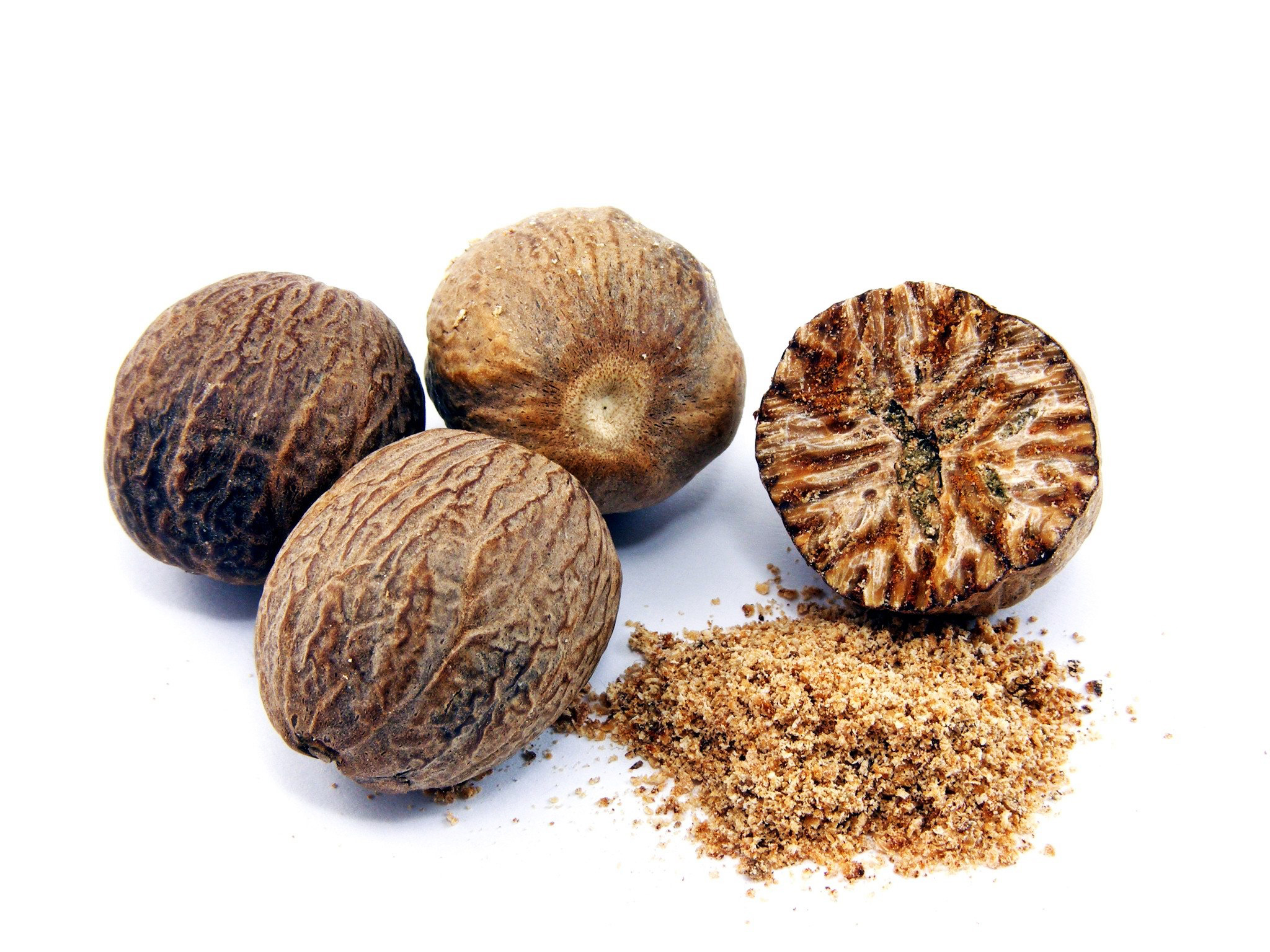
Nutmeg is a spice admired for its warm, nutty flavour and distinctive aroma, with a history that spans continents and centuries. It originates from the Banda Islands in Indonesia and is obtained from the seed of the tropical evergreen tree Myristica fragrans. For much of history, nutmeg was among the most prized spices in the world, exerting a powerful influence on global trade, colonial ambitions, and economic rivalries. In medieval Europe, it was valued not only for its culinary appeal but also for its perceived medicinal qualities, driving fierce competition among European powers.

Background

Nutmeg reached Europe as early as the sixth century through Arab trading networks and quickly became a symbol of luxury and status. By the seventeenth century, the Netherlands sought to dominate the nutmeg trade, going to extreme lengths, including military action, to maintain a monopoly over its production and distribution. This dominance was eventually challenged by the British, who succeeded in cultivating nutmeg in other parts of their empire, effectively ending Dutch control over the spice.

From an agricultural perspective, nutmeg thrives in warm, tropical climates with rich, well-drained soils, often of volcanic origin. The nutmeg tree is dioecious, meaning male and female flowers grow on separate plants, and only the female trees produce fruit. The spice known as nutmeg comes from the dried seed of this fruit, while the bright red, lace-like outer covering yields mace, another highly valued spice. Together, nutmeg and mace highlight the botanical uniqueness and enduring economic importance of this remarkable tree.

Nutmeg-Myristica Fragrans Asmidev

Nutmeg – Myristica Fragrans – Jaiphal

Today, nutmeg is a widely traded global spice and a familiar ingredient in cuisines across the world. It features prominently in traditional blends such as garam masala in India and pumpkin pie spice in North America. Its warm, slightly sweet flavour allows it to move effortlessly between sweet and savoury dishes, while also playing a role in mulled wines, festive beverages, and certain traditional liqueurs.

This article takes a deeper look into the multifaceted world of nutmeg. Beyond its historical importance and culinary versatility, it explores the potential health benefits associated with this spice, including its traditional use in supporting digestion and its emerging relevance to brain and nervous system health. The discussion also covers nutmeg’s nutritional profile, its diverse applications in cooking, and practical tips for storing and using nutmeg in ways that preserve its aroma and potency. Together, these layers reveal why nutmeg remains a spice that not only shaped history but continues to enrich everyday life with flavor and function.


Table of Contents

Cultivation

Chemical Composition of Nutmeg

General Health Benefits of Nutmeg

Pain Relief

Sleep Improvement

Digestive Health

Neuroprotective Effects

Antibacterial Properties

Liver Protection

Antidepressant Properties

Blood Pressure Regulation

Skin Health

Cholesterol Management

Antidiarrheal Effect

Anticonvulsant Properties

Reproductive Health Benefits of Nutmeg

Hormone Regulation

Menstrual Cycle Regulation

Stress Reduction

Libido Enhancement

Boosts Performance

Sperm Quality Improvement

Female Fertility Improvement

Testosterone Level Increase

Antioxidant Benefits

Erectile Health Support

Supplementation

Conclusion


Cultivation

Nutmeg cultivation depends on carefully balanced tropical conditions, thriving in warm, humid climates with fertile, well-drained soil, often of volcanic origin. The nutmeg tree, Myristica fragrans, is dioecious, meaning male and female flowers grow on separate trees, and only the female plants bear fruit. Patience is essential in nutmeg farming, as the trees may take up to nine years to begin producing fruit, though once established, they can remain productive for several decades.

The fruit itself resembles a small apricot and naturally splits open when mature, revealing the nutmeg seed wrapped in a vivid red, lace-like covering known as mace. Harvesting typically occurs twice a year. After collection, the seeds undergo a slow drying process that can last several weeks, allowing the flavours and aroma to develop fully. Once dried, the outer shell is removed to yield the nutmeg spice, completing a cultivation process that reflects both time and careful craftsmanship.

Climatic Conditions

Nutmeg (Myristica fragrans Houtt.), an evergreen tree native to the tropical Maluku Islands of Indonesia, requires a consistently warm and humid climate for successful cultivation and optimal yield. Scientific reviews and cultivation guidelines indicate that the tree thrives in humid tropical conditions with annual daytime temperatures ideally between 20–30°C (68–86°F), though it can tolerate a broader range of 12–38°C; the most favorable range for growth and fruiting is often cited as 25–30°C (77–86°F). Temperatures below 10–12°C can cause damage, and the species is highly frost-sensitive, making it unsuitable for subtropical or temperate regions with cold spells.

Adequate and evenly distributed rainfall is essential, with most sources recommending 150–250 cm (1500–2500 mm) annually, and some extending to 2000–3500 mm or more in areas with potential dry periods to compensate for soil drainage. Consistent moisture supports year-round growth, as prolonged dry spells or irregular distribution can reduce flowering and yield, while excessive waterlogging harms root health. Relative humidity should remain high (typically 60–80%) to mimic its native rainforest habitat.

Elevation plays a key role in suitability; nutmeg grows successfully from sea level up to approximately 1000–1300 meters (about 3300–4265 feet) above sea level in many producing regions, though lower elevations (below 700 m) are often preferred for higher productivity due to warmer, more stable conditions. Higher altitudes may experience cooler temperatures that limit optimal performance.

Soil requirements emphasize well-drained, fertile types such as deep clay loams, sandy loams, red lateritic soils, or sandy clay loams rich in organic matter, with a slightly acidic to neutral pH (around 5.5–7.0 or up to 8.0 in some reports). Good drainage is critical to prevent root rot, while overly dry or compacted soils impede nutrient uptake and growth. Balanced moisture—neither drought nor saturation—is vital, often achieved through mulching or intercropping in commercial settings.

These biophysical limits, drawn from agronomic studies and cultivation practices in major producers like Indonesia, India, Grenada, and Sri Lanka, ensure healthy tree development, consistent fruiting from 6–8 years onward, and sustainable yields of nutmeg and mace.

(References: Source 1, Source 2, Source 3, Source 4, Source 5)

Geography

Nutmeg, prized for its warm, aromatic flavor in culinary, medicinal, and perfumery applications, originates from the Banda Islands in the Maluku (Moluccas) archipelago of Indonesia, historically known as the Spice Islands. This region remains the epicenter of its cultivation, with Indonesia consistently ranking as the world’s leading producer. Recent data from sources including FAO estimates and trade reports (2023–2025) indicate Indonesia accounts for a substantial share of global output—often over 40,000–45,000 tonnes annually, or roughly 50–70% of world production depending on the year—supported by favorable volcanic soils and humid tropical conditions in areas like North Maluku, Sulawesi, Papua, and Aceh.

Other major producers include India, particularly in Kerala (historically the Malabar Coast, a longstanding spice trade hub), where cultivation thrives in the Angalay-Kalady belt and contributes 14,000–16,000 tonnes yearly, making it the second-largest producer. Sri Lanka follows, with significant cultivation in mid-country districts such as Matale, Kegalle, and Kandy, yielding around 3,000 tonnes and exporting notably high-quality nuts. Grenada in the Caribbean, often called the “Spice Island,” produces approximately 2,500 tonnes and is renowned for premium-grade nutmeg, historically second only to Indonesia before recent shifts in global rankings.

Additional cultivation occurs in Malaysia (notably Penang Island, with a legacy tied to colonial spice trade), Vietnam (emerging as a key exporter), Madagascar, and parts of the Caribbean. Guatemala has risen prominently in some recent FAO-aligned reports, occasionally leading in tonnage due to expanded plantations. Limited or experimental cultivation exists in Brazil and other tropical zones, though these contribute minimally to global supply. Reports of nutmeg in California refer to unrelated species like California nutmeg (Torreya californica), not true M. fragrans.

These regions—primarily tropical Asia, the Caribbean, and select African/Indian Ocean islands—collectively ensure nutmeg’s widespread availability, supporting its essential role in global cuisines, traditional remedies, and industries. Production remains sensitive to climate, pests, and market fluctuations, but established agroforestry systems in these areas sustain reliable yields.

(References: Source 1, Source 2, Source 3, Source 4)


Chemical Composition of Nutmeg

Nutmeg (Myristica fragrans Houtt.) seed is renowned for its rich and diverse chemical composition, which underpins both its traditional uses and potential health effects. The essential oil, typically comprising 5–15% of the seed, is dominated by monoterpenes such as sabinene (often 20–50% in various studies), α-pinene, β-pinene, limonene, and terpinen-4-ol, alongside phenylpropanoids including myristicin (commonly 5–15%), elemicin, safrole, and eugenol. These volatile compounds contribute to the spice’s aromatic profile and biological activities. Nutmeg also contains 30–40% fixed oil (nutmeg butter), primarily trimyristin (around 75%), which yields myristic acid upon hydrolysis—a saturated fatty acid used in various applications. Additional constituents include starch, proteins, phytosterols, saponins, coloring matters, and trace minerals/vitamins such as manganese, magnesium, copper, thiamin, vitamin B6, and folate, along with dietary fiber.

Myristicin, a key phenylpropanoid, exhibits toxicity in high doses; excessive nutmeg consumption (typically 10–30 g or more) can lead to myristicin poisoning, characterized by symptoms like nausea, dizziness, hallucinations, tachycardia, dry mouth, and in rare cases, severe agitation or delirium. Case reports and poison center data document such intoxications, often from intentional abuse for psychoactive effects, though life-threatening outcomes are uncommon except in massive overdoses or combinations with other substances.

Nutmeg demonstrates notable antioxidant potential in preclinical studies, with extracts and essential oil scavenging free radicals (e.g., via DPPH assays) due to flavonoids, phenolic compounds, and volatiles like myristicin and eugenol. Antibacterial properties against oral pathogens and other bacteria have been observed in vitro, supporting traditional uses for oral health. Analgesic effects are evidenced in animal models, where nutmeg oil reduced chronic inflammatory pain by inhibiting COX-2 expression and substance P release; a randomized, double-blind trial on topical nutmeg extracts in painful diabetic neuropathy showed pain reduction and improved quality of life, though not superior to placebo in some measures.

Other reported benefits, including sleep improvement, stress relief, antidepressant-like effects (via neurotransmitter modulation in rodents), potential hepatoprotection (against toxins in animal models), and blood pressure/cholesterol regulation, stem largely from preclinical evidence. Human clinical trials remain limited, with most pharmacological activities confirmed in vitro or in animals; high-quality RCTs are needed for validation. Nutmeg’s nutrient profile supports general health, but moderation is essential due to toxicity risks at high intakes.

(References: Source 1, Source 2, Source 3, Source 4, Source 5)


General Health Benefits of Nutmeg

Nutmeg is a fragrant spice obtained from the seed of the Myristica fragrans and has been valued for generations not only for its warm, distinctive flavour but also for its potential health-supporting properties. Rich in naturally occurring bioactive compounds, nutmeg has drawn scientific interest for its possible role in promoting overall wellbeing. Traditionally associated with digestive comfort and pain relief, it has also been studied for its relevance to heart health and cognitive support. This versatility allows nutmeg to move seamlessly between the kitchen and broader wellness practices. In this section, we explore the various ways nutmeg may contribute to general health and vitality when used thoughtfully as part of a balanced lifestyle.

Pain Relief

Nutmeg, derived from the seed of the evergreen tree, has long been explored in traditional medicine for its potential analgesic properties, primarily attributed to its bioactive compounds including myristicin, elemicin, and eugenol, which exhibit anti-inflammatory and pain-modulating effects in preclinical models.

Myristicin, a major phenylpropanoid in nutmeg essential oil (typically 5–15%), demonstrates potent anti-inflammatory activity across multiple studies. In vitro and in vivo research shows it inhibits pro-inflammatory mediators such as prostaglandins (PGE2), nitric oxide (NO), and cytokines (e.g., TNF-α, IL-1β, IL-6), often via non-selective suppression of cyclooxygenase-2 (COX-2) at both protein and mRNA levels. Animal models, including carrageenan-induced paw edema and dsRNA-stimulated macrophages, confirm reduced edema and inflammatory cell migration. Analgesic effects appear linked to modulation of inflammatory pathways rather than direct CNS receptor interactions like serotonin or dopamine in most reports, though some CNS activity (e.g., sedative or anxiogenic) has been noted in rodents.

Eugenol, present in smaller amounts in nutmeg oil, contributes anti-inflammatory benefits by inhibiting enzymes involved in pro-inflammatory substance production, such as COX pathways, mirroring its well-documented role in clove oil. Preclinical evidence supports its ability to reduce pain responses in models of inflammation and neuropathy, potentially aiding vascular and neural improvements in diabetic contexts.

Elemicin, another phenylpropanoid, is less extensively studied for analgesia; limited data suggest possible contributions through anti-inflammatory or neurotransmitter-related pathways, but robust evidence remains sparse compared to myristicin or eugenol.

Overall, nutmeg oil has shown analgesic potential in animal models of chronic inflammatory pain, such as complete Freund’s adjuvant (CFA)-induced arthritis in rats, where it alleviated joint swelling, mechanical allodynia, and heat hyperalgesia by inhibiting COX-2 expression and reducing substance P levels in blood. A randomized, double-blind, controlled human trial (2013) on topical nutmeg extracts (containing 14% nutmeg oil) in patients with painful diabetic neuropathy reported significant reductions in pain scores, burning, tingling, and interference with sleep/mood after 4 weeks, though improvements were comparable to the placebo (menthol/methyl salicylate base), indicating no clear superiority over the vehicle. High-quality human clinical trials remain limited, with most evidence from preclinical studies; further RCTs are needed to confirm efficacy, optimal dosing, and safety for pain relief applications. Nutmeg should be used cautiously due to toxicity risks at high doses.

(References: Source 1, Source 2, Source 3)

Sleep Improvement

Nutmeg has long been valued in traditional medicine as a natural aid for promoting relaxation and improving sleep quality, largely attributed to its bioactive compounds such as myristicin and eugenol, which exhibit sedative-like effects in preclinical models.

Myristicin, a prominent phenylpropanoid in nutmeg essential oil (typically 5–15%), contributes to sedative and hypnotic properties observed in animal studies. Ethanolic extracts and fractions of nutmeg seeds have been shown to shorten sleep latency (time to fall asleep) and prolong sleep duration in rodents, often comparable to reference sedatives like diazepam or pentobarbital. For instance, oral administration of nutmeg extracts potentiates pentobarbital-induced sleeping time, reduces exploratory behavior in hole-board and open-field tests, and decreases locomotor activity, indicating central nervous system depression. Mechanisms may involve modulation of neurotransmitter systems, including serotonergic pathways (e.g., interactions with 5-HT receptors) and potential GABAergic influences, though some reports note anxiogenic rather than purely anxiolytic effects at certain doses. Trimyristin, a major fixed oil component, has also been linked to enhanced light and deep sleep phases in experimental models. Aqueous and n-hexane extracts demonstrate significant sedative-hypnotic activity by reducing onset of loss of righting reflex and extending recovery time in thiopental-induced sleep assays.

Eugenol, present in smaller quantities, adds mild sedative and anti-inflammatory effects. Preclinical research on eugenol (often from other sources like clove) shows it prolongs barbiturate-induced sleep and reduces CNS excitability, potentially supporting nutmeg’s overall calming profile by mitigating inflammation that could disrupt rest.

Nutmeg may indirectly aid sleep by soothing gastrointestinal discomfort—such as bloating or indigestion—that often interferes with nighttime rest, aligning with its traditional carminative use.

Despite promising preclinical evidence from rodent models showing reduced sleep latency, increased sleep duration, and sedative effects (e.g., via ethanolic/ethyl acetate fractions), human clinical trials specifically evaluating nutmeg for insomnia or sleep quality remain scarce. No large-scale randomized controlled trials directly confirm these benefits in humans, though anecdotal and traditional applications (e.g., nutmeg with warm milk) persist. High doses carry risks of toxicity (e.g., myristicin-related hallucinations or nausea), so nutmeg should be used sparingly—typically small amounts like a pinch—as a sleep aid. Further human studies are needed to validate efficacy, optimal dosing, and long-term safety for sleep improvement.

(References: Source 1, Source 2, Source 3, Source 4)

Digestive Health

Nutmeg has been traditionally recognized for supporting digestive health, owing to its bioactive compounds, antimicrobial effects, and carminative properties, with emerging preclinical evidence reinforcing these uses.

Eugenol, a phenylpropanoid present in nutmeg essential oil, contributes anti-inflammatory and antimicrobial benefits that may soothe the gastrointestinal tract. In vitro and animal studies demonstrate eugenol’s ability to suppress pro-inflammatory cytokines (e.g., TNF-α, IL-6), inhibit COX pathways, and reduce oxidative stress in inflamed gut models, such as LPS-induced intestinal epithelial cell inflammation in porcine IPEC-J2 lines, where low doses restored tight junction proteins (ZO-1, occludin), improved barrier integrity (e.g., TEER values), and attenuated cytokine secretion. These mechanisms could help mitigate inflammation-related digestive discomfort, though direct human trials on eugenol from nutmeg for gut health are limited.

Nutmeg exhibits carminative effects, traditionally used to relieve gas, bloating, flatulence, and indigestion by relaxing gastrointestinal smooth muscles and reducing gas accumulation. Folkloric applications describe it as a stomachic and remedy for colic, diarrhea, and intestinal catarrh, supported by in vitro antimicrobial activity against gut pathogens (e.g., Bacillus subtilis, Staphylococcus aureus, Shigella dysenteriae). Animal models show nutmeg extracts protect against dextran sulfate sodium-induced colitis in mice, reducing colon shortening, clinical symptoms, and histological damage, while regulating gut microbiota and metabolites to alleviate hepatic inflammation linked to dysbiosis.

Nutmeg contains dietary fiber (approximately 20–21 g per 100 g ground nutmeg), which supports regular bowel movements, softens stool, and promotes healthy transit to prevent constipation. However, typical culinary doses (e.g., 1–2 g) provide only small amounts of fiber, contributing modestly to daily intake.

Aromatic compounds in nutmeg may stimulate digestive enzyme secretion, aiding food breakdown and nutrient absorption, though this is primarily based on traditional use and limited preclinical data rather than robust human evidence. Preclinical studies highlight nutmeg’s prebiotic-like effects on gut microbiota, potentially improving overall GI function and reducing disorders, but high-quality human clinical trials specifically for digestive benefits remain scarce. Nutmeg is generally safe in small amounts (e.g., as a spice), but excessive intake risks toxicity from myristicin. Moderation is advised, and further RCTs are needed to confirm efficacy for conditions like indigestion, bloating, or inflammatory bowel issues.

(References: Source 1, Source 2, Source 3)

Neuroprotective Effects

Nutmeg has attracted interest for its potential neuroprotective effects, primarily linked to its bioactive compounds such as myristicin, eugenol, and elemicin, which demonstrate antioxidant, anti-inflammatory, and cholinergic-modulating properties in preclinical models relevant to neurodegenerative conditions like Alzheimer’s and Parkinson’s disease.

Myristicin, a key phenylpropanoid (typically 5–15% in essential oil), exhibits strong antioxidant activity by scavenging free radicals and reducing oxidative stress, a major factor in neuronal damage during neurodegeneration. In vitro studies show myristicin and related compounds neutralize reactive oxygen species (ROS), while animal models (e.g., scopolamine-induced cognitive deficits in rodents) indicate nutmeg extracts reverse memory impairment, elevate antioxidant enzymes (SOD, CAT, GSH), and lower oxidative markers like MDA. Ethanolic nutmeg extracts attenuate neuronal loss and glial activation in pentylenetetrazol (PTZ)-induced kindling models, protecting hippocampal CA1 and CA3 regions from cell death and inflammation, with GC-MS confirming myristicin alongside elemicin and myristic acid as major components. Preclinical evidence also links nutmeg to reduced neuroinflammation via pathways like NF-κB suppression and improved mitochondrial homeostasis.

Eugenol and elemicin contribute anti-inflammatory benefits by inhibiting pro-inflammatory cytokines (e.g., TNF-α, IL-1β, IL-6) and enzymes like COX, mitigating chronic brain inflammation associated with cognitive decline. In rodent models of hypoxia or rotenone-induced Parkinson’s, nutmeg compounds (including lignans like macelignan) protect dopaminergic neurons, alleviate motor deficits, and modulate PPARγ-dependent pathways to curb oxidative and inflammatory damage.

Nutmeg displays cholinergic-enhancing effects through acetylcholinesterase (AChE) inhibition, supporting acetylcholine levels crucial for memory and learning. In vitro assays identify potent AChE inhibitors in nutmeg fractions (e.g., IC50 values in the micromolar range for certain compounds), while rodent studies show n-hexane or methanolic extracts improve spatial memory in scopolamine- or diazepam-challenged models, enhancing cognitive performance comparable to standards in some behavioral tests (e.g., elevated plus maze, passive avoidance). Low-dose extracts (5–20 mg/kg) reverse amnesia and boost learning without significant toxicity.

Despite robust preclinical support—including protection against oxidative stress, inflammation, neuronal apoptosis, and cognitive deficits in models of Alzheimer’s (scopolamine-induced) and epilepsy-related neurodegeneration—human clinical trials remain limited or absent for direct neuroprotective or cognitive benefits. Most evidence derives from animal and in vitro studies; no large-scale RCTs confirm efficacy in humans for Alzheimer’s, Parkinson’s, or age-related decline.

(References: Source 1, Source 2, Source 3, Source 4)

Antibacterial Properties

Nutmeg exhibits notable antibacterial properties, primarily driven by its bioactive compounds, with in vitro studies demonstrating activity against a range of Gram-positive and Gram-negative bacteria, including foodborne pathogens, oral microbes, and spoilage organisms.

Eugenol, a phenylpropanoid present in nutmeg essential oil (typically in smaller amounts compared to clove but contributing significantly), shows strong antimicrobial effects by disrupting bacterial cell membranes, increasing permeability, causing leakage of intracellular contents (e.g., ATP), and potentially interacting with intracellular targets to induce cell death. Preclinical research highlights eugenol’s efficacy against species like Escherichia coli, Staphylococcus aureus, and others, with mechanisms involving membrane depolarization, enzyme inhibition (e.g., amylase, protease), and metal ion chelation. In nutmeg contexts, eugenol and related compounds (e.g., isoeugenol) enhance overall antibacterial potency, as evidenced by zone inhibition and MIC assays in various extracts.

Myristicin, the predominant phenylpropanoid in nutmeg essential oil (often 5–15% or higher in some fractions), contributes to antibacterial potential, though evidence is more variable and often context-dependent. In vitro studies link myristicin to interference with bacterial enzymes, DNA replication, or cell wall integrity, with some reports showing activity against pathogens like Helicobacter pylori (methanolic extracts inhibiting at low concentrations), Shigella sp., and select Gram-negative strains. However, isolated myristicin or high-myristicin oils sometimes display weak or selective activity against S. aureus, E. coli, Pseudomonas aeruginosa, or MRSA, suggesting synergistic effects with other nutmeg constituents (e.g., sabinene, α-pinene, trimyristin, myristic acid) are key for broader efficacy.

Nutmeg essential oil, rich in these volatiles, consistently demonstrates dose-dependent antibacterial activity in agar diffusion, broth microdilution, and tetrazolium assays, with MIC values often ranging from 0.1–1.0 µg/mL or equivalent against foodborne bacteria (E. coli, Salmonella, S. aureus) and oral/endodontic pathogens (Streptococcus mutans, Enterococcus faecalis, Porphyromonas gingivalis). Extracts (e.g., acetone, ethanol, methanolic) inhibit growth of spoilage and pathogenic bacteria, supporting traditional uses in food preservation to prevent bacterial proliferation and extend shelf life.

These effects align with centuries-old applications in traditional medicine and food systems for inhibiting spoilage and pathogenic bacteria. While robust in vitro evidence exists from multiple studies (including against multidrug-resistant strains and oral pathogens), human clinical trials confirming antibacterial benefits (e.g., for infections or preservation) are limited; most data derive from laboratory assays.

(References: Source 1, Source 2, Source 3, Source 4, Source 5)

Liver Protection

Nutmeg has demonstrated hepatoprotective potential in preclinical animal models, primarily through its bioactive compounds that combat oxidative stress, inflammation, and lipid dysregulation—key factors in liver damage and diseases like non-alcoholic fatty liver disease (NAFLD).

Myristicin, a major phenylpropanoid in nutmeg essential oil, exhibits potent antioxidant effects by neutralizing free radicals and suppressing oxidative stress. In a 2003 study, myristicin from nutmeg markedly protected mice against lipopolysaccharide/D-galactosamine-induced acute liver injury by reducing serum aminotransferase elevations, inhibiting TNF-α release from macrophages, and preventing hepatic DNA fragmentation. Other models show nutmeg extracts (including myristicin-rich fractions) elevate antioxidant enzymes (e.g., SOD, CAT, GSH), lower lipid peroxidation (MDA), and restore liver function markers in toxin-induced hepatotoxicity (e.g., paracetamol/APAP, thioacetamide/TAA, carbon tetrachloride/CCl4).

Compounds like eugenol and safrole contribute anti-inflammatory properties by modulating pathways such as NF-κB and cytokine production, helping mitigate chronic inflammation linked to liver pathology. Nutmeg extract activates peroxisome proliferator-activated receptor alpha (PPARα), reducing oxidative stress and inflammation in TAA-induced models; neolignans like myrislignan show strong protective activity here. Additional studies report nutmeg preventing APAP-induced hepatotoxicity via Nrf2/HO-1 pathway activation, anti-apoptotic gene upregulation (e.g., Bcl-2), and reduced Bax/caspase-3 expression.

Nutmeg supports detoxification by enhancing liver enzyme function and aiding toxin elimination in animal models. Regarding lipid metabolism, alcohol extracts of nutmeg regulate free fatty acid pathways, downregulate lipogenic genes (e.g., FASN, SREBP-1c), lower hepatic lipid accumulation, and improve serum profiles (e.g., reduced TC, TG, LDL-c; increased HDL-c) in high-fat diet-induced NAFLD mice, attenuating obesity-related inflammation and steatosis without affecting food intake.

While these findings from rodent models (e.g., reduced transaminases, histological improvements, restored lipid balance) highlight promising hepatoprotective mechanisms, human clinical trials are lacking; evidence remains preclinical. High doses of nutmeg can cause hepatotoxicity (e.g., oxidative stress, elevated AST/ALT, hepatocyte necrosis in dose/duration-dependent studies), so use in moderation (culinary amounts) is essential. Further RCTs are needed to confirm benefits for liver health or conditions like NAFLD.

(References: Source 1, Source 2, Source 3, Source 4)

Antidepressant Properties

Nutmeg has been investigated for potential antidepressant-like properties in preclinical models, largely linked to its complex chemical profile, including myristicin, eugenol, and elemicin, which may influence neurotransmitter systems involved in mood regulation.

Myristicin, a primary phenylpropanoid in nutmeg essential oil (typically 5–15%), appears to contribute through modulation of serotonergic pathways. Preclinical studies indicate nutmeg extracts (including n-hexane fractions rich in myristicin) reduce immobility time in behavioral despair tests like the forced swim test (FST) and tail suspension test (TST) in rodents, effects comparable to standard antidepressants such as imipramine. Mechanisms involve multiple monoaminergic systems: antagonism studies show reductions blocked by 5-HT2A/2C (ketanserin), 5-HT3 (ondansetron), and α2-adrenergic (yohimbine) receptor antagonists, with partial trends for 5-HT1A involvement. Nutmeg may weakly inhibit monoamine oxidase (MAO), elevating serotonin levels, though direct serotonin enhancement evidence is indirect via behavioral outcomes. Ethanolic or essential oil extracts similarly decrease immobility in FST, involving dopaminergic, serotonergic, and noradrenergic transmission.

Eugenol and elemicin add anxiolytic potential, relevant since anxiety often co-occurs with depression. Eugenol exhibits mild calming effects in some models, while elemicin and related phenylpropanoids contribute to overall CNS modulation. Nutmeg extracts show mixed CNS effects—antidepressant-like in despair paradigms but occasionally anxiogenic at higher doses—potentially via indirect endocannabinoid system interactions (e.g., FAAH/MAGL inhibition elevating endocannabinoids for anti-inflammatory and mood benefits).

Antioxidant compounds in nutmeg protect against oxidative stress implicated in depression pathogenesis, with extracts elevating brain antioxidant enzymes and reducing lipid peroxidation in rodent models of neurotoxicity.

Preclinical evidence from multiple rodent studies (e.g., acute or short-term oral administration of extracts at 5–10 mg/kg) supports antidepressant-like activity without significant locomotor changes, and acute toxicity tests indicate safety (LD50 >2000 mg/kg). However, no high-quality human clinical trials confirm these effects for depression treatment; evidence remains limited to animal behavioral assays and in vitro mechanisms.

(References: Source 1, Source 2, Source 3, Source 4)

Blood Pressure Regulation

Nutmeg has been traditionally associated with potential benefits for blood pressure regulation, supported by its bioactive compounds and mineral content, though evidence remains largely preclinical with no direct human clinical trials confirming significant hypotensive effects from typical consumption.

Eugenol, a phenylpropanoid present in nutmeg essential oil (in smaller quantities than in clove), demonstrates vasodilatory properties in preclinical studies. Research shows eugenol activates endothelial TRPV4 channels in mesenteric arteries, leading to vasorelaxation and reduced systemic blood pressure in vivo (e.g., in rodent models). It also inhibits voltage-dependent calcium channels in vascular smooth muscle, promoting artery dilation in cerebral and other vessels, and blocks adrenergic receptors or calcium influx to enhance vasodilation and reduce hypertension-related strain. These mechanisms improve blood flow and decrease cardiac workload, as observed in animal models of normotensive and hypertensive states. While eugenol from other sources (e.g., clove) shows similar effects, nutmeg’s contribution is plausible but less dominant due to lower eugenol levels.

Nutmeg contains notable minerals, including potassium (approximately 350–500 mg per 100 g ground nutmeg), magnesium, calcium, and others, which support cardiovascular health. Potassium aids in balancing sodium levels, relaxing blood vessel walls, and counteracting sodium-induced hypertension, aligning with dietary guidelines linking higher potassium intake to lower blood pressure. Magnesium and calcium further contribute to vascular tone regulation. However, typical culinary doses (e.g., 1–2 g) provide only modest mineral amounts, making nutmeg a minor contributor compared to potassium-rich foods like bananas or spinach.

Antioxidants in nutmeg, including myristicin, eugenol, and other phenolics, may protect vascular endothelium from oxidative stress, which damages lining cells and promotes hypertension via impaired nitric oxide function or inflammation. Preclinical data suggest these compounds reduce oxidative damage and support endothelial integrity, indirectly benefiting blood pressure.

Traditional uses in systems like Unani or Pakistani folk medicine include nutmeg for hypertension, but modern reviews note limited systematic evidence. No robust human RCTs demonstrate direct blood pressure reduction from nutmeg ingestion; any potential benefits are speculative and likely modest, emphasizing overall diet over single spices.

(References: Source 1, Source 2)

Skin Health

Nutmeg and its derivatives, particularly the essential oil and extracts, have been explored for potential skin health benefits due to anti-inflammatory, antimicrobial, antioxidant, and mild exfoliating properties, primarily supported by preclinical (in vitro and animal) studies and traditional uses.

Eugenol, a phenylpropanoid in nutmeg essential oil, contributes anti-inflammatory effects by inhibiting pro-inflammatory mediators (e.g., cytokines like TNF-α, IL-6) and pathways such as NF-κB or COX, which may reduce redness, swelling, and irritation in conditions like acne, eczema, or general skin inflammation. Preclinical research shows eugenol and related compounds soothe inflamed skin models, while nutmeg’s overall profile supports calming effects in traditional applications.

Antimicrobial activity, driven by eugenol, myristicin, and other volatiles (e.g., sabinene, terpinen-4-ol), targets skin pathogens including Propionibacterium acnes (now Cutibacterium acnes), Staphylococcus aureus, and others associated with acne and infections. In vitro assays demonstrate nutmeg extracts inhibit bacterial growth, with some studies highlighting potential against acne-causing strains; a recent evaluation of nutmeg flesh extract showed significant anti-P. acnes activity, positioning it as a candidate for natural anti-acne agents. Nutmeg oil has also been noted in reviews of essential oils for dermatological infections, showing activity against acne-related bacteria.

Antioxidant compounds (e.g., myristicin, phenolics, flavonoids) protect skin cells from free radical damage and environmental stressors, potentially reducing oxidative stress linked to premature aging, wrinkles, and fine lines. Assays like DPPH confirm strong radical-scavenging in nutmeg extracts, supporting anti-aging claims in preclinical contexts.

Exfoliating effects arise from nutmeg’s granular texture when ground and applied topically (e.g., in masks or scrubs), mechanically removing dead skin cells to promote brighter complexion and smoother texture, though this is more mechanical than biochemical.

A 2024 animal study on 3% nutmeg cream demonstrated accelerated healing in second-degree burn wounds in rats (41.88% healing vs. controls), attributed to antimicrobial, anti-inflammatory, and antiseptic properties, with no reported irritation. Other preclinical data indicate low skin irritation potential for diluted nutmeg oil or extracts (e.g., no irritation in rat topical tests at tested doses), and some essential oil comparisons rate nutmeg as mildly irritating compared to clove or citronella.

Human clinical evidence for topical nutmeg in skin conditions like acne or eczema remains limited—no large-scale RCTs confirm efficacy or superiority over standards. Benefits are largely extrapolated from in vitro, animal models, and traditional practices. Nutmeg can cause irritation, sensitization, or allergic reactions when applied undiluted or in high concentrations due to potent volatiles; always dilute in carrier oils (e.g., coconut, jojoba) or use in formulated products, perform patch tests, and avoid sensitive areas. Consult dermatologists for skin concerns, as nutmeg is best as a complementary ingredient in moderation.

(References: Source 1, Source 2, Source 3, Source 4)

Cholesterol Management

Nutmeg has shown potential in supporting cholesterol management and lipid metabolism in preclinical animal models, primarily through its bioactive compounds and effects on lipid profiles, though human clinical evidence remains limited.

Extracts of nutmeg seed (e.g., ethanolic, aqueous, or alcohol extracts) consistently demonstrate hypolipidemic and antihyperlipidemic effects in rodent models. In high-cholesterol-fed rats, oral administration of nutmeg extract (doses up to 450 mg/kg) significantly reduced elevated total cholesterol (up to 66.7% reduction), triglycerides (up to 47%), and LDL-cholesterol levels, while often increasing HDL-cholesterol or improving overall lipid balance. Similar outcomes occur in hyperlipidemic rabbits, where nutmeg prevented cholesterol buildup, reduced aortic plaque, boosted fecal lipid excretion, and lowered LDL and total cholesterol. In high-fat diet-induced models of non-alcoholic fatty liver disease (NAFLD) or obesity, nutmeg extracts (e.g., alcohol extract at 125 mg/kg) decreased hepatic lipid accumulation, serum total cholesterol, LDL-cholesterol, and triglycerides, while improving liver function markers (e.g., reduced AST/ALT). These effects align with reduced body weight gain, inflammation, and metabolic abnormalities in some studies.

Key mechanisms involve modulation of lipid metabolism: nutmeg may inhibit intestinal cholesterol absorption, promote fecal excretion, suppress hepatic lipogenesis (e.g., via downregulation of genes like FASN, SREBP-1c), and regulate free fatty acid pathways. Antioxidant properties further contribute by mitigating oxidative stress and preventing formation of oxidized LDL, a more atherogenic form that damages blood vessels and promotes atherosclerosis.

Myristicin and eugenol are implicated, with eugenol showing cholesterol-lowering potential in related studies (e.g., reducing LDL and hepatic steatosis via anti-inflammatory and metabolic effects). Dietary fiber in nutmeg (around 20 g per 100 g) may bind cholesterol in the gut, limiting absorption and aiding excretion, though typical spice doses provide modest fiber.

Nutmeg’s fixed oil (rich in myristic acid) and volatiles likely synergize these actions. Preclinical data from multiple studies (e.g., high-cholesterol diets, high-fat models, tyloxapol-induced hypertriglyceridemia) support consistent reductions in adverse lipids without major toxicity at tested doses. However, no robust human randomized controlled trials directly evaluate nutmeg for cholesterol management or cardiovascular risk reduction; benefits are extrapolated from animal models. Nutmeg is safe in culinary amounts (e.g., as a spice), but excessive intake risks myristicin toxicity. It should complement—not replace—proven interventions like diet, exercise, or medications; consult healthcare providers for lipid concerns.

(References: Source 1, Source 2, Source 3)

Antidiarrheal Effect

Nutmeg has been traditionally used for its antidiarrheal effects, with preclinical pharmacological studies supporting its ability to reduce diarrhea symptoms through mechanisms involving reduced gastrointestinal motility, anti-inflammatory actions, and antimicrobial properties.

Key evidence comes from animal models, such as castor oil-induced diarrhea in rats and mice, where nutmeg extracts (crude suspension, petroleum ether, ethanol, or aqueous) significantly decrease the number of loose stools, prolong latency to first defecation, and inhibit overall fecal output. For instance, a 2002 study found that nutmeg crude suspension and petroleum ether extract reduced mean loose stools and increased latency, demonstrating good antidiarrheal activity comparable to reference agents, alongside sedative effects but without adverse impacts on blood pressure or ECG. Other investigations using magnesium sulfate- or castor oil-induced models show solvent fractions (e.g., n-hexane at 400 mg/kg) inhibiting diarrhea by up to 71.3%, reducing intestinal transit, and exerting antispasmodic effects on gut smooth muscle. Ethanolic extracts in mice models also suppress diarrhea induced by pathogens like Escherichia coli. These effects align with traditional Ayurvedic applications for “astringing the intestines to relieve diarrhea,” with network pharmacology reviews predicting multi-target mechanisms involving lignans, terpenoids, and phenylpropanoids.

Eugenol, present in nutmeg essential oil, contributes through anti-inflammatory and antimicrobial properties. It suppresses pro-inflammatory cytokines (e.g., TNF-α, IL-6, IL-8) and mediators in LPS-stimulated intestinal epithelial models (e.g., porcine IPEC-J2 cells), restoring tight junction proteins (ZO-1, occludin), improving barrier integrity (e.g., TEER values), and reducing inflammation-driven fluid secretion and motility that exacerbate diarrhea. Eugenol’s ability to inhibit COX pathways and oxidative stress further mitigates gut inflammation.

Nutmeg may exert mild astringent effects by constricting intestinal tissues and reducing excessive stool passage, though this is more traditional than mechanistically detailed in studies. Dietary fiber (about 20 g per 100 g) can add bulk, absorb excess water, and normalize bowel movements in watery diarrhea, but typical spice doses offer limited fiber contribution.

While robust preclinical data from rodent models (e.g., reduced fecal frequency, normalized transit, anti-secretory actions) justify traditional uses, human clinical trials specifically for antidiarrheal efficacy are absent. Benefits are extrapolated from animal studies and ethnomedicinal practices.

(References: Source 1)

Anticonvulsant Properties

Nutmeg (Myristica fragrans Houtt.) has been investigated for potential anticonvulsant properties in preclinical animal models, with studies demonstrating protective effects against induced seizures, though human clinical evidence is absent and further research is needed for therapeutic validation.

Key findings stem from tests using established seizure models. In maximal electroshock (MES) tests, nutmeg oil (administered intraperitoneally) significantly protected against hind limb tonic extension—a marker of generalized tonic-clonic (grand mal) seizures—preventing seizure spread and showing rapid onset with short duration. Dose-dependent anticonvulsant activity was observed in subcutaneous pentylenetetrazole (PTZ)-induced models, delaying onset of clonic/tonic seizures, reducing severity patterns (e.g., generalized myoclonic twitches to full tonic-clonic), and providing partial protection in some patterns. Nutmeg oil also delayed hind limb tonic extensor jerks in strychnine tests and exhibited mixed effects in bicuculline/picrotoxin models (protection at lower doses, potentiation at higher). Ethanolic extracts (50–100 mg/kg) in PTZ-kindling models reduced seizure behavior scores, attenuated neuronal loss (e.g., in hypothalamic regions), and ameliorated glial activation (e.g., reduced GFAP/Iba-1 immunoreactivity), suggesting anti-inflammatory contributions to neuroprotection.

Myristicin (typically 5–15% in essential oil, ~11% in some extracts) is implicated in these effects, potentially via modulation of inhibitory neurotransmission. While direct GABA receptor agonism lacks strong evidence, nutmeg’s overall profile (including volatiles) may enhance GABAergic inhibition to curb neuronal excitability, countering imbalances linked to seizures. Related components like α-terpineol (a minor nutmeg oil constituent) enhance GABA_A receptor currents in vitro (e.g., increasing I_GABA by 229–326% at tested concentrations), supporting potential inhibitory modulation.

Elemicin (often 22% in ethanolic extracts) contributes alongside myristicin and myristic acid (major component in some analyses), with GC-MS confirming these in anticonvulsant-active fractions. Elemicin may help suppress excessive excitatory signaling, though its specific role is less delineated than myristicin’s.

Preclinical data from rodent models (e.g., MES, PTZ, kindling) indicate nutmeg oil/extracts offer promise against generalized tonic-clonic and partial seizures, with a favorable safety margin in acute tests (e.g., LD50 ~2150 µL/kg for oil). However, high doses can paradoxically induce CNS effects (e.g., proconvulsant in some assays) or toxicity (e.g., hallucinations, seizures in overdose cases). No human RCTs evaluate anticonvulsant efficacy; benefits remain extrapolated from animal studies. Nutmeg should not replace established antiepileptic therapies—use only in small culinary amounts, and consult neurologists for seizure management, as excessive intake risks serious adverse effects.

(References: Source 1)

In summary, nutmeg emerges as a distinctive and versatile spice with a broad range of potential health-supporting properties. Traditionally valued for aiding digestion and easing discomfort, it has also drawn attention for its possible role in supporting blood pressure balance and neurological health. These benefits are linked to the diverse bioactive compounds naturally present in nutmeg. While further research is needed to confirm some effects and define safe intake levels, its long-standing use in traditional medicine and everyday cooking reflects its enduring relevance. As both a flavourful ingredient and a component of holistic wellness practices, nutmeg continues to attract interest as a natural contributor to a balanced and health-conscious lifestyle.


Reproductive Health Benefits of Nutmeg

Nutmeg offers more than culinary warmth and aroma; it has also been traditionally associated with aspects of reproductive health. Rich in naturally occurring bioactive compounds, this spice has drawn interest for its potential role in supporting fertility, sexual wellbeing, and menstrual comfort. Historically regarded as an aphrodisiac in several traditional systems, nutmeg has been linked with vitality and hormonal balance, factors that are closely tied to reproductive function.

Traditional use and early scientific observations suggest that nutmeg may influence circulation, nervous system activity, and hormonal regulation, all of which can play a role in reproductive health. While modern research in this area is still evolving, these traditional perspectives continue to guide interest in nutmeg’s broader wellness applications. This section explores how nutmeg may support reproductive wellbeing, drawing from both historical use and emerging insights into its role in human vitality.

Hormone Regulation

Nutmeg has been examined in preclinical studies for potential influences on hormone regulation and endocrine function, though evidence is limited, often indirect, and primarily from animal or in vitro models rather than human clinical trials.

Myristicin and related compounds (e.g., in essential oil) show interactions with metabolic pathways, including those involved in steroid hormone biosynthesis and thyroid hormone synthesis, as identified in proteomics and pathway enrichment analyses of nutmeg-exposed models. For instance, nutmeg supplementation in zebrafish upregulated mRNA expression of growth hormone (gh) and insulin-like growth factor-1 (igf-1), suggesting modulation of growth-related hormonal axes, alongside immune and antioxidant gene enhancements. In rodent models of hepatotoxicity, nutmeg altered pathways linked to steroid hormone biosynthesis and thyroid hormone synthesis, indicating potential endocrine effects at higher exposures. Nutmeg extracts also exhibit insulin-like activity in vitro (e.g., inhibiting protein tyrosine phosphatase 1B involved in insulin signaling) and hypoglycemic effects in diabetic animal models, potentially supporting glucose homeostasis via insulin modulation, though direct human evidence is lacking.

Regarding sex hormones and aphrodisiac properties, traditional use as an aphrodisiac is supported by animal studies: 50% ethanolic nutmeg extract (e.g., 500 mg/kg orally) significantly increased mounting frequency, intromission, and other sexual behavior parameters in male rats and mice, without acute toxicity, attributed to nervous system stimulation, improved circulation, and possibly vasodilatory effects from eugenol. These effects enhance libido and potency in models, but no robust human RCTs confirm direct impacts on testosterone, estrogen, or other sex hormones. Some sources speculate indirect benefits via anxiety reduction and mood enhancement (from prior antidepressant-like preclinical data), potentially aiding sexual function, but this remains speculative.

A recent study in female Wistar rats found nutmeg seed extract reduced estrogen and progesterone levels while altering ovarian/uterine histology, suggesting hormone-modulating (potentially suppressive) effects in reproductive contexts. Proteomics and pathway data hint at broader endocrine influences (e.g., steroid pathways), but high doses risk toxicity, including oxidative stress or hepatotoxicity that could indirectly affect hormonal balance.

Overall, while preclinical findings indicate nutmeg may influence growth, insulin-related, and reproductive hormonal pathways—potentially supporting balance in specific models—human clinical evidence for hormone regulation, endocrine benefits, or aphrodisiac efficacy is absent or anecdotal. Nutmeg is safe in small culinary amounts (e.g., as a spice), but excessive intake (e.g., for purported hormonal effects) risks myristicin toxicity (hallucinations, nausea, tachycardia).

(References: Source 1, Source 2)

Menstrual Cycle Regulation

Nutmeg (Myristica fragrans Houtt.) has a history of traditional use in various cultures for supporting menstrual health, including as an emmenagogue to regulate cycles, relieve cramps, and ease discomfort, though scientific evidence specifically for menstrual cycle regulation remains limited and primarily preclinical or anecdotal.

A recent study on female Wistar albino rats administered ethanolic extract of nutmeg seeds reported significant reductions in serum estrogen and progesterone levels (p < 0.05), accompanied by histological changes in the ovary and uterus, such as altered follicular development and endometrial structure. These findings suggest potential hormone-modulating effects that could disrupt or influence reproductive hormone balance, potentially leading to irregularities rather than stabilization in some contexts. Other animal research on nutmeg oil or extracts has shown antifertility or contraceptive-like actions in females (e.g., reduced pregnancy outcomes in Wistar rats with alcoholic extracts), indicating possible suppressive impacts on reproductive hormones or ovarian function at tested doses. In contrast, some traditional claims and reviews describe nutmeg as helpful for balancing hormones, easing PMS symptoms (e.g., mood swings, irritability), or acting as an emmenagogue, but these lack robust human validation.

For menstrual cramps (dysmenorrhea), nutmeg’s anti-inflammatory and analgesic properties—driven by eugenol and myristicin—may offer relief. Preclinical data show these compounds inhibit pro-inflammatory cytokines (e.g., TNF-α, IL-6) and pathways like NF-κB or COX, potentially reducing uterine inflammation and muscle spasms associated with cramps. Topical or massage applications of nutmeg oil (often blended) have been noted in small studies or reviews for alleviating abdominal pain during menstruation, with anti-inflammatory effects helping to relax smooth muscles and improve comfort, though no large-scale human RCTs confirm superiority over placebo or standard treatments.

Antioxidants in nutmeg (e.g., phenolics, myristicin) combat oxidative stress, which may indirectly support menstrual well-being by mitigating cellular damage linked to hormonal fluctuations or inflammation.

Mild sedative and mood-enhancing effects from preclinical antidepressant-like models (e.g., reduced immobility in despair tests via serotonergic modulation) could theoretically alleviate PMS-related mood swings, anxiety, or stress, which influence hormonal regulation via the hypothalamic-pituitary-ovarian axis. However, no direct clinical studies link nutmeg to improved cycle regularity, reduced PMS severity, or hormone stabilization in women.

Human evidence is scarce—no randomized controlled trials specifically assess nutmeg for menstrual regulation, dysmenorrhea, or PMS. Benefits are largely extrapolated from animal models, traditional practices, and limited topical applications.

(References: Source 1, Source 2, Source 3)

Stress Reduction

Nutmeg has long been valued in traditional medicine for its calming and stress-reducing properties, with preclinical research providing insights into potential anxiolytic and mood-modulating mechanisms, primarily through its bioactive compounds myristicin and eugenol.

Myristicin, a major phenylpropanoid in nutmeg essential oil (typically 5–15%), has been linked to central nervous system effects in animal models. Preclinical studies using ethanolic or n-hexane extracts of nutmeg seeds (doses 5–10 mg/kg) demonstrate antidepressant-like and anxiolytic-like activity in behavioral paradigms such as the forced swim test (reduced immobility), tail suspension test, elevated plus maze (increased open-arm entries/time), and light-dark box (increased light compartment time). These effects are mediated, at least partly, through modulation of serotonergic (5-HT2A/2C, 5-HT3, and possibly 5-HT1A receptors), noradrenergic (α2-adrenergic antagonism), and dopaminergic systems, as receptor antagonist studies block the behavioral improvements. Nutmeg extracts also potentiate pentobarbital- or thiopental-induced sleep duration and reduce locomotor activity, indicating sedative properties that may contribute to stress relief. However, some reports note dose-dependent anxiogenic effects or antagonism of GABA_A-mediated anxiolysis (e.g., with myristicin opposing midazolam in certain models), highlighting a complex CNS profile rather than purely anxiolytic action.

Eugenol, present in smaller amounts, exhibits anti-inflammatory effects by inhibiting pro-inflammatory cytokines (TNF-α, IL-6, IL-1β) and enzymes like COX, potentially mitigating stress-related chronic inflammation. Preclinical evidence links reduced systemic inflammation to improved mood and resilience against stress-induced responses, though direct ties to nutmeg’s eugenol content are less pronounced than in clove-derived eugenol studies.

Aromatherapy applications of nutmeg essential oil have been explored in limited human and animal contexts, with inhalation showing potential to lower stress markers (e.g., reduced cortisol or improved autonomic balance in small studies), attributed to volatile compounds influencing the limbic system and promoting relaxation. However, robust clinical data on aromatherapy efficacy remain sparse.

Overall, preclinical rodent models support nutmeg’s potential to alleviate stress and anxiety through neurotransmitter modulation, sedation, and anti-inflammatory actions, often comparable to mild standards in behavioral tests. No high-quality human randomized controlled trials specifically evaluate nutmeg for stress reduction or anxiety disorders; evidence is limited to animal behavioral assays and traditional use.

(References: Source 1, Source 2, Source 3, Source 4, Source 5)

Libido Enhancement

Nutmeg has a longstanding reputation in traditional medicine as an aphrodisiac and libido enhancer, with preclinical animal studies providing some scientific support for improved sexual function, though human clinical evidence remains absent.

Key research from a 2005 study on male rats administered 50% ethanolic nutmeg extract (100–500 mg/kg orally for 7 days) demonstrated significant, dose-dependent augmentation of sexual activity. At 500 mg/kg, it markedly increased mounting frequency (MF), intromission frequency (IF), ejaculatory latency (EL), and reduced mounting latency (ML), intromission latency (IL), and post-ejaculatory interval (PEI) compared to controls (p < 0.001 for most parameters). Similar enhancements occurred in libido tests (increased MF) and penile reflex assays (more erections, flips). Effects were comparable to sildenafil in some metrics, without conspicuous adverse effects or acute toxicity (LD50 >2000 mg/kg). A comparative study in male mice confirmed 50% ethanolic extracts of nutmeg (and clove) significantly stimulated mounting behavior and mating performance, with nutmeg showing stronger effects. These outcomes suggest nutmeg enhances both libido (sexual desire/arousal) and potency (performance), potentially via central nervous system stimulation, as proposed by researchers.

Mechanisms may involve myristicin and eugenol: myristicin contributes to nervous system stimulation and mood modulation (e.g., via serotonergic pathways from prior antidepressant-like data), while eugenol’s vasodilatory properties (relaxing smooth muscle, inhibiting calcium channels) could improve blood flow to sexual organs, aiding arousal and erectile function. Reduced anxiety/stress from nutmeg’s calming effects (preclinical sedative/anxiolytic-like actions in rodents) may indirectly boost libido, as stress impairs sexual desire. Aromatherapy claims for nutmeg’s scent stimulating senses or mood lack robust support, with limited evidence beyond anecdotal or small-scale inhalation studies.

No high-quality human randomized controlled trials evaluate nutmeg for libido, sexual dysfunction, or aphrodisiac effects; benefits are extrapolated from animal behavioral models (rats/mice). Reviews note nutmeg among spices linked to increased sexual behavior in animals, but human data are insufficient for recommendations.

(References: Source 1, Source 2, Source 3, Source 4)

Boosts Performance

Nutmeg has a historical reputation as an aphrodisiac and enhancer of sexual performance, with preclinical animal studies providing the primary scientific support, while human evidence remains limited to anecdotal reports and traditional use.

The most direct evidence comes from rodent models evaluating sexual behavior. In male rats given 50% ethanolic nutmeg seed extract (100–500 mg/kg orally for 7 days), researchers observed significant, dose-dependent improvements in multiple parameters of sexual function. At 500 mg/kg, the extract markedly increased mounting frequency, intromission frequency, ejaculatory latency, and reduced latencies to mounting/intromission and post-ejaculatory interval (p < 0.001 for most measures). It also enhanced penile reflexes (more erections and flips) and libido in partner preference tests. Similar findings in male mice confirmed nutmeg extract stimulated mounting behavior, mating performance, and overall sexual vigor, with effects comparable to or stronger than reference agents in some assays. These improvements suggest nutmeg augments both libido (desire/arousal) and potency (erectile function and stamina), without acute toxicity at tested doses (LD50 >2000 mg/kg).

Proposed mechanisms include central nervous system stimulation: myristicin and other volatiles may enhance serotonergic, dopaminergic, and noradrenergic pathways, contributing to mood elevation and reduced anxiety—factors known to impair arousal and erectile function. Preclinical data from antidepressant-like and anxiolytic models (e.g., forced swim test, elevated plus maze) show nutmeg extracts reduce immobility and increase exploratory behavior, supporting a calming effect that could indirectly benefit sexual performance under stress.

Eugenol’s vasodilatory properties—demonstrated in vascular smooth muscle studies via calcium channel inhibition and endothelial TRPV4 activation—may improve penile blood flow, facilitating erection and stamina, mirroring mechanisms of PDE5 inhibitors like sildenafil in some contexts.

Aromatic effects from nutmeg’s scent are largely anecdotal in aphrodisiac lore, with limited evidence from small aromatherapy studies showing mood enhancement or sensory stimulation upon inhalation, but no direct link to sexual arousal in controlled settings.

No high-quality human randomized controlled trials assess nutmeg for erectile dysfunction, sexual performance, or libido enhancement. Benefits are extrapolated from animal behavioral models (rats/mice), and traditional applications (e.g., in Ayurvedic or folk remedies).

(References: Source 1, Source 2, Source 3, Source 4)

Sperm Quality Improvement

Nutmeg has been investigated for potential effects on male reproductive health, including sperm quality, with mixed preclinical findings from animal models; evidence remains limited and often conflicting, with no human clinical trials available.

Antioxidant properties of nutmeg compounds, particularly myristicin and eugenol (though eugenol is more prominent in related spices like clove), may theoretically protect sperm from oxidative stress—a key factor in sperm damage, reduced motility, viability, and DNA integrity. Oxidative stress impairs spermatogenesis and fertility, and antioxidants can mitigate this by scavenging free radicals and supporting testicular antioxidant enzymes (e.g., SOD, CAT, GPx). Related studies on myristic acid (derived from nutmeg’s fixed oil trimyristin) in diabetic rat models show protection against testicular oxidative stress, inflammation, and apoptosis, preserving sperm count, motility, viability, and morphology while maintaining spermatogenesis and steroidogenesis. However, direct nutmeg studies are sparse; some attribute broader reproductive benefits to its antioxidant profile, but no specific trials confirm nutmeg itself improves sperm parameters via this pathway.

Anti-inflammatory effects, primarily from eugenol and other volatiles, could indirectly support sperm quality by reducing chronic inflammation in the reproductive tract, which disrupts sperm production, motility, and function. Preclinical data on eugenol (from various sources) demonstrate protection against toxin- or diabetes-induced testicular inflammation, oxidative/nitrosative stress, apoptosis, and barrier disruption, often improving sperm concentration, motility, and morphology in rat models (e.g., via AMPK/p-AKT/mTOR modulation or reduced MDA/nitric oxide). Nutmeg’s overall anti-inflammatory profile aligns with this, but evidence ties more strongly to eugenol than nutmeg holistically.

Contrasting data indicate potential adverse effects: high-dose nutmeg oil or extracts in rodent studies significantly reduced testis/epididymis weights, sperm count, motility, density, and fertility (e.g., 100% infertility at certain doses), with decreased testosterone and reversible changes post-withdrawal. These suggest dose-dependent toxicity or antifertility actions, possibly from myristicin or volatiles.

Overall, while antioxidant and anti-inflammatory mechanisms offer plausible support for sperm protection in theory, preclinical evidence is inconsistent—some models show harm at higher exposures, and aphrodisiac studies focus on behavior rather than semen quality. No human RCTs evaluate nutmeg for sperm parameters, fertility, or semen improvement.

(References: Source 1, Source 2, Source 3)

Female Fertility Improvement

Nutmeg has a traditional reputation in some ethnomedicinal systems (e.g., Palestinian, Peruvian, and Unani practices) as an aphrodisiac or fertility aid, sometimes recommended for female reproductive issues or to enhance conception chances, often via oral seeds/oil with milk or topical vaginal applications. However, scientific evidence specifically supporting nutmeg as an enhancer of female fertility is extremely limited and largely contradictory, with preclinical animal studies indicating potential adverse rather than beneficial effects on reproductive hormones and outcomes.

A key study in female Wistar albino rats treated with ethanolic nutmeg seed extract reported significant reductions in serum estrogen and progesterone levels (p < 0.05), alongside histological changes in the ovary (e.g., disrupted follicular development) and uterus (e.g., altered endometrial structure), without affecting FSH/LH. These findings suggest hormone-suppressive effects that could impair ovulation, menstrual regularity, and fertility rather than promote it. Other rodent research on alcoholic extracts demonstrated anti-fertility or contraceptive-like actions, including reduced pregnancy rates/outcomes, potentially via interference with implantation, hormonal balance, or ovarian function. High-dose nutmeg oil has been linked to reproductive toxicity in mice (e.g., reduced fertility in males, chromosomal effects in offspring), and essential oil constituents like safrole/methyleugenol raise concerns for carcinogenicity or embryotoxicity in broader reviews.

Hypotheses for positive mechanisms—such as myristicin/eugenol modulating endocrine activity for hormonal equilibrium, antioxidants (phenolics, myristicin) reducing oxidative stress/inflammation in reproductive tissues, or aphrodisiac/aromatic effects boosting desire/intimacy—are largely speculative. No preclinical models directly show improved egg quality, ovulation rates, implantation success, or conception in females; aphrodisiac data focus on male sexual behavior (e.g., increased mounting in rats/mice). One small clinical context used mace (aril) extract vaginally with honey for IUI success (citing phytoestrogens), but this was not nutmeg seed-focused and lacked isolated nutmeg efficacy.

No high-quality human randomized controlled trials evaluate nutmeg for female fertility, hormonal regulation, menstrual support, or conception enhancement. Traditional claims persist in some regions, but modern evidence leans toward caution due to potential suppressive or toxic effects at higher doses.

(References: Source 1, Source 2, Source 3, Source 4, Source 5, Source 6)

Testosterone Level Increase

Nutmeg has been traditionally linked to male vitality and aphrodisiac effects, prompting interest in its potential to support testosterone levels, but scientific evidence specifically demonstrating increased testosterone remains very limited and inconsistent, derived almost entirely from preclinical animal models.

Preclinical studies on male rats and mice administered 50% ethanolic nutmeg seed extract (typically 100–500 mg/kg orally for 7–28 days) show significant enhancements in sexual behavior parameters—such as increased mounting frequency, intromission frequency, ejaculatory latency, and reduced latencies—along with improved penile reflexes and libido. However, these behavioral improvements occur without consistent, significant elevations in serum testosterone levels. In several key investigations, testosterone concentrations remained comparable to controls or showed only minor, non-significant trends toward increase, even at doses producing robust aphrodisiac effects. This suggests nutmeg’s libido-enhancing actions may primarily involve central nervous system stimulation (e.g., via serotonergic, dopaminergic, or noradrenergic pathways) rather than direct androgenic stimulation or increased testicular testosterone production.

Myristicin, a major phenylpropanoid, is hypothesized to interact with endocrine glands (e.g., pituitary or testes), but no direct evidence supports enhanced LH/FSH secretion, Leydig cell steroidogenesis, or testosterone biosynthesis pathways in nutmeg studies. Antioxidant effects from myristicin, eugenol, and other phenolics could theoretically protect Leydig cells from oxidative stress—a known suppressor of testosterone in aging or toxin-exposed models—by elevating enzymes like SOD, CAT, and GPx and reducing lipid peroxidation. Related research on myristic acid (from nutmeg fixed oil) in diabetic rats shows testicular protection and preserved steroidogenesis, but direct nutmeg extract data do not confirm testosterone elevation.

Nutmeg’s mild sedative and anxiolytic-like properties in rodent models (e.g., reduced immobility in despair tests, increased open-arm time in elevated plus maze) may indirectly mitigate stress-induced cortisol elevation, which can suppress the hypothalamic-pituitary-gonadal axis and lower testosterone. However, this link remains speculative without targeted hormone measurements in stress models.

No human clinical trials assess nutmeg for testosterone levels, androgen status, hypogonadism, or related outcomes. Preclinical aphrodisiac benefits appear independent of measurable testosterone changes, and some high-dose studies report reduced testis/epididymis weights or fertility suppression.

(References: Source 1, Source 2, Source 3, Source 4, Source 5, Source 6)

Antioxidant Benefits

Nutmeg exhibits strong antioxidant properties due to bioactive compounds such as myristicin, eugenol, and other phenolics, which neutralize free radicals and reduce oxidative stress in preclinical models. Oxidative stress, an imbalance favoring reactive oxygen species (ROS), damages sperm cells by causing lipid peroxidation, DNA fragmentation, reduced motility, viability, and abnormal morphology—key contributors to male infertility.

Preclinical evidence indirectly supports nutmeg’s potential protective role via its antioxidants. Myristic acid (derived from nutmeg’s fixed oil trimyristin) protected diabetic rat testes against oxidative stress, inflammation, and apoptosis by upregulating Nrf2 pathway antioxidants (SOD, CAT, GPx, HO-1, NQO1), preventing RAGE/Keap1 upregulation, and restoring steroidogenesis (e.g., StAR, CYP11A1, 3β-HSD). This preserved near-normal sperm count, motility, viability, and morphology while maintaining spermatogenesis and fertility in diabetic models. Broader antioxidant nutraceutical reviews highlight similar mechanisms combating ROS-induced sperm DNA damage and impaired function.

Some studies on nutmeg extracts or mace (aril) report positive effects on sperm parameters in mice, including improved count, motility, and viability, attributed to antioxidant and anti-inflammatory actions that mitigate oxidative damage to reproductive cells. Rutin in nutmeg fractions showed antigenotoxic protection against cyclophosphamide-induced sperm genotoxicity in mice, with no significant toxicity to chromosomes or liver/kidney.

However, conflicting data exist: high-dose nutmeg oil extracts (e.g., 500 mg/kg) in mice exposed to oxidative stress significantly reduced testis weight, sperm count, and viability, suggesting potential toxicity or dose-dependent harm rather than protection. Antifertility effects at elevated doses (reduced fertility, sperm density) have been noted in other rodent studies, possibly linked to myristicin.

No human clinical trials directly evaluate nutmeg for sperm quality, oxidative stress in semen, or male fertility enhancement. Benefits remain extrapolated from animal models and in vitro antioxidant assays; high doses risk reproductive toxicity.

(References: Source 1)

Erectile Health Support

Nutmeg contains bioactive compounds, notably eugenol and to a lesser extent myristicin, that exhibit vasodilatory properties in preclinical models, potentially supporting improved blood circulation relevant to male reproductive health, though direct evidence linking nutmeg to enhanced reproductive outcomes remains limited.

Eugenol, a phenylpropanoid present in nutmeg essential oil, demonstrates potent vasorelaxant effects by activating endothelial TRPV4 channels in mesenteric and cerebral arteries, leading to nitric oxide-mediated relaxation and reduced vascular tone in rodent models. It also inhibits voltage-dependent calcium channels in smooth muscle cells and blocks adrenergic receptor signaling, promoting artery dilation and improved blood flow. These mechanisms have been observed in normotensive and hypertensive states, suggesting systemic circulatory benefits. Myristicin contributes modestly to overall vascular modulation through its CNS and anti-inflammatory actions, though its vasodilatory role is less prominent than eugenol’s.

Enhanced pelvic and genital blood flow is essential for male reproductive function, delivering oxygen and nutrients to the testes (supporting spermatogenesis), prostate (aiding seminal fluid production), and penile tissue. Improved circulation may indirectly benefit erectile function, as erectile dysfunction frequently stems from endothelial dysfunction and impaired penile arterial inflow. Preclinical vasodilatory data align with this: eugenol’s ability to relax vascular smooth muscle mirrors mechanisms of established vasodilators, potentially facilitating better penile engorgement during arousal.

Animal studies on nutmeg’s aphrodisiac effects (e.g., 50% ethanolic extract at 100–500 mg/kg in male rats) show enhanced mounting, intromission, and ejaculatory performance without measuring vascular parameters directly. However, the observed improvements in erectile reflexes and stamina are consistent with better blood flow as a contributing factor, alongside central stimulation. No studies specifically quantify nutmeg-induced changes in testicular, prostatic, or penile blood perfusion.

No human clinical trials evaluate nutmeg or its compounds for male reproductive circulation, erectile function, or fertility via vasodilatory mechanisms. Evidence is extrapolated from vascular pharmacology studies (mostly on eugenol from other sources like clove) and rodent sexual behavior models.

(References: Source 1)

In summary, nutmeg offers interesting potential in the area of reproductive health, although scientific evidence remains limited and still developing. It has been traditionally associated with menstrual regulation, hormonal balance, and possible support for fertility and sperm health. Its antioxidant and anti-inflammatory properties may contribute to a healthier reproductive environment by protecting tissues from oxidative stress and inflammation.

At the same time, nutmeg should not be viewed as a standalone solution for reproductive concerns. Thoughtful use and moderation are essential, and professional medical guidance remains important for proper evaluation and treatment of specific conditions. While further research is needed to clarify and confirm its reproductive benefits, nutmeg’s long history as a traditional remedy and aphrodisiac continues to highlight its potential role in supporting reproductive vitality as part of a broader, holistic approach to health.


Supplementation

Nutmeg (Myristica fragrans Houtt.) is widely regarded as safe (GRAS) by regulatory bodies like the US FDA when used in typical culinary amounts as a flavoring agent in food (generally <1–2 g per serving, or a pinch to ½ teaspoon). No established clinical guidelines exist for therapeutic supplementation due to the absence of large-scale human randomized controlled trials evaluating efficacy or long-term safety beyond food use.

Recommended Dosage and General Use

For flavoring purposes, nutmeg is safely consumed at low levels (e.g., 0.5–2 g daily in recipes). Reports indicate that doses of approximately 1–2 mg/kg body weight (roughly 70–140 mg for a 70 kg adult) can begin to produce noticeable central nervous system (CNS) effects, such as mild sedation or perceptual changes. Toxicological data suggest that acute intoxication or overdose symptoms commonly emerge at 5 g or higher (often 5–30 g in documented cases), with severe effects more likely above 10–15 g. Higher doses are not recommended for any supplemental purpose, as safety beyond food-level intake remains unproven.

Side Effects

Adverse reactions to nutmeg include allergic responses (contact dermatitis, asthma exacerbation), gastrointestinal upset (nausea, vomiting, abdominal pain), and dose-dependent CNS effects. At intoxicating doses, symptoms often mimic anticholinergic toxicity: dry mouth, tachycardia, cutaneous flushing, anxiety, agitation, hallucinations, confusion, and in severe cases, acute psychosis, seizures, shock, coma, or rarely death. Case reports and poison center data document these outcomes primarily from intentional high-dose ingestion (e.g., for psychoactive effects), with recovery typical in most non-fatal cases with supportive care.

Specific Concerns

Excessive or repeated high-dose use is particularly cautioned against in individuals with psychiatric conditions due to potential exacerbation of anxiety, psychosis, or mood instability. Myristicin, the primary psychoactive component, exhibits cytotoxic and apoptotic effects in cell lines (dose- and time-dependent reduction in cell viability), though human relevance at food doses is unclear. Myristic acid (major in fixed oil) is low-toxicity and GRAS as a food additive. Safrole, a minor oil constituent, is hepatocarcinogenic in rodent models at high exposures, contributing to restrictions on safrole-containing products in some regions. Nutmeg and mace are traditionally avoided during pregnancy due to possible abortifacient or emmenagogue effects reported in folklore and limited animal data.

In summary, nutmeg poses low risk when used sparingly as a culinary spice, providing flavor and modest bioactive benefits without significant adverse effects. Supplemental or high-dose use lacks evidence of safety or efficacy and carries substantial toxicity risks. Individuals with pre-existing conditions (e.g., psychiatric, hepatic, allergic), pregnant/breastfeeding women, or those on medications should avoid non-food use and consult a healthcare provider before considering nutmeg therapeutically.

(References: Source 1, Source 2, Source 3, Source 4, Source 5)


Conclusion

In conclusion, nutmeg is a spice with a remarkable legacy rooted in the Spice Islands of Indonesia, evolving over time into a valued culinary and medicinal ingredient across the world. Grown in tropical regions, it requires warm, humid conditions and consistent rainfall to thrive. Beyond its distinctive aroma and flavour in cooking, nutmeg’s complex chemical profile, including essential oils such as myristicin and compounds like trimyristin, underpins a wide range of traditional health-supporting properties. These have been associated with pain relief, improved sleep, digestive support, and potential neuroprotective effects. Its traditional use in reproductive health, particularly in relation to hormonal balance and fertility support, further highlights its significance in both historical and contemporary wellness practices.

At the same time, the use of nutmeg calls for informed caution. While it is generally safe in culinary amounts, excessive intake can lead to undesirable effects, including nervous system stimulation and, in extreme cases, acute psychological reactions. This makes moderation essential, especially for individuals with underlying health conditions or those taking specific medications. As ongoing research continues to explore nutmeg’s full potential, it remains firmly established as both a flavorful spice and a natural remedy, reflecting the enduring relationship between food, tradition, and health across cultures.


Disclaimer: This content is for general information only and does not replace professional medical advice. Asmidev is not responsible for any diagnosis made based on this content, nor does it endorse or take responsibility for external websites or products mentioned. Always consult a qualified healthcare professional for health-related concerns. This article was created through a human–AI collaboration. The ideas and direction come from the author’s research, with AI used only to assist in organizing information and refining expression, while cross-checking against established scientific literature.



 

Posted by Asmidev Herbals
Ginger: The Healing Root Behind Global Traditions

Ginger: The Healing Root Behind Global Traditions

Ginger is a flowering plant whose rhizome, commonly known as ginger root, has been used in cooking and traditional wellness practices for centuries. This article explores the story of ginger by tracing its origins, cultural importance, and the long journey that transformed it into one of the world’s most widely recognised spices.

Native to Southeast Asia, ginger has a documented history that spans more than five thousand years. It was among the earliest spices to be traded beyond Asia, travelling along ancient trade routes to Europe and Africa. Ginger was valued not only for its warming flavour but also for its traditional medicinal uses. Ancient texts from China and India describe ginger as a remedy for digestive discomfort, nausea, and seasonal illnesses such as colds and flu.

As ginger spread across regions and cultures, it was woven into diverse culinary traditions. It appears in soothing teas across Asia, spiced baked goods in Europe, and countless savoury dishes worldwide. This culinary adaptability mirrors ginger’s broad range of traditional health-supporting roles, including its association with anti-inflammatory activity and its emerging relevance in areas such as metabolic and heart health. Together, its historical journey and enduring usefulness explain why ginger continues to hold a central place in both kitchens and wellness practices around the world.

Ginger Asmidev

Ginger

This article explores the many dimensions of ginger, tracing its evolution from an ancient medicinal herb to a widely used modern culinary ingredient. It examines scientific research that sheds light on ginger’s health-supporting properties and how this age-old spice continues to play a meaningful role in contemporary wellness practices. As we move through its history, uses, and benefits, we uncover why ginger has remained a valued companion in both food and health for thousands of years, enriching everyday life with its warmth, flavour, and enduring appeal.


Table of Contents

Cultivation of Ginger

Chemical Composition of Ginger

General Health Benefits of Ginger

Anti-Nausea Effects

Anti-Inflammatory Properties

Digestive Health

Pain Relief

Cardiovascular Health

Blood Sugar Regulation

Anti-Cancer Properties of Ginger

Antioxidant Effects

Immune-Boosting Abilities

Weight Management

Reproductive Health Benefits of Ginger

Menstrual Pain Relief

Improved Sperm Quality

Management of Polycystic Ovary Syndrome (PCOS)

Libido Enhancement

Antioxidant Protection for Reproductive Organs

Reduced Severity of Premenstrual Syndrome (PMS)

Supplementation of Ginger

Conclusion


Cultivation of Ginger

Ginger (Zingiber officinale) cultivation is a careful, long-cycle process that thrives in warm, humid tropical and subtropical climates, making it well-suited to regions like Southeast Asia, India, parts of Africa, the Caribbean, and other equatorial areas with consistent moisture.

The plant is grown for its underground rhizomes (often called roots), which require loose, fertile, well-drained soil—preferably sandy loam or clay loam rich in organic matter (pH 5.5–6.5)—to support root expansion and prevent waterlogging or rot. Heavy clay or poorly drained soils are unsuitable, as excess water leads to fungal diseases like rhizome rot. Farmers typically amend soil with compost, farmyard manure (25–30 tonnes/ha), or neem cake to boost fertility and suppress pests/nematodes.

Climatic Conditions

Planting occurs at the start of the rainy season (e.g., May in India with pre-monsoon showers, or February–March under irrigation) to ensure initial moisture for sprouting. Healthy, disease-free rhizomes (seed pieces of 20–40 g with 1–2 buds/eyes) are selected, often treated with fungicides (e.g., mancozeb) or biocontrol agents (e.g., Trichoderma), and planted 5–10 cm deep in beds or ridges (30–40 cm apart, rows 20–30 cm apart) with buds facing upward. Partial shade (e.g., under trees or shade nets for young plants) mimics its natural forest-floor habitat, while protection from strong winds prevents lodging.

Ginger demands consistent high humidity (70–90%), temperatures of 19–32°C (optimal 25–28°C), and 1500–3000 mm well-distributed annual rainfall or irrigation to keep soil evenly moist without saturation—critical during the 8–10 month growth period. Mulching with organic materials (e.g., straw, leaves) conserves moisture, suppresses weeds, and regulates soil temperature.

The crop matures in 210–300 days, depending on variety and purpose (e.g., tender “baby” ginger harvested earlier at 4–6 months for fresh use; mature rhizomes at 8–10 months for drying/oil when leaves yellow and dry). Harvest involves carefully digging or forking rhizomes to avoid bruising, followed by cleaning, washing, and curing in shade. Crop rotation (e.g., with legumes or cereals) and integrated pest management maintain soil health and reduce issues like shoot borers, rhizome rot, or nematodes.

India leads global production (about 45% of world output, over 2 million tonnes annually), followed by Nigeria, China, Nepal, and Indonesia, reflecting these regions’ ideal warm, humid conditions and established farming practices. This sustainable approach—emphasizing soil fertility, moisture management, and rotation—ensures reliable yields of this versatile spice used worldwide for culinary, medicinal, and therapeutic purposes.

Geography

Ginger (Zingiber officinale) is cultivated in tropical and subtropical regions worldwide that provide the warm temperatures (19–32°C, optimal 25–28°C), high humidity (70–90%), and well-distributed rainfall or irrigation (1500–3000 mm annually) essential for its growth.

Global production reached approximately 4.9 million tonnes in recent years (e.g., 2023 FAO data), with significant concentration in a few key countries. India leads by a wide margin, contributing about 45% of world output (around 2.2 million tonnes annually), primarily in states like Kerala, Karnataka, Odisha, Meghalaya, and Assam—where favorable monsoon patterns, fertile loamy soils, and established smallholder farming support high yields. Nigeria ranks second (around 700,000–780,000 tonnes), with major cultivation in Plateau State and other northern areas, benefiting from tropical savanna climates and growing commercial focus on export-quality ginger.

China follows as the third-largest producer (approximately 600,000–670,000 tonnes), utilizing diverse zones in provinces like Yunnan, Guangdong, and Shandong for both fresh and processed ginger. Indonesia contributes notably (around 200,000–300,000 tonnes), especially in Java and Sumatra, while Nepal (around 300,000 tonnes) and Bangladesh also feature prominently in South Asia due to suitable humid foothills and river valleys.

Other significant producers include Thailand (around 170,000 tonnes), with production in southern regions; Jamaica in the Caribbean, renowned for high-quality “blue mountain” or West Indian ginger varieties prized for flavor and essential oil content; and smaller but growing outputs from Brazil (South America), Sierra Leone and Cameroon (West Africa), Australia (Queensland in the Southern Hemisphere), and parts of Mexico/Central America.

These regions adapt cultivation to local conditions—e.g., partial shade in forested areas, mulching for moisture retention, and crop rotation to manage pests like rhizome borers or nematodes—while varieties differ (e.g., high-oleoresin types in Jamaica for export, high-yield cultivars in India). Asia dominates overall supply (over 70–80% globally), driven by culinary demand, traditional medicine, and processing into dried, powdered, or oil forms. Production fluctuations occur due to weather, disease (e.g., bacterial wilt), and market dynamics, but these tropical zones continue to underpin ginger’s role as a versatile global spice and medicinal crop.

(Reference: Source 1, Source 2, Source 3, Source 4, Source 5)


Chemical Composition of Ginger

Ginger (Zingiber officinale) is a rich source of bioactive compounds, with its chemical profile varying significantly based on freshness, cultivation conditions (e.g., soil, climate), harvest maturity, and processing methods (e.g., drying, cooking, or extraction techniques). Fresh ginger primarily contains gingerols (1–3% of fresh weight), while drying, heating, or prolonged storage converts these to shogaols via dehydration, increasing pungency and often enhancing certain bioactivities.

The major pungent non-volatile constituents are gingerols, predominantly [6]-gingerol (the most abundant), along with [8]-gingerol and [10]-gingerol. These phenolic compounds account for much of ginger’s anti-inflammatory, antioxidant, and anti-nausea effects. Clinical evidence from randomized controlled trials supports [6]-gingerol’s role in reducing nausea/vomiting (e.g., in pregnancy or chemotherapy), alleviating osteoarthritis pain, and modulating inflammatory markers, though effects are modest and synergistic with other compounds.

Upon drying or thermal processing, gingerols dehydrate to shogaols ([6]-shogaol being prominent), which exhibit stronger anti-inflammatory, antioxidant, and potential anticancer properties in preclinical studies (e.g., greater potency in inhibiting NF-κB pathways or reducing pro-inflammatory cytokines). Shogaol content increases dramatically with heat (e.g., higher in dried or cooked ginger), contributing to enhanced bioactivity in processed forms, though total phenolics may decrease at very high temperatures.

Zingerone forms during prolonged heating or cooking of shogaols, offering a milder, sweeter profile with benefits for gastrointestinal relief (e.g., alleviating diarrhea or stomach discomfort in some models).

Terpenoids, including zingiberene (often the dominant volatile, up to 30–40% of essential oil in some analyses), β-bisabolene, α-curcumene, and others (1–3% of fresh weight), contribute to ginger’s characteristic aroma and exhibit anti-inflammatory, analgesic, and antimicrobial properties. Essential oil fractions vary by origin and processing, with sesquiterpenes like zingiberene predominant in volatiles.

Ginger also contains modest amounts of dietary fiber (supporting digestion), small quantities of vitamins (e.g., C, B6) and minerals (e.g., magnesium, potassium, zinc), fatty acids, proteins/amino acids, and additional phenolics/flavonoids (e.g., quercetin derivatives) that enhance overall antioxidant capacity.

Health benefits arise from synergistic interactions among these compounds rather than isolated effects. Evidence from systematic reviews of randomized controlled trials (over 100 studies) supports ginger for nausea reduction, modest improvements in glycemic control, anti-inflammatory effects in conditions like metabolic syndrome, and pain relief, though results vary by dose, form (fresh vs. dried/extract), and population. Larger trials are ongoing to confirm roles in areas like cancer prevention or cardiovascular health.

While promising, ginger’s composition and efficacy depend on processing—fresh forms favor gingerols for nausea relief, while dried/heated forms boost shogaols for stronger anti-inflammatory potential. Consult a healthcare provider before using ginger therapeutically, especially at supplemental doses, to ensure safety and appropriateness for specific conditions.

(Reference: Source 1, Source 2, Source 3, Source 4, Source 5, Source 6)


General Health Benefits of Ginger

Ginger is a fragrant and adaptable spice obtained from the root of the Zingiber officinale plant and has been valued for centuries for its health-supporting qualities. Long recognised as a traditional remedy, it has gained global attention for its broad influence on general health and wellbeing. Ginger contains bioactive compounds such as gingerol, which are associated with anti-inflammatory, antioxidant, and antimicrobial activity. Traditionally used to ease digestive discomfort, it has also been studied for its potential role in supporting long-term health and reducing the impact of chronic conditions. This article explores the many ways ginger can support everyday wellness and become a meaningful part of a balanced, health-conscious lifestyle.

Anti-Nausea Effects

Ginger, particularly its pungent compounds such as [6]-gingerol (the most abundant in fresh ginger) and related gingerols, has well-documented anti-nausea effects supported by multiple randomized controlled trials and systematic reviews.

Ginger modulates nausea and vomiting through several complementary mechanisms. It acts on the central nervous system by antagonizing serotonin (5-HT3) receptors in the gastrointestinal tract and the chemoreceptor trigger zone (CTZ) in the brain, reducing activation of the vomiting reflex—similar to the action of certain antiemetic drugs. Clinical studies, including meta-analyses of over 1,200 participants, show ginger significantly reduces nausea severity and vomiting episodes compared to placebo, with effects comparable to standard antiemetics in some contexts (e.g., postoperative or chemotherapy-induced nausea).

Its anti-inflammatory properties further contribute by decreasing pro-inflammatory mediators (e.g., prostaglandins, leukotrienes) in the gut, which can exacerbate nausea associated with gastrointestinal irritation or delayed gastric emptying. Randomized trials in pregnant women with morning sickness demonstrate that ginger (typically 1–1.5 g daily of dried root or equivalent extract) significantly lowers nausea and vomiting scores over 4–7 days, with benefits attributed to reduced gastric inflammation and improved motility.

Ginger enhances gastric emptying and intestinal motility by stimulating digestive enzyme secretion (e.g., amylase, lipase) and promoting coordinated contractions, helping prevent gas buildup, bloating, and the discomfort that can trigger nausea. Human studies using gastric scintigraphy confirm accelerated emptying rates with ginger supplementation.

As a potent antioxidant, ginger neutralizes free radicals and reduces oxidative stress in gastrointestinal tissues, which may mitigate nausea linked to cellular damage (e.g., during chemotherapy or motion sickness). Preclinical models and some human trials show increased activity of antioxidant enzymes (e.g., superoxide dismutase, catalase) and lowered lipid peroxidation markers.

Additionally, ginger’s smooth muscle-relaxing effects—mediated in part by calcium channel modulation—help soothe spasmodic contractions in the stomach and intestines, further alleviating nausea-inducing triggers.

Overall, these multifaceted actions—serotonin receptor antagonism, anti-inflammatory and antioxidant protection, enhanced digestion/motility, and muscle relaxation—make ginger a safe, evidence-based natural remedy for various forms of nausea, including motion sickness, pregnancy-related morning sickness (with strong support from meta-analyses showing efficacy and safety at moderate doses), chemotherapy-induced nausea (often as an adjunct), and postoperative nausea.

(Reference: Source 1, Source 2, Source 3, Source 4)

Anti-Inflammatory Properties

Ginger, particularly its bioactive compounds like [6]-gingerol (the primary pungent constituent in fresh ginger) and shogaols (formed during drying or heating), exhibits well-documented anti-inflammatory effects through multiple mechanisms, supported by preclinical and human clinical research.

Gingerols and shogaols inhibit key enzymes in the arachidonic acid pathway, including cyclooxygenase-2 (COX-2) and 5-lipoxygenase (5-LOX), reducing the production of pro-inflammatory mediators such as prostaglandins (e.g., PGE2) and leukotrienes. In vitro and animal studies demonstrate that [6]-gingerol and [6]-shogaol suppress COX-2 expression and activity, often more potently than [6]-gingerol alone, by interfering with upstream signaling. This enzyme inhibition contributes to decreased inflammation comparable to non-steroidal anti-inflammatory drugs (NSAIDs) in models of arthritis, colitis, and other conditions, without the gastrointestinal side effects commonly associated with NSAIDs.

Ginger’s antioxidant properties further mitigate inflammation by neutralizing free radicals and reducing oxidative stress, which amplifies chronic inflammatory responses. Compounds like gingerols activate pathways such as Nrf2/HO-1, enhancing endogenous antioxidant enzymes (e.g., superoxide dismutase, catalase, glutathione peroxidase) and lowering markers of lipid peroxidation (e.g., malondialdehyde). This dual action—direct scavenging and enzyme upregulation—helps protect tissues at the cellular level from oxidative damage linked to persistent inflammation.

A central mechanism involves modulation of nuclear factor-kappa B (NF-κB), a key transcription factor regulating pro-inflammatory gene expression. Ginger extracts and isolated compounds (e.g., [6]-gingerol, [6]-shogaol) inhibit NF-κB activation by blocking IκBα degradation, preventing nuclear translocation of NF-κB p65, and suppressing downstream targets like TNF-α, IL-1β, IL-6, and COX-2. Preclinical models (e.g., LPS-stimulated macrophages, arthritis in rodents) consistently show reduced cytokine production and pathway activity, with synergistic effects when combined with other spices like turmeric.

Human clinical evidence from systematic reviews and meta-analyses of randomized controlled trials (RCTs) supports these mechanisms. Ginger supplementation (typically 1–3 g daily of dried root or equivalent extract over 4–12 weeks) significantly lowers circulating inflammatory markers, including C-reactive protein (CRP), high-sensitivity CRP (hs-CRP), and TNF-α, with moderate reductions in IL-6 in some analyses. Benefits are observed in populations with metabolic syndrome, osteoarthritis, type 2 diabetes, and other inflammatory conditions, though effects on IL-6 are less consistent across studies. These findings indicate ginger as a promising natural adjunct for managing chronic inflammation, with a favorable safety profile compared to conventional anti-inflammatories.

Overall, ginger’s anti-inflammatory potential arises from synergistic suppression of pro-inflammatory mediators (via COX/LOX inhibition), oxidative stress reduction, and key pathway regulation (e.g., NF-κB), making it a valuable dietary option for inflammatory conditions. While preclinical data are robust and human RCTs provide supportive evidence, larger, long-term trials are needed to confirm optimal dosing, specific disease outcomes, and long-term efficacy.

(Reference: Source 1, Source 2, Source 3, Source 4)

Digestive Health

Ginger supports digestive health through multiple evidence-based mechanisms, primarily driven by its bioactive compounds such as [6]-gingerol and shogaols.

Ginger enhances gastric emptying and gastrointestinal motility, accelerating the movement of food through the stomach and intestines, which helps alleviate symptoms like indigestion, bloating, and discomfort. Clinical studies using scintigraphy in healthy volunteers and patients with functional dyspepsia show that ginger (typically 1–2 g doses) stimulates antral contractions, promotes smoother transit, and reduces delayed gastric emptying—effects that contribute to improved digestion and reduced post-meal fullness.

Ginger relaxes smooth muscles in the gastrointestinal tract via modulation of calcium channels and other pathways, potentially easing spasms and cramping. While this prokinetic and relaxant action supports symptom relief in conditions like functional dyspepsia, evidence for irritable bowel syndrome (IBS) is mixed. A double-blind randomized controlled pilot trial in 45 IBS patients found 1–2 g daily ginger over 28 days was well-tolerated but did not outperform placebo in reducing overall IBS severity scores, though some trends suggested benefits in specific symptoms; larger trials are needed to clarify its role in IBS.

Ginger’s well-established anti-nausea effects further aid digestive comfort, with meta-analyses of randomized trials confirming significant reductions in nausea and vomiting across etiologies (e.g., pregnancy-related morning sickness, chemotherapy-induced, postoperative), primarily via 5-HT3 receptor antagonism, enhanced motility, and reduced gastric inflammation. Typical effective doses are 1–1.5 g daily of dried ginger or equivalent.

Its anti-inflammatory and antioxidant properties help mitigate gut inflammation by inhibiting pro-inflammatory mediators (e.g., NF-κB pathway, cytokines like TNF-α, IL-6) and reducing oxidative stress markers. Preclinical models and some human studies show benefits in conditions involving gastrointestinal inflammation, such as gastritis (e.g., reduced mucosal damage) and inflammatory bowel disease (IBD), where ginger extracts alleviate colitis symptoms, modulate cytokines, and support mucosal healing in animal models. However, human evidence for gastritis and IBD remains preliminary and mostly from animal or small-scale studies, with no large meta-analyses confirming robust clinical efficacy.

(Reference: Source 1, Source 2, Source 3)

Pain Relief

Ginger offers well-supported pain relief through its bioactive compounds, primarily [6]-gingerol and shogaols.

These compounds inhibit key inflammatory enzymes, including cyclooxygenase-2 (COX-2) and 5-lipoxygenase (5-LOX), reducing production of pro-inflammatory prostaglandins and leukotrienes. This mechanism mirrors non-steroidal anti-inflammatory drugs (NSAIDs) but with a generally milder side-effect profile at moderate doses. Ginger also lowers oxidative stress by scavenging free radicals and boosting antioxidant enzymes (e.g., superoxide dismutase, catalase), protecting tissues from damage that amplifies pain.

Ginger modulates pain signaling by interacting with transient receptor potential (TRP) channels, especially TRPV1, acting as an agonist that leads to desensitization of nociceptors and reduced transmission of pain impulses. Additional pathways include suppression of NF-κB and NMDA receptor activity, helping decrease central and peripheral sensitization.

Its muscle-relaxant effects, mediated through calcium channel modulation, ease tension and spasms in skeletal and smooth muscle, while improved peripheral circulation—potentially via nitric oxide pathways—enhances oxygen and nutrient delivery, reducing ischemic or circulation-related pain.

Clinical evidence from systematic reviews and meta-analyses of randomized controlled trials confirms ginger’s efficacy in specific conditions:

  • Osteoarthritis: Doses of 500–1000 mg dried ginger daily reduce pain intensity and improve function (e.g., WOMAC scores).
  • Primary dysmenorrhea: 1–2 g daily significantly lowers menstrual pain severity, often comparable to ibuprofen.
  • Migraines: 400–500 mg doses reduce pain scores and improve relief rates at 2 hours.

These combined actions—anti-inflammatory enzyme inhibition, antioxidant protection, TRP/NMDA modulation, muscle relaxation, and circulatory support—make ginger a promising natural option for managing pain in osteoarthritis, menstrual cramps, migraines, and muscle soreness.

(Reference: Source 1, Source 2, Source 3, Source 4)

Cardiovascular Health

Ginger shows promising potential for supporting cardiovascular health through several evidence-based mechanisms, primarily driven by its bioactive compounds like [6]-gingerol and shogaols.

Ginger promotes vasodilation by relaxing blood vessels, leading to reduced peripheral resistance and modest blood pressure lowering. Systematic reviews and meta-analyses of randomized controlled trials indicate significant reductions in systolic blood pressure (approximately 4–6 mmHg) and diastolic blood pressure (about 2 mmHg), particularly with doses ≥3 g/day for ≤8 weeks in participants aged ≤50 years or those with elevated baseline levels (e.g., in type 2 diabetes or metabolic syndrome). These effects are attributed to enhanced nitric oxide production, calcium channel modulation, and anti-inflammatory actions.

Its strong antioxidant and anti-inflammatory properties protect against oxidative stress and chronic inflammation—key contributors to atherosclerosis and endothelial dysfunction. Ginger upregulates endogenous antioxidants (e.g., superoxide dismutase, catalase) and inhibits pro-inflammatory pathways like NF-κB, reducing markers such as malondialdehyde and cytokines (TNF-α, IL-6).

Ginger favorably influences lipid profiles in many meta-analyses of clinical trials, significantly lowering triglycerides (often 10–18 mg/dL) and LDL cholesterol (around 5 mg/dL), with some evidence of modest increases in HDL cholesterol and reductions in total cholesterol, especially at doses ≤2 g/day. These changes help mitigate dyslipidemia-related cardiovascular risk.

Ginger also exhibits mild antiplatelet effects by inhibiting thromboxane A2 and platelet aggregation in some studies, potentially reducing thrombotic risk and improving blood flow—though evidence is inconsistent, with higher doses (e.g., 5–10 g) showing more pronounced effects in certain trials, and no consistent impact in others.

Overall, these multifaceted actions—vasodilation for blood pressure control, antioxidant/anti-inflammatory protection, lipid improvement, and mild antiplatelet support—position ginger as a supportive dietary adjunct for cardiovascular wellness, particularly in at-risk populations.

(Reference: Source 1, Source 2, Source 3, Source 4, Source 5, Source 6, Source 7, Source 8, Source 9)

Blood Sugar Regulation

Ginger demonstrates promising potential in supporting blood sugar regulation, primarily through its bioactive compounds like [6]-gingerol and shogaols, as evidenced by multiple meta-analyses of randomized controlled trials (RCTs) in individuals with type 2 diabetes mellitus (T2DM).

Systematic reviews and meta-analyses consistently show that ginger supplementation (typically 1–3 g daily of dried root or equivalent extract over 4–12 weeks) significantly lowers fasting blood glucose (FBG) by approximately 10–19 mg/dL (e.g., weighted mean difference -18.81 mg/dL in one analysis of 8 RCTs) and HbA1c by 0.5–0.6% (e.g., -0.57% in pooled data from 7 RCTs), with effects more pronounced in those with elevated baseline levels. These improvements indicate better short- and long-term glycemic control.

Key mechanisms include enhanced insulin sensitivity, as ginger promotes glucose uptake in tissues (e.g., via GLUT4 translocation in adipocytes and muscle cells) and reduces insulin resistance (e.g., lowered HOMA-IR in metabolic syndrome trials). It may also inhibit carbohydrate-digesting enzymes like α-amylase and α-glucosidase in vitro and some models, slowing postprandial glucose absorption and preventing spikes—though human evidence for this is more limited and indirect.

Ginger’s antioxidant properties protect pancreatic beta cells from oxidative stress, a factor in beta-cell dysfunction and reduced insulin secretion in diabetes. Preclinical studies show ginger upregulates antioxidant enzymes (e.g., SOD, catalase, GPx) and reduces lipid peroxidation, preserving beta-cell function in models of hyperglycemia or toxin-induced damage.

Additionally, its anti-inflammatory effects—suppressing cytokines (TNF-α, IL-6) and pathways like NF-κB—help mitigate chronic inflammation linked to insulin resistance and impaired glucose control.

While these multifaceted actions—insulin sensitization, enzyme inhibition, beta-cell protection, and inflammation reduction—position ginger as a supportive natural adjunct for blood sugar management, evidence is strongest in T2DM populations, with variable results across studies.

(Reference: Source 1, Source 2, Source 3, Source 4, Source 5, Source 6)

Anti-Cancer Properties of Ginger

Ginger contains bioactive compounds, primarily [6]-gingerol and shogaols, which exhibit potential anticancer properties through multiple mechanisms explored in preclinical studies.

These compounds demonstrate anti-inflammatory effects by inhibiting pathways like NF-κB and COX-2, reducing pro-inflammatory cytokines (e.g., TNF-α, IL-6) that contribute to tumor promotion. In vitro and animal models, such as LPS-stimulated macrophages or colitis-induced carcinogenesis, ginger extracts significantly lower inflammation markers, potentially preventing cancer initiation linked to chronic inflammation.

Ginger’s antioxidant activity scavenges reactive oxygen species (ROS) and upregulates enzymes like superoxide dismutase and catalase, protecting against oxidative DNA damage—a precursor to mutations and cancer. Cell line studies (e.g., on breast, colorectal, and prostate cancers) show reduced lipid peroxidation and enhanced cellular defense, inhibiting oxidative stress-driven carcinogenesis.

Induction of apoptosis is another key mechanism; gingerols activate caspase cascades, upregulate Bax/p53, and downregulate Bcl-2 in cancer cell lines (e.g., HCT-116 colorectal, MCF-7 breast), leading to programmed cell death and halted proliferation in xenograft models.

Ginger may also suppress angiogenesis and metastasis by downregulating VEGF and MMP-9 expression, limiting tumor vascularization and invasion in preclinical settings, such as ovarian or lung cancer models.

Additionally, immunomodulatory effects could enhance natural killer cell activity and cytokine balance, aiding immune surveillance, though evidence is primarily from animal studies.

While these anti-inflammatory, antioxidant, pro-apoptotic, anti-angiogenic, and immunomodulatory actions suggest ginger’s role in cancer prevention or adjunctive therapy, human clinical trials are limited and focus on symptom management (e.g., chemotherapy-induced nausea) rather than direct antitumor effects. Larger RCTs are needed to validate these preclinical findings for clinical applications.

(Reference: Source 1, Source 2, Source 3, Source 4, Source 5, Source 6)

Antioxidant Effects

Ginger exhibits robust antioxidant effects, primarily driven by its bioactive phenolic compounds, especially [6]-gingerol (the predominant gingerol in fresh ginger) and shogaols (formed during drying or heating), along with other phenolics like paradols and zingerone.

These compounds act as potent free radical scavengers, neutralizing reactive oxygen species (ROS) such as superoxide (O₂⁻), hydroxyl (OH•), and peroxynitrite (ONOO⁻) radicals. In vitro assays (e.g., DPPH, ABTS, FRAP) and cell-based studies consistently rank ginger extracts among high-antioxidant spices, with [6]-gingerol and [6]-shogaol demonstrating strong capacity to quench ROS and inhibit lipid peroxidation (measured by reduced malondialdehyde levels).

Beyond direct scavenging, ginger upregulates endogenous antioxidant defense systems. Multiple animal models (e.g., high-fat diet-induced oxidative stress, toxin-exposed rats) and some human intervention studies show ginger supplementation significantly increases activity and expression of superoxide dismutase (SOD), catalase (CAT), and glutathione peroxidase (GPx), while elevating reduced glutathione (GSH) levels. This dual action—direct radical neutralization and enzyme induction—enhances overall cellular protection against oxidative damage.

Human clinical evidence supports these mechanisms in specific contexts. Meta-analyses of randomized controlled trials indicate ginger (typically 1–3 g daily of dried root or equivalent extract over 4–12 weeks) improves total antioxidant capacity (TAC) and reduces oxidative stress markers (e.g., malondialdehyde) in populations with metabolic syndrome, type 2 diabetes, or non-alcoholic fatty liver disease, often alongside lowered inflammatory markers.

These antioxidant effects contribute to ginger’s potential in reducing risk or mitigating progression of oxidative stress-related chronic conditions, including cardiovascular disease (e.g., endothelial protection), neurodegenerative disorders (e.g., neuroprotection in preclinical models), and certain cancers (via reduced DNA damage). While preclinical data are strong and human trials show consistent biomarker improvements, larger long-term studies are needed to confirm direct disease-prevention outcomes.

(Reference: Source 1, Source 2, Source 3, Source 4, Source 5, Source 6)

Immune-Boosting Abilities

Ginger supports immune function through its bioactive compounds, primarily [6]-gingerol and shogaols, via anti-inflammatory, antioxidant, and immunomodulatory mechanisms.

Ginger reduces chronic inflammation—a factor that can impair immune responses—by inhibiting pro-inflammatory pathways like NF-κB and suppressing cytokines (e.g., TNF-α, IL-6, IL-1β). Meta-analyses of randomized controlled trials show ginger supplementation (typically 1–3 g daily of dried root or extract over 4–12 weeks) significantly lowers circulating markers such as C-reactive protein (CRP), high-sensitivity CRP, and TNF-α, with consistent reductions in inflammatory burden in populations with metabolic syndrome, type 2 diabetes, or other conditions.

Its antioxidant properties protect immune cells from oxidative stress and damage. Ginger neutralizes reactive oxygen species (ROS) and upregulates endogenous enzymes like superoxide dismutase (SOD), catalase, and glutathione peroxidase (GPx), enhancing total antioxidant capacity and reducing oxidative markers (e.g., malondialdehyde) in clinical trials involving metabolic or inflammatory states.

Preclinical studies (in vitro and animal models) indicate ginger stimulates immune cell activity, including macrophage phagocytosis, cytokine production in macrophages, and modulation of T-cell responses (e.g., shifting toward balanced or anti-inflammatory profiles). Some evidence suggests enhanced non-specific immunity (e.g., increased lysozyme activity in animal models), though direct human trials on immune cell proliferation or activation (e.g., macrophages, T-cells) are limited and mostly indirect.

Ginger also shows antimicrobial activity against certain bacteria and viruses in vitro, potentially reducing infection burden and supporting immune defense, though human evidence focuses more on symptom relief (e.g., in upper respiratory conditions) than broad pathogen clearance.

Overall, these actions—dampening excessive inflammation, protecting against oxidative damage, and modulating immune responses—position ginger as a supportive natural adjunct for immune health, particularly in inflammatory or metabolic contexts. Benefits are most evident at 1–3 g daily doses of dried ginger or standardized extract. While preclinical data are strong and clinical biomarker improvements consistent, direct evidence for broad immune boosting (e.g., infection prevention in healthy individuals) remains preliminary.

(Reference: Source 1, Source 2, Source 3, Source 4, Source 5, Source 6, Source 7, Source 8)

Weight Management

Ginger shows modest but promising benefits for weight management, supported by mechanisms identified in preclinical and human studies, primarily driven by [6]-gingerol and related compounds.

Ginger promotes satiety and may reduce calorie intake. Randomized controlled trials (RCTs) demonstrate that consuming ginger (e.g., 2 g powder in hot water or capsules before meals) increases feelings of fullness and decreases hunger ratings, leading to lower subsequent food consumption in some overweight/obese participants. Meta-analyses of short-term studies report small reductions in appetite scores and energy intake (e.g., ~50–100 kcal less per meal in certain trials), though effects are inconsistent and often modest.

Ginger can enhance the thermic effect of food (TEF), increasing postprandial energy expenditure. Human intervention studies show ginger supplementation (e.g., 2 g with meals) modestly raises metabolic rate and fat oxidation during digestion, potentially contributing to greater calorie burn. Animal models and small human trials link this to activation of brown adipose tissue or improved mitochondrial function, though direct evidence in humans remains limited.

Ginger improves insulin sensitivity and glucose metabolism, which supports better weight control. Meta-analyses of RCTs in type 2 diabetes or metabolic syndrome populations find significant reductions in fasting blood glucose (~10–19 mg/dL) and HbA1c (~0.5–0.6%), alongside lowered HOMA-IR (insulin resistance index). These improvements may help prevent fat storage driven by insulin spikes and support fat loss or maintenance in at-risk individuals.

Its anti-inflammatory and antioxidant properties further aid weight management by reducing chronic low-grade inflammation associated with obesity. Ginger lowers markers like CRP, TNF-α, and IL-6 while enhancing antioxidant enzymes (SOD, CAT, GPx), potentially mitigating adipose tissue inflammation and metabolic dysfunction.

Overall, these mechanisms—appetite suppression, increased TEF, improved insulin/glucose handling, and inflammation reduction—position ginger as a supportive dietary adjunct for weight management. Effective doses in studies typically range from 1–3 g daily of dried ginger or equivalent extract. While generally safe, benefits are modest and best realized alongside calorie control and physical activity.

(Reference: Source 1, Source 2, Source 3, Source 4, Source 5, Source 6, Source 7, Source 8)

In summary, ginger’s wide-ranging health benefits highlight its long-standing role as a trusted natural remedy. Its anti-inflammatory, antioxidant, and antimicrobial properties make it a valuable support for overall wellbeing. Whether used to ease digestive discomfort, strengthen immune defences, or support long-term health, ginger offers a balanced and holistic approach to everyday wellness. Backed by centuries of traditional use and growing scientific interest, adding ginger to daily meals or routines can be both enjoyable and beneficial. Embracing ginger is not only about enhancing flavour, but also about supporting the body’s natural vitality in a simple and sustainable way.


Reproductive Health Benefits of Ginger

Ginger is widely appreciated for its culinary appeal and traditional medicinal use, but its benefits also extend into the area of reproductive health. Beyond flavour and aroma, ginger contains bioactive compounds that may support reproductive function in both men and women. Its antioxidant properties help protect reproductive tissues from oxidative stress, while its circulation-supporting and anti-inflammatory actions are thought to contribute to overall reproductive balance.

In men, ginger has been studied for its potential role in supporting fertility and sperm quality, while in women it has traditionally been used to ease menstrual discomfort and support hormonal wellbeing. Together, these effects point to ginger’s broader influence on reproductive wellness. This discussion explores the scientific insights behind ginger’s role in reproductive health, highlighting how this familiar root may contribute to a healthier and more balanced reproductive life when included as part of a mindful, nutrient-rich diet.

Menstrual Pain Relief

Ginger offers effective relief from menstrual pain (primary dysmenorrhea) through several evidence-based mechanisms, primarily involving its main bioactive compound, [6]-gingerol, and related gingerols/shogaols.

Ginger’s strong anti-inflammatory effects reduce prostaglandin production—a key driver of menstrual cramps. Prostaglandins trigger uterine contractions, ischemia, and heightened pain sensitivity during menstruation. By inhibiting cyclooxygenase (COX) enzymes (particularly COX-2) and suppressing NF-κB signaling, ginger lowers prostaglandin levels (e.g., PGE2) and pro-inflammatory cytokines (TNF-α, IL-6), similar to the action of non-steroidal anti-inflammatory drugs (NSAIDs) but with fewer gastrointestinal side effects in moderate doses.

Ginger also functions as a smooth muscle relaxant. In isolated uterine tissue studies and preclinical models, ginger extracts and [6]-gingerol inhibit spontaneous contractions and reduce oxytocin- or prostaglandin-induced spasms by modulating calcium channels and relaxing myometrial smooth muscle. This helps ease the intensity and frequency of uterine cramps.

Improved pelvic blood circulation may further contribute to relief. Ginger promotes vasodilation and enhances peripheral blood flow (via nitric oxide pathways and anti-inflammatory actions), potentially reducing ischemic pain and discomfort caused by reduced uterine perfusion during menstruation.

Ginger’s analgesic properties modulate pain perception, likely through interaction with transient receptor potential (TRP) channels (e.g., TRPV1 desensitization) and central pain pathways, providing broader pain attenuation.

Clinical evidence from meta-analyses of randomized controlled trials supports these mechanisms. Ginger supplementation (typically 1–2 g daily of dried ginger root or equivalent extract, taken for 2–4 days around menstruation) significantly reduces pain severity (e.g., visual analog scale scores) and shortens pain duration compared to placebo, with effects often comparable to ibuprofen or mefenamic acid in several studies. Benefits are consistent across mild to moderate primary dysmenorrhea cases.

Overall, ginger’s combined anti-inflammatory, muscle-relaxant, circulatory, and analgesic actions make it a safe, evidence-supported natural option for managing menstrual pain.

(Reference: Source 1, Source 2, Source 3, Source 4)

Improved Sperm Quality

Ginger shows potential to improve sperm quality, primarily through its antioxidant and protective effects, as evidenced by preclinical animal studies and limited human trials.

Oxidative stress significantly damages sperm, reducing motility, viability, count, and morphology while increasing DNA fragmentation. Ginger’s bioactive compounds, especially [6]-gingerol and shogaols, neutralize reactive oxygen species (ROS), reduce lipid peroxidation (e.g., lower malondialdehyde levels), and enhance endogenous antioxidant enzymes (e.g., superoxide dismutase, catalase, glutathione peroxidase). In animal models (e.g., toxin-exposed or diabetic rats), ginger supplementation consistently improves sperm parameters—higher count, motility, viability, normal morphology—and reduces DNA damage.

A key double-blind randomized controlled trial in infertile men found that ginger supplementation (dose not specified in summaries, typically 500–1000 mg daily equivalent) over 3 months significantly reduced sperm DNA fragmentation (from ~53–57% to ~18% positive cells, p=0.02) compared to placebo, though semen volume, concentration, motility, and morphology showed no significant changes in that study. Systematic reviews of animal, poultry, and limited human data conclude ginger enhances semen quality (count, viability, motility, morphology, DNA integrity) by mitigating oxidative stress, increasing gonadal hormones (e.g., testosterone, LH, FSH), and supporting testicular function.

Anti-inflammatory effects may indirectly benefit reproductive health by reducing chronic inflammation linked to fertility issues, though direct links to sperm quality are less emphasized.

Some animal studies report increased testosterone via enhanced LH production, testicular cholesterol availability, and reduced oxidative damage, but human evidence for testosterone elevation remains unconfirmed and inconsistent—no large RCTs demonstrate significant increases in healthy or infertile men.

Improved blood circulation (via nitric oxide pathways) may enhance nutrient/oxygen delivery to testes, supporting spermatogenesis in preclinical models.

Overall, ginger’s antioxidant protection, anti-inflammatory actions, and potential hormonal/circulatory benefits suggest supportive roles for sperm quality, particularly in oxidative stress-related infertility. Evidence is strongest in animal models and one human RCT on DNA fragmentation; broader human trials on motility/count/viability are limited.

(Reference: Source 1, Source 2, Source 3, Source 4, Source 5, Source 6, Source 7, Source 8)

Management of Polycystic Ovary Syndrome (PCOS)

Ginger shows emerging potential as a supportive natural adjunct for managing Polycystic Ovary Syndrome (PCOS), addressing key features like insulin resistance, chronic inflammation, hormonal imbalances, and weight-related issues, primarily through its bioactive compounds such as [6]-gingerol and shogaols.

A key randomized double-blind placebo-controlled trial (100 women with PCOS) compared ginger (500 mg three times daily), cinnamon, metformin, and placebo over 12 weeks. Ginger significantly reduced follicle-stimulating hormone (FSH) and luteinizing hormone (LH) levels compared to placebo, with no significant change in dehydroepiandrosterone (DHEA). It also decreased weight and BMI (similar to other groups), though metformin and cinnamon more effectively lowered insulin resistance (HOMA-IR) and testosterone. These findings suggest ginger modulates gonadotropins, potentially aiding ovulatory function, while supporting modest weight management.

Ginger improves insulin sensitivity and glucose metabolism in PCOS-relevant populations. Meta-analyses of RCTs in type 2 diabetes and metabolic syndrome (often overlapping with PCOS traits) show ginger (1–3 g daily) lowers fasting blood glucose (~10–19 mg/dL) and HbA1c (~0.5–0.6%), reducing insulin resistance—critical since hyperinsulinemia drives androgen excess and ovulatory dysfunction in PCOS.

Its anti-inflammatory properties reduce chronic low-grade inflammation linked to PCOS symptoms. Clinical trials demonstrate lowered markers like C-reactive protein (CRP), TNF-α, and IL-6, mitigating inflammation that exacerbates insulin resistance and hormonal disruption.

For weight management, ginger promotes satiety, modestly increases thermic effect of food, and supports fat oxidation in some studies, aiding BMI reduction in PCOS trials—important as even 5–10% weight loss can restore ovulation and improve insulin sensitivity.

Hormonal balancing appears context-specific: animal PCOS models show ginger reduces androgen excess and improves ovarian histology, while human data indicate lowered FSH/LH and potential testosterone modulation in some cases.

While promising—especially for insulin sensitivity, inflammation reduction, and modest weight/hormonal support—evidence is from small-to-moderate RCTs and preclinical studies. Ginger is not a standalone PCOS treatment; benefits are adjunctive.

(Reference: Source 1, Source 2, Source 3, Source 4, Source 5, Source 6)

Libido Enhancement

Ginger has a long-standing reputation in traditional medicine as a natural aphrodisiac, with some emerging evidence suggesting modest benefits for libido and sexual function, though robust human clinical data remain limited and indirect.

Ginger may improve blood circulation, including to the pelvic region, via nitric oxide pathways and vasodilatory effects. Preclinical and some human studies show it enhances peripheral blood flow, which could support sexual arousal and erectile response in men or genital sensitivity in women, as adequate circulation is essential for physiological arousal.

Its stress-reducing and anti-anxiety properties—through modulation of inflammatory cytokines and cortisol pathways—may indirectly boost libido by alleviating psychological barriers like anxiety or fatigue that suppress sexual desire. Animal models and small human trials link ginger to improved mood and energy, potentially fostering vitality.

Regarding hormone regulation, animal studies (primarily in rats) frequently report increased testosterone levels with ginger supplementation, attributed to enhanced LH stimulation, reduced oxidative stress in testes, and better steroidogenic enzyme activity. However, human evidence is scarce and unconfirmed—no large RCTs demonstrate significant testosterone elevation or direct libido enhancement in men or women. Observational data (e.g., one cross-sectional study) associate regular ginger consumption with higher self-reported sexual desire and arousal, but causality is unclear.

Ginger’s overall revitalizing effects—antioxidant protection, anti-inflammatory benefits, and metabolic support—may contribute to increased energy and well-being, indirectly influencing sexual interest.

While promising in traditional use and preclinical models, scientific support for ginger as a reliable libido enhancer is preliminary and not as strong as for its anti-nausea or anti-inflammatory effects. Individual responses vary, and it should be viewed as a complementary dietary addition rather than a proven solution.

(Reference: Source 1, Source 2, Source 3, Source 4, Source 5, Source 6, Source 7, Source 8)

Antioxidant Protection for Reproductive Organs

Ginger exhibits strong antioxidant properties, primarily through [6]-gingerol and related phenolics, which may help protect reproductive organs (testes and ovaries) from oxidative damage—a major factor impairing fertility.

Oxidative stress generates reactive oxygen species (ROS) that damage sperm membranes (reducing motility and viability), cause DNA fragmentation in gametes, disrupt ovarian follicle development, and contribute to hormonal imbalances. Ginger neutralizes ROS, inhibits lipid peroxidation (e.g., lowers malondialdehyde), and upregulates endogenous antioxidant enzymes (superoxide dismutase, catalase, glutathione peroxidase), enhancing cellular defense.

In male reproductive health, preclinical studies (e.g., toxin-exposed or diabetic rats) consistently show ginger supplementation improves sperm parameters—count, motility, viability, morphology—and reduces DNA damage. A double-blind randomized controlled trial in infertile men found ginger (250 mg twice daily for 3 months) significantly reduced sperm DNA fragmentation (from ~53–57% to ~18% positive cells, p=0.02), preserving genetic integrity crucial for fertilization and embryo development. Systematic reviews of animal and limited human data confirm these protective effects via antioxidant and androgenic mechanisms.

For female reproductive health, animal models (e.g., PCOS-like rats or aged mice) demonstrate reduced ovarian oxidative stress, improved histology, and better egg quality/follicle development, though human evidence remains preliminary.

These antioxidant actions—direct ROS scavenging and enzyme induction—help safeguard gamete quality, reduce mutation risk, and support overall reproductive function. While preclinical data are robust and one human RCT supports sperm DNA protection, broader clinical trials on fertility outcomes (e.g., conception rates, egg quality) are limited.

(Reference: Source 1, Source 2, Source 3, Source 4, Source 5, Source 6)

Reduced Severity of Premenstrual Syndrome (PMS)

Ginger shows promise in reducing the severity of Premenstrual Syndrome (PMS) symptoms—such as abdominal pain, bloating, cramps, breast tenderness, mood swings, and nausea—through several evidence-based mechanisms.

Ginger’s anti-inflammatory effects primarily target prostaglandin production, a major contributor to PMS-related pain and inflammation. By inhibiting cyclooxygenase (COX) enzymes (especially COX-2) and suppressing NF-κB signaling, ginger lowers levels of prostaglandins (e.g., PGE2) and pro-inflammatory cytokines (TNF-α, IL-6). This mechanism helps alleviate abdominal discomfort, pelvic pain, and breast tenderness, similar to the action of NSAIDs but with a generally milder gastrointestinal profile.

Its smooth muscle-relaxant properties further ease cramping. Gingerols and shogaols modulate calcium channels, reducing uterine and intestinal smooth muscle contractions in preclinical models and supporting relief from spasmodic abdominal pain common in PMS.

Ginger’s well-established anti-nausea effects—via 5-HT3 receptor antagonism and enhanced gastric motility—can mitigate digestive discomfort, bloating, and nausea sometimes experienced during the premenstrual phase.

For mood-related symptoms (irritability, mood swings), ginger exhibits mild mood-stabilizing potential through anti-inflammatory and antioxidant actions that reduce neuroinflammation and oxidative stress in the brain. While direct neurotransmitter modulation (e.g., serotonin or dopamine pathways) is less established, preclinical and small human studies suggest improved mood and reduced anxiety-like behaviors, which may indirectly help PMS emotional symptoms.

Clinical evidence from randomized controlled trials supports these mechanisms. Studies using ginger (typically 750–1500 mg daily of dried root or equivalent extract for a few days before and during menstruation) have shown significant reductions in PMS symptom severity scores (e.g., visual analog scales or validated PMS questionnaires) compared to placebo, with benefits in pain, mood, and bloating categories. Effects are often comparable to or complementary with standard approaches.

(Reference: Source 1, Source 2, Source 3, Source 4, Source 5, Source 6)

In summary, ginger stands out as a meaningful natural support for reproductive health in both men and women. Its bioactive compounds, valued for their anti-inflammatory, antioxidant, and hormone-modulating properties, contribute to a balanced approach to fertility support, menstrual comfort, and overall reproductive function. Although further research is needed to clarify the full scope of ginger’s influence, existing findings point to its potential as a supportive addition to reproductive wellness strategies. When included thoughtfully in the diet or broader health routine, ginger may help promote a more balanced and resilient reproductive system, supporting overall quality of life in a natural and accessible way.


Supplementation of Ginger

Ginger supplementation has been extensively studied, and it is generally regarded as safe for most people when consumed in moderate amounts. Its long history of dietary and traditional use supports this view. That said, like any supplement or concentrated herbal product, ginger should be used with an understanding of appropriate dosage, possible side effects, and individual safety considerations.

Factors such as the form of ginger used, whether fresh, powdered, extract, or capsule, along with personal health status and existing medications, can influence how the body responds. Being informed about these aspects helps ensure that ginger is used effectively and safely as part of a balanced approach to health and wellbeing.

Recommended Dosage

The appropriate intake of ginger can vary based on the purpose for which it is being used. For general digestive support or relief from nausea, commonly suggested amounts range from about 250 to 1,000 milligrams per day, usually taken in divided doses. In cases where ginger is used for discomfort such as menstrual pain or joint-related issues, short-term use of up to 2 grams per day has been referenced in some studies.

For everyday wellness and general supplementation, an intake of around 500 to 1,000 milligrams per day is often considered sufficient for most individuals. These figures should be viewed as general guidance rather than fixed recommendations. Individual needs can differ based on health status, age, and sensitivity, so consulting a qualified healthcare professional is always advisable, particularly when ginger is used for targeted health concerns or alongside medication.

Side Effects of Ginger

Ginger (Zingiber officinale) is generally safe when consumed in typical culinary amounts (e.g., 1–4 g daily of fresh or dried root) or moderate supplemental doses (up to 2–4 g daily in most clinical studies), with a long history of use in food and traditional medicine.

Excessive intake—particularly high-dose supplements (often >5–6 g daily of dried ginger equivalent) or concentrated extracts—can lead to side effects, though these are usually mild and dose-dependent.

Gastrointestinal discomfort is the most commonly reported issue. Symptoms may include heartburn, acid reflux, diarrhea, mouth/throat irritation, or general stomach upset. These effects often arise from ginger’s stimulating action on gastric secretions and motility; they are more frequent with raw ginger or high doses and typically resolve with reduced intake or taking it with food.

Ginger has mild blood-thinning (antiplatelet) properties, primarily due to inhibition of thromboxane A2 and platelet aggregation in some studies. This can theoretically increase bleeding risk, particularly in individuals taking anticoagulant or antiplatelet medications (e.g., warfarin, heparin, aspirin, clopidogrel) or those with bleeding disorders. Case reports and pharmacokinetic data suggest potential additive effects (e.g., elevated INR with warfarin), though evidence is inconsistent and generally mild at usual doses. It is prudent to discontinue high-dose ginger supplements 1–2 weeks before elective surgery to minimize perioperative bleeding risk, as recommended by surgical guidelines.

Ginger can lower blood sugar levels, likely through improved insulin sensitivity and glucose uptake. Meta-analyses of randomized trials show modest reductions in fasting glucose and HbA1c in type 2 diabetes populations. While beneficial for many, this requires monitoring in people with diabetes or those on antidiabetic medications (e.g., metformin, insulin) to avoid hypoglycemia. Additive effects are possible, so dose adjustments may be needed under medical supervision.

Other rare or dose-related concerns include allergic reactions (contact dermatitis or oral irritation in sensitive individuals), lowered blood pressure (mild in some studies), and potential uterine stimulation at very high doses (though evidence is weak and culinary amounts are considered safe during pregnancy).

To minimize risks:

  • Stick to culinary use (e.g., fresh ginger in teas, meals) or studied supplement doses (1–3 g dried daily).
  • Start low and increase gradually while monitoring tolerance.
  • Consult a healthcare provider before high-dose supplementation if you have bleeding disorders, take blood thinners/antidiabetics, are pregnant/breastfeeding, or have gallbladder issues (ginger may stimulate bile flow).

Ginger remains one of the safest spices when used appropriately, with side effects uncommon at moderate levels.

Safety Considerations

Ginger (Zingiber officinale) is generally safe in culinary amounts (e.g., 1–4 g daily of fresh or dried root) and moderate supplemental doses (typically 1–2 g daily in clinical studies), but certain populations should exercise caution or consult a healthcare provider before using ginger supplements, particularly at higher doses.

  • Pregnant and Breastfeeding Women Ginger is commonly used and considered safe for relieving morning sickness at low to moderate doses (up to 1–1.5 g daily of dried ginger or equivalent, as supported by multiple RCTs and meta-analyses showing reduced nausea without increased adverse outcomes). However, high doses (>3–4 g daily) lack sufficient safety data and may carry theoretical risks (e.g., potential uterine stimulation or bleeding effects in animal models at very high levels). Breastfeeding safety is less studied, but culinary use appears low-risk. Always consult an obstetrician or healthcare provider before starting ginger supplements during pregnancy or lactation to ensure appropriate dosing and rule out individual concerns.
  • People with Gallstones or Gallbladder Disease Ginger stimulates bile secretion and gallbladder contraction (choleretic and cholagogue effects), which can help with digestion in healthy individuals but may trigger pain, inflammation, or complications (e.g., biliary colic) in those with gallstones, cholecystitis, or bile duct obstruction. Individuals with known gallbladder issues should avoid high-dose ginger supplements and discuss use with a doctor, especially if symptomatic.
  • Individuals on Certain Medications Ginger has mild blood-thinning (antiplatelet) properties, potentially increasing bleeding risk when combined with anticoagulants (e.g., warfarin, heparin) or antiplatelet drugs (e.g., aspirin, clopidogrel). It may also lower blood sugar additively with antidiabetic medications (e.g., metformin, insulin), risking hypoglycemia, and could enhance blood pressure-lowering effects of antihypertensives in some cases. Monitor closely and consult a healthcare provider or pharmacist before supplementing if taking these or other interacting drugs (e.g., certain heart medications or immunosuppressants).

In all cases, start with low doses (e.g., culinary amounts or 500–1000 mg dried ginger daily) and monitor for tolerance. Ginger remains one of the safest spices for most people when used appropriately, but personalized medical advice is essential for at-risk groups to balance benefits and safety.

Quality of Supplements

The quality of ginger supplements can vary widely, making it important to choose products from reputable manufacturers that follow established safety and quality standards. Well-formulated supplements should be properly tested, clearly labelled, and compliant with relevant regulatory guidelines to ensure consistency and purity.

Overall, ginger can be a safe and supportive supplement for most individuals when used appropriately. Its use should always be tailored to personal health needs, taking into account existing medical conditions and possible interactions with medications. As with any new supplement, consulting a qualified healthcare professional before beginning regular use helps ensure that ginger is incorporated safely and effectively into an individual health routine.

(Reference: Source 1, Source 2, Source 3, Source 4, Source 5)


Conclusion

In conclusion, ginger stands out as a spice of remarkable culinary and medicinal value, shaped by a long history and widespread cultivation in warm, humid regions around the world. Its distinctive chemical makeup, including gingerols, shogaols, and zingerone, underpins many of its well-recognised health-supporting properties. These range from easing nausea and digestive discomfort to offering anti-inflammatory and antioxidant support, making ginger relevant in both traditional practices and modern wellness approaches.

Ginger’s emerging role in reproductive health, including its potential to support menstrual comfort and sperm quality, further adds to its significance as a functional food. While ginger is generally considered safe for most people, mindful use is important. Adhering to recommended amounts and considering individual health factors, especially during pregnancy or when taking medications, helps ensure its benefits are enjoyed safely.

Ultimately, ginger is far more than a flavour-enhancing ingredient. It represents a natural, time-tested ally for everyday health when used in a balanced and informed way. Incorporating ginger into daily meals or wellness routines can support a more holistic approach to wellbeing, blending nourishment, tradition, and modern understanding.


Disclaimer: This content is for general information only and does not replace professional medical advice. Asmidev is not responsible for any diagnosis made based on this content, nor does it endorse or take responsibility for external websites or products mentioned. Always consult a qualified healthcare professional for health-related concerns. This article was created through a human–AI collaboration. The ideas and direction come from the author’s research, with AI used only to assist in organizing information and refining expression, while cross-checking against established scientific literature.


Posted by Asmidev Herbals
Cinnamon: History, Healing, and Everyday Wellness

Cinnamon: History, Healing, and Everyday Wellness

Cinnamon is a familiar presence in kitchens across the world, appreciated for the gentle warmth and aroma it brings to teas, desserts, and savoury dishes alike. Yet this well-loved spice is far more than a flavor enhancer. For centuries, cinnamon has been valued for its traditional health-supporting properties, earning a place not only in cooking but also in cultural and wellness practices across many civilizations.

Cinnamon is obtained from the inner bark of trees belonging to the genus Cinnamomum. Although there are hundreds of species within this group, only a few are commonly used for culinary purposes. The most widely known varieties are Ceylon cinnamon, often referred to as true cinnamon, and Cassia cinnamon. Each type has its own character, ranging from mild and delicate to bold and spicy, but all share the distinctive warmth and woody sweetness that defines cinnamon.

The story of cinnamon stretches back more than four thousand years. In ancient Egypt, it was prized not only as a flavoring but also for its aromatic qualities, which made it valuable in embalming rituals. Its appeal soon spread beyond Egypt. During the Roman era, cinnamon was considered so precious that it was offered as a gift to royalty and religious institutions, symbolizing wealth and reverence.

As trade networks expanded between Asia, the Middle East, and Europe, cinnamon became one of the most sought-after commodities of the ancient world. Merchants closely guarded its origins, weaving myths and legends about its source to protect their trade dominance. Stories circulated of distant lands and dangerous creatures guarding the spice, adding to its mystique and value.

The true origin of cinnamon became widely known only during the age of exploration in the fifteenth and sixteenth centuries, when European traders reached Sri Lanka, then known as Ceylon. This discovery triggered intense competition among colonial powers eager to control the spice trade, reflecting cinnamon’s immense economic and cultural importance at the time.

This article traces cinnamon’s remarkable journey from ancient traditions to its enduring place in modern kitchens. Alongside its historical narrative, it explores the traditional wellness roles associated with cinnamon, including its antioxidant activity, anti-inflammatory support, and heart-friendly properties. Together, these qualities reveal why cinnamon continues to be cherished as both a culinary staple and a symbol of timeless herbal wisdom.


Table of Contents

Cultivation

Chemical Composition of Cinnamon

General Health Benefits of Cinnamon

Antioxidant Properties

Anti-inflammatory Effects

Blood Sugar Regulation

Lowers the Risk of Heart Disease

Neurological Health

Antimicrobial and Antifungal Properties

May Protect Against Cancer

Supplementation

Conclusion


Cultivation

Cinnamon is obtained from the inner bark of trees belonging to the Cinnamomum genus, and its cultivation follows a careful, time-tested process. Farmers typically allow young cinnamon trees to grow for around two years before the first harvest. Once the trees reach this stage, the stems are cut close to ground level, encouraging the roots to produce multiple new shoots.

These tender shoots are the main source of cinnamon bark. When they reach the right thickness, harvesters carefully remove the outer bark to reveal the thin, aromatic inner layer beneath. This inner bark is gently peeled away in strips and set aside to dry. As the moisture evaporates, the bark naturally curls inward, forming the familiar quills or rolls commonly known as cinnamon sticks.

Despite advances in agriculture, this method of harvesting cinnamon has remained largely unchanged for generations. The process relies on skilled hands and careful timing, reflecting the deep tradition and craftsmanship behind the spice. This labor-intensive approach is a key reason cinnamon has retained its distinctive aroma, texture, and cultural significance across centuries.

Cinnamon Benefits Asmidev

“Cinnamon is derived from the inner bark of trees scientifically known as Cinnamomum.”

Ideal Climatic Conditions for Cinnamon Cultivation

Cinnamon, especially the Cinnamomum verum variety commonly known as Ceylon or true cinnamon, grows best under warm, tropical conditions. The plant thrives in a climate that remains consistently warm and humid, without extreme temperature fluctuations. An ideal temperature range for healthy growth lies between 20°C and 30°C, allowing the tree to develop aromatic bark without stress.

Rainfall is another key factor in cinnamon cultivation. The trees perform well in regions that receive steady, well-distributed rainfall throughout the year. Adequate moisture supports continuous growth, particularly during the early stages of development. While cinnamon plants can tolerate short dry spells, prolonged drought can affect bark quality and yield.

Soil conditions also influence the quality of cinnamon produced. Although the trees are adaptable, they grow best in well-drained sandy loam or loamy soils that prevent waterlogging. A slightly acidic to neutral soil pH is generally preferred, as it supports healthy root development and nutrient absorption.

Cinnamon is typically cultivated at low elevations, usually up to about 200 metres above sea level. However, in some regions, high-quality cinnamon varieties are grown at slightly higher altitudes where local climatic conditions remain favorable. High humidity, often in the range of 80 to 90 percent, further supports vigorous growth and enhances the aromatic profile of the bark. Together, these environmental factors create the ideal setting for producing high-quality cinnamon with its characteristic flavor and fragrance.

Geography

Cinnamon is mainly cultivated in tropical and subtropical regions where warm temperatures, high humidity, and adequate rainfall support healthy tree growth. Over time, its cultivation has spread across several countries, each contributing distinct varieties to the global cinnamon market.

Sri Lanka, historically known as Ceylon, remains the most renowned source of Ceylon cinnamon, or Cinnamomum verum. This variety is often referred to as true cinnamon and is valued for its delicate flavour and lighter aroma. Sri Lanka continues to be the leading producer of this premium form of cinnamon.

In India, cinnamon is grown in select regions, particularly in parts of Kerala and the northeastern states. These areas offer suitable climatic conditions for cultivation, and cinnamon is integrated into both traditional farming practices and local cuisines.

Indonesia is one of the world’s largest producers of cassia cinnamon, derived mainly from Cinnamomum cassia and related species. Cassia cinnamon is stronger, darker, and more pungent than Ceylon cinnamon, making it the more commonly available variety in global markets.

China, especially its southern provinces, is another major producer of cassia cinnamon and has a long history of using it in both culinary and traditional practices. Vietnam also plays a significant role in cassia cinnamon production, supplying a variety known for its strong aroma and high essential oil content.

Beyond Asia, cinnamon is cultivated in smaller quantities in regions such as Madagascar and the Seychelles, where tropical island climates support its growth. Countries like Bangladesh and Myanmar also grow cinnamon, though their contribution to global production is comparatively limited. Together, these regions form the backbone of the global cinnamon supply, each adding its own characteristics to this widely cherished spice.

(Source: Ravindran, P. N. et al., 2004)


Chemical Composition of Cinnamon

Cinnamon is a complex spice, laden with numerous bioactive compounds that give it not only its characteristic aroma and flavor but also its medicinal properties. Here’s a deeper look into its chemical composition and associated health benefits:

  • Cinnamaldehyde (Cinnamic Aldehyde): This is the primary constituent in cinnamon oil and is responsible for its characteristic flavor and aroma. It typically constitutes about 60-80% of cinnamon essential oil, depending on the source. Cinnamaldehyde exhibits anti-inflammatory and antimicrobial properties. It’s also the compound primarily responsible for many of the systemic health benefits of cinnamon, such as blood sugar regulation.
  • Eugenol: Found in smaller quantities (typically less than 10%), this compound is more predominant in Ceylon cinnamon compared to cassia. Eugenol possesses antioxidant and anti-inflammatory properties. It’s also an effective analgesic (pain reliever).
  • Coumarin: The content of this compound is significantly higher in Cassia cinnamon compared to Ceylon cinnamon. In Cassia, it might range from 0.31 to 6.97 g/kg, whereas in Ceylon cinnamon, it’s usually below 0.017 g/kg. While coumarin does have anticoagulant properties (which means it can prevent blood clotting), it can be toxic to the liver and kidneys in high amounts, making it imperative to limit excessive intake of cassia cinnamon.
  • Cinnamic Acid: This is present in small amounts in cinnamon. It has antioxidant properties and can be beneficial in neutralizing harmful free radicals in the body.
  • Cinnamyl Acetate: It constitutes about 2% of cinnamon’s volatile oil. Mainly contributes to the flavor and aroma of the spice. The health benefits specific to this compound aren’t as well-researched as those of cinnamaldehyde.
  • Beta-Caryophyllene: Found in small amounts in cinnamon. This compound has demonstrated anti-inflammatory properties in some studies.
  • Linalool, Methyl Chavicol, and Others: These compounds are present in trace amounts. They contribute to the overall aroma and flavor profile of cinnamon.
  • Polyphenolic Compounds: Cinnamon is also rich in various antioxidants, including polyphenols. These compounds play a vital role in its anti-inflammatory and glucose-lowering effects. Antioxidants like polyphenols can combat oxidative stress and inflammation in the body, potentially reducing the risk of chronic diseases.

(Source: Rao P. V. et al., 2014, Ranasinghe P. et al., 2013)

The aforementioned references offer insights into the chemical composition of cinnamon and its associated health benefits. However, it’s crucial to note that the precise percentage composition can vary based on the cinnamon variety, its origin, and processing methods.


General Health Benefits of Cinnamon

Cinnamon is an aromatic spice that has been valued by civilisations for thousands of years, not only for its comforting flavour but also for its traditional wellness associations. Deeply rooted in ancient systems such as Traditional Chinese Medicine and Ayurveda, cinnamon has long been used as a warming, supportive ingredient in both food and herbal preparations. Its appeal has always gone beyond taste, earning it a place in daily life as well as in traditional healing practices.

The spice is naturally rich in antioxidants and bioactive compounds, including cinnamaldehyde, which is responsible for much of cinnamon’s characteristic aroma and many of its traditional uses. These compounds are associated with antioxidant, anti-inflammatory, and antimicrobial activity, helping the body manage everyday stressors and maintain internal balance. Cinnamon has also been traditionally included in diets aimed at supporting healthy blood sugar regulation and metabolic comfort.

As modern research continues to explore these age-old uses, cinnamon remains a compelling example of how traditional wisdom and contemporary science often intersect. Whether used in cooking, beverages, or traditional formulations, cinnamon continues to hold its place not just as a kitchen staple, but as a gentle, time-tested ally in everyday wellness.

Antioxidant Properties of Cinnamon

The spice, derived from the inner bark of trees in the Cinnamomum genus (most commonly Ceylon or Cassia varieties), is particularly rich in polyphenols. These include oligomeric proanthocyanidins (often called type-A procyanidins), along with smaller amounts of compounds like cinnamic acid, kaempferol, and phenolic acids such as caffeic, ferulic, and gallic acid. Cinnamaldehyde, the main volatile compound giving cinnamon its characteristic aroma, also contributes to its overall profile.

These polyphenols act as natural antioxidants by helping to neutralize free radicals—unstable molecules generated through normal metabolism, environmental exposure, or daily life—that can otherwise affect cells, proteins, and DNA over time. By supporting the body’s own balance against this process, cinnamon fits into a diet aimed at promoting general wellness and healthy aging (Stefania Pagliari et al., 2023).

In laboratory comparisons of various foods and spices, cinnamon frequently shows strong antioxidant capacity, often measured by methods like ORAC (oxygen radical absorbance capacity) or radical-scavenging assays. For instance, studies have placed it among the higher-ranking spices in terms of total phenolic content and free radical neutralization, with some extracts performing notably well compared to others like clove, nutmeg, or ginger.

Anti-inflammatory Effects of Cinnamon

Cinnamon draws much of its traditional reputation for supporting comfort during everyday inflammation from a rich mix of bioactive compounds, with cinnamaldehyde standing out as the primary volatile component responsible for its characteristic aroma and many studied effects.

Inflammation itself is a natural and essential part of the body’s response to injury, infection, or irritants—helping to protect and heal tissues. However, when it lingers or becomes ongoing, it can contribute to feelings of discomfort in daily life.

Cinnamaldehyde, along with other polyphenols in cinnamon (such as procyanidins and phenolic acids), has been examined in lab and animal studies for its potential to gently influence inflammatory processes. Research often points to mechanisms like modulating pathways involved in the production of certain signaling molecules (for example, reducing the activity of factors like NF-κB that help regulate responses to stress) and influencing the release of pro-inflammatory substances such as cytokines (including TNF-α and IL-6) or enzymes like COX-2 in cellular models (Yan Shen et al., 2012).

For instance, various in vitro and animal investigations have shown that cinnamon extracts or cinnamaldehyde can help lower markers associated with inflammatory responses, such as by suppressing certain pathways in activated immune cells or tissues. These findings appear across studies on models of joint comfort, gut health, or general systemic responses, highlighting cinnamon’s supportive profile in traditional herbal contexts.

Blood Sugar Regulation

Cinnamon supports the body’s natural processes for maintaining balanced blood sugar levels through several gentle, complementary mechanisms tied to its bioactive compounds.

One of the primary components, cinnamaldehyde—the main aromatic compound in cinnamon essential oil—along with various polyphenols (including type-A procyanidins and other phenolic derivatives), has been examined in lab and animal studies for its potential to enhance how cells respond to insulin. This can contribute to more efficient glucose uptake in tissues like muscle and fat, helping the body manage circulating sugars more smoothly after meals.

Certain water-soluble polyphenols in cinnamon have also shown insulin-like or insulin-potentiating effects in cellular models, where they help mimic or amplify normal insulin signaling pathways—such as increasing the activity of glucose transporters (like GLUT4) and supporting glycogen storage in the liver—without directly replacing insulin (Alam Khan et al., 2003).

Additionally, cinnamon extracts demonstrate mild inhibitory effects on digestive enzymes like α-amylase and α-glucosidase in laboratory settings and some animal models. This can slow the breakdown of complex carbohydrates in the digestive tract, leading to a more gradual release of glucose into the bloodstream and helping avoid sharp post-meal rises in blood sugar.

These combined actions tie into cinnamon’s long-standing traditional use in various cultures as a supportive spice for everyday glycemic wellness, particularly when incorporated into balanced meals.

Lowers the Risk of Heart Disease

Cinnamon’s reputation for supporting heart health stems from its influence on several key markers tied to cardiovascular wellness, thanks to bioactive compounds like cinnamaldehyde and various polyphenols.

Research, including multiple systematic reviews and meta-analyses of randomized controlled trials, has explored how regular cinnamon intake may help maintain healthier lipid profiles. Many studies indicate modest reductions in total cholesterol and triglycerides, with some also showing benefits for LDL cholesterol (the type often linked to plaque buildup in arteries) and occasional increases in HDL cholesterol (the supportive kind). Effects can vary depending on factors like dosage, duration, cinnamon type (Ceylon vs. Cassia), and the population studied—such as those with metabolic concerns—while results are not always consistent across all trials (Chang Shang et al., 2021).

For example, certain comprehensive reviews have found statistically significant improvements in total cholesterol, triglycerides, and LDL levels with supplementation, alongside potential HDL boosts at higher doses (around 1.5 g/day or more in some cases). These shifts contribute to the broader traditional interest in cinnamon as part of a diet aimed at everyday cardiovascular comfort and reducing factors associated with long-term heart concerns.

Complementing this, cinnamon’s mild anti-inflammatory properties—linked to its ability to modulate pathways and reduce markers like CRP in various models—add another layer of support, since ongoing low-grade inflammation is recognized as playing a role in cardiovascular health over time.

Neurological Health benefits of Cinnamon

Cinnamon, particularly the Ceylon variety, has drawn interest in research for its potential to support neurological wellness through various bioactive compounds, including cinnamaldehyde and polyphenols that the body can metabolize into sodium benzoate (NaB).

In laboratory and animal studies, cinnamon and its metabolite NaB have shown promise in promoting neuronal health. For example, NaB has been observed to increase levels of brain-derived neurotrophic factor (BDNF) and neurotrophin-3 (NT-3) in brain cells and in mouse models after oral administration of cinnamon. BDNF plays a key role in supporting neuron survival, growth, and plasticity—the brain’s ability to adapt and form new connections—which ties into everyday cognitive comfort and learning (Arundhati Jana et al., 2013).

Certain extracts of Ceylon cinnamon have also demonstrated effects in lab settings on inhibiting tau protein aggregation and filament formation, processes associated with neurodegenerative changes in models of conditions like Alzheimer’s. These findings come from in vitro studies where cinnamon compounds help protect against oxidative stress and support normal neuronal function without disrupting healthy tau activity, such as microtubule assembly.

Additionally, cinnamon’s mild antioxidant and anti-inflammatory properties contribute to an overall profile that may help shield brain cells from everyday environmental and metabolic stresses, fostering a sense of mental clarity in traditional herbal contexts.

A systematic review of preclinical studies has noted that cinnamon and its components (like cinnamaldehyde) frequently show positive associations with improved memory and learning in animal models, often linked to reduced markers of oxidative stress or plaque-like accumulations.

Antimicrobial and Antifungal Properties of Cinnamon

Cinnamon’s traditional role in supporting food safety and hygiene ties closely to the antimicrobial and antifungal qualities found in its essential oil, where cinnamaldehyde serves as the dominant compound—typically making up 60–90% in bark oils from varieties like Cassia or Ceylon.

This key bioactive component contributes to cinnamon’s reputation for gentle inhibition of certain bacteria, fungi, and yeasts in lab settings. Research shows that cinnamaldehyde can interact with microbial cell membranes, increasing their permeability and disrupting structural integrity, which may lead to leakage of cellular contents. It can also interfere with essential processes like energy production (such as affecting ATPases or mitochondrial function) and protein or DNA stability, helping limit microbial growth (L.L. Barrera-Necha et al., 2009).

Beyond direct effects, cinnamon compounds have demonstrated potential to reduce biofilm formation—a protective layer many microbes create—in various studies on pathogens like Staphylococcus, Pseudomonas, or oral bacteria. This involves influencing factors such as quorum sensing, motility, or gene expression related to attachment and accumulation.

For fungal concerns, cinnamaldehyde and related volatiles show activity against species like Candida or Aspergillus by targeting cell wall components (e.g., ergosterol synthesis) or membrane integrity, which can hinder growth and spread in controlled tests.

These properties connect to practical, everyday uses: cinnamon has long been added to foods not only for its warm flavor but also for subtle support against spoilage organisms or common foodborne microbes in traditional recipes. Studies on cinnamon essential oil or extracts highlight applications in extending shelf life for items like meats, fruits, or baked goods when used as a natural addition alongside standard preservation methods.

May Protect Against Cancer

Cinnamon has attracted attention in scientific research for the ways its bioactive compounds, particularly cinnamaldehyde (the main aromatic component making up a large portion of the essential oil), interact with cellular processes in laboratory settings.

In various in vitro studies using cancer cell lines—such as those from breast, colon, cervical, liver, and other types—cinnamon extracts and cinnamaldehyde have shown potential to influence cell behavior. For example, these compounds have been observed to promote programmed cell death (apoptosis) in cancer cells by activating pathways involving caspases, altering mitochondrial function, or upregulating pro-apoptotic proteins like Bax while reducing anti-apoptotic ones.

Additionally, lab research has explored how cinnamaldehyde and related components may limit the formation of new blood vessels (angiogenesis), a process tumors rely on for growth and nutrient supply. This often involves modulating factors like HIF-1α and VEGF expression in hypoxic conditions or cellular models.

These effects appear linked to cinnamon’s ability to interact with signaling pathways (such as NF-κB, PI3K/Akt, or others) that regulate cell proliferation, survival, and stress responses in experimental systems. Reviews of preclinical work highlight cinnamaldehyde’s role across multiple cancer types, noting consistent patterns of inhibited proliferation, induced apoptosis, and reduced angiogenesis in controlled lab environments (Ho-Keun Kwon et al., 2010).

While these findings contribute to interest in cinnamon as part of a diet rich in plant-based compounds that support overall wellness, the evidence comes primarily from cell culture and animal models. Human clinical studies specifically addressing cancer prevention or treatment remain limited, and cinnamon is not positioned as a therapeutic agent.

While cinnamon is widely loved for the warmth and depth it brings to food, its traditional health-supporting qualities add to its overall value. As with any dietary ingredient, it is best enjoyed in moderation and in its natural, minimally processed form to make the most of its benefits. When choosing cinnamon, Ceylon cinnamon is often preferred for regular use, as Cassia varieties contain higher levels of coumarin, which may be undesirable when consumed in excess. Beyond flavor alone, cinnamon reflects a long-standing connection between culinary tradition and everyday wellness, shaped by centuries of use across cultures.


Supplementation

Cinnamon, commonly used as a spice and natural remedy, is generally safe for most individuals when consumed in typical food amounts. However, for those considering its therapeutic use in supplemental form, understanding recommended dosages, potential side effects, and safety considerations becomes paramount.

Recommended Dosage

While there’s no universally fixed dose, studies investigating its effects on blood sugar and cholesterol have utilized doses ranging from 1-6 grams of cinnamon per day. It’s always wise to start with a smaller dose and adjust based on individual responses and needs.

Side Effects

Most people can consume cinnamon without adverse effects. However, in higher doses or with prolonged use, potential side effects can include:

  • Liver damage: Especially with the common Cassia cinnamon due to its coumarin content. Coumarin can be toxic if consumed in large amounts.
  • Allergic reactions: Some might experience skin irritations or allergic reactions after consuming cinnamon or applying it to the skin.
  • Interaction with medications: Cinnamon can interact with medications, especially those for diabetes, as it can amplify their blood sugar-lowering effects.
  • Mouth sores: Certain compounds in cinnamon can cause mouth sores, especially in those sensitive to them.
  • Breathing issues: Inhaling cinnamon powder can lead to throat irritation, coughing, and breathing problems.

Safety Considerations

  • Type of Cinnamon: Ceylon cinnamon, often called “true cinnamon,” has much less coumarin than the more common Cassia cinnamon. If supplementing regularly, it’s advisable to use Ceylon cinnamon to minimize the risk of coumarin-related side effects.
  • Pregnancy and Breastfeeding: While cinnamon is likely safe when consumed in food amounts during pregnancy and breastfeeding, medicinal amounts might increase the risk of premature labor.
  • Surgery: Since cinnamon can affect blood glucose levels, it’s advised to discontinue its use at least two weeks before scheduled surgeries.

In summary, while cinnamon offers an array of health benefits, it’s crucial to approach its supplementation thoughtfully. Always consult with a healthcare professional before integrating it or any supplement into your regimen, especially if you’re on medications or have existing health concerns.


Conclusion

Cinnamon is a time-honoured spice valued for its warm aroma and long-standing association with traditional wellness. From its cultivation in select regions of the world to its rich chemical profile, cinnamon contains a range of naturally occurring compounds that have supported its use across cultures. Its antioxidant, anti-inflammatory, antimicrobial, and neuro-supportive properties have helped shape its reputation as more than a culinary ingredient. Traditionally, cinnamon has been linked with supporting healthy blood sugar balance, cardiovascular wellbeing, and overall metabolic health, reflecting its broad role in everyday dietary practices.

At the same time, mindful use is essential. Understanding the difference between cinnamon varieties, particularly Ceylon and Cassia, is important due to variations in coumarin content. Paying attention to quantity, frequency, and possible interactions with medications helps ensure cinnamon is used safely and appropriately. As with all herbs and spices, the greatest benefit comes from a balanced approach that respects traditional knowledge, aligns with modern research, and considers individual health needs. Enjoyed thoughtfully, cinnamon offers not only flavour and aroma, but also a lasting legacy of holistic wellbeing rooted in centuries of human experience.


Disclaimer: This content is for general information only and does not replace professional medical advice. Asmidev is not responsible for any diagnosis made based on this content, nor does it endorse or take responsibility for external websites or products mentioned. Always consult a qualified healthcare professional for health-related concerns. This article was created through a human–AI collaboration. The ideas and direction come from the author’s research, with AI used only to assist in organizing information and refining expression, while cross-checking against established scientific literature.


Posted by Asmidev Herbals